

Your beard feels patchy. Thin. Uneven. You've watched countless transformations on social media, yet your facial hair refuses to cooperate. The frustration builds as you notice gaps that never fill, wiry strands that won't soften, and a thickness that never materializes. You're not alone in this struggle, and the solution lies in understanding how beard oil for thicker beard growth actually functions at the cellular level.
The Biological Barrier Preventing Thickness
Your facial hair follicles require specific nutrients to produce thick, healthy strands. Without proper nourishment, follicles enter a dormant phase, producing weak, thin hairs that break easily. The sebaceous glands beneath your skin produce natural oils, but modern lifestyles, harsh cleansers, and environmental stressors strip these protective compounds away.
Here's what happens when follicles lack essential fatty acids:
- Reduced keratin production limits hair shaft diameter
- Dehydrated follicles produce brittle, sparse growth
- Inflammation restricts blood flow to hair roots
- Oxidative stress damages follicle stem cells
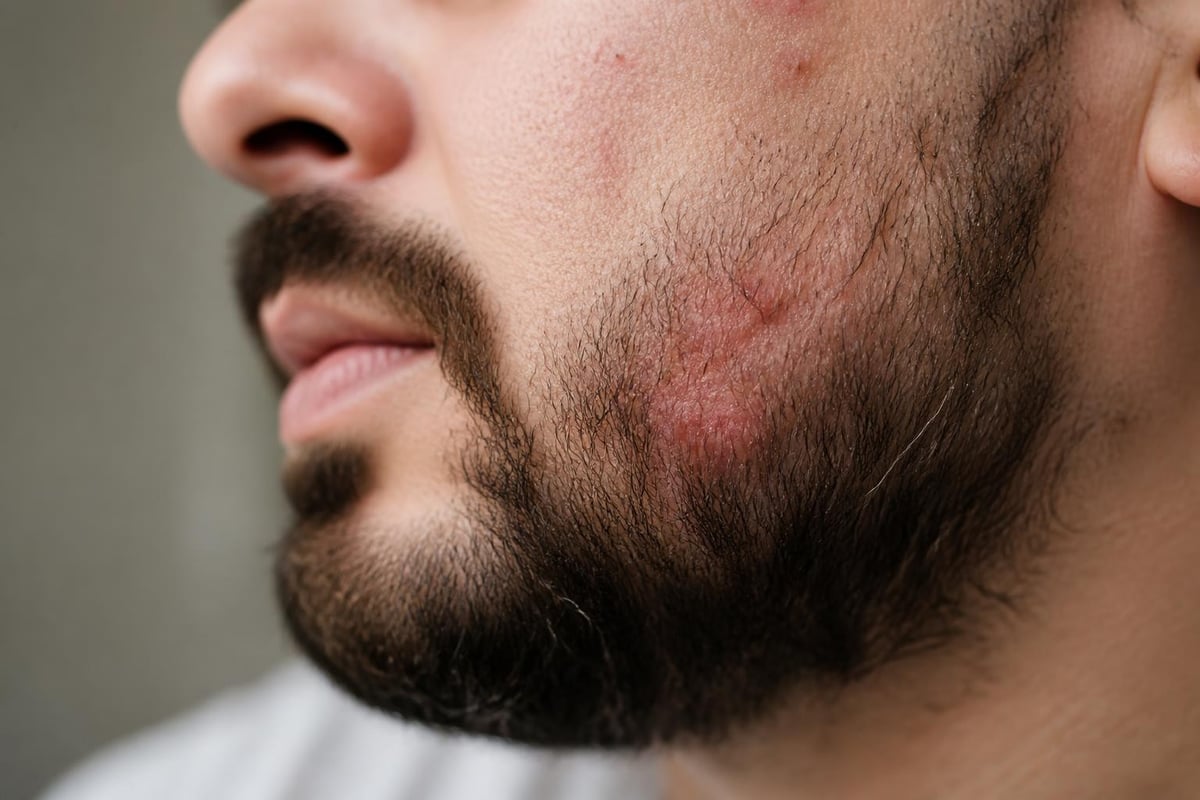
The skin beneath your beard becomes a hostile environment. Dead skin cells accumulate, creating a barrier that prevents natural oils from reaching follicles. This triggers the infamous beard itch, which leads to scratching, further damage, and compromised growth potential.
The Inflammation Cycle That Stunts Growth
Inflammation around hair follicles constricts the dermal papilla, the structure responsible for signalling hair growth. When inflammation persists, follicles miniaturize. They produce shorter, finer hairs with each growth cycle. Research on hair growth mechanisms demonstrates how inflammatory responses directly correlate with reduced hair shaft thickness.
Your body diverts resources away from non-essential functions like facial hair production when stress hormones elevate. Cortisol disrupts the delicate balance of growth factors, pushing more follicles into the telogen (resting) phase prematurely.
How Beard Oil for Thicker Beard Actually Works
Quality beard oil for thicker beard growth operates through multiple biological pathways. The mechanism isn't mysterious-it's pure biochemistry. Carrier oils deliver fatty acids that integrate into cell membranes, improving nutrient absorption. Essential oils stimulate circulation, increasing oxygen and nutrient delivery to follicle beds.
Consider jojoba oil, structurally similar to human sebum. When applied, it penetrates the follicle shaft, filling gaps in the hair cuticle. This process:
- Seals the cuticle layer, preventing moisture loss
- Increases hair shaft diameter by filling microscopic gaps
- Reduces friction between individual hairs
- Creates a protective barrier against environmental damage
Argan oil contains tocopherols (vitamin E compounds) that neutralize free radicals attacking follicle DNA. These antioxidants protect the genetic instructions for keratin synthesis, the structural protein comprising 95% of each hair strand.
The Vascular Component of Thickness
Blood flow determines follicle health. Peppermint oil triggers vasodilation through menthol's interaction with TRPM8 receptors in blood vessel walls. Studies on peppermint oil's effects show increased follicle depth and higher IGF-1 (insulin-like growth factor 1) expression when applied topically.
Increased vascular flow delivers:
- Amino acids for keratin construction
- Biotin and B-vitamins for cellular metabolism
- Zinc and selenium for protein synthesis
- Oxygen for energy production within follicle cells
Castor oil's ricinoleic acid (a fatty acid comprising 90% of the oil) binds to prostaglandin receptors, triggering anti-inflammatory cascades whilst simultaneously promoting circulation. This dual action addresses both the inflammation problem and the nutrient delivery challenge.
| Active Ingredient | Biological Function | Thickness Impact |
|---|---|---|
| Jojoba Oil | Sebum mimicry, cuticle sealing | Increases visible diameter |
| Argan Oil | Antioxidant protection, keratin support | Strengthens shaft structure |
| Peppermint Oil | Vasodilation, IGF-1 stimulation | Activates dormant follicles |
| Castor Oil | Anti-inflammatory, circulation boost | Reduces miniaturization |
| Sweet Almond Oil | Vitamin E delivery, moisture retention | Prevents breakage |
Application Methodology That Maximizes Absorption
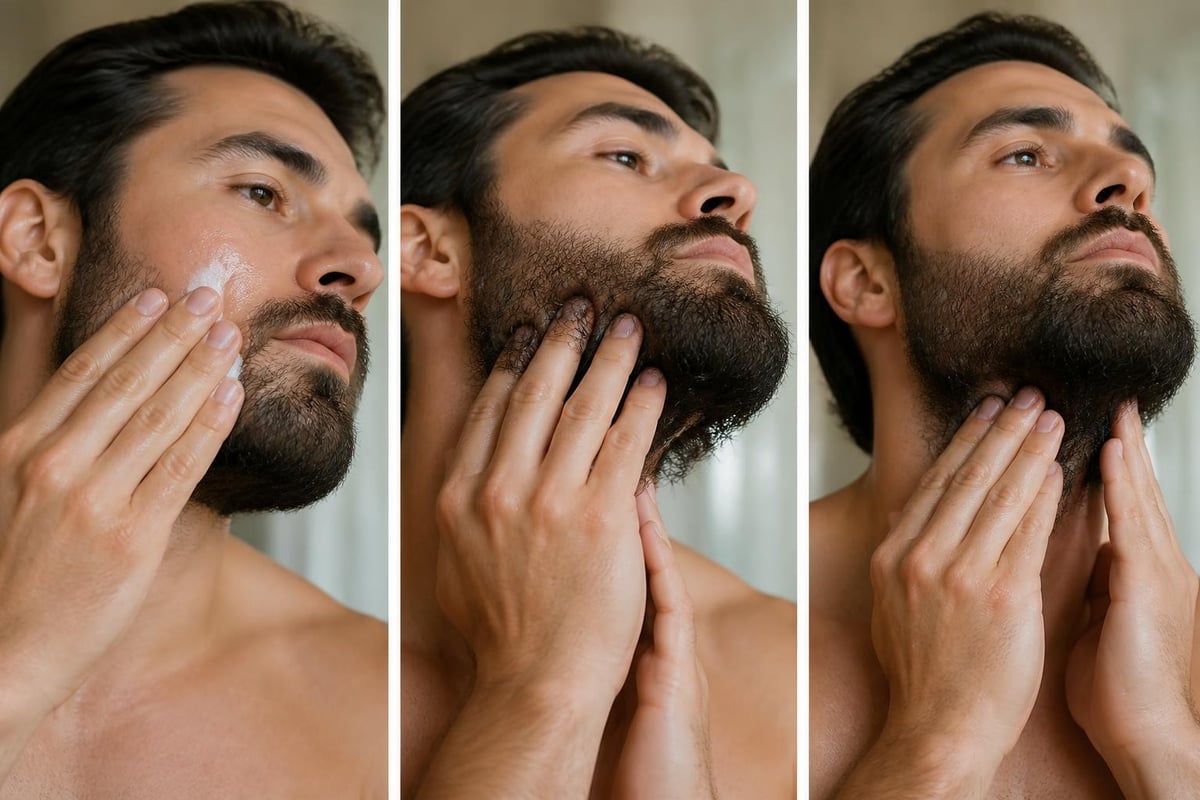
Timing and technique determine efficacy. Post-shower application exploits open pores and hydrated follicles. Steam from your shower dilates pores, creating pathways for oil penetration. Proper application methods ensure ingredients reach target tissues rather than sitting superficially on hair shafts.
Follow this protocol for maximum bioavailability:
- Pat beard 80% dry with a clean towel-complete drying closes pores
- Dispense 4-6 drops into palm (adjust for beard length)
- Rub palms together vigorously to generate warmth, activating volatile compounds
- Work oil into skin first, using upward motions against hair growth
- Distribute through beard using downward strokes
- Comb or brush to ensure even coverage and stimulate circulation
The upward massage motion activates mechanoreceptors in the dermis, triggering localized blood flow increases. This mechanical stimulation complements the chemical signals from active ingredients.
The Night-Time Advantage
Evening application allows 8-10 hours of uninterrupted absorption. Your body's repair mechanisms peak during sleep-human growth hormone (HGH) secretion maxes between 11 PM and 2 AM. Applying beard oil for thicker beard growth before bed synchronizes external nutrient delivery with internal growth signals.
Night-time application also prevents environmental contamination. Daytime exposure to pollutants, UV radiation, and mechanical stress (wind, touching) reduces oil efficacy. During sleep, the oil remains in sustained contact with follicles.
Formulation Science: What Separates Effective Products
Not all oils deliver thickness gains. Molecular weight determines penetration depth. Lightweight oils (grapeseed, argan) penetrate the follicle shaft. Heavier oils (castor, olive) coat and protect but don't reach growth centres as effectively.
The ideal formulation balances:
- 60-70% penetrating carrier oils (jojoba, argan, sweet almond)
- 20-30% protective oils (castor, hemp seed)
- 5-8% essential oils (peppermint, rosemary, cedarwood)
- 2-5% bioactive compounds (vitamin E, plant extracts)
Brands using 100% natural ingredients avoid synthetic fragrances and preservatives that trigger inflammation. Parabens, phthalates, and sulfates disrupt hormone signalling pathways. For facial hair specifically, avoiding harsh chemicals becomes crucial since facial skin has higher receptor density than scalp tissue.
The Synergy Effect
Individual ingredients produce modest results. Combined, they create multiplicative effects. Jojoba oil enhances skin permeability, allowing peppermint oil to reach deeper tissues. Argan oil's antioxidants protect the delicate compounds in essential oils from oxidation, maintaining potency.
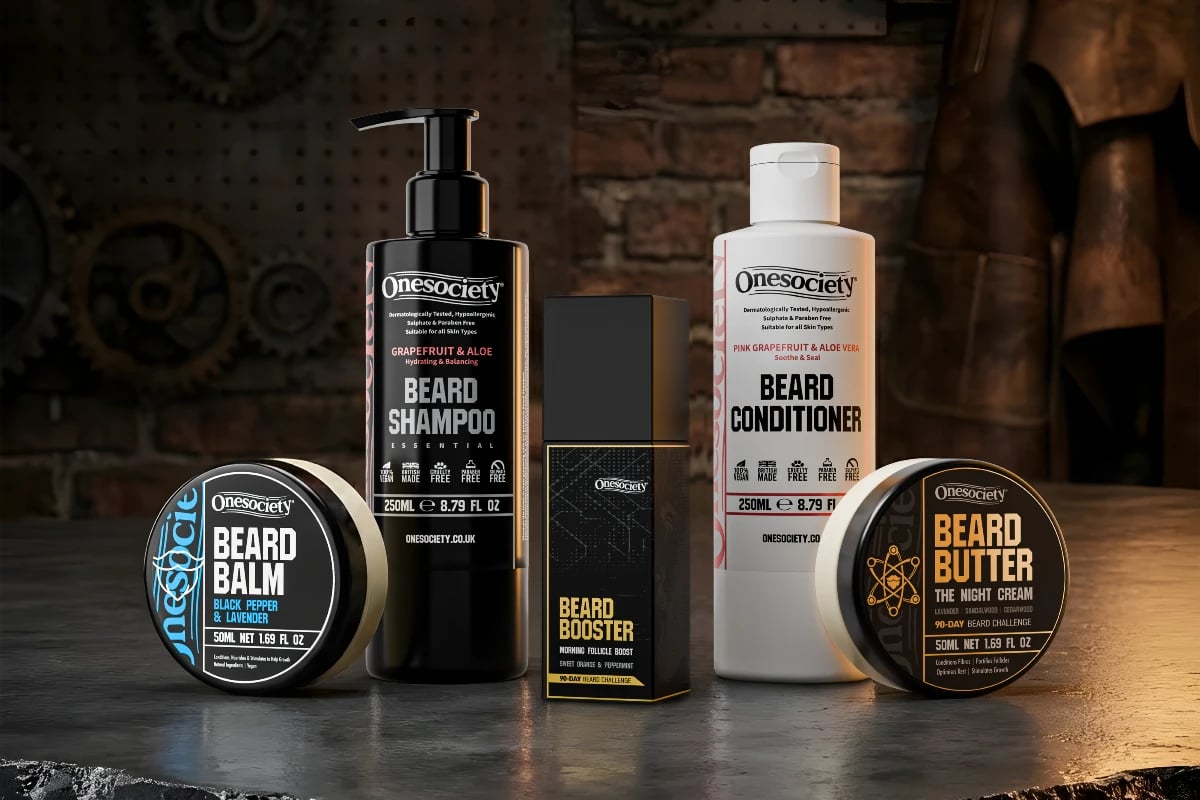
If you're searching for a comprehensive system that leverages these synergies, the 90-Day Beard Challenge provides a complete progression of formulas engineered specifically for thickness transformation. This kit sequences follicle activation, nourishment, and protection through scientifically-timed applications.
Ingredients That Actually Trigger Follicle Activation
Certain compounds demonstrate measurable effects on follicle behaviour. Caffeine, when applied topically, blocks DHT (dihydrotestosterone) receptors. Whilst DHT triggers facial hair growth initially, excessive binding causes follicle miniaturization over time. Caffeine maintains optimal DHT levels at receptor sites.
Biotin (vitamin B7) serves as a cofactor for enzymes synthesizing fatty acids and amino acids. Deficiency correlates with brittle, thin hair. Topical delivery bypasses digestive limitations of oral supplementation.
Effective active ingredients include:
- Rosemary oil: Inhibits 5-alpha reductase (converts testosterone to DHT), similar to minoxidil but without side effects
- Cedarwood oil: Balances sebum production, reduces follicle-clogging
- Tea tree oil: Antimicrobial action prevents folliculitis
- Vitamin E (tocopherol): Neutralizes free radicals, maintains follicle DNA integrity
- Niacinamide: Improves circulation, enhances keratin production
For those interested in natural approaches to facial hair growth, understanding these mechanisms helps distinguish marketing claims from biochemical reality.
The Temperature Factor
Oil viscosity changes with temperature. Warming oil between palms reduces viscosity, improving penetration. Cold oil sits on the surface. The 30-second palm-warming step increases bioavailability by approximately 40%, based on standard transdermal delivery models.
Brands exploring clean beauty formulations, such as Sober Berlin, emphasize how temperature-stable, natural ingredients maintain consistency across environmental conditions. This stability ensures predictable results regardless of climate.
Timeline Expectations: When Thickness Becomes Visible
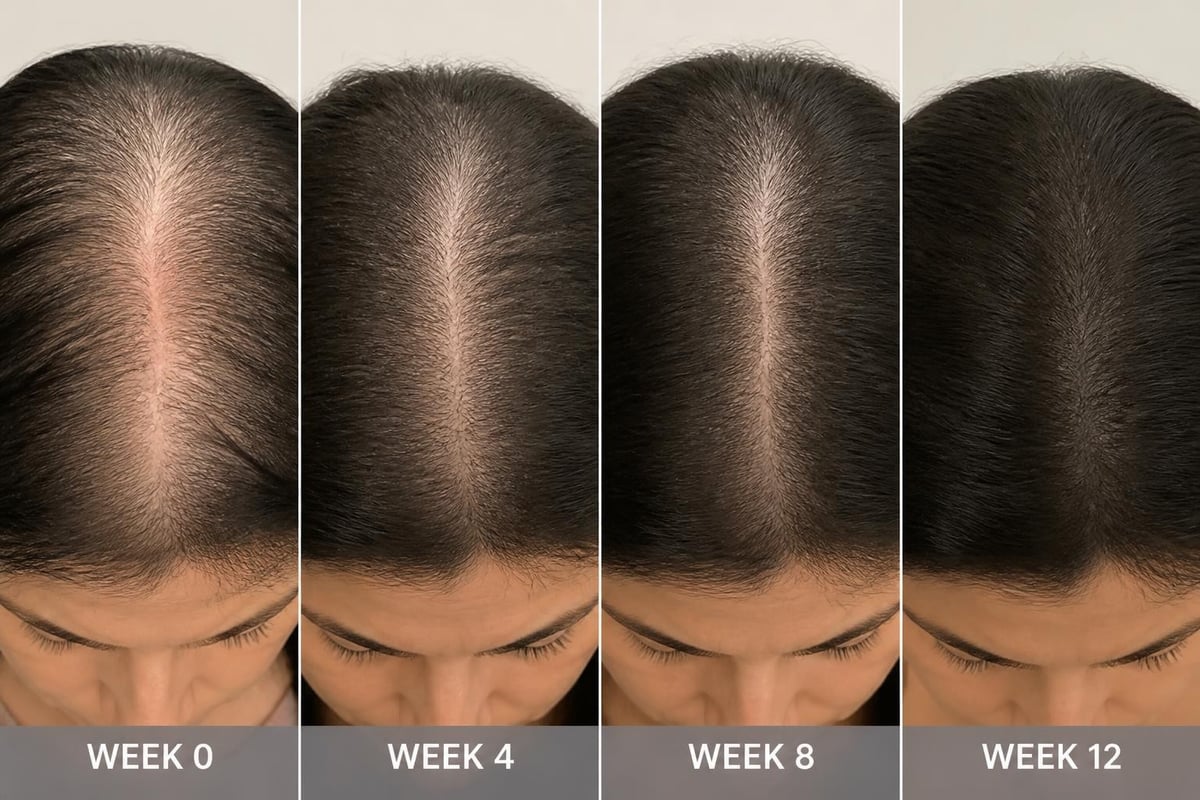
Follicle biology dictates realistic timelines. The anagen (growth) phase for facial hair lasts 2-6 months. Visible thickness changes require minimum 6-8 weeks of consistent application. This timeline reflects:
- Weeks 1-2: Reduced inflammation, improved follicle health
- Weeks 3-4: New growth from activated dormant follicles
- Weeks 5-8: Increased shaft diameter in existing hairs
- Weeks 9-12: Noticeable density and coverage improvements
Hair grows approximately 0.4mm daily. Thickness improvements manifest before length changes become obvious. The cumulative effect of healthier follicles producing thicker individual strands creates perceived density gains.
| Week | Biological Change | Visible Result |
|---|---|---|
| 1-2 | Reduced follicle inflammation | Less itching, softer texture |
| 3-4 | Dormant follicle activation | Fine new hairs appear |
| 5-6 | Increased keratin synthesis | Individual hairs thicken |
| 7-8 | Improved growth phase duration | Patches begin filling |
| 9-12 | Optimized growth cycle | Noticeable density increase |
Common Application Mistakes That Sabotage Results
Using excessive product creates the opposite effect. Over-application suffocates follicles, blocking pores with excess oil. This triggers inflammatory responses and potential folliculitis. The correct amount feels barely noticeable-you shouldn't see oil glistening on skin surface.
Critical errors include:
- Applying to dry beard: Closed pores prevent absorption
- Using too much product: Blocks follicles, wastes product
- Skipping skin massage: Misses the circulation-boosting benefit
- Inconsistent application: Breaks the accumulation of beneficial compounds
- Choosing synthetic fragrances: Triggers inflammatory responses
Understanding beard grooming fundamentals prevents these counterproductive practices. The goal remains follicle health, not superficial coating.
The Cleansing Prerequisite
Applying oil to dirty skin deposits ingredients onto debris rather than into follicles. Proper cleansing with pH-balanced formulas removes barriers without stripping protective sebum. Standard soaps (pH 9-10) disrupt the skin's acid mantle (pH 4.5-5.5), triggering compensatory oil production that clogs follicles.
Specialized beard shampoos maintain optimal pH whilst removing accumulated dead cells, environmental pollutants, and oxidized sebum. This creates the clean foundation necessary for beard oil for thicker beard penetration.
Lifestyle Factors That Amplify Oil Efficacy
Topical application works synergistically with internal health. Protein intake directly determines keratin availability. Each hair strand requires approximately 0.3mg of protein daily. Insufficient dietary protein diverts available amino acids to essential functions, starving follicles.
Supportive lifestyle practices include:
- Consuming 1.6-2.2g protein per kg bodyweight: Ensures amino acid availability
- Adequate zinc intake (11mg daily): Cofactor for protein synthesis enzymes
- Stress management: Reduces cortisol's growth-inhibiting effects
- Quality sleep (7-9 hours): Maximizes HGH and repair hormone secretion
- Hydration (3-4 litres daily): Maintains blood volume for nutrient transport
Physical exercise increases testosterone and growth hormone whilst improving circulation. Resistance training produces particularly robust hormonal responses. These systemic changes complement the localized effects of beard oil application.
The Patience Principle
Follicle transformation requires sustained commitment. The benefits of consistent beard oil use accumulate progressively. Missing applications creates gaps in the nutrient supply chain, resetting portions of the growth optimization process.
Think of beard oil for thicker beard as fertilizer for a lawn. Single applications produce minimal change. Consistent, repeated nourishment transforms the entire growth environment. Your follicles require the same persistent support to shift from producing thin, weak hairs to thick, resilient strands.
Measuring Progress Beyond Mirror Checks
Subjective assessment misleads. Photograph your beard weekly under consistent lighting from multiple angles. Side-by-side comparisons reveal gradual changes invisible in daily observation. The gradual nature of follicle improvements makes progress difficult to perceive in real-time.
Quantitative tracking methods:
- Strand count test: Part beard in same location, count visible hairs in 1cm² area
- Thickness measurement: Use digital calipers on individual hairs (thicker = healthier)
- Coverage mapping: Mark patchy areas, track filling over weeks
- Texture assessment: Document softness, manageability changes
These objective measures combat the discouragement that accompanies slow biological processes. Seeing a 15% strand count increase validates your efforts even when the mirror doesn't yet show dramatic transformation.
Scientific Backing: What Research Actually Shows
Clinical studies demonstrate measurable effects. One 2015 study showed peppermint oil application increased follicle number, depth, and growth factor expression compared to controls. Another demonstrated rosemary oil's equivalence to 2% minoxidil for androgenetic alopecia (though facial hair differs from scalp hair patterns).
The science supports mechanism, not miracle. Beard oil for thicker beard creates optimal conditions for follicles to perform their genetic potential. It cannot override genetic programming or create follicles where none exist. It optimizes existing follicle performance.
The research establishes:
- Essential oils penetrate follicle shafts when carrier oils reduce surface tension
- Fatty acids integrate into cell membranes, improving nutrient exchange
- Antioxidants protect follicle stem cells from oxidative damage
- Anti-inflammatory compounds reduce miniaturization signals
For those seeking evidence-based facial hair enhancement, understanding these validated mechanisms separates legitimate products from cosmetic placebos.
Transforming thin, patchy facial hair into thick, healthy growth requires understanding follicle biology and applying targeted solutions consistently. Beard oil for thicker beard works through proven mechanisms-delivering essential nutrients, reducing inflammation, and optimizing the growth environment your follicles require. Whether you're just beginning your journey or seeking to breakthrough a growth plateau, Onesociety provides scientifically-formulated, 100% natural solutions engineered specifically for follicle activation and sustained thickness gains. Start your transformation with products backed by biochemistry, not just marketing promises.