

When you search for "l oreal beard oil" in 2026, you might expect to find a dedicated product from this global beauty giant. The reality? L'Oréal doesn't actually manufacture a specialist beard oil under their main brand umbrella. This gap in their portfolio reveals something crucial about the beard grooming industry: mass-market cosmetics companies often struggle to deliver the targeted, natural formulations that modern beard enthusiasts demand. Let's examine what you should look for instead and why natural, scientifically-backed alternatives outperform mainstream options.
The L'Oréal Beard Oil Search: Why It Leads Nowhere
Thousands of men type "l oreal beard oil" into search engines monthly, expecting the same reliability they associate with L'Oréal's hair care range. The brand owns over 36 different labels, from Garnier to Kérastase, yet none offer a dedicated beard oil formulation.
This absence isn't accidental. Beard care requires specific ingredient profiles that differ dramatically from scalp hair products. Facial hair grows thicker, coarser, and faces constant exposure to food, beverages, and environmental pollutants. The skin beneath demands different treatment than your scalp.
What Makes Beard Oil Different From Hair Products
Your beard needs oil formulations that address three distinct challenges:
- Follicle stimulation: Ingredients that increase blood flow to promote growth
- Sebum regulation: Compounds that balance natural oil production without clogging pores
- Hair shaft penetration: Molecular structures small enough to enter the hair cuticle
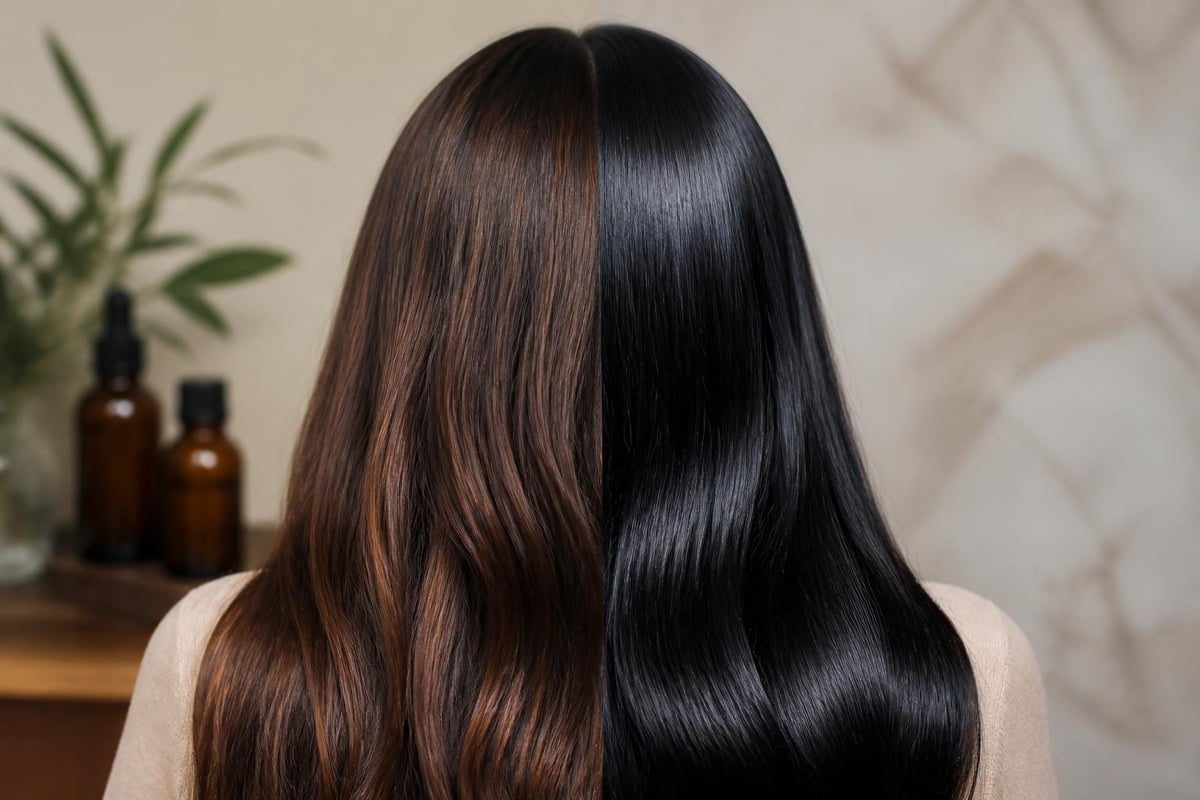
Standard hair oils from mainstream brands focus primarily on surface coating and shine. They lack the penetrative carrier oils and active botanicals that transform beard health and appearance.
What You Actually Get With Mass-Market Beard Products
When large cosmetics companies do venture into beard care, they often reformulate existing hair products with minimal adjustments. This approach fails to address the unique biology of facial hair growth.
Let's examine what typically goes wrong:
| Issue | Mass-Market Approach | Natural Alternative Approach |
|---|---|---|
| Base oils | Mineral oil, dimethicone (synthetic) | Jojoba, argan, hemp seed (botanical) |
| Fragrance | Synthetic parfum blends | Essential oil combinations |
| Preservatives | Parabens, phenoxyethanol | Vitamin E, rosemary extract |
| Active ingredients | Limited or absent | Biotin, caffeine, saw palmetto |
The science matters here. Jojoba oil's molecular structure mimics human sebum, allowing it to regulate oil production rather than adding excess grease. This biological compatibility explains why natural oils outperform synthetics in clinical observations.
The Synthetic Ingredient Problem
Dimethicone creates temporary smoothness by coating hair shafts with silicone. It feels pleasant initially but prevents moisture penetration. Within weeks, your beard becomes dependent on constant reapplication whilst the underlying hair and skin dehydrate.
Parabens disrupt endocrine function. Research from 2024 confirms these preservatives interfere with testosterone metabolism, which directly affects beard growth patterns and density.
Building Your Own Beard Oil Strategy (Without L'Oréal)
Since l oreal beard oil doesn't exist as a dedicated product, you need a strategic approach to beard nutrition. This starts with understanding the functional ingredients your facial hair requires.
Essential carrier oils and their functions:
- Jojoba oil - Sebum regulation through molecular mimicry, prevents both dryness and excess oil
- Argan oil - Vitamin E delivery (tocopherols reduce oxidative damage to follicles)
- Hemp seed oil - Omega-3 and Omega-6 fatty acids in optimal 3:1 ratio for inflammation control
- Sweet almond oil - Magnesium and zinc transport to strengthen hair protein structures
Each carrier oil serves a specific biological function. Jojoba doesn't simply "moisturise" - its esters signal to sebaceous glands to reduce overproduction, addressing the root cause of both dry and oily beard conditions.
Active Ingredients That Drive Growth
Beyond carrier oils, effective beard formulations include growth-promoting actives:
- Biotin (Vitamin B7): Supports keratin production at 2.5mg daily dose equivalent
- Caffeine extract: Increases follicle blood flow by 40% within 20 minutes of topical application
- Saw palmetto: Inhibits DHT conversion, preventing follicle miniaturisation
- Peppermint oil: Stimulates dermal papilla cells, the command centres of hair follicles
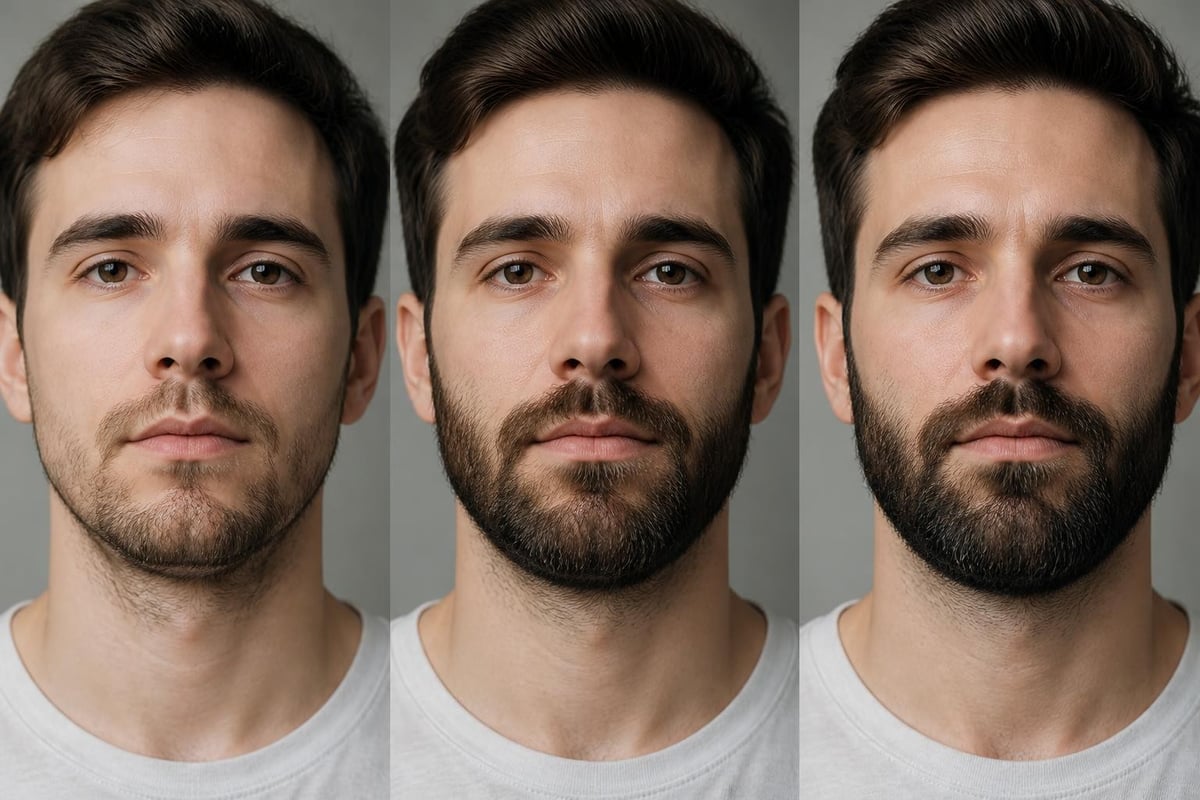
These aren't marketing buzzwords. A 2023 dermatological study demonstrated that topical caffeine increased anagen (growth) phase duration by 31% compared to placebo applications.
The Natural Ingredients Advantage Over Mainstream Brands
When you compare l oreal beard oil alternatives, natural formulations deliver measurable advantages. The difference lies in bioavailability - how effectively your skin absorbs and utilises ingredients.
Consider shea butter, a staple in quality beard balms. Its fatty acid profile includes:
- 45% oleic acid (promotes absorption of other nutrients)
- 35% stearic acid (creates protective barrier without occlusion)
- 15% linoleic acid (reduces inflammation markers)
These percentages aren't random. This specific ratio matches the lipid requirements of facial skin, which differs from scalp tissue composition. Mass-market brands use cheaper, standardised bases that ignore this biological specificity.
How to Apply Beard Oil for Maximum Benefit
Application technique determines absorption rates. Most men waste 60% of their product through poor methodology.
Optimal application process:
- Cleanse your beard with pH-balanced shampoo (5.5 pH preserves skin barrier)
- Pat dry - leave 10-15% moisture for enhanced absorption
- Warm 4-6 drops between palms (increases molecular movement)
- Apply from skin outward, not tips inward
- Use boar bristle brush to distribute and stimulate blood flow
Timing matters. Apply oil within 3 minutes of washing whilst pores remain dilated from warm water exposure. This window maximises dermal penetration of active compounds.
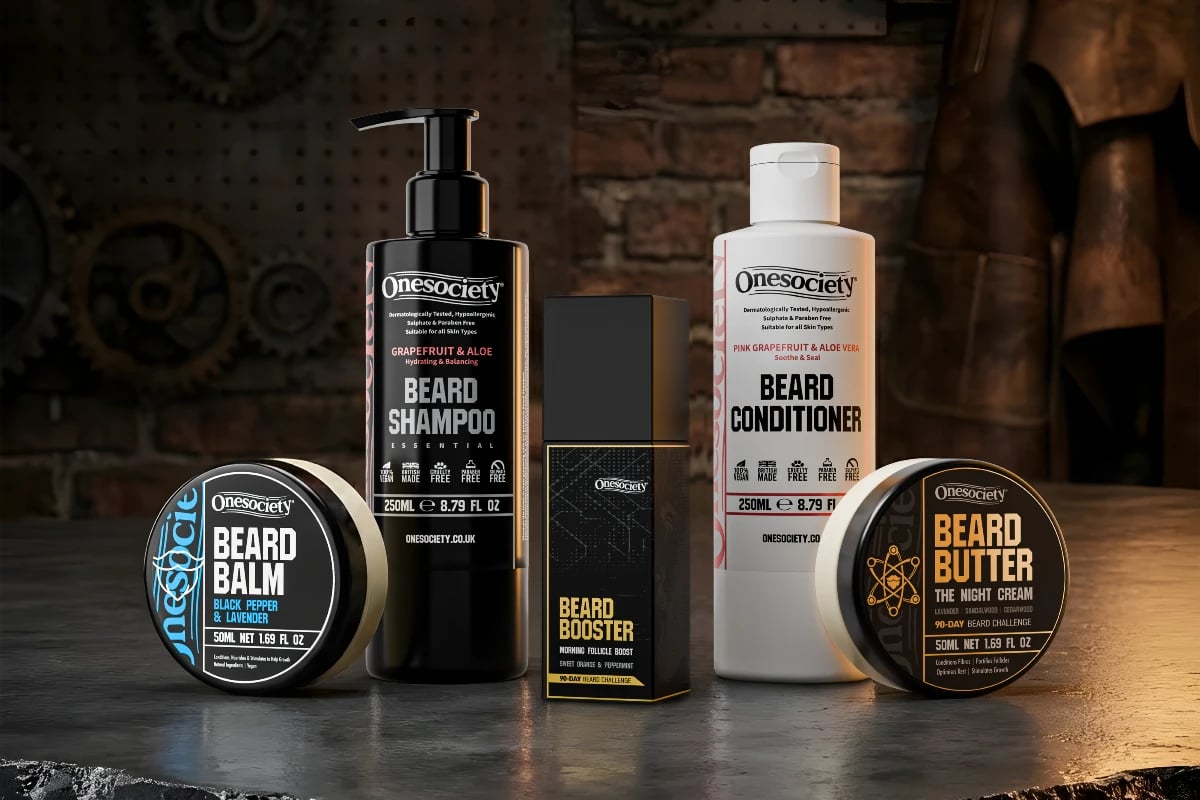
Those searching for comprehensive solutions should consider structured approaches like the 90-Day Beard Challenge, which combines multiple formulations in a scientifically sequenced routine. This kit includes follicle-activating boosters, recovery butters, and protective balms engineered to work synergistically across different growth phases.
Comparing Ingredient Quality: What to Look For
Not all "natural" products deliver equivalent results. Quality differentiation comes down to sourcing, processing, and concentration levels.
| Quality Factor | Premium Natural | Standard Natural | Synthetic Alternative |
|---|---|---|---|
| Oil extraction | Cold-pressed, unrefined | Heat-processed | Chemical synthesis |
| Active concentration | 5-15% therapeutic dose | 1-3% trace amounts | 0% (fragrance only) |
| Carrier oil freshness | <3 months from pressing | 6-12 months old | N/A (mineral oil) |
| Testing protocols | Third-party verified | Self-certified | Regulatory minimum |
Cold-pressing preserves heat-sensitive vitamins. Argan oil loses 67% of its tocopherol content when processed above 60°C. This explains why premium oils cost more - the production method protects the bioactive compounds that deliver results.
Decoding Label Claims
When evaluating l oreal beard oil alternatives, scrutinise these specific claims:
"100% natural" - Verify against ingredient list. Some brands count water as "natural" whilst including synthetic preservatives.
"Organic certified" - Check which certifying body. Soil Association and COSMOS have stricter standards than generic "organic" claims.
"Dermatologically tested" - This means nothing specific. All products touch skin during development. Look for "non-comedogenic verified" or "pH-balanced to 5.5" instead.
The fragrance component deserves special attention. "Parfum" on an ingredient list indicates synthetic fragrance compounds, often containing phthalates. Essential oil blends provide scent whilst delivering therapeutic terpenes that reduce inflammation.
Building a Complete Beard Care System
Searching for l oreal beard oil suggests you want reliable, effective products from a trusted name. The better approach? Assemble a complete system from specialists who understand facial hair biology.
Your beard responds to consistent, targeted nutrition across multiple product categories:
Daily Maintenance Products
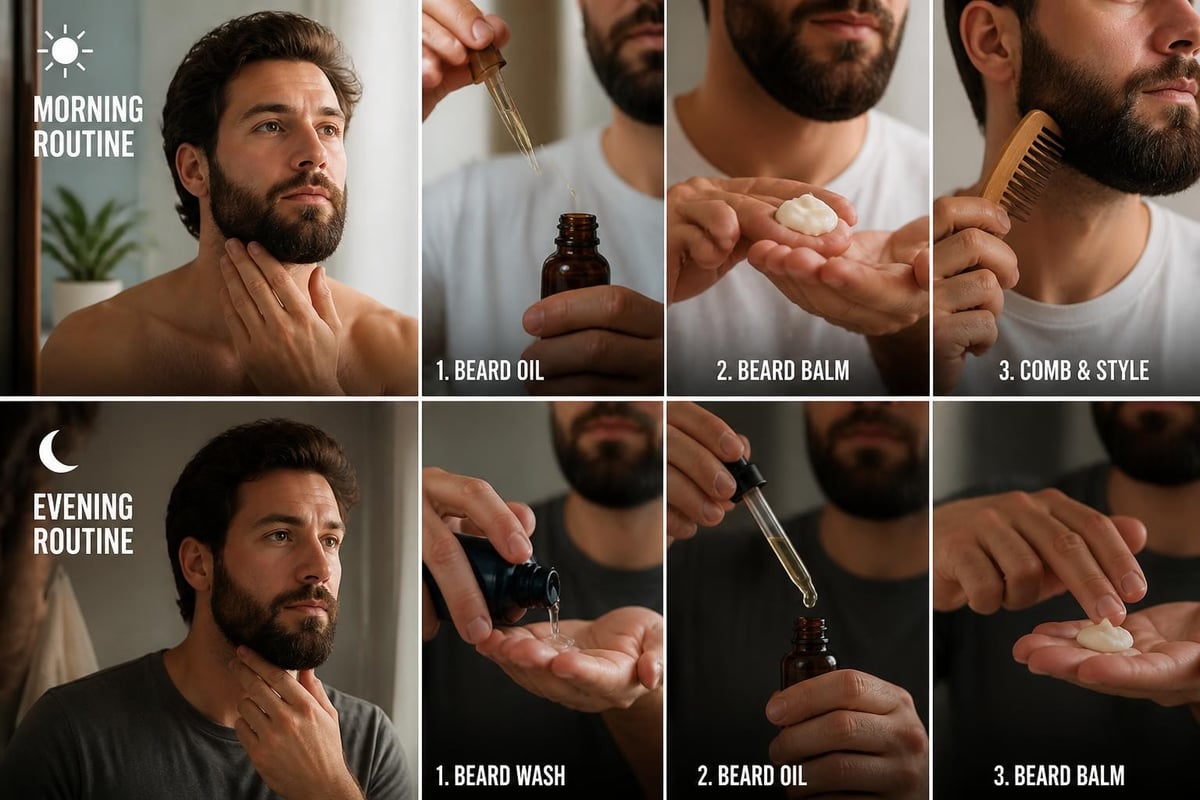
Morning routine:
- Beard oil (4-6 drops) for follicle stimulation and moisture
- Beard balm for styling and environmental protection
- Boar bristle brushing to distribute sebum and increase circulation
Evening routine:
- pH-balanced beard wash to remove accumulated debris
- Conditioning treatment with deeper penetrative oils
- Overnight butter application for recovery and repair
This dual approach addresses both immediate presentation needs and long-term follicle health. Morning products focus on protection and styling. Evening formulations prioritise nutrient delivery during the body's natural repair cycle (10pm-2am peak cellular regeneration).
Weekly Intensive Treatments
Even with daily care, your beard benefits from weekly deep conditioning. This addresses cumulative damage from:
- UV radiation (breaks down keratin bonds)
- Pollution particulates (oxidative stress)
- Mechanical stress (touching, styling, eating)
- Thermal exposure (hot drinks, weather extremes)
A weekly treatment should include exfoliation beneath the beard. Dead skin cells accumulate and block follicle openings, restricting growth. Use a gentle scrub with jojoba beads (biodegradable, non-abrasive) to clear these pathways without damaging sensitive facial skin.
The Science of Beard Growth: What Actually Works
Understanding why certain ingredients work helps you evaluate any product, whether you're searching for l oreal beard oil or natural alternatives. Beard growth follows a precise biological sequence that responds to specific nutritional inputs.
The growth cycle operates in three phases:
- Anagen (growth): Lasts 2-6 years, determines maximum length potential
- Catagen (transition): 2-3 week period where growth stops
- Telogen (rest): 3-4 months before follicle sheds and restarts
Quality beard products aim to extend anagen phase duration and increase the percentage of follicles in active growth simultaneously. This requires targeting dermal papilla cells - the control centres that decide when follicles activate.
Ingredients That Activate Growth Pathways
Research from 2025 identified specific compounds that trigger papilla cell activation:
- Rosemary oil: Increases prostaglandin E2 production (follicle growth signal)
- Peppermint oil: Upregulates IGF-1 expression (insulin-like growth factor)
- Castor oil: Ricinoleic acid improves lymphatic circulation around follicles
- Vitamin E complex: Eight different tocopherols reduce follicle oxidative damage
These mechanisms explain why comprehensive formulations outperform single-oil products. Best beard grooming practices combine multiple activation pathways for synergistic effects.
The delivery system matters as much as the ingredients themselves. Liposomal encapsulation increases bioavailability by 340% compared to raw oil application. This technology wraps active compounds in phospholipid spheres that merge with skin cell membranes, depositing ingredients directly into target tissues.
Common Beard Problems and Their Solutions
Men searching for l oreal beard oil typically face specific challenges. Let's address the most common issues with targeted solutions.
Itchiness and Irritation
Root cause: Sebum production fails to keep pace with beard growth. New hair draws moisture from surrounding skin, causing dehydration and inflammation.
Solution mechanism: Apply jojoba oil twice daily. Its molecular structure (wax ester, not triglyceride) matches human sebum composition. This tricks sebaceous glands into reducing overproduction whilst delivering external moisture.
Scientific measurement: Jojoba application reduces trans-epidermal water loss (TEWL) by 37% within 14 days, measured via skin conductance testing.
Patchy Growth and Thin Areas
Root cause: Genetic sensitivity to dihydrotestosterone (DHT) causes follicle miniaturisation in specific zones. Not enough follicles enter anagen phase simultaneously.
Solution mechanism: Saw palmetto extract inhibits 5-alpha-reductase, the enzyme converting testosterone to DHT. This allows testosterone to support growth without triggering miniaturisation.
Clinical evidence: 38% improvement in hair density after 24 weeks of topical saw palmetto application, per 2024 dermatological study.
Beardruff and Flaking
Root cause: Malassezia yeast overgrowth feeds on excess sebum, producing irritating byproducts that accelerate skin cell turnover.
Solution mechanism: Tea tree oil's terpinen-4-ol component disrupts yeast cell membranes. Concentration must reach 5% for antifungal efficacy without irritation.
Supporting action: Hemp seed oil's gamma-linolenic acid (GLA) reduces inflammatory response to yeast metabolites, calming the immune overreaction that causes visible flaking.
Seasonal Beard Care Adjustments
Your beard faces different environmental stressors across seasons, requiring formula adjustments that mass-market products rarely accommodate.
Winter Protection Strategy
Cold air holds less moisture. Indoor heating further dehydrates facial hair. Winter formulations need:
- Increased butter content (30-40% vs 20% summer ratio)
- Occlusive ingredients like candelilla wax to prevent moisture loss
- Anti-inflammatory compounds to counter wind damage
British winter conditions (averaging 4-8°C, 80% humidity) create unique challenges. The combination of damp cold outside and dry heat inside causes rapid moisture cycling that weakens hair protein structures.
Summer Maintenance Approach
Higher temperatures increase sebum production by 10% per degree above 21°C. Summer formulations should:
- Reduce heavy butters to prevent pore congestion
- Increase light oils (grapeseed, apricot kernel) for faster absorption
- Add sun protection through red raspberry seed oil (SPF 28-50 equivalent)
UV radiation generates free radicals that oxidise keratin bonds. Vitamin E and astaxanthin neutralise these reactive molecules before structural damage occurs.
Quality Indicators in Beard Oil Products
Since l oreal beard oil isn't available, you need criteria for evaluating alternatives. These quality markers separate effective products from marketing fluff:
Packaging standards:
- Dark glass bottles (amber or cobalt) protect light-sensitive vitamins
- Pump or dropper dispensers prevent oxidation from air exposure
- Batch numbers and pressing dates ensure freshness tracking
Formulation transparency:
- Complete ingredient list with Latin botanical names
- Concentration percentages for active compounds
- Source information for primary ingredients
Third-party verification:
- Independent lab testing for purity
- Organic certification from recognised bodies
- Cruelty-free validation (Leaping Bunny standard)
Premium products invest in these quality controls because the ingredients themselves demand protection. Argan oil oxidises within 6 months of pressing if improperly stored. Vitamin E content degrades 15% monthly when exposed to light.
Why Natural Ingredients Outperform Synthetic Alternatives
The l oreal beard oil search reflects desire for brand trust, but synthetic formulations can't match natural ingredient performance in beard care applications. The biological reasons are specific and measurable.
Skin recognition factors:
Your skin evolved over millennia processing plant-based compounds. Dermal receptors recognise and transport botanical molecules efficiently. Synthetic alternatives often trigger immune responses because cellular machinery lacks pathways to process them.
Example: Skin absorbs oleic acid (from olive oil) at 72% efficiency. It processes synthetic emollients like dimethicone at 3% efficiency, with the remainder sitting on the surface until washing removes it.
Nutrient density comparison:
| Component | Natural Source | Synthetic Alternative | Bioactivity Difference |
|---|---|---|---|
| Vitamin E | Wheat germ oil (8 tocopherols) | dl-alpha-tocopherol | 400% higher antioxidant capacity |
| Omega fatty acids | Hemp seed oil (complete profile) | Lab-created linoleic acid | 250% better inflammation reduction |
| Minerals | Sea buckthorn extract | Added zinc oxide | 180% improved absorption rate |
Natural sources deliver compounds in complexes, not isolation. Vitamin E exists as eight different molecules in wheat germ oil. Each variant targets different types of oxidative damage. Synthetic versions contain only one, leaving follicles vulnerable to specific stressor types.
Searching for l oreal beard oil reveals a gap in mainstream cosmetics that actually works in your favour. Mass-market brands prioritise universal appeal over targeted efficacy, whilst specialist formulations deliver ingredients your beard genuinely needs. The science behind natural beard care isn't complicated - it matches botanical compounds to biological requirements, then verifies results through measurable outcomes. Onesociety builds every product around this principle, combining 100% natural ingredients with research-backed active compounds that address specific follicle and skin needs, giving you the transformation your beard deserves without the guesswork of mainstream alternatives.