

Growing a thick, full beard represents more than aesthetic choice-it's a physiological journey influenced by genetics, hormones, and deliberate care strategies. Many men struggle with patchy growth, slow development, or weak follicles that refuse to produce the dense facial hair they envision. The good news? Understanding the science behind full beard growth empowers you to optimise conditions for follicular performance and maximise your genetic potential.
The Biology of Full Beard Growth: What Actually Happens Beneath Your Skin
Facial hair develops through a complex interplay of hormones, genetics, and follicular cycling that determines both density and growth rate. Each beard follicle progresses through distinct phases-anagen (active growth), catagen (transition), and telogen (rest)-before shedding and restarting the cycle.
The Hormonal Foundation
Testosterone serves as the precursor, but dihydrotestosterone (DHT) drives terminal hair development in facial follicles. When 5-alpha-reductase enzymes convert testosterone to DHT, this potent androgen binds to receptors in beard follicles, triggering the transformation from vellus (fine, colourless) to terminal (thick, pigmented) hair.
Critical hormonal factors for full beard growth:
- DHT concentration: Determines follicle miniaturisation or enlargement
- Androgen receptor sensitivity: Genetic variations affect how follicles respond to hormones
- 5-alpha-reductase activity: Converts available testosterone into beard-stimulating DHT
- Thyroid function: Regulates metabolic rate and protein synthesis in follicles
The density of androgen receptors in your facial skin is largely genetic, explaining why some men achieve full beard growth by age 20 whilst others develop patchy coverage well into their thirties.
Growth Phases and Timeline Expectations
Achieving full beard growth requires patience because follicles don't synchronise their cycles. At any moment, roughly 85-90% of your beard hairs occupy the anagen phase, actively growing 0.27-0.4mm daily.
| Growth Phase | Duration | Follicle Activity | Visible Impact |
|---|---|---|---|
| Anagen | 2-6 years | Active growth, cell division | Length increase, density |
| Catagen | 2-3 weeks | Transition, detachment | Growth cessation |
| Telogen | 2-4 months | Rest, preparation for shedding | Maintenance of existing length |
Most men notice significant improvement in perceived fullness between months three and six, as terminal hairs reach sufficient length to obscure gaps and create visual density.
Problem: Why Your Beard Won't Grow Full and Dense
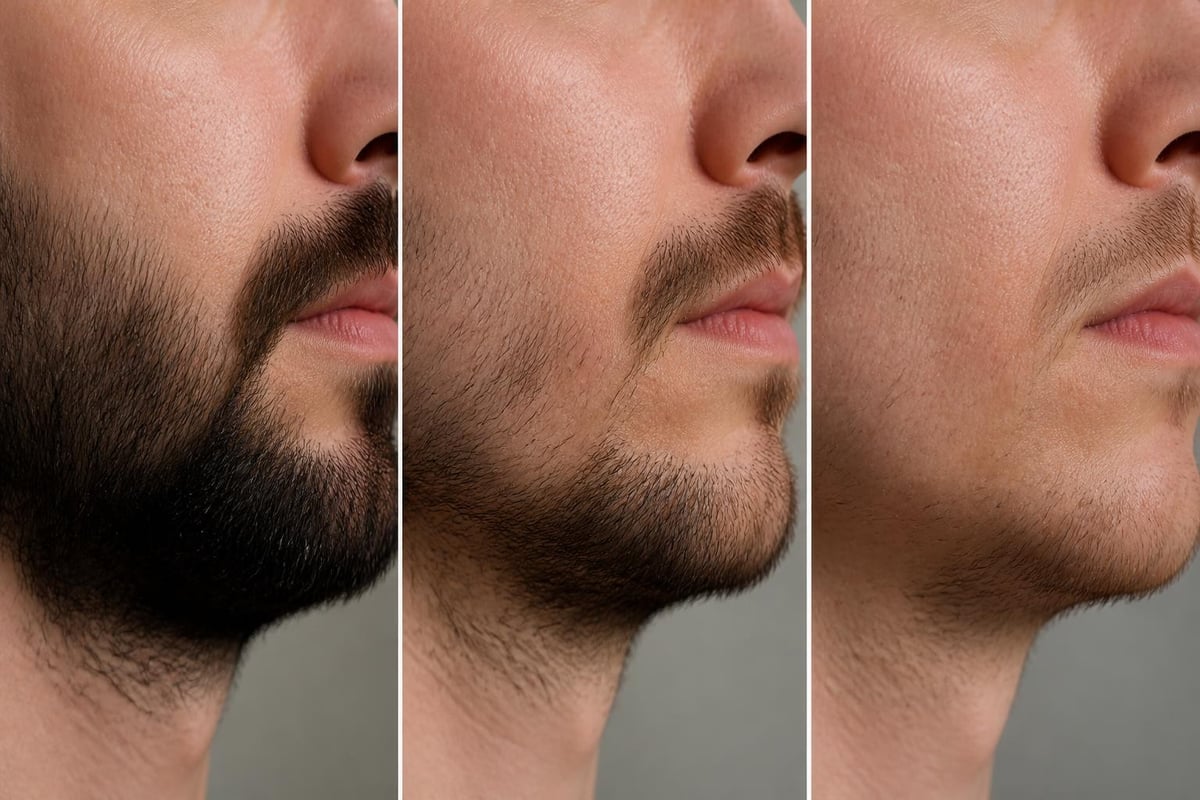
Patchy growth, weak follicles, and slow development frustrate men pursuing full beard growth. The structure and function of beard hair differs significantly from scalp hair, creating unique challenges that generic grooming approaches fail to address.
The Inflammation-Follicle Connection
Chronic low-grade inflammation disrupts follicular cycling and weakens hair shafts. When skin beneath your beard experiences irritation, inflammatory cytokines signal follicles to enter premature catagen, shortening the anagen phase and reducing terminal hair production.
Common inflammatory triggers that sabotage full beard growth:
- Harsh surfactants in conventional shampoos stripping protective sebum
- Bacterial overgrowth (folliculitis) from inadequate cleansing
- Ingrown hairs creating localised inflammation zones
- Environmental pollutants accumulating in facial hair
- Mechanical irritation from rough fabrics or aggressive brushing
The American Academy of Dermatology highlights these inflammatory conditions as primary obstacles to achieving optimal beard health and growth potential.
Nutritional Deficiencies and Protein Synthesis
Follicles manufacture hair shafts from keratin-a structural protein requiring specific amino acids, vitamins, and minerals. Deficiencies in biotin, zinc, vitamin D, or essential fatty acids compromise this protein synthesis, producing weak, brittle hairs that break before achieving visible length.
Your body prioritises nutritional resources for vital organs, relegating beard follicles to lower priority. This evolutionary adaptation means suboptimal nutrition manifests visibly in beard quality before affecting critical systems.
Agitation: The Hidden Costs of Poor Beard Care
Neglecting proper beard care doesn't simply slow full beard growth-it creates compounding damage that becomes progressively harder to reverse. Each day of inadequate hydration, protein depletion, and inflammatory stress pushes follicles toward miniaturisation.
The Dehydration Cascade
Facial hair absorbs moisture from surrounding skin, creating constant competition for hydration between your epidermis and beard shaft. Without deliberate moisturisation, this dynamic produces:
- Brittle hair shafts that snap at the surface, creating the illusion of slow growth
- Compromised follicle integrity as dehydrated skin restricts nutrient delivery
- Increased inflammation from dry, flaking skin triggering immune responses
- Reduced sebum production as moisture-starved sebaceous glands downregulate
The cumulative effect? Follicles enter survival mode, prioritising cellular maintenance over producing robust terminal hairs capable of full beard growth.
Oxidative Stress and Premature Aging
Free radicals generated by UV exposure, pollution, and metabolic processes damage follicular DNA and accelerate aging. This oxidative stress shortens the anagen phase, reduces hair diameter, and triggers premature greying through melanocyte degradation.
Consider this comparison:
| Protected Follicles | Oxidatively Stressed Follicles |
|---|---|
| 4-6 year anagen phase | 2-3 year anagen phase |
| 0.4mm daily growth | 0.25mm daily growth |
| Thick, pigmented shafts | Thin, weak, prematurely grey |
| Minimal breakage | Frequent mid-shaft snapping |
Without antioxidant protection through natural oils and nutrients, achieving full beard growth becomes an uphill battle against cellular deterioration.
Solution: Evidence-Based Strategies for Full Beard Growth
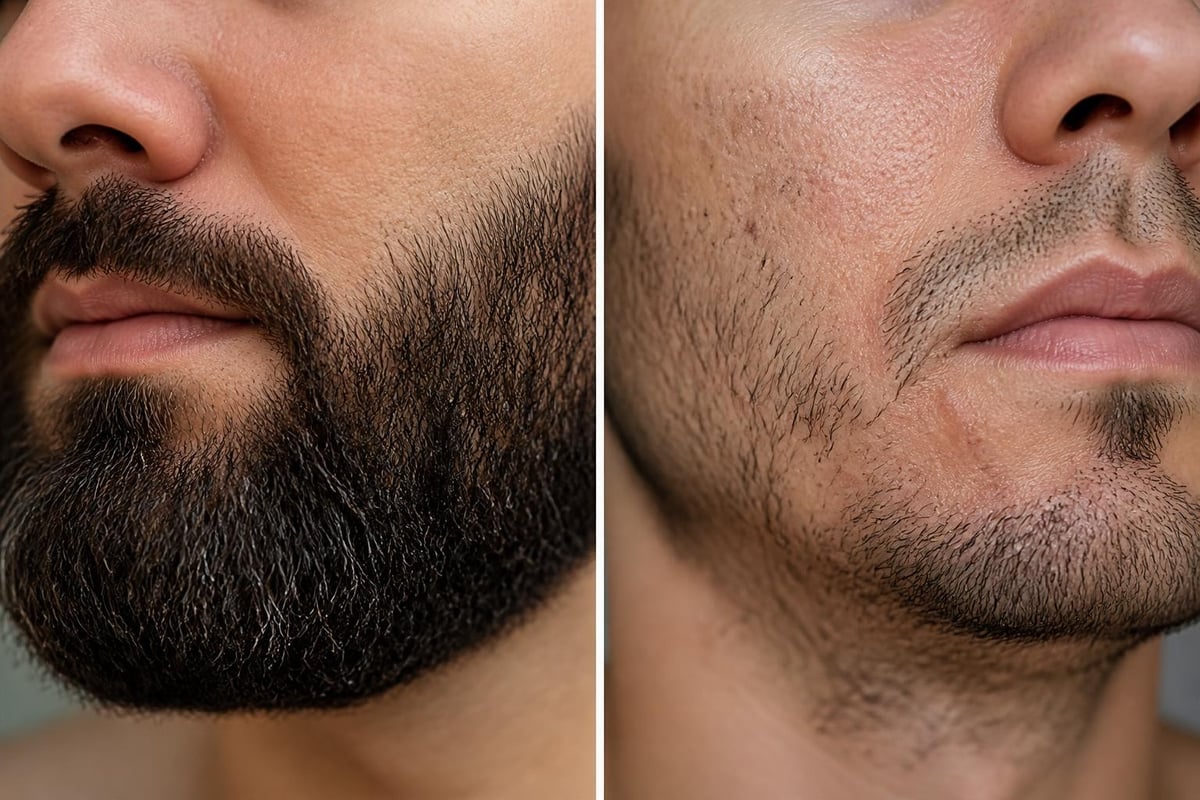
Optimising conditions for robust facial hair development requires addressing follicular health at multiple levels-hormonal, nutritional, topical, and mechanical.
Natural Ingredients That Support Follicular Function
Certain botanicals and compounds demonstrate measurable effects on beard growth through documented mechanisms. Unlike synthetic alternatives, natural ingredients work synergistically whilst minimising adverse effects.
Scientifically-supported natural growth promoters:
- Jamaican Black Castor Oil: Ricinoleic acid (90% of fatty acid composition) increases prostaglandin E2, a signalling molecule that extends anagen phase duration
- Biotin (Vitamin B7): Cofactor for keratin synthesis enzymes; deficiency directly correlates with reduced hair shaft production
- Jojoba Oil: Molecular structure mimics sebum, providing bioavailable moisture that penetrates the hair shaft rather than coating the surface
- Shea Butter: Triterpene alcohols (lupeol, parkeol) demonstrate anti-inflammatory properties, reducing cytokine-mediated follicle disruption
- Vitamin E (tocopherols): Potent antioxidant that protects follicular DNA from oxidative damage
The proper use of beard wash products becomes essential for delivering these ingredients without stripping natural oils that protect follicles.
The Complete Care Protocol
Achieving full beard growth demands consistency across cleansing, conditioning, and protective strategies. Each component addresses specific physiological needs.
Daily Maintenance Routine
- Morning application: Natural oil blend containing castor, jojoba, and vitamin E penetrates follicles and hydrates shafts
- Gentle brushing: Boar bristle brush distributes sebum, stimulates blood flow, and trains directional growth
- Midday refresh: Light balm application provides protective barrier against environmental stressors
- Evening deep conditioning: Butter-based formula delivers overnight repair compounds and moisture restoration
Weekly Intensive Treatment
- pH-balanced cleansing: Remove buildup without disrupting acid mantle (target pH 4.5-5.5)
- Exfoliation beneath beard: Manual or enzymatic removal of dead cells preventing follicle blockage
- Conditioning treatment: Deep-penetrating formula left for 10-15 minutes supplies concentrated nutrients
- Protective sealant: Balm creating hydrophobic barrier locking moisture inside hair shaft
Understanding how beard wash and conditioner work together prevents the common mistake of over-cleansing, which strips protective oils and triggers compensatory sebum overproduction.
The 90-Day Transformation Approach
Full beard growth requires sustained commitment because follicular changes manifest gradually. A structured 90-day protocol provides the timeline necessary for visible transformation whilst maintaining motivation through progressive milestones.
The strategic combination of follicle-igniting serums, recovery treatments, and protective formulas addresses growth from multiple angles simultaneously. This comprehensive approach ensures no limiting factor goes unaddressed-hydration, nutrition, inflammation control, and mechanical protection work synergistically rather than in isolation.
For those serious about achieving their full beard growth potential, the 90-Day Beard Challenge provides a complete system engineered specifically for this transformation. Each formula targets a distinct physiological need-from the Beard Booster that increases follicular blood flow to the Hydro-Lock Balm creating a protective moisture barrier.

| Week | Primary Focus | Expected Changes | Key Actions |
|---|---|---|---|
| 1-4 | Foundation building | Reduced irritation, improved texture | Establish routine, eliminate harsh products |
| 5-8 | Accelerated growth | Increased density perception, faster length | Optimise nutrition, consistent application |
| 9-12 | Consolidation | Fuller coverage, stronger shafts | Maintain protocol, address remaining patches |
This timeline aligns with follicular biology-it takes approximately 12 weeks for dormant follicles to activate, progress through early anagen, and produce visible terminal hairs.
Advanced Techniques: Beyond Basic Grooming
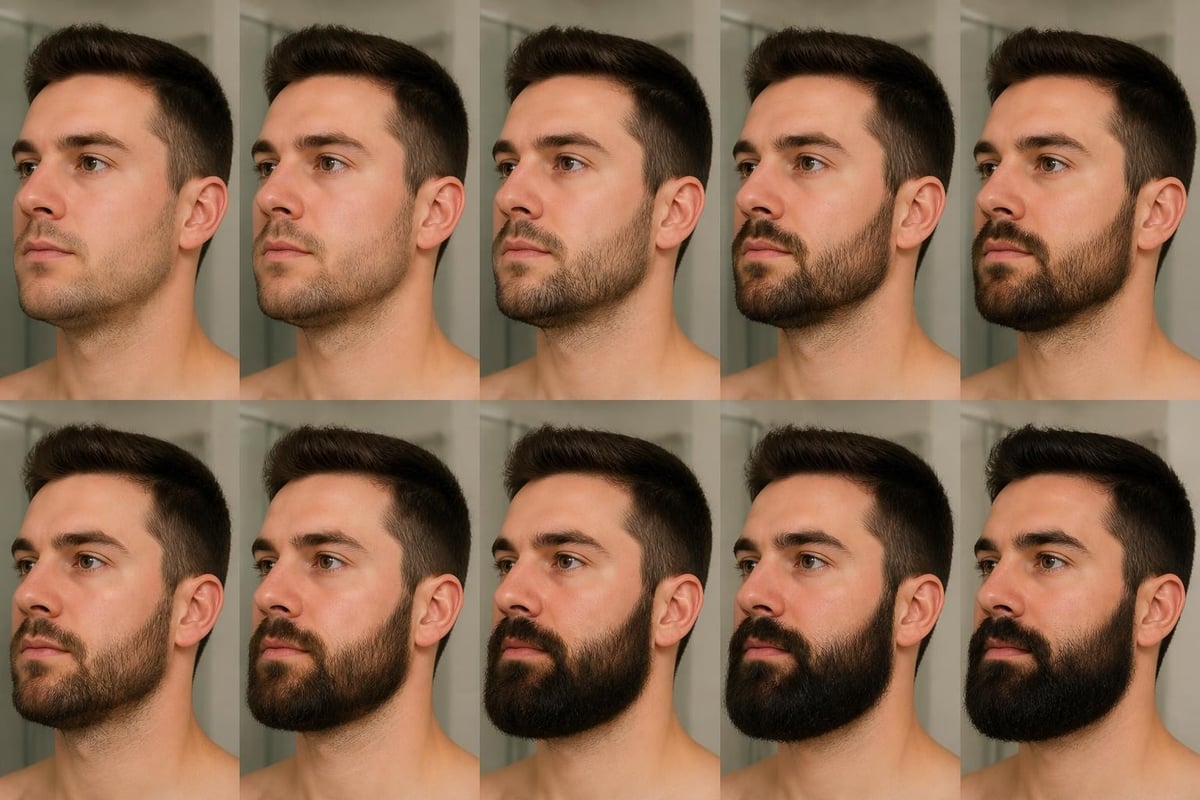
Once foundational care becomes habitual, advanced strategies can accelerate full beard growth by targeting specific limiting factors.
Microneedling and Follicular Stimulation
Controlled microtrauma through dermarolling (0.25-0.5mm needles) triggers wound-healing responses that increase blood flow, collagen production, and growth factor release in the dermis surrounding follicles. Clinical studies demonstrate enhanced absorption of topically applied growth compounds following microneedling sessions.
Protocol for safe beard microneedling:
- Sanitise roller with 70% isopropyl alcohol
- Cleanse beard area thoroughly
- Roll in multiple directions (vertical, horizontal, diagonal) with light pressure
- Apply growth serum immediately post-treatment for enhanced penetration
- Perform once weekly, allowing 7 days for tissue recovery
Nutritional Optimisation
Strategic supplementation addresses common deficiencies that limit protein synthesis in follicles. Rather than generic multivitamins, targeted nutrients support specific metabolic pathways.
| Nutrient | Mechanism | Optimal Dosage | Food Sources |
|---|---|---|---|
| Biotin | Keratin synthesis cofactor | 2.5-5mg daily | Eggs, almonds, sweet potato |
| Zinc | 5-alpha-reductase activity | 15-30mg daily | Oysters, beef, pumpkin seeds |
| Vitamin D3 | Follicle cycling regulation | 2000-4000 IU daily | Fatty fish, fortified dairy |
| Omega-3 fatty acids | Anti-inflammatory, membrane health | 2-3g EPA/DHA daily | Salmon, mackerel, walnuts |
Timing matters-consuming protein (20-30g) and these micronutrients together enhances amino acid availability during peak protein synthesis periods.
Managing Expectations: Genetics Versus Optimisation
Full beard growth potential ultimately depends on genetic factors you cannot modify. Androgen receptor density, follicle distribution patterns, and maximum terminal hair diameter are inherited traits.
However, the gap between your current state and genetic potential often represents 30-50% unrealised capacity. The detailed guidance on maintaining facial hair health helps bridge this gap through evidence-based optimisation.
When to Consider Medical Intervention
For men with genuine follicular deficiency or hormonal imbalances, medical options exist. Minoxidil for beard growth has specific evidence and limitations that require careful consideration, including the need for continuous application and potential side effects.
The International Society of Hair Restoration Surgery provides authoritative information on beard transplantation for those with permanent follicular absence in specific areas. These surgical options involve transplanting follicles from the scalp to facial areas, creating permanent hair-producing units.
Lifestyle Factors That Influence Beard Growth
Full beard growth doesn't occur in isolation from your overall health status. Multiple lifestyle variables either support or undermine follicular performance.
Sleep and Growth Hormone Release
Human growth hormone (HGH) secretion peaks during deep sleep stages, particularly in the first half of the night. This anabolic hormone stimulates protein synthesis, including keratin production in active follicles.
Sleep optimisation strategies:
- Maintain consistent sleep schedule (± 30 minutes variance)
- Target 7-9 hours nightly
- Minimise blue light exposure 2 hours pre-sleep
- Keep bedroom temperature cool (16-19°C optimal)
- Avoid alcohol, which fragments sleep architecture and suppresses REM
Chronic sleep deprivation reduces HGH by up to 70%, directly impacting follicular protein synthesis capacity.
Stress Management and Cortisol Control
Elevated cortisol-the primary stress hormone-antagonises testosterone activity and triggers premature follicle cycling into telogen. This mechanism explains stress-related hair loss (telogen effluvium) and applies equally to facial hair.
Evidence-based stress reduction techniques include:
- Daily meditation (10-20 minutes): Reduces cortisol by average 30% in consistent practitioners
- Regular exercise (150 minutes weekly moderate intensity): Buffers stress response and improves hormonal balance
- Social connection: Face-to-face interaction reduces inflammatory markers and stress hormones
- Time in nature: "Forest bathing" demonstrates measurable cortisol reduction and nervous system regulation
Hydration and Cellular Function
Adequate water intake supports nutrient delivery to follicles and maintains the aqueous environment necessary for enzymatic reactions in protein synthesis. Dehydration concentrates waste products in tissues and reduces cellular efficiency.
Target water intake varies by body weight, activity level, and climate, but a baseline of 35ml per kilogram bodyweight provides a starting framework. A 75kg man requires approximately 2.6 litres daily, increasing with exercise or heat exposure.
Common Mistakes That Sabotage Full Beard Growth
Even with good intentions, specific errors undermine progress and create frustration. Recognising these pitfalls allows course correction before significant time loss.
Over-Trimming During Early Growth
The impulse to "tidy up" patchy areas during initial growth paradoxically delays achieving full coverage. Each premature trim resets the clock on those follicles, preventing them from reaching the length necessary to create visual density.
The solution: Resist all trimming for minimum 12 weeks. Length obscures patchiness far more effectively than attempting to shape incomplete coverage.
Using Hair-Care Products on Beards
Facial hair differs structurally from scalp hair-coarser, more porous, and growing through facial skin with different oil production patterns. Scalp shampoos contain harsh detergents (sodium lauryl sulphate) designed for scalp sebum levels, which strip facial hair and underlying skin excessively.
The specific benefits of dedicated beard care products include pH formulation matching facial skin, gentle cleansing that preserves natural oils, and ingredients targeting facial hair texture.
Neglecting Skin Beneath the Beard
Full beard growth depends on healthy skin beneath the hair. University of Utah Health emphasises the importance of caring for skin under facial hair to prevent folliculitis, ingrown hairs, and inflammation that disrupts growth cycles.
Regular gentle exfoliation removes dead skin cells that otherwise block follicles, whilst moisturising prevents the dry, flaky skin that triggers inflammatory responses.
Styling Strategies for Growing Beards
During the awkward intermediate phases of full beard growth, strategic styling maintains appearance whilst allowing continued development.
The Strategic Fade Approach
Rather than uniform length, graduated trimming creates illusion of density whilst maintaining progress. Keep moustache and chin slightly longer than cheeks, allowing these typically fuller areas to provide visual weight whilst sparser regions catch up.
Directional Training
Daily brushing in consistent directions trains emerging hairs to grow uniformly, reducing the chaotic appearance of new growth. Boar bristle brushes provide sufficient grip without mechanical damage.
Optimal brushing technique:
- Brush downward from cheekbones toward jawline
- Brush forward from sideburns toward chin
- Brush outward from centre to sides on moustache
- Use firm but gentle pressure
- Perform twice daily (morning and evening)
This mechanical training realigns hair shafts over time, creating a more uniform growth pattern.
Balm as Styling Tool
Natural balms containing beeswax provide hold without the petrochemicals found in conventional styling products. The light hold tames flyaways and maintains shape whilst allowing flexibility and natural movement.
Application technique matters-warm small amount between palms until liquified, then work thoroughly through beard from roots to tips, finishing with downward smoothing motion to seal the surface layer.
Monitoring Progress and Adjusting Protocol
Full beard growth responds to systematic observation and data-driven adjustments. Tracking specific metrics reveals patterns that guide refinement.
Photographic Documentation
Weekly photos under consistent lighting, angle, and facial expression provide objective progress records your daily mirror view cannot capture. Set specific day and time (Sunday morning, natural window light) and maintain exact positioning.
Growth Rate Measurement
Mark a single hair at skin level with semi-permanent marker, measure weekly growth. Average 3-5 hairs from different facial zones to account for regional variation. This quantitative data reveals whether interventions accelerate growth rate or simply improve visual density through reduced breakage.
Density Assessment Grid
Mentally divide beard into zones (right cheek, left cheek, moustache, chin, neck) and rate each 1-10 monthly. This systematic assessment identifies stubborn areas requiring targeted attention whilst confirming improvements in responsive zones.
Achieving full beard growth combines understanding follicular biology with consistent application of evidence-based care strategies. The transformation requires patience, strategic nutrition, natural ingredient formulation, and lifestyle optimisation working together across months rather than weeks. Whether you're addressing patchy coverage, accelerating slow growth, or maximising genetic potential, the principles remain constant-support follicular health, reduce inflammation, provide essential nutrients, and protect developing hairs from damage. Onesociety builds complete grooming systems around these scientific principles, combining 100% natural ingredients with research-backed formulations designed specifically for men pursuing their full beard growth potential. Explore their comprehensive range to discover which targeted solutions address your specific growth challenges.