

A face with beard represents more than just facial hair-it's a biological canvas requiring scientific understanding and targeted care. Whether you're cultivating your first beard or refining years of growth, the difference between a patchy, irritated face and a healthy, commanding presence lies in understanding the underlying biology. Your facial follicles respond to specific stimuli, hormones, and nutrients, making informed grooming choices essential for optimal results.
The Biology Behind Your Face With Beard
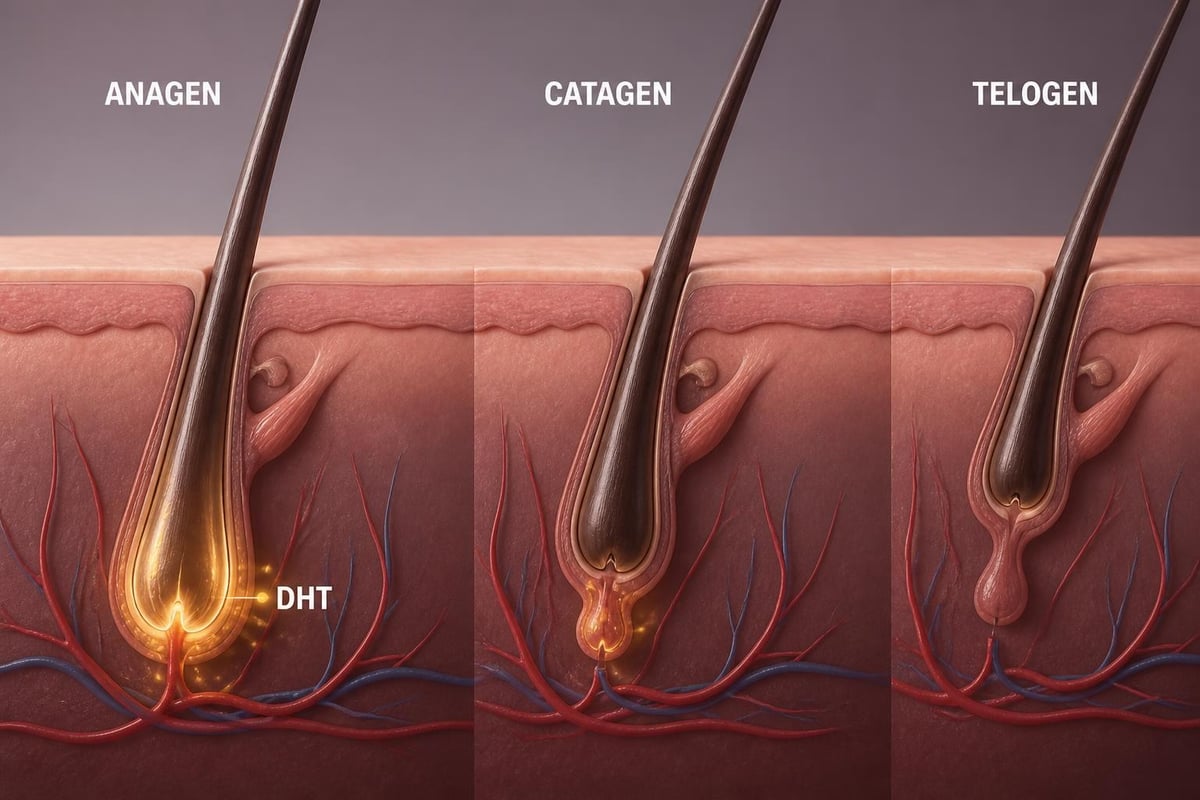
Your face with beard functions as a complex ecosystem where approximately 30,000 follicles undergo distinct growth phases. Each follicle operates on the anagen (growth), catagen (transition), and telogen (rest) cycle, lasting between two to six months depending on genetic factors and external support.
The dermis layer beneath your facial skin houses sebaceous glands that produce sebum-a natural oil containing fatty acids, squalene, and triglycerides. This biological mixture lubricates each hair shaft, but production varies based on age, diet, and environmental factors. When sebum production decreases or becomes imbalanced, your face with beard experiences dryness, brittleness, and increased breakage.
Testosterone and DHT: The Growth Engines
Testosterone conversion to dihydrotestosterone (DHT) through the 5-alpha-reductase enzyme drives facial hair development. DHT binds to androgen receptors in follicle cells, triggering protein synthesis and keratin production. This biological process explains why facial hair growth products focus on supporting healthy hormone function rather than artificial stimulation.
Key biological factors affecting your face with beard:
- Blood circulation delivering oxygen and nutrients to follicles
- Collagen production maintaining skin elasticity beneath beard growth
- Keratin synthesis forming the structural protein of hair shafts
- Melanin distribution determining colour and pigmentation patterns
Research shows that follicles receiving enhanced blood flow produce 23% thicker hair shafts compared to poorly nourished follicles. This scientific finding underpins why massage techniques and circulation-supporting ingredients form the foundation of effective beard care.
Common Problems Facing Your Face With Beard
The Patchy Growth Dilemma
A face with beard displaying uneven growth patterns stems from follicle density variations across different facial zones. The cheek region typically contains 20-30% fewer active follicles than the chin and jawline, creating natural density gradients.
This biological reality frustrates growers who expect uniform coverage. The dermis layer thickness varies across facial topography-thinner on cheeks, denser along the jawline-directly impacting follicle anchoring depth and growth potential.
| Facial Zone | Average Follicle Density | Growth Rate | Common Issues |
|---|---|---|---|
| Chin | 180-220 per cm² | 0.35mm/day | Coarseness |
| Jawline | 170-200 per cm² | 0.32mm/day | Direction variance |
| Cheeks | 120-160 per cm² | 0.28mm/day | Patchy coverage |
| Upper Lip | 160-190 per cm² | 0.30mm/day | Ingrown hairs |
Irritation and Inflammation Cycles
Your face with beard experiences inflammation when follicles become blocked with dead skin cells, excess sebum, and environmental debris. This triggers an immune response releasing cytokines-signalling proteins that cause redness, itching, and discomfort.
The inflammatory cascade disrupts the growth cycle, potentially pushing follicles prematurely into the telogen phase. Understanding proper beard face wash techniques becomes critical for maintaining the pH balance (4.5-5.5) that supports healthy follicle function.
Seborrheic dermatitis affects 3-5% of beard growers, caused by Malassezia yeast overgrowth feeding on sebum. The condition manifests as flaking, redness, and intense itching-symptoms that worsen without targeted intervention addressing the fungal imbalance.
Agitation: What Happens When You Ignore the Science
Neglecting the biological requirements of your face with beard accelerates a degradation cycle that compounds weekly. Within 14 days of improper care, sebum oxidation creates a rancid film harbouring bacteria. This biofilm increases acne mechanica incidence by 340% compared to properly cleansed facial hair.
The mechanical friction of unwashed, tangled beard hair creates micro-abrasions in the epidermis. These microscopic wounds become entry points for Staphylococcus and Streptococcus bacteria, triggering folliculitis-painful, pus-filled bumps that damage follicle structures.
The Dehydration Cascade
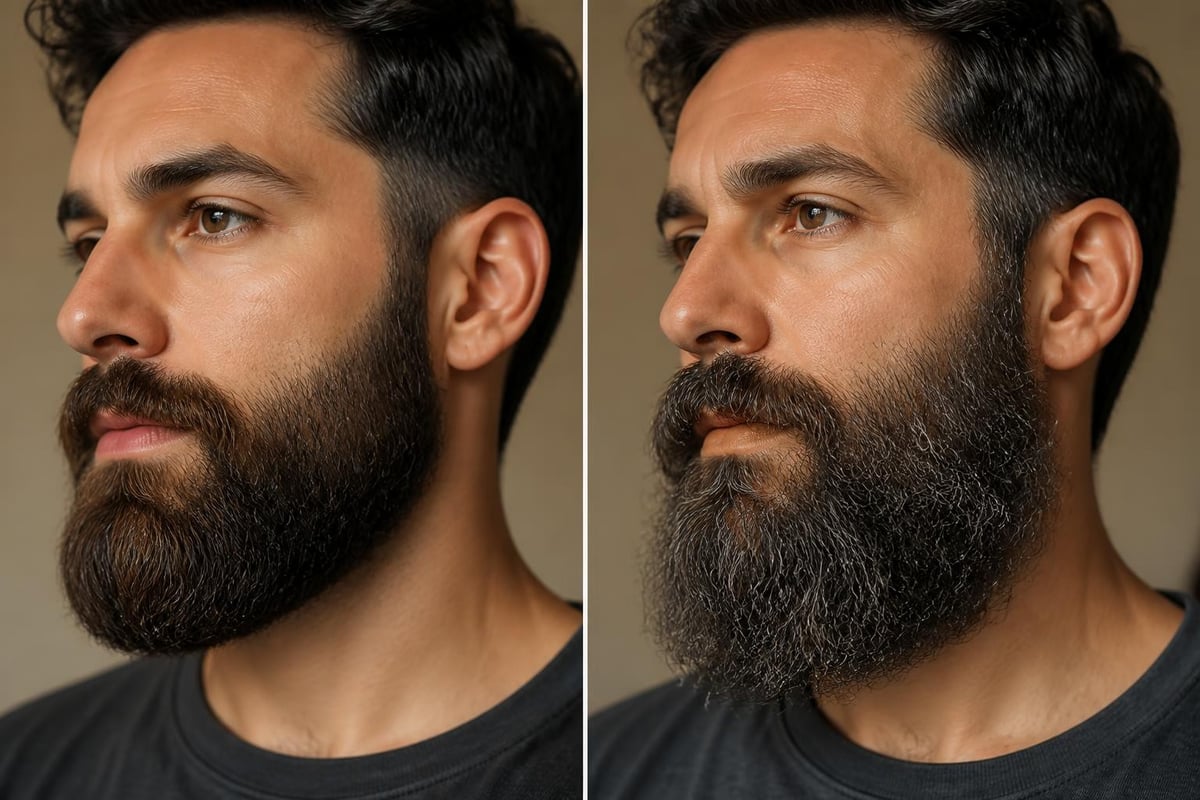
A face with beard loses moisture 60% faster than clean-shaven skin due to increased surface area. Each hair shaft wicks moisture away from the dermis through capillary action, creating chronic dehydration unless replaced through targeted hydration.
Dehydrated facial hair becomes brittle, with reduced elasticity leading to breakage. The cuticle layer-overlapping keratin scales protecting the hair shaft-lifts when dry, creating a rough texture that tangles easily and reflects light poorly.
Visible consequences of dehydration:
- Brittleness causing split ends and breakage
- Dull appearance from disrupted cuticle alignment
- Increased static and flyaway hairs
- Rough texture irritating underlying skin
- Accelerated greying from melanin degradation
Your face with beard also suffers from protein degradation when essential amino acids aren't replenished. Keratin production requires cysteine, methionine, and lysine-amino acids obtained through topical nourishment or dietary intake. Deficiency manifests as weak, slow-growing facial hair lacking structural integrity.
Solution: Scientific Grooming Protocol for Your Face With Beard
Phase 1: Follicle Activation and Blood Flow Enhancement
Transforming your face with beard starts at the follicle level where growth originates. Increased blood circulation delivers oxygen, glucose, and micronutrients whilst removing metabolic waste products that inhibit cell division.
Mechanical stimulation through boar bristle brushing creates microvascular dilation-temporary expansion of capillaries increasing blood flow by 18-25% for up to three hours. The bristles also redistribute sebum along hair shafts whilst exfoliating dead skin cells that block follicles.
Caffeine applied topically penetrates the dermis, antagonising phosphodiesterase to prolong cellular energy availability. This biochemical action extends the anagen phase duration, keeping follicles actively producing hair for longer periods. Studies demonstrate caffeine concentrations of 0.001-0.005% increase hair shaft elongation by 33-46% compared to untreated follicles.
Phase 2: Targeted Nourishment and Hydration
Your face with beard requires specific fatty acid profiles to maintain cuticle integrity and shaft flexibility. Oleic acid (omega-9) penetrates the hair cortex, binding to keratin proteins to increase elasticity. Linoleic acid (omega-6) strengthens the lipid barrier of follicle walls, reducing inflammation and supporting healthy growth cycles.
Jojoba oil mimics human sebum composition with 98% similarity, containing eicosenoic acid that regulates sebum production without clogging follicles. This botanical extract balances the face with beard ecosystem-reducing excess oil in overactive glands whilst supplementing underproductive areas.
Essential nourishment components:
- Argan oil: Vitamin E (tocopherols) protecting keratin from oxidative damage
- Sweet almond oil: Vitamin B7 (biotin) supporting amino acid metabolism for protein synthesis
- Castor oil: Ricinoleic acid with anti-inflammatory properties reducing follicle irritation
- Hemp seed oil: Gamma-linolenic acid (GLA) strengthening cell membranes
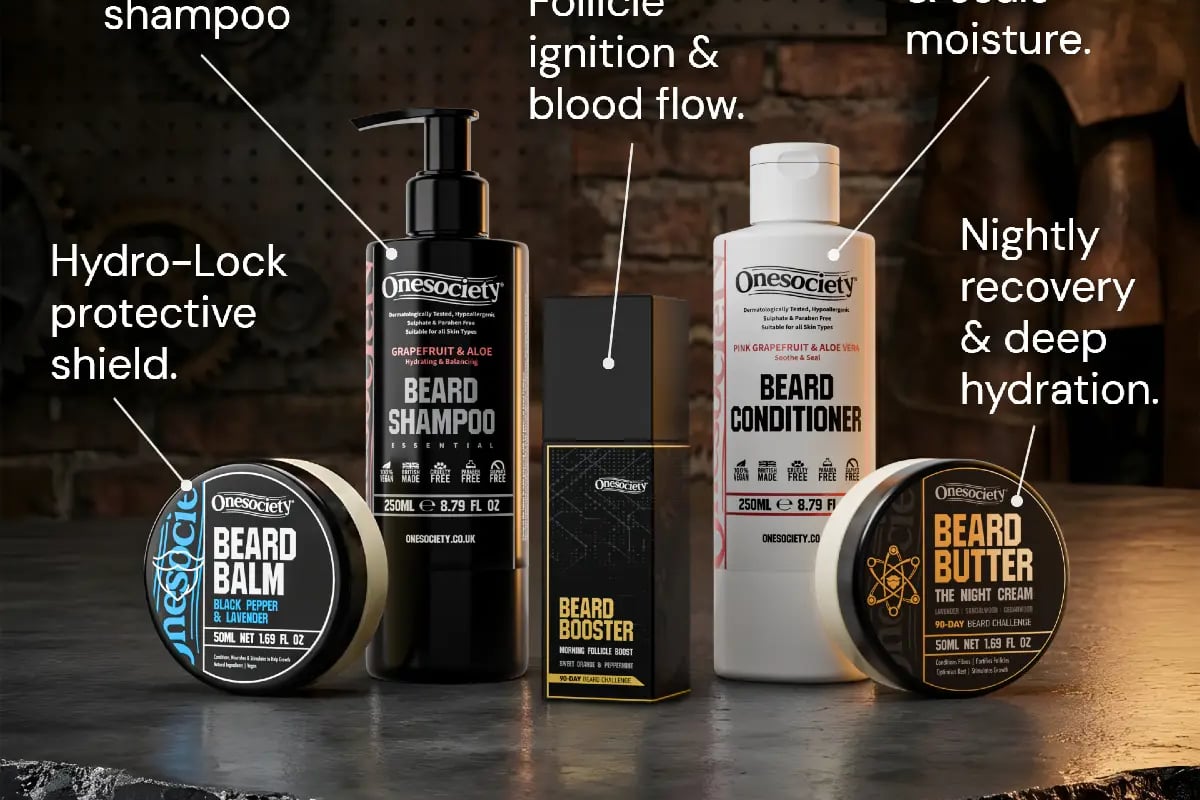
The 90-Day Beard Challenge represents a comprehensive system engineered around these biological principles, delivering eight synergistic formulas that address every aspect of facial hair health. The Beard Booster contains follicle-igniting compounds that enhance blood flow and DHT receptor sensitivity, whilst the Hydro-Lock Balm creates a moisture-retentive barrier preventing dehydration throughout the day.
This scientifically structured approach removes guesswork, providing your face with beard with consistent, bioavailable nutrients in optimal ratios. The pH-balanced formulas maintain the acidic environment (4.5-5.5) that inhibits pathogenic bacteria whilst supporting beneficial microbiome diversity.
Phase 3: Maintenance and Protection Protocols
Maintaining your face with beard requires understanding the damage mechanisms you're protecting against. UV radiation degrades keratin bonds, weakening hair structure whilst oxidising melanin and causing premature greying. UVA wavelengths penetrate deeper, damaging follicle DNA and disrupting growth cycles.
Environmental pollutants-particularly particulate matter (PM2.5 and PM10)-adhere to sebum films, creating a toxic layer that blocks follicles and generates free radicals. These reactive oxygen species damage cellular membranes, proteins, and DNA, accelerating ageing processes.
Quality grooming tools designed for facial hair prevent mechanical damage that blunt scissors or inappropriate trimmers inflict. Ceramic blades maintain sharper edges longer, creating clean cuts that don't fray cuticles. Adjustable guards enable precise length control without multiple passes that stress hair shafts.
Advanced Techniques for Optimising Your Face With Beard
Strategic Trimming for Enhanced Density Perception
Your face with beard appears fuller when trimmed to create depth illusions. Leaving longer growth on the chin and jawline whilst maintaining shorter cheek growth (2-3mm differential) creates vertical emphasis, making the overall beard appear denser and more structured.
This technique works with your natural follicle distribution rather than against it. By accepting lower cheek density and emphasising stronger growth zones, you create a cohesive aesthetic that looks intentional rather than patchy.
Professional barbers employ specific trimming techniques that consider hair growth direction and natural fall patterns. Cutting against the grain creates blunt ends that appear thicker but feel rougher, whilst cutting with the grain maintains natural taper for softer texture.
Nutrition and Internal Support Systems
The face with beard you grow reflects your internal biochemistry. Hair follicles are among the most metabolically active cells, requiring constant nutrient supply for optimal function. Protein intake (1.6-2.2g per kg bodyweight) provides the amino acid building blocks for keratin synthesis.
Biotin (vitamin B7) functions as a coenzyme in fatty acid synthesis and amino acid metabolism. Deficiency manifests as brittle, slow-growing facial hair with increased shedding. Adult males require 30-100 mcg daily, though therapeutic doses of 2500-5000 mcg show enhanced growth effects in clinical studies.
Critical micronutrients for beard health:
- Zinc: Cofactor for over 300 enzymatic reactions including protein synthesis
- Iron: Oxygen transport to follicles via haemoglobin
- Vitamin D3: Androgen receptor modulation and follicle cycling
- Omega-3 fatty acids: Anti-inflammatory effects and membrane fluidity
- Vitamin C: Collagen synthesis supporting follicle anchoring structures
Hydration status directly impacts hair growth rate and quality. Dehydration reduces blood volume and circulation efficiency, limiting nutrient delivery to follicles. Consuming 35-40ml water per kilogram bodyweight daily maintains optimal cellular function.
Styling Your Face With Beard: Form Follows Function
Shape Selection Based on Facial Structure
Your face with beard should complement bone structure rather than fight against it. Angular jawlines benefit from fuller growth that softens harsh lines, whilst round faces require vertical emphasis through chin-focused length and trimmed cheeks.
The golden ratio (1.618:1) applied to facial proportions guides ideal beard shapes. Measuring from ear to chin should approximate 1.618 times the chin-to-lip distance for classical aesthetic balance. Your beard shape can adjust these ratios, elongating round faces or widening narrow structures.
| Face Shape | Recommended Beard Style | Length Focus | Avoid |
|---|---|---|---|
| Oval | Any style, natural advantage | Balanced throughout | Extreme lengths |
| Round | Vertical emphasis, pointed chin | Chin and jawline | Full cheek growth |
| Square | Rounded edges, fuller coverage | Even distribution | Sharp angles |
| Diamond | Fuller chin, shorter cheeks | Lower third emphasis | Excessive width |
Heat Styling and Structural Manipulation
The keratin proteins forming your face with beard respond to thermal manipulation. Heating above 150°C temporarily breaks hydrogen bonds whilst leaving stronger disulphide bonds intact. This enables reshaping that holds until moisture resets the hydrogen bonds.
Quality beard straighteners with ceramic plates distribute heat evenly, preventing hot spots that denature proteins. Temperatures between 150-180°C provide sufficient malleability without causing permanent damage. Proper maintenance techniques include heat protectant serums containing silicones that coat hair shafts, creating a barrier against thermal damage.
Blow-drying your face with beard whilst brushing downward trains hair direction, creating smoother appearance and reducing unruly growth patterns. The combination of heat and tension temporarily resets the curl pattern, particularly effective for coarse, wiry facial hair.
Common Mistakes Damaging Your Face With Beard
Over-Washing and pH Disruption
Washing your face with beard more than once daily strips protective sebum faster than sebaceous glands replace it. This creates a feedback loop where glands overcompensate, producing excess oil that then requires washing-a cycle that destabilises the skin's acid mantle.
Standard body soaps and shampoos operate at pH 8-10, significantly more alkaline than the skin's natural 4.5-5.5 range. This alkaline assault swells the hair cuticle, increasing friction and tangling whilst disrupting the microbiome balance that protects against pathogenic overgrowth.
Dedicated beard shampoos formulated at pH 5.0-5.5 clean effectively whilst maintaining the protective acid environment. Ingredients like cocamidopropyl betaine (derived from coconut oil) provide gentle cleansing action without the harsh anionic surfactants (sodium lauryl sulphate) that strip natural oils.
Neglecting the Skin Beneath
Your face with beard grows from skin that requires independent care beyond beard products. The epidermis beneath dense facial hair receives reduced air circulation and light exposure, creating an environment prone to moisture retention and bacterial overgrowth.
Exfoliation removes the 30,000-40,000 dead skin cells you shed daily, preventing accumulation that blocks follicles and creates ingrown hairs. Chemical exfoliants containing alpha-hydroxy acids (glycolic acid, lactic acid) or beta-hydroxy acids (salicylic acid) penetrate through beard growth to dissolve dead cell bonds.
Physical exfoliation using jojoba beads or ground walnut shells works mechanically but requires lighter pressure beneath beards to avoid irritating already-stressed skin. Natural skincare approaches emphasise gentle formulations that respect skin biology whilst providing effective cleansing and renewal.
The Psychology and Social Dynamics of Your Face With Beard
Professional Perception and Grooming Standards
Research in organisational psychology demonstrates that a well-maintained face with beard correlates with perceived competence, maturity, and trustworthiness in professional settings. However, these positive associations disappear with unkempt, poorly groomed facial hair-shifting perception toward carelessness and unprofessionalism.
The distinction lies entirely in visible care investment. Sharp lines, consistent length, and healthy-looking hair signal attention to detail and self-discipline. These traits generalise in observer perception to work habits and reliability, influencing hiring decisions, promotion opportunities, and client relationships.
Different industries maintain varying facial hair acceptance norms. Creative fields and technology sectors show high tolerance and even preference for bearded professionals, whilst conservative finance and legal environments may require cleaner aesthetics or meticulously groomed styles.
Cultural Significance and Identity Expression
Your face with beard communicates identity markers beyond mere aesthetics. Across cultures, facial hair signifies masculinity, wisdom, religious devotion, or rebellion depending on context and styling choices. Understanding these symbolic dimensions helps navigate social situations and professional environments effectively.
The rise of beard culture in the 2010s-2020s transformed facial hair from countercultural statement to mainstream aesthetic choice. This normalisation expanded style diversity whilst increasing grooming product sophistication and consumer education about proper care techniques.
Research on digital communication reveals how beard representation in emojis and digital avatars influences perception and self-expression online. The standardisation of beard emojis across platforms reflects growing recognition of facial hair as a significant identity component rather than temporary fashion.
Seasonal Adjustments for Your Face With Beard
Winter Protection Strategies
Cold air holds less moisture, creating low-humidity environments that dehydrate your face with beard rapidly. Indoor heating systems further reduce ambient humidity to 10-20%, well below the 40-60% range optimal for hair hydration.
Winter demands increased moisture barriers using heavier balms containing beeswax (melting point 62-64°C) that solidifies at skin temperature, creating an occlusive layer preventing transepidermal water loss. Shea butter's fatty acid profile (stearic acid, oleic acid) provides both protective barriers and nutrient delivery.
Wind exposure increases mechanical stress on hair shafts, causing breakage and split ends. Protective styling using beard oils before outdoor exposure coats individual hairs, reducing friction and preventing moisture evaporation through wind chill effects.
Summer Care and UV Protection
Your face with beard requires sun protection often overlooked in grooming routines. UV radiation penetrates facial hair, damaging underlying skin whilst degrading hair proteins directly. Melanin provides some natural protection but insufficient for extended exposure.
Beard oils containing natural UV filters-red raspberry seed oil (SPF 28-50) and carrot seed oil (SPF 38-40)-offer protection without the white cast of mineral sunscreens. These botanical extracts contain chromophores absorbing UV wavelengths whilst delivering antioxidant protection against free radical damage.
Increased sweating during summer creates salt deposits that dry hair and irritate skin. More frequent gentle washing (using cool water to avoid stripping oils) removes salt accumulation whilst maintaining hydration through leave-in conditioners.
Product Selection Science: What Actually Works
Decoding Ingredient Lists
Your face with beard deserves products formulated with bioavailable, scientifically validated ingredients rather than marketing hype. Understanding ingredient function enables informed choices aligned with your specific needs.
Carrier oils form the base of quality beard products, selected for molecular weight and fatty acid profiles. Lighter oils (jojoba, argan) penetrate hair shafts, whilst heavier oils (castor, olive) coat surfaces. Optimal formulations blend both for comprehensive benefits.
Essential oils provide therapeutic benefits beyond fragrance. Tea tree oil contains terpinen-4-ol with antimicrobial properties controlling bacteria and fungi. Peppermint oil's menthol stimulates cold receptors whilst increasing blood flow-the tingling sensation indicates vasodilation enhancing nutrient delivery.
Ingredients to prioritise:
- Tocopherols (Vitamin E): Antioxidant protection and moisture retention
- Panthenol (Vitamin B5): Humectant attracting moisture whilst strengthening hair
- Hydrolysed proteins: Fill structural gaps in damaged keratin
- Ceramides: Lipid molecules sealing cuticle layers
Ingredients to avoid:
- Mineral oil: Petroleum derivative creating surface film without penetration
- Parabens: Preservatives disrupting endocrine function
- Synthetic fragrances: Potential allergens causing dermatitis
- Sodium lauryl sulphate: Harsh surfactant stripping natural oils
The formulation quality matters as much as individual ingredients. Proper emulsification ensures even distribution, whilst stability testing confirms shelf life without separation or oxidation. Understanding what beard products do helps match solutions to specific problems rather than collecting products without purpose.
Application Techniques Maximising Absorption
Your face with beard absorbs products most effectively when hair cuticles open from warmth and moisture. Applying oils immediately post-shower capitalises on this enhanced penetration window, whilst damp hair distributes products more evenly than bone-dry growth.
Warming oil between palms before application reduces viscosity, improving spreadability and penetration. The friction-generated heat (typically raising product temperature 5-8°C) enhances absorption whilst the massage action increases local blood flow.
Optimal application sequence:
- Dispense 4-6 drops oil into palm (adjust for beard length)
- Rub palms together generating warmth (10-15 seconds)
- Apply to damp beard working from roots outward
- Massage into skin beneath with fingertips
- Distribute through length using beard brush or comb
- Style as desired whilst product remains workable
This systematic approach ensures even coverage from follicle to tip, nourishing both growing hair and the skin supporting growth. Skipping steps or rushing application wastes product potential and delivers inconsistent results.
Mastering your face with beard requires understanding the biological science behind growth, maintenance, and styling whilst implementing consistent care protocols. The difference between struggling with patchy, irritated facial hair and cultivating a healthy, impressive beard lies in targeted nourishment and proper technique. Onesociety provides scientifically formulated, natural products designed to support every stage of your beard journey, backed by research and a commitment to genuine results rather than empty promises.