

Your beard accumulates more than you think. Dead skin cells, environmental pollutants, food particles, and excess sebum create a bacterial breeding ground that threatens both your facial hair health and the skin beneath. Proper cleaning beard techniques involve more than splashing water and hoping for the best. This comprehensive guide explores the biological mechanisms behind beard hygiene, the specific ingredients that deliver results, and the exact protocols that transform your grooming routine from guesswork into science.
The Hidden Problem Beneath Your Beard
When you neglect proper cleaning beard protocols, sebaceous glands beneath your facial hair produce excess sebum that mixes with dead keratinocytes (skin cells). This combination creates a sticky matrix that traps particulate matter from your environment.
Research indicates that beards can harbour significant microbial populations when hygiene practices falter. The warm, moist environment beneath facial hair provides ideal conditions for bacterial colonisation. Staphylococcus epidermidis, typically harmless on clean skin, multiplies rapidly in unwashed beards, potentially causing folliculitis and skin inflammation.
Why Traditional Soap Fails Your Beard
Standard body soaps contain surfactants designed for resilient body skin, not delicate facial tissue. Sodium lauryl sulphate (SLS), common in conventional soaps, strips your beard of its protective lipid layer. This removal disrupts the hair cuticle structure, creating roughness and increasing friction between individual hairs.
The pH level matters critically. Your skin maintains a slightly acidic pH of 4.5-5.5, whilst most bar soaps register between 9-10 on the pH scale. This alkaline shock damages the acid mantle protecting your skin and hair follicles. The American Academy of Dermatology emphasises maintaining skin health beneath the beard to prevent dermatological issues that compromise growth.
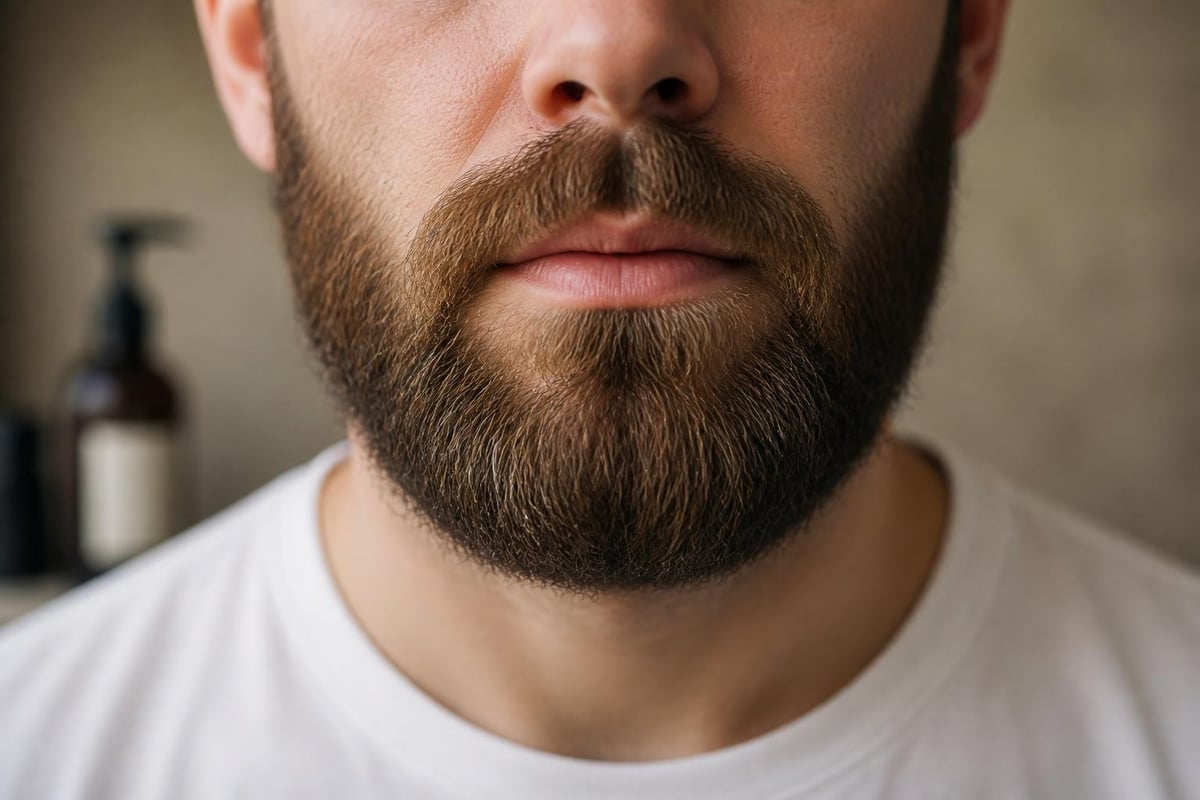
The Biological Science of Cleaning Beard Hair
Understanding keratin structure explains why cleaning beard hair requires specific approaches. Each hair shaft consists of three layers: the medulla (inner core), cortex (middle layer containing melanin), and cuticle (outer protective scales).
When you wash your beard correctly, you accomplish three biological objectives:
- Remove sebum buildup without stripping natural oils that maintain cuticle integrity
- Eliminate dead keratinocytes that clog follicles and impede new growth
- Neutralise bacterial colonies that produce inflammatory compounds
The sebaceous glands attached to each follicle produce sebum containing triglycerides, fatty acids, wax esters, and squalene. Whilst sebum waterproofs and protects your beard, excess production creates the greasy feeling that signals wash day.
Frequency Matters: The Goldilocks Principle
Over-washing strips beneficial sebum, triggering rebound hypersecretion from your sebaceous glands. Under-washing allows bacterial proliferation and follicle blockage. Beard maintenance experts recommend washing 2-3 times weekly for most beard types, adjusting based on sebum production rates.
| Skin Type | Washing Frequency | Why This Works |
|---|---|---|
| Oily | 3-4 times weekly | Higher sebaceous activity requires more frequent cleansing |
| Normal | 2-3 times weekly | Balanced sebum production maintains natural protection |
| Dry | 1-2 times weekly | Limited sebum output needs preservation |
Your individual sebum production varies based on genetics, diet, stress hormones (cortisol), and environmental factors. Men in humid climates typically require more frequent cleaning beard sessions than those in arid environments.
The Chemistry of Effective Beard Cleansers
Not all cleansing agents respect your beard's biological needs. The molecular structure of cleansing ingredients determines whether they help or harm.
Surfactant Selection: The Critical Difference
Effective beard cleansers employ gentle surfactants that respect the acid mantle. Cocamidopropyl betaine, derived from coconut oil, provides sufficient cleansing power whilst maintaining a pH between 4.5-6.5. This amphoteric surfactant carries both positive and negative charges, allowing it to lift dirt without aggressive stripping.
Decyl glucoside, a non-ionic surfactant from corn glucose and coconut fatty alcohols, offers exceptional mildness. Its large molecular structure prevents deep penetration into the hair shaft, protecting the cortex from damage whilst removing surface contaminants.
Proper beard washing techniques incorporate these gentle surfactants to maintain the delicate balance between cleanliness and natural protection.
Active Ingredients That Support Follicle Health
Beyond basic cleansing, effective formulations incorporate ingredients targeting specific biological functions:
Tea Tree Oil (Melaleuca alternifolia)
Terpinen-4-ol, the primary active compound, demonstrates antimicrobial activity against Propionibacterium acnes and Staphylococcus species. This monoterpene disrupts bacterial cell membranes without damaging human tissue at proper concentrations (0.5-2%).
Aloe Vera Polysaccharides
Acemannan, a complex carbohydrate in aloe vera, stimulates fibroblast proliferation and increases collagen synthesis. This activity supports the dermal papilla cells that regulate follicle cycling, potentially enhancing growth during the anagen phase.
Argan Oil (Argania spinosa)
Rich in linoleic acid (omega-6) and oleic acid (omega-9), argan oil penetrates the hair cuticle to repair internal structural damage. Its vitamin E content (tocopherols) neutralises free radicals that cause oxidative stress to follicle stem cells.
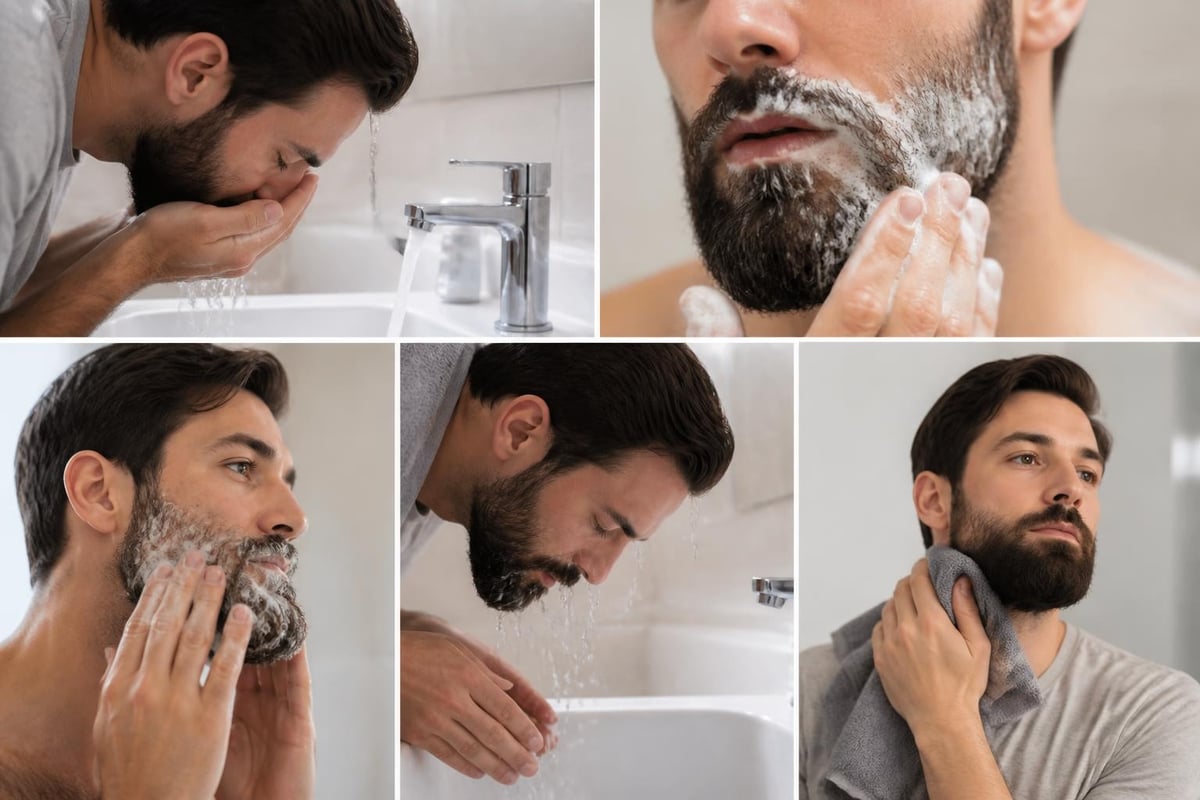
The Precise Protocol for Cleaning Beard Hair
Technique determines outcome. Following these specific steps maximises cleansing efficiency whilst protecting hair integrity.
Step 1: Pre-Wash Preparation
Start with warm water (38-40°C) to open hair cuticles and soften sebum. Hot water exceeding 43°C damages protein bonds within keratin, causing structural weakness. Cold water fails to emulsify oils effectively, leaving residue behind.
Run water through your beard for 60-90 seconds. This duration allows thorough saturation, ensuring cleansing agents distribute evenly rather than concentrating in surface areas.
Step 2: Cleanser Application and Distribution
Dispense a 10-pence-sized amount of pH-balanced beard cleanser into your palm. Emulsify the product between your hands before application. This pre-activation ensures even distribution and prevents concentrated product from sitting on individual areas.
Work the cleanser from roots to tips, using fingertips (not nails) to massage the skin beneath. This massage stimulates blood flow to follicles, delivering oxygen and nutrients that support the dermal papilla. Spend 2-3 minutes on this process. Rushing prevents thorough cleansing and misses the circulatory benefits.
Step 3: The Critical Rinse
Common beard washing mistakes include inadequate rinsing, which leaves surfactant residue that attracts dirt. Rinse for twice as long as you shampooed, minimum 4-6 minutes, ensuring no product remains.
Residual cleansers create a film on hair shafts that appears as dullness or greasiness within hours of washing. This film also increases friction between hairs, causing tangling and breakage.
Step 4: Proper Drying Technique
Pat (never rub) your beard with a clean towel. Rubbing creates mechanical stress on wet hair, which is 30% weaker than dry hair due to water absorption causing temporary structural changes.
Allow partial air drying before applying conditioning products. Completely soaked hair cannot absorb oil-based treatments effectively because water molecules occupy penetration pathways. Aim for 70% dry (slightly damp) before applying post-wash products.
Advanced Cleaning Beard Strategies
Once you master basic cleaning beard fundamentals, these advanced strategies optimise results.
The Weekly Deep Cleanse
Beyond regular washing, implement a weekly intensive treatment targeting accumulated buildup that standard cleaning misses. Deep cleaning and conditioning routines remove mineral deposits from hard water, styling product residue, and oxidised sebum.
Clay-based cleansers containing bentonite or kaolin absorb impurities through ionic exchange. These negatively charged clays attract positively charged toxins, heavy metals, and excess oils, pulling them away from hair and skin.
Apply the clay treatment to damp (not wet) beard hair. Leave for 5-7 minutes, allowing sufficient contact time for ionic exchange without causing excessive drying. Rinse thoroughly with lukewarm water.
Exfoliation Integration
The skin beneath your beard sheds approximately 30,000-40,000 dead cells daily. Without mechanical assistance, these keratinocytes accumulate, clogging follicle openings and creating the white flakes commonly mistaken for dandruff.
During your cleaning beard routine, incorporate gentle exfoliation once weekly. Use circular motions with a soft-bristled brush or exfoliating cleanser containing jojoba beads (biodegradable and non-scratching). This mechanical action lifts dead cells whilst stimulating dermal blood flow.
Avoid over-exfoliation, which triggers inflammatory responses. Once weekly suffices for most men. Those with sensitive skin may reduce to fortnightly.
Natural Ingredients That Transform Cleaning Beard Results
Synthetic ingredients aren't inherently harmful, but natural compounds often provide superior compatibility with your skin's biology. Understanding specific mechanisms helps you select effective formulations.
Shea Butter (Vitellaria paradoxa)
This tree nut fat contains high concentrations of stearic acid and oleic acid. These fatty acids integrate into the lipid barrier between cuticle scales, sealing moisture within the hair shaft. The cinnamic acid esters in shea butter provide anti-inflammatory activity, reducing redness and irritation common with regular washing.
Jojoba Oil (Simmondsia chinensis)
Chemically classified as a wax ester rather than a triglyceride oil, jojoba closely mimics human sebum structure. This similarity allows it to penetrate follicles easily, delivering nutrients whilst regulating natural oil production. Your sebaceous glands reduce output when they detect adequate lipid presence, preventing the rebound oiliness that follows harsh cleansing.
Hemp Seed Oil (Cannabis sativa)
The optimal 3:1 ratio of omega-6 to omega-3 fatty acids in hemp seed oil matches the ideal balance for reducing inflammation. Gamma-linolenic acid (GLA) in hemp oil converts to dihomo-gamma-linolenic acid (DGLA), which produces anti-inflammatory prostaglandins that calm skin irritation.
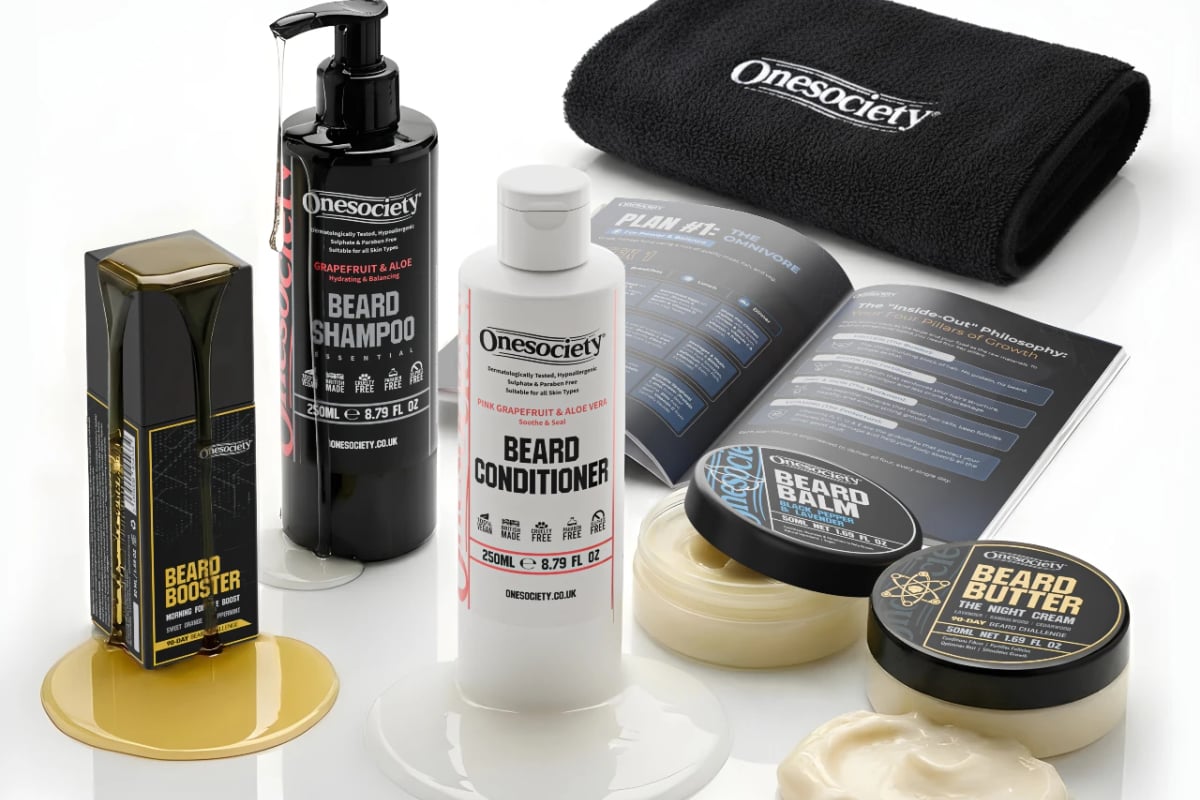
The 90-Day Beard Challenge incorporates these scientifically-backed natural ingredients across eight targeted formulations. Each product addresses specific biological needs during different growth phases, from follicle stimulation through the Beard Booster to protective sealing with the Hydro-Lock Balm. This systematic approach transforms cleaning beard from a basic hygiene task into a comprehensive growth optimisation protocol.
Environmental Factors Affecting Cleaning Beard Needs
Your environment significantly impacts how frequently and intensively you should cleanse facial hair. Adapt your routine to these external variables.
Hard Water Complications
Water containing high concentrations of calcium and magnesium ions (>120mg/L) interferes with surfactant effectiveness. These minerals bind to cleansing agents, reducing their ability to emulsify oils and requiring more product for equivalent cleaning power.
Hard water also deposits mineral scale on hair shafts, creating roughness and dullness. If you live in a hard water area, consider installing a shower filter or using distilled water for final rinses. Chelating agents like citric acid in cleansers bind to mineral ions, preventing deposition.
Urban Pollution
Particulate matter (PM2.5 and PM10) from vehicle emissions, industrial processes, and construction settles in facial hair. These particles contain heavy metals, polycyclic aromatic hydrocarbons, and other toxins that penetrate follicles, potentially disrupting growth cycles.
Urban dwellers require more frequent cleaning beard sessions than rural residents. The increased particulate load necessitates 3-4 weekly washes compared to the standard 2-3 times.
Climate Considerations
| Climate Type | Washing Frequency | Special Considerations |
|---|---|---|
| Humid/Tropical | 3-4 times weekly | Increased bacterial growth requires more frequent cleansing |
| Arid/Desert | 1-2 times weekly | Preserve limited sebum production; focus on hydration |
| Temperate | 2-3 times weekly | Standard protocol; adjust seasonally |
| Cold/Dry Winter | 1-2 times weekly | Reduced sebum flow and dry air demand gentler approach |

The Post-Wash Protocol
Cleaning beard effectively extends beyond the wash basin. What you do immediately after cleansing determines long-term hair quality.
Conditioning: The Non-Negotiable Step
Leave-in conditioners containing cationic polymers coat the hair shaft with a positive charge. This charge neutralises the negative charge on damaged areas of the cuticle, smoothing scales and reducing friction. Behentrimonium chloride, a quaternary ammonium compound, provides this effect whilst detangling.
Apply conditioner to damp beard hair, distributing from mid-length to tips. The roots receive sufficient natural sebum; concentrate treatment where mechanical damage accumulates. Leave for 3-5 minutes before light rinsing, retaining some product for ongoing protection.
Oil Application Timing
Wait 10-15 minutes after washing before applying beard oil. This delay allows residual water to evaporate whilst hair remains receptive to treatment. Completely dry hair resists oil penetration; slightly damp hair absorbs optimally.
Beard oils containing lighter molecules (like grapeseed or safflower) penetrate the hair shaft, whilst heavier oils (like castor or avocado) coat the exterior. Blended formulations provide both internal repair and external protection. Maintaining a good beard requires this dual approach to hydration and protection.
Balm vs Butter: Understanding the Difference
Beard Balms contain higher concentrations of beeswax (15-30%), providing hold and styling capability alongside nourishment. Use balms when you need shape control or when facing harsh weather requiring protective sealing.
Beard Butters emphasise hydration with higher ratios of shea butter and coconut oil (40-60%), delivering deep conditioning without significant hold. Apply butters overnight for intensive treatment or during rest days when styling isn't required.
Common Cleaning Beard Mistakes That Sabotage Growth
Even well-intentioned grooming can damage your beard when you make these prevalent errors.
Mistake 1: Using Head Hair Shampoo
Scalp shampoos target different concerns than facial hair products. Your scalp produces more sebum than facial skin and tolerates stronger surfactants. The same formulation that effectively cleanses your head strips your beard excessively, causing brittleness and split ends.
Facial skin's higher sensitivity demands gentler approaches. Complete beard care guides emphasise using purpose-formulated products that respect facial tissue delicacy.
Mistake 2: Inconsistent Routine
Erratic cleaning beard schedules confuse your sebaceous glands. When you wash daily for a week, then skip five days, your glands receive conflicting signals about oil production needs. This inconsistency creates cycles of excessive oiliness followed by dryness.
Establish a predictable schedule. Your body adapts to routine, optimising sebum production to match your washing frequency. This adaptation reduces the extremes of too oily or too dry.
Mistake 3: Neglecting Skin Beneath
CVS beauty experts note that cleaning the beard without addressing underlying skin creates ongoing problems. Dead skin cells from neglected facial skin migrate into your beard, causing itchiness and flaking.
During cleaning beard sessions, massage the skin thoroughly. Use your fingertips to work cleanser down to the dermis, ensuring you cleanse follicle openings where sebum and dead cells accumulate.
Mistake 4: Aggressive Drying
Vigorous towel rubbing creates mechanical stress when hair is most vulnerable. Wet hair stretches up to 30% beyond its dry length, and forceful rubbing during this extended state causes permanent structural damage.
Instead, gently squeeze sections of your beard within the towel, absorbing water through compression rather than friction. This technique removes moisture without compromising hair integrity.
Troubleshooting Specific Beard Issues Through Cleaning
Different problems require targeted cleaning beard approaches. Identify your primary concern and adjust accordingly.
Beard Dandruff (Seborrheic Dermatitis)
White flakes in your beard typically indicate either dry skin (from over-washing) or seborrheic dermatitis (a fungal condition). Determine which by examining flake size. Small, fine flakes suggest dryness; larger, yellowish flakes indicate seborrheic dermatitis.
For seborrheic dermatitis, incorporate antifungal ingredients like ketoconazole (1%) or selenium sulphide (1%). These compounds inhibit Malassezia fungus growth, which feeds on sebum and produces irritating by-products.
For simple dryness, reduce washing frequency and increase post-wash moisturising. Add a humidifier to your bedroom if environmental humidity drops below 40%.
Persistent Itchiness
Itch during early growth phases (weeks 2-4) stems from new hair emerging from follicles at sharp angles, irritating surrounding skin. This resolves naturally as hair lengthens.
Persistent itching in established beards indicates either inadequate cleaning (bacterial irritation) or excessive cleansing (damaged skin barrier). Assess your routine objectively:
- If your beard feels greasy between washes: increase frequency
- If your skin feels tight after washing: decrease frequency or switch to gentler cleanser
Patchy Appearance
Whilst genetics primarily determine follicle distribution, proper cleaning beard practices optimise existing follicles' performance. Clogged follicles cannot produce healthy hair. Regular, thorough cleansing ensures each active follicle operates at maximum capacity.
Focus on the skin in patchy areas during washing. Increased blood flow from massage may stimulate dormant follicles, though results vary individually. Facial hair growth products work more effectively on clean, healthy skin where active ingredients penetrate optimally.
The Science of Timing Your Cleaning Beard Routine
When you wash matters almost as much as how you wash. Circadian rhythms affect skin biology, creating optimal windows for different grooming activities.
Evening Washing Advantages
Your skin enters repair mode during sleep, increasing cellular regeneration and collagen synthesis. Washing in the evening removes daily pollutant accumulation, allowing clean follicles to benefit fully from nighttime recovery processes.
Growth hormone secretion peaks during deep sleep phases (typically 11pm-2am). Clean follicles absorb overnight conditioning treatments more effectively, maximising these high-growth-hormone windows.
Morning Washing Considerations
Some men experience higher sebum production overnight, particularly those with oily skin. Morning washing addresses this excess whilst preparing your beard for styling products.
However, morning washing immediately before sun exposure leaves your beard without full protective sebum coverage. If you wash mornings, apply UV-protective products containing zinc oxide or titanium dioxide before outdoor activities.
Building Your Personalised Cleaning Beard System
Generic advice provides foundations, but optimal results require customisation. Create your system using this framework:
Step 1: Assess Your Baseline
Document your current sebum production rate. By midday, does your beard feel greasy, normal, or dry? This observation determines your starting wash frequency.
Step 2: Select Appropriate Products
Match cleanser strength to your sebum production. Oily beards tolerate slightly stronger surfactants; dry beards require maximum gentleness. Check ingredient lists for the surfactants discussed earlier.
Step 3: Establish Consistency
Implement your chosen frequency for three weeks without alteration. This duration allows your sebaceous glands to adjust and reveal your routine's actual effects.
Step 4: Evaluate and Adjust
After three weeks, assess results. Does your beard feel balanced throughout the day? Adjust frequency up or down by one session weekly until you achieve consistent comfort.
Step 5: Seasonal Modifications
Reassess every three months. Seasonal humidity, temperature, and lifestyle changes (exercise frequency, work environment) may necessitate routine adjustments. Trimming techniques also affect cleaning needs, as shorter beards accumulate less debris than longer styles.
Professional-Level Cleaning Beard Techniques
Advanced practitioners incorporate these refinement strategies for exceptional results.
Pre-Shampoo Oil Treatment
Apply lightweight oil (grapeseed or sweet almond) to dry beard hair 15 minutes before washing. This pre-treatment protects hair during cleansing, particularly beneficial for coarse or damaged beards. The oil creates a protective barrier, preventing excessive moisture absorption that causes swelling and cuticle damage.
Scalp Brush Integration
Boar bristle brushes distribute sebum naturally whilst providing gentle exfoliation. Use during cleaning beard sessions, working the brush through your beard whilst massaging cleanser into skin. The bristles lift dead cells more effectively than fingers alone whilst the sebum distribution improves hair texture.
Temperature Transition
Finish your rinse with 30 seconds of cool water (not cold, approximately 20°C). This temperature change closes hair cuticles, locking in moisture and smoothing the outer scale layer. The result: increased shine and reduced tangling.
Microfibre Towel Advantage
Standard cotton towels create more friction than microfibre alternatives. The finer fibres in microfibre towels absorb water through capillary action rather than friction, reducing mechanical stress during drying. This switch alone can significantly decrease breakage in longer beards.
Proper cleaning beard protocols form the foundation of exceptional facial hair quality, combining biological understanding with practical technique. The science behind sebum management, pH balance, and strategic ingredient selection transforms basic hygiene into a growth-optimisation system that delivers measurable improvements in texture, appearance, and follicle health. When you're ready to elevate your routine beyond the basics, Onesociety provides scientifically-formulated products with 100% natural ingredients designed to work with your beard's biology, not against it. Their commitment to research-backed formulations ensures every product delivers genuine physiological benefits, supporting your journey toward the healthy, impressive beard you deserve.