

Struggling with beard shaving can feel like a never-ending cycle of nicks, irritation, and patchy results. If every morning leaves your skin red or your beard looking uneven, you are not alone.
Most men never learn the science behind a truly smooth beard shaving experience. Poor technique and the wrong tools can disrupt your skin barrier and trigger inflammation, leaving you frustrated with every attempt.
This guide brings you expert-backed, science-first solutions. You will discover how to prepare your skin, follow a step-by-step beard shaving method, choose advanced tools, master aftercare, and unlock the latest tips for 2026. Ready for your smoothest shave ever? Let us begin.
Understanding Beard and Skin Science
Ever wondered why beard shaving causes so much hassle, even when you follow every step? The answer lies in the unique science of your beard and skin. By understanding what’s happening beneath the surface, you can finally outsmart irritation, nicks, and patchy regrowth.
The Biology of Beard Hair
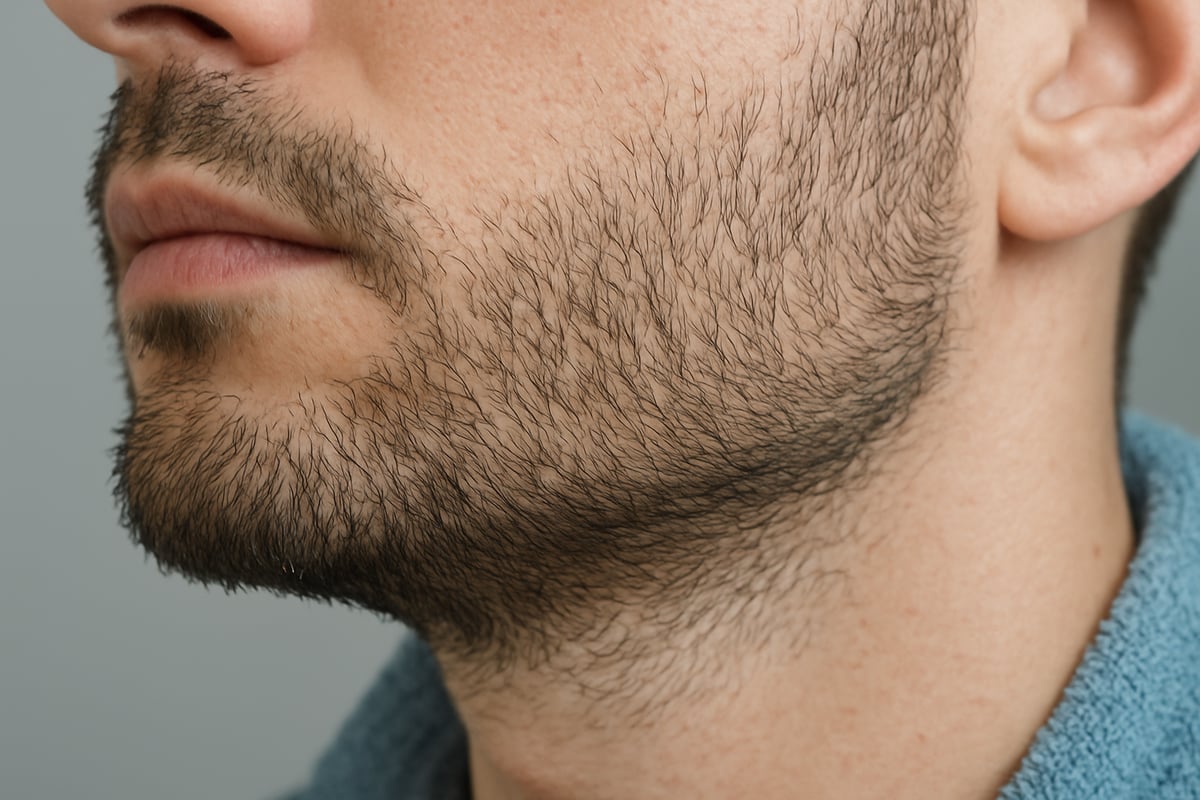
Struggling with patchy, slow-growing facial hair? The root cause is often deep within your hair follicles. Beard hair is thicker, coarser, and grows in a curlier pattern than scalp hair. This makes beard shaving especially challenging, as the dense texture increases friction and the chance of uneven results.
Genetics play a starring role in beard shaving success. Your DNA determines how many follicles you have, their density, and how fast your beard grows. Hormones like testosterone and DHT are the biochemical signals that trigger those follicles to sprout hairs. Higher levels mean more coverage, but can also mean tougher, wirier strands.
Ever battled ingrown hairs after beard shaving? Curly beard hair tends to loop back into the skin, especially if the follicle opening is angled or blocked. The hair growth cycle—anagen (growth), catagen (transition), and telogen (rest)—impacts how stubble feels and why some days your shave feels rougher. If you shave during the anagen phase, hair is more likely to resist the blade, leading to tugging and, sometimes, microtears.
Skin Health and Shaving
Think of your skin as a fortress, with the outer barrier made of lipids and dead cells. Every time you perform beard shaving, the blade scrapes away not just hair, but also protective oils (sebum) and parts of this barrier. This leaves skin exposed to irritants and bacteria, which can cause redness, razor burn, or even folliculitis.
Common skin issues linked to beard shaving include itching, dryness, and inflammation. When you shave too frequently, you disrupt your skin’s microbiome—the delicate balance of good bacteria that keep your face calm and healthy. According to the British Skin Foundation (2024), up to 60% of men report irritation from shaving. That’s not just bad luck, it’s a sign your skin’s defences are under attack.
The solution? Science-backed pre-shave oils and creams help replenish lost moisture and reduce friction. Natural emollients like jojoba oil form a protective shield, minimising micro-abrasions and locking in hydration. For a deeper dive into how these ingredients defend your skin, check out the Benefits of natural shave oil.
By learning the science behind beard shaving, you can finally choose products and routines that defend your skin and transform your shaving experience.
Essential Beard Shaving Tools for 2026
Ever wondered why your beard shaving routine leaves you feeling raw, patchy, or frustrated? The culprit is often the tools you choose. Using the wrong razor or product can strip your skin barrier, trigger ingrown hairs, and leave lasting irritation. When you pick science-backed beard shaving tools, you unlock smoother results and healthier skin. Let’s break down the essentials every man needs for a modern, irritation-free shave.
Choosing the Right Razor
Selecting the right razor is the foundation of effective beard shaving. Science shows that safety razors, cartridge razors, and electric shavers each interact with your hair and skin differently. Safety razors, with a single ultra-sharp blade, slice hair cleanly at the surface, reducing tugging and the risk of ingrown hairs. Cartridge razors, often with multiple blades, can cause more friction and cut hairs below the skin, which increases irritation for some men.
Consider this comparison:
| Razor Type | Pros | Cons |
|---|---|---|
| Safety Razor | Less irritation, precision control, eco-friendly | Steeper learning curve |
| Cartridge Razor | Convenient, fast, widely available | More irritation and ingrowns |
| Electric Razor | Quick, low risk of nicks, good for sensitive skin | May leave uneven results |
Blade sharpness matters. High-grade stainless steel blades remain sharper longer, meaning less drag and fewer microscopic tears in the skin. Single-blade razors have been shown to cut ingrown hairs by 30% compared to multi-blade designs, making them ideal for anyone seeking a smoother beard shaving experience.
Supporting Tools and Products
The right supporting products turn beard shaving from a chore into a science-backed ritual. Pre-shave oils, rich in natural emollients like jojoba and argan, coat each hair and skin cell in a protective layer. This reduces friction, allowing blades to glide rather than scrape. Shaving creams and gels, when packed with hydrating ingredients, create a cushioned barrier that locks in moisture and softens hair keratin.
A quality shaving brush is more than tradition—it lifts hairs for a closer shave and exfoliates dead skin. Synthetic brushes dry quickly and resist bacteria, while natural bristles hold more moisture and create a rich lather.
Aftercare is crucial. Balms and serums with actives like allantoin and panthenol calm inflammation and support skin barrier repair. Don’t overlook the hygiene of your tools—regular sterilisation prevents bacterial growth, which is essential for healthy beard shaving.
Onesociety: Science-Backed Beard Care Solutions
Onesociety leads the charge in science-first beard shaving essentials. Every formula is 100% natural, with plant-derived actives designed to reduce inflammation and restore your skin’s protective barrier. Their shave oil blends botanical extracts, providing a frictionless glide and minimising redness at the follicle level.

Curious about transforming your grooming habits? The 90-Day Beard Challenge offers a structured path for anyone switching between shaving and growing. Onesociety’s products are research-driven, focusing on real results for real men.
For premium, science-driven beard shaving tools and aftercare, visit the Onesociety Amazon shop and upgrade your grooming today.
Step-by-Step Beard Shaving Guide
Struggling with red bumps, stinging skin, or patchy results after beard shaving? You’re not alone. Many men find this daily ritual more stressful than it should be. Understanding the right science-backed steps transforms beard shaving from a chore into a self-care win, minimising irritation and delivering a smooth, confident finish. Ready to master the process? Let’s break it down step by step.
Step 1: Preparing Your Beard and Skin
Effective beard shaving starts with preparation. The problem? Dirt, oil, and dead skin build up, blocking hair follicles and causing uneven cuts or ingrown hairs. This leads to inflammation and discomfort.
Agitate: Ever felt like your razor drags or your skin stings after shaving? That’s often due to improper prep, stripping your skin’s protective barrier and making irritation more likely.
Solution: Science says you need to cleanse with a gentle, pH-balanced wash. This removes debris and excess sebum, preventing clogged pores. Use warm water or a hot towel to soften hair keratin, making each strand easier to cut. Exfoliate with a chemical (like salicylic acid) or physical scrub to lift trapped hairs and reduce risk of ingrowns.
- Cleanse with a mild facial wash.
- Apply a hot towel for 1-2 minutes.
- Exfoliate, focusing on areas prone to bumps.
- Massage in a pre-shave oil rich in jojoba or argan, both proven to lubricate and protect skin by mimicking natural oils.
Proper prep ensures your beard shaving experience is smooth and skin-friendly.
Step 2: Lathering and Application
Next up, lathering. The problem: Dry, patchy lather leads to friction and razor burn. If your beard shaving cream dries out or fails to lift hairs, the blade tugs and causes micro-cuts.
Agitate: Are you rushing this step? Skipping proper lathering increases drag and discomfort, leaving your skin vulnerable.
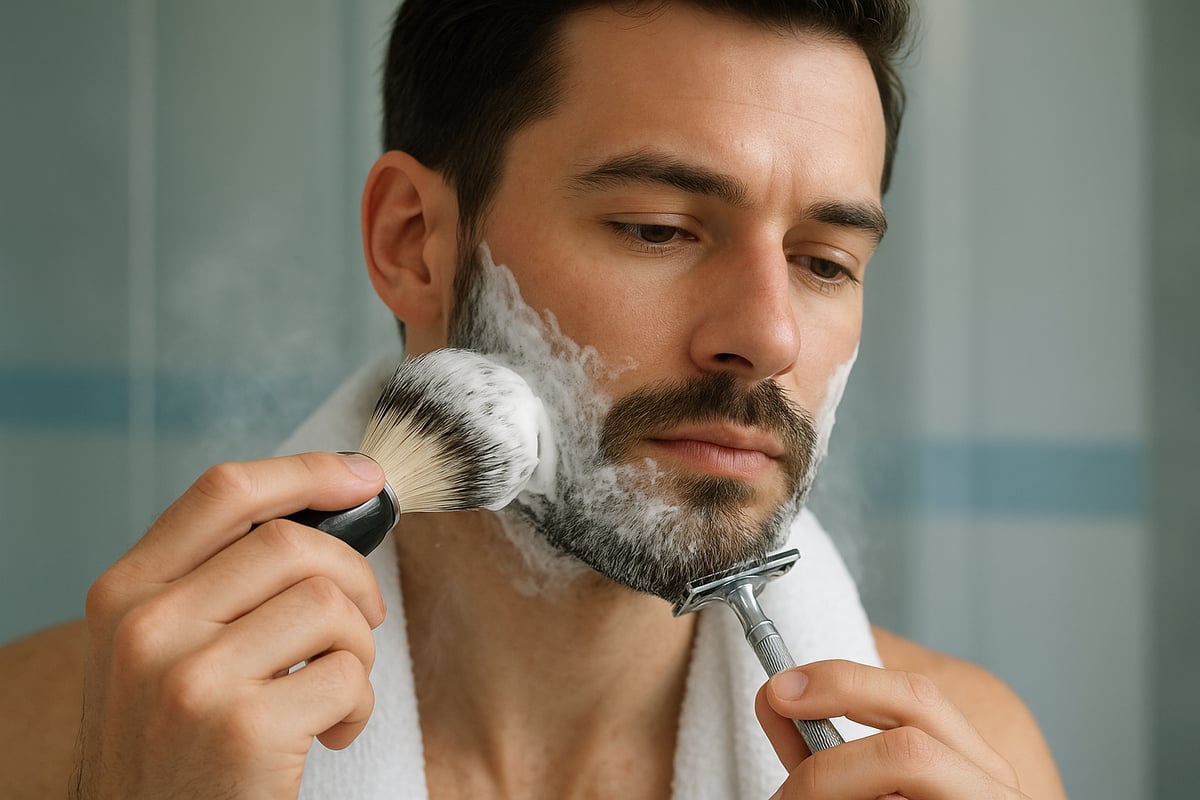
Solution: Use a high-quality shaving cream or gel with hydrating ingredients like glycerin. Whip up a rich lather with a shaving brush using circular motions. This hydrates hair shafts and lifts them upright, making them easier to slice cleanly.
- Wet your brush, then load it with cream or gel.
- Work in circles across your beard to create a dense, cushiony lather.
- Wait 2-3 minutes before shaving. This allows water and actives to penetrate hair, maximising softness.
Science shows a hydrated beard reduces blade resistance, leading to a closer, safer shave.
Step 3: The Shave
Now for the main event. The problem: Rushing, pressing too hard, or using the wrong angle leads to nicks, cuts, and irritation during beard shaving.
Agitate: Ever nicked your jawline or felt burning afterwards? Incorrect technique damages both hair and skin.
Solution: Hold the razor at a 30 degree angle. Shave with the grain first to avoid pulling hairs below the skin’s surface. Use short, light strokes, letting the blade do the work. Rinse your blade after every pass to remove buildup and reduce bacteria transfer.
- Start with cheeks, move to jaw and neck.
- Don’t press down. Glide gently.
- For stubborn spots, re-lather and shave again lightly.
A sharp blade made from high-grade steel minimises drag and microtears. This step is critical for a successful beard shaving outcome.
Step 4: Post-Shave Care
Post-shave, your skin is at its most vulnerable. The problem: Shaving can strip natural oils, disrupt the skin barrier, and leave micro-abrasions open to irritation or infection.
Agitate: Ever noticed redness, tightness, or flaking after beard shaving? That’s your skin’s SOS for repair.
Solution: Rinse with cool water to close pores. Apply an alcohol-free balm containing anti-inflammatory actives like allantoin or panthenol to calm and hydrate. Lock in moisture with a lightweight moisturiser rich in ceramides and natural oils.
For targeted repair and extra hydration, consider using beard oil after shaving. It replenishes lost lipids and supports barrier recovery. For a complete guide on application and science, see Beard oil application after shaving.
For nicks, dab with an alum block or witch hazel to accelerate healing.
Step 5: Cleaning and Storing Your Tools
Finally, tool hygiene. The problem: Residual hair, skin, and moisture on your razor breed bacteria and blunt blades, leading to increased risk of infection and subpar beard shaving.
Agitate: Ever had unexplained bumps or irritation? Dirty tools are a common culprit.
Solution: Rinse blades thoroughly under hot water. Dry with a clean towel to prevent rust. Store in a dry, ventilated space. Replace blades regularly to maintain sharpness and safety.
- Clean all tools after each use.
- Store upright or in a dedicated stand.
- Disinfect weekly with alcohol or UV steriliser.
Consistent tool care ensures every beard shaving session is as safe and effective as the first.
Preventing Common Shaving Problems
Beard shaving can feel like a battle when your skin reacts with redness, bumps, or stinging discomfort. These problems aren't just annoying—they're rooted in how your skin and beard hair respond to your routine. Understanding the science behind common issues is the first step to a smooth, irritation-free shave.
Razor Burn and Irritation
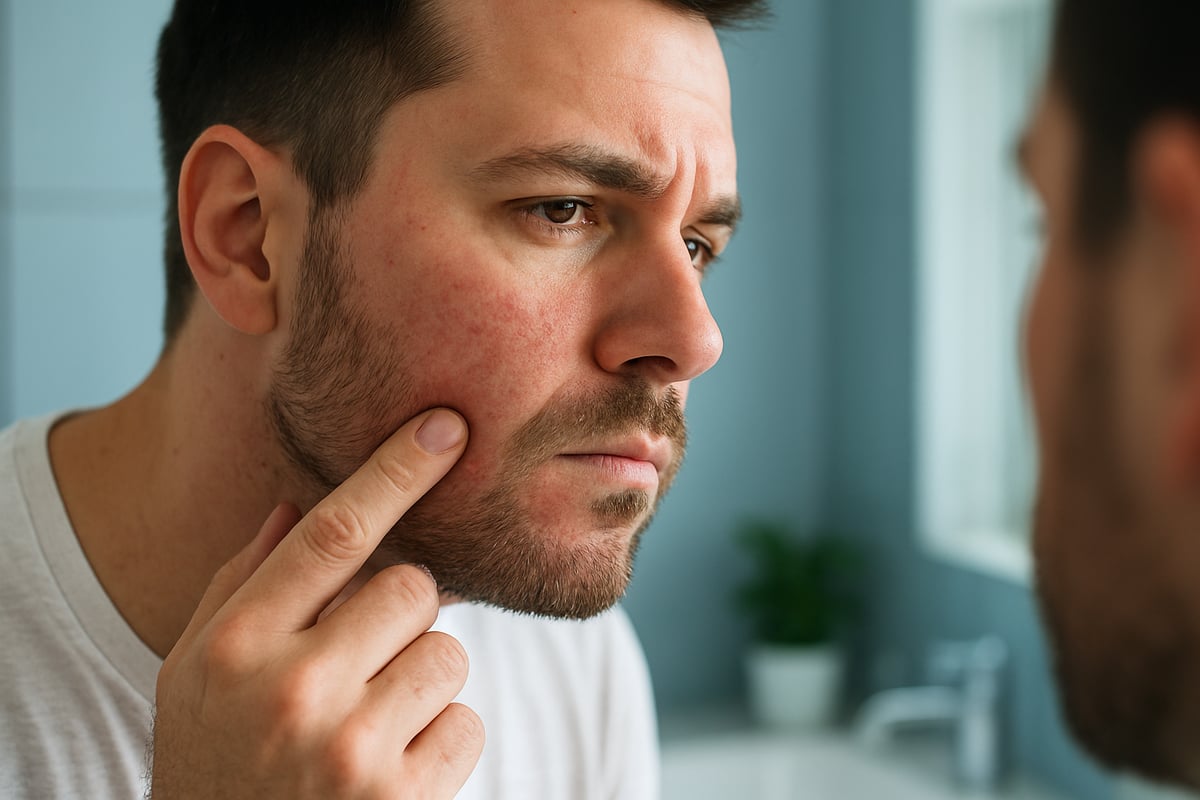
Razor burn is one of the most common frustrations with beard shaving. The problem often starts when a dull blade or too much pressure scrapes away the protective skin barrier, exposing nerve endings and increasing inflammation. Harsh ingredients in shaving products can strip away natural oils, making skin more reactive.
Signs of irritation include redness, stinging, and tiny bumps. The science? When the stratum corneum (your skin's outer layer) is compromised, water loss increases, and inflammatory pathways activate.
To prevent irritation, use a sharp blade and hydrating, anti-inflammatory products. Ingredients like allantoin and shea butter are rich in fatty acids and phytochemicals that calm inflammation and support skin recovery. Clinical research in the UK shows that using pre-shave oil reduces razor burn cases by 40 percent because emollients form a protective barrier on the skin. If you have sensitive skin, try these shaving techniques for sensitive skin for extra protection.
Ingrown Hairs
Ever notice painful, red bumps after beard shaving? Ingrown hairs happen when sharp, freshly cut beard hairs curl back into the skin or get trapped beneath the surface. Curly and coarse hair types are especially at risk due to their natural growth pattern.
Scientifically, when the hair follicle is blocked by dead skin or debris, the hair cannot break through, leading to inflammation and sometimes infection. This triggers an immune response, causing swelling and discomfort.
The solution? Exfoliate regularly with chemical exfoliants like salicylic acid to clear dead skin and lift trapped hairs. Shave with the grain—following the natural direction of your beard growth—so hairs are less likely to double back. Keeping your blades clean also reduces bacterial buildup, which can worsen inflammation.
Nicks and Cuts
Nicks and cuts are a painful side effect of beard shaving, especially when rushing or using the wrong technique. The problem stems from improper blade angle or passing the razor repeatedly over sensitive areas. Each nick disrupts the skin surface, creating entry points for bacteria.
The science: Skin is made up of multiple layers, and even small cuts can trigger bleeding and inflammation. To avoid this, always use a blade at a 30-degree angle and let the razor do the work without pressing down.
If you do get a nick, press an alum block or dab witch hazel to promote clotting and accelerate healing. These minerals constrict blood vessels and have antiseptic properties, helping prevent infection.
Dryness and Flaking
Dryness and flaking after beard shaving occur when natural oils (sebum) are stripped away. Without this lipid barrier, skin can't retain moisture, leading to tightness and visible flakes. Alcohol-based aftershaves worsen the problem by increasing evaporation and irritation.
To restore hydration, apply a moisturiser rich in ceramides and natural oils straight after shaving. Ceramides help rebuild your skin’s barrier, locking in moisture and preventing future dryness. For extra conditioning, beard balms packed with plant butters and waxes create a breathable shield that prevents water loss—learn more about what beard balm is used for and why it's essential for post-shave care.
Consistent aftercare keeps your skin comfortable and resilient, making every beard shaving session smoother.
Advanced Tips for a Smooth, Long-Lasting Finish
Getting a consistently smooth beard shaving result can be challenging, especially when dealing with stubborn hair growth or sensitive skin. Many men find that even after following the basics, issues linger. The solution lies in advanced, science-backed strategies that address your beard’s unique needs and leverage the latest grooming innovations.
Customising Technique for Your Beard Type
Struggling with patchy, coarse, or curly hair during beard shaving? The problem often comes down to using a one-size-fits-all approach. For thick or curly beards, the hair’s cross-section is more elliptical, making it prone to ingrowns and tugging. This means a sharper, single-blade razor can reduce trauma, while mapping your beard’s growth pattern ensures you shave with the grain, minimising irritation.
Aggravation increases if you use the wrong blade or ignore your beard’s density. Denser areas require extra softening with warm water or a longer pre-shave oil soak. If you battle tough beards, check out these Shaving Tips for Tough Beards to refine your beard shaving technique for optimal comfort and closeness.
Incorporating Modern Innovations
Traditional razors have evolved. Smart razors now use sensors to monitor pressure and angle, giving feedback that helps prevent microtears and uneven beard shaving. Advanced creams use plant-derived actives, such as bisabolol and calendula, to reduce inflammation at a cellular level, supporting faster skin recovery. LED therapy devices are emerging as a post-shave solution, using specific wavelengths to calm redness and accelerate healing.
If you want to step up your results, explore these Advanced Shaving Techniques for Men for more science-based innovations that take beard shaving to the next level.
Nutrition and Lifestyle Factors
Problem: Dry, brittle beard hair and irritated skin can sabotage your beard shaving efforts. The root cause often lies beneath the surface. Inadequate hydration slows cellular turnover, while a lack of nutrients weakens hair shafts.
Agitate: You may notice increased sensitivity or patchy growth, making every shave a gamble. The solution is scientific: biotin, found in eggs and nuts, supports keratin production, while zinc aids follicle repair. Drinking plenty of water and eating antioxidant-rich foods protects the skin barrier, keeping both beard and skin resilient during beard shaving.
Maintaining Results Between Shaves
The struggle does not end after beard shaving. Without proper maintenance, irritation and dullness creep back. Cleanse daily with a mild, pH-balanced wash to remove debris without stripping natural oils. Moisturise immediately with products rich in ceramides and fatty acids to rebuild the skin barrier.
Exfoliate weekly with a gentle scrub or chemical exfoliant to lift trapped hairs and prevent ingrowns. Applying beard oil rich in vitamin E and argan oil soothes regrowth and keeps the skin supple, ensuring your beard shaving results last longer. For premium, research-driven grooming essentials, shop Onesociety on Amazon.
You’ve made it this far, so you’re clearly serious about taking your beard game to the next level. Imagine never dreading your shave again—no more irritation, no more patchy spots, just smooth, healthy skin every time. We’ve covered everything from prepping your beard and choosing the right tools to expert aftercare and advanced tricks for 2026. But here’s the thing: the right products make all the difference. If you’re ready to put these tips into action and transform your shaving routine, why not explore the full range of science-backed essentials at SHOP NOW? Your best shave starts here.