

Your reflection stares back at you, and instead of the distinguished beard you envisioned, you see a wild, untamed mess that resembles a bird's nest more than facial hair. Beard frizz transforms even the most carefully grown facial hair into an unruly disaster, sabotaging your appearance and confidence. This frustrating condition affects thousands of men who invest time growing their beards only to struggle with hair that refuses to cooperate. Understanding the biological mechanisms behind this common grooming challenge empowers you to eliminate it permanently through targeted, science-based interventions.
The Biological Reality Behind Beard Frizz
Beard frizz occurs when individual hair strands absorb moisture from humid environments, causing the cuticle layer to lift and expand unevenly. Your facial hair structure differs fundamentally from scalp hair – it's coarser, with larger diameter shafts and more pronounced cuticle scales that catch light and create that characteristic fuzzy appearance.
The science reveals three primary culprits:
- Cuticle damage: Harsh detergents strip natural sebum, leaving hair vulnerable
- Moisture imbalance: Dehydrated hair shafts desperately absorb atmospheric water
- Protein degradation: Environmental stressors break down keratin bonds
Each beard hair consists of overlapping cuticle cells arranged like roof tiles. When these cells lift due to dryness or damage, the smooth surface becomes rough and light-scattering. This creates the visual effect of frizz. Think of it like comparing smooth marble to sandpaper – the texture determines how light interacts with the surface.
The Humidity Connection
Environmental humidity doesn't cause beard frizz directly – it exploits existing weakness in your hair structure. When hair shafts lack sufficient internal moisture and protective oils, they become hygroscopic, meaning they absorb water from the air. This absorption causes hydrogen bonds within the keratin structure to break and reform chaotically, creating bends and kinks.
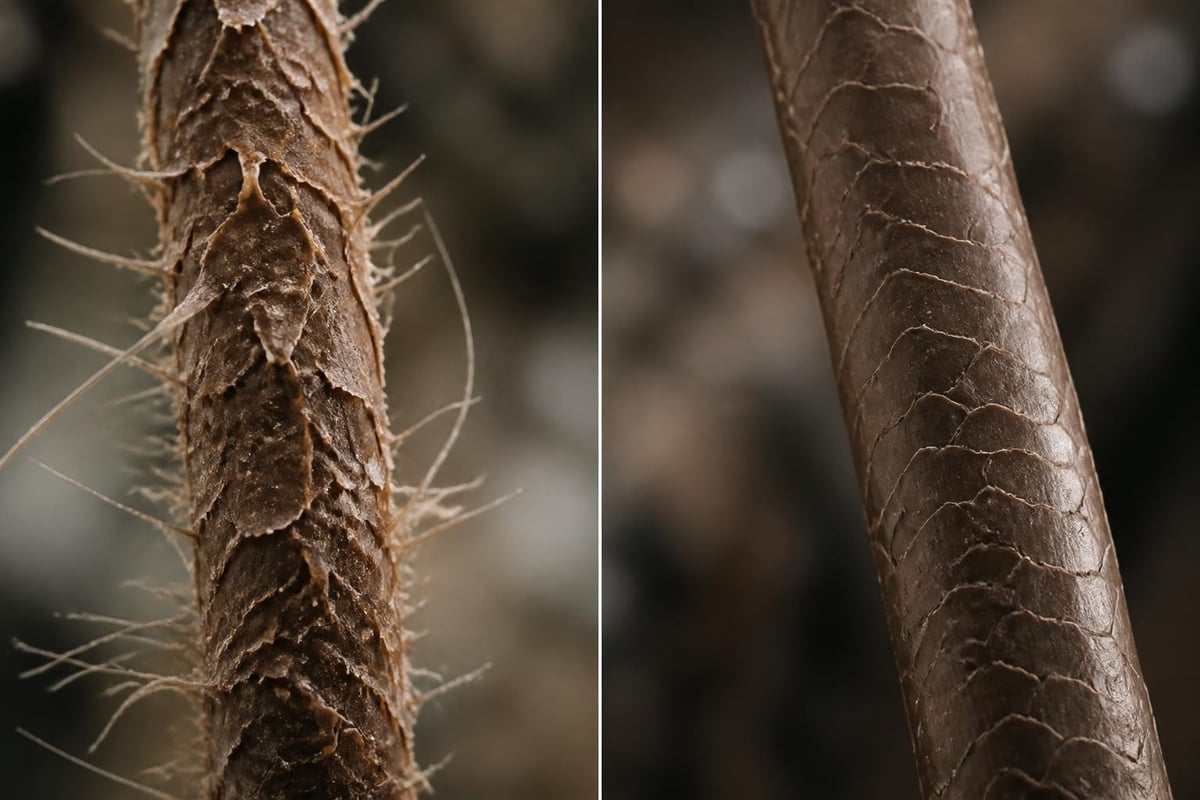
Research from dermatological studies on beard health demonstrates that proper hydration maintains the hydrogen bond network within hair shafts, preventing environmental moisture from disrupting the structure. Your beard needs internal moisture to resist external humidity.
Why Traditional Solutions Fail Spectacularly
Most men attack beard frizz with conventional hair products formulated for scalp hair. This approach fails because facial hair requires different molecular weights and penetration profiles. Scalp hair products contain silicones that coat rather than nourish, creating temporary smoothness whilst starving hair of essential nutrients.
The typical failed routine looks like this:
- Over-washing with harsh sulphates that strip natural oils
- Applying scalp hair conditioner that sits on the surface
- Using alcohol-based styling products that dehydrate further
- Repeating daily whilst wondering why nothing improves
Sulphates (sodium lauryl sulphate and sodium laureth sulphate) function as anionic surfactants that remove oils indiscriminately. Whilst they clean effectively, they destroy the protective sebum layer your skin produces to coat beard hair. Without this natural conditioning film, individual strands become porous and vulnerable.
The Over-Washing Trap
Many men wash their beards daily with body wash or regular shampoo, accelerating the frizz problem. Your facial skin produces sebum continuously, but constant washing removes it faster than your sebaceous glands can replenish it. This creates a cycle: dry beard leads to more washing, which creates more dryness.
The biological reality shows that beard dryness often stems from environmental and grooming factors rather than insufficient washing. Most men need to wash their beards 2-3 times weekly maximum, using pH-balanced formulas that respect the skin's natural acid mantle (pH 4.5-5.5).
The Keratin Structure: Your Beard's Foundation
Understanding keratin biochemistry transforms how you approach beard frizz. Keratin proteins form the structural backbone of every hair shaft, held together by disulphide bonds, hydrogen bonds, and salt bridges. When you compromise these connections through chemical damage or dehydration, the organised structure collapses into disarray.
| Bond Type | Strength | Broken By | Function |
|---|---|---|---|
| Disulphide | Strongest | Chemical treatments, heat | Permanent structure |
| Hydrogen | Moderate | Water, heat | Temporary shape |
| Salt bridges | Weakest | pH changes | Surface smoothness |
Beard frizz primarily involves disrupted hydrogen bonds and damaged cuticle scales. Water molecules infiltrate the hair shaft, breaking existing hydrogen bonds and forming new ones randomly. This restructuring creates bends, waves, and that characteristic fuzzy texture.
The solution requires restoring optimal moisture levels internally whilst creating a protective barrier externally. This dual approach addresses both the cause and the symptom simultaneously.
Natural Ingredients That Actually Work
Scientific research identifies specific compounds that penetrate beard hair effectively, restore hydrogen bond networks, and seal cuticle layers. These aren't marketing buzzwords – they're biochemically active molecules with proven mechanisms.
Argan oil contains high concentrations of oleic acid (omega-9 fatty acid) and linoleic acid (omega-6 fatty acid). These fatty acids have molecular structures small enough to penetrate the cuticle layer and integrate into the hair cortex. Once inside, they reinforce the lipid matrix between keratin fibres, increasing flexibility whilst reducing porosity.
Jojoba oil mimics human sebum chemically, making it uniquely compatible with facial hair. Its molecular structure (technically a wax ester rather than a triglyceride) allows it to coat hair shafts evenly whilst remaining light enough not to weigh down beard hair. This creates the protective barrier that prevents atmospheric moisture from disrupting internal hydrogen bonds.
Shea butter delivers triterpene esters and cinnamic acid, both documented anti-inflammatory compounds. Inflammation at the follicle level affects hair quality from the root. By reducing inflammatory markers in facial skin, shea butter supports healthier hair growth with improved structural integrity from day one.
The Application Science
Natural oils work through specific mechanisms that require proper application techniques. Simply smearing product onto your beard surface delivers minimal benefit. The hair shaft must be prepared to receive and absorb the beneficial compounds.
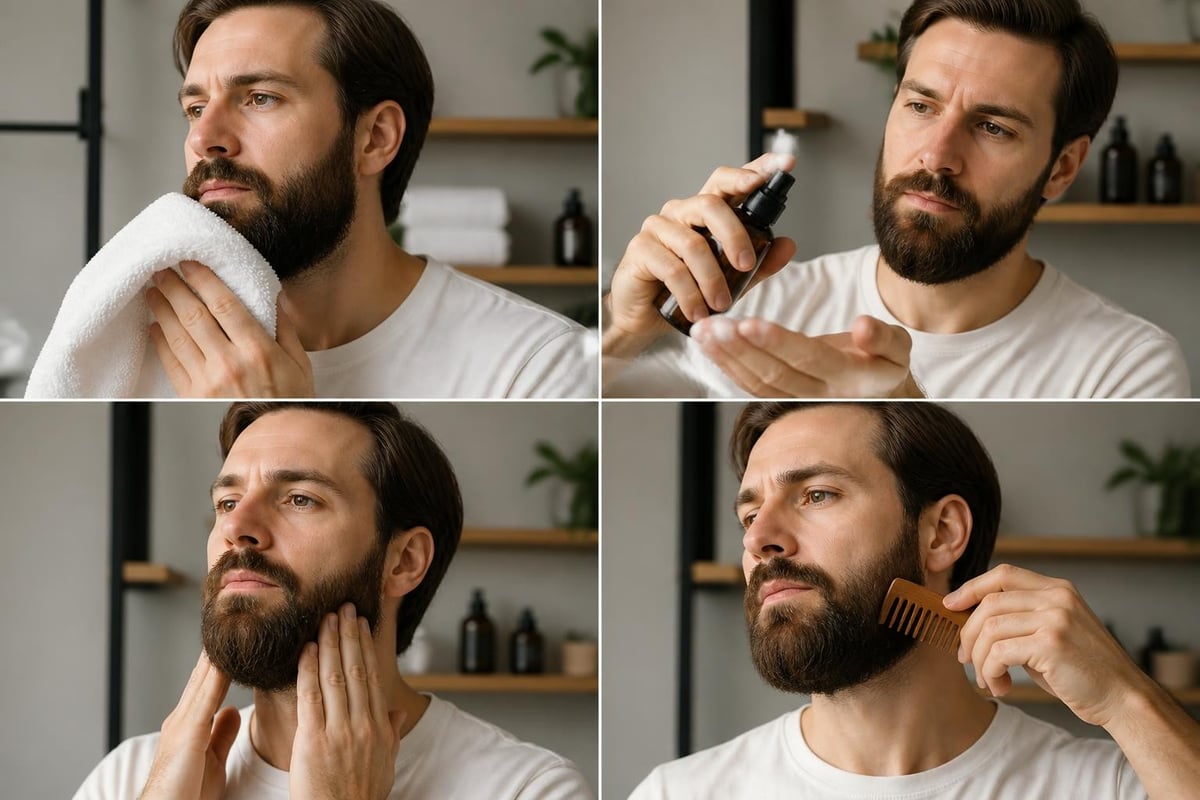
Here's the biochemically optimised application sequence:
- Dampen beard with warm water to open cuticle scales
- Apply oil blend whilst hair remains slightly damp for maximum penetration
- Work from roots to tips using downward strokes that smooth cuticles
- Allow 5-10 minutes for absorption before styling
The natural ingredients used in quality formulations demonstrate measurable improvements in hair elasticity, moisture retention, and cuticle integrity when applied consistently using proper techniques.
Addressing Environmental Damage and Split Ends
Beard frizz intensifies when environmental stressors compound existing structural weaknesses. UV radiation, pollution particulates, and mechanical friction all degrade keratin bonds progressively. This cumulative damage manifests as split ends, which exacerbate the frizzy appearance dramatically.
Split ends in beards occur when the protective cuticle layer wears away completely at the hair tip, exposing the cortex. The cortex then fragments along natural stress lines, creating the classic forked appearance. Each split multiplies the light-scattering effect, making individual hairs appear fuzzier and more unruly.
Prevention requires both protective measures and regular maintenance:
- UV protection: Oils containing natural SPF components shield against photo-oxidation
- Pollution defence: Antioxidants neutralise free radicals before they damage keratin
- Mechanical protection: Proper brushing techniques minimise cuticle lifting
- Strategic trimming: Removing damaged ends prevents splits from travelling upward
The relationship between beard dandruff and frizz deserves attention. Flaking skin indicates compromised barrier function and inflammation, which directly impacts hair follicle health. When follicles operate in an inflamed environment, they produce weaker hair with inferior structural integrity from the start.
The 90-Day Transformation Protocol
Reversing beard frizz requires consistent application of scientifically formulated products over sufficient time for complete hair replacement. Your facial hair grows approximately 0.35-0.4mm daily, meaning a full growth cycle from follicle to tip takes roughly 90 days.
This timeframe matters because you can't repair severely damaged hair – you must grow replacement hair under optimal conditions whilst maintaining existing hair in the best possible state. The transformation involves creating the perfect environment for healthy growth whilst protecting what you've already grown.
Quality formulations combine multiple synergistic ingredients that address different aspects of the frizz problem. The 90-Day Beard Challenge delivers a comprehensive system: follicle stimulation through increased blood flow, deep hydration via overnight butter treatments, and protective barriers that lock moisture in whilst keeping damaging environmental factors out.
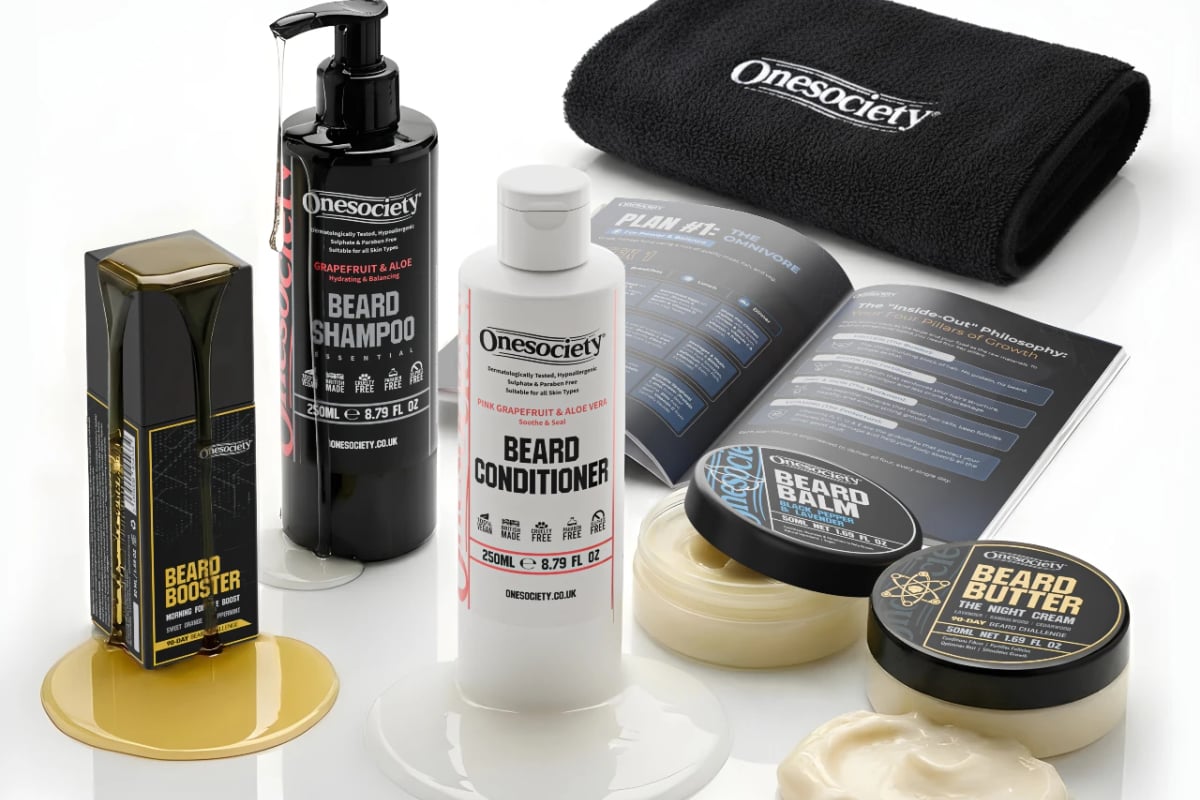
The science behind systematic beard improvement demonstrates that isolated products deliver limited results. You need follicle activation, cleansing that respects natural pH, conditioning that penetrates rather than coats, and protective styling products that work together synergistically.
Lifestyle Factors That Multiply Results
Beyond topical treatments, several lifestyle modifications accelerate beard frizz elimination through biological mechanisms. Your facial hair quality reflects overall health status, nutritional intake, and stress levels.
Hydration status affects hair from the inside out. Keratin synthesis requires adequate cellular hydration. When chronically dehydrated, your body prioritises vital organs over hair follicles, resulting in weaker, more brittle hair production. Consuming 2-3 litres of water daily provides the raw material for optimal keratin formation.
Protein intake directly influences hair quality because keratin is a structural protein. Your body synthesises keratin from amino acids derived from dietary protein. Insufficient protein intake forces your body to cannibalise existing proteins, weakening hair structure. Target 1.6-2.2 grams of protein per kilogram of body weight for optimal keratin production.
Sleep quality regulates growth hormone release, which peaks during deep sleep cycles. Growth hormone stimulates cell division in hair follicles, promoting faster growth of structurally superior hair. Compromised sleep patterns reduce growth hormone secretion, resulting in slower growth of weaker hair.
| Factor | Mechanism | Daily Target |
|---|---|---|
| Water | Cellular hydration for keratin synthesis | 2-3 litres |
| Protein | Amino acids for structural building | 1.6-2.2g/kg bodyweight |
| Sleep | Growth hormone release | 7-9 hours |
| Biotin | Keratin synthesis cofactor | 30-100mcg |
These physiological factors create the foundation upon which topical treatments build. The combination delivers results impossible through either approach alone.
Styling Techniques for Immediate Improvement
Whilst long-term solutions address root causes, specific techniques provide immediate frizz reduction. These methods work by physically aligning hair shafts and temporarily sealing cuticle scales.
Heat application through blow-drying on low settings can smooth beard frizz when done correctly. Heat temporarily softens keratin, making it malleable. Using a beard brush whilst applying gentle heat aligns hairs in the desired direction. The key lies in temperature control – excessive heat damages protein structures, creating more frizz long-term.
Boar bristle brushing mechanically distributes natural oils from roots to tips whilst smoothing cuticle scales. The bristles' structure mimics human hair, allowing them to grip individual beard hairs without causing static electricity. Brush from roots to tips in long, smooth strokes, never backwards against growth direction.
Balm application creates a protective coating that weights down individual hairs and prevents moisture absorption. Quality balms contain beeswax for hold combined with butters for nourishment. The wax molecules coat each hair shaft, creating a hydrophobic barrier that repels atmospheric moisture whilst locking internal moisture in.
The proper moisturising technique combines product selection with application timing. Apply oils to damp hair for maximum penetration, then seal with balm once dry for all-day control.
Common Mistakes That Perpetuate Frizz
Understanding what not to do proves equally valuable as knowing correct techniques. These widespread errors sabotage even the best products and intentions.
Towel rubbing creates friction that lifts cuticle scales and encourages frizz. The rough texture of standard towels catches on individual hairs, forcing cuticles open. Instead, pat or squeeze gently with a microfibre cloth designed for hair. The smoother surface minimises mechanical damage.
Hot water washing strips protective oils faster than cold water because heat increases sebum solubility. It also opens cuticle scales, making hair more porous and vulnerable. Wash with lukewarm water and rinse with cool water to seal cuticles closed.
Ignoring pH balance allows alkaline products to disrupt your skin's natural acid mantle. When skin pH rises above 5.5, bacterial overgrowth occurs, potentially leading to inflammation that affects follicle health. The biological mechanisms behind beard flaking often trace back to pH imbalances that create ideal conditions for problematic microorganisms.
Inconsistent routine prevents cumulative improvement. Hair responds to consistent chemical signalling. Sporadic product use creates fluctuating conditions that stress hair shafts. Commit to daily maintenance for minimum 12 weeks to establish new baseline hair quality.
The Role of Diet in Beard Quality
Nutritional biochemistry reveals specific micronutrients that influence keratin synthesis and hair follicle function. Deficiencies in key vitamins and minerals manifest as poor beard quality, including increased frizz susceptibility.
Biotin (vitamin B7) functions as a coenzyme in amino acid metabolism pathways that produce keratin. Without adequate biotin, your body cannot efficiently convert dietary protein into structural hair proteins. Whilst true deficiency remains rare, suboptimal levels reduce hair quality measurably.
Vitamin E acts as a lipid-soluble antioxidant that protects follicular cell membranes from oxidative damage. This protection maintains follicle health, ensuring production of structurally sound hair. Studies demonstrate that vitamin E supplementation improves hair growth and quality in individuals with compromised follicle function.
Omega-3 fatty acids integrate into cell membranes throughout the body, including follicular cells. They modulate inflammatory pathways, reducing chronic inflammation that degrades follicle performance. Additionally, omega-3s influence sebum composition, potentially improving its protective qualities.
Consider these dietary sources:
- Biotin: Egg yolks, almonds, sweet potatoes, spinach
- Vitamin E: Sunflower seeds, avocados, olive oil, trout
- Omega-3s: Fatty fish, walnuts, flaxseeds, chia seeds
- Zinc: Oysters, beef, pumpkin seeds, chickpeas
Supplementation may benefit those unable to obtain sufficient quantities through diet alone. However, whole food sources provide cofactors and complementary compounds that enhance absorption and utilisation.
Professional Interventions Worth Considering
Certain cases of severe beard frizz require professional assessment to identify underlying dermatological conditions. Chronic inflammation, hormonal imbalances, or skin conditions manifest as grooming challenges that topical products cannot fully resolve.
Identifying whether your issue stems from simple dryness or chronic conditions guides appropriate treatment selection. Seborrhoeic dermatitis, for instance, requires antifungal interventions alongside traditional grooming products.
A qualified dermatologist can perform scalp (and beard) analysis using specialised equipment that reveals:
- Follicle density and health status
- Sebum production rates
- Presence of inflammatory markers
- Fungal or bacterial overgrowth
- Miniaturisation patterns indicating hormonal factors
These diagnostic insights enable targeted treatment protocols that address root causes rather than merely managing symptoms. In some cases, prescription treatments complement quality grooming products for optimal results.
Building Your Anti-Frizz Arsenal
Creating an effective product routine requires understanding each category's function and selecting formulations with scientifically validated ingredients. Your arsenal should include cleansing, conditioning, protecting, and styling products that work synergistically.
Cleansing products should contain gentle surfactants that clean without stripping. Look for formulations with:
- Sodium cocoyl isethionate (derived from coconut oil)
- Decyl glucoside (sugar-based surfactant)
- Cocamidopropyl betaine (amphoteric surfactant)
Avoid sodium lauryl sulphate and sodium laureth sulphate, which clean too aggressively for facial hair needs.
Conditioning treatments penetrate the hair shaft to deliver nutrients and moisture. Effective formulations contain:
- Lightweight carrier oils (argan, jojoba, sweet almond)
- Humectants (vegetable glycerin, hyaluronic acid)
- Proteins (hydrolysed wheat protein, silk amino acids)
Protective balms create barriers against environmental stressors whilst providing hold. Quality balms combine:
- Beeswax or candelilla wax for structure
- Shea butter or cocoa butter for nourishment
- Essential oils for fragrance and additional benefits
Understanding what ingredients contribute to beard health empowers informed purchasing decisions. Reading ingredient lists becomes less overwhelming when you recognise beneficial compounds and understand their mechanisms.
Seasonal Adjustments for Year-Round Control
Environmental conditions fluctuate seasonally, requiring routine modifications to maintain consistent beard frizz control. Temperature and humidity variations affect both your skin's sebum production and hair's moisture balance.
Winter challenges include indoor heating that creates extremely dry air. This desiccating environment pulls moisture from beard hair, increasing frizz susceptibility. Combat this by:
- Increasing humidifier use in living spaces
- Applying heavier butter-based products for enhanced protection
- Washing less frequently to preserve natural oils
- Using overnight conditioning treatments weekly
Summer challenges involve high humidity that encourages frizz in damaged hair. The solution focuses on strengthening hair structure to resist atmospheric moisture:
- Protein treatments to reinforce keratin bonds
- Lighter oil blends that won't feel heavy in heat
- More frequent balm application for humidity protection
- Strategic trimming to remove damaged ends
Spring and autumn represent transitional periods requiring gradual routine adjustments. Monitor your beard's response as temperatures shift, modifying product weights and application frequency accordingly.
This adaptive approach maintains optimal hair condition regardless of external factors. Your beard receives exactly what it needs when it needs it, preventing seasonal fluctuations in frizz levels.
Eliminating beard frizz permanently requires understanding the biological mechanisms that create it, then systematically addressing each contributing factor through scientifically formulated products and evidence-based techniques. When you combine proper cleansing, deep conditioning, protective styling, and supportive lifestyle factors, your beard transforms from an unruly mess into a smooth, distinguished asset that enhances rather than detracts from your appearance. Onesociety provides precisely formulated products using natural ingredients backed by scientific research, delivering the comprehensive solutions your beard needs for lasting transformation and confidence-building results.