

Your beard refuses to grow past a certain length. Patches appear where you desperately want coverage. The hair feels brittle, breaks easily, and lacks the thickness you see in other men's beards. These frustrations drive thousands of men to search for solutions, and one nutrient consistently appears in the research: vitamin E. This fat-soluble antioxidant plays a crucial role in skin health, blood circulation, and cellular protection. Understanding vitamin e for beard growth requires examining the specific mechanisms that transform this compound from a simple nutrient into a catalyst for facial hair development.
The Biological Foundation of Vitamin E's Impact on Facial Hair
Vitamin E encompasses eight different compounds: four tocopherols and four tocotrienols. Alpha-tocopherol dominates human tissue, but all eight variants contribute to cellular health. The molecular structure enables these compounds to neutralise free radicals, which are unstable molecules that damage cell membranes, DNA, and proteins.
How Free Radical Damage Undermines Beard Development
Free radicals attack hair follicles relentlessly. UV radiation, pollution, stress, and metabolic processes generate these reactive oxygen species daily. When free radicals overwhelm your antioxidant defences, oxidative stress occurs. This state triggers inflammation in follicular cells, disrupts the hair growth cycle, and accelerates cellular ageing.
The follicle exists in three phases:
- Anagen (growth phase): Lasts 2-7 years for scalp hair, 2-4 months for facial hair
- Catagen (transition phase): A brief 2-3 week period where growth stops
- Telogen (resting phase): Follicles remain dormant for 2-4 months before shedding
Oxidative stress shortens the anagen phase. Your beard hairs enter the resting state prematurely, resulting in thinner, patchier coverage. Vitamin E's antioxidant capacity protects follicular cells, allowing them to complete full growth cycles.
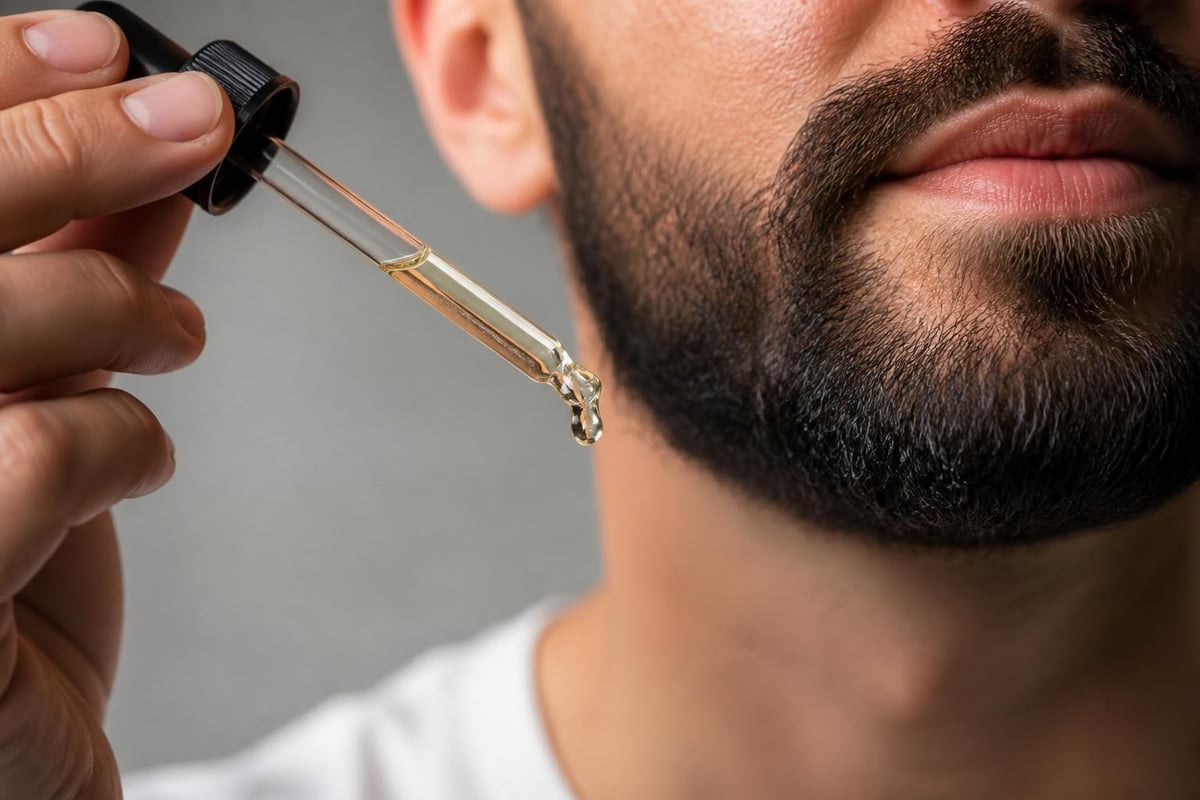
Microcirculation Enhancement Through Tocotrienol Action
Blood delivers oxygen, nutrients, and hormones to follicles. Poor circulation starves these structures, weakening hair production. Research published in Tropical Life Sciences Research demonstrated that tocotrienol supplementation increased hair count by 34.5% over eight months. The mechanism centres on improved microcirculation.
Tocotrienols modulate lipid peroxidation in endothelial cells (the cells lining blood vessels). By preventing membrane damage, these compounds maintain vessel flexibility and function. Enhanced blood flow means follicles receive consistent nutrient delivery, supporting robust beard growth.
| Vitamin E Type | Primary Function | Beard Growth Benefit |
|---|---|---|
| Alpha-tocopherol | Membrane protection | Prevents follicle cell damage |
| Gamma-tocopherol | Anti-inflammatory | Reduces scalp/facial irritation |
| Delta-tocotrienol | Circulation boost | Increases nutrient delivery |
| Gamma-tocotrienol | Angiogenesis support | Promotes new vessel formation |
Topical Application Versus Internal Supplementation
The debate between topical vitamin E application and oral supplementation centres on bioavailability and targeted delivery. Both methods offer distinct advantages, and understanding vitamin e for beard growth requires examining each approach's scientific merit.
Direct Follicular Penetration Through Topical Oils
Topical vitamin E penetrates the stratum corneum (skin's outer layer) through lipid pathways. As a fat-soluble compound, it moves easily through sebum channels and intercellular lipid matrices. Studies measuring skin tocopherol levels after topical application show significant increases within 4-6 hours.
The concentration matters profoundly. Products containing 1-5% mixed tocopherols deliver therapeutic doses without overwhelming the skin's absorption capacity. Higher concentrations often oxidise before penetrating effectively, wasting the active ingredient.
When selecting beard oil to promote growth, scrutinise the carrier oil composition. Jojoba oil contains natural vitamin E but also mimics sebum, enhancing penetration. Sweet almond oil provides additional tocopherols whilst delivering fatty acids that nourish hair shafts directly.
Systemic Distribution Through Dietary Sources
Oral vitamin E enters your bloodstream through intestinal absorption, requiring bile acids and pancreatic enzymes for proper uptake. The liver preferentially retains alpha-tocopherol whilst excreting other forms, creating a challenge for achieving diverse vitamin E benefits through diet alone.
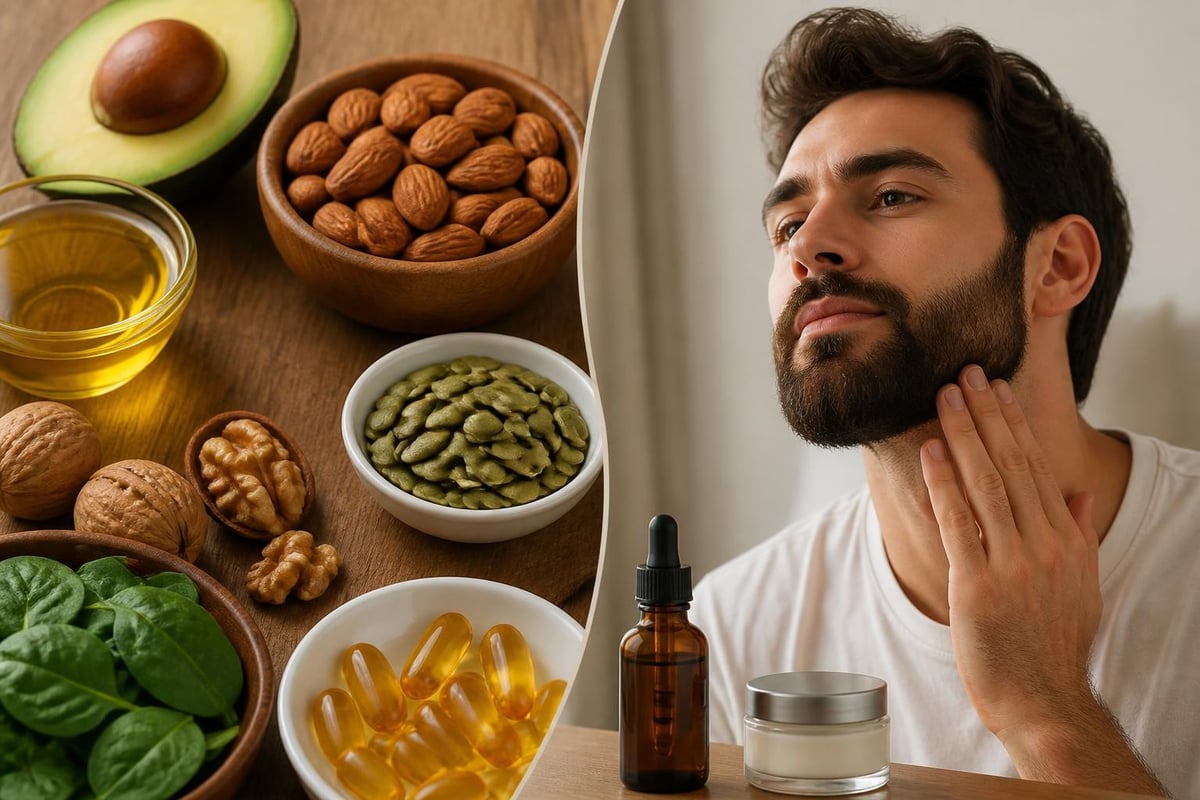
Natural food sources provide the full spectrum of tocopherols and tocotrienols:
- Sunflower seeds: 7.4 mg alpha-tocopherol per 28g serving
- Almonds: 6.8 mg per 28g serving
- Wheat germ oil: 20.3 mg per tablespoon
- Palm oil: Rich in tocotrienols (rarely found elsewhere)
- Avocado: 2.1 mg plus beneficial fats for absorption
The recommended daily allowance sits at 15 mg for adults, but deficiency remains rare in developed nations. However, optimal levels for beard growth may exceed baseline requirements. Research hasn't established specific thresholds for facial hair development, creating uncertainty around supplementation protocols.
Combining Vitamin E with Complementary Nutrients
Vitamin E functions synergistically with other compounds. Isolation limits its potential, whilst strategic combinations amplify benefits for facial hair development.
The Selenium-Vitamin E Partnership
Selenium activates glutathione peroxidase, an enzyme that works alongside vitamin E to neutralise hydrogen peroxide and lipid peroxides. Without adequate selenium, vitamin E depletes rapidly fighting oxidative stress alone. Studies on hair health consistently show superior outcomes when both nutrients reach optimal levels simultaneously.
A comprehensive beard care routine incorporates selenium-rich products or ensures dietary intake through Brazil nuts (just two provide the daily requirement), fish, and organ meats.
Vitamin C Regeneration Cycle
When vitamin E neutralises a free radical, it becomes oxidised itself, transforming into a tocopheryl radical. Vitamin C donates electrons to regenerate active vitamin E, creating a continuous protective cycle. This partnership explains why formulations containing both vitamins demonstrate enhanced stability and efficacy.
The science supporting vitamin e for beard growth strengthens considerably when products deliver multiple antioxidants rather than isolated compounds.
Application Protocols That Maximise Absorption
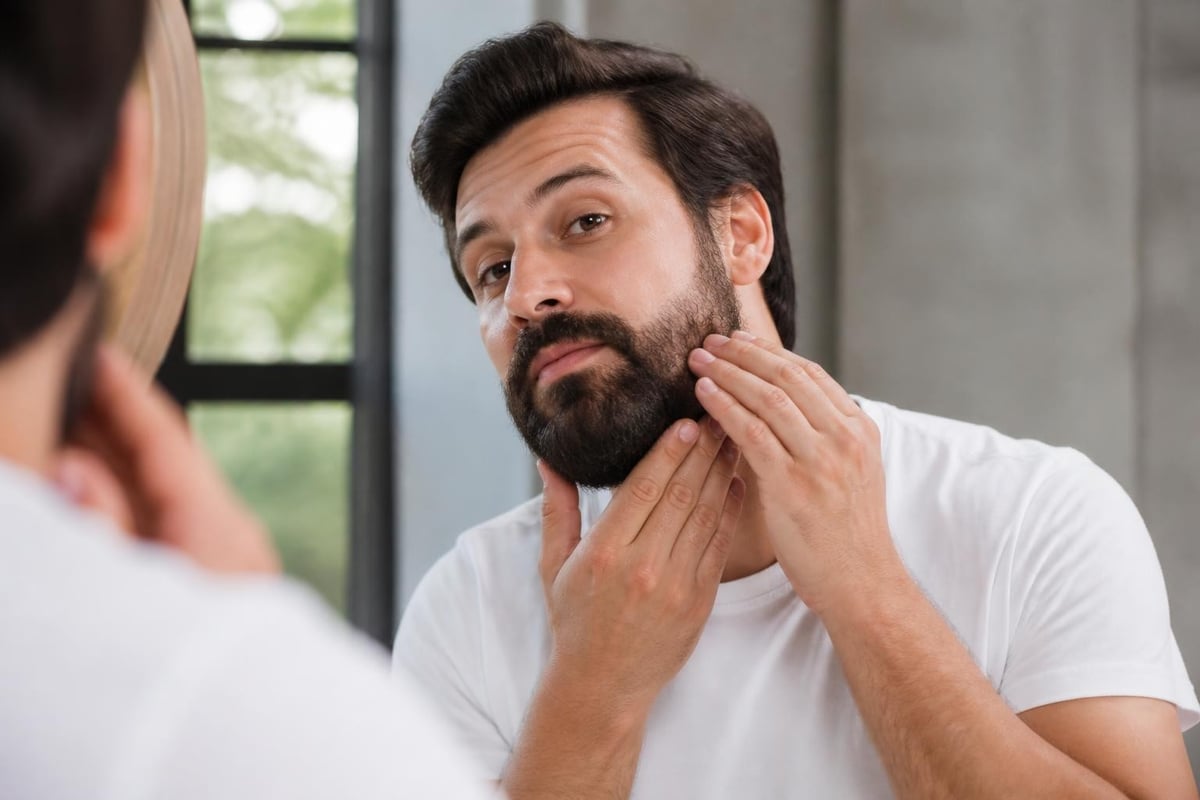
Rubbing vitamin E oil haphazardly onto your beard wastes the nutrient. Strategic application protocols based on skin biology optimise penetration and follicular uptake.
Pre-Application Skin Preparation
Dead skin cells, excess sebum, and environmental debris create barriers that block vitamin E penetration. A proper cleansing routine removes these obstacles. pH-balanced beard shampoos (targeting 4.5-5.5 pH) clean without disrupting the acid mantle that protects skin.
Follow this sequence for maximum absorption:
- Wash your face and beard with lukewarm water
- Apply pH-balanced cleanser using circular motions
- Rinse thoroughly and pat dry (don't rub vigorously)
- Wait 2-3 minutes for skin temperature to normalise
- Apply vitamin E-rich oil whilst skin retains slight moisture
The remaining water creates an emulsion with the oil, enhancing spreadability and penetration depth.
Massage Techniques for Enhanced Delivery
Mechanical stimulation increases local blood flow by 30-40% for up to two hours post-massage. This elevated circulation carries topically applied vitamin E deeper into dermal layers whilst simultaneously delivering systemic nutrients from your bloodstream.
Use these evidence-based massage patterns:
- Circular motions: Start at the jawline, moving upward in small circles
- Pressure points: Apply firm pressure under the jawbone for 10-15 seconds
- Upward strokes: Move from neck to cheekbones, following hair growth direction
- Duration: Maintain massage for 5-7 minutes minimum
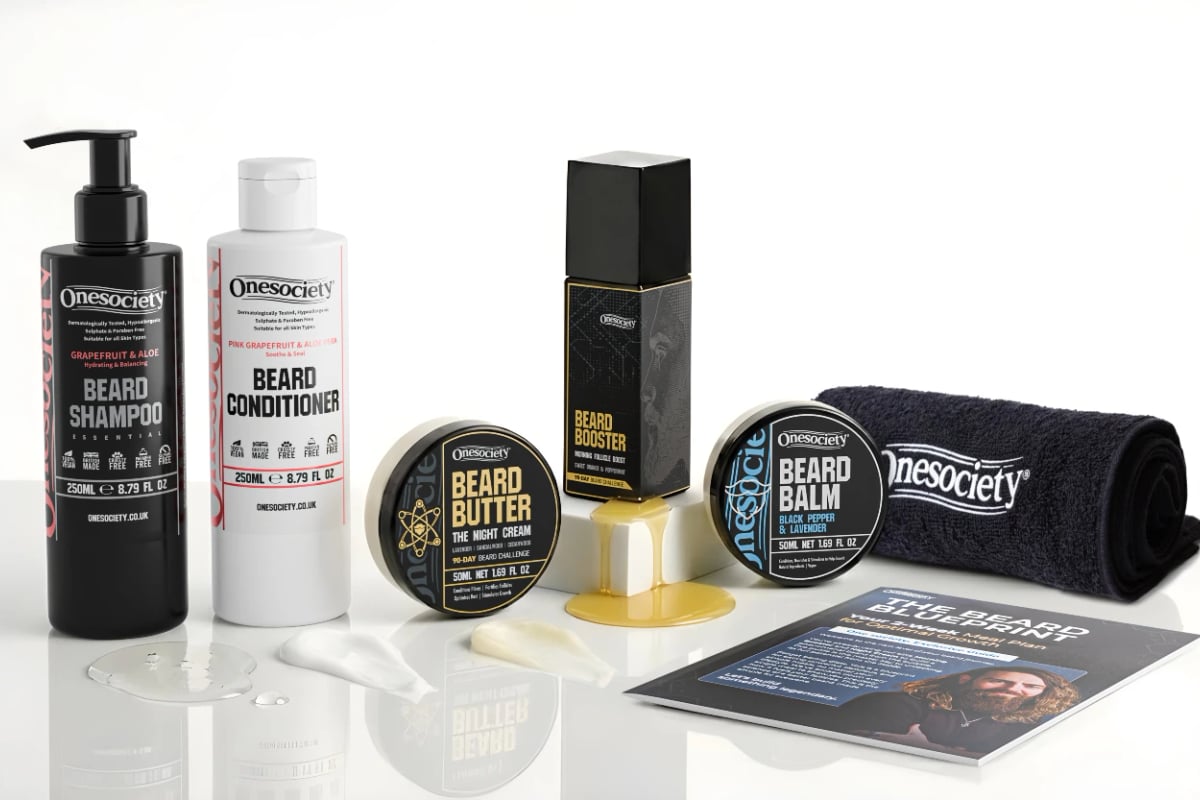
The 90-Day Beard Challenge from Onesociety includes formulations specifically designed to work with massage protocols, combining vitamin E with complementary growth-supporting ingredients. This systematic approach addresses beard development from multiple angles, providing the consistency required for measurable transformation.
Timing and Frequency Considerations
Skin permeability fluctuates throughout the day following circadian rhythms. Transepidermal water loss (TEWL) peaks during sleep, indicating increased barrier permeability. Applying vitamin E before bed exploits this enhanced absorption window.
However, morning application offers different advantages. Vitamin E's photoprotective properties shield follicles from UV-induced oxidative stress during daytime exposure. Split applications (morning and evening) provide comprehensive protection and nourishment.
For men using vitamin e for beard growth, consistency matters more than timing. Choose a schedule you'll maintain for months, as follicular changes require sustained nutrient availability.
Natural Versus Synthetic Vitamin E Formulations
The vitamin E in supplements and topical products exists in two forms: natural (d-alpha-tocopherol) and synthetic (dl-alpha-tocopherol). The single letter difference signals a profound structural variation that affects biological activity.
Molecular Structure and Bioavailability
Natural vitamin E contains exclusively the RRR-stereoisomer configuration. Your body's alpha-tocopherol transfer protein (α-TTP) recognises and binds this structure efficiently. Synthetic vitamin E contains eight different stereoisomers, only one matching the natural RRR form. The liver preferentially retains natural vitamin E whilst excreting synthetic variants.
Research quantifies this difference: natural vitamin E demonstrates 2x the bioavailability of synthetic forms in tissue retention studies. When you're targeting specific tissues like hair follicles, this efficiency gap becomes crucial.
Identifying Natural Sources in Product Formulations
Product labels reveal vitamin E sources through specific nomenclature:
| Label Term | Source | Relative Potency |
|---|---|---|
| d-alpha-tocopherol | Natural | 100% |
| d-alpha-tocopheryl acetate | Natural (stabilised) | 91% |
| dl-alpha-tocopherol | Synthetic | 50% |
| dl-alpha-tocopheryl acetate | Synthetic (stabilised) | 45% |
The best beard oils prioritise natural vitamin E sources extracted from wheat germ, sunflower, or safflower oils. These formulations deliver not just alpha-tocopherol but the full spectrum of vitamin E compounds that nature provides together.
Addressing Common Misconceptions About Vitamin E and Beards
Misinformation about vitamin e for beard growth proliferates across forums and social media. Separating evidence from speculation protects you from wasted effort and unrealistic expectations.
"Vitamin E Alone Grows Beards Overnight"
No single nutrient transforms your beard rapidly. Facial hair growth averages 0.27mm per day, constrained by genetics, hormones (particularly dihydrotestosterone), and overall health. Vitamin E supports optimal growth conditions by protecting follicles and enhancing circulation, but it cannot override biological limits.
Realistic expectations prevent disappointment. After 90 days of consistent vitamin E application combined with comprehensive beard care, most men notice improved thickness, reduced brittleness, and better coverage in previously sparse areas. These changes reflect healthier follicular function, not miraculous acceleration.
"More Vitamin E Equals Faster Growth"
Excessive vitamin E intake (above 1,000 mg daily) carries risks. High doses interfere with vitamin K activity, potentially affecting blood clotting. They may also suppress immune function and increase prostate cancer risk according to some studies.
Topical over-application creates different issues. Vitamin E is comedogenic at high concentrations, potentially clogging pores and triggering acne breakouts. The optimal approach balances adequate delivery with skin tolerance.
"Synthetic Vitamin E Works Just as Well"
This misconception stems from outdated research using activity units (IU) that artificially equate synthetic and natural forms. Modern studies measuring tissue retention and biological function reveal natural vitamin E's superior performance. When investing in beard care products, the vitamin E source quality directly impacts results.
Identifying Vitamin E Deficiency Signs
Overt vitamin E deficiency remains uncommon, but subclinical insufficiency affects more men than statistics suggest. Recognising the subtle indicators helps you assess whether vitamin e for beard growth might address an underlying nutritional gap.
Dermatological and Hair-Related Symptoms
The skin and hair follicles reveal vitamin E status through visible changes:
- Dry, flaky skin beneath the beard: Indicates compromised lipid barrier function
- Slow wound healing: Vitamin E supports keratinocyte migration during repair
- Increased hair breakage: Oxidative damage weakens hair shaft structure
- Dull, lacklustre beard appearance: Reflects cuticle damage from free radicals
- Pronounced split ends: Suggests inadequate cellular protection
These symptoms overlap with many conditions, preventing definitive self-diagnosis. However, their presence alongside confirmed dietary inadequacy or malabsorption issues raises suspicion for vitamin E insufficiency.
Risk Factors for Inadequate Vitamin E Levels
Certain conditions and lifestyle factors predispose men to low vitamin E status:
- Fat malabsorption disorders (Crohn's disease, cystic fibrosis, chronic pancreatitis)
- Very low-fat diets eliminating nuts, seeds, and oils
- Genetic disorders affecting alpha-tocopherol transfer protein
- Chronic alcohol consumption damaging intestinal absorption
- Extreme athletic training increasing oxidative stress beyond dietary compensation
Men experiencing these situations benefit from targeted vitamin E supplementation under medical guidance, potentially noticing improvements in beard growth as follicular health improves.
Integrating Vitamin E into a Comprehensive Growth Strategy
Vitamin E represents one component of beard development, not a complete solution. The most dramatic transformations occur when multiple growth factors align simultaneously.
Hormonal Optimisation
Testosterone and dihydrotestosterone (DHT) drive facial hair development. DHT binds to follicular androgen receptors, triggering the terminal hair growth characteristic of beards. Without adequate androgens, even optimal vitamin E levels cannot compensate.
Supporting healthy hormone levels requires:
- Sufficient sleep: 7-9 hours nightly for optimal testosterone production
- Resistance training: Compound movements stimulate androgen release
- Stress management: Chronic cortisol elevation suppresses testosterone
- Adequate dietary fat: Cholesterol serves as the hormone precursor molecule
Vitamin E protects androgens from oxidative degradation, preserving their activity at target tissues.
Protein and Amino Acid Adequacy
Hair consists almost entirely of keratin, a structural protein built from amino acids. Cysteine, methionine, and lysine prove particularly important for strong hair shaft formation. Without sufficient protein intake (1.6-2.2g per kg bodyweight for active men), follicles lack raw materials for hair production regardless of vitamin E status.
Combining adequate protein with vitamin E creates synergy: the protein provides building blocks whilst vitamin E protects against oxidative damage during the energy-intensive process of hair synthesis.
Consistent Grooming Practices
Physical maintenance complements nutritional support. Top beard oils deliver vitamin E whilst softening hair, training growth patterns, and preventing environmental damage. Regular trimming removes split ends before they propagate upward, maintaining beard integrity.
The combination of internal vitamin E from diet, topical application through quality oils, and meticulous grooming creates conditions where follicles perform optimally throughout extended growth cycles.
Advanced Formulation Strategies for Maximum Efficacy
Not all vitamin E products deliver equal results. Formulation science determines whether the vitamin E reaches target tissues in active form or degrades before absorption.
Stabilisation Through Esterification
Free tocopherols oxidise rapidly when exposed to air, light, and moisture. Manufacturers address this instability through esterification, creating tocopheryl acetate or tocopheryl succinate. These forms resist oxidation during storage but require skin enzymes (esterases) to cleave the ester bond and release active vitamin E.
This trade-off balances shelf stability against immediate bioavailability. Well-formulated products combine both free tocopherols (for immediate action) and esterified forms (for sustained release), extending vitamin E activity over hours rather than minutes.
Carrier Oil Selection Impact
The oils suspending vitamin E influence penetration and follicular delivery. Research on transdermal absorption identifies optimal carriers:
| Carrier Oil | Penetration Enhancement | Additional Benefits |
|---|---|---|
| Jojoba oil | High (similar to sebum structure) | Non-comedogenic, antibacterial |
| Argan oil | Medium-high | Rich in vitamin E naturally |
| Sweet almond oil | Medium | Emollient, reduces inflammation |
| Coconut oil | Low (large molecular size) | Antimicrobial, conditioning |
Products using vitamin e for beard growth achieve superior results when formulated with jojoba or argan oil bases compared to coconut oil, despite coconut oil's popularity in beard care.
Antioxidant Preservation Systems
Vitamin E itself prevents other ingredients from oxidising, but what protects the vitamin E? Sophisticated formulations include secondary antioxidants like rosemary extract, astaxanthin, or ferulic acid. These compounds create a protective cascade, with less expensive antioxidants sacrificing themselves to preserve vitamin E integrity.
This approach ensures the vitamin E concentration listed on the label remains accurate throughout the product's lifespan, not just at manufacturing.
Measuring Progress and Adjusting Your Protocol
Subjective impressions of beard improvement can mislead. Implementing objective tracking methods reveals whether your vitamin E application genuinely enhances growth or whether you're experiencing placebo effects.
Photographic Documentation Standards
Monthly photographs under consistent conditions provide visual evidence of changes. Control these variables:
- Lighting: Same location, time of day, and light source
- Angle: Front, both sides, and chin-up views
- Grooming state: Photograph before washing or styling
- Reference points: Use facial features as measurement anchors
Compare images at 30-day intervals, looking for increased density, reduced patchiness, and improved hair quality rather than dramatic length changes.
Quantitative Measurement Techniques
Beard growth rate and density respond to improved follicular health from vitamin e for beard growth, but changes occur gradually. These metrics track progress:
- Growth rate: Mark a reference point and measure weekly growth in millimetres
- Density: Count hairs in a 1cm² area using magnification
- Breakage assessment: Collect shed hairs daily, noting length (longer sheds indicate reduced breakage)
- Texture quality: Rate softness and manageability on a 1-10 scale weekly
Record these measurements in a journal or spreadsheet, allowing pattern recognition over months. Most men notice measurable improvements between 8-12 weeks of consistent application.
When to Modify Your Approach
If measurements show no improvement after 90 days, reassess your protocol. Consider these adjustment strategies:
- Increase application frequency from once to twice daily
- Switch from synthetic to natural vitamin E formulations
- Add complementary nutrients (biotin, zinc, omega-3 fatty acids)
- Address potential underlying issues (hormone levels, protein intake, stress)
- Consult a dermatologist to rule out medical conditions affecting follicles
Patience proves essential. Follicular cycles span months, meaning changes in care practices require extended periods before manifesting as visible hair alterations.
Scientific Evidence and Research Limitations
Understanding the evidence base for vitamin e for beard growth requires examining study quality, relevance, and gaps in current knowledge.
Landmark Studies on Vitamin E and Hair Growth
The most cited research comes from a 2010 trial published in Tropical Life Sciences Research. Participants with alopecia received 100mg mixed tocotrienols daily for eight months. The treatment group showed 34.5% increased hair count versus 0.1% in placebo. This study demonstrated tocotrienols' potential but focused on scalp hair, not facial hair.
Facial hair follicles differ structurally from scalp follicles. They're thicker, more deeply rooted, and respond more intensely to androgens. Extrapolating scalp hair findings to beards requires cautious interpretation.
Mechanistic Studies Explaining Biological Pathways
Laboratory research clarifies how vitamin E influences follicular function:
- Oxidative stress reduction: Multiple studies confirm tocopherols neutralise lipid peroxides in skin tissue
- Anti-inflammatory effects: Research shows vitamin E suppresses NF-κB signalling, reducing inflammatory cytokine production
- Vascular function: Studies demonstrate improved endothelial function and microcirculation with adequate vitamin E status
These mechanisms logically support beard growth, but direct clinical trials on facial hair remain scarce. The current evidence base combines strong mechanistic understanding with limited beard-specific research.
Areas Requiring Further Investigation
Future research should address several critical questions:
- Optimal vitamin E dosing specifically for facial hair enhancement
- Comparative effectiveness of different tocopherol and tocotrienol ratios
- Long-term safety of high-dose topical vitamin E on facial skin
- Interaction effects between vitamin E and beard grooming products
- Genetic variations affecting individual responses to vitamin E supplementation
Until these studies emerge, practitioners must rely on mechanistic reasoning, related research, and clinical experience when recommending vitamin e for beard growth protocols.
The science confirms vitamin E's protective and circulatory benefits create conditions favouring robust facial hair development, though expecting miraculous transformation overlooks biological reality. Consistent application of natural vitamin E formulations, combined with proper nutrition, hormone optimisation, and strategic grooming, positions your follicles for their maximum genetic potential. Onesociety formulates every product with 100% natural ingredients backed by the research you've just explored, ensuring your beard receives authentic nutritional support rather than marketing promises. Transform your beard through science-based care that delivers measurable results.