

Your beard isn't just facial hair. It's a living system responding to hormones, nutrients, and external care. If you've struggled with patchy growth or slow development, you're not alone. Most men search for the natural way to grow beard without relying on synthetic chemicals or invasive procedures. The good news? Your body already possesses the biological machinery for robust facial hair. You just need to activate it through targeted, science-backed interventions that work with your physiology, not against it.
The Biology Behind Beard Growth: Why Understanding Matters
Beard follicles respond to dihydrotestosterone (DHT), a hormone converted from testosterone by the enzyme 5-alpha reductase. Without adequate DHT binding to androgen receptors in your facial follicles, growth stalls. This explains why some men develop thick beards whilst others struggle with sparse patches.
The Three Growth Phases
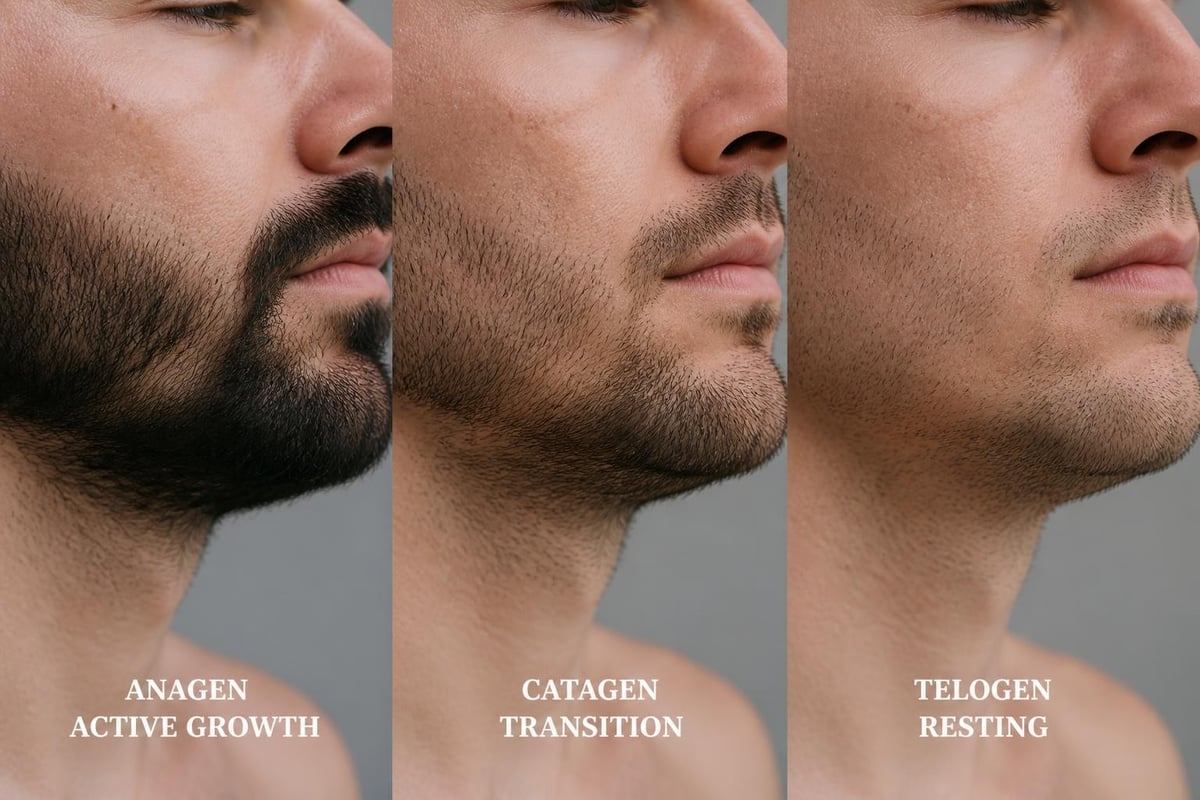
Your beard cycles through three distinct phases:
- Anagen (growth phase): Lasts 2-6 years, determining maximum length
- Catagen (transition phase): 2-3 weeks where follicles shrink
- Telogen (resting phase): 2-4 months before hair sheds and restarts
Approximately 85-90% of your facial hair sits in anagen at any moment. The natural way to grow beard faster involves extending this anagen phase and preventing premature transitions to catagen.
Blood circulation delivers oxygen and nutrients to follicle cells. Poor circulation starves follicles, triggering early telogen phases. This is why lifestyle factors like diet, exercise, and sleep directly impact growth rates.
Nutritional Foundations: Feeding Your Follicles
Your beard requires specific building blocks. Keratin, the structural protein in hair, needs sulphur-rich amino acids. Without these raw materials, follicles cannot construct strong, thick fibres.
| Nutrient | Function | Food Sources |
|---|---|---|
| Biotin (B7) | Keratin synthesis, prevents breakage | Eggs, almonds, sweet potatoes |
| Zinc | DHT production, protein synthesis | Oysters, beef, pumpkin seeds |
| Vitamin D | Follicle activation, immune regulation | Fatty fish, fortified dairy, sunlight |
| Iron | Oxygen transport to follicles | Red meat, spinach, lentils |
| Omega-3 fatty acids | Inflammation reduction, hydration | Salmon, walnuts, flaxseed |
Biotin deficiency directly causes hair thinning. Studies show 2.5mg daily improves keratin infrastructure. Zinc activates enzymes that synthesize testosterone and regulate oil production. Without adequate zinc, follicles atrophy and DHT production drops.
The Protein Priority
Keratin is pure protein. Consume 0.8-1g of protein per pound of body weight daily. A 180-pound man needs 144-180g protein. Choose complete proteins containing all essential amino acids: chicken, fish, eggs, Greek yoghurt.
Dermatologists emphasize that protein deficiency forces your body to ration resources. Hair is non-essential tissue, so follicles shut down first during nutritional stress.
Hormonal Optimization: The Testosterone Connection
Testosterone and DHT govern beard density. Low testosterone equals sparse facial hair. The natural way to grow beard involves optimizing endocrine function through lifestyle modifications.
Resistance Training
Compound movements-squats, deadlifts, bench presses-trigger acute testosterone spikes. Studies demonstrate 45-minute sessions with 75-85% of one-rep max elevate testosterone for 24-48 hours. This creates a sustained androgenic environment favouring follicle activation.
Train 3-4 times weekly. Focus on multi-joint exercises recruiting large muscle groups. Your quadriceps, glutes, and back contain the most androgen receptors, maximizing hormonal response.
Sleep Architecture
Testosterone production peaks during REM sleep. Sleep deprivation below 6 hours nightly reduces testosterone by 15-20%. Research published in scientific literature on sleep quality and hair health confirms poor sleep disrupts growth hormone and thyroid function, both critical for follicle health.
Target 7-9 hours nightly. Maintain consistent sleep-wake times. Your circadian rhythm regulates hormone pulses-irregular schedules desynchronize this system.

Stress Management: Cortisol's Destructive Role
Chronic stress elevates cortisol, which antagonizes testosterone and forces follicles into telogen. Cleveland Clinic research on stress and hair loss identifies cortisol as a primary driver of telogen effluvium-premature resting phases affecting up to 70% of follicles.
Cortisol also constricts blood vessels, reducing nutrient delivery. It increases inflammatory cytokines that damage follicle stem cells. This creates a hostile environment incompatible with robust growth.
Practical Stress Reduction
- Deep breathing: 4-7-8 technique (inhale 4 seconds, hold 7, exhale 8) activates parasympathetic nervous system
- Daily movement: 30-minute walks lower cortisol by 20-30%
- Social connection: Isolation amplifies stress hormones
- Time boundaries: Disconnect from work/screens 2 hours pre-sleep
Meditation for 10-15 minutes daily reduces cortisol and increases DHEA (a testosterone precursor). Apps provide guided sessions, eliminating the learning curve.
External Care: Creating Optimal Skin Conditions
Healthy beard growth starts with healthy skin. Follicles emerge from dermis-if your skin is inflamed, clogged, or damaged, follicles cannot function optimally.
Cleansing Without Stripping
Facial skin produces sebum (natural oil) that lubricates hair and protects skin. Harsh cleansers strip this protective layer, triggering compensatory overproduction and clogged pores. Use pH-balanced cleansers (pH 4.5-5.5) that preserve your acid mantle.
The American Academy of Dermatology's beard care guidance recommends washing 2-3 times weekly with sulphate-free formulas. Daily washing dries skin, weakening follicles.
Exfoliation for Follicle Liberation
Dead skin cells accumulate, creating barriers that trap ingrowing hairs and block follicle openings. Mechanical exfoliation (brushes, scrubs) or chemical exfoliation (AHAs, BHAs) removes this debris.
Exfoliate 2-3 times weekly. Choose products with jojoba beads (gentle) over harsh microplastics. Salicylic acid (BHA) penetrates pores, dissolving sebum plugs and preventing folliculitis.
| Care Step | Frequency | Active Ingredient | Function |
|---|---|---|---|
| Cleansing | 2-3×/week | Glycerin, aloe | Hydration retention |
| Exfoliation | 2-3×/week | Salicylic acid | Pore clearing |
| Moisturizing | Daily | Hyaluronic acid | Water binding |
| Oil application | Daily | Jojoba, argan | Sebum mimicking |
Natural Oils: Biomimetic Hydration
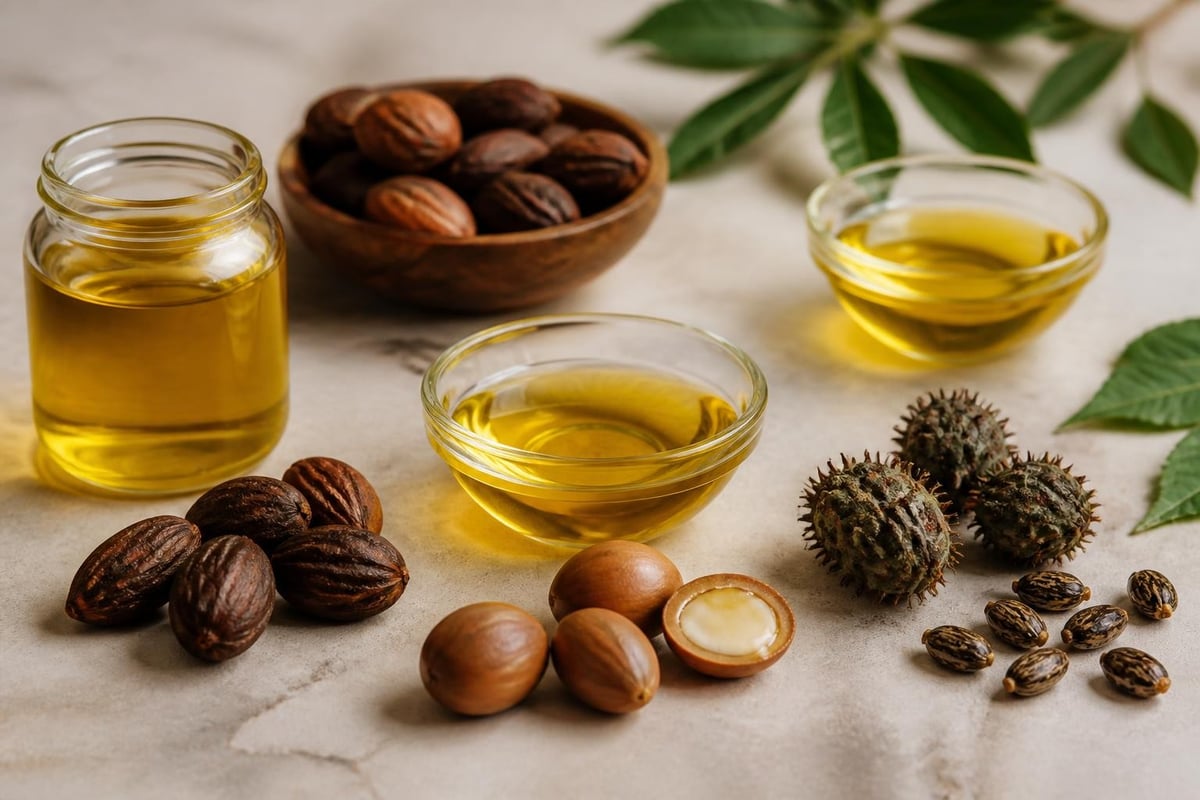
Your sebaceous glands produce sebum, but many men have insufficient production or uneven distribution. Natural oils replicate sebum's fatty acid profile, delivering hydration without synthetic chemicals.
Jojoba oil contains wax esters nearly identical to human sebum. It regulates oil production-dry skin increases output, oily skin decreases it. This self-balancing property prevents both flakiness and greasiness.
Argan oil provides vitamin E (antioxidant) and oleic acid (anti-inflammatory). It penetrates hair shafts, reducing breakage and improving elasticity. Studies show vitamin E supplementation increases hair count by improving scalp circulation.
Castor oil contains ricinoleic acid, which increases prostaglandin E2-a compound that extends anagen phases. Topical application enhances thickness and density.
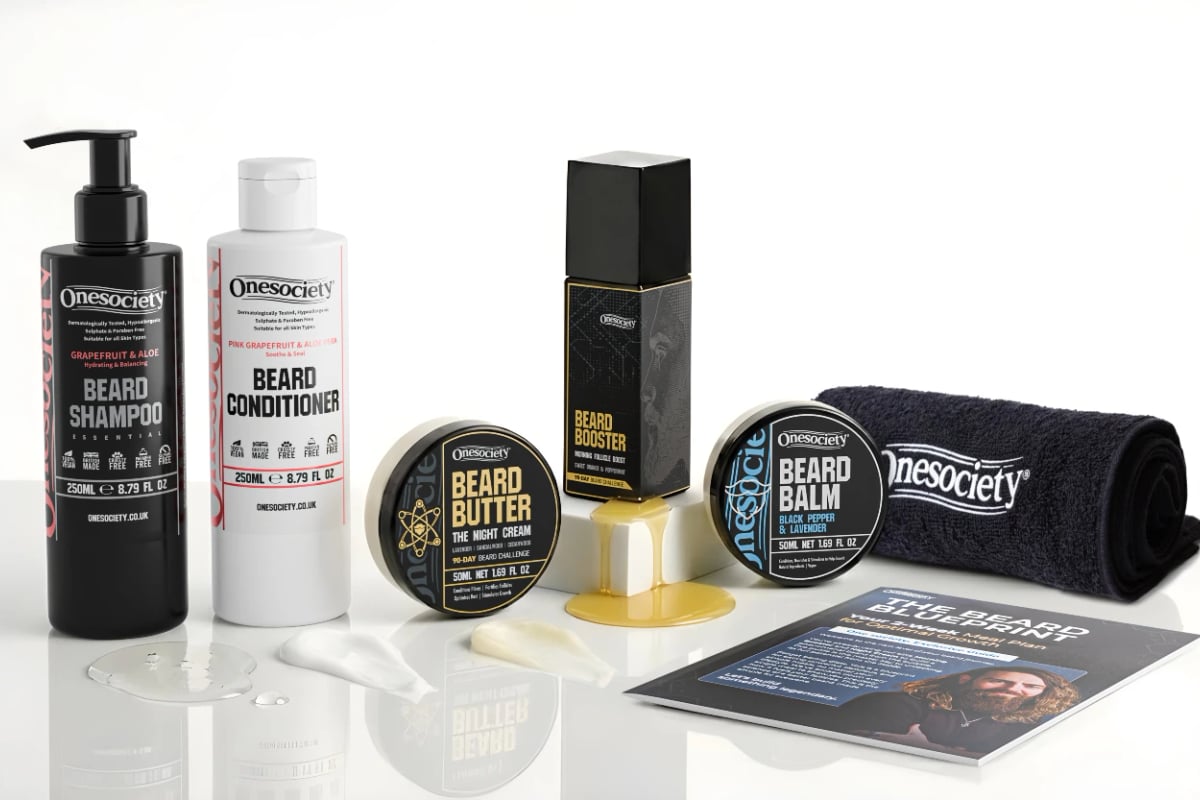
For maximum efficacy in supporting your beard naturally, choosing formulations designed specifically for facial hair makes a considerable difference. Premium beard care products combine multiple carrier oils with precisely measured ratios, ensuring optimal absorption and follicle nourishment without greasy residue.
The Minoxidil Question: Natural vs Pharmaceutical
UK dermatology research on minoxidil for beard growth confirms topical minoxidil (5%) increases facial hair density in men with functioning follicles. It works by opening potassium channels, prolonging anagen phases and widening blood vessels for improved nutrient delivery.
However, minoxidil isn't natural. It requires twice-daily application for 6-12 months, and cessation often reverses gains. Side effects include skin irritation, unwanted hair growth elsewhere, and potential cardiovascular effects in sensitive individuals.
The natural way to grow beard prioritizes endogenous optimization-boosting your body's inherent growth mechanisms-over exogenous chemicals. This approach builds sustainable results without dependency or side effects.
Natural Alternatives to Minoxidil
- Peppermint oil: Research shows 3% topical peppermint oil matches minoxidil's growth promotion by increasing dermal thickness and follicle depth
- Rosemary oil: Improves circulation similarly to minoxidil without synthetic compounds
- Microneedling: 0.5-1.5mm needles create controlled micro-injuries, triggering growth factor release and collagen production
Microneedling once weekly combined with natural oils enhances absorption and stimulates dormant follicles. This mimics minoxidil's benefits through mechanical stimulation rather than pharmacological intervention.
Lifestyle Factors: The Unsexy Fundamentals
Beard growth reflects overall health. Poor lifestyle choices create systemic inflammation, hormonal imbalances, and nutrient deficiencies that manifest as weak facial hair.
Hydration
Water comprises 25% of hair weight. Dehydration shrinks cells, including follicle cells. Target 3-4 litres daily. Electrolytes (sodium, potassium, magnesium) improve cellular hydration beyond plain water.
Alcohol Limitation
Alcohol disrupts sleep architecture, reduces testosterone, depletes B vitamins, and dehydrates tissues. Limit consumption to 2-3 drinks weekly maximum. Chronic drinking accelerates telogen transitions.
Smoking Cessation
Nicotine constricts blood vessels, reducing follicle perfusion by up to 30%. Carbon monoxide displaces oxygen in haemoglobin, starving follicles. Smokers experience 20-30% slower growth rates than non-smokers.
Patience and Realistic Expectations
Genetics determine your ceiling. Some men possess abundant follicles with high androgen receptor sensitivity. Others have fewer follicles or receptors resistant to DHT. No natural method creates new follicles-you work with your genetic blueprint.
Scientific reviews on beard structure and growth variation confirm ethnicity influences density and distribution. Asian men typically have less facial hair than Mediterranean or Middle Eastern men due to androgen receptor polymorphisms.
The natural way to grow beard requires 90-120 days minimum to observe significant changes. Anagen cycles take months to shift. Consistency matters more than intensity.
Tracking Progress
Photograph your beard weekly under identical lighting and angles. Visual comparison reveals subtle improvements invisible day-to-day. Measure density using a transparent grid overlay-count follicles per square centimetre monthly.
Advanced Natural Techniques
Beyond basics, several evidence-based interventions accelerate results.
Dermarolling Protocol
Use a 0.5mm dermaroller once weekly on clean skin. Roll vertically, horizontally, and diagonally 8-10 passes each direction. Apply natural oils immediately after-micro-channels enhance absorption by 300-400%.
Dermarolling triggers platelet-derived growth factor (PDGF) and vascular endothelial growth factor (VEGF). These proteins stimulate angiogenesis (new blood vessel formation) and follicle stem cell activation.
Facial Massage
Five-minute daily massage increases blood flow and lymphatic drainage. Use fingertips in circular motions, applying moderate pressure. Focus on jaw, chin, and cheek areas where follicles concentrate.
Massage mechanically stimulates dermal papilla cells-specialized cells at follicle bases that regulate growth signals. Consistent stimulation maintains these cells in active states.
Strategic Supplementation
| Supplement | Dosage | Mechanism |
|---|---|---|
| Biotin | 2.5-5mg | Keratin synthesis cofactor |
| Vitamin D3 | 4000IU | Androgen receptor expression |
| Zinc picolinate | 30mg | 5-alpha reductase activation |
| Fish oil | 2-3g EPA/DHA | Inflammation reduction |
| L-carnitine | 2g | Follicle energy metabolism |
Blood testing identifies deficiencies. Don't guess-supplement strategically based on data. Excessive zinc, for example, creates copper imbalances that impair iron absorption.
The Role of Clean Grooming Products
Synthetic fragrances, sulphates, parabens, and phthalates disrupt endocrine function. These chemicals mimic or block hormones, interfering with testosterone signalling and creating inflammatory responses.
Choosing products formulated with natural ingredients eliminates this toxic burden. Plant-based oils, botanical extracts, and essential oils provide benefits without hormonal disruption.
Companies like Sober Berlin demonstrate that clean beauty products deliver exceptional results without synthetic additives. Their vegan formulations prove that sustainability and efficacy coexist when ingredient selection prioritizes biological compatibility.
Look for certifications: organic, cruelty-free, and transparent ingredient lists. If you can't pronounce ingredients, research them. Your skin absorbs 60-70% of topical applications-treat your face like you treat your stomach.
Common Mistakes Sabotaging Growth
Even with perfect nutrition and hormones, these errors undermine progress:
Over-washing: Daily shampooing strips protective oils, causing dryness and breakage. Limit washing to 2-3 times weekly.
Heat damage: Blow dryers and straighteners denature keratin proteins. Air-dry whenever possible. If using heat, apply heat-protectant oils first.
Tight clothing: Constant friction from scarves or turtlenecks breaks hairs and irritates skin. Choose soft, natural fabrics.
Impatience: Trimming "to stimulate growth" is a myth. Cutting doesn't affect follicles beneath skin. Let it grow uninterrupted for 90 days minimum before shaping.
Neglecting overall health: You cannot out-supplement a poor diet or out-oil chronic stress. Beard health reflects systemic health-address root causes, not symptoms.
Building Your Natural Growth Protocol
Combine these elements into a cohesive daily routine:
Morning: Rinse face with cool water, apply 3-5 drops natural oil blend, massage 2-3 minutes
Afternoon: Consume protein-rich meal with leafy greens, drink 500ml water
Evening: Resistance training (3-4× weekly), cleanse face (2-3× weekly), apply overnight beard butter or balm, sleep 7-9 hours
Weekly: Dermaroll once, exfoliate 2-3 times, review progress photos
This systematic approach addresses nutrition, hormones, circulation, and external care simultaneously. Synergy between interventions produces results exceeding individual components.
The natural way to grow beard isn't a single technique-it's a lifestyle supporting optimal follicle function across multiple biological systems. Your beard becomes a barometer of overall wellness.
Growing a thick, healthy beard naturally demands patience, consistency, and evidence-based interventions that work with your biology. By optimizing nutrition, hormones, stress levels, and external care with clean, natural products, you create ideal conditions for robust facial hair development. Whether you're just starting your beard journey or looking to enhance existing growth, Onesociety provides scientifically formulated, 100% natural grooming solutions designed to support every stage of healthy beard development-helping you achieve the beard you've envisioned without compromise.