

Your mustache deserves better than guesswork. Whether you're cultivating a handlebar, chevron, or walrus style, the right gel for mustache can transform unruly facial hair into a sharp, controlled statement. Yet walk into any grooming aisle and you'll face shelves packed with products containing synthetic polymers, artificial fragrances, and ingredients that strip your skin's natural oils. The wrong choice leaves your mustache brittle, your skin irritated, and your confidence diminished. Understanding the science behind gel for mustache selection transforms this confusion into mastery.
The Problem With Traditional Mustache Styling Products
Conventional mustache gels rely on synthetic acrylates and PVP polymers to create hold. These petroleum-derived compounds coat each hair shaft, creating a rigid barrier that locks moisture out rather than in. The immediate result appears satisfactory, but the biological cost accumulates with each application.
Your facial skin contains sebaceous glands that produce sebum, a natural oil containing squalene, triglycerides, and wax esters. Research into facial hair structure reveals that healthy mustache growth depends on maintaining this lipid barrier. Synthetic gels disrupt this balance by:
- Stripping natural oils through harsh detergents like sodium lauryl sulphate
- Creating a water-impermeable film that prevents moisture absorption
- Triggering inflammatory responses in sensitive facial skin
- Depositing residue that clogs hair follicles and inhibits growth
The Hidden Ingredient Problem
Most men don't scrutinise ingredient lists on their grooming products. That oversight carries consequences. Standard hair gels contain alcohol as the primary solvent, typically listed as SD Alcohol 40 or Alcohol Denat. When applied to facial hair, this volatile compound evaporates rapidly, drawing moisture from both the hair cortex and surrounding epidermis.
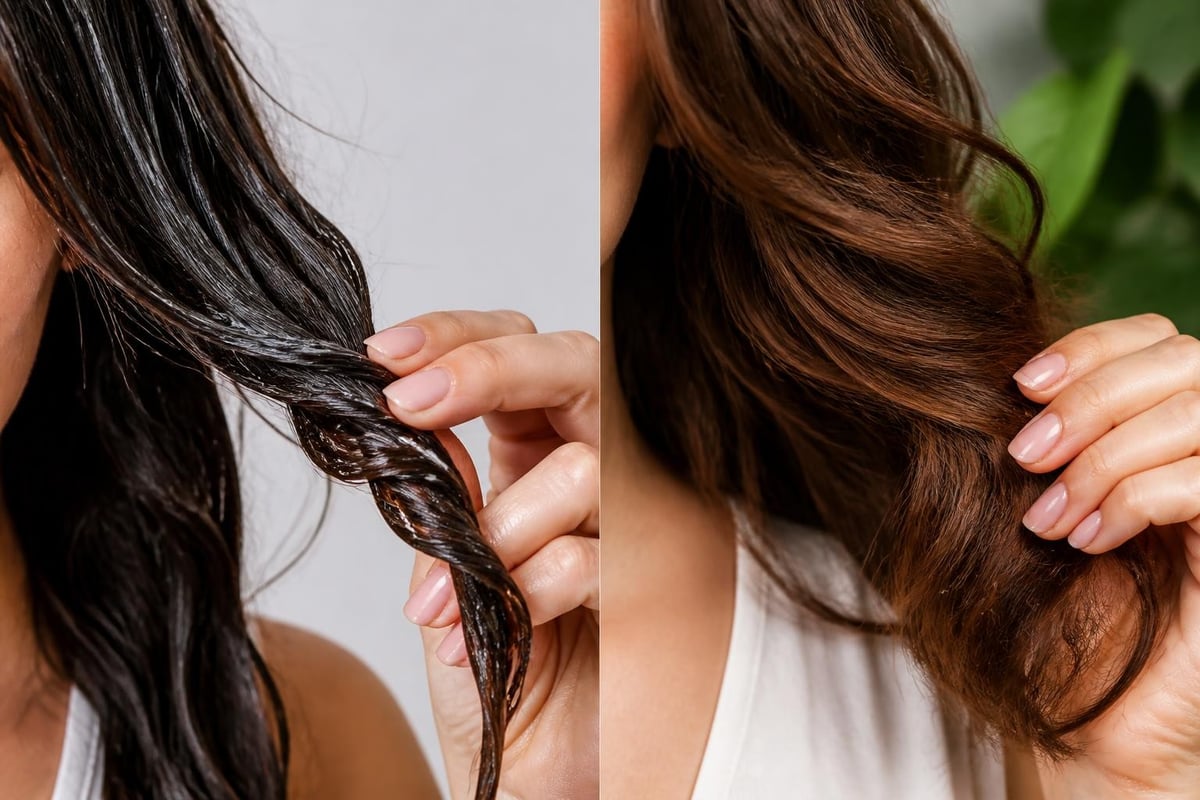
The dehydration effect compounds over time. Your mustache becomes increasingly brittle, prone to breakage at the weakest points along the hair shaft. Split ends develop not just at the tips but throughout the length, creating that frizzy, unkempt appearance you're trying to avoid.
Why Your Mustache Responds Differently Than Head Hair
The terminal hairs comprising your mustache possess fundamentally different characteristics than scalp hair. Each mustache hair shaft contains a larger medulla (the innermost layer), making it coarser and more resistant to styling products designed for finer head hair.
This structural difference matters when selecting a gel for mustache use. Products formulated for scalp application lack the holding power needed to control thicker facial hair. Men compensate by applying excessive amounts, which creates several problems:
- Product buildup accumulates on the skin beneath, clogging pores and potentially causing folliculitis
- Unnatural stiffness makes your mustache feel like wire rather than hair
- Flaking occurs as dried gel particles shed throughout the day
- Staining on cups, utensils, and clothing becomes embarrassing
The sebaceous glands in your upper lip region produce different sebum compositions than those on your scalp. Applying inappropriate products disrupts this delicate ecosystem, leading to inflammation, acne mechanica, and compromised follicle health.
The Science Behind Effective Mustache Gel Formulation
Understanding what makes gel for mustache effective requires examining the chemistry of hold versus flexibility. The ideal product creates a pliable matrix that maintains shape while allowing natural movement.
Natural Polymer Alternatives
Plant-derived polysaccharides offer superior performance without the damaging effects of synthetic compounds. These natural polymers work through different mechanisms:
Flaxseed gel contains mucilage rich in omega-3 fatty acids and lignans. When applied to facial hair, these compounds create a flexible film that responds to humidity changes without becoming rigid. The alpha-linolenic acid penetrates the hair cuticle, strengthening the cortex from within.
Beeswax provides structured hold through its unique composition of long-chain fatty acid esters. Unlike synthetic waxes, natural beeswax remains workable at body temperature, allowing you to reshape your mustache throughout the day. The anti-inflammatory properties of propolis and royal jelly (naturally present in beeswax) soothe the skin beneath.
Aloe vera contributes both styling and conditioning benefits. Its polysaccharide content creates light hold while enzymes called proteolytic enzymes remove dead skin cells, preventing the buildup that leads to beardruff and itching.
| Natural Ingredient | Primary Function | Secondary Benefit | Hold Rating (1-10) |
|---|---|---|---|
| Beeswax | Structure | Anti-inflammatory | 8 |
| Flaxseed Mucilage | Flexible Hold | Omega-3 Delivery | 6 |
| Aloe Vera | Light Control | Enzymatic Cleansing | 4 |
| Shea Butter | Conditioning | Vitamin E Protection | 3 |
Application Techniques That Maximise Results
Even the highest-quality gel for mustache fails without proper application methodology. The process begins before you touch any product.
Pre-Application Preparation
Clean, slightly damp facial hair accepts styling products more effectively than completely dry or soaking wet hair. The cuticle scales along each hair shaft open partially when moistened, allowing active ingredients to penetrate rather than simply coating the surface.
Wash your mustache with a pH-balanced cleanser that removes sebum buildup without stripping natural oils completely. Following proper beard washing protocols ensures your mustache starts from an optimal baseline. Pat dry with a dedicated facial hair towel, leaving approximately 20% moisture content.
The Warming Method
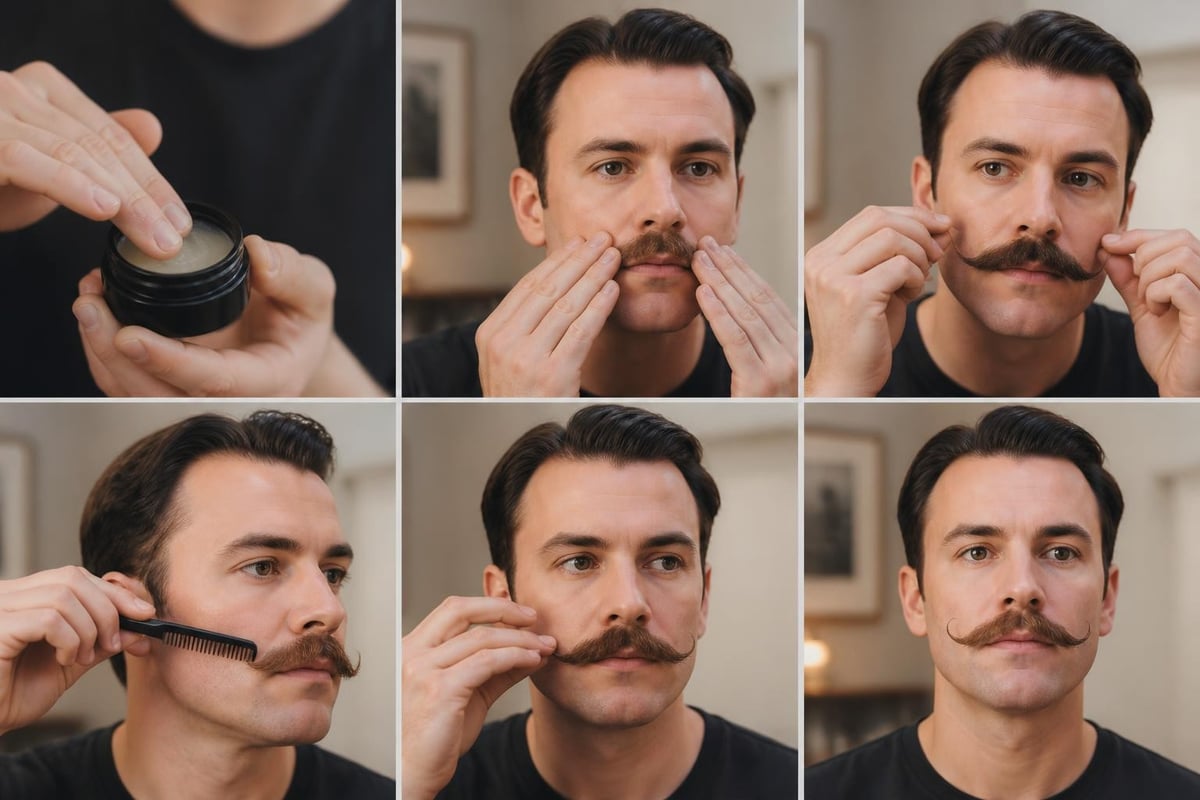
Cold gel for mustache creates uneven distribution and requires excessive product to achieve desired hold. This technique optimises performance:
- Dispense a pea-sized amount onto your palm
- Rub hands together vigorously for 15-20 seconds, generating friction heat
- The warmth liquefies waxes and activates plant-based polymers
- Emulsification creates a more uniform consistency
Apply using upward strokes against the grain first, ensuring product reaches the skin level. This prevents the common mistake of coating only the visible outer hairs while leaving the base untreated. Follow with downward smoothing strokes to distribute evenly and train hairs in your desired direction.
Natural Alternatives to Commercial Mustache Gel
The grooming industry promotes dependence on manufactured products, but effective alternatives exist using ingredients you can source and combine yourself. These formulations provide control without compromising follicle health.
DIY Flaxseed Gel Recipe
Flaxseed gel offers professional-grade hold through natural mucilage extraction. The process requires minimal equipment:
- Combine 60ml filtered water with 15g whole flaxseeds in a small saucepan
- Bring to a rolling boil, then reduce to medium heat
- Stir continuously for 8-10 minutes until mixture thickens noticeably
- Strain through muslin cloth, squeezing to extract maximum gel
- Add 3 drops tea tree oil as natural preservative
- Store in sterilised glass jar; refrigerate for up to 14 days
The omega-3 content in flaxseed gel penetrates hair shafts, improving elasticity and reducing breakage. This matters particularly for men growing longer mustache styles that experience mechanical stress from styling.
Beeswax-Based Styling Balm
For maximum hold requirements (handlebar mustaches, competition styles), a concentrated beeswax formula outperforms water-based gels:
- Melt 10g beeswax with 15ml jojoba oil using double-boiler method
- Remove from heat, add 5ml argan oil for additional conditioning
- Whip mixture as it cools to create lighter texture
- Transfer to shallow tin for easy access
The fatty acid profile of jojoba oil closely mimics human sebum, making it exceptionally compatible with facial skin. This prevents the irritation common with petroleum-based pomades whilst delivering comparable hold strength.
Troubleshooting Common Mustache Gel Issues
Even with premium products and proper technique, specific challenges emerge. Addressing these requires understanding the underlying biological causes.
Excessive Flaking and Residue
White flakes appearing throughout the day signal product incompatibility or over-application. The stratum corneum (outermost skin layer) beneath your mustache sheds approximately 500 million cells daily. When gel for mustache creates an occlusive barrier, these dead cells can't shed naturally and mix with product residue.
Solution approach: Reduce application amount by 50% and introduce gentle exfoliation twice weekly. A soft-bristled brush removes accumulated debris without traumatising follicles. Consider switching to products with natural beard balm formulations that allow skin to breathe.
Loss of Hold in Humid Conditions
Mustache styles collapse when exposed to moisture-rich environments. This occurs because many gel formulations use hygroscopic ingredients that attract water molecules, softening the polymer matrix.
Beeswax-dominant products resist humidity better than water-based gels. The hydrophobic nature of wax esters repels moisture rather than absorbing it. Quality beard care products combine these protective waxes with conditioning oils for all-weather performance.
Skin Irritation and Folliculitis
Red bumps, itching, or pustules around mustache follicles indicate inflammatory response. Common triggers include:
- Fragrance compounds (synthetic or natural)
- Preservatives like parabens or formaldehyde-releasing agents
- Comedogenic oils that clog pores
- Bacterial contamination from fingers or containers
Switching to fragrance-free formulations eliminates one variable. Ensure containers have pump or squeeze mechanisms rather than jar packaging that requires finger contact. If inflammation persists beyond 72 hours of product discontinuation, consult a dermatologist to rule out seborrheic dermatitis or other underlying conditions.
Ingredient Transparency and Label Literacy
The grooming industry relies on consumer ignorance regarding ingredient functions. Developing label-reading skills protects you from ineffective or harmful formulations.
Decoding the INCI List
Ingredients appear in descending order by concentration. If water ranks first and your "nourishing" gel lists beneficial oils after the preservative system, you're purchasing overpriced water with trace actives.
Ingredient analysis tools reveal the function of each component. Look for these red flags:
- Drying alcohols (SD Alcohol 40, Alcohol Denat, Isopropyl Alcohol) in top 5 ingredients
- Synthetic fragrances listed generically as "Parfum" or "Fragrance"
- Silicones ending in -cone or -siloxane that create artificial shine whilst preventing moisture absorption
- Parabens (Methylparaben, Propylparaben) linked to endocrine disruption
Green-Washing Detection
Marketing terms like "natural," "organic," and "botanical" lack regulatory definition in cosmetics. Manufacturers exploit this ambiguity, featuring one plant extract whilst building the formula around synthetic compounds.
Verify claims by examining the complete ingredient list. A truly natural gel for mustache should derive its primary functional ingredients (holding agents, emollients, preservatives) from plant, mineral, or bee sources rather than petroleum.
Professional Styling Versus Daily Maintenance
Different occasions demand varying levels of hold and finish. Understanding this spectrum prevents both under-styling and over-manipulation.
Competition and Special Event Styling
Achieving extreme mustache shapes (Imperial, Hungarian, Dali) requires maximum-hold products that sacrifice some hair health for sculptural precision. These situations justify temporary use of stronger formulations, provided you follow with deep conditioning treatments.
Professional styling techniques often layer products: a conditioning oil base, followed by gel for mustache control, finished with wax for final shaping. This approach distributes different functions across specialised products rather than expecting one formula to deliver everything.
Daily Wear Formulations
Your everyday gel for mustache should prioritise hair health over extreme hold. Natural ingredients that condition whilst providing light to medium control prevent the cumulative damage from aggressive styling products.
The 90-Day Beard Challenge approach demonstrates how consistent use of properly formulated products creates sustainable improvement rather than temporary cosmetic effects.
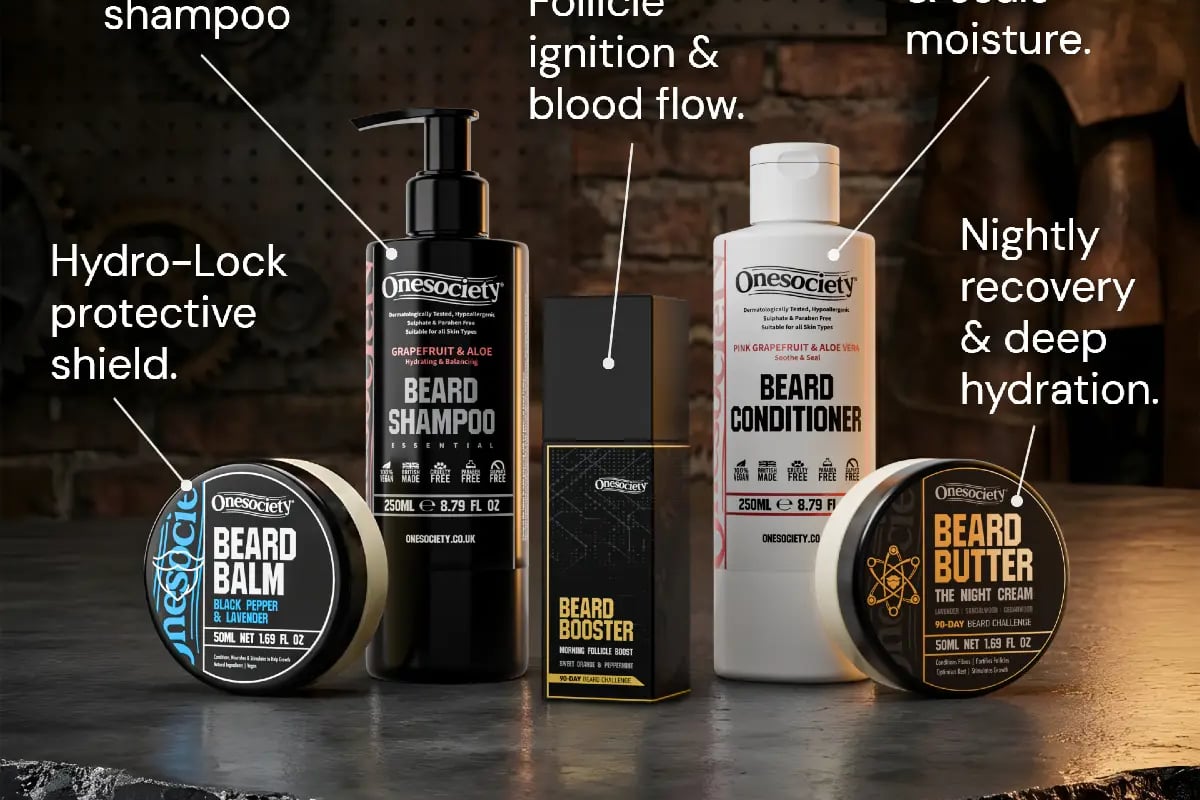
For men committed to transforming their facial hair through science-backed nutrition and protection, the 90-Day Beard Challenge provides a complete system. Eight formulas work synergistically to address growth, hydration, and styling. The Hydro-Lock Balm specifically targets mustache styling needs whilst delivering follicle-level nutrition through bioavailable ingredients.
Integration With Comprehensive Beard Care
Your mustache doesn't exist in isolation. Effective grooming considers the entire facial hair ecosystem and underlying skin health.
The Cleanse-Condition-Style Sequence
This three-step protocol maximises both appearance and follicle function:
Morning routine:
- Rinse mustache with lukewarm water to remove overnight sebum accumulation
- Apply lightweight conditioning oil to damp hair, focusing on mid-lengths to ends
- Once 80% dry, apply gel for mustache using warming method
- Shape with fine-toothed comb or dedicated mustache brush
Evening routine:
- Cleanse with pH-balanced beard wash to remove product buildup
- Apply nourishing beard butter containing fatty acids that repair daily damage
- Brush to distribute natural oils and remove trapped particles
- Allow facial hair to rest product-free during sleep
This cycling between styling products and treatment formulations prevents the buildup and dehydration that compromises mustache quality over time. Understanding natural grooming products helps you select formulations that complement rather than counteract each other.
Environmental and Lifestyle Factors
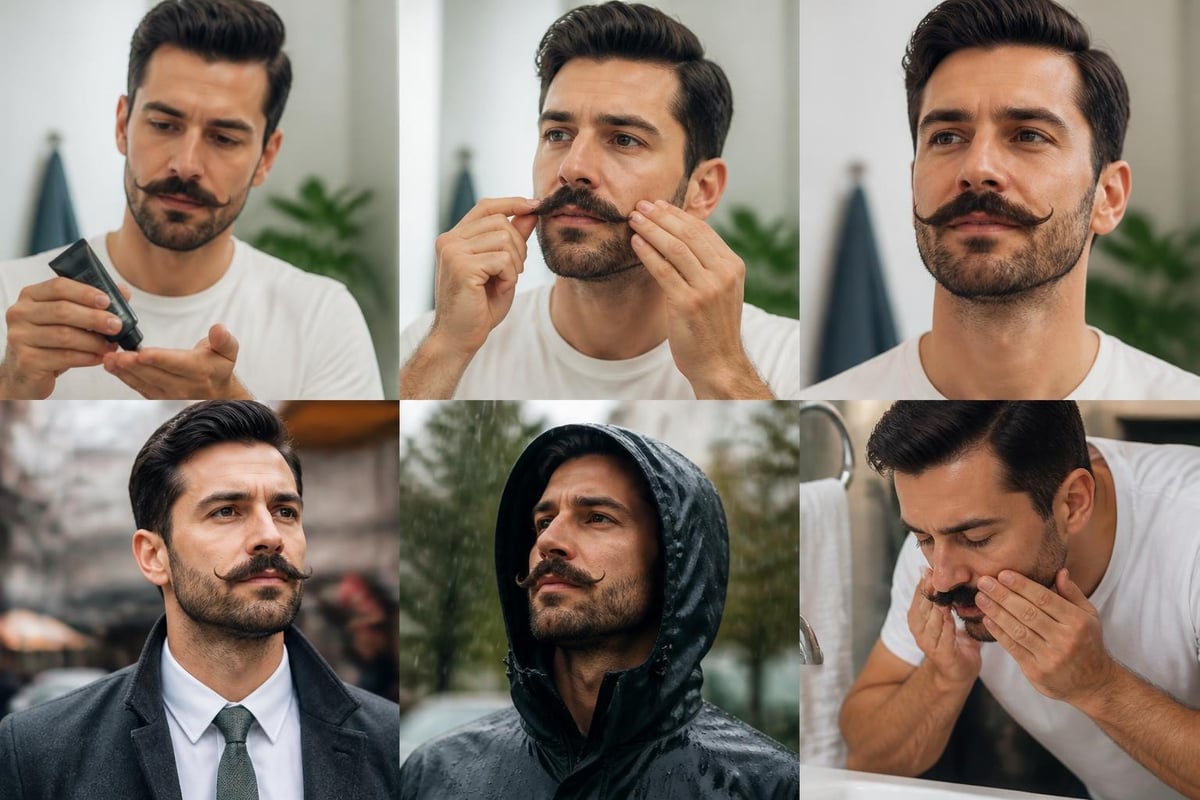
External variables affect how gel for mustache performs throughout your day. Adapting to these conditions optimises results.
Climate Considerations
Humid environments require wax-based products with lower water content. Gel formulations absorb atmospheric moisture, softening the hold matrix. In tropical or coastal climates, petroleum-free waxes maintain structure without the health compromises of mineral oil derivatives.
Dry, cold conditions demand products with higher emollient ratios. Winter air strips moisture from facial hair, making it brittle and prone to static. Gels containing shea butter or cocoa butter provide protective barriers against dehydration whilst maintaining styling control.
Activity Levels
Physical exertion produces sweat containing sodium chloride and urea. These compounds interact with water-based styling products, potentially causing migration and loss of hold. For active lifestyles:
- Choose products with sweat-resistant formulations
- Apply in thinner layers to prevent visible residue when perspiring
- Carry a small amount for mid-day touch-ups
- Cleanse thoroughly post-exercise to prevent bacterial growth in product buildup
The Long-Term Health Investment
Viewing gel for mustache as merely cosmetic ignores the cumulative impact on follicle vitality. Every product choice either supports or undermines your facial hair's long-term potential.
Follicle Miniaturisation Prevention
Chronic inflammation from incompatible grooming products triggers a process called follicular miniaturisation. The dermal papilla (blood vessel cluster feeding each follicle) shrinks in response to sustained inflammatory signalling. This reduces nutrient delivery, causing progressively thinner, shorter hairs until the follicle enters permanent dormancy.
Natural ingredients with anti-inflammatory properties counteract this degradation. Bisabolol from chamomile, azulene from yarrow, and oleic acid from olive derivatives all suppress inflammatory cascades at the cellular level. Selecting gel for mustache containing these compounds transforms daily styling into therapeutic intervention.
Building Density Through Nutrition
Your mustache's appearance reflects nutritional status at the follicle level. Topical products can't replace systemic nutrition, but they supplement it effectively when formulated correctly.
Vitamin E (tocopherol) acts as a lipid-soluble antioxidant, protecting cell membranes in actively growing follicles from oxidative damage. Biotin (vitamin B7) serves as a cofactor for enzymes synthesising keratin, the structural protein comprising hair shafts. Quality natural gels deliver these nutrients directly to the tissue requiring them.
Transitioning From Synthetic to Natural Products
Switching gel for mustache formulations requires an adjustment period as your facial hair rebalances its natural oil production.
The Detox Phase
Synthetic product residue accumulates in hair cuticles and on skin over months or years of use. When you stop applying these compounds, your sebaceous glands may initially overproduce sebum, having adapted to stripped conditions. This temporary increase in oiliness lasts approximately 14-21 days.
During this transition:
- Cleanse more frequently (daily rather than every other day)
- Use clarifying treatments to remove embedded silicones
- Accept that hold strength may feel reduced until hair adapts
- Increase natural product application frequency rather than amount
Rebuilding Hair Structure
Synthetic gels create the illusion of healthy hair through artificial shine and temporary smoothness. Natural products reveal your mustache's actual condition, which may initially appear worse. This honesty allows targeted treatment.
Focus on protein-moisture balance. Mustache hairs experiencing breakage or split ends need protein (keratin, collagen peptides) to rebuild structural integrity. Dry, brittle hair requires moisture (aloe, glycerin, hyaluronic acid). Quality beard oils address both needs simultaneously through balanced formulations.
Cost Analysis and Value Assessment
Premium natural gel for mustache carries higher upfront costs than drugstore synthetics. This price difference reflects ingredient quality, ethical sourcing, and manufacturing complexity.
Per-Use Economics
Calculate actual value by dividing product cost by number of applications:
| Product Type | Price | Volume | Applications | Cost Per Use |
|---|---|---|---|---|
| Synthetic Gel | £4.99 | 150ml | 90 | £0.055 |
| Mid-Range Natural | £12.99 | 60ml | 60 | £0.216 |
| Premium Natural | £24.99 | 50ml | 75 | £0.333 |
The premium product costs six times more per use. However, this calculation ignores replacement costs for damaged hair, dermatology visits for irritation, and reduced lifespan of synthetic-styled facial hair requiring more frequent trimming.
Hidden Costs of Cheap Products
Budget gel for mustache creates expenses beyond the purchase price:
- Replacement costs when poor hold requires multiple daily applications
- Medical treatment for folliculitis, contact dermatitis, or allergic reactions
- Professional grooming services to repair damage from harsh ingredients
- Lost confidence from inconsistent results affecting personal and professional interactions
Investing in formulations that improve hair health whilst styling provides compounding returns over months and years.
Selection Criteria for Quality Products
Navigate the crowded mustache gel market using these evidence-based filters:
Certification and Testing
Look for third-party verification of claims:
- Certified Organic (Soil Association, USDA Organic) confirms ingredient sourcing
- Cruelty-Free (Leaping Bunny, PETA) verifies no animal testing
- Dermatologist Tested indicates clinical safety evaluation
- Patch Test Results show common allergen screening
These certifications cost manufacturers money to obtain, signalling commitment to quality over profit maximisation.
Transparent Sourcing
Reputable brands disclose ingredient origins and processing methods. If a company won't reveal where their "organic argan oil" originates or how it's extracted, question the claim's validity.
Research the company's values and practices. Onesociety exemplifies transparency through detailed ingredient explanations and scientific justification for formulation choices.
Return Policies and Guarantees
Confidence in product efficacy manifests through risk-free trial periods. Brands offering 30, 60, or 90-day satisfaction guarantees demonstrate faith in their formulations. This protection allows you to test gel for mustache compatibility with your specific hair type and skin sensitivity without financial risk.
Mastering gel for mustache selection and application transforms your grooming routine from guesswork into precision. The science underlying natural ingredients demonstrates clear advantages over synthetic alternatives, both for immediate styling results and long-term follicle health. When you're ready to experience the difference that scientifically-formulated, naturally-derived grooming products deliver, explore the complete range at Onesociety. Their commitment to ingredient transparency and follicle-first formulations ensures your mustache receives the specialised care it deserves.