

You've invested time growing your beard, sculpting it, maintaining its shape. Then the irritation starts. The itch becomes unbearable. White flakes appear on your collar. Your skin beneath feels tight, uncomfortable, perpetually parched. This isn't just aesthetic frustration; it's your skin signalling a breakdown in its protective barrier. Dry beard skin affects roughly 40-50% of men with facial hair, yet most struggle in silence, unaware that this condition has specific biological causes and scientifically-validated solutions.
The Biology Behind Dry Beard Skin
Your facial skin operates differently than the skin on your scalp or body. Beneath your beard, sebaceous glands produce sebum-a natural oil composed of triglycerides, fatty acids, and wax esters that maintain skin hydration. When you grow facial hair, these glands must produce enough sebum to coat both your skin and every beard hair shaft.
Here's the problem: beard hair absorbs sebum faster than scalp hair due to its coarser texture and larger diameter. Your glands can't keep pace with demand, leaving the underlying skin depleted. This creates a moisture deficit.
The Sebum Production Crisis
Most men produce approximately 1-2 milligrams of sebum per 10 square centimetres of facial skin daily. A full beard can contain 7,000-15,000 individual hairs, each requiring sebum coating. The maths doesn't work in your favour.
Add environmental stressors-central heating, cold wind, low humidity-and your skin's natural moisture factor (NMF) degrades further. The NMF consists of amino acids, urea, and lactic acid that attract and bind water molecules. When compromised, your skin loses its ability to retain hydration, regardless of how much water you drink.
Why Traditional Washing Worsens the Problem
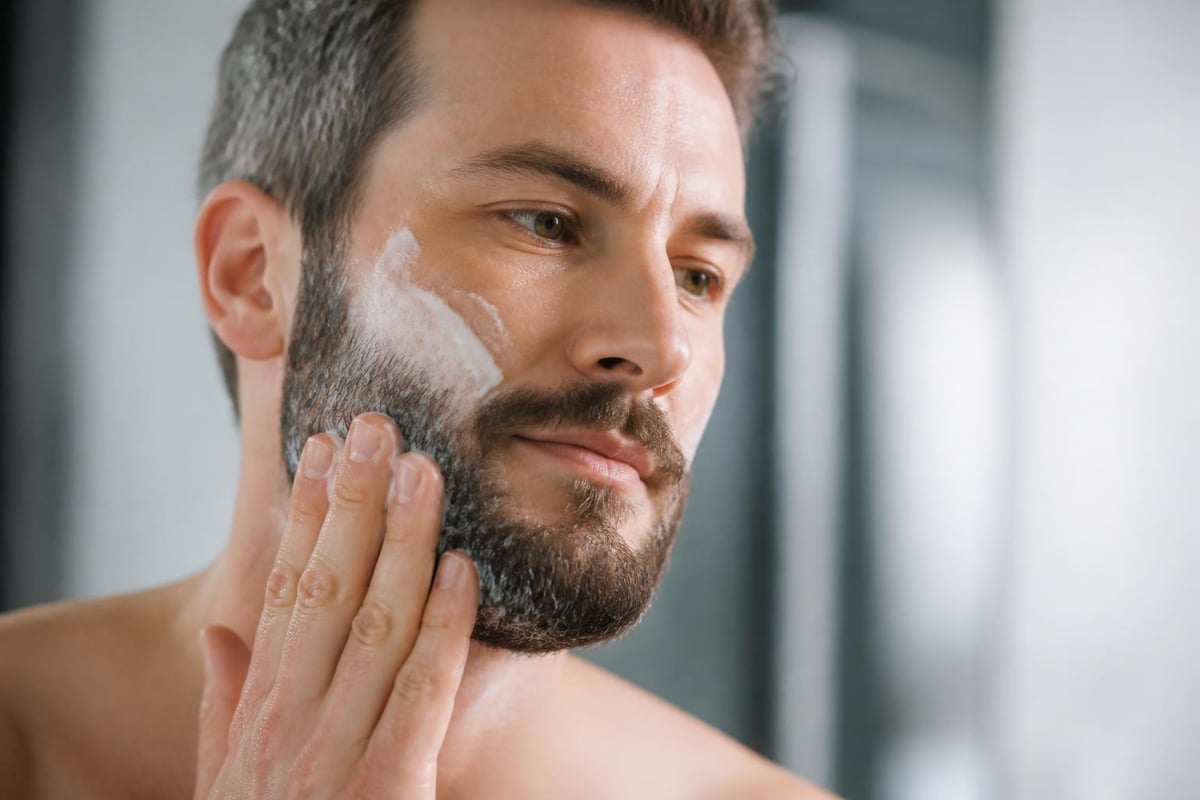
You might assume washing your beard more frequently solves dry beard skin. The opposite occurs. Standard facial cleansers and body soaps contain surfactants-typically sodium lauryl sulphate or sodium laureth sulphate-designed to strip oil from skin.
These surfactants don't discriminate between dirt and your skin's protective lipid barrier. Each wash removes the thin sebum layer your glands struggled to produce. Your skin responds by either over-producing oil (creating greasiness) or shutting down production entirely (worsening dryness).
The pH Balance Factor
Healthy skin maintains a pH of 4.5-5.5-slightly acidic. This acidity inhibits bacterial growth and supports beneficial microbiome bacteria. Most conventional soaps register pH 9-10, creating an alkaline environment that disrupts your skin's acid mantle.
Research shows that beard dandruff often results from this pH disruption, allowing Malassezia yeast-normally present on skin-to proliferate unchecked. The yeast feeds on sebum, producing oleic acid as a byproduct. For sensitive individuals, oleic acid triggers inflammation, accelerated skin cell turnover, and the characteristic flaking associated with seborrheic dermatitis.
Environmental and Lifestyle Triggers
Your surroundings assault your beard skin daily. Winter heating systems reduce indoor humidity to 10-20%, while optimal skin hydration requires 40-60% humidity. This differential pulls moisture from your skin through transepidermal water loss (TEWL).
Cold outdoor air constricts blood vessels, reducing nutrient delivery to skin cells. Hot showers-above 38°C-denature the proteins in your skin barrier, creating microscopic gaps where moisture escapes.
Diet's Hidden Impact
Your skin reflects internal hydration status. Consuming inadequate essential fatty acids-particularly omega-3s and omega-6s-compromises cell membrane integrity. These polyunsaturated fats form the phospholipid bilayer of skin cells, determining their ability to retain water.
Alcohol consumption increases TEWL by up to 30% within hours. Caffeine, while not as severe, acts as a mild diuretic, potentially reducing overall hydration if you don't compensate with additional water intake.
| Environmental Factor | Impact on Skin Hydration | Mitigation Strategy |
|---|---|---|
| Central heating | Reduces humidity by 50-70% | Use a humidifier (target 45% humidity) |
| Hot showers | Denatures skin proteins | Limit to 5 minutes at 37°C maximum |
| Wind exposure | Increases TEWL by 25-40% | Apply protective balm before outdoor activities |
| Air conditioning | Drops moisture levels to 20% | Reapply hydrating products every 4-6 hours |
The Malassezia Connection
Malassezia globosa and Malassezia restricta-two yeast species inhabiting everyone's skin-become problematic when conditions favour their growth. These fungi secrete lipases that break down triglycerides in sebum into free fatty acids.
When your skin barrier weakens from dryness, these fatty acids penetrate deeper layers, triggering an immune response. Your body interprets them as foreign threats, releasing inflammatory cytokines. This inflammation accelerates keratinocyte turnover from the normal 28-day cycle to just 7-14 days.
Immature skin cells reach the surface and shed in visible clumps-the white flakes you notice on dark clothing. Understanding this mechanism explains why simply moisturising fails; you must address the underlying fungal balance and barrier repair simultaneously.
Science-Backed Treatment Protocol
Repairing dry beard skin requires a systematic approach targeting multiple biological pathways. Random product application wastes time and money. Follow this evidence-based sequence:
Step 1: Gentle pH-Balanced Cleansing
Switch to a cleanser formulated at pH 5.5 or below. Look for glucoside-based surfactants like decyl glucoside or coco-glucoside-these clean effectively without stripping your acid mantle. Wash your beard 3-4 times weekly maximum, using lukewarm water.
Proper beard care techniques emphasise that over-cleansing creates a vicious cycle where your skin never recovers its natural balance.
Step 2: Exfoliation for Cell Turnover
Dead skin cells accumulate beneath facial hair, blocking follicles and preventing product absorption. Use a chemical exfoliant containing salicylic acid (BHA) at 0.5-2% concentration twice weekly.
Salicylic acid is lipid-soluble, meaning it penetrates sebum to dissolve the intercellular "glue" holding dead cells together. This clears follicle openings and allows subsequent treatments to reach living cells. Philips recommends this exfoliation step as essential for preventing flake buildup.
Step 3: Active Ingredient Serums
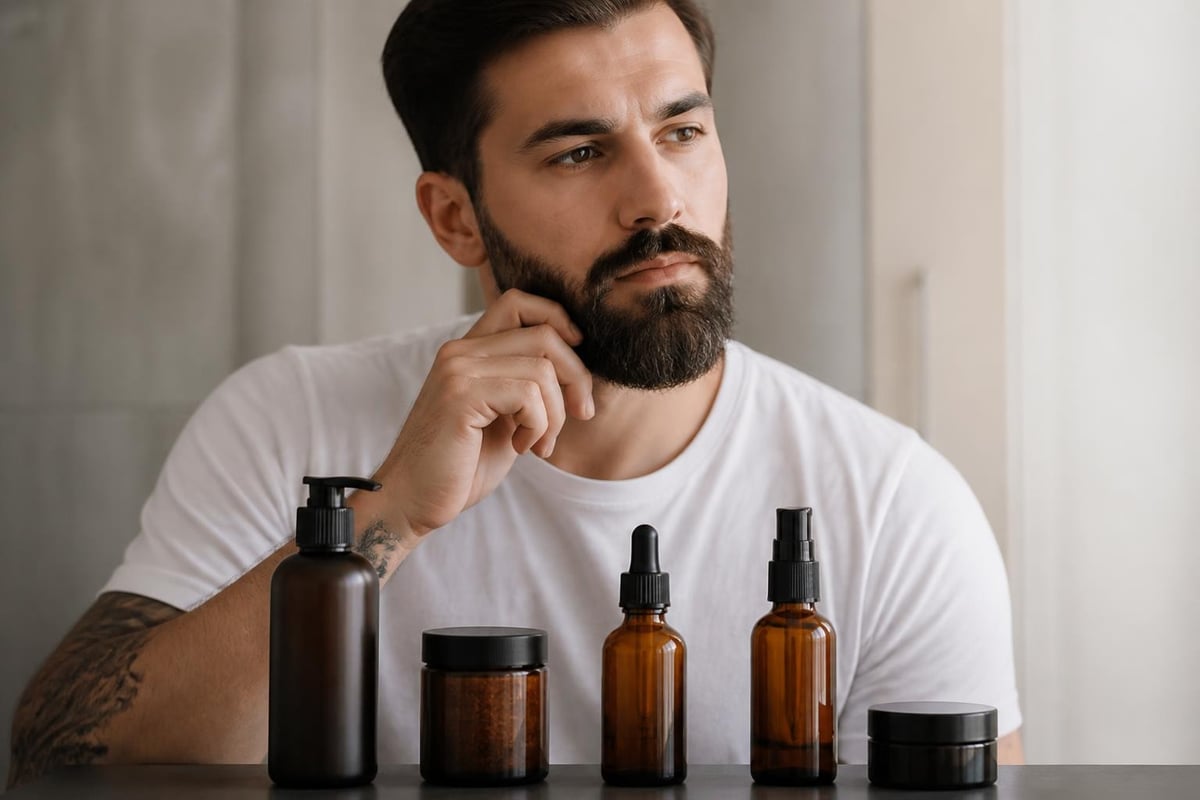
Apply treatment serums to damp skin immediately after cleansing. Key ingredients include:
- Niacinamide (Vitamin B3): Increases ceramide production by 34%, strengthening the lipid barrier. Use 4-5% concentration.
- Hyaluronic Acid: Binds 1,000 times its weight in water, creating a moisture reservoir in the dermis. Apply low molecular weight (50-100 kDa) for deeper penetration.
- Panthenol (Pro-Vitamin B5): Converts to pantothenic acid in skin, improving barrier function and reducing TEWL by 11-13%.
Step 4: Oil Layer for Lipid Replacement
Natural oils replenish the fatty acids your sebaceous glands can't produce in sufficient quantity. The molecular structure matters significantly.
Jojoba oil mimics human sebum most closely, containing long-chain monounsaturated fatty acids and esters. Your skin absorbs it readily without clogging follicles.
Argan oil delivers vitamin E (tocopherol) at concentrations up to 62 mg per 100g, providing antioxidant protection against free radical damage from UV exposure and pollution.
Hemp seed oil offers an ideal omega-6 to omega-3 ratio (3:1), matching the fatty acid profile your skin cells require for optimal membrane function. The gamma-linolenic acid (GLA) in hemp oil demonstrates anti-inflammatory properties, reducing redness and irritation.
Understanding the science behind beard growth oils helps you select formulations based on active mechanisms rather than marketing claims.
Step 5: Protective Balm Seal
Your final layer creates an occlusive barrier, preventing moisture evaporation throughout the day. Effective occlusive ingredients include:
- Shea butter: Contains triterpenes that reduce inflammation by inhibiting COX-2 enzyme activity
- Beeswax: Forms a breathable film allowing gas exchange while blocking water loss
- Cocoa butter: Provides phytosterols that strengthen cell membranes
Apply balm to your palms, emulsify by rubbing hands together, then work through your beard from skin to tips. This technique ensures even distribution and maximum skin contact.
The 90-Day Transformation Approach
Skin barrier repair doesn't happen overnight. Your stratum corneum-the outermost skin layer-completely regenerates every 28 days in healthy individuals. When compromised by chronic dryness, this cycle extends to 40-50 days.
Committing to a consistent regimen for 90 days allows three complete skin renewal cycles. Each cycle builds upon the previous, progressively strengthening barrier function and normalising sebum production. This timeline aligns with clinical studies demonstrating significant improvements in skin hydration markers after 12 weeks of targeted intervention.
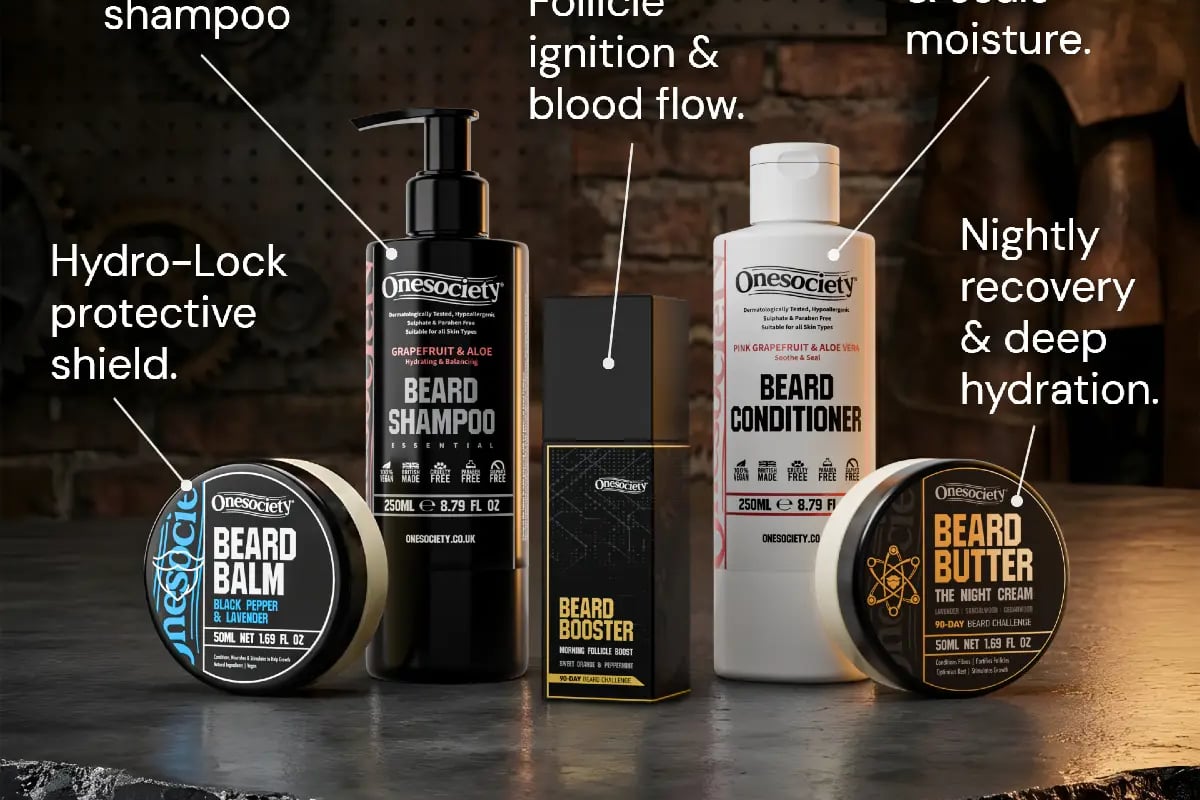
The 90-Day Beard Challenge provides a structured framework combining multiple scientifically-validated formulations designed to work synergistically across this critical repair period. Rather than guessing which products work together, you receive a complete system addressing cleansing, exfoliation, hydration, and protection in proper sequence.
Advanced Troubleshooting for Persistent Issues
If dry beard skin persists despite proper cleansing and hydration, investigate these underlying factors:
Hard Water Mineral Deposits
Water containing high calcium and magnesium concentrations leaves mineral deposits on hair and skin. These deposits create a barrier preventing product absorption and binding to surfactants in cleansers, reducing their effectiveness.
Test your water hardness using a home kit. If readings exceed 120 mg/L (classified as hard), install a shower filter or rinse your beard with filtered water after washing.
Nutritional Deficiencies
Biotin (vitamin B7) deficiency manifests as dry, flaky skin before affecting hair quality. Your body requires 30 micrograms daily, easily obtained from eggs, nuts, and sweet potatoes.
Zinc plays a crucial role in sebum production and wound healing. Deficiency-common in vegetarian diets-presents as persistent dryness. Aim for 11 mg daily through pumpkin seeds, legumes, or supplementation.
Medical Conditions Requiring Professional Assessment
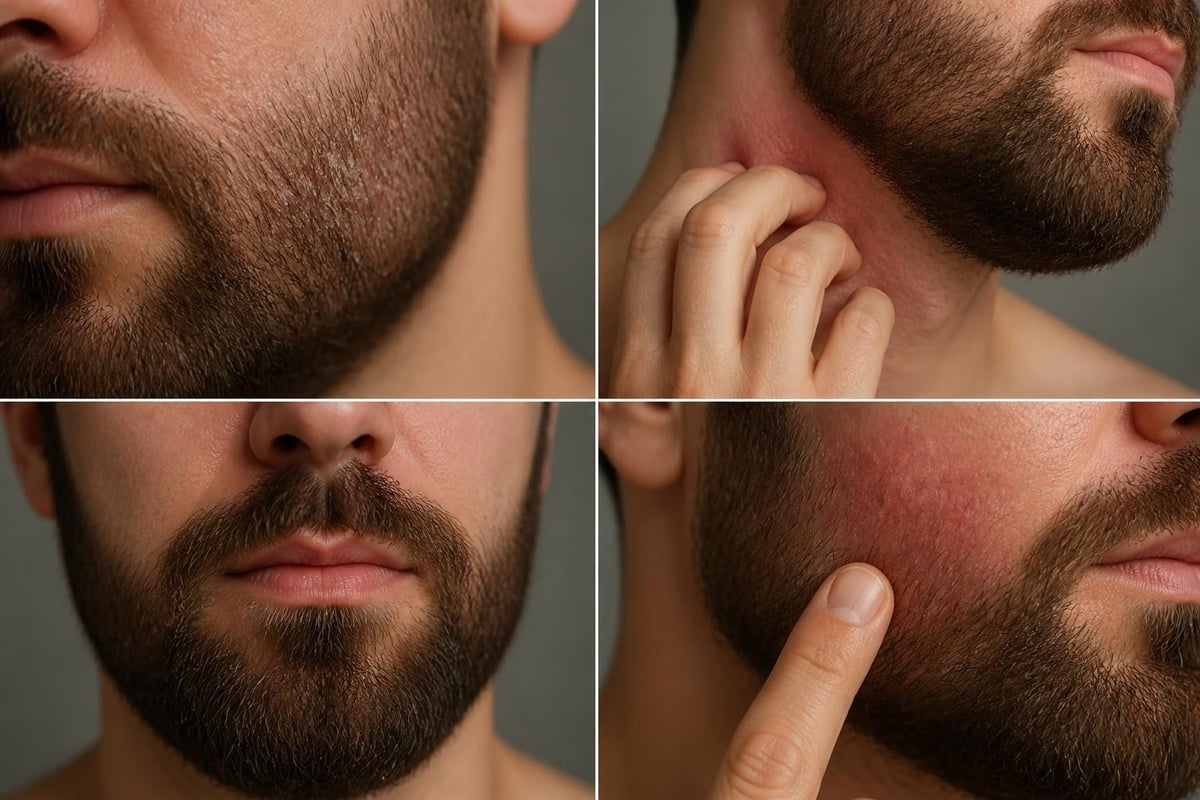
Seborrheic dermatitis, psoriasis, and eczema produce symptoms similar to simple dry beard skin but require medical diagnosis and targeted treatment. Warning signs include:
- Thick, silvery scales resistant to exfoliation (psoriasis)
- Yellowish, greasy flakes with redness (seborrheic dermatitis)
- Intense itching with weeping or crusting (eczema)
- Symptoms spreading beyond the bearded area
- No improvement after 4-6 weeks of proper skincare
Consult a dermatologist if you observe these patterns. Prescription-strength treatments may prove necessary.
Product Selection Criteria
Marketing buzzwords mislead consumers daily. Focus on ingredient concentration, formulation pH, and molecular delivery systems rather than packaging claims.
Reading Labels Effectively
Ingredients list in descending order by weight. Active compounds should appear in the first five ingredients. If "beard oil" lists fragrance before jojoba oil, you've purchased scented carrier oil with minimal beneficial content.
Avoid products containing:
- Denatured alcohol (alcohol denat.): Evaporates rapidly, taking moisture with it
- Artificial fragrances: Contain up to 200 undisclosed chemicals, many irritating
- Mineral oil: Petroleum-derived occlusive that blocks follicles and prevents natural sebum flow
- Parabens: Endocrine disruptors linked to hormonal imbalance
| Ingredient to Seek | Biological Function | Optimal Concentration |
|---|---|---|
| Jojoba Oil | Sebum replacement, follicle cleansing | 30-60% |
| Argan Oil | Antioxidant protection, vitamin E delivery | 15-30% |
| Shea Butter | Anti-inflammatory, barrier repair | 10-25% |
| Vitamin E (Tocopherol) | Free radical neutralisation | 0.5-1% |
| Tea Tree Oil | Antimicrobial, Malassezia control | 1-3% |
Natural vs. Synthetic: The Evidence
"Natural" doesn't automatically mean superior. Your skin responds to molecular structure, not source. Synthetic hyaluronic acid performs identically to animal-derived versions while avoiding contamination risks.
That said, plant-based oils contain complex phytochemical profiles-combinations of fatty acids, vitamins, and antioxidants-that isolated synthetic compounds can't replicate. The synergistic effect of these compounds often exceeds their individual benefits.
Choosing men's grooming products from companies that prioritise natural ingredients backed by scientific research offers the best of both approaches-proven efficacy with minimal synthetic additives.
Seasonal Adjustment Protocols
Your skin's needs fluctuate with environmental conditions. Static routines fail as seasons change.
Winter Intensification
Between November and February, indoor humidity drops to levels rivalling desert climates. Increase occlusive balm application frequency from once to twice daily. Add a humidifier to your bedroom, targeting 45% relative humidity.
Switch to cream-based cleansers containing additional emollients. The cleansing process itself should add moisture rather than simply avoiding excessive stripping.
Summer Modification
Higher humidity and increased sweating reduce dry beard skin incidence but introduce different challenges. Sebum production increases with temperature, potentially causing clogged follicles if you maintain heavy winter routines.
Transition to lighter oils with faster absorption rates. Grapeseed oil and sweet almond oil provide necessary fatty acids without the heaviness of shea butter. Reduce balm application to problem areas only-typically the chin and neck where friction from clothing occurs.
Long-Term Maintenance Strategy
Once you've repaired your skin barrier and eliminated dry beard skin, maintaining results requires ongoing commitment. Think of it as preventive maintenance rather than reactive treatment.
Weekly Routine Structure
Implement this schedule for sustained results:
Monday/Thursday: Full cleanse with pH-balanced beard wash, followed by complete treatment sequence (serum, oil, balm)
Tuesday/Friday/Sunday: Water rinse only, apply oil to damp beard, light balm to skin
Wednesday/Saturday: Rest days-no water contact, light oil application to beard hair only if needed
This pattern allows natural sebum accumulation while preventing buildup and maintaining hydration.
Quarterly Assessment
Every three months, photograph your beard under consistent lighting. Compare images to track improvement or identify emerging issues before they become problematic.
Assess these markers:
- Flaking frequency and severity
- Itch intensity (rate 1-10 before and after treatment)
- Skin texture beneath beard (smooth vs. rough)
- Beard hair texture (soft vs. wiry)
- Redness or inflammation presence
Document what works. Your skin's response provides personalised data more valuable than generalised advice.
The Psychology of Consistency
Knowledge without application achieves nothing. The primary reason men fail to resolve dry beard skin isn't lack of information; it's inconsistent execution.
Build your routine around existing habits. If you never miss your morning coffee, keep your beard products next to your coffee maker. Environmental design beats willpower.
Start with the minimum effective routine-cleanser, oil, balm-three times weekly. Master this before adding complexity. Attempting an elaborate 10-step routine guarantees abandonment within two weeks.
Track your routine using a simple calendar checkmark system. Visual progress tracking increases adherence by 42% according to behavioural psychology research. Apps like Habitica or Streaks gamify the process, providing reward feedback your brain craves.
Investment vs. Cost Analysis
Premium beard care products appear expensive until you calculate cost per use. A 30ml bottle of quality beard oil at £20 provides 200-300 drops. Using 5-6 drops daily yields 40-60 days of use-approximately £0.33-£0.50 per application.
Compare this to the hidden costs of dry beard skin:
- Continuous dandruff on clothing creating professional impression issues
- Scratching causing micro-wounds and potential infection (medical costs)
- Discomfort reducing confidence in social and professional settings
- Time wasted researching solutions rather than implementing proven protocols
- Failed experiments with ineffective products
Calculated properly, investing in scientifically-formulated products costs less than the alternative.
Dry beard skin stems from quantifiable biological processes: sebum depletion, barrier disruption, and microbial imbalance. Each responds to specific interventions when applied consistently over sufficient time for cellular regeneration. The scientific evidence supporting proper cleansing, targeted hydration, and protective sealing leaves no ambiguity about what works. Onesociety formulates every product around these proven mechanisms, combining natural ingredients with research-backed concentrations to deliver measurable results. Whether you're addressing persistent flaking or preventing future issues, building your routine on scientific principles rather than marketing claims transforms your beard from a source of frustration into a confident expression of your grooming standards.