

The frustration of a dead battery mid-trim ranks amongst the most irritating experiences in men's grooming. You've mapped out your beard lines, positioned your mirror perfectly, and then-click-your clippers die halfway through your jawline. This scenario plagued beard enthusiasts for decades until cordless technology transformed the grooming landscape. Today's cordless beard clippers combine lithium-ion battery systems with precision engineering to deliver professional results without the tether of a power cable. Yet the market floods consumers with hundreds of options, each promising marathon runtime and professional-grade performance. Understanding the science behind these tools separates a £30 disappointment from a decade-long grooming investment.
The Battery Revolution That Changed Beard Grooming Forever
Problem: Traditional corded clippers chained you to wall sockets, limiting movement and creating tangles that disrupted your grooming flow.
Electric clippers first appeared in the 1930s, but their dependence on mains power created workspace limitations that frustrated barbers and home users alike. The cord became a design constraint that manufacturers accepted rather than solved.
Agitation: Early cordless models from the 1980s and 1990s used nickel-cadmium (NiCd) batteries that suffered from memory effect, losing capacity after partial charge cycles. These primitive systems delivered weak torque that struggled through coarse facial hair, and runtime rarely exceeded 20 minutes before requiring overnight recharges.
Lithium-Ion Technology Delivers Professional Power
Modern cordless beard clippers harness lithium-ion chemistry that revolutionised portable electronics. These cells maintain consistent voltage output throughout discharge cycles, ensuring your clippers deliver the same cutting power at 90% charge as they do at 10%.
The scientific advantage lies in lithium's electrochemical properties:
- Energy density: Lithium-ion cells pack 150-250 Wh/kg compared to NiCd's 40-60 Wh/kg
- Cycle life: Quality lithium cells endure 500-1000 full charge cycles before capacity degrades below 80%
- Self-discharge rate: Lithium-ion batteries lose approximately 2-3% charge monthly versus NiCd's 15-20%
Safety standards govern these powerful cells. The IEC 62133 certification establishes testing protocols for rechargeable lithium batteries, requiring manufacturers to demonstrate thermal stability and short-circuit protection before bringing products to market.
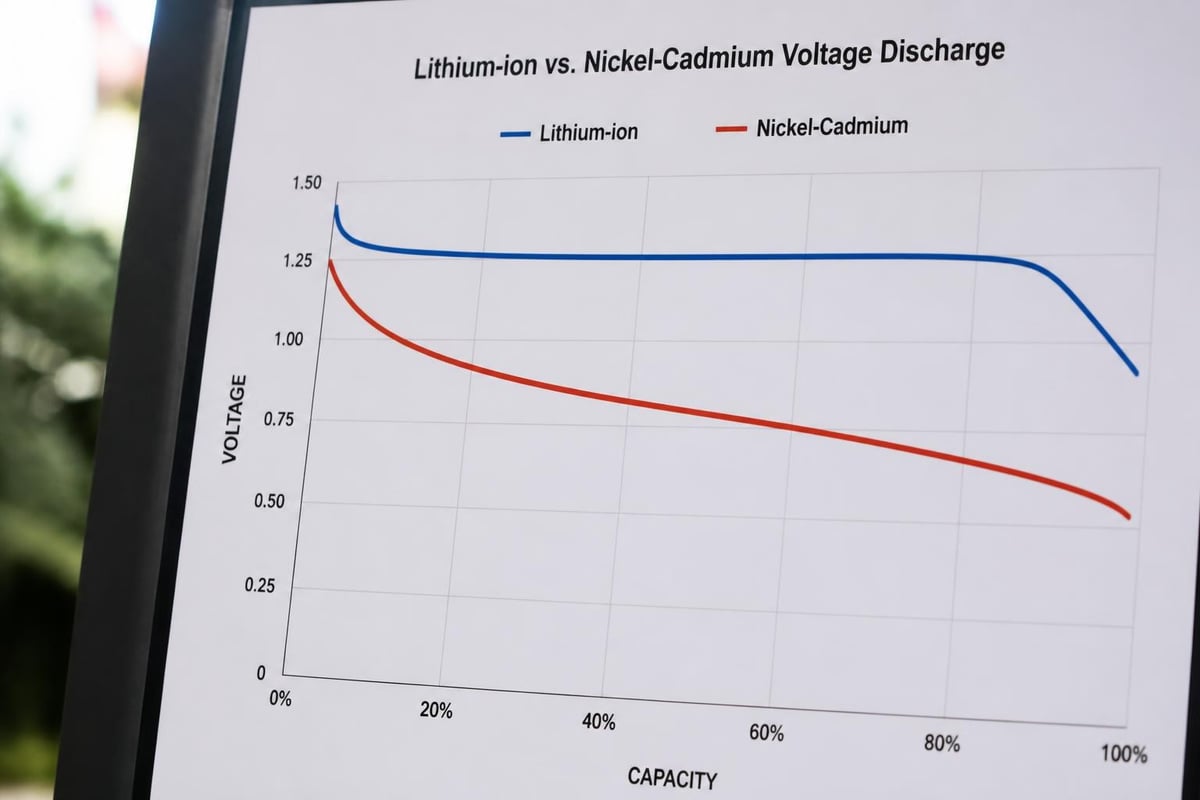
Solution: Invest in cordless beard clippers featuring genuine lithium-ion cells from reputable manufacturers. Check specifications for charge cycles, runtime claims, and safety certifications. Premium models from established brands undergo rigorous testing that budget alternatives skip.
Decoding Motor Systems and Cutting Performance
Problem: You can't see inside the housing, yet the motor determines whether your cordless beard clippers deliver smooth, professional cuts or snag and pull your facial hair.
The motor represents the heart of any clipper system, converting electrical energy into rotational force that drives the blade assembly. Yet marketing materials rarely explain motor types or their performance characteristics.
Agitation: Weak motors running below 5,000 RPM create uneven cuts because blades move too slowly to cleanly slice through dense facial hair. Instead, they tug individual hairs before cutting, creating discomfort and patchy results. Worse, underpowered motors drain batteries faster because they work harder to maintain blade speed under load.
Rotary Versus Magnetic Motor Architecture
Two motor designs dominate the cordless clipper market, each with distinct performance profiles:
| Motor Type | Speed (RPM) | Torque | Heat Generation | Lifespan |
|---|---|---|---|---|
| Rotary | 5,000-7,000 | Moderate | Low | 3-5 years |
| Magnetic (Linear) | 7,000-10,000 | High | Moderate | 5-8 years |
| Pivot (Professional) | 6,500-9,000 | Very High | Moderate | 7-10 years |
Magnetic motors use electromagnetic fields to drive a reciprocating blade assembly, creating the characteristic buzzing sound professionals associate with barber-grade equipment. These systems generate superior torque that maintains blade speed through thick, coarse facial hair without bogging down.
The acoustic testing standards for electric shavers and clippers establish maximum noise levels, but magnetic motors typically operate between 55-65 decibels-comparable to normal conversation levels.
Solution: Select cordless beard clippers with magnetic or pivot motor systems rated above 7,000 RPM. Test motor performance by running the unit through progressively thicker sections of your beard, monitoring for any speed reduction or pulling sensation.
Blade Composition and Edge Geometry Matter More Than Marketing Claims
Problem: Manufacturers plaster packaging with terms like "precision blades" and "professional grade" without defining what separates functional cutting edges from exceptional ones.
Blade quality directly impacts cut precision, maintenance requirements, and replacement costs. Yet consumers rarely examine blade composition or geometry before purchasing.
Material Science Behind Superior Cutting Edges
The metallurgy of clipper blades determines edge retention and corrosion resistance:
- Stainless steel: Standard carbon steel alloyed with chromium (10-15%) prevents rust but requires frequent sharpening
- Titanium-coated: Titanium nitride (TiN) coating creates a surface hardness of 2,000-2,400 HV (Vickers hardness) versus bare steel's 600-800 HV
- Ceramic: Zirconium oxide blades maintain sharpness 3-4 times longer than steel but fracture if dropped on hard surfaces
- Damascus steel: Pattern-welded blades combine hardness with flexibility, though rarely found in consumer-grade cordless beard clippers
Professional barbers prioritise blade gap-the distance between the moving and stationary cutting surfaces. Gaps between 0.1-0.4mm deliver the closest cuts, but require precise alignment that budget manufacturing processes cannot maintain.
Agitation: Dull blades don't just cut poorly; they damage hair follicles by crushing rather than cleanly slicing through hair shafts. This mechanical damage increases the risk of ingrown hairs and folliculitis (hair follicle inflammation). When blades lose their edge, they generate heat through friction rather than efficient cutting action, causing discomfort during extended grooming sessions.
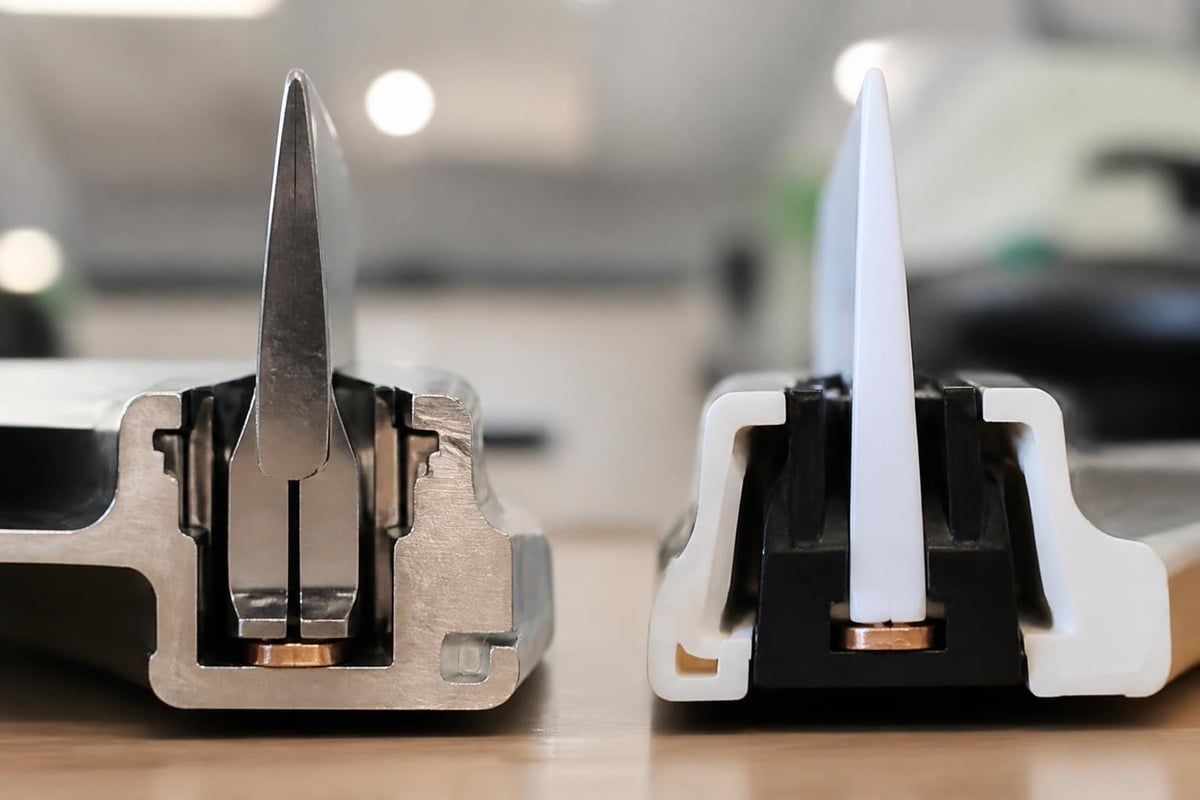
Solution: Choose cordless beard clippers with titanium-coated or ceramic blades featuring adjustable tension systems. Clean and oil blades after every 3-4 uses to prevent hair and skin oil accumulation that accelerates edge wear.
Understanding Runtime Claims and Charging Technology
Problem: Manufacturers advertise "90-minute runtime" or "quick-charge capability" without explaining testing conditions or real-world performance variables.
Battery performance depends on multiple factors that marketing specifications ignore: motor load, blade resistance, ambient temperature, and battery age all influence how long your cordless beard clippers operate between charges.
Agitation: You trust the advertised 60-minute runtime, skip charging before a holiday, and discover your clippers die after 25 minutes. The manufacturer tested runtime at room temperature (20°C) with minimal load, running the motor without cutting anything. Your actual usage-thick beard, cold bathroom, year-old battery-halves that theoretical maximum.
USB-C Power Delivery Changes the Charging Landscape
Modern charging technology eliminates the proprietary adaptor chaos that cluttered bathroom drawers. The USB Power Delivery specification enables cordless beard clippers to negotiate power requirements with compatible chargers, delivering optimal charging rates whilst preventing overcharge damage.
USB-C PD offers several scientific advantages:
- Bidirectional power flow: Allows devices to request specific voltage/amperage combinations
- Power profiles: Supports 5V, 9V, 15V, and 20V outputs up to 100W total power
- Temperature monitoring: Built-in thermal management prevents battery degradation from heat
Quick-charge systems that promise "5-minute charge for one trim" achieve this by rapidly filling the battery to 15-20% capacity using higher amperage. The final 80-100% charge requires slower, safer charging rates that protect cell longevity.
Realistic Runtime Expectations
| Battery Capacity | Light Use (Thin Beard) | Medium Use (Full Beard) | Heavy Use (Thick/Long) |
|---|---|---|---|
| 600 mAh | 75-90 min | 50-60 min | 30-40 min |
| 1000 mAh | 120-150 min | 80-100 min | 50-70 min |
| 1500 mAh | 180-240 min | 120-150 min | 80-100 min |
Solution: Calculate your actual runtime needs based on grooming frequency and beard density. For daily touch-ups on maintained beards, 600-800 mAh capacity suffices. Weekly full-beard shaping or professional use demands 1200+ mAh batteries with quick-charge capability.
Ergonomic Design Principles That Prevent Hand Fatigue
Problem: Your hand cramps after five minutes of detailed beard sculpting, even though the cordless beard clippers weigh less than 200 grammes.
Weight alone doesn't determine comfort. Balance, grip texture, vibration dampening, and button placement all contribute to ergonomic performance during extended use.
Agitation: Poor ergonomics force you to grip harder to maintain control, accelerating muscle fatigue. Your hand compensates for inadequate balance, creating tension that radiates through your wrist and forearm. After ten minutes of detailed line work, your hand aches and your precision suffers.
The Science of Comfortable Tool Design
Research into hand-held cutting tool ergonomics demonstrates that handle diameter, grip texture, and weight distribution significantly impact user fatigue and precision. The optimal handle diameter ranges between 30-40mm for average male hand sizes, allowing fingers to wrap comfortably without overextension.
Key ergonomic features to evaluate:
- Centre of gravity: Should sit directly under your index finger when holding in standard trimming position
- Grip texture: Rubberised surfaces with 0.5-1.5mm raised patterns prevent slippage without requiring excessive grip force
- Vibration frequency: Motors producing high-frequency vibration (>150 Hz) feel smoother than low-frequency rumble (<80 Hz)
- Control placement: Adjustment levers and power buttons should operate with thumb movement only, without shifting your grip
Solution: Test cordless beard clippers in-store when possible, holding them in your natural trimming position for at least 60 seconds. Notice whether your grip tightens to maintain control or if the unit balances naturally in your hand. For online purchases, verify the return policy allows ergonomic testing.
Maintenance Protocols That Extend Service Life
Problem: You invested £100+ in quality cordless beard clippers, yet blade performance degrades within six months and runtime drops noticeably.
Every component-battery, motor, blades-requires specific maintenance to deliver years of reliable service. Neglecting these protocols accelerates wear and voids manufacturer warranties.
Blade Care Beyond Basic Cleaning
Professional barbers follow strict sanitation protocols that home users should adapt. Virginia's barbering regulations specify disinfection procedures that prevent cross-contamination and extend blade life.
Agitation: Hair fragments wedge between cutting surfaces, creating resistance that forces the motor to work harder. Skin oils oxidise on blade surfaces, forming a sticky residue that attracts more debris. Within weeks, this accumulation reduces cutting efficiency by 30-40%, and you blame the clippers rather than inadequate maintenance.
The proper cleaning sequence:
- Remove loose hair: Use the included brush to sweep hair from between blade teeth immediately after each use
- Spray disinfectant: Apply clipper-specific disinfectant (70% isopropyl alcohol minimum) and run the motor for 10 seconds to distribute
- Lubricate: Apply 2-3 drops of clipper oil across the blade surface whilst motor runs at low speed
- Wipe excess: Remove surplus oil with a clean, lint-free cloth
Battery Longevity Strategies
Lithium-ion cells degrade through both use and time, but proper charging habits extend functional lifespan significantly:
- Avoid full discharge: Keep charge levels between 20-80% for daily storage
- Use manufacturer chargers: Third-party adaptors may lack proper voltage regulation
- Store partially charged: If storing cordless beard clippers for >30 days, charge to 50-60%
- Monitor charge cycles: After 300-400 cycles, expect capacity reduction to 85-90% of original
The EPA's lithium-ion battery guidance provides disposal information when batteries finally reach end-of-life. Never discard lithium batteries in household waste due to fire risk.
Solution: Establish a post-use routine: brush, spray, oil, store. Mark your calendar for deep cleaning every 30 days, which includes blade removal for thorough cleaning of the drive mechanism.
Professional Features Worth the Investment Premium
Problem: Budget cordless beard clippers cost £25 whilst professional models exceed £150, yet both claim to "trim beards efficiently."
Price differences reflect engineering quality, component durability, and feature sophistication that directly impact grooming results and product lifespan.
Agitation: You purchase the budget option, and it works adequately for two months. Then the motor develops an inconsistent hum, the battery holds charge for progressively shorter periods, and the blades require replacement (costing nearly as much as the original unit). Your "savings" evaporate as you replace the clippers twice in the timeframe a professional model would still deliver peak performance.
Features That Justify Higher Investment
Premium cordless beard clippers incorporate technology that budget manufacturers omit:
Adjustable blade systems: Professional units offer tool-free blade adjustments from 0.5mm to 25mm+ using precision click mechanisms rather than fragile plastic guards that crack and lose tension.
Waterproof housing: IPX7-rated units withstand full submersion to one metre for 30 minutes, enabling cleaning under running water without moisture damage to electronics.
Digital displays: Battery percentage indicators, remaining runtime counters, and maintenance reminders eliminate guesswork about charge status.
Multiple motor speeds: Variable speed control matches motor power to beard density, preserving battery life during light work whilst delivering maximum torque for thick sections.
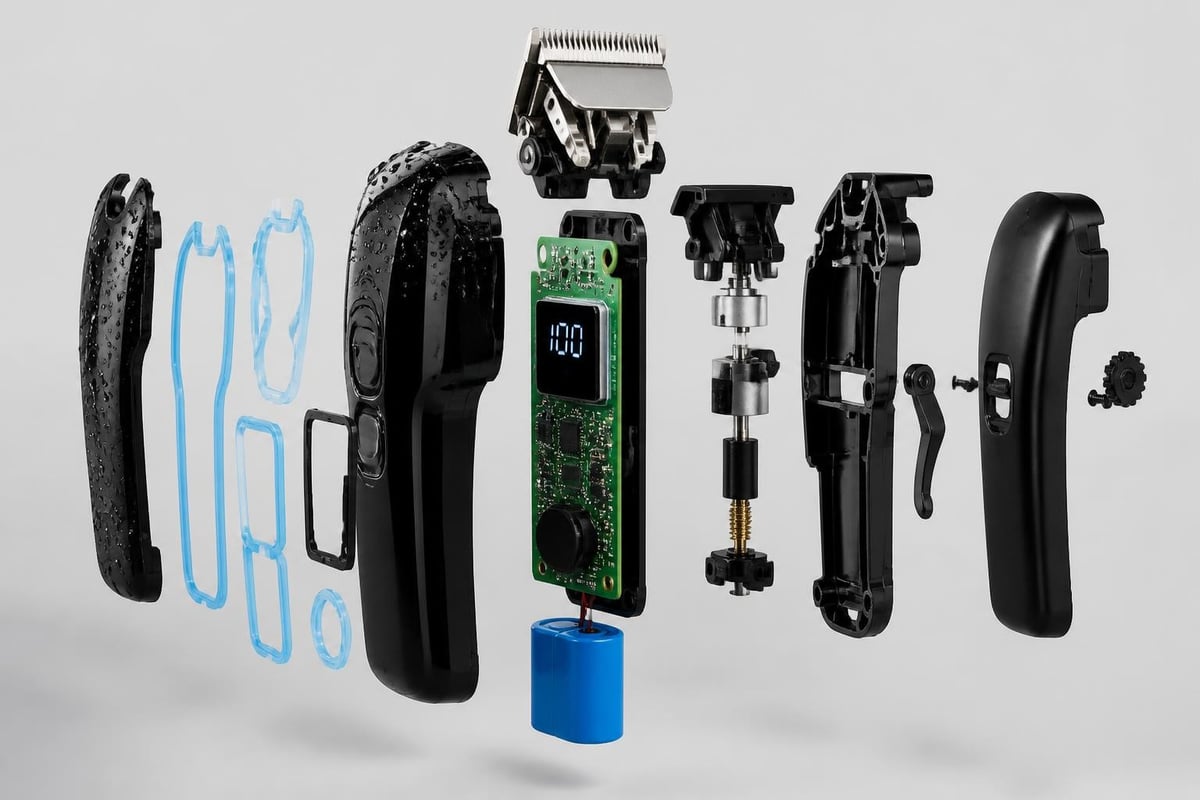
Independent testing by Consumer Reports evaluates durability through accelerated life testing, running units for hundreds of simulated uses to identify early failure points. Professional-grade clippers consistently outperform budget alternatives in motor longevity and blade retention testing.
Solution: Calculate cost-per-use rather than upfront price. A £150 clipper lasting eight years with minimal maintenance costs £18.75 annually. A £30 unit requiring replacement every 18 months costs £20 per year plus the frustration of declining performance.
Attachment Systems and Versatility for Complete Beard Styling
Problem: Your beard style evolves-stubble one month, full beard the next, sculpted styles for special occasions-but your cordless beard clippers only handle basic length adjustments.
Versatile attachment systems transform a single tool into a complete grooming solution, eliminating the need for separate trimmers, detailers, and shavers.
Understanding Guard Design and Length Accuracy
Standard plastic guards snap onto blade assemblies, creating an offset that determines cutting length. However, manufacturing tolerances affect precision:
- Budget guards: ±1.5mm variation between advertised and actual cutting length
- Professional guards: ±0.3mm tolerance with metal reinforcement at stress points
- Magnetic guards: Lock positively without wiggle, ensuring consistent length across entire trimming session
Agitation: Inconsistent guard performance creates uneven beard length that you notice only after completing one side. You adjust pressure, slow your strokes, tilt the clippers-all attempting to compensate for mechanical imprecision. The result? Frustrated over-trimming that destroys weeks of growth.
Specialised Attachments for Advanced Styling
Modern cordless beard clippers accommodate multiple attachment types:
- Precision detailers: 0.1-3mm guards for creating sharp lines and edging
- Texturising blades: Thinning attachments that reduce bulk without changing length
- Body grooming heads: Wider blades with skin guards for safe body hair management
- Nose/ear trimmers: Rotary heads that safely navigate sensitive areas
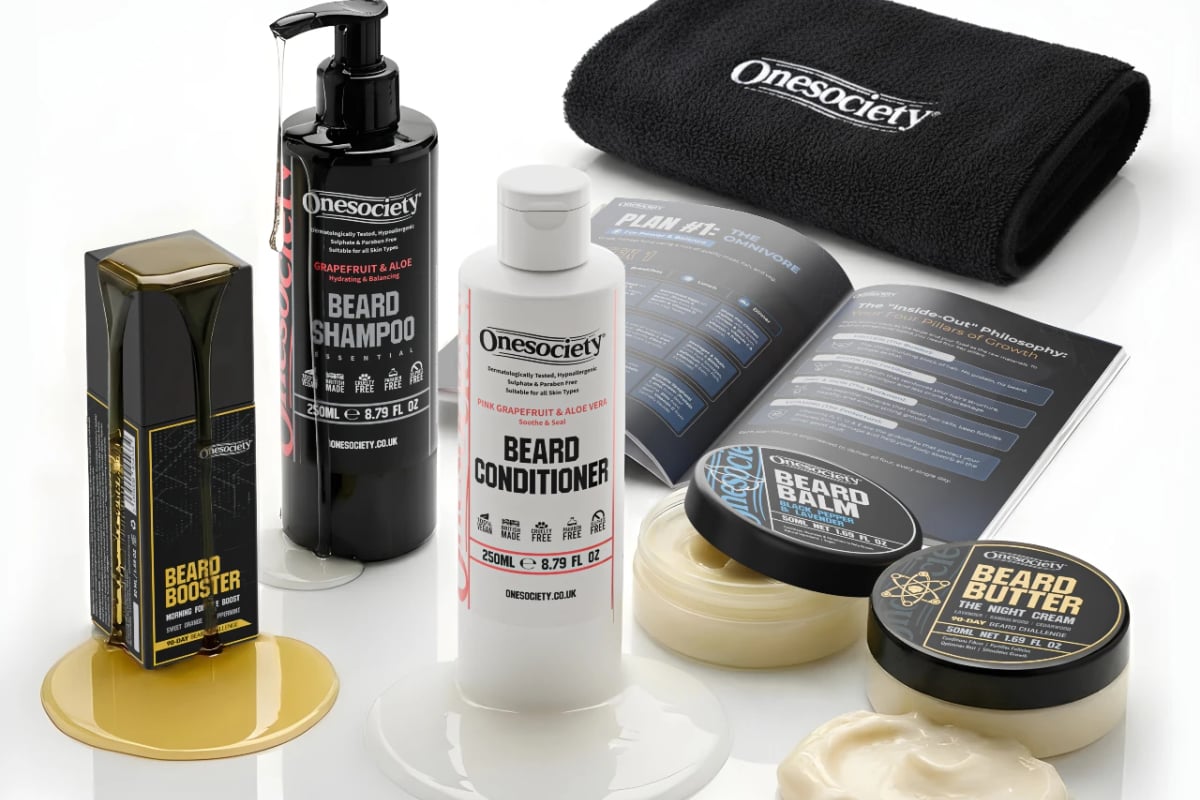
For those committed to transforming their beard from patchy or uneven growth into a full, healthy beard, proper equipment forms just one part of the equation. The 90-Day Beard Challenge combines eight scientifically formulated products-from follicle-igniting Beard Booster to Hydro-Lock Balm-into a complete growth system. This engineered approach addresses beard health at the cellular level whilst your cordless beard clippers maintain shape and style.
Solution: Prioritise cordless beard clippers with metal-reinforced guards and precise length increments (1mm steps rather than 3mm jumps). Test guard stability by wiggling them side-to-side; excessive play indicates poor manufacturing tolerances.
Safety Standards and Certification Marks That Matter
Problem: Cordless beard clippers contact your skin daily, operate near your eyes and mouth, and contain lithium batteries that store significant energy, yet consumers rarely verify safety certifications.
Regulatory standards protect users from electrical hazards, mechanical failures, and chemical exposures that inadequate quality control allows.
Agitation: Uncertified products bypass independent testing that identifies dangerous design flaws. Budget manufacturers skip thermal testing that would reveal battery overheating risks. They use blade materials that contain nickel or other allergens without disclosure. They implement charging circuits lacking short-circuit protection that could cause fires during overnight charging.
Essential Certification Standards
Look for these marks on packaging and product housings:
| Mark | Standard | Verification |
|---|---|---|
| CE | EN 60335-2-8 | European safety for household clippers |
| UL | UL 60335-2-8 | North American electrical safety |
| FCC | Part 15 | Electromagnetic interference limits |
| RoHS | 2011/65/EU | Hazardous substance restrictions |
The IEC 60335-2-8 standard establishes comprehensive safety requirements covering electrical construction, mechanical hazards, thermal protection, and moisture resistance specifically for shavers and clippers.
Solution: Purchase cordless beard clippers only from manufacturers who display recognised certification marks. Verify marks through certifying body databases when possible. Avoid marketplace sellers who cannot provide certification documentation.
Comparing Corded, Cordless, and Dual-Power Options
Problem: Should you embrace complete cordless freedom or maintain corded versatility as backup?
Technology advances eliminated most performance gaps between corded and cordless systems, yet specific use cases still favour different power configurations.
Performance Comparison Across Power Types
Corded clippers deliver consistent power without runtime limitations, making them ideal for professional environments where multiple clients require back-to-back service. However, they restrict movement and create workspace clutter.
True cordless clippers operate exclusively on battery power, offering maximum manoeuvrability. Premium models match corded performance, but budget variants sacrifice motor power to extend battery life.
Dual-power (cord/cordless) units operate both on battery and with direct mains connection, providing backup functionality if you forget to charge. The additional circuitry adds weight and cost, whilst the corded mode defeats the cordless freedom that motivated the purchase.
Real-world considerations for home users:
- Grooming frequency: Daily users benefit from quick-charge cordless models kept on charging stands
- Travel requirements: Frequent travellers need compact cordless designs with international voltage adaptors
- Beard density: Those with thick, coarse facial hair should prioritise motor power over portability
For enthusiasts exploring comprehensive beard and moustache trimming techniques, cordless freedom enables better mirror positioning and unconventional angles that corded restrictions prevent.
Solution: Choose pure cordless designs unless you're a professional barber requiring absolute runtime certainty. Modern lithium batteries provide sufficient capacity for home use, whilst the cord-free experience significantly improves grooming precision and comfort.
Integration with Complete Beard Care Systems
Problem: You own quality cordless beard clippers, use them weekly, yet your beard still looks dry, patchy, and lacklustre.
Mechanical trimming addresses length and shape but ignores the underlying health of hair follicles and skin. A complete grooming approach combines precision tools with nutritional support for optimal beard presentation.
Agitation: Clippers remove hair but don't nourish the follicles producing it. Neglecting beard conditioning leads to brittle hair that breaks rather than bends, creating split ends visible as a fuzzy halo around your beard perimeter. Dry skin beneath your beard generates flakes that collect in your facial hair, undermining the clean appearance your careful trimming created.
The Science of Follicle Health
Hair follicles require specific nutrients to produce healthy, robust hair shafts:
- Biotin (Vitamin B7): Supports keratin production, the structural protein forming 95% of hair composition
- Jojoba oil: Mimics sebum's molecular structure, delivering moisturisation without pore-clogging
- Argan oil: Rich in Vitamin E and fatty acids that reduce inflammation around follicles
- Castor oil: Contains ricinoleic acid, which increases blood flow to follicles
Understanding personal care fundamentals for men reveals that grooming extends beyond mechanical tools to encompass holistic health approaches. Your cordless beard clippers sculpt the canvas, but proper nutrition creates the masterpiece.
Solution: Develop a complete regimen: trim with quality cordless beard clippers every 3-7 days depending on growth rate, then apply beard oil or balm to both hair and underlying skin. The mechanical precision of proper trimming combined with biochemical nourishment from quality products delivers professional-looking results.
Storage and Organisation Best Practices
Problem: Your cordless beard clippers disappear into bathroom drawers, accumulating dust and hair fragments whilst accessories scatter across multiple locations.
Proper storage extends product life, maintains hygiene, and streamlines your grooming routine.
Agitation: Loose storage allows blades to contact other metal objects, dulling cutting edges and creating nicks that pull hair. Moisture from shower steam penetrates the housing, corroding internal electronics. Guards and attachments vanish when needed, forcing you to improvise with inappropriate settings.
Creating Functional Storage Systems
Effective organisation incorporates:
- Dedicated charging station: Wall-mounted or countertop stands that hold clippers upright with charging connection ready
- Sealed guard storage: Small containers or zippered cases that keep attachments clean and accessible
- Maintenance kit access: Store oil, cleaning brush, and disinfectant spray together with clippers
- Climate control: Avoid storage in humid bathrooms; use bedroom drawers or climate-controlled cabinets when possible
Solution: Invest £10-15 in proper storage solutions immediately after purchasing cordless beard clippers. The habit of returning tools to designated storage prevents damage and ensures equipment readiness when you need it.
Selecting the right cordless beard clippers requires evaluating battery technology, motor specifications, blade composition, and ergonomic design rather than trusting marketing claims alone. The science behind lithium-ion cells, magnetic motors, and precision blade geometry separates functional tools from professional-grade equipment that delivers years of reliable service. Yet even the finest clippers only address beard length and shape-true beard excellence demands a holistic approach that nourishes follicles whilst maintaining impeccable styling. Onesociety combines this scientific understanding with natural, research-backed formulations that support healthy beard growth from follicle to tip, transforming your grooming routine from basic maintenance into deliberate cultivation of your ideal beard.