

Your beard feels like steel wool, doesn't it? That scratchy, unmanageable facial hair drives partners away and makes you question whether growing a beard is worth the constant irritation. You've tried regular hair products, hoping they'd work magic, but your beard remains stubborn, dry, and frankly embarrassing. The problem isn't your genetics or your grooming routine-it's that you haven't found the beard conditioner best suited for facial hair's unique structure.
Why Your Beard Demands Specialist Conditioning
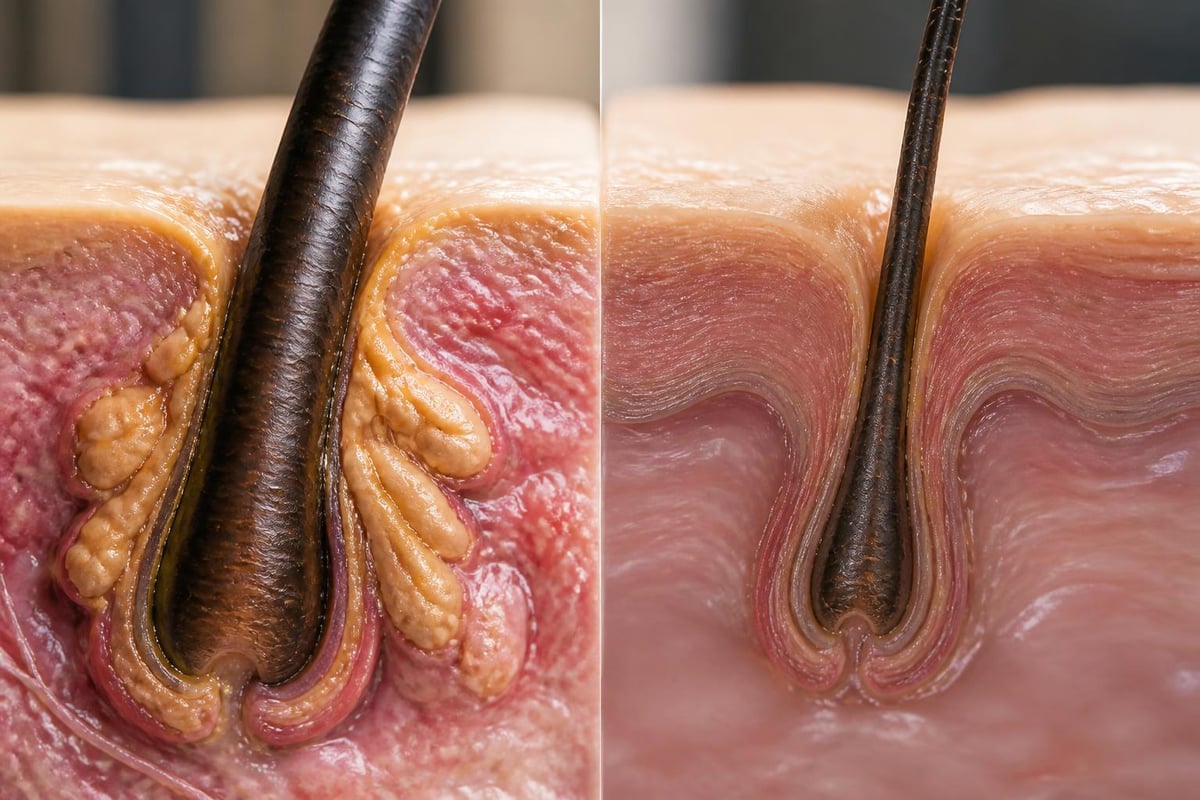
Facial hair differs fundamentally from scalp hair. Each beard follicle produces hair with a thicker diameter, more irregular cuticle patterns, and a coarser texture. Your scalp produces sebum-natural oil-that travels down fine hair shafts easily. Beard hair, however, is too thick and curly for sebum to coat effectively.
This biological reality creates three core problems:
- Moisture deficiency: Without adequate sebum coverage, beard hair loses hydration rapidly
- Cuticle damage: Exposed cuticle layers catch on each other, creating tangles and split ends
- Skin inflammation: The skin beneath your beard becomes dry, flaky, and itchy
Understanding why beard conditioner matters starts with recognising these structural differences. Regular hair conditioner contains silicones designed for fine hair-ingredients that create buildup on thick facial hair without delivering deep moisture.
The Fatty Acid Function
The beard conditioner best formulated for facial hair contains specific fatty acid chains. Lauric acid (12-carbon chain), found in coconut derivatives, penetrates the hair shaft because its molecular size matches the gaps between cuticle scales. Once inside, it binds to the keratin protein structure, preventing moisture loss.
Shea butter contributes stearic acid (18-carbon chain), which doesn't penetrate but instead coats the cuticle exterior. This dual-action approach-internal hydration plus external protection-separates effective beard conditioners from mediocre alternatives.
Decoding Ingredient Labels Like a Chemist
Walk into any grooming store, and you'll face dozens of products claiming superiority. Forbes reviews of top beard conditioners highlight popular options, but understanding the science behind ingredients helps you make informed decisions rather than following trends.
Essential Hydration Compounds
| Ingredient | Molecular Function | Specific Benefit |
|---|---|---|
| Argan Oil | Vitamin E delivery + oleic acid | Reduces oxidative damage to follicles |
| Jojoba Oil | Mimics sebum structure | Regulates natural oil production |
| Aloe Vera | Polysaccharide moisture retention | Soothes inflamed skin beneath beard |
| Glycerin | Humectant water binding | Draws atmospheric moisture into hair shaft |
The beard conditioner best suited for your needs contains at least three of these compounds. Single-ingredient products fail because beard health requires multiple biological pathways addressed simultaneously.
Protein Reconstruction
Keratin hydrolysate-broken-down keratin protein-fills microscopic gaps in damaged hair shafts. When you apply conditioner containing hydrolysed keratin, these protein fragments attach to damaged cuticle areas through ionic bonding. The result? Smoother hair surface and reduced breakage.
However, excessive protein causes stiffness. The optimal formulation balances protein (15-20% of active ingredients) with emollients (60-70%) and humectants (10-15%). This ratio ensures strength without sacrificing softness.
Application Methodology That Maximises Results
Owning the beard conditioner best formulated for facial hair means nothing if you apply it incorrectly. The technique determines whether active ingredients penetrate effectively or wash away wastefully.
The Five-Step Scientific Method:
- Pre-rinse for 60 seconds: Warm water (not hot) opens cuticle scales without damaging protein bonds
- Apply to damp (not soaking) beard: Excess water dilutes conditioner, reducing active ingredient concentration
- Work from root to tip in sections: This distributes product evenly and prevents missed areas
- Leave for 3-5 minutes minimum: Fatty acid penetration requires time-rushing defeats the purpose
- Rinse with cool water: Cold temperature seals cuticle scales, locking in absorbed nutrients
Proper beard conditioner application techniques emphasise the importance of timing. Many men apply conditioner for 30 seconds, wondering why results disappoint. Molecular penetration doesn't occur instantly-patience delivers superior outcomes.
Frequency Calculations
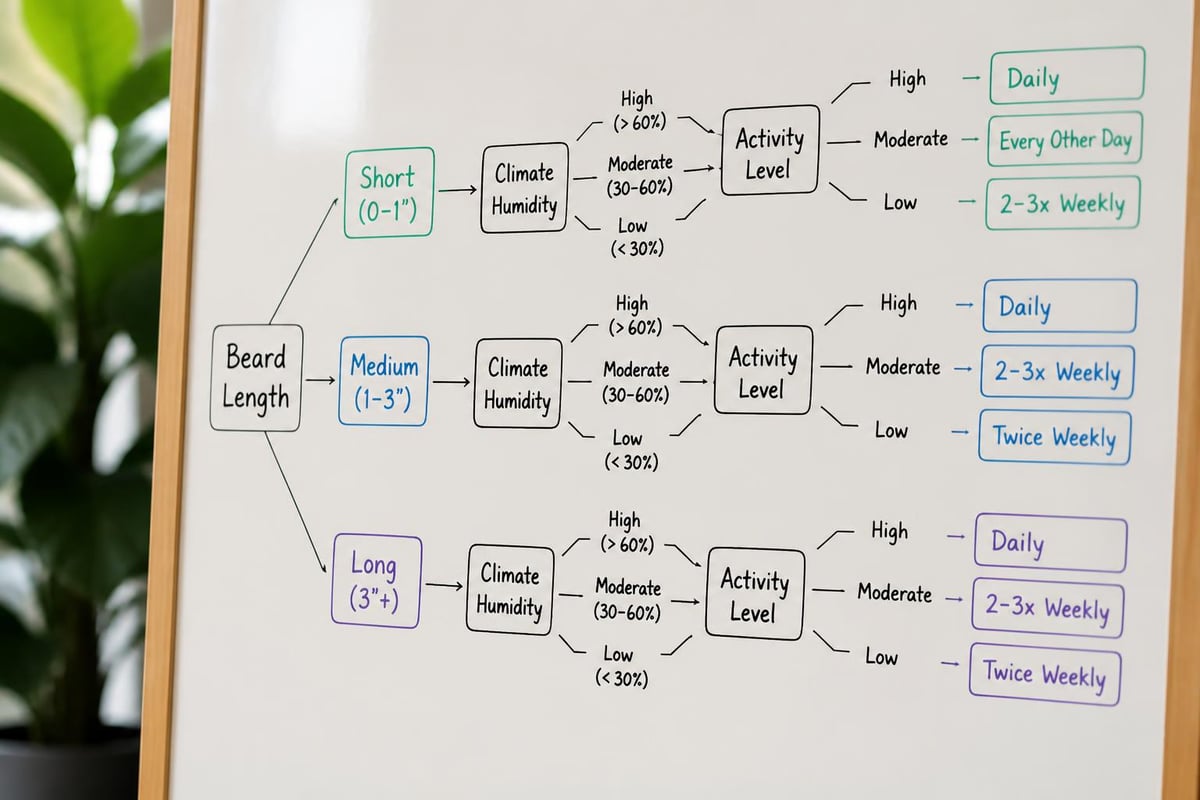
How often should you condition? Your sebum production rate and environmental exposure determine the answer.
Daily conditioning suits:
- Beards exposed to chlorinated water
- Climates with humidity below 30%
- Lengths exceeding 7 centimetres
- Post-exercise routines (sweat contains salt that dehydrates hair)
Every-other-day conditioning suits:
- Moderate climates (40-60% humidity)
- Shorter beards (3-7 centimetres)
- Indoor environments with climate control
Distinguishing Conditioner from Leave-In Treatments
Confusion exists between rinse-out conditioners and leave-in products. The beard conditioner best described as "traditional" requires rinsing, whilst leave-in treatments remain in your beard throughout the day. These serve different biological functions.
Rinse-Out Conditioner Functions
Rinse-out formulations contain higher concentrations of active ingredients because they're designed for short contact periods. Their primary jobs:
- Deep cuticle penetration during the 3-5 minute application window
- Removing residual shampoo alkalinity (restoring pH to 4.5-5.5)
- Preparing hair shaft for styling products
The detergent molecules in rinse-out conditioners would attract dirt if left in your beard. That's why rinsing is essential-you want the beneficial fatty acids to remain whilst surfactants wash away.
Leave-In Treatment Functions
Leave-in products contain lower active ingredient concentrations but provide continuous protection. They create a semi-permeable barrier that:
- Blocks environmental pollutants (particulate matter under 2.5 micrometres)
- Reflects UV radiation that degrades melanin pigments
- Slowly releases humectants as atmospheric humidity changes
Using both isn't redundant-it's strategic layering. Rinse-out conditioner provides intensive treatment; leave-in products maintain results between washes.
Common Formulation Mistakes That Sabotage Results
The beard conditioner market contains products that actively harm facial hair despite marketing claims. Recognising problematic ingredients protects your investment and your beard health.
Sulfate Contamination
Sodium lauryl sulfate (SLS) and sodium laureth sulfate (SLES) strip natural oils aggressively. Whilst these surfactants appear in shampoos for cleansing, their presence in conditioners contradicts the product's purpose. They're added as cheap emulsifiers, but alternatives like cetearyl alcohol perform the same function without stripping moisture.
Red-flag ingredients to avoid:
- Parabens (methylparaben, propylparaben): Endocrine disruptors that may affect testosterone levels
- Synthetic fragrances: Listed as "parfum"-often contain phthalates linked to skin sensitivity
- Mineral oil: Petroleum derivative that coats hair without penetrating, preventing moisture absorption
- Dimethicone: Creates temporary smoothness but builds up, requiring harsh clarifying shampoos
| Harmful Ingredient | Why It's Problematic | Natural Alternative |
|---|---|---|
| Isopropyl alcohol | Dehydrates hair shaft | Cetyl alcohol |
| Artificial dyes | No functional benefit, potential allergen | Natural pigments (none needed) |
| Formaldehyde releasers | Carcinogenic preservative | Vitamin E (tocopherol) |
Understanding beard conditioner versus regular conditioner differences reveals why facial hair products require specialised formulations. Your beard deserves ingredients that address its unique biological needs.
Matching Conditioner to Beard Texture and Length
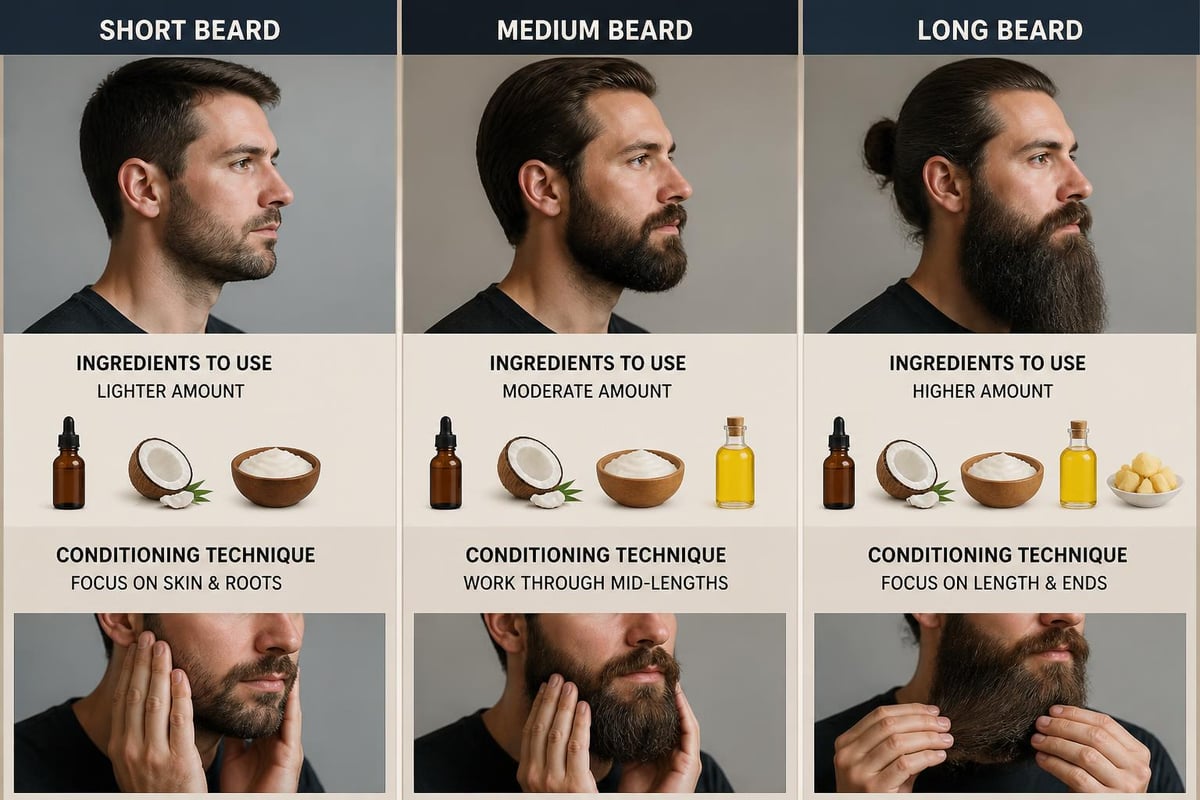
The beard conditioner best for a short, stubbled face differs dramatically from what a long, flowing beard requires. Texture and length create different structural challenges.
Short Beards (Under 3cm)
Short facial hair experiences maximum contact with skin oils but also maximum exposure to daily washing. These beards need lightweight conditioners that won't weigh down emerging growth.
Optimal ingredient profile:
- Jojoba oil (mimics natural sebum without heaviness)
- Aloe vera (soothes skin irritation common during growth phase)
- Panthenol (pro-vitamin B5 for moisture without greasiness)
Medium Beards (3-10cm)
This length represents the awkward phase where beards start curling, tangling, and developing their own personality. Medium beards demand more intensive conditioning because they're long enough to tangle but not long enough to maintain natural weight distribution.
Look for conditioners containing:
- Argan oil (manages frizz through vitamin E and essential fatty acids)
- Shea butter (provides slip for detangling)
- Hydrolysed wheat protein (adds structure to prevent drooping)
Long Beards (Over 10cm)
Length creates mechanical stress. Every time you turn your head, hair strands rub against clothing, causing friction damage. Long beards require maximum protection and intensive repair.
The beard conditioner best suited for length contains:
- Avocado oil (penetrates deeply due to monounsaturated fatty acid structure)
- Cocoa butter (seals cuticles along the entire shaft length)
- Keratin protein (repairs split ends before they travel up the hair shaft)
Addressing Specific Beard Problems Through Conditioning
Every beard presents unique challenges. The beard conditioner best equipped to handle your specific issue contains targeted active ingredients.
Problem: Persistent Itchiness
Beard itch stems from two sources-dry skin beneath the beard and sharp hair ends poking into skin. Reducing beard itchiness through proper conditioning requires addressing both simultaneously.
Solution approach:
- Tea tree oil (antimicrobial properties prevent folliculitis-infected hair follicles that cause itching)
- Eucalyptus oil (anti-inflammatory compounds reduce skin irritation)
- Colloidal oatmeal (beta-glucan polysaccharides soothe reactive skin)
Problem: Beardruff (Beard Dandruff)
Seborrheic dermatitis-the scientific term for dandruff-occurs when Malassezia yeast overgrows on oil-rich skin. Your beard creates the perfect warm, moist environment for this organism.
Solution approach:
- Zinc pyrithione (antifungal that controls Malassezia population)
- Salicylic acid (exfoliates dead skin cells before they become visible flakes)
- Niacinamide (vitamin B3 strengthens skin barrier function)
Problem: Wiry, Unmanageable Texture
Genetic factors determine whether you produce oval or round hair follicles. Oval follicles create curly, wiry hair that resists styling. You can't change your genetics, but you can alter how light reflects off your hair surface-which is what "manageability" actually means.
Solution approach:
- Babassu oil (melts at body temperature, coating each strand uniformly)
- Behentrimonium methosulfate (despite the chemical name, it's derived from rapeseed oil and provides exceptional detangling)
- Silk amino acids (fill gaps in cuticle surface, creating smoothness)
The Role of pH Balance in Conditioning Effectiveness
Here's something most beard care articles ignore: pH determines whether your conditioner works at all. The beard conditioner best formulated for effectiveness maintains a pH between 4.5 and 5.5-slightly acidic.
Why does this matter?
Your hair's isoelectric point (the pH at which it carries no electrical charge) sits at 3.67. When you use alkaline products (pH above 7), hair develops a negative charge. Negatively charged hair strands repel each other, creating frizz and preventing smoothness.
Conditioners work by depositing positively charged conditioning agents onto negatively charged hair. But if the conditioner itself is too alkaline, this charge differential disappears, and ingredients can't bond to your hair shaft.
The science behind beard conditioner pH explains why professional formulations undergo rigorous pH testing. A product that's "all-natural" but has incorrect pH delivers worse results than a scientifically balanced synthetic alternative.
Building a Complete Conditioning System
Conditioning doesn't exist in isolation. The beard conditioner best integrated into a comprehensive grooming routine amplifies results through synergistic effects.
The Complete System:
- Cleanse (2-3 times weekly): pH-balanced beard wash removes dirt without stripping oils
- Condition (daily or as needed): Repairs damage and provides moisture
- Towel technique (every wash): Pat dry rather than rubbing-friction damages wet hair
- Serum/oil (daily): Locks in conditioning benefits with lightweight oils
- Balm/butter (styling): Provides hold whilst continuing moisture delivery
Many men struggle with common beard care challenges because they treat conditioning as an isolated step rather than part of an integrated approach. Each product should complement the others, creating cumulative benefits.
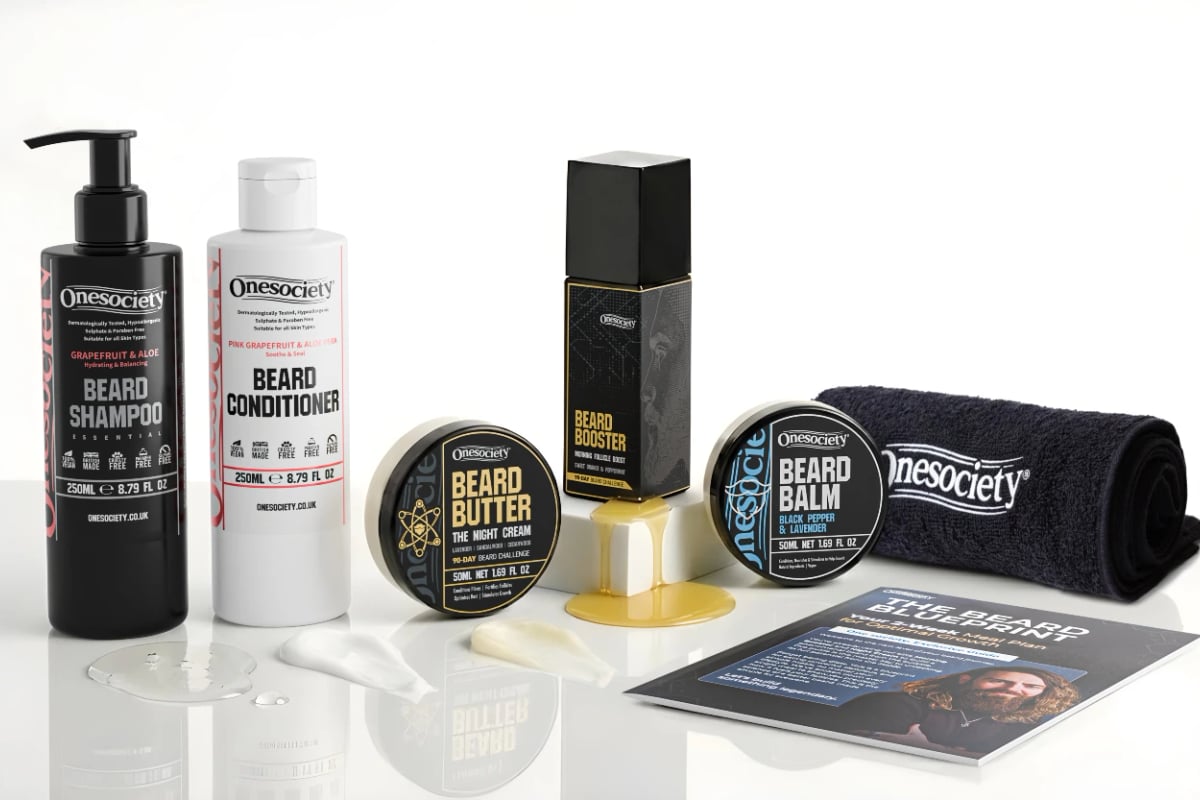
When you're ready to transform your beard through a systematic approach, the 90-Day Beard Challenge provides everything needed in one comprehensive kit. This programme combines a pH-balanced beard shampoo that prepares hair for conditioning, a scientifically formulated conditioner rich in the fatty acids discussed above, and complementary products that maintain results between treatments. The Hydro-Lock Balm, specifically, seals in the moisture your conditioner delivers, creating a protective barrier that extends conditioning benefits for 24-48 hours.
Seasonal Adjustments for Year-Round Results
The beard conditioner best suited for January performs differently in July. Environmental conditions alter your beard's moisture requirements dramatically.
Winter Conditioning Strategy (November-February)
Cold air holds less moisture. When you combine low atmospheric humidity with indoor heating, your beard loses water rapidly through evaporation.
Adjust your approach:
- Increase conditioning frequency by 30-40%
- Choose heavier formulations with higher butter content (shea, cocoa, mango)
- Apply conditioner before outdoor exposure as a protective barrier
- Consider overnight deep conditioning treatments weekly
Summer Conditioning Strategy (June-August)
High humidity means atmospheric moisture is abundant, but UV radiation and chlorine exposure create different damage patterns.
Adjust your approach:
- Focus on protein-rich conditioners that repair sun damage
- Use products containing UV filters (benzophenone-4 in natural formulations)
- Rinse thoroughly to prevent product buildup in humid conditions
- Apply lighter, water-based conditioners that won't feel heavy
Transition Periods (Spring/Autumn)
These months present unpredictable conditions-your conditioning routine needs flexibility.
Adjust your approach:
- Maintain two conditioner formulations (light and heavy) and alternate based on daily weather
- Pay attention to your beard's texture-if it feels greasy, reduce application amount
- If it feels dry, increase leave-in time to 7-10 minutes
Evaluating Results: What Success Actually Looks Like
You've invested in the beard conditioner best suited for your needs. How do you measure whether it's working? Subjective feelings like "softness" provide limited data. Instead, track objective markers.
Quantifiable Success Indicators:
- Reduced shedding: Count hairs in your sink after brushing-healthy beards shed fewer than 5-7 hairs daily
- Detangling time: A well-conditioned beard should comb through in under 30 seconds
- Shine quality: Hold your beard near a light source-healthy hair reflects light uniformly, not in patches
- Elasticity test: Gently stretch a single hair-it should extend 20-30% before breaking
- Partner feedback: Those close to you notice texture changes you might miss
Give any new conditioning routine 4-6 weeks before judging effectiveness. Hair growth cycles mean changes occur gradually. The beard follicle produces approximately 0.4mm of growth daily-meaningful improvements require patience.
Investment Analysis: Quality Versus Price
The beard conditioner best value isn't necessarily the cheapest option. Calculate cost per application rather than cost per bottle.
Value calculation factors:
| Factor | Budget Product | Premium Product |
|---|---|---|
| Bottle size | 100ml | 250ml |
| Price | £8 | £24 |
| Application amount needed | 10ml | 5ml |
| Applications per bottle | 10 | 50 |
| Cost per use | £0.80 | £0.48 |
| Active ingredient % | 15% | 45% |
Premium formulations contain concentrated actives requiring smaller amounts. When you factor in effectiveness, that £24 bottle delivers better value than three £8 bottles that accomplish less.
However, price doesn't always indicate quality. Some brands charge premium prices for marketing rather than superior ingredients. Read labels, understand the science, and make informed decisions based on active ingredient concentrations rather than packaging aesthetics.
The Natural Ingredients Advantage
Synthetic conditioning agents deliver immediate results, but natural ingredients backed by scientific research provide sustainable long-term benefits without accumulation issues. The beard conditioner best formulated with natural compounds works with your biology rather than temporarily masking problems.
Natural oils contain complex mixtures of fatty acids, vitamins, and antioxidants that synthetic alternatives can't replicate. When you apply argan oil, you're not just delivering oleic acid-you're providing vitamin E, squalene, and polyphenols that address multiple biological pathways simultaneously.
This complexity matters because beard health involves interconnected systems. Moisture retention, protein structure, oxidative damage protection, and microbial balance all influence final results. Single-molecule synthetic ingredients target one pathway; natural ingredient complexes address several.
Finding the beard conditioner best suited for your facial hair transforms grooming from frustrating chore to satisfying ritual. The science is clear: targeted fatty acids penetrate the hair shaft, proteins repair structural damage, and pH-balanced formulations ensure ingredients actually bond where needed. When you combine this knowledge with consistent application and patience, your beard evolves from scratchy liability to distinguished asset. Onesociety builds every product around these scientific principles, using 100% natural ingredients that deliver measurable results rather than temporary cosmetic improvements-discover how their research-backed formulations can elevate your grooming routine today.