

The modern man product landscape has evolved beyond basic shaving foam and aftershave. Today's discerning gentleman demands formulations backed by scientific research, natural ingredients that deliver measurable results, and products specifically engineered for facial hair maintenance. Yet confusion persists: which man product genuinely transforms your beard, and which merely sits on your bathroom shelf collecting dust? Understanding the biological mechanisms behind effective grooming separates genuine beard transformation from marketing hype.
The Science Behind Effective Man Product Formulations
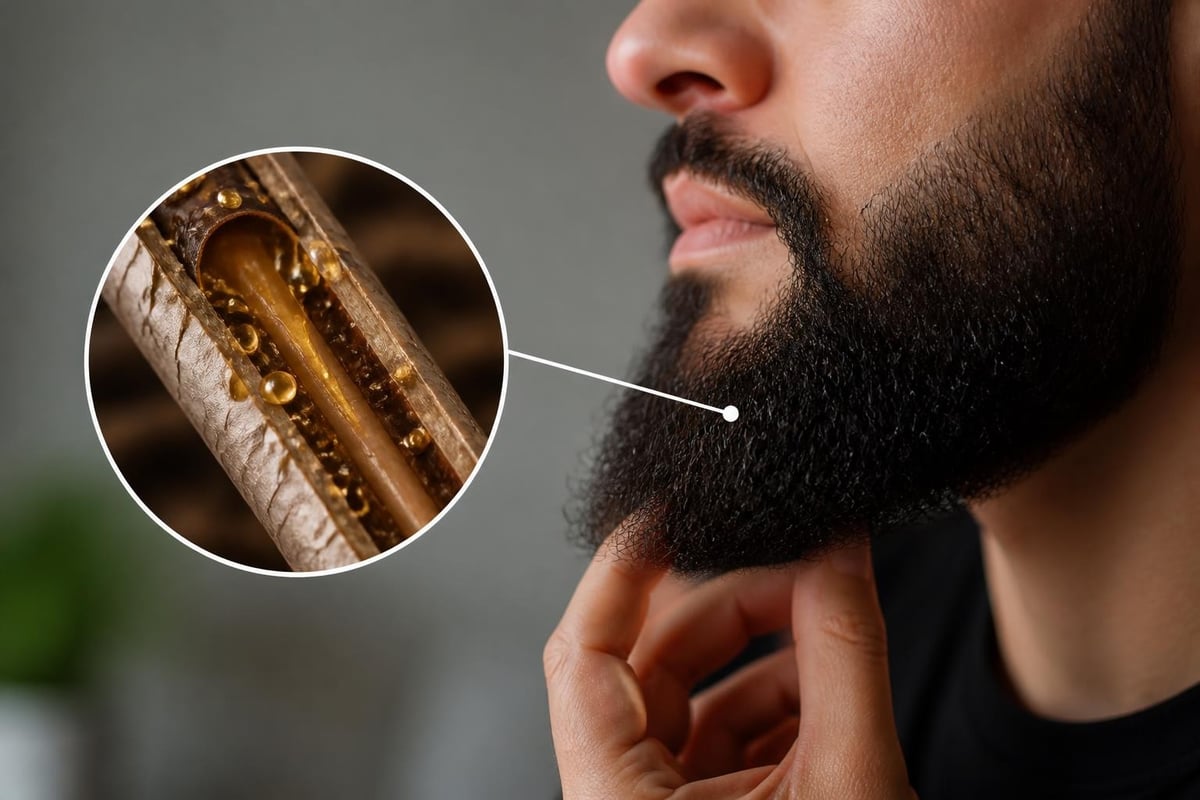
Every quality man product operates through specific biochemical pathways that affect your facial hair and skin. The follicle itself consists of multiple layers: the cuticle (outer protective layer), cortex (structural protein core), and medulla (innermost cellular structure). When you apply a beard oil or balm, the active compounds must penetrate these layers to deliver results.
How Natural Ingredients Interact With Facial Hair
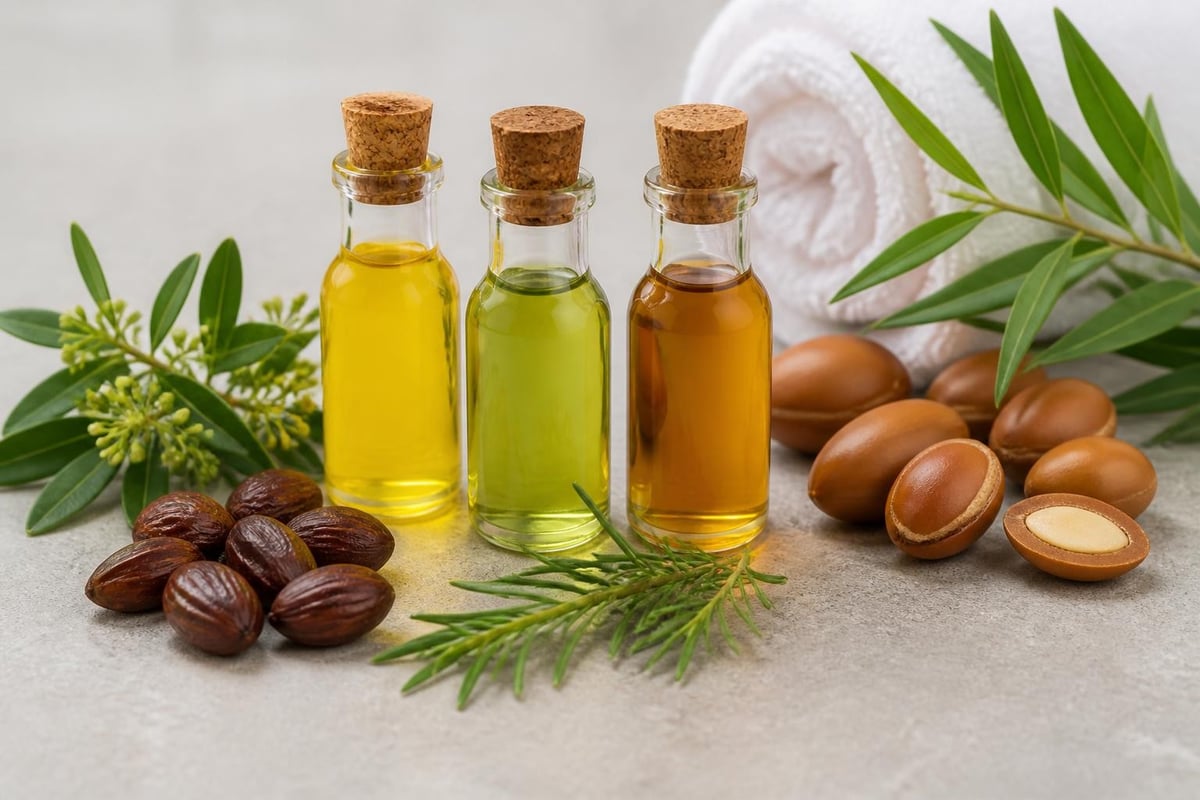
Carrier oils like jojoba and argan contain fatty acid profiles that mirror your skin's natural sebum. This molecular similarity allows deep penetration rather than surface coating. Jojoba oil, composed of liquid wax esters, travels through the cuticle layer to reach the cortex where it reinforces protein bonds. Argan oil's high vitamin E content protects against oxidative stress that weakens hair shafts.
The absorption process occurs through diffusion. Smaller molecules penetrate faster, which explains why lightweight oils outperform heavier petroleum-based products. Your skin's pH level (typically 4.5-5.5) also affects absorption rates. A man product formulated with pH-balanced ingredients maintains the skin's acid mantle, preventing bacterial growth whilst maximizing ingredient efficacy.
Essential Man Product Categories for Beard Health
Building a comprehensive grooming routine requires understanding which products address specific biological needs. Your beard faces daily challenges: environmental pollutants, UV radiation, mechanical stress from brushing, and moisture loss through evaporation.
Beard Oils: The Foundation Layer
Beard oils serve as your primary hydration and protection layer. The optimal formulation combines:
- Carrier oils that deliver fatty acids (jojoba, sweet almond, grapeseed)
- Essential oils providing antimicrobial properties (tea tree, eucalyptus, cedarwood)
- Vitamin-rich oils protecting against free radical damage (argan, rosehip)
The application timing matters significantly. Your facial hair absorbs moisture most effectively when damp, ideally post-shower when follicles remain open. Three to six drops distribute evenly through a short to medium beard, whilst longer growth requires eight to twelve drops for complete coverage.
Balms and Butters: Protective Barriers
These thicker formulations create an occlusive barrier that locks moisture inside the hair shaft. Shea butter contains triterpenes that reduce inflammation at the follicle level. Beeswax provides hold through its complex mixture of esters, acids, and hydrocarbons, whilst simultaneously forming a protective film against environmental damage.
The molecular weight difference between oils and butters determines their function. Butters remain on the hair surface longer, making them ideal for overnight repair treatments. Your body heat melts the product, allowing gradual penetration over six to eight hours.
| Product Type | Primary Function | Active Mechanism | Application Frequency |
|---|---|---|---|
| Beard Oil | Hydration & nourishment | Lipid layer penetration | Daily (morning) |
| Beard Balm | Styling & protection | Surface barrier formation | Daily (as needed) |
| Beard Butter | Deep conditioning | Prolonged moisture delivery | 2-3 times weekly (night) |
| Beard Shampoo | Cleansing & pH balance | Surfactant action | 2-3 times weekly |
Addressing Common Beard Problems Through Targeted Products
Every man product in your arsenal should solve a specific biological problem. Random product selection wastes money and delivers inconsistent results.
Problem: Brittle, Breaking Facial Hair
This condition stems from protein degradation within the cortex. Environmental factors (sun exposure, chlorine, hard water) and mechanical stress (aggressive brushing, heat styling) break disulphide bonds that give hair its structural integrity.
The agitation: Left untreated, breakage accelerates. You'll notice split ends, uneven growth patterns, and a rough texture that resists styling. The visual impact diminishes your beard's fullness, creating patchy areas that undermine months of growth effort.
The solution: Natural beard care items containing hydrolyzed proteins repair damaged cortex structures. Keratin molecules small enough to penetrate the cuticle bond with existing protein chains, reinforcing weakened areas. Panthenol (provitamin B5) attracts moisture molecules, increasing hair elasticity by up to 30%.
Problem: Persistent Beard Itch and Irritation
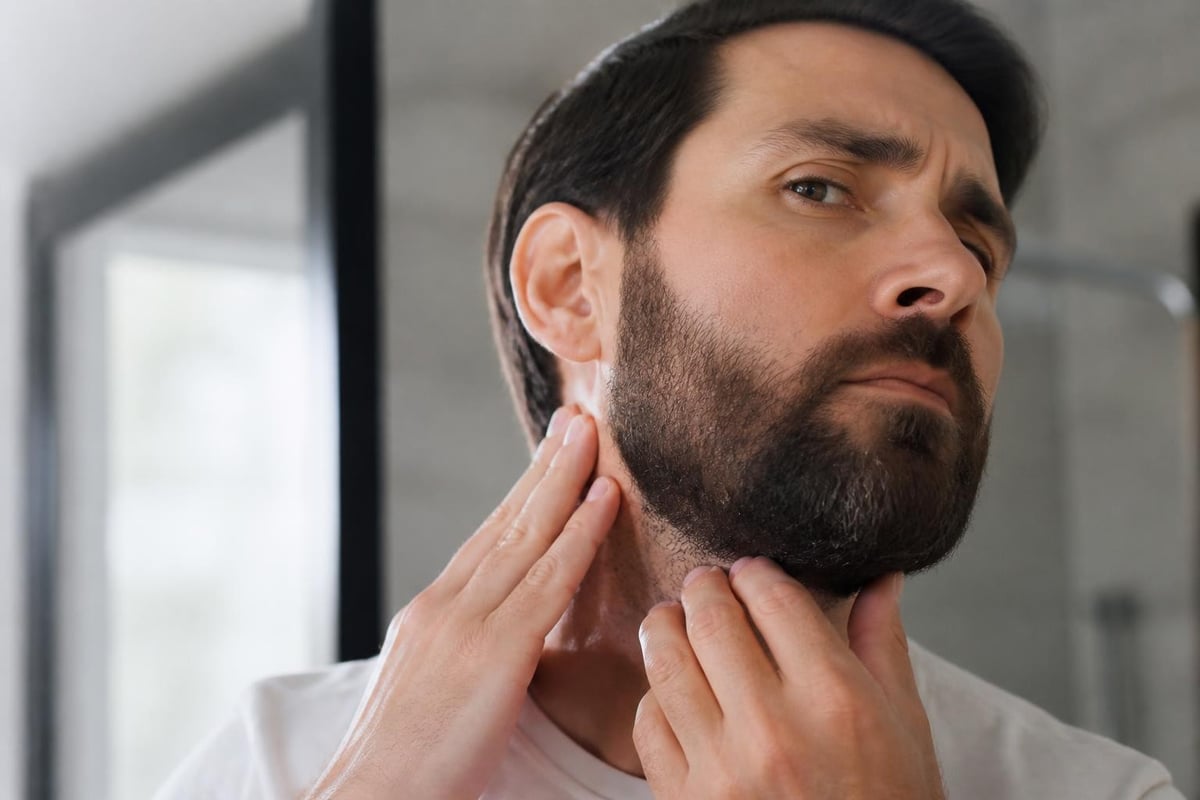
Histamine response in the dermis layer causes that maddening itch. New beard growth creates microscopic skin abrasions, triggering inflammatory signals. Dry skin beneath your beard exacerbates this response, creating a cycle of scratching and further irritation.
Your skin's natural oil production decreases with age and environmental exposure. By age thirty-five, sebum production drops approximately 30% compared to your twenties. This reduction leaves your beard chronically under-moisturized.
Quality man product formulations containing anti-inflammatory compounds interrupt this cycle. Calendula extract reduces histamine release through triterpene saponins. Hemp seed oil's gamma-linolenic acid content decreases prostaglandin production, directly reducing inflammation at the cellular level.
The 90-Day Transformation Protocol
Sustainable beard improvement requires consistent application of scientifically formulated products over time. Facial hair grows approximately 0.4 millimetres daily, meaning significant length and density changes manifest across twelve to sixteen weeks.
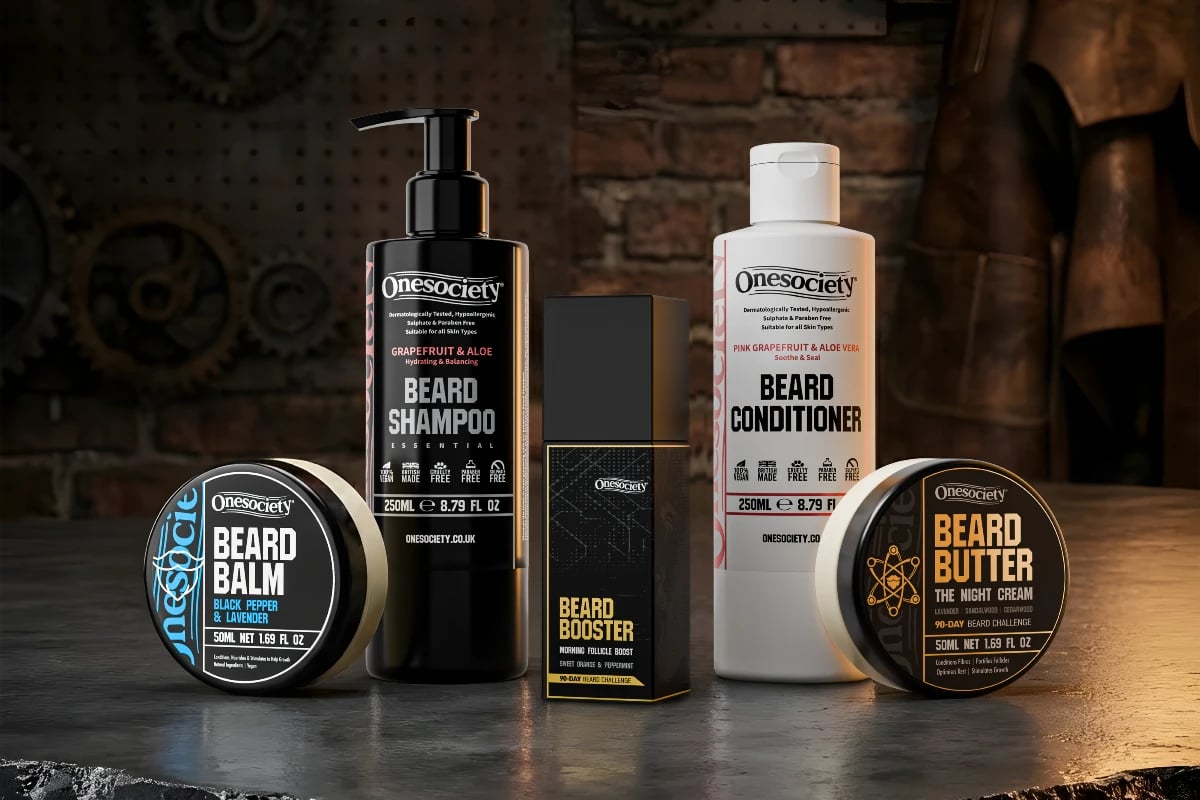
The 90-Day Beard Challenge provides a structured approach combining multiple man product types into one cohesive system. This methodology addresses growth at the follicle level through biotin and caffeine compounds that stimulate blood flow, whilst simultaneously improving existing hair quality through targeted conditioning agents.
Week 1-4: Foundation Building
Your initial focus establishes baseline health. The Beard Booster formulation contains caffeine that dilates blood vessels surrounding follicles, increasing nutrient delivery by up to 40%. Niacinamide (vitamin B3) strengthens the follicle anchor point, reducing premature shedding.
During this phase, you'll notice reduced itching and improved manageability. The biological changes occur beneath the surface: increased keratinocyte production, enhanced sebaceous gland function, and improved follicle blood supply.
Week 5-8: Accelerated Growth Phase
Anagen (active growth) phase optimization becomes paramount. Biotin supplementation through topical application supports keratin synthesis, the primary structural protein in hair. Clinical studies demonstrate biotin increases hair diameter by 12-18% over eight weeks when combined with carrier oils that enhance penetration.
Your man product routine during this phase should include:
- Morning application of growth-stimulating oil
- Mid-day balm for styling and environmental protection
- Evening butter treatment for overnight repair
- Twice-weekly pH-balanced shampooing to remove sebum buildup
Week 9-12: Refinement and Optimization
Terminal length achievement varies by individual genetics, but most men reach significant milestones between weeks ten and fourteen. The focus shifts from growth stimulation to quality enhancement and style maintenance.
The Hydro-Lock Balm technology creates a semi-permeable barrier that prevents transepidermal water loss whilst allowing oxygen circulation. This balance maintains optimal moisture levels (8-12% water content) without creating anaerobic conditions that encourage bacterial growth.
Natural Ingredients That Deliver Measurable Results
The distinction between effective and ineffective man product formulations lies in ingredient selection and concentration. Marketing claims mean nothing without understanding the biochemical mechanisms at work.
Jojoba Oil: The Sebum Substitute
Chemically, jojoba oil isn't an oil but a liquid wax ester nearly identical to human sebum. This molecular similarity allows it to regulate oil production through feedback mechanisms. When your skin detects adequate surface lipids, it reduces sebum overproduction that leads to clogged follicles and acne.
The eicosenoic acid content (approximately 65-80% of jojoba's composition) provides exceptional stability. Unlike polyunsaturated oils that oxidize rapidly, jojoba remains shelf-stable for years without rancidity. This stability translates to consistent performance in your grooming routine.
Tea Tree Oil: Antimicrobial Protection
Terpinen-4-ol, tea tree oil's primary active compound, demonstrates broad-spectrum antimicrobial activity against bacteria, fungi, and yeast. At concentrations of 5-10%, it eliminates Staphylococcus epidermidis and Propionibacterium acnes, the primary culprits behind beard-related skin infections.
The mechanism involves disrupting bacterial cell membranes, causing potassium ion leakage that kills the organism. Unlike synthetic antimicrobials that breed resistance, tea tree oil's complex mixture of over 100 compounds makes bacterial adaptation virtually impossible.
Argan Oil: Antioxidant Defence
Vitamin E (tocopherol) concentration in argan oil reaches 600-900 mg/kg, providing potent free radical scavenging capabilities. Free radicals generated by UV exposure, pollution, and metabolic processes attack the protein bonds in your beard, causing structural weakness and premature greying.
Tocopherols donate hydrogen atoms to free radicals, neutralizing them before they damage cellular structures. Clinical research demonstrates daily argan oil application reduces oxidative stress markers by 35% within four weeks.
Selecting Quality Over Marketing Hype
The man product industry generates over £3.5 billion annually in the UK alone, attracting companies prioritizing profit over efficacy. Distinguishing genuine quality requires examining formulation specifics rather than packaging claims.
Ingredient Transparency Standards
Premium manufacturers list ingredients in descending concentration order, allowing you to verify that active compounds appear near the top. If "beard growth oil" lists jojoba as the seventh ingredient after multiple fillers, you're purchasing diluted product.
Botanical extracts require specification of extraction method and concentration. "Contains biotin" means nothing without stating the percentage. Clinical efficacy studies typically use 0.3-0.5% biotin concentrations, yet many products contain less than 0.1%.
Third-Party Testing and Certification
Look for products with independent verification through:
- Soil Association organic certification (confirms ingredient purity)
- Vegan Society registration (ensures no animal derivatives)
- Dermatological testing (validates hypoallergenic claims)
- Cruelty-free certification (guarantees ethical production)
These certifications require rigorous documentation and regular audits, filtering out companies making unsubstantiated claims.
Building Your Optimal Man Product Routine
Effective beard care follows biological principles, not arbitrary product stacking. Your routine should address specific needs identified through honest self-assessment.
Morning Protocol: Protection and Preparation
- Rinse your beard with lukewarm water to open cuticles
- Apply 4-8 drops of beard growth oil whilst hair remains damp
- Distribute evenly using a boar bristle brush (natural bristles distribute oils without static)
- Apply lightweight balm if styling required
- Allow 2-3 minutes absorption before final styling
This sequence maximizes absorption whilst creating a protective barrier against daily environmental stress.
Evening Protocol: Repair and Recovery
Your facial hair undergoes most repair during sleep when cellular regeneration peaks. Evening application should focus on deep conditioning rather than styling.
- Cleanse your beard with pH-balanced shampoo (if scheduled)
- Pat dry, leaving beard slightly damp
- Apply beard butter generously, focusing on problem areas
- Optional: cover with breathable sleep cap to prevent pillow friction
- Morning rinse removes excess product whilst leaving protective residue
Weekly Deep Treatment
Once weekly, dedicate fifteen minutes to intensive conditioning. Apply heated beard butter (warm between palms, never microwave) and comb through thoroughly. Cover with warm towel for ten minutes, allowing heat to open cuticles for maximum penetration. Rinse with cool water to seal cuticles and lock in conditioning benefits.
Common Mistakes That Undermine Results
Even premium man product formulations fail when application technique sabotages their effectiveness. These errors appear frequently across beard-growing communities.
Over-washing strips natural oils: Daily shampooing removes sebum faster than your skin replenishes it. Limit cleansing to 2-3 times weekly unless you work in particularly dirty environments. Between washes, rinse with water only.
Applying products to dry hair reduces absorption: Completely dry hair has closed cuticles that resist penetration. The optimal application window occurs within five minutes post-shower when cuticles remain slightly lifted.
Using excessive heat for styling damages protein bonds: Heat guns and straighteners temporarily reshape hair through hydrogen bond disruption, but temperatures exceeding 180°C cause permanent protein denaturation. If heat styling proves necessary, apply heat-protecting serum first and keep temperatures below 150°C.
Neglecting the skin beneath your beard: Your follicles emerge from skin that requires moisturization and exfoliation. Dead skin cell accumulation blocks follicles, reducing growth potential. Weekly gentle exfoliation with a soft brush removes this buildup without irritation.
| Mistake | Biological Impact | Correction Strategy |
|---|---|---|
| Daily shampooing | Sebum depletion, moisture loss | Reduce to 2-3x weekly |
| Dry application | Reduced penetration (30-40% less) | Apply to damp hair only |
| Excessive heat | Protein denaturation, permanent damage | Limit to <150°C with protection |
| Skin neglect | Follicle blockage, reduced growth | Weekly exfoliation routine |
| Inconsistent routine | Inadequate cumulative effect | Set specific daily times |
The Role of Diet and Lifestyle in Product Efficacy
No man product, regardless of formulation quality, can compensate for nutritional deficiencies or chronic stress. Your beard grows from nutrients supplied through bloodstream circulation, making internal health inseparable from external results.
Protein Requirements for Keratin Synthesis
Hair consists of approximately 95% keratin, a protein requiring adequate amino acid availability. Your body prioritizes vital organs over hair growth during protein scarcity, redirecting resources and slowing beard development.
Minimum protein intake should reach 1.2-1.6 grams per kilogram of body weight daily. For an 80kg man, this translates to 96-128 grams daily from complete protein sources: eggs, fish, lean meat, legumes, and dairy.
Micronutrients That Support Follicle Function
Zinc deficiency directly impairs hair growth by disrupting DNA and RNA production necessary for follicle cell division. Selenium supports antioxidant enzymes protecting follicles from oxidative damage. Iron deficiency causes telogen effluvium, prematurely shifting follicles from growth to resting phase.
Supplementation proves beneficial when dietary intake falls short, but whole food sources provide superior bioavailability. Oysters, pumpkin seeds, spinach, and Brazil nuts deliver these minerals in forms your body readily absorbs.
Sleep Quality and Growth Hormone Release
Human growth hormone (HGH) release peaks during deep sleep phases, stimulating cellular regeneration including hair follicle activity. Sleep deprivation reduces HGH secretion by up to 50%, directly impacting your beard's growth potential.
Targeting seven to nine hours of quality sleep nightly optimizes hormone production. Combined with topical man product application, this creates ideal conditions for sustained growth.
Measuring Progress Beyond the Mirror
Subjective assessment often misses gradual improvements occurring over weeks and months. Implementing objective measurement provides motivation and identifies which aspects of your routine deliver results.
Photographic Documentation
Weekly photos taken under consistent lighting, angles, and grooming states reveal changes invisible to daily observation. Use the same background, distance, and time of day to eliminate variables. After twelve weeks, compile images into sequence showing true progression.
Thickness and Density Metrics
Count hairs within a defined area (use a 1cm square template) at weeks zero, four, eight, and twelve. Increased follicle density indicates successful growth stimulation. Measure individual hair diameter using a micrometer at consistent points along the beard to track thickness improvements.
Tactile Quality Assessment
Standardize your evaluation: run fingers through your beard in the same motion weekly, noting softness, smoothness, and manageability on a simple 1-10 scale. This subjective measurement becomes objective through consistent methodology and written recording.
Understanding Product Synergy and Layering
Strategic man product combinations amplify individual benefits through complementary mechanisms. Random layering, however, can create conflicts that reduce overall effectiveness.
Water-Based Versus Oil-Based Sequencing
Fundamental chemistry dictates application order: water-based products penetrate first, followed by oil-based formulations that seal them in. Reversing this sequence prevents water-based serums from reaching the hair shaft, wasting their active ingredients.
Growth serums containing water-soluble vitamins (B-complex, vitamin C) should always precede oil applications. The oil layer then traps these nutrients against the skin and hair, extending their contact time and enhancing absorption.
Compatible Ingredient Combinations
Certain ingredients enhance each other's effectiveness through chemical synergy. Vitamin E (fat-soluble antioxidant) works synergistically with vitamin C (water-soluble antioxidant), each regenerating the other after neutralizing free radicals. This partnership provides extended protection beyond what either delivers alone.
Conversely, some combinations prove antagonistic. Retinoids and alpha-hydroxy acids both increase skin sensitivity; combined use may cause excessive irritation that discourages routine adherence. Understanding these interactions prevents counterproductive product mixing.
The Investment Perspective: Cost Versus Value
Premium man product formulations command higher prices, raising legitimate questions about whether increased cost correlates with superior results. The answer lies in understanding what determines actual product value.
Concentration and Ingredient Quality
A £45 beard oil containing 15% active compounds delivers more value than a £15 product with 3% concentration, despite the threefold price difference. Calculate cost per application based on recommended usage amounts rather than bottle price.
Organic, cold-pressed carrier oils retain more beneficial compounds than heat-extracted alternatives. The processing method affects fatty acid profiles, vitamin content, and overall stability. These factors justify price premiums when you're seeking maximum efficacy.
Formulation Research and Development
Companies investing in clinical trials, stability testing, and optimal concentration determination price products higher to recoup research costs. This investment often translates to formulations that deliver measurable results versus products created through simple ingredient mixing without scientific validation.
Choosing the best products for your beard requires evaluating this research backing, not just marketing claims or attractive packaging.
Long-Term Cost Analysis
A quality man product lasting three months costs less per day than a cheap alternative requiring replacement monthly. Calculate daily cost (total price divided by days of use) for accurate comparison. Factor in the opportunity cost of wasted time using ineffective products that delay your beard goals.
Environmental and Ethical Considerations
Modern consumers increasingly demand that man product choices align with environmental responsibility and ethical production standards. These considerations extend beyond personal results to societal impact.
Sustainable Sourcing Practices
Argan oil production supports Moroccan women's cooperatives, providing economic independence in rural communities. Purchasing ethically sourced argan directly supports these initiatives. Conversely, unsustainably harvested ingredients contribute to environmental degradation and exploitative labour practices.
Look for certifications indicating fair trade practices, sustainable harvesting, and biodiversity protection. These standards ensure your grooming routine doesn't compromise environmental health or human rights.
Packaging and Waste Reduction
Glass bottles offer superior product preservation compared to plastic whilst remaining infinitely recyclable. Aluminium containers provide lightweight durability with high recyclability rates. Excessive packaging serves no functional purpose beyond marketing appeal.
Choose concentrated formulations requiring smaller packaging volumes. Refill programs reduce waste further by allowing container reuse. These practices minimize environmental impact whilst often reducing long-term product costs.
The man product revolution represents more than cosmetic trends, it reflects growing understanding that quality grooming requires scientific formulation and consistent application. Every product you choose should address specific biological needs through proven mechanisms, transforming your beard from adequate to exceptional across structured timeframes. Whether you're beginning your journey or refining established routines, Onesociety provides scientifically formulated, naturally sourced solutions backed by transparent ingredient lists and genuine commitment to your beard transformation. Their 100% natural formulations combine traditional botanical wisdom with modern research, offering products that deliver measurable results without compromise.