

Your beard itches. The sensation starts as a minor annoyance, then escalates into a relentless urge to scratch that disrupts meetings, conversations, and sleep. This irritation isn't just discomfort-it signals underlying inflammation, dehydration, or follicle dysfunction beneath your facial hair. The solution lies in understanding why beard oil for itching works at a cellular level, targeting the root causes rather than masking symptoms.
The Biological Reality Behind Beard Itch
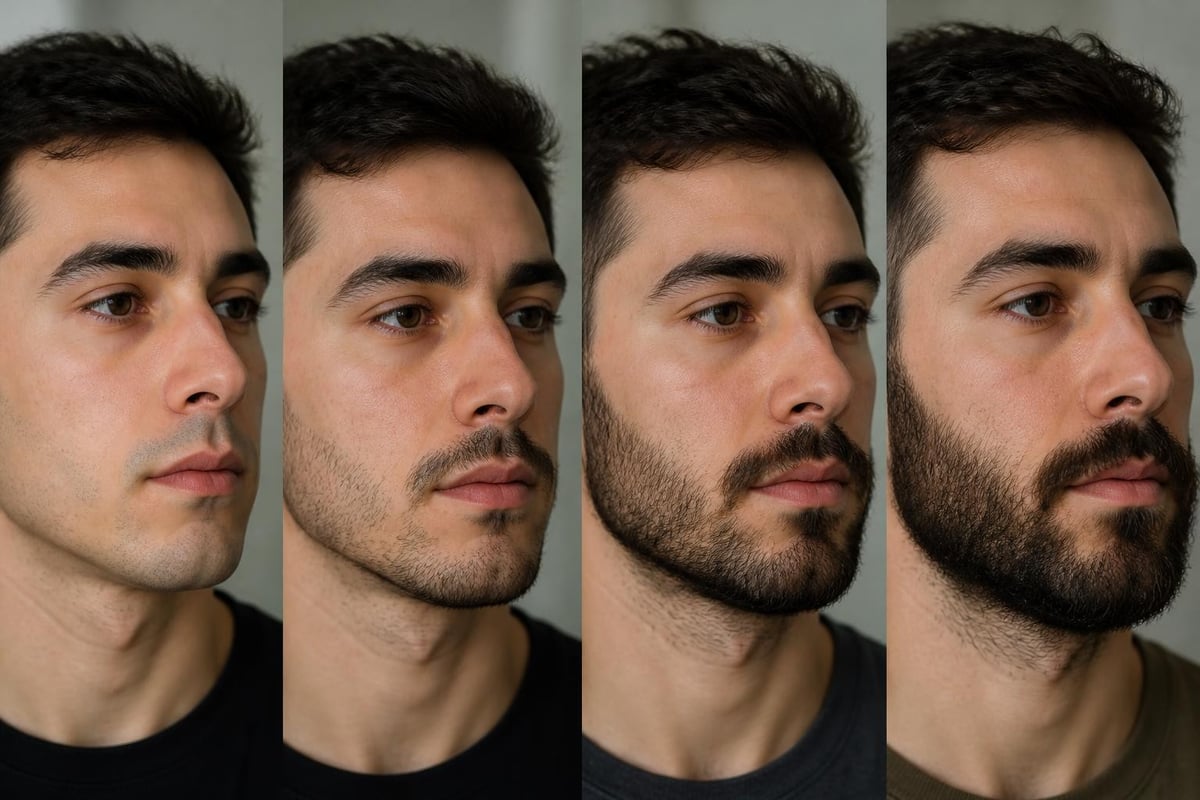
Beard itch originates from three primary mechanisms: sebum depletion, follicular inflammation, and epidermal barrier disruption. Your facial skin produces sebum-a complex lipid mixture containing squalene, wax esters, and triglycerides-that lubricates both skin and hair. When you grow a beard, this natural oil production struggles to coat the expanding surface area of new hair shafts. The result? Dehydrated skin cells beneath your beard send distress signals to sensory neurons, creating the itch sensation.
The early growth phases intensify this problem. New beard hairs emerge with sharp, angular tips that curl back toward the skin, triggering micro-inflammatory responses. According to the American Academy of Dermatology, this mechanical irritation activates mast cells in the dermis, releasing histamine and other pruritogenic compounds.
Environmental Factors That Aggravate Beard Inflammation
Your environment compounds the issue. Cold weather strips moisture from the epidermis, whilst central heating reduces ambient humidity below optimal levels (40-60%). This dual assault dehydrates the stratum corneum-your skin's outermost protective layer-creating microscopic fissures that expose nerve endings.
Key environmental triggers include:
- Low humidity environments (below 30%)
- Hot water during washing (above 38°C damages lipid barriers)
- Harsh alkaline cleansers (pH above 7.0 disrupts skin's natural acidity)
- Friction from scarves, collars, and pillowcases
- Pollution particles that accumulate in beard hair
The NHS guidance on emollients explains how external moisturisers restore barrier function by replacing depleted intercellular lipids. This principle applies directly to beard care-targeted oil application replenishes what your skin cannot produce in sufficient quantities.
How Beard Oil for Itching Functions at Molecular Level
Effective beard oil for itching works through occlusive, emollient, and humectant actions. Carrier oils like jojoba and argan contain fatty acid profiles that mirror human sebum composition. Specifically, jojoba oil consists of approximately 98% pure wax esters-the same molecule type your sebaceous glands produce. This biomimetic structure allows superior skin penetration without triggering comedogenic responses.
The mechanism operates in three stages:
- Penetration phase (0-15 minutes): Small-molecule fatty acids penetrate the stratum corneum through intercellular pathways
- Occlusive phase (15-60 minutes): Larger triglycerides form a protective film on the skin surface
- Anti-inflammatory phase (1-8 hours): Oleic acid and linoleic acid reduce pro-inflammatory cytokine production
| Carrier Oil | Primary Fatty Acid | Penetration Depth | Anti-inflammatory Action |
|---|---|---|---|
| Jojoba | Eicosenoic acid (65%) | Epidermis & upper dermis | Moderate |
| Argan | Oleic acid (43%) | Epidermis | High |
| Sweet Almond | Oleic acid (62%) | Surface to epidermis | Moderate |
| Hempseed | Linoleic acid (54%) | Deep epidermal | Very high |
Research documented by Chemical & Engineering News demonstrates that specific carrier oil ratios optimise transepidermal water loss (TEWL) reduction. Formulations combining 60% high-oleic oils with 40% polyunsaturated oils deliver superior moisture retention compared to single-oil products.
Essential Oil Components and Their Therapeutic Functions
Beyond carrier oils, therapeutic essential oils contribute targeted anti-inflammatory and antimicrobial effects. However, the PubMed review on fragrance cross-reactivity warns that botanical allergens affect 1-3% of users. Quality beard oils balance efficacy with safety by maintaining essential oil concentrations below 2% total volume.
Scientifically validated essential oils include:
- Tea tree oil: Terpinen-4-ol inhibits Malassezia species (fungal itch triggers)
- Peppermint oil: Menthol activates TRPM8 receptors, creating cooling sensation that interrupts itch signals
- Cedarwood oil: Cedrol demonstrates mild anti-inflammatory properties via prostaglandin inhibition
- Lavender oil: Linalool and linalyl acetate reduce cortisol-mediated inflammation
Understanding what beard oil actually does helps you select formulations matching your specific inflammation triggers.
Diagnosing the Root Cause of Your Beard Itch
Not all beard itch stems from simple dryness. Persistent itching lasting beyond 4-6 weeks may indicate underlying dermatological conditions requiring different treatment approaches. Seborrheic dermatitis under the beard affects approximately 3-5% of men, causing yellowish scales, redness, and intense itching.
The condition results from Malassezia yeast overgrowth combined with inflammatory response to the organism's lipase enzymes. These enzymes break down skin lipids into irritating free fatty acids. Standard beard oil for itching won't resolve seborrheic dermatitis-you need formulations containing antifungal ingredients like tea tree oil or pyrithione zinc.
Folliculitis Barbae: When Bacteria Invade
Another common culprit: folliculitis barbae. DermNet NZ describes this condition as bacterial infection of hair follicles, typically caused by Staphylococcus aureus. Symptoms include itchy pustules, tender nodules, and sometimes scarring.
Differentiation guide:
| Condition | Primary Symptom | Visual Indicators | Oil Effectiveness |
|---|---|---|---|
| Dry skin itch | General irritation | Flaking, no redness | High |
| Seborrheic dermatitis | Intense itch + scales | Yellow-white flakes | Moderate (with antifungals) |
| Folliculitis | Painful bumps | Pustules, inflammation | Low (needs antibacterials) |
| Contact dermatitis | Burning + itch | Localised redness | Variable |
University of Utah Health recommends consulting a dermatologist when itch persists despite proper moisturisation, or when you notice pus-filled lesions, spreading redness, or hair loss.
Application Methodology: Maximising Absorption and Efficacy
How you apply beard oil for itching matters as much as which formula you choose. Incorrect application wastes product and delivers suboptimal results. The objective: deliver oil to the skin beneath your beard, not just coat the visible hair shafts.
Optimal application protocol:
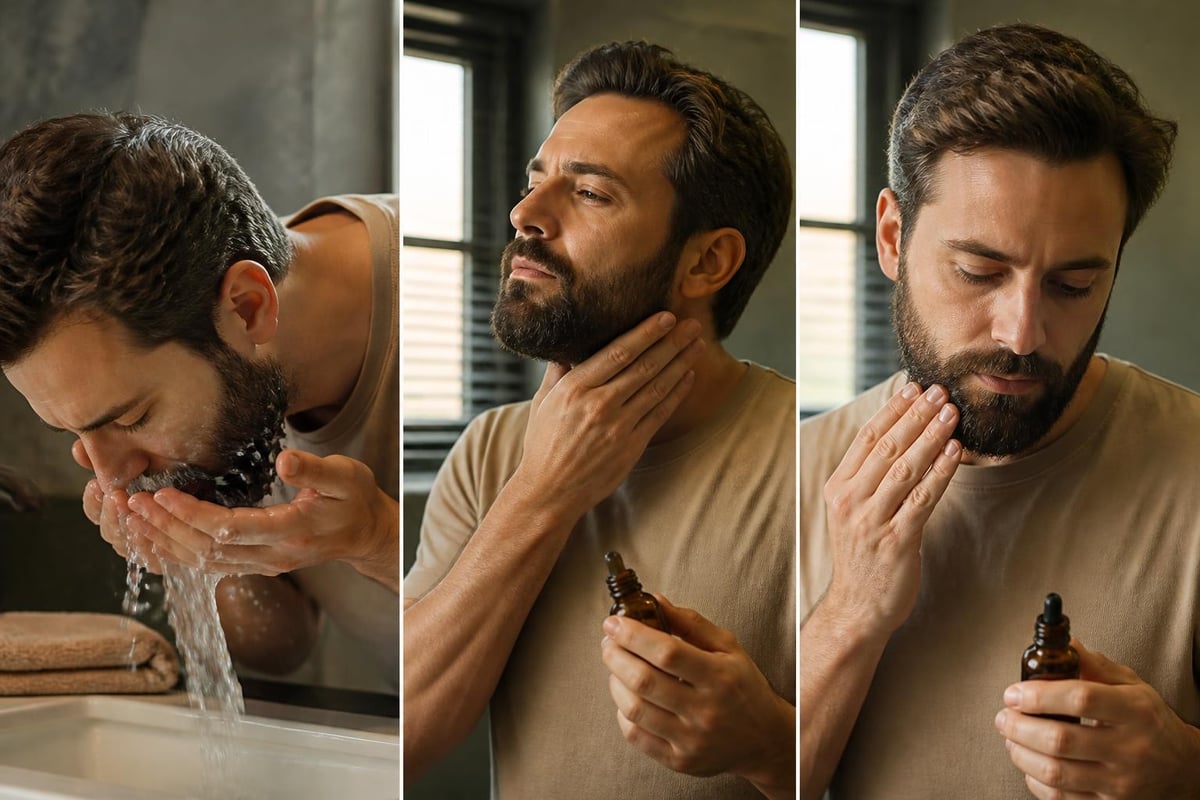
- Timing: Apply to slightly damp skin post-shower when pores remain dilated (within 3 minutes of towel-drying)
- Quantity: 3-6 drops for short beards (under 2cm), 6-10 drops for medium beards (2-8cm), 10-15 drops for long beards (8cm+)
- Distribution: Dispense into palms, rub hands together to warm oil and activate volatile compounds
- Penetration technique: Work fingers through beard to skin level, massaging in circular motions for 30-60 seconds
- Beard combing: Use wide-toothed comb to distribute excess oil along hair shafts
Temperature influences absorption rates. Oil viscosity decreases with warmth, improving skin penetration. Rubbing the product between your palms for 15-20 seconds raises temperature by 8-12°C, optimising molecular mobility.
Frequency Adjustments for Different Skin Types
Your sebum production rate determines ideal application frequency. Men with naturally oily skin (T-zone shine within 2 hours of washing) may need beard oil for itching only 3-4 times weekly. Those with dry skin (no natural shine, tight feeling after washing) benefit from twice-daily application.
- Oily skin type: Evening application only, 4-5 drops
- Normal skin type: Once daily (morning or evening), 6-8 drops
- Dry skin type: Twice daily (morning and evening), 8-10 drops per application
- Combination skin type: Evening application daily, morning application 3× weekly
Many ask why their beard itches despite regular washing. The answer often lies in over-cleansing. Washing more than once daily strips protective sebum faster than your skin can regenerate it, creating a dehydration cycle. Limiting washing to 4-5 times weekly whilst increasing oil application often resolves persistent itch.
The Complete Anti-Itch Beard Care System
Beard oil for itching works best within a comprehensive grooming system addressing all inflammation vectors. The isolation of single products limits results-integrated protocols deliver compound benefits.
A complete system includes:
Cleansing Foundation
Understanding whether beard wash really works starts with pH awareness. Your skin maintains a naturally acidic pH of 4.5-5.5. Regular soap (pH 9-10) disrupts this acid mantle, triggering inflammation and bacterial overgrowth. Specialist beard cleansers maintain pH 5.0-6.0, cleansing without stripping.
Choose sulphate-free formulations containing gentle surfactants like decyl glucoside or coco-betaine. These clean effectively whilst preserving natural lipid barriers. The anti-dandruff approach incorporates antifungal ingredients for men prone to flaking.
Conditioning and Protective Layers
Beard balm serves different functions than oil. Whilst oil penetrates to treat skin, balm provides surface-level styling and protection. The wax content (typically beeswax or plant-based alternatives) creates an occlusive barrier that seals in moisture and shields against environmental damage.
For comprehensive anti-itch care, this layered approach delivers superior results compared to oil alone. Many beard enthusiasts wonder about the beard oil versus beard butter debate. Butter occupies middle ground-more conditioning than oil, more penetrating than balm.
Comprehensive Solution: The Transformation Protocol
Managing beard itch requires consistency and patience. Your skin didn't become inflamed overnight-cellular repair demands sustained intervention. A structured 90-day protocol addresses acute symptoms whilst rebuilding long-term barrier function.
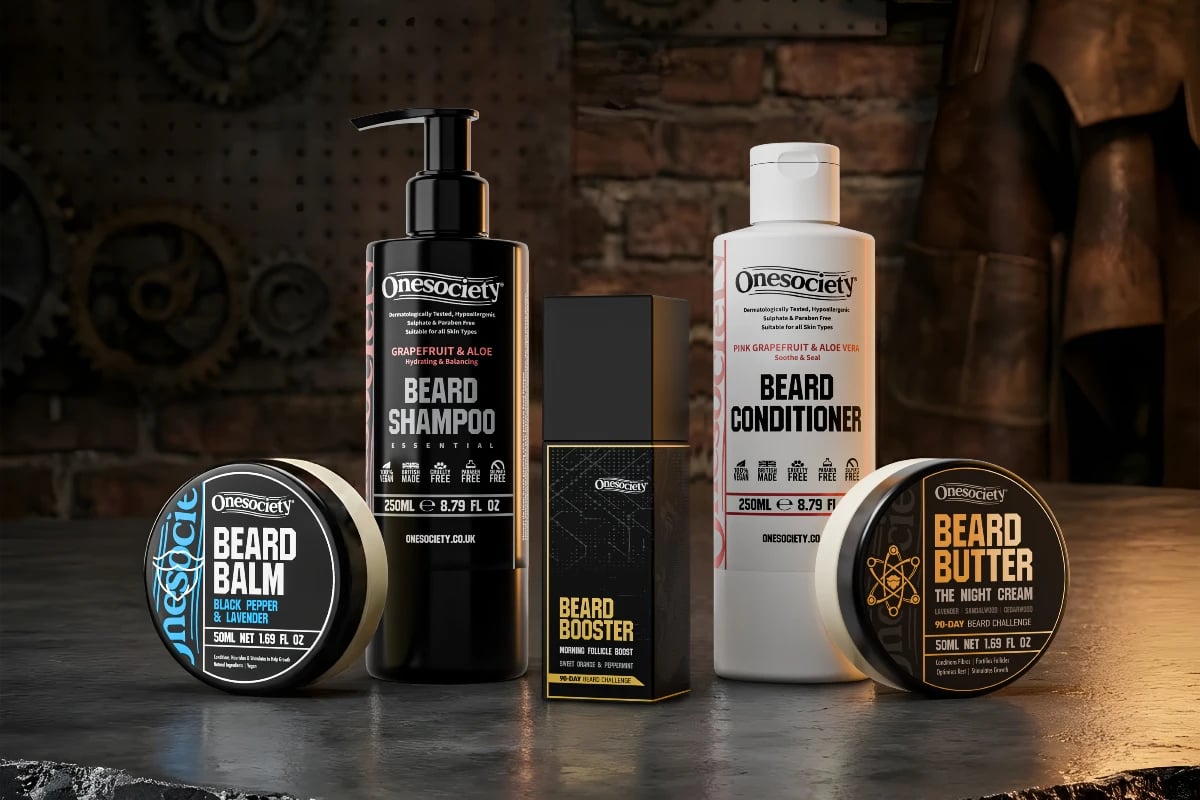
The 90-Day Beard Challenge provides exactly this comprehensive approach. This complete kit includes eight precision-formulated products working synergistically to eliminate itch whilst optimising growth. The Beard Booster stimulates blood flow to follicles through vasodilatory compounds, the Beard Butter delivers overnight recovery with intensive lipid replenishment, and the Hydro-Lock Balm creates protective barriers against daily environmental assault.
What separates systematic protocols from sporadic product use? Cellular adaptation. Consistent application trains your skin to maintain optimal hydration independently. The stratum corneum rebuilds its lipid matrix, sebaceous glands recalibrate output, and inflammatory pathways downregulate. By day 60-70, many men notice they need less product as their skin regains natural balance.
Ingredient Scrutiny: What to Seek and Avoid
Not all beard oils deliver therapeutic benefits. Marketing claims often exceed scientific reality. Evaluating ingredients separates evidence-based formulations from cosmetic placeholders.
Priority ingredients for itch relief:
| Ingredient Class | Examples | Mechanism | Concentration |
|---|---|---|---|
| Omega-6 fatty acids | Linoleic acid, GLA | Barrier repair, anti-inflammatory | 20-40% |
| Omega-9 fatty acids | Oleic acid | Penetration enhancement | 40-60% |
| Phytosterols | β-sitosterol, campesterol | Reduce inflammatory mediators | 0.5-2% |
| Tocopherols | Vitamin E | Antioxidant, membrane stabilisation | 0.1-0.5% |
| Anti-fungal terpenes | Tea tree, eucalyptus | Malassezia inhibition | 0.5-2% |
Conversely, certain common ingredients trigger sensitivity in susceptible individuals:
- Synthetic fragrances: Contain up to 200+ undisclosed compounds, many allergenic
- Coconut oil derivatives: High comedogenic rating (4/5), may clog follicles
- Citrus essential oils: Phototoxic compounds increase UV sensitivity
- Preservatives: Parabens and formaldehyde-releasers cause contact dermatitis in 2-4% of users
Reading beyond marketing requires ingredient list analysis. UK regulations mandate descending concentration order-the first five ingredients typically comprise 80-90% of total formula. If your beard oil lists "fragrance" or "parfum" in the top five, reconsider that choice.
Natural Formulation Philosophy: Why It Matters for Sensitive Skin
The shift toward 100% natural ingredients reflects emerging research on long-term skin health. Synthetic penetration enhancers like propylene glycol deliver rapid results but compromise barrier integrity over time. Natural formulations work slower but support sustainable skin function.
Onesociety's commitment to natural ingredients stems from this philosophy. Jojoba oil, argan oil, sweet almond oil, and hempseed oil provide complete fatty acid profiles without synthetic additives. This approach minimises allergic responses whilst delivering therapeutic compounds your skin recognises and utilises efficiently.
The advantage extends beyond safety. Natural oils contain hundreds of minor compounds (phytosterols, squalene, polyphenols) absent from synthetic alternatives. These create synergistic effects-the total benefit exceeds the sum of individual components. Biochemists call this the "entourage effect," well-documented in botanical medicine.
The Carrier Oil Hierarchy
Not all natural oils perform equally. Selecting the best carrier oil depends on matching fatty acid profiles to your specific skin needs:
- Jojoba oil: Biomimetic wax esters, non-comedogenic, stable oxidation resistance
- Argan oil: High vitamin E content, superior antioxidant protection
- Hempseed oil: Optimal omega-6:omega-3 ratio (3:1) matches skin requirements
- Sweet almond oil: Light texture, rapid absorption, suitable for sensitive skin
- Rosehip seed oil: Regenerative properties, high in trans-retinoic acid
Combining multiple carriers creates balanced profiles addressing different depths and functions. Premium formulations typically blend 3-5 carrier oils in specific ratios optimised through stability testing and clinical feedback.
Advanced Troubleshooting: When Standard Solutions Fail
Some men experience persistent itch despite proper beard oil for itching application. This resistance indicates deeper issues requiring investigation.
Systematic troubleshooting approach:
- Rule out product allergies: Discontinue all products for 5 days, then reintroduce one at a time, waiting 48 hours between additions
- Assess water quality: Hard water (high calcium/magnesium) deposits minerals that irritate skin; install shower filter
- Evaluate diet: Essential fatty acid deficiency manifests as dry, itchy skin; increase omega-3 intake
- Check medication side effects: Isotretinoin, statins, and diuretics reduce sebum production
- Consider hormonal factors: Testosterone fluctuations affect sebaceous gland activity
For men questioning whether they really need beard oil, the answer depends on sebum sufficiency. If your beard feels soft, your skin shows no flaking, and you experience zero itch after 2-3 days without product, your natural production suffices. Most men, however, benefit from supplemental moisture.
Seasonal Adjustments
Your skin's needs fluctuate with environmental conditions. Winter demands heavier formulations with increased occlusive properties. Summer heat increases sebum production, requiring lighter oils applied less frequently.
- Autumn/Winter protocol: Heavier oils (argan, avocado), twice-daily application, add balm for outdoor protection
- Spring/Summer protocol: Lighter oils (jojoba, grapeseed), once-daily application, increase cleansing frequency slightly
This seasonal cycling prevents over-conditioning in humid months and under-conditioning in dry periods. Many men discover that their "favourite" beard oil changes with the calendar-what works perfectly in January may feel too heavy in July.
Integration with Complete Grooming Routine
Beard care doesn't exist in isolation. Your overall skin health, hydration status, sleep quality, and stress levels influence facial skin condition. Holistic grooming addresses all contributing factors.
Synergistic practices include:
- Hydration: 2-3 litres daily water intake maintains skin turgor and supports sebum production
- Sleep optimisation: 7-9 hours nightly allows cellular repair and inflammatory resolution
- Stress management: Chronic cortisol elevation suppresses skin barrier function and increases inflammation
- Nutrition: Zinc, biotin, and essential fatty acids support healthy follicle function
- Physical activity: Improved circulation delivers nutrients to facial skin
The broader context of men's grooming encompasses these lifestyle factors. Beard oil for itching treats symptoms, but addressing root causes prevents recurrence.
Some wonder about daily beard washing frequency. The answer balances cleanliness with oil preservation. Most dermatologists recommend washing 4-5 times weekly unless you work in particularly dirty environments or exercise intensively daily.
Long-Term Beard Health: Building Sustainable Practices
The goal extends beyond eliminating current itch. Sustainable beard care creates conditions where itch doesn't develop. This requires understanding your skin's equilibrium point-the maintenance level where natural processes and external support balance perfectly.
Track your progress systematically:
- Week 1-2: Establish baseline itch severity (scale 1-10), note frequency and triggers
- Week 3-4: Implement consistent oil application, monitor improvement rate
- Week 5-8: Adjust product quantity and frequency based on results
- Week 9-12: Identify minimum effective dose that maintains itch-free status
This data-driven approach reveals your personal requirements. You might discover that 5 drops daily suffices, whilst your friend needs 10 drops twice daily. Individual variation stems from genetics, environment, and baseline sebum production rates.
Building sustainable beard care habits transforms grooming from reactive problem-solving to proactive maintenance. The compound effect of consistent care produces beards that not only look exceptional but feel comfortable throughout the day.
Beard itch disrupts life, but understanding the science behind inflammation and barrier dysfunction empowers you to address root causes systematically. Quality beard oil for itching repairs lipid barriers, reduces inflammatory signalling, and supports optimal follicle health through biomimetic fatty acid delivery. Whether you're battling new-growth irritation or managing long-term comfort, targeted natural formulations provide relief whilst promoting sustainable skin health. Onesociety combines scientific rigour with 100% natural ingredients to deliver comprehensive solutions that transform your beard experience from uncomfortable obligation to confident expression.