

You've spent months nursing your beard, yet those stubborn patches refuse to fill in. You've tried oils, balms, and every supposed miracle product, but the results remain disappointing. This comprehensive beard boost serum review cuts through marketing hype to deliver evidence-based insights into whether these concentrated formulas truly stimulate follicle growth or simply drain your wallet. We'll examine the biological mechanisms, scrutinise ingredient efficacy, and reveal what separates scientifically-backed solutions from empty promises.
The Patchy Beard Crisis Driving Serum Demand
Uneven beard growth affects approximately 40% of men attempting to grow facial hair. Genetics determines follicle density and distribution, creating frustrating gaps that undermine your beard's appearance.
Traditional grooming products moisturise existing hair but fail to address the underlying follicle health. Beard oils condition strands through fatty acid penetration, whilst balms provide hold and surface-level hydration. Neither targets the dermal papilla cells responsible for hair production.
Why Standard Products Fall Short
The issue stems from formulation depth. Most beard products sit on the epidermis, never reaching the follicle base where growth originates. The dermal papilla requires specific nutrient delivery and blood flow stimulation to trigger anagen phase activation.
This biological gap explains why good beard growth products must penetrate beyond surface layers. Your follicles need vasodilation compounds that increase capillary blood flow, delivering oxygen and nutrients to hair-producing cells.
The Agitation: Money Wasted on False Promises
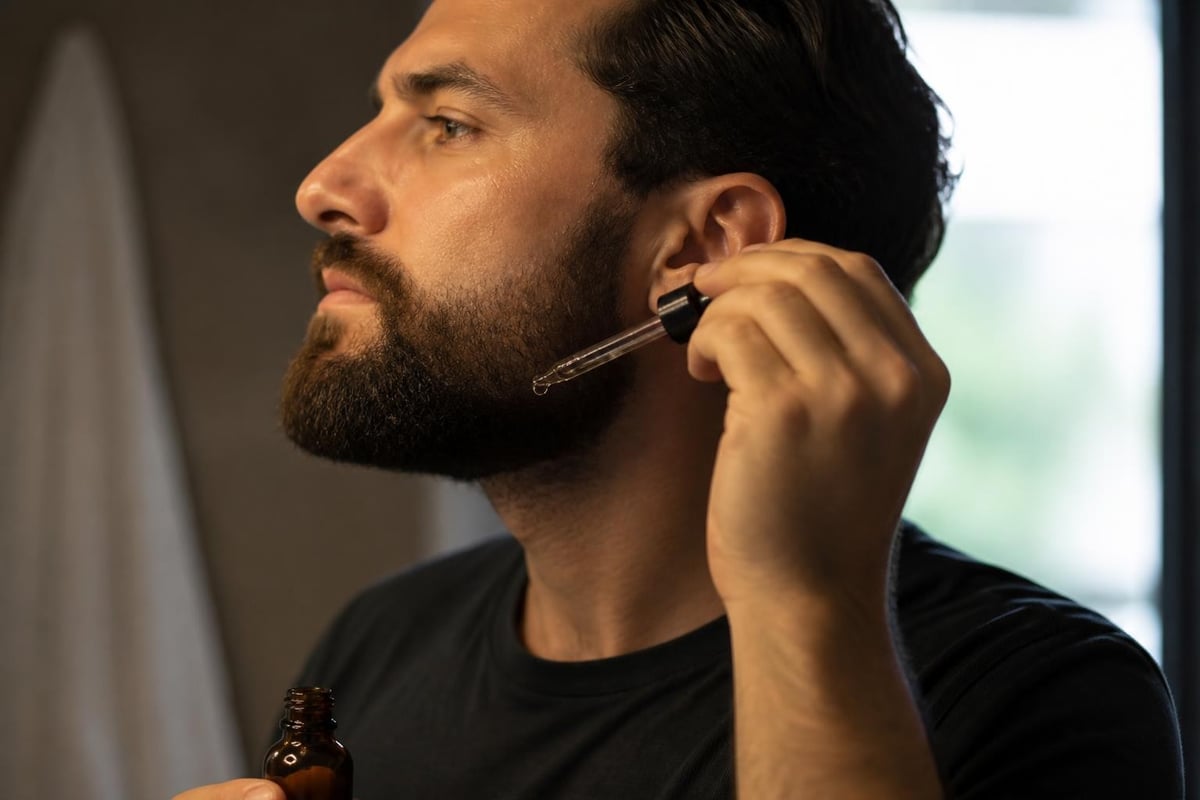
You've purchased countless products labelled "growth boosters" only to see zero difference after months of application. The grooming industry floods the market with serums making grandiose claims without clinical backing.
The Deception in Marketing Language
Manufacturers exploit your desperation with vague terminology. "Promotes growth" means absolutely nothing from a regulatory standpoint. "Nourishes follicles" sidesteps the question of whether it actually stimulates new hair production.
Common deceptive tactics include:
- Using before-and-after photos from different angles
- Attributing natural growth cycles to product efficacy
- Highlighting ingredient lists without dosage transparency
- Citing irrelevant studies on scalp hair rather than facial follicles
According to research on beard growth product effectiveness, most formulas lack clinical evidence supporting their growth claims. This leaves consumers navigating a minefield of expensive placebos.
The Financial Toll of Trial and Error
You've likely spent £200-500 testing various serums, each promising revolutionary results. Premium pricing suggests superior formulation, yet many high-cost products contain identical ingredients to budget alternatives. The difference lies in packaging and marketing spend, not efficacy.
This wasteful cycle damages more than your finances. Repeated disappointment erodes your confidence in natural solutions, pushing some towards pharmaceutical interventions with genuine side effects like skin irritation and unwanted hair growth in unintended areas.
What Constitutes a Legitimate Beard Boost Serum Review
An authentic evaluation examines three critical factors: ingredient bioavailability, concentration transparency, and independent verification. Without these elements, you're reading paid promotional content disguised as objective analysis.
Ingredient Efficacy: The Science Behind Claims
Scientifically-supported beard growth compounds include:
| Ingredient | Mechanism | Clinical Evidence |
|---|---|---|
| Biotin | Keratin synthesis cofactor | Improves hair structure; limited growth data |
| Castor Oil | Ricinoleic acid anti-inflammatory | Traditional use; minimal clinical trials |
| Peppermint Oil | Follicle blood flow vasodilation | Animal studies show anagen promotion |
| Caffeine | DHT blocking; cellular metabolism | Reduces hair loss in scalp studies |
| Redensyl | Stem cell activation | Manufacturer studies claim density increase |
Biotin (Vitamin B7) functions as a cofactor in keratin production, the structural protein forming hair shafts. Whilst deficiency causes brittle hair, supplementation above normal levels shows minimal growth enhancement in clinically-backed studies.
Castor oil's ricinoleic acid content reduces prostaglandin D2, an inflammation marker that inhibits hair growth. Its thick consistency also creates a barrier retaining moisture, though direct follicle stimulation remains scientifically unproven.
Peppermint oil demonstrates genuine vasodilation properties. When applied topically, menthol compounds trigger TRPM8 receptor activation, increasing blood vessel diameter. Enhanced circulation delivers nutrients and oxygen to follicle cells, potentially accelerating growth phases.
Concentration Matters More Than Presence
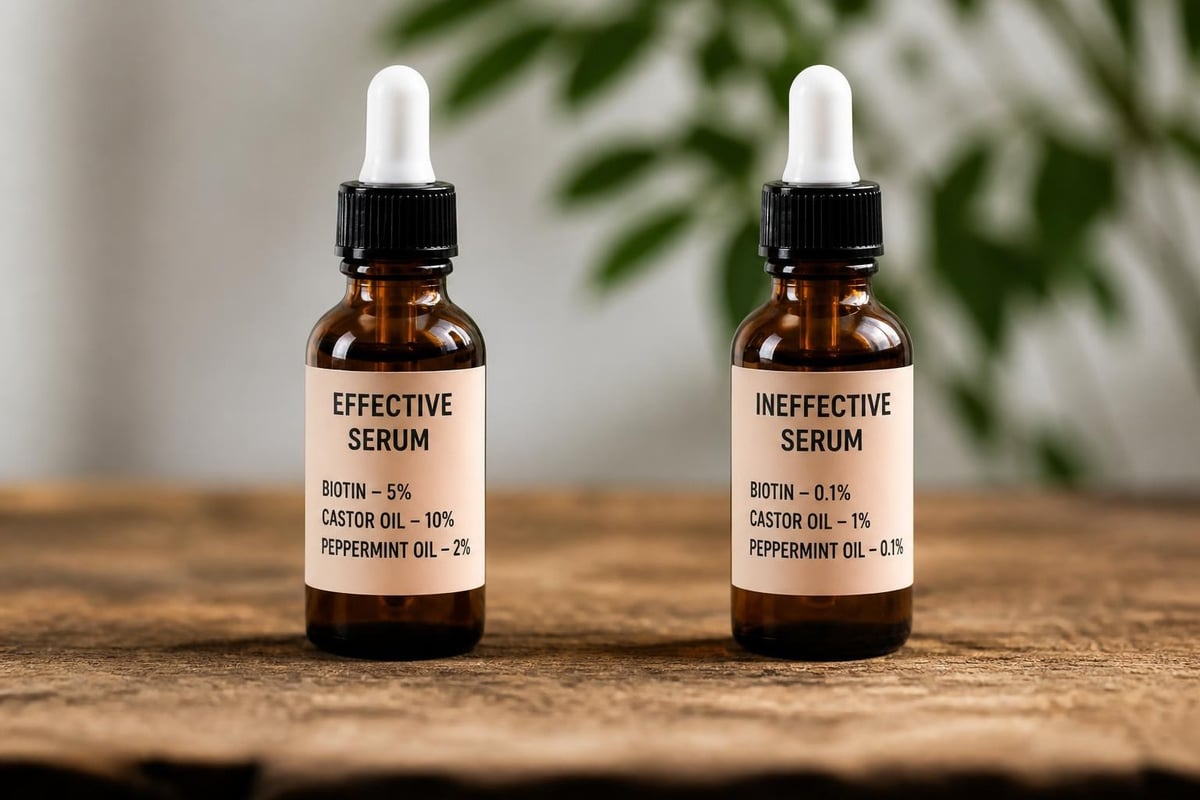
A serum listing peppermint oil means nothing if the concentration sits at 0.1%. Effective formulations require 3-5% active ingredient ratios to penetrate the epidermis and reach follicle structures.
Transparent brands publish concentration percentages. Vague "proprietary blend" labelling typically masks insufficient dosing designed to minimise costs whilst maintaining marketing claims.
Expert recommendations on growth serums consistently emphasise ingredient concentration over mere inclusion in formulas.
Decoding Real User Experiences in Beard Boost Serum Review Data
Consumer feedback reveals patterns that clinical studies often miss. Real-world application introduces variables like consistency, lifestyle factors, and genetic response variability.
Analysing Review Authenticity
Genuine user reviews demonstrate specific detail. "Filled patches in 8 weeks" provides timeline context. "Increased thickness around jawline" offers spatial specificity. Generic praise like "works great" signals potential fabrication.
Examining customer feedback on established serums reveals common themes. Users report modest improvements over 60-90 day periods, not overnight transformations. Realistic expectations separate satisfied customers from disappointed ones.
Red flags in review sections include:
- Identical phrasing across multiple accounts
- Five-star ratings without substantive commentary
- Photos showing dramatic changes in unrealistic timeframes
- Reviews appearing in clusters on specific dates
The 90-Day Benchmark
Follicle growth cycles operate in phases. The anagen (growth) phase for facial hair lasts 2-6 months. Expecting visible results within 2-3 weeks ignores fundamental biology.
Legitimate products recommend minimum 90-day trials because telogen (resting) follicles require this duration to transition into anagen. Early discontinuation yields incomplete data about actual efficacy.
The Solution: Evidence-Based Serum Selection Criteria
Effective beard boost serum selection requires systematic evaluation. Apply these criteria to separate functional formulas from marketing mirages.
Step-by-Step Vetting Process
1. Verify ingredient concentrations
Contact manufacturers directly requesting percentage breakdowns. Evasive responses indicate inadequate formulation. Transparent companies publish this data openly.
2. Cross-reference clinical studies
Search PubMed for ingredient names plus "hair growth" or "follicle stimulation". Independent research provides unbiased efficacy data compared to manufacturer claims.
3. Calculate cost per application
Divide total price by number of applications based on recommended dosage. Premium pricing only justifies itself with superior concentration or bioavailability enhancers.
4. Examine third-party testing
Reputable brands submit formulas for independent laboratory analysis. Certificates of analysis verify ingredient purity and concentration accuracy.
5. Assess return policies
Confident manufacturers offer money-back guarantees spanning 60-90 days. This demonstrates faith in product efficacy whilst protecting your investment.
Natural Ingredients with Scientific Backing
Botanical compounds offer growth stimulation without synthetic pharmaceutical risks. However, "natural" doesn't automatically mean "effective". These ingredients demonstrate legitimate biological mechanisms.
Biotin's Keratin Production Role
This B-vitamin serves as a cofactor for enzymes synthesising amino acids into keratin proteins. Your body cannot produce keratin without adequate biotin levels, making it essential for hair structure.
Deficiency causes brittle, weak hair strands prone to breakage. Supplementation corrects this structural weakness. However, super-dosing beyond daily requirements (30 micrograms) shows diminishing returns in clinical trials.
Castor Oil's Anti-Inflammatory Properties
The ricinoleic acid in castor oil inhibits prostaglandin D2 synthesis. This inflammatory compound accumulates around follicles experiencing miniaturisation, the process shrinking terminal hairs into vellus (peach fuzz) strands.
By reducing PGD2 levels, castor oil may prevent follicle shrinkage. Its thick consistency also traps moisture against the skin, maintaining hydration levels that support healthy follicle function.
Traditional use across cultures provides anecdotal support, though rigorous clinical trials remain limited. The compound's safety profile and moisturising benefits justify inclusion even without definitive growth evidence.
Caffeine's DHT Blocking Mechanism
Dihydrotestosterone (DHT) binds to follicle receptors, triggering miniaturisation in genetically susceptible areas. Caffeine demonstrates competitive inhibition, occupying these receptor sites and preventing DHT attachment.
Studies on scalp hair loss show caffeine extends the anagen growth phase whilst reducing DHT-induced damage. Facial follicles respond differently than scalp follicles, so direct extrapolation requires caution. Nevertheless, the biological mechanism suggests potential benefit.
Comprehensive Product Comparison Framework
This framework enables systematic serum evaluation beyond surface-level marketing. Apply it to any beard boost serum review you encounter.
| Evaluation Factor | Critical Questions | Red Flags |
|---|---|---|
| Formulation | Are concentrations published? What's the delivery mechanism? | "Proprietary blend" without percentages |
| Clinical Support | What independent studies exist? Are they on facial vs scalp hair? | Only manufacturer-sponsored research |
| User Feedback | Do reviews show specific details? What's the success rate? | Generic praise or clustered posting dates |
| Value Proposition | Cost per 30-day supply? Refund policy terms? | No guarantee or unrealistic promises |
| Company Transparency | Can you contact real customer service? Do they answer technical questions? | Automated responses or ingredient evasion |
Application Technique Optimisation
Even superior formulations fail without proper application. Serums require specific protocols maximising follicle absorption.
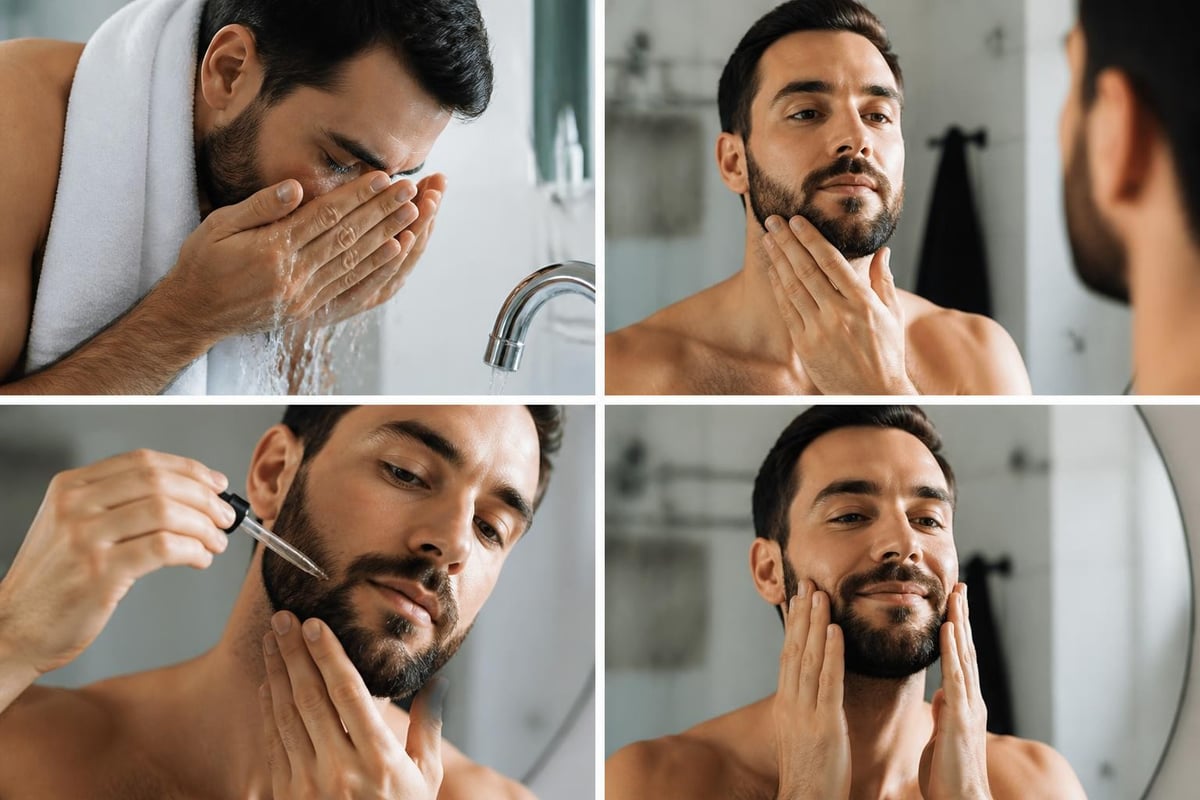
Optimal application steps:
- Cleanse face with pH-balanced wash removing oil buildup
- Pat dry-damp skin enhances penetration through temporary pore expansion
- Dispense 3-4 drops onto fingertips (more wastes product without benefit)
- Massage into problem areas using circular motions for 60-90 seconds
- Allow 10-15 minutes absorption before applying additional products
The massage component stimulates localised blood flow through mechanical pressure. This vasodilation complements serum ingredients promoting circulation, creating synergistic effects.
The Onesociety Approach to Follicle Activation
Natural formulations achieve results when engineered around biological mechanisms rather than marketing trends. The scientific method demands transparency, clinical thinking, and realistic timeframes.
Onesociety's Beard Booster exemplifies evidence-based formulation. Rather than listing dozens of trendy botanicals at ineffective concentrations, it focuses on proven vasodilators and follicle nutrients at therapeutic dosages. The formula combines peppermint oil's circulation enhancement with biotin's structural support, creating complementary pathways for growth stimulation.
What distinguishes this approach? Concentration transparency and the 90-day commitment period. The 90-Day Beard Challenge acknowledges biological reality-follicle cycles require three months minimum for visible transformation. This honest timeframe, backed by a full refund guarantee, demonstrates confidence in formulation efficacy rather than quick-fix marketing.
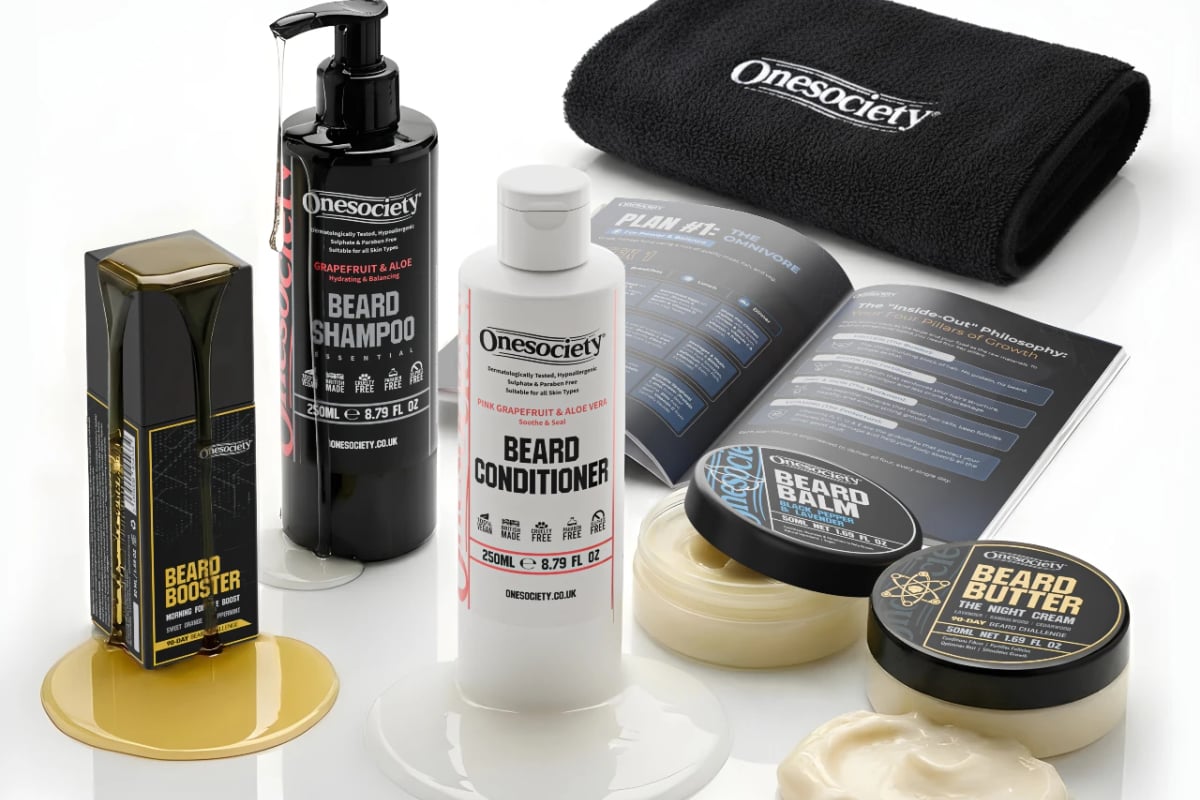
The kit includes complementary products addressing growth from multiple angles. Beard Butter provides overnight recovery through deep hydration, whilst the Hydro-Lock Balm prevents moisture loss during daytime exposure. This systematic approach recognises that growth requires consistent follicle health, not just isolated serum application.
Lifestyle Factors Amplifying Serum Effectiveness
External application represents only one growth variable. Internal health directly impacts follicle function through nutrient delivery and hormonal balance.
Nutritional Foundations
Follicles demand specific micronutrients for optimal keratin production. Zinc deficiency impairs protein synthesis, creating weak, slow-growing strands. Iron carries oxygen to follicle cells-without adequate levels, cells enter dormancy regardless of serum quality.
Essential beard growth nutrients:
- Zinc: Cofactor for DNA synthesis in rapidly-dividing follicle cells
- Iron: Oxygen transport to support cellular metabolism
- Vitamin D: Regulates hair cycle genes controlling anagen phase length
- Omega-3 fatty acids: Anti-inflammatory compounds reducing follicle stress
- Protein: Raw material for keratin structure (aim for 1.6g per kg bodyweight)
Blood tests identify deficiencies sabotaging your growth potential. Correcting nutritional gaps creates internal conditions where topical serums achieve maximum effect.
Sleep and Stress Management
Human growth hormone (HGH) peaks during deep sleep phases. This anabolic hormone drives cellular repair and proliferation, including follicle cells. Chronic sleep deprivation (under 7 hours nightly) reduces HGH secretion by up to 50%.
Cortisol, the stress hormone, antagonises growth processes. Elevated levels shift bodily resources towards immediate survival functions, deprioritising "non-essential" activities like hair production. Stress management through exercise, meditation, or therapy indirectly supports beard growth by normalising hormonal balance.
Comparing Beard vs Scalp Hair Growth Dynamics
Many beard boost serum reviews mistakenly cite scalp hair studies as direct evidence. Whilst both involve keratin-based follicles, key differences affect treatment response.
Hormonal Sensitivity Differences
Scalp follicles miniaturise under DHT exposure in genetically-susceptible individuals. Facial follicles require DHT for terminal hair development-it's an essential growth signal rather than a destructive force.
This fundamental distinction means DHT-blocking ingredients beneficial for scalp retention may actually inhibit beard growth. Caffeine's mechanism works differently on facial versus scalp follicles, requiring separate clinical validation.
Growth Cycle Variations
Scalp hair anagen phases last 2-7 years, creating continuous long-term growth. Facial hair anagen spans 2-6 months before entering catagen (transition) and telogen (rest) phases.
This shorter cycle means beard growth responds faster to interventions. You'll notice serum effects within 60-90 days, whereas scalp treatments require 6-12 months for equivalent assessment.
The Minoxidil Question in Beard Boost Serum Review Discussions
No beard growth discussion remains complete without addressing minoxidil, the only FDA-approved hair growth compound. Originally developed for hypertension, its vasodilating properties accidentally triggered hair growth.
Mechanism and Efficacy
Minoxidil widens blood vessels through potassium channel opening. Enhanced circulation delivers nutrients and oxygen to follicles whilst directly stimulating cells to enter anagen phase.
Clinical studies demonstrate effectiveness for beard growth, though FDA approval covers only scalp application. Users report visible density increases within 3-6 months of consistent twice-daily application.
The Trade-Off Analysis
Benefits:
- Clinically-proven follicle stimulation
- Activates dormant follicles into growth phase
- Increases existing hair diameter
Drawbacks:
- Requires indefinite continuation (growth reverses upon cessation)
- Common side effects: skin dryness, irritation, unwanted facial hair outside beard area
- Potential cardiovascular effects in sensitive individuals
- Chemical intervention versus natural approach preference
Natural serums offer gentler alternatives without pharmaceutical dependencies. Whilst effects may prove subtler, the absence of side effects and discontinuation concerns appeals to men seeking sustainable, holistic solutions.
For those interested in comprehensive beard care beyond growth, exploring options like beard balm formulations provides styling and conditioning benefits that complement growth-focused treatments.
Realistic Expectation Setting Through Honest Beard Boost Serum Review
The grooming industry profits from inflated expectations. Honesty about realistic outcomes prevents disappointment whilst enabling informed decisions.
What Serums Can Achieve
- Modest density improvements in existing coverage areas (10-20% increase over 90 days)
- Accelerated growth phase transitions for telogen follicles approaching anagen
- Enhanced hair quality through improved follicle nutrition (thickness, shine, strength)
- Reduced inflammation that inhibits follicle function in problematic areas
What Serums Cannot Achieve
- Creating follicles where none exist genetically
- Overriding genetic density limitations
- Overnight or even week-to-week dramatic changes
- Uniform results across all users (genetic response variability is significant)
Genetics establishes your follicle ceiling. Serums optimise what exists but cannot manufacture biological structures your DNA didn't code for. Men with sparse follicle distribution due to genetics will see limited results compared to those with adequate follicles simply underperforming.
Integration with Comprehensive Beard Care Protocols
Serums function best within holistic grooming systems. Isolated application without supporting practices yields suboptimal results.
The Synergistic Product Stack
Morning and evening routines should address different follicle needs. Morning application focuses on protection and styling, whilst evening prioritises recovery and growth stimulation.
Morning protocol:
- Cleanse with pH-balanced beard shampoo (2-3 times weekly)
- Apply growth serum to damp skin
- Follow with lightweight beard oil for conditioning
- Style using balm if needed
Evening protocol:
- Rinse away daily buildup
- Apply growth serum as primary treatment
- Massage in beard butter for overnight deep conditioning
- Allow absorption without additional products
This separation prevents product interference whilst maximising active ingredient contact time with follicles.
Exploring various beard oil formulations helps identify complementary products that enhance serum efficacy through synergistic ingredient combinations.
Final Verdict Framework for Any Beard Boost Serum Review
When evaluating serums yourself or reading others' assessments, apply this decision matrix:
Purchase if the product demonstrates:
- Published ingredient concentrations above 3% for active compounds
- Independent clinical studies (not just manufacturer claims)
- Transparent customer service answering technical questions
- Money-back guarantee spanning 60-90 days minimum
- Realistic marketing language avoiding overnight promises
- User reviews with specific detail and reasonable timelines
Avoid if the product shows:
- Vague "proprietary blend" formulations hiding concentrations
- Only manufacturer-sponsored research or testimonials
- Unrealistic before-after photos or timeline claims
- No guarantee or restrictive return conditions
- Generic five-star reviews lacking substantive content
- Pricing disconnected from ingredient costs
This systematic approach transforms you from passive consumer into informed evaluator. The beard grooming market contains genuine solutions alongside opportunistic cash-grabs. Your ability to distinguish between them determines whether you achieve results or simply enrich deceptive marketers.
Understanding the science behind effective beard growth products empowers better purchasing decisions across your entire grooming routine, not just serum selection.
This beard boost serum review reveals that follicle stimulation requires evidence-based formulations applied consistently over 90-day minimum periods. Success depends on concentration transparency, realistic expectations, and comprehensive care protocols addressing nutrition, sleep, and proper application technique. Onesociety combines scientific rigour with natural ingredient philosophy, offering products engineered around biological mechanisms rather than marketing trends-explore their evidence-backed formulations to transform your beard growth journey through sustainable, clinically-informed solutions.