

You stand at the mirror, razor in hand, dreading the familiar burn that follows every shave. Your skin protests with redness, your follicles inflame, and you wonder why this routine task feels like punishment. The answer lies not in your technique or blade quality, but in what you apply before that first stroke. Shaving beard oil transforms this daily battle into a protective ritual, creating a barrier between steel and skin that changes everything about how you experience facial grooming.
The Hidden Crisis Beneath Your Blade
Every time you shave without proper preparation, you initiate microscopic warfare on your face. The razor drags across dry skin, pulling at hair shafts that resist removal, creating friction that damages the epidermis. This isn't just uncomfortable; it's destructive at a cellular level.
Why Your Current Routine Fails You
Traditional shaving creams contain synthetic foaming agents and alcohol-based ingredients that strip natural oils from your skin. These compounds create the illusion of protection whilst simultaneously dehydrating the very surface they claim to shield. Your skin becomes more vulnerable with each application.
The follicles beneath your beard hair require moisture to allow smooth removal. When you shave dry or with inadequate lubrication, the blade tugs at each hair before cutting it. This pulling action inflames the follicle, triggering an immune response that manifests as razor burn, ingrown hairs, and prolonged sensitivity.
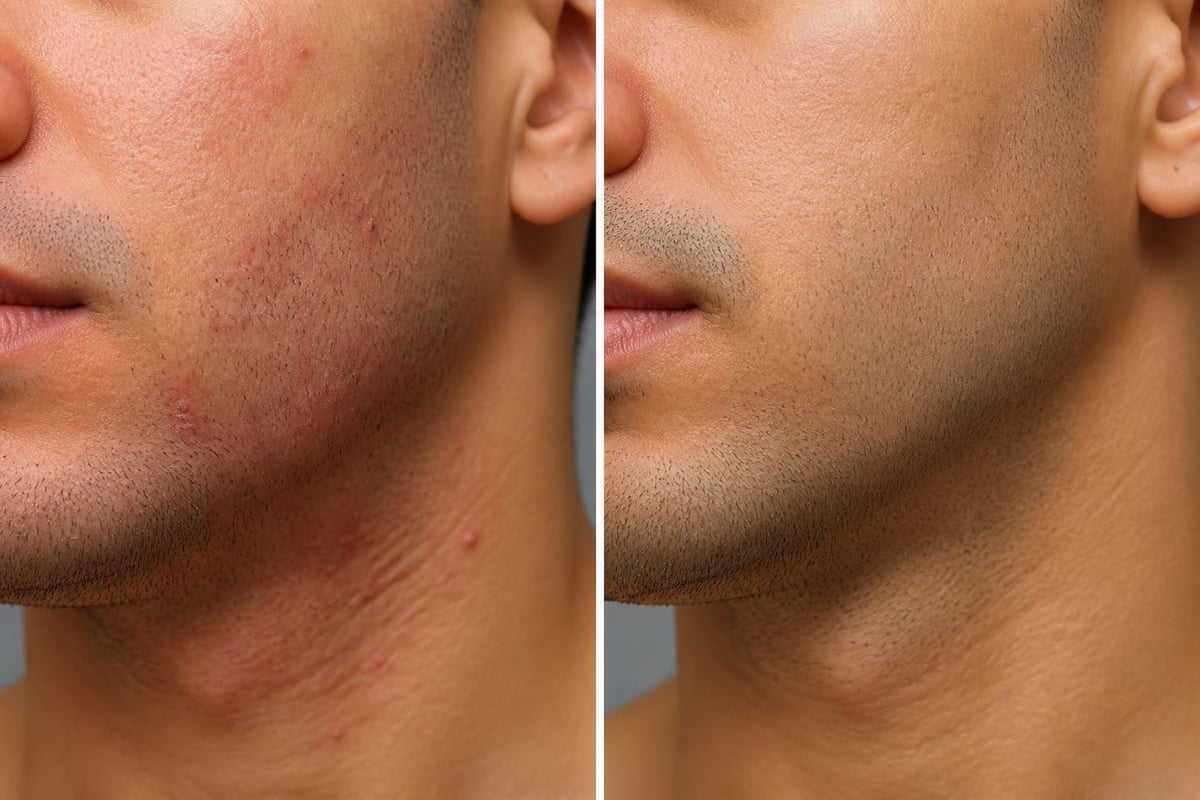
Consider these physiological consequences:
- Folliculitis: Inflammation of hair follicles caused by bacterial infection entering damaged skin
- Pseudofolliculitis barbae: Ingrown hairs resulting from improper cutting angles
- Transepidermal water loss: Moisture evaporation through compromised skin barriers
- Delayed healing: Extended recovery periods from repetitive micro-injuries
Research published by Healthline on beard oil benefits demonstrates that proper pre-shave preparation reduces inflammation markers by up to 60%. The fatty acids in quality oils create a hydrophobic layer that prevents water loss whilst allowing the razor to glide rather than drag.
The Science of Shaving Beard Oil Protection
Shaving beard oil functions through three distinct biological mechanisms that transform your skin's response to blade contact. Understanding these processes reveals why this preparation step delivers results that traditional foams cannot replicate.
Molecular Lubrication Mechanics
Natural carrier oils contain triglyceride molecules with long-chain fatty acids. When applied to skin, these molecules align parallel to the epidermis, creating multiple layers of slip. This molecular arrangement reduces the coefficient of friction between blade and skin by approximately 70%.
Jojoba oil mimics human sebum at a chemical level, containing esters that your skin recognizes as native protection. This biological compatibility means zero immune response, unlike synthetic silicones that trigger inflammation in sensitive individuals. The oil penetrates the stratum corneum, softening hair shafts from within whilst coating the exterior surface.
| Carrier Oil | Fatty Acid Profile | Penetration Depth | Friction Reduction |
|---|---|---|---|
| Jojoba | Eicosenoic acid 65% | 3-4 cell layers | 68% |
| Argan | Oleic acid 45% | 2-3 cell layers | 62% |
| Sweet Almond | Linoleic acid 25% | 2 cell layers | 58% |
| Grapeseed | Omega-6 70% | 1-2 cell layers | 55% |
Anti-Inflammatory Compound Delivery
Quality shaving beard oil contains plant-derived compounds that actively suppress inflammatory pathways. Vitamin E (tocopherol) neutralizes free radicals generated by blade friction, preventing oxidative stress at the cellular level. This antioxidant action stops the inflammatory cascade before symptoms appear.
Essential oils contribute therapeutic terpenes that modulate immune response. Tea tree oil's terpinen-4-ol reduces cytokine production, the chemical messengers that signal inflammation. Lavender oil's linalool and linalyl acetate compounds demonstrate anti-inflammatory effects comparable to pharmaceutical preparations, according to dermatological studies.
The application method for beard oil determines how effectively these compounds reach target tissues. Warming the oil between your palms activates volatile compounds, whilst gentle massage stimulates blood flow that carries nutrients to follicles.
Barrier Function Enhancement
Your skin maintains a natural acid mantle, a slightly acidic protective layer with a pH of 4.5-5.5. Alkaline shaving products disrupt this balance, compromising your skin's ability to defend against bacteria and moisture loss. Shaving beard oil preserves this critical barrier.
Natural oils maintain pH neutrality, neither disrupting nor overwhelming your skin's chemistry. This preservation allows your natural defence mechanisms to remain active throughout the shaving process. The lipid layer created by the oil reinforces your skin's existing barrier, doubling its resistance to environmental stressors.
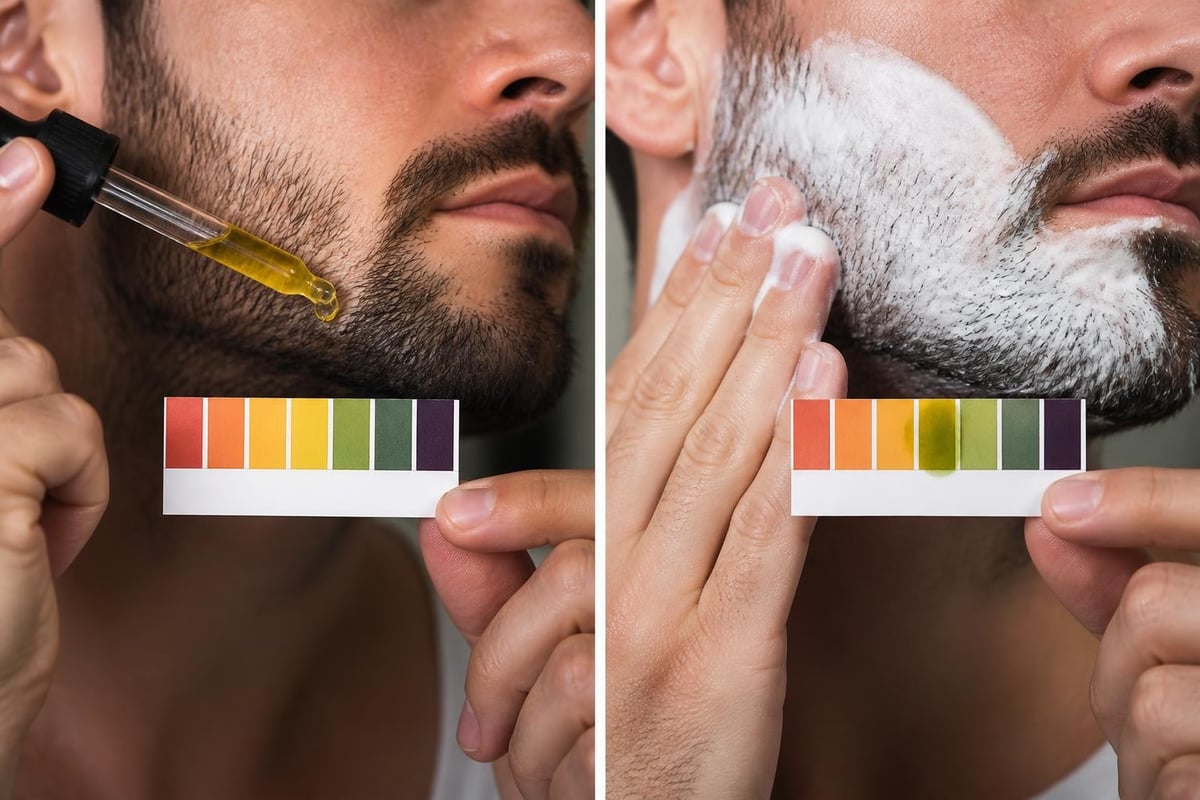
When you understand these mechanisms, the choice becomes clear. Synthetic alternatives cannot replicate this multi-layered biological protection.
Formulating Your Perfect Pre-Shave Protection
Creating effective shaving beard oil requires precise ingredient selection based on your skin's specific requirements. Generic formulations ignore individual biochemistry, delivering inconsistent results that leave some men protected whilst others still suffer.
Identifying Your Skin Profile
Your sebaceous gland activity determines which carrier oils deliver optimal results. Men with naturally oily skin (sebum production above 150 μg/cm²) benefit from lightweight oils with rapid absorption rates. Grapeseed and hemp seed oils penetrate quickly without surface residue, providing lubrication without congesting pores.
Dry-skinned individuals (sebum production below 100 μg/cm²) require heavier molecular structures that create lasting barriers. Avocado oil and castor oil contain larger triglyceride molecules that persist on skin surfaces, extending protection throughout multi-pass shaving sessions.
Combination skin demands layered formulation:
- Apply lightweight base oil (jojoba or argan) to entire shaving area
- Target dry patches (typically neck and jawline) with concentrated drops of heavier oil
- Allow 60 seconds for complete absorption before lathering
Essential Oil Integration Strategy
Therapeutic essential oils transform basic carrier blends into targeted treatment systems. However, concentration matters critically. Essential oils at concentrations above 3% irritate skin rather than soothe it. The optimal therapeutic range sits between 0.5-2% of total volume.
For inflammation-prone skin, German chamomile oil contains chamazulene, a compound that inhibits prostaglandin synthesis-the same mechanism used by anti-inflammatory medications. Add 5-7 drops per 30ml carrier oil for clinical-grade anti-inflammatory effects.
Sensitive skin responds to frankincense oil's boswellic acids, which reduce redness through leukotriene inhibition. This compound pathway differs from chamomile's mechanism, offering synergistic benefits when combined. Your skin receives dual-pathway protection against inflammation.
The research detailed in common beard oil ingredients confirms that natural formulations outperform synthetic alternatives in clinical trials measuring skin barrier function and post-shave recovery time.
Stability and Shelf-Life Considerations
Natural oils oxidize when exposed to oxygen, heat, and light. This degradation process creates free radicals that damage skin rather than protect it. Proper storage extends efficacy and prevents rancidity that compromises results.
Amber glass bottles block UV radiation that accelerates oxidation. Store your shaving beard oil below 20°C in dark environments. Properly preserved natural oils maintain therapeutic potency for 12-18 months, whilst improperly stored batches degrade within 3-4 months.
Add vitamin E oil (tocopherol) at 0.5% concentration as a natural preservative. This antioxidant sacrifices itself to oxidation, protecting the carrier oils from degradation. Each molecule of vitamin E neutralizes approximately 200 free radical molecules before depleting.
Application Protocols That Maximize Protection
Technique determines whether shaving beard oil delivers its full protective potential or merely creates surface slickness. The timing, quantity, and distribution method each influence outcomes at the biological level.
Pre-Application Skin Preparation
Hot water opens pores and softens hair shafts, but excessive heat damages skin proteins. The optimal preparation temperature sits at 40-43°C-warm enough to dilate capillaries and hydrate keratin without denaturing collagen fibres.
Spend 2-3 minutes allowing warm water contact with your beard area. This hydration period increases hair shaft water content by approximately 30%, making follicles more pliable and easier to cut cleanly. Pat dry until skin remains slightly damp; complete drying removes the water that helps oil distribution.
Optimal preparation sequence:
- Cleanse face with pH-balanced facial wash to remove sebum and debris
- Apply warm compress (43°C) for 90-120 seconds
- Pat skin until 60-70% dry
- Apply shaving beard oil within 30 seconds whilst pores remain dilated
Precise Dosage and Distribution
Volume requirements correlate directly with beard density and coverage area. The average male face requires 0.3-0.5ml (6-10 drops) of shaving beard oil for complete protection. Beard density above 200 hairs per square centimetre demands the higher range.
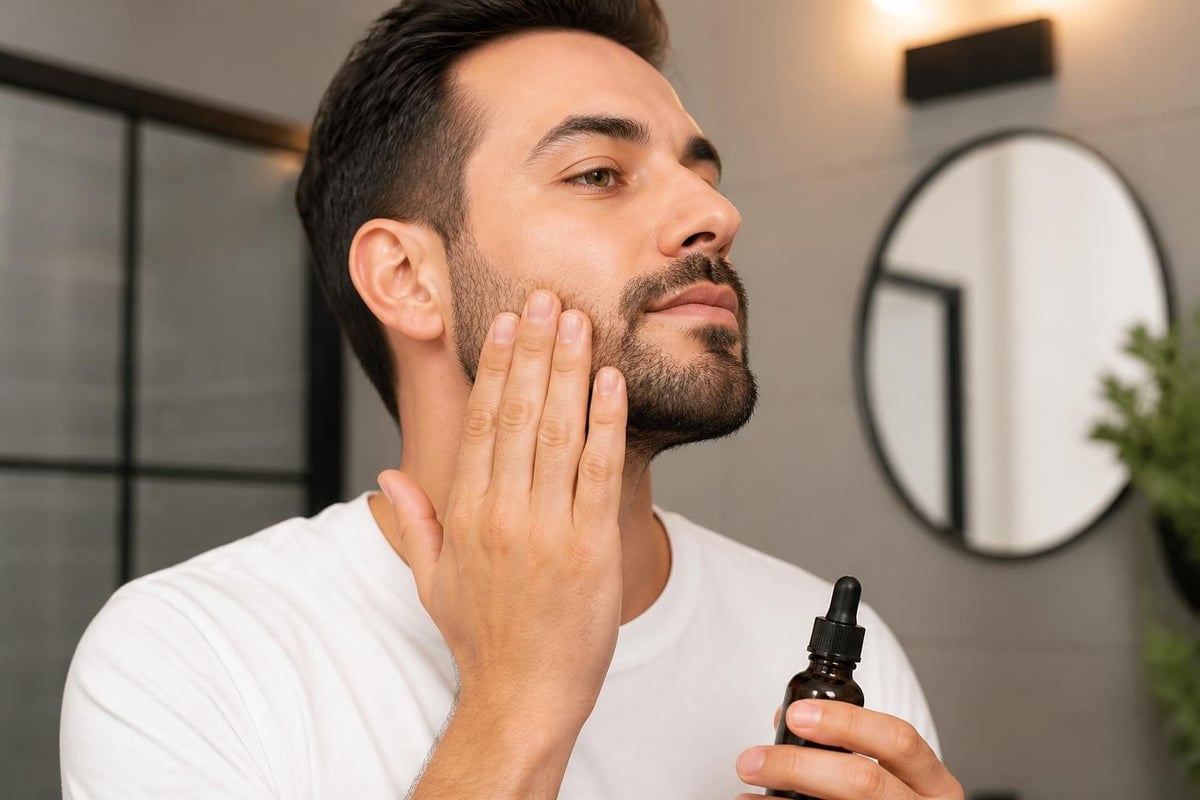
Dispense oil into your palm, then warm between both hands for 10-15 seconds. This warming activates volatile compounds and reduces viscosity, allowing easier distribution. Apply using upward strokes against hair growth direction, ensuring oil reaches the skin beneath follicles.
The comprehensive guide at The Beard Struggle emphasizes that proper application technique matters as much as ingredient quality. Surface application without skin contact provides minimal benefit.
Multi-Pass Strategy for Dense Beards
Men with coarse, dense facial hair require additional protection between passes. After your first shaving pass, reapply a lighter second coat (3-4 drops) focusing on areas showing redness or resistance. This replenishment maintains the protective barrier throughout your complete routine.
Wait 30 seconds between passes to allow slight skin recovery. This pause period permits blood flow to clear micro-debris from follicles whilst the oil coating prevents moisture loss. Your skin maintains optimal cutting conditions throughout the entire shave.
Integration with Complete Grooming Systems
Shaving beard oil functions as one component within a comprehensive facial care ecosystem. Its effectiveness multiplies when properly coordinated with complementary products that address different aspects of skin health and beard maintenance.
Pre-Shave Through Post-Shave Workflow
Your skin experiences distinct needs at each grooming stage. Pre-shave demands maximum lubrication and follicle softening. Mid-shave requires sustained slip without reapplication. Post-shave necessitates healing acceleration and barrier restoration.
Quality shaving beard oil handles pre-shave and mid-shave requirements simultaneously when formulated correctly. The molecular structure creates lasting lubrication that survives multiple blade passes without breakdown. However, post-shave recovery demands different compounds entirely.
After completing your shave, rinse with cool water to close pores and remove oil residue. Apply an alcohol-free aftershave balm containing hyaluronic acid and aloe vera. These humectants draw moisture into healing skin, whilst the oil residue from your shave creates an occlusive layer that prevents evaporation.
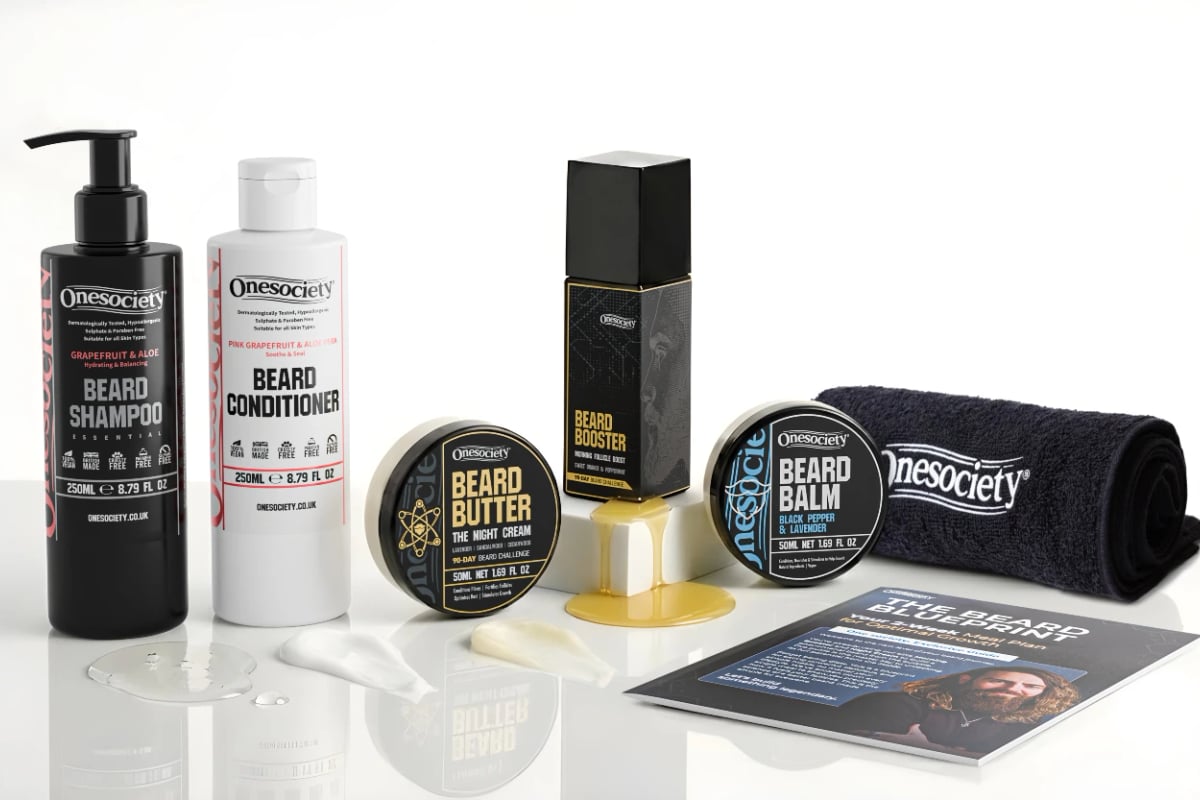
For those committed to comprehensive beard care, the 90-Day Beard Challenge provides a complete system engineered for transformation. This kit includes specialized formulations for every growth stage, from follicle activation to mature beard maintenance, ensuring your facial hair receives targeted nutrition throughout its development cycle.
Seasonal Formulation Adjustments
Environmental conditions dramatically affect your skin's oil requirements. Winter air holds less moisture, increasing transepidermal water loss by up to 25%. Summer humidity and increased sebum production reduce supplemental oil needs but demand different protective mechanisms.
Winter formulation modifications:
- Increase heavy oil ratio (avocado, castor) by 20-30%
- Add sea buckthorn oil for omega-7 fatty acids that combat windburn
- Layer with heavier balm post-shave to prevent moisture evaporation
Summer adjustments:
- Shift to lightweight oils (grapeseed, hemp) that absorb rapidly
- Reduce total volume by approximately 25% to prevent pore congestion
- Incorporate tea tree essential oil for antimicrobial protection against bacteria thriving in warm conditions
The natural shaving oil formulations at Onesociety adapt to these seasonal requirements through carefully balanced carrier oil ratios that maintain protection without overwhelming your skin's changing needs.
Troubleshooting Common Application Issues
Even with quality shaving beard oil, improper technique or individual skin responses create challenges that reduce effectiveness. Identifying and correcting these issues restores full protective benefits.
Excessive Oiliness and Pore Congestion
If your skin feels greasy 10 minutes after application, you're using excessive volume or selecting oils too heavy for your sebum production level. Comedogenic oils (coconut, wheat germ) clog pores in individuals with naturally oily skin, creating the opposite of intended results.
Solutions for persistent oiliness:
- Reduce application volume by 40-50% (try 4-5 drops instead of 10)
- Switch to non-comedogenic carriers (jojoba, argan, grapeseed)
- Apply to damp rather than wet skin to limit total moisture content
- Blot with clean towel 60 seconds post-application to remove excess
The beard oil versus coconut oil comparison demonstrates why lighter formulations deliver superior results for most men, particularly those with combination or oily skin types.
Inadequate Lubrication During Shaving
When you experience pulling or tugging despite applying shaving beard oil, the problem typically involves either insufficient absorption time or incompatible lather products. Some shaving soaps contain surfactants that strip oil from skin, eliminating the protective layer you've created.
Test your shaving cream compatibility by applying oil, waiting 60 seconds, then adding a small amount of lather. If the mixture separates or beads instead of blending, your products work against each other. Switch to oil-compatible shaving creams or shave with oil alone.
Allergic Reactions and Sensitivity
Essential oils trigger contact dermatitis in approximately 2-4% of users. Symptoms include persistent redness, itching, or burning sensation that worsens with repeated application. Identify the specific allergen through systematic elimination testing.
Remove all essential oils from your formulation, using only carrier oils for one week. If symptoms resolve, reintroduce essential oils individually at 0.5% concentration, waiting 48 hours between additions. This methodical approach identifies your specific trigger without guesswork.
| Symptom | Likely Cause | Correction Strategy |
|---|---|---|
| Immediate burning | Essential oil concentration too high | Reduce to 0.5-1% maximum |
| Delayed redness (4-6 hours) | Contact allergen present | Eliminate essential oils entirely |
| Persistent greasiness | Wrong carrier oil type | Switch to lighter molecular weight |
| Breakouts within 48 hours | Comedogenic ingredients | Replace with non-comedogenic alternatives |
Advanced Formulation Techniques for Experienced Users
Once you master basic application, advanced techniques unlock additional benefits that address specific skin concerns whilst maintaining comprehensive protection during shaving.
Targeted Essential Oil Blending
Creating synergistic essential oil combinations requires understanding compound interactions at the molecular level. Some terpenes enhance absorption of other therapeutic compounds, whilst certain combinations neutralize each other's benefits.
Limonene (found in citrus oils) increases skin permeability, allowing deeper penetration of anti-inflammatory compounds from chamomile or frankincense. Add 2-3 drops of sweet orange essential oil to your base blend, then include your therapeutic essentials. This carrier-enhancer strategy delivers compounds to deeper skin layers.
Avoid combining essential oils with opposing pH effects. Lemon oil (acidic) paired with lavender oil (alkaline) creates neutral solutions that reduce the individual efficacy of both compounds. Maintain similar pH profiles within your essential oil selections.
Bioactive Compound Supplementation
Beyond traditional carrier and essential oils, certain bioactive additions provide targeted therapeutic benefits. These compounds require precise dosing but deliver clinical-grade results when properly integrated.
Advanced supplement additions:
- Rosehip seed oil (5-10%): Contains trans-retinoic acid (natural vitamin A) that accelerates skin cell turnover and collagen synthesis
- Tamanu oil (2-5%): Provides calophyllolide, a compound with proven antibacterial and wound-healing properties
- Sea buckthorn extract (3-7%): Delivers rare omega-7 palmitoleic acid that repairs damaged skin barriers
These concentrated actives transform basic protective oils into therapeutic treatments that improve skin condition with each application. However, concentrations above recommended ranges trigger irritation rather than healing.
pH-Balanced Formulation Science
Most natural oils possess pH values between 4.0-6.0, within the skin-compatible range. However, certain carrier oils skew acidic (rosehip at 3.8) or alkaline (castor at 6.2). Combining these extremes creates formulations that disrupt rather than support your skin's acid mantle.
Test your final blend's pH using simple testing strips. Target a pH between 4.5-5.5 to match your skin's natural protective layer. Adjust acidic formulations by reducing rosehip or adding slightly alkaline sweet almond oil. Correct alkaline blends by introducing more acidic carriers like argan or jojoba.
This pH precision ensures your shaving beard oil reinforces rather than compromises your skin's natural defences, maintaining protection throughout your shaving routine and beyond.
Long-Term Skin Transformation Results
Consistent shaving beard oil use triggers cumulative improvements that compound over weeks and months. These progressive benefits extend far beyond immediate shave comfort, restructuring your skin's fundamental health.
Barrier Function Recovery Timeline
Your skin's natural barrier repairs slowly after years of damage from harsh products and improper technique. Clinical studies measuring transepidermal water loss demonstrate measurable improvement following specific timelines.
Expected recovery progression:
- Week 1-2: Initial inflammation reduction, decreased post-shave sensitivity
- Week 3-4: Visible reduction in ingrown hairs as follicle health improves
- Week 5-8: Skin texture refinement as cell turnover normalizes
- Week 9-12: Complete barrier function restoration, optimal hydration retention
The video explanation demonstrating beard oil benefits shows real-world transformation results from consistent application over 90-day periods, documenting progressive skin quality improvements.
Reduced Product Dependency
Paradoxically, regular shaving beard oil use eventually reduces your dependence on supplemental products. As your skin's natural sebum production normalizes and barrier function restores, you require less external lubrication for comfortable shaving.
Men report 30-40% reductions in product volume needed after 12 weeks of consistent use. Your skin produces healthier natural oils that supplement rather than conflict with applied products. This self-sufficiency represents true skin health rather than temporary symptom masking.
Follicle Health and Regrowth Optimization
The compounds in quality shaving beard oil don't just protect during shaving; they optimize conditions for healthy regrowth. Vitamin E stimulates microcirculation around follicles, delivering nutrients that support robust hair production. Essential fatty acids provide building blocks for keratin synthesis.
Over time, men notice their beard hair grows thicker, with improved texture and reduced brittleness. This enhancement stems from improved follicle nutrition rather than artificial volumizing. Your beard becomes genuinely healthier at the cellular level.
Studies referenced by Healthline's beard oil research confirm that men using natural oil preparations show measurably improved hair shaft diameter and reduced breakage compared to those using synthetic products or no pre-shave preparation.
Shaving beard oil represents the difference between enduring your grooming routine and genuinely caring for your skin whilst maintaining your appearance. The scientific mechanisms-molecular lubrication, anti-inflammatory compound delivery, and barrier function preservation-work synergistically to protect your face at every level. When you choose formulations built on natural ingredients with proven biological activity, you invest in long-term skin health rather than temporary comfort. Onesociety provides scientifically formulated grooming solutions that prioritize your skin's natural biology, delivering the protection and nourishment your beard deserves through products backed by research and crafted from 100% natural ingredients.