

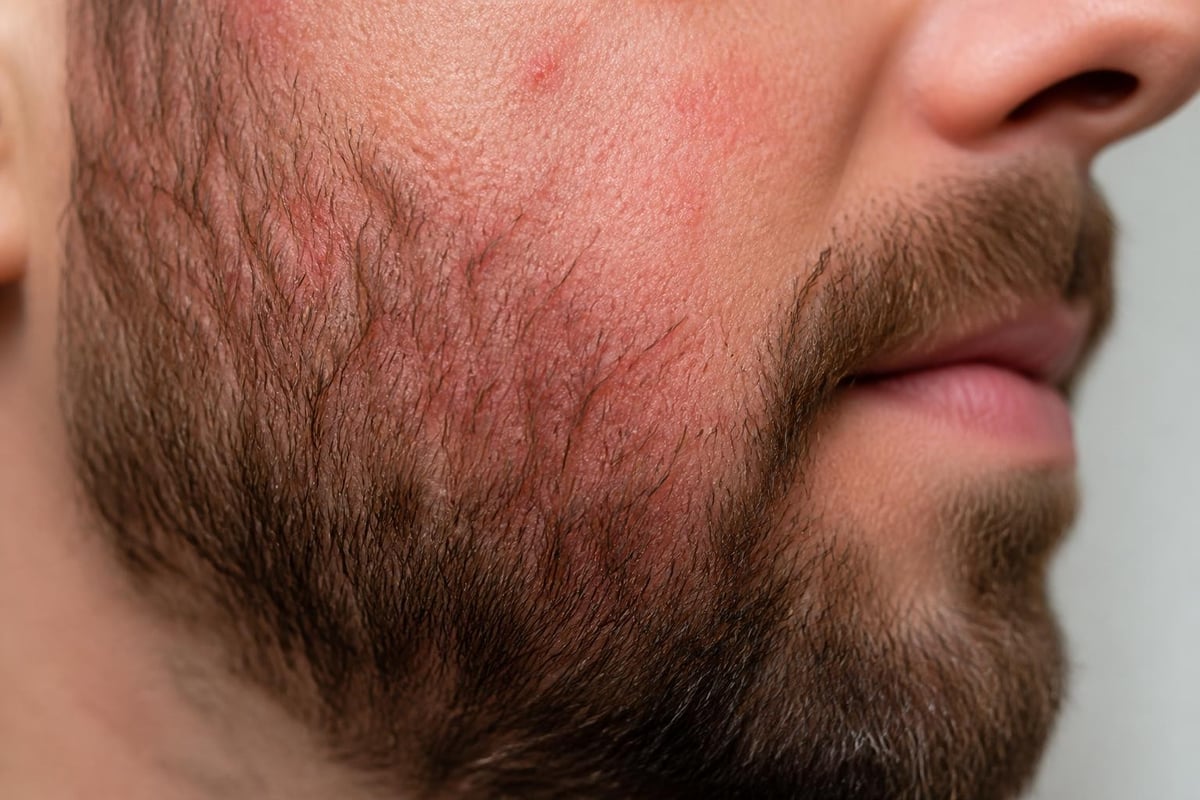
You glance in the mirror and notice white flakes scattered across your dark shirt. Your beard itches relentlessly, and when you scratch, a snowstorm of dandruff cascades onto your collar. This isn't just an aesthetic problem-it's a sign that the skin beneath your beard is crying out for help. Beard dandruff affects thousands of men across the UK, but understanding the biological mechanisms behind those flakes is your first step towards a healthier, flake-free beard. When you reduce beard dandruff effectively, you're not just improving your appearance; you're restoring the delicate ecosystem of your facial skin.
The Science Behind Beard Dandruff
Beard dandruff stems from seborrheic dermatitis, a condition triggered by three primary culprits: an overgrowth of Malassezia yeast, excessive sebum production, and accelerated skin cell turnover. According to DermNet NZ, Malassezia-a fungus naturally present on all human skin-feeds on the oils your sebaceous glands produce. When this yeast population explodes, it releases oleic acid that irritates your skin, causing inflammation and rapid cell shedding.
Your beard creates the perfect storm for this process. Facial hair traps heat and moisture, creating a humid microclimate where Malassezia thrives. The sebaceous glands in your beard area produce more oil than anywhere else on your face-up to three times more, in fact. This excess sebum provides unlimited fuel for yeast proliferation.
Why Your Beard Traps Trouble
The density and coarseness of beard hair compound the problem. Unlike scalp hair, beard strands grow at varying angles, creating pockets where dead skin cells accumulate. These flakes become trapped in the beard matrix, visible as white or yellowish particles that cling to individual hairs.
Environmental factors worsen the situation:
- Low humidity during winter months dries out skin beneath your beard
- Hot showers strip away protective lipids, triggering rebound oil production
- Harsh cleansers disrupt your skin's pH balance (healthy skin sits at 4.5-5.5 pH)
- Synthetic fragrances in conventional products trigger inflammatory responses
Evidence-Based Methods to Reduce Beard Dandruff
The NHS provides clear guidance on managing seborrheic dermatitis, emphasizing consistent cleansing and moisturization. To reduce beard dandruff effectively, you need a multi-pronged approach that addresses yeast overgrowth, controls sebum, and restores skin barrier function.
Antifungal Ingredients That Target Malassezia
Research published in PubMed demonstrates ketoconazole's efficacy against Malassezia. This azole antifungal disrupts the yeast's cell membrane synthesis, reducing population numbers by up to 80% within two weeks.
Natural alternatives deliver comparable results without pharmaceutical intervention:
- Tea tree oil: Contains terpinen-4-ol, which penetrates yeast cell walls and disrupts cellular respiration
- Manuka honey: Produces methylglyoxal, an antimicrobial compound that inhibits fungal growth
- Neem oil: Rich in nimbidin and gedunin, which interfere with yeast reproduction
When selecting beard grooming products, prioritize formulations that combine antifungal botanicals with pH-balancing ingredients. A systematic approach works best-cleansing with antifungal agents, then sealing in moisture with protective balms.
pH Balance and Skin Barrier Restoration
Your skin's acid mantle-that protective film sitting at pH 4.5-5.5-acts as your first defense against pathogenic microorganisms. Alkaline soaps (pH 9-10) destroy this barrier, allowing Malassezia to flourish unchecked.
| Cleanser Type | Typical pH | Effect on Skin Barrier |
|---|---|---|
| Bar soap | 9-10 | Strips protective oils, raises skin pH for 90+ minutes |
| Conventional shampoo | 6-8 | Mildly alkaline, disrupts acid mantle temporarily |
| pH-balanced cleanser | 4.5-5.5 | Maintains barrier integrity, supports beneficial microbiome |
Scientific formulations maintain this critical pH range whilst delivering active ingredients. Look for cleansers containing lactic acid or citric acid-both preserve your skin's natural acidity whilst gently exfoliating trapped flakes.
Strategic Moisturization with Fatty Acids
The American Academy of Dermatology recommends regular moisturization to manage seborrheic dermatitis. However, not all moisturizers reduce beard dandruff equally. You need specific fatty acid profiles that mimic your skin's natural sebum composition.
Omega-3 and Omega-6 fatty acids actively suppress inflammation by:
- Inhibiting prostaglandin E2 production (pro-inflammatory mediator)
- Strengthening ceramide bonds in the stratum corneum
- Regulating sebaceous gland activity through PPAR-alpha activation
Jojoba oil stands out because its molecular structure nearly identical to human sebum tricks your sebaceous glands into reducing oil production. This negative feedback loop gradually normalizes sebum levels, starving Malassezia of its primary food source.
Daily Protocols That Prevent Flake Formation
To reduce beard dandruff permanently, you must establish consistent routines that address underlying causes rather than merely masking symptoms. A narrative review in PubMed Central confirms that multi-modal approaches combining cleansing, antifungal treatment, and barrier repair deliver superior outcomes compared to single interventions.
The Morning Reset Routine
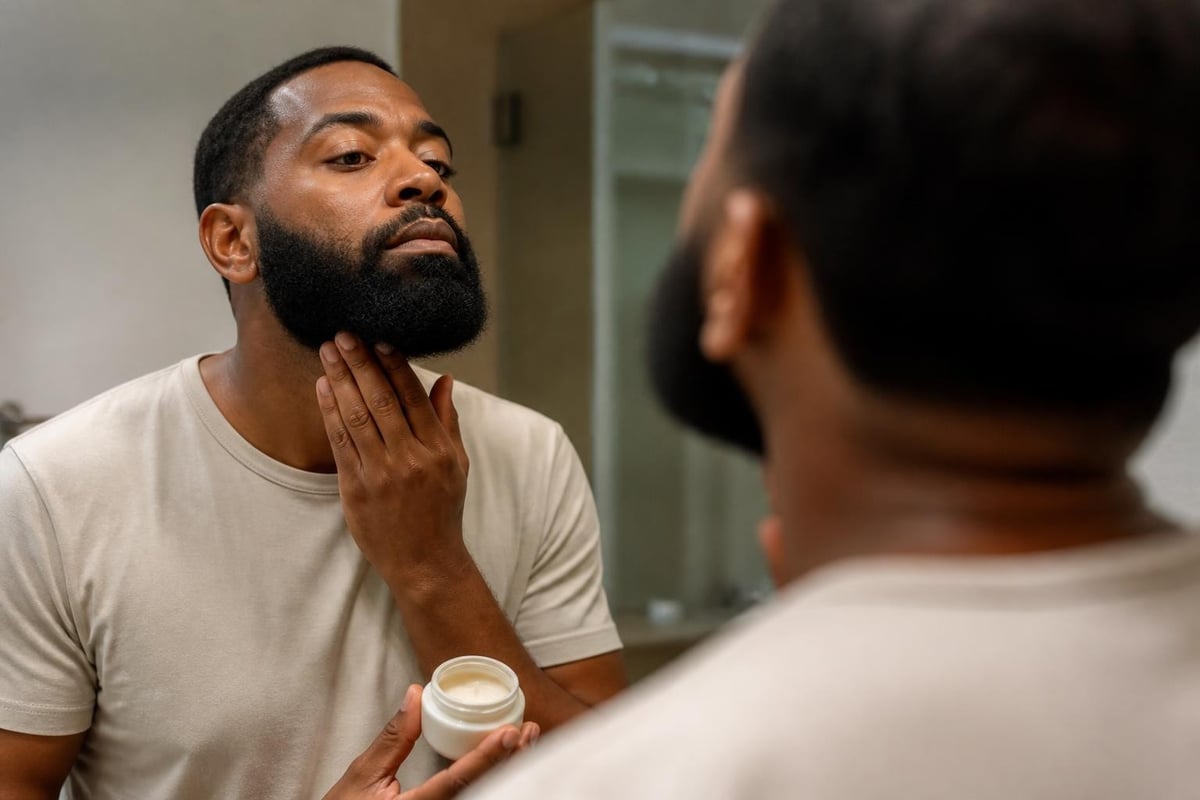
Start each day by cleansing your beard with lukewarm water-hot water triggers reactive sebum production within two hours. Apply a pH-balanced cleanser containing antifungal botanicals, massaging it into your skin (not just your beard hair) for 60 seconds. This contact time allows active ingredients to penetrate the follicular opening where Malassezia colonies concentrate.
Rinse thoroughly, then pat (don't rub) your beard semi-dry. Whilst still damp, work 3-4 drops of beard oil containing natural ingredients through your beard, focusing on the skin beneath. The emollient oils create an occlusive barrier that locks in moisture whilst delivering antifungal compounds directly to affected areas.
Evening Recovery Protocol
Nighttime represents your optimal treatment window. Your skin's permeability increases by up to 300% during sleep, allowing active ingredients to penetrate deeper into the epidermis.
Follow this sequence:
- Cleanse thoroughly to remove accumulated oils, dead cells, and environmental pollutants
- Apply antifungal treatment to damp skin, allowing 2-3 minutes for absorption
- Seal with butter or balm containing shea butter (stearic and oleic acids reduce inflammation) and beeswax (creates protective film)
This layering technique, called "moisture sandwiching," maximizes hydration whilst delivering therapeutic compounds to target tissues.
Nutritional Support for Healthy Facial Skin
Your diet directly influences sebum composition and inflammatory status. To reduce beard dandruff from within, prioritize nutrients that regulate oil production and support skin barrier function.
Essential Nutrients for Sebum Control
Biotin (Vitamin B7) activates enzymes that metabolize fats and carbohydrates, preventing excess lipid accumulation in sebaceous glands. Studies show 2.5mg daily reduces oily skin symptoms by 40% within eight weeks.
Zinc down-regulates 5-alpha-reductase, the enzyme that converts testosterone to DHT (dihydrotestosterone). Since DHT stimulates sebaceous gland activity, zinc supplementation (15-30mg daily) moderates oil production whilst supporting immune function against fungal overgrowth.
| Nutrient | Mechanism | Food Sources |
|---|---|---|
| Biotin | Regulates lipid metabolism, strengthens skin barrier | Eggs, almonds, sweet potatoes, spinach |
| Zinc | Inhibits DHT production, antimicrobial properties | Oysters, pumpkin seeds, beef, chickpeas |
| Omega-3 | Anti-inflammatory, normalizes sebum composition | Salmon, mackerel, flaxseeds, walnuts |
| Vitamin E | Antioxidant, protects cell membranes | Sunflower seeds, avocado, hazelnuts |
Omega-3 fatty acids deserve special attention. EPA and DHA directly compete with arachidonic acid (an omega-6 that promotes inflammation) for incorporation into cell membranes. When you consume 2-3g EPA+DHA daily, you shift your inflammatory balance towards resolution rather than perpetuation.
Hydration and Microbiome Health
Chronic dehydration concentrates toxins in your sebum, creating an even more favorable environment for Malassezia. Aim for 35ml water per kilogram of body weight daily-that's 2.4 liters for a 70kg man.
Probiotic-rich foods support your skin's microbiome from within. Lactobacillus strains produce antimicrobial peptides that suppress pathogenic organisms whilst supporting beneficial bacteria. Include kefir, sauerkraut, or kimchi in your diet to cultivate this internal ecosystem.
Advanced Techniques for Stubborn Cases
When standard protocols fail to reduce beard dandruff adequately, escalation becomes necessary. These evidence-based interventions target resistant cases whilst maintaining the integrity of your facial skin.
Exfoliation Strategies
Mechanical exfoliation removes accumulated flakes and allows active ingredients to penetrate more effectively. However, aggressive scrubbing damages your skin barrier and triggers inflammatory responses that worsen dandruff.
Chemical exfoliation offers superior results:
- Salicylic acid (BHA) penetrates oil-filled follicles, dissolving keratin plugs and reducing cell adhesion. Use 1-2% formulations twice weekly.
- Lactic acid (AHA) exfoliates surface layers whilst increasing natural moisturizing factor (NMF) production. Start with 5% concentration, applied once weekly.
- Fruit enzymes (papain from papaya, bromelain from pineapple) digest dead skin proteins without disrupting pH balance.
Apply exfoliants to clean, dry skin. Wait 10 minutes before rinsing to allow enzymatic activity to complete. Follow immediately with moisturizing products to prevent reactive dryness.
The 90-Day Transformation Protocol
Achieving permanent improvement requires sustained commitment. The biological turnover cycle of your skin takes approximately 28 days, meaning you need three complete cycles to establish new homeostasis.
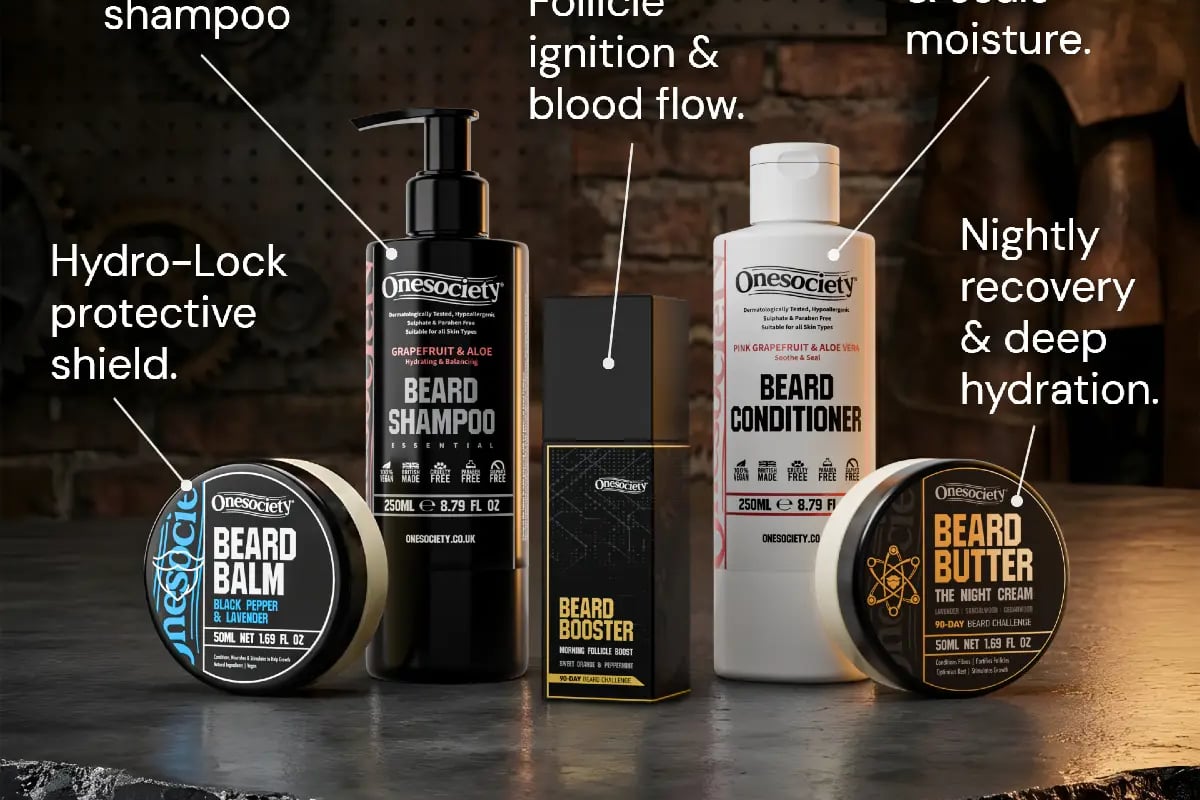
A comprehensive system that provides all necessary ingredients removes the guesswork from your routine. The 90-Day Beard Challenge delivers eight scientifically-formulated products designed to work synergistically-from follicle-stimulating Beard Booster that increases blood flow and nutrient delivery, to Hydro-Lock Balm that creates a protective barrier against environmental stressors. This systematic approach addresses every factor that contributes to beard dandruff whilst supporting optimal growth and health.
When to Seek Professional Guidance
Persistent dandruff despite diligent care may indicate underlying conditions requiring medical intervention. Harvard Health Publishing recommends consulting a dermatologist if you experience:
- Severe inflammation with redness extending beyond the beard area
- Oozing, crusting, or bleeding lesions
- Hair loss or bald patches within the beard
- Symptoms that worsen despite 4-6 weeks of treatment
- Spreading to other body areas (scalp, ears, chest)
Prescription-strength antifungals or topical corticosteroids may prove necessary for severe seborrheic dermatitis. Your dermatologist can also rule out psoriasis, eczema, or contact dermatitis-conditions that mimic beard dandruff but require different treatment approaches.
Environmental and Lifestyle Modifications
Your daily environment significantly impacts your ability to reduce beard dandruff. Small adjustments to your surroundings and habits create conditions hostile to Malassezia whilst supporting skin health.
Climate Control Strategies
Winter heating systems reduce indoor humidity to 20-30%-well below the 40-60% range optimal for skin health. This desiccating environment accelerates water loss from your stratum corneum, triggering compensatory oil production that feeds yeast overgrowth.
Install a humidifier in your bedroom, maintaining 45-50% relative humidity. This single intervention can reduce dandruff symptoms by up to 35% within two weeks.
Temperature regulation matters equally. Your bedroom should sit at 15-19°C-warmer temperatures increase sweating, creating additional moisture that Malassezia exploits.
Textile and Equipment Hygiene
Your pillowcase accumulates oils, dead skin cells, and yeast colonies that re-inoculate your beard nightly. Change pillowcases every 2-3 days, using hot water (60°C+) that kills fungal spores.
Beard brushes and combs require weekly sanitization. Soak in a solution of 1 part white vinegar to 2 parts water for 20 minutes, then air dry completely. Natural bristle brushes (boar hair) distribute sebum evenly whilst providing gentle exfoliation-synthetic bristles accumulate bacteria and damage hair cuticles.
Stress Management and Cortisol Control
Chronic stress elevates cortisol, which stimulates sebaceous glands and suppresses immune function. This one-two punch creates ideal conditions for Malassezia proliferation.
Implement evidence-based stress reduction:
- Morning sunlight exposure (10-15 minutes) resets circadian rhythm and supports vitamin D synthesis
- Regular exercise (150 minutes moderate intensity weekly) reduces cortisol by 20-30%
- Meditation or breathwork (10 minutes daily) down-regulates sympathetic nervous system activity
These aren't optional extras-they're fundamental to creating the hormonal environment that allows you to reduce beard dandruff permanently.

Product Selection Criteria for Maximum Efficacy
Not all beard products deliver on their promises. To reduce beard dandruff effectively, you must evaluate formulations based on scientific merit rather than marketing claims.
Ingredient Red Flags
Avoid these counterproductive components:
- Mineral oil and petrolatum: Occlusive barriers that trap heat and moisture, creating fungal incubators
- Denatured alcohol: Strips protective lipids, triggering reactive sebum production within 90 minutes
- Synthetic fragrances: Common allergens that trigger contact dermatitis mimicking dandruff
- Sodium lauryl sulfate (SLS): Harsh surfactant that disrupts skin barrier and raises pH to alkaline levels
- Silicones: Create impermeable coating that prevents natural oils from reaching skin
These ingredients appear in countless conventional grooming products because they're cheap and create immediate cosmetic effects. However, they worsen underlying conditions whilst masking symptoms temporarily.
Active Ingredients That Deliver Results
Prioritize formulations containing:
Antifungal botanicals: Tea tree oil (5-10%), neem oil (2-5%), or manuka honey extract target Malassezia directly. These compounds demonstrate broad-spectrum antimicrobial activity whilst supporting skin healing.
Skin-identical lipids: Jojoba oil, squalane, and ceramides integrate seamlessly into your skin barrier, restoring function without triggering acne or folliculitis. Understanding what different carrier oils offer helps you select products matched to your specific needs.
Anti-inflammatory compounds: Bisabolol (from chamomile), beta-glucan (from oats), and allantoin reduce the inflammatory cascade that accelerates cell turnover. These ingredients break the itch-scratch cycle that perpetuates dandruff.
pH adjusters: Citric acid, lactic acid, or gluconolactone maintain the 4.5-5.5 pH range essential for beneficial microbiome health. Products that preserve your acid mantle prevent Malassezia dominance whilst supporting skin immunity.
Concentration Matters
Active ingredient concentration determines efficacy. A product listing tea tree oil as the 15th ingredient provides negligible antifungal benefit. Effective formulations place active botanicals within the top five ingredients, ensuring therapeutic concentrations.
Calculate approximate concentrations using the "five percent rule"-ingredients listed after the fifth position typically comprise less than 5% of the formula. For meaningful impact, antifungal and anti-inflammatory ingredients must appear earlier in the ingredient deck.
The Biological Timeline of Improvement
Understanding realistic expectations prevents frustration when you work to reduce beard dandruff. Your skin operates on specific biological cycles that cannot be rushed, though proper intervention accelerates natural processes.
Week 1-2: Surface Improvement
Initial changes occur rapidly. Antifungal ingredients begin suppressing Malassezia within 48-72 hours, reducing oleic acid production that triggers inflammation. You'll notice decreased itching and redness as inflammatory mediators decline.
Visible flaking may temporarily increase during this phase-a positive sign that exfoliation is removing accumulated dead cells. Resist the urge to scratch, which damages your skin barrier and resets the healing process.
Week 3-4: Barrier Restoration
Your stratum corneum begins rebuilding its lipid matrix. Ceramides, cholesterol, and fatty acids organize into protective lamellar sheets that prevent water loss and pathogen entry. Transepidermal water loss (TEWL) decreases by 20-30%, creating an environment hostile to fungal overgrowth.
New beard growth during this phase emerges from healthier follicles. Hairs appear shinier and feel softer because they're properly lubricated by normalized sebum production.
Week 5-12: Microbiome Rebalancing
Extended consistent care allows beneficial bacteria to re-colonize your facial skin. These commensal organisms produce antimicrobial peptides that naturally suppress Malassezia, creating lasting resistance to future outbreaks.
Sebaceous glands recalibrate, reducing oil production to optimal levels. This adaptation typically requires 60-90 days-the reason why systematic approaches like proper beard care routines emphasize sustained commitment rather than quick fixes.
| Timeline | Changes Occurring | Visible Results |
|---|---|---|
| Days 1-7 | Malassezia suppression begins, inflammation reduces | Less itching, redness fades |
| Days 8-14 | Cell turnover normalizes, initial barrier repair | Decreased flaking, improved texture |
| Days 15-30 | Lipid matrix rebuilding, TEWL reduction | Softer beard, reduced dryness |
| Days 31-60 | Sebum normalization, follicle optimization | Healthier growth, natural shine |
| Days 61-90 | Microbiome balance restored, sustained homeostasis | Complete resolution, lasting results |
Prevention Strategies for Long-Term Success
Once you've successfully reduced beard dandruff, maintaining results requires ongoing vigilance. Prevention demands less effort than treatment whilst delivering superior outcomes.
Seasonal Adjustments
Your beard care needs fluctuate with environmental conditions. Winter's dry air requires richer moisturizers and more frequent application. Summer's heat and humidity demand lighter formulations with enhanced antifungal protection.
Winter protocol (October-March):
- Increase moisturizer application to twice daily
- Add humidifier to bedroom and office
- Switch to cream-based cleansers that preserve more natural oils
- Boost dietary omega-3 intake to combat inflammatory triggers
Summer protocol (April-September):
- Use lighter oil blends that won't trap heat
- Enhance antifungal ingredients to counter increased Malassezia activity
- Cleanse twice daily to remove accumulated sweat and environmental debris
- Consider trimming beard shorter to improve air circulation
Monitoring and Early Intervention
Watch for early warning signs that Malassezia populations are rebounding:
- Increased oiliness mid-day when you previously stayed balanced
- Mild itching that occurs consistently in the same areas
- Small flakes appearing 1-2 days after washing
- Slight redness or irritation around the beard line
Address these signals immediately rather than waiting for full outbreak. A single week of enhanced antifungal treatment prevents months of recovery work.
Building Resilience Through Consistency
Your skin develops resilience when you maintain consistent routines. Erratic care-alternating between neglect and intensive treatment-keeps your skin in perpetual reactive mode. Steady, predictable protocols allow biological systems to establish sustainable equilibrium.
Think of beard care as preventive maintenance rather than crisis intervention. The fifteen minutes you invest daily prevents the hours of recovery work that stubborn dandruff demands.
Managing beard dandruff requires understanding the biological mechanisms driving flake formation, then systematically addressing each contributing factor with evidence-based interventions. When you combine proper cleansing, targeted moisturization, antifungal botanicals, and lifestyle modifications, you create conditions that naturally suppress Malassezia whilst supporting optimal skin health. Onesociety formulates every product around this scientific foundation, using 100% natural ingredients that work with your skin's biology rather than against it. Whether you're beginning your beard journey or refining years of growth, scientifically-backed natural grooming delivers the lasting results your beard deserves.