

Growing a good beard demands more than patience. It requires understanding the biological mechanisms that drive healthy facial hair growth, the precise nutrients your follicles need, and the daily maintenance rituals that separate a patchy mess from a dignified statement. Whether you've struggled with uneven growth, persistent dryness, or chronic itchiness, the path to a truly impressive beard lies in scientific principles, not marketing hype. This comprehensive guide breaks down exactly what creates a good beard and how to achieve one through evidence-based practices.
What Actually Defines a Good Beard
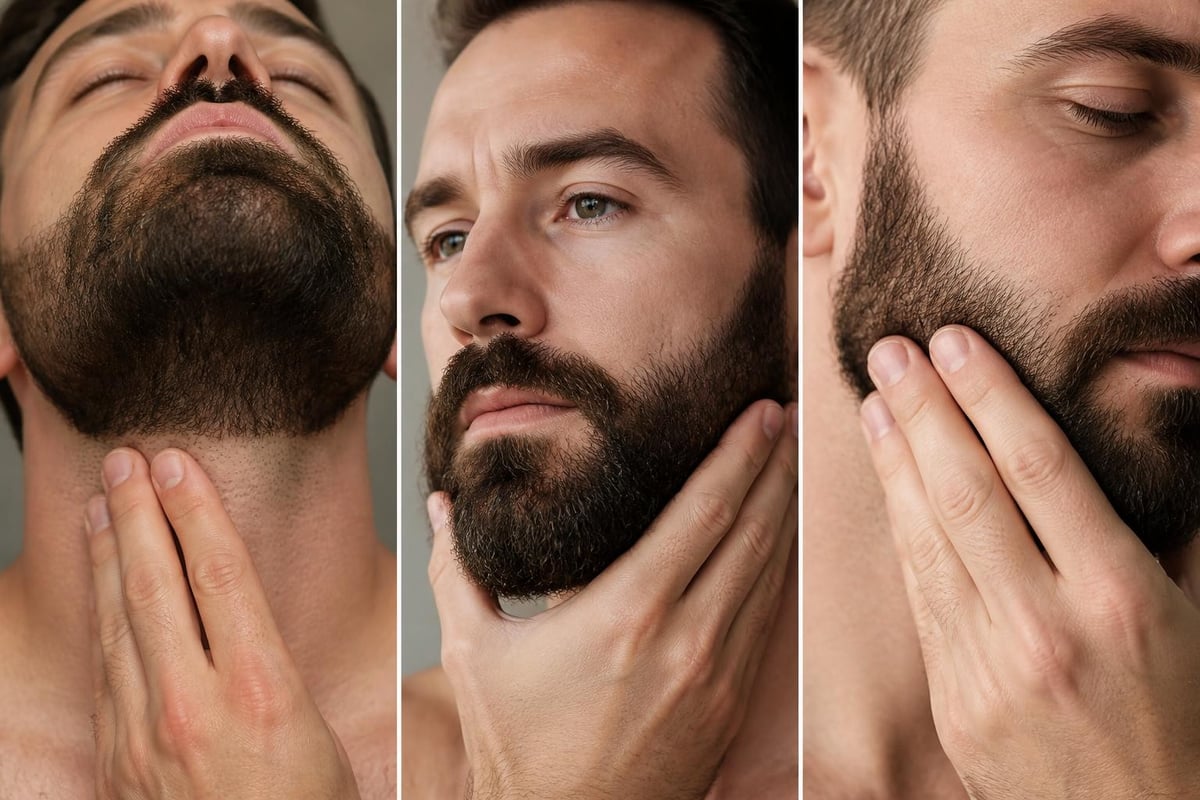
A good beard isn't just about length. Three critical factors determine beard quality: follicle health, hair structure integrity, and skin condition beneath the growth.
Follicle health dictates growth rate and density. Each follicle requires adequate blood flow to deliver oxygen and nutrients. When circulation falters, follicles enter dormant phases prematurely, creating patchy areas. Specific ingredients like caffeine and niacinamide increase microcirculation by dilating capillaries near follicles, extending active growth phases.
Hair structure integrity separates wiry, brittle beards from soft, manageable ones. Your beard's cuticle layer-the outermost protective sheath-must remain sealed. Heat damage, harsh sulphates, and alkaline water all lift cuticle scales, creating frizz and split ends. Maintaining a slightly acidic pH (4.5-5.5) keeps cuticles flat and reflective.
Skin condition directly impacts comfort and appearance. Sebaceous glands produce sebum-your beard's natural conditioner. However, sebum production decreases with age and environmental stress. Dead skin cells accumulate beneath beard hair, causing inflammation and the dreaded "beard dandruff." Proper exfoliation and hydration prevent this cascade.
The Biological Growth Cycle
Understanding your beard's growth cycle explains why consistency matters. Facial hair progresses through three distinct phases:
- Anagen (growth phase): Lasts 2-6 years, determining maximum length potential
- Catagen (transition phase): 2-3 week period where follicles shrink and detach from blood supply
- Telogen (resting phase): 2-4 months before hair sheds and the cycle restarts
Approximately 85% of your beard should occupy the anagen phase simultaneously. Stress, nutritional deficiencies, and hormonal imbalances push follicles prematurely into catagen, reducing overall density. This explains why proper beard care routines emphasise consistency-daily nourishment keeps follicles in active growth.
Common Problems Preventing a Good Beard
Most beard struggles trace back to three preventable issues: dehydration, protein degradation, and inflammation.
Dehydration and Moisture Loss
Facial hair contains zero moisture-producing cells. Unlike scalp hair, which benefits from frequent sebum distribution through brushing, beards sit exposed to environmental aggressors. Central heating, cold wind, and UV radiation extract moisture from the hair shaft, leaving it brittle.
The solution lies in emollients-fatty acids that penetrate the hair shaft. Jojoba oil's molecular structure mirrors human sebum, allowing deep penetration without residue. Argan oil's vitamin E content repairs oxidative damage to the cuticle layer. These aren't cosmetic additions; they're structural necessities.
When selecting products, examine ingredient lists for these specific emollients:
- Jojoba oil: Penetrates hair shaft, balances sebum production
- Argan oil: Repairs cuticle damage through vitamin E delivery
- Shea butter: Forms protective barrier, reduces trans-epidermal water loss
- Sweet almond oil: Softens hair through oleic acid content
Protein Structure Breakdown
Your beard comprises keratin-a fibrous structural protein formed by amino acid chains linked through disulphide bonds. Chemical damage, heat exposure, and mechanical stress break these bonds, weakening hair integrity.
Hydrolysed proteins in beard conditioning products bond to damaged keratin sites, temporarily reinforcing structure. However, prevention outperforms repair. Avoiding harsh detergents (sodium lauryl sulphate) preserves natural protein bonds better than any treatment.
| Protein-Damaging Factor | Mechanism | Prevention Strategy |
|---|---|---|
| Harsh sulphates | Strip protective lipid layer | Use pH-balanced cleansers |
| Heat styling | Denatures keratin bonds | Air dry, avoid blow dryers |
| Hard water minerals | Deposit calcium, create brittleness | Install shower filter |
| Over-washing | Removes sebum faster than replacement | Cleanse 2-3 times weekly maximum |
Chronic Inflammation Response
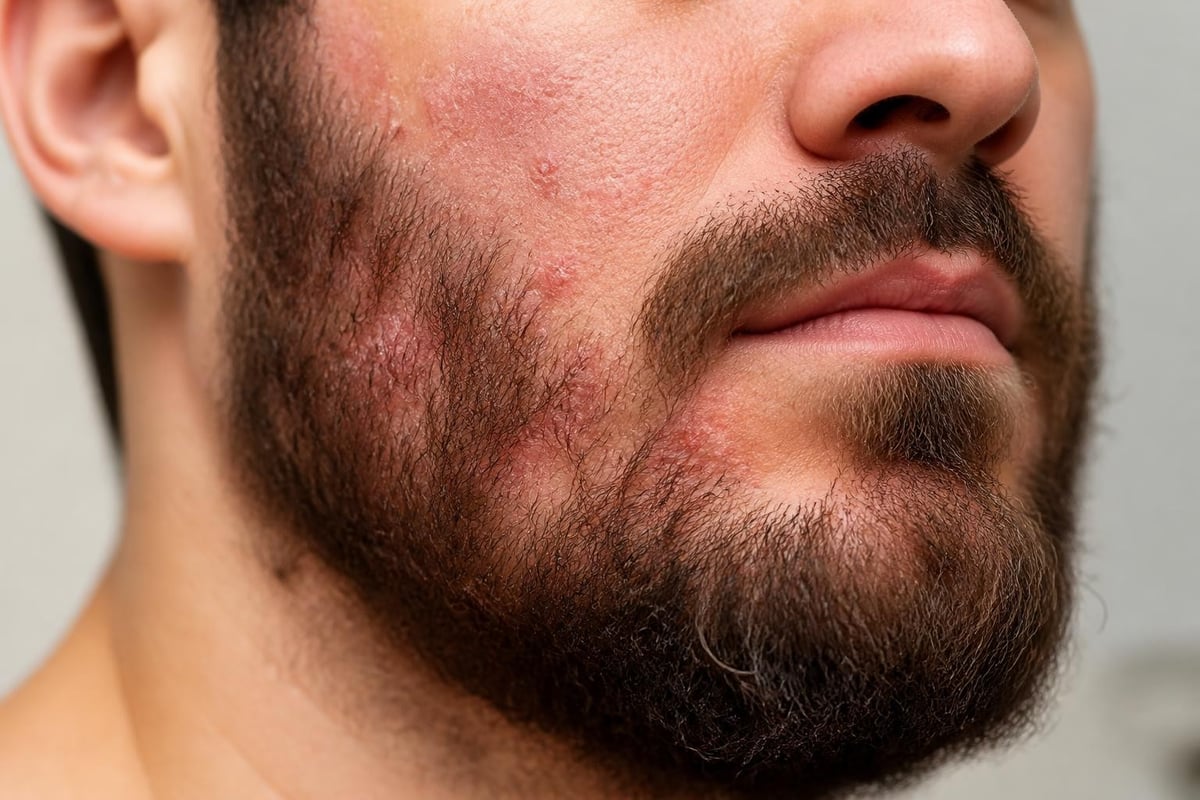
The skin beneath your beard faces constant irritation. Dead skin cells, sebum oxidation, and bacterial overgrowth trigger inflammatory cascades. This manifests as redness, itching, and flaking-symptoms that undermine even the healthiest growth.
Anti-inflammatory compounds directly interrupt these cascades. Bisabolol (from chamomile) inhibits cyclooxygenase enzymes that produce inflammatory prostaglandins. Allantoin accelerates cell turnover, preventing dead skin accumulation. These aren't soothing extras-they're biochemical interventions.
Building Your Good Beard Routine
Achieving a good beard requires structured daily and weekly maintenance protocols. Random product application produces random results.
Daily Maintenance Protocol
Morning application sets your beard's condition for the entire day. Follow this sequence:
Step 1: Rinse with lukewarm water (not hot-heat strips protective oils). This removes surface debris without triggering excessive sebum production.
Step 2: Apply growth-supporting serum whilst beard remains slightly damp. Damp hair exhibits raised cuticles, allowing deeper penetration of active ingredients. Look for formulations containing caffeine (stimulates follicles), niacinamide (improves circulation), and biotin (supports keratin synthesis).
Step 3: Distribute conditioning oil through mid-lengths to ends. Avoid roots to prevent sebum gland suppression. Work oil through with a boar bristle brush-the brush distributes product whilst exfoliating skin beneath.
Step 4: Style with balm for hold and additional protection. Beeswax creates a semi-occlusive barrier, locking moisture inside the hair shaft whilst repelling external aggressors.
Evening routines focus on repair and recovery. Nighttime represents peak cellular regeneration-leverage this biological window.
Apply a richer butter or balm before sleep. Shea butter's concentration of stearic and oleic acids deeply conditions whilst you rest. Understanding what beard butters actually do transforms them from optional luxuries to strategic recovery tools.
Weekly Deep Treatment
Once weekly, dedicate 20 minutes to intensive care. This prevents cumulative damage from daily environmental exposure.
Begin with gentle exfoliation. A specialised beard scrub containing jojoba beads removes dead skin cells without scratching. This prevents ingrown hairs and allows better product absorption.
Follow with a pH-balanced beard shampoo. Regular hair shampoo's alkalinity (pH 7-9) damages facial hair. Beard-specific formulations maintain the slightly acidic pH (4.5-5.5) that keeps cuticles sealed. Research confirms beard wash effectiveness stems from this pH optimisation, not marketing claims.
Apply a deep conditioning mask for 10-15 minutes. Masks contain higher concentrations of hydrolysed proteins and ceramides that repair cumulative weekly damage.
Nutrition's Role in Beard Quality
External products only address surface-level concerns. True transformation requires internal support through targeted nutrition.
Essential Micronutrients
Specific vitamins and minerals directly influence beard growth and quality:
- Biotin (B7): Cofactor for keratin synthesis enzymes. Deficiency reduces growth rate by 30-40%
- Vitamin E: Antioxidant protecting follicles from oxidative stress. Improves blood flow to hair roots
- Zinc: Regulates androgen receptors. Deficiency correlates with patchy growth patterns
- Vitamin D: Stimulates new follicle creation. Deficiency linked to slower anagen phase progression
- Omega-3 fatty acids: Reduce follicular inflammation, improve sebum quality
Supplementation makes sense when dietary intake falls short. However, whole food sources provide superior bioavailability. Salmon delivers omega-3s alongside selenium. Eggs provide biotin with choline. Almonds combine vitamin E with magnesium.
Hydration and Protein Intake
Dehydration reduces nutrient delivery to follicles through decreased blood plasma volume. Aim for 35ml water per kilogram bodyweight daily-more during exercise or heat exposure.
Protein intake directly determines keratin availability. Inadequate protein forces your body to prioritise essential functions over beard growth. Target 1.6-2.2g protein per kilogram bodyweight, emphasising complete proteins containing all essential amino acids.
The connection between overall wellness and beard quality extends further. Natural supplements like those from Reclaim Labs support reduced inflammation throughout the body, potentially benefiting follicle health through systemic anti-inflammatory effects.
Selecting Quality Grooming Tools
Tools matter as much as products. Low-quality implements damage hair structure and irritate skin.
Beard Trimmers and Precision
A quality trimmer maintains blade sharpness session after session. Dull blades pull rather than cut, traumatising hair follicles and creating split ends. Reviews of the best beard trimmers consistently highlight blade material and motor strength as critical factors.
Look for these specifications:
- Self-sharpening titanium or ceramic blades: Maintain precision without frequent replacement
- Multiple guard lengths: Allow graduated shaping without abrupt transitions
- Adjustable taper lever: Creates smooth fade effects at neckline and cheek borders
- Minimum 90-minute battery life: Prevents rushed trimming sessions
Brushes and Combs
Boar bristle brushes distribute sebum whilst exfoliating skin. The bristles' natural keratin structure gently detangles without generating static. Synthetic bristles create friction, lifting cuticle scales and promoting frizz.
Wide-toothed wooden combs prevent breakage during detangling. Wood's porous nature absorbs excess oil without stripping hair. Metal combs generate static and scratch skin. Plastic combs create friction damage.
The 90-Day Transformation Window
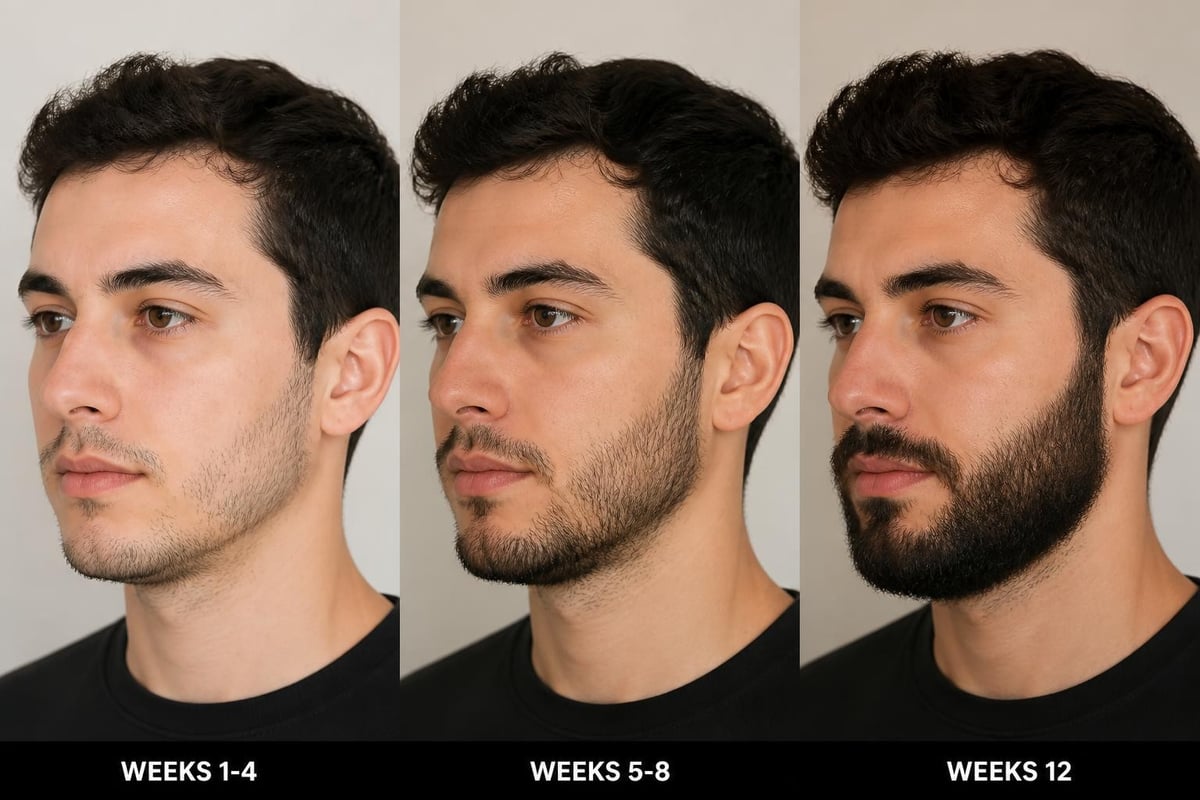
Achieving a genuinely good beard requires sustained commitment. Follicle adaptation to improved care takes 8-12 weeks-the timeframe for complete hair cycle turnover.
Random product experimentation produces confusion, not results. A structured 90-day protocol with scientifically formulated products removes guesswork whilst providing measurable progression milestones.
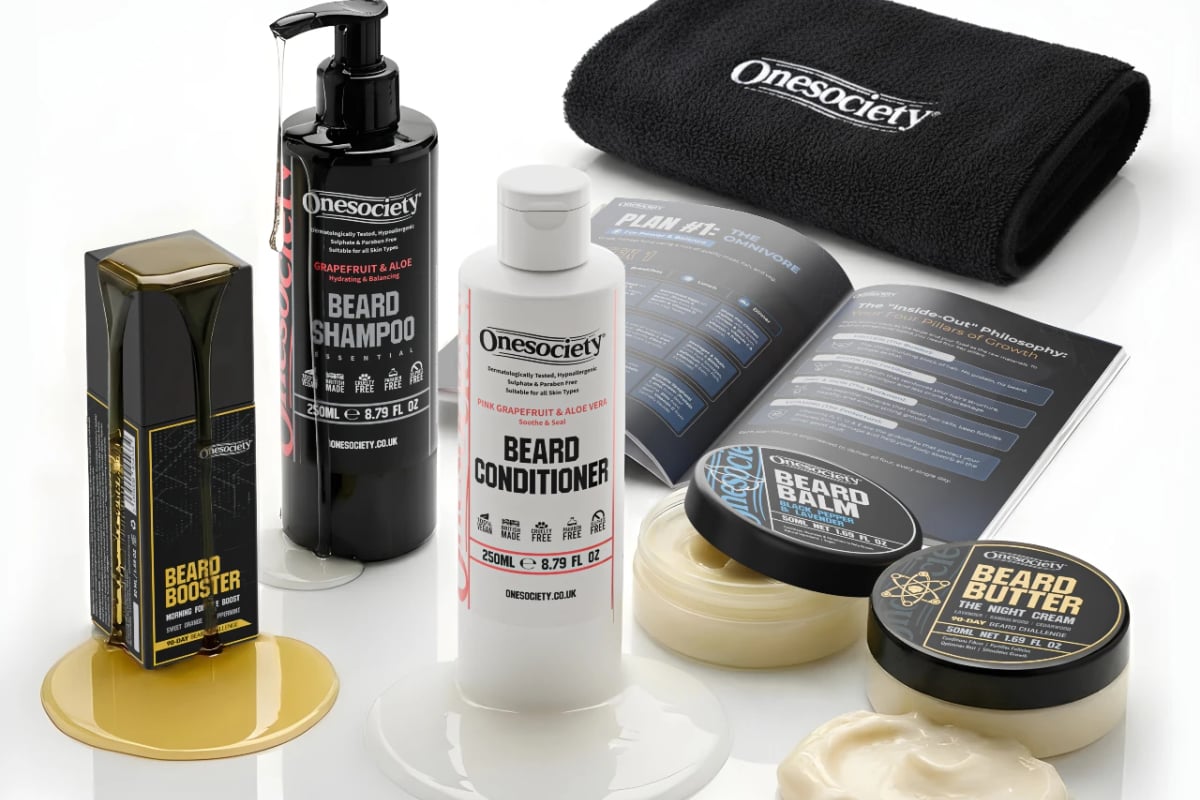
The 90-Day Beard Challenge packages eight complementary formulations-from follicle-stimulating boosters to protective balms-into one complete system. This approach ensures every growth phase receives targeted support. The Beard Booster's caffeine and niacinamide content increases blood flow to follicles, extending the anagen phase. The Hydro-Lock Balm's ceramide complex seals moisture inside hair shafts whilst repelling environmental damage. Rather than gambling on individual products, a complete kit addresses all three critical factors: follicle health, hair structure, and skin condition.
Tracking Progress Objectively
Subjective assessment misleads. Take standardised weekly photographs under consistent lighting at the same angle. Measure these specific metrics:
- Coverage density: Count visible skin patches in defined zones
- Hair diameter: Measure 10 random hairs with callipers monthly
- Elasticity: Gently stretch individual hairs-healthy hair extends 30% before breaking
- Skin condition: Rate redness, flaking, and irritation on a 1-10 scale
Documentation reveals genuine progress whilst identifying areas needing adjustment. What feels like slow improvement often represents significant measurable advancement.
Advanced Maintenance Techniques
Once you've established a solid foundation, these advanced techniques optimise results.
Strategic Trimming for Density Illusion
Proper shaping creates the illusion of increased density. Keep these principles in mind:
Shorter sides, fuller bottom: This creates a triangular profile that appears denser and more intentional. Gradual tapering from bottom to sides prevents the "ball" effect.
Defined cheek and neck lines: Clean lines signal grooming competence. The cheek line should follow your natural smile line when plotted two fingers' width above the jawline. The neck line sits one finger's width above your Adam's apple.
Controlled moustache integration: The moustache shouldn't overwhelm other facial hair zones. Keeping it trimmed to upper lip length maintains balance.
Professional guidance accelerates learning. Resources like expert grooming advice provide visual references for different face shapes and beard styles.
Addressing Specific Growth Patterns
Genetics determine follicle distribution and growth direction. Work with your natural pattern rather than against it.
Patchy growth: Focus on overall health rather than forcing coverage. Keep surrounding areas well-groomed. As follicles strengthen, patchiness often diminishes naturally over 6-12 months.
Cowlicks and directional growth: Train hair with consistent brushing in your desired direction. Natural bristle brushes reshape growth patterns gradually through repeated mechanical influence.
Colour variation: Multi-tonal beards appear fuller and more dimensional than uniform colour. Embrace natural variation rather than pursuing artificial uniformity.
Environmental Protection Strategies
External aggressors undermine even the best care routines. Strategic protection preserves your investment.
UV Radiation Defence
UV exposure degrades keratin bonds and oxidises natural oils. This manifests as brittleness, colour fading, and increased breakage. Products containing vitamin E, green tea extract, or zinc oxide provide antioxidant protection against photodamage.
Apply protective products before extended sun exposure. Reapply every 3-4 hours during outdoor activities.
Climate Adaptation
Different environments demand different approaches:
| Climate Type | Primary Challenge | Adaptation Strategy |
|---|---|---|
| Cold/Dry | Moisture evaporation | Increase oil application, use occlusive balms |
| Hot/Humid | Bacterial overgrowth | Emphasise cleansing, use lighter oils |
| Indoor heating | Extreme dryness | Apply humidifier, double oil dosage |
| Coastal/Salty | Salt crystal damage | Rinse thoroughly after ocean exposure |
Understanding comprehensive beard care essentials helps you adapt products and frequency to your specific environment.
Troubleshooting Common Setbacks
Even with perfect execution, obstacles arise. Address these common challenges systematically.
Persistent Itchiness
Itching indicates skin irritation beneath your beard. Three primary causes exist:
Cause 1: Insufficient cleansing-Dead skin cells accumulate faster than they shed naturally. Solution: Increase exfoliation frequency to twice weekly.
Cause 2: Product sensitivity-Fragrance compounds and preservatives trigger allergic responses. Solution: Switch to fragrance-free formulations containing minimal ingredients.
Cause 3: Fungal overgrowth-Malassezia yeast proliferates in oil-rich environments. Solution: Use antifungal ingredients like tea tree oil or zinc pyrithione weekly.
Slow Growth Rate
Growth rate varies individually, averaging 0.4mm daily. However, several factors suppress this baseline:
- Testosterone/DHT imbalance: Consult healthcare provider for hormone testing
- Chronic stress: Elevates cortisol, pushing follicles into telogen phase prematurely
- Nutritional deficiency: Verify adequate biotin, zinc, and protein intake
- Poor sleep quality: Growth hormone secretion peaks during deep sleep-prioritise 7-9 hours nightly
Patience remains essential. Visible improvement requires 12+ weeks of consistent optimisation.
Unmanageable Texture
Coarse, wiry texture results from damaged cuticle layers and insufficient moisture retention. This three-step protocol addresses the root cause:
- Stop using harsh cleansers immediately-Switch to pH-balanced, sulphate-free formulations
- Apply hydrolysed protein treatments weekly-These temporarily fill structural gaps in damaged keratin
- Lock moisture with layered products-Oil first (penetrates shaft), then balm (seals surface)
Texture improvement becomes noticeable within 3-4 weeks as damaged hair sheds and healthier growth replaces it.
Lifestyle Factors That Influence Results
Beard quality reflects overall health. These lifestyle modifications enhance outcomes:
Stress Management
Chronic stress elevates cortisol levels, triggering telogen effluvium-premature shedding affecting 30-40% of follicles simultaneously. Research on stress-reducing exercise demonstrates measurable cortisol reduction through consistent physical activity.
Implement daily stress-reduction practices: 20 minutes of moderate exercise, meditation, or dedicated relaxation time.
Sleep Optimisation
Growth hormone secretion-critical for cellular repair and follicle function-peaks during deep sleep stages. Sleep deprivation reduces growth hormone by up to 30%, directly impacting beard development.
Prioritise sleep hygiene: consistent schedule, cool room temperature (18-20°C), minimal blue light exposure 90 minutes before bed.
Minimising Beard Touching
Frequent touching transfers bacteria to follicles whilst mechanically stressing hair shafts. This habit increases inflammation and breakage. Conscious awareness helps eliminate unconscious touching patterns.
A good beard emerges from understanding the biological mechanisms driving growth, implementing evidence-based care routines, and maintaining consistency through complete growth cycles. The scientific principles outlined here-follicle stimulation, moisture retention, protein preservation, and inflammation reduction-work synergistically when applied systematically. Whether you're struggling with patchy growth, persistent dryness, or simply want to maximise your beard's potential, Onesociety provides scientifically formulated, naturally derived products designed to address every aspect of beard health. Their commitment to transparent ingredient sourcing and research-backed formulations removes guesswork, letting you focus on consistent application rather than endless product experimentation.