
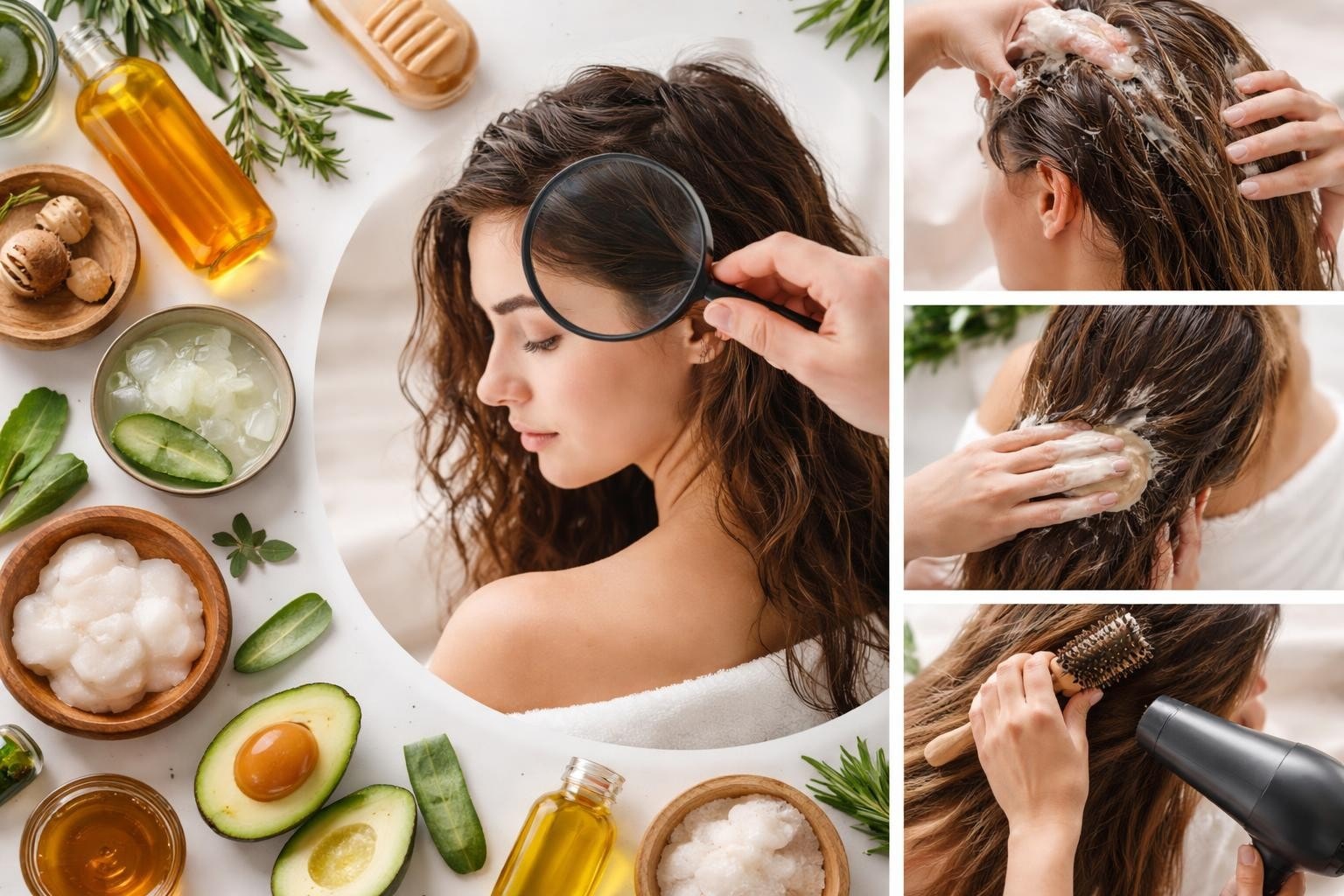
Your hair tells a story about your health, commitment, and attention to detail. Yet most men approach grooming for hair with outdated techniques that strip natural oils, damage follicles, and leave strands brittle and lifeless. The difference between a mediocre hair routine and transformative results lies not in expensive salon visits but in understanding the science behind what actually nourishes your scalp and strengthens each strand from root to tip.
The Foundation of Effective Hair Grooming
Problem: You've invested time washing, conditioning, and styling your hair, but it still looks dull, feels dry, and refuses to cooperate when you need it most.
Agitation: Every morning becomes a battle with unruly strands, flaky scalp, and products that promise volume but deliver nothing. Meanwhile, you're watching your hairline recede or thinning patches spread, wondering if you're doing something fundamentally wrong.
Solution: Grooming for hair starts at the cellular level. Your follicles require specific nutrients to produce healthy keratin, the structural protein that forms each strand. Without adequate sebum (your scalp's natural oil containing squalene and fatty acids), your hair becomes vulnerable to environmental damage and breakage.
Understanding Your Scalp's Ecosystem
Think of your scalp as soil for a garden. Just as plants need balanced pH and nutrients, your follicles thrive when sebum production remains regulated and your skin maintains its protective acid mantle (pH 4.5-5.5).
When you strip this balance with harsh sulphates found in conventional shampoos, you trigger overproduction of sebum as your body compensates. This creates a cycle: you wash more frequently, your scalp produces more oil, and inflammation sets in. Research shows that proper hair care techniques can prevent this destructive pattern.
Natural Ingredients That Transform Hair Health
Problem: Your bathroom shelf holds five different hair products, yet none address the underlying issues causing breakage, thinning, or lacklustre appearance.
Agitation: You're spending money on marketing promises while your hair continues to deteriorate. Generic formulations can't target your specific needs, whether that's strengthening weak strands, reducing scalp inflammation, or promoting thicker growth.
The science of grooming for hair reveals why natural ingredients outperform synthetic alternatives:
Jojoba Oil: Sebum's Perfect Match
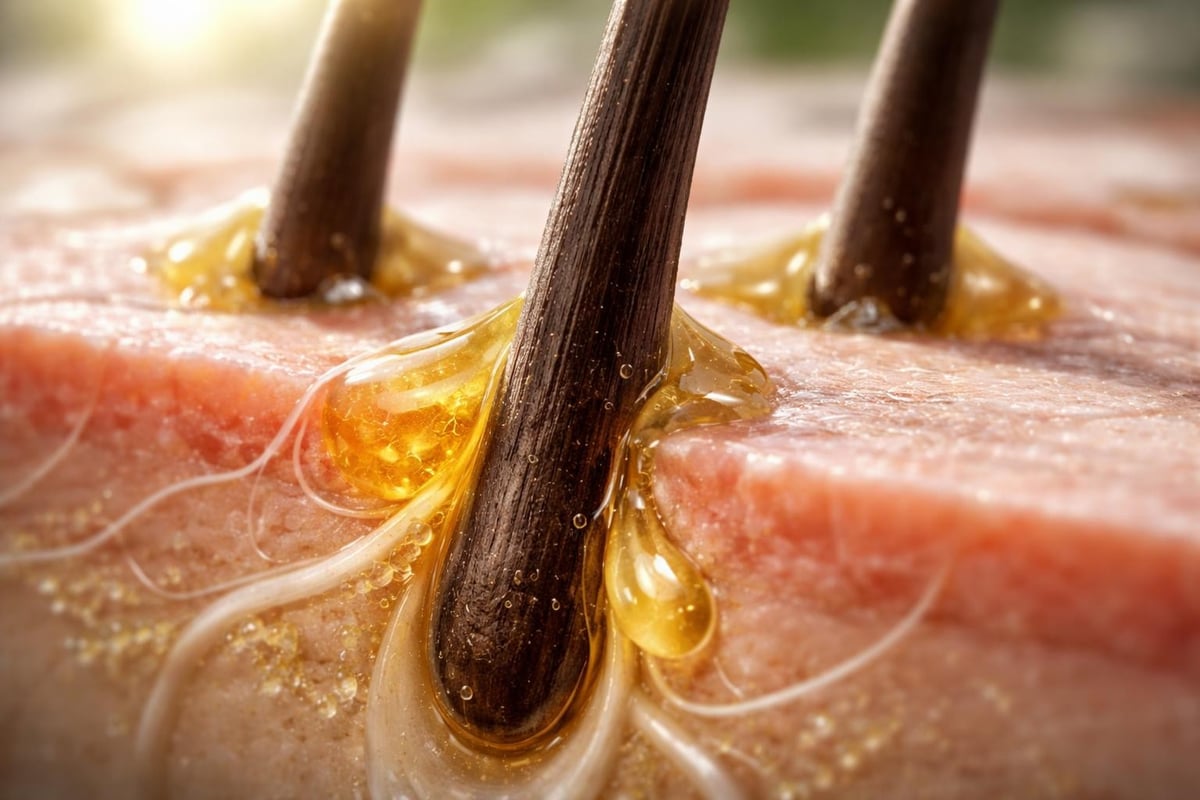
Jojoba oil mirrors your scalp's natural sebum composition at a molecular level. When applied, it tricks your skin into reducing excess oil production whilst delivering vitamin E (an antioxidant that neutralises free radicals attacking follicles) and B-complex vitamins that support cellular metabolism.
Why it works: Jojoba contains eicosenoic acid, a rare omega-9 fatty acid that penetrates the hair shaft, fortifying it from within rather than merely coating the surface.
Argan Oil: Liquid Fortification
Rich in tocopherols (vitamin E compounds) and essential fatty acids, argan oil repairs damaged cuticles through a process called cuticle sealing. When your hair's protective outer layer splinters, moisture escapes and breakage occurs.
The mechanism: Argan's phenolic compounds reduce oxidative stress whilst its linoleic acid content (up to 35%) smooths the cuticle layer, creating that sought-after shine without synthetic silicones that build up over time.
| Natural Ingredient | Key Active Compound | Scientific Function | Visible Result |
|---|---|---|---|
| Jojoba Oil | Eicosenoic Acid | Regulates sebum production | Balanced scalp, reduced greasiness |
| Argan Oil | Tocopherols | Repairs cuticle damage | Increased shine, less breakage |
| Shea Butter | Cinnamic Acid | Anti-inflammatory action | Soothes irritation, promotes growth |
| Castor Oil | Ricinoleic Acid | Enhances circulation | Stimulates dormant follicles |
Our complete range of grooming products harnesses these scientifically-proven ingredients in formulations designed for optimal absorption and efficacy.
Your Weekly Grooming for Hair Ritual
Problem: You know washing matters, but conflicting advice leaves you confused about frequency, technique, and product selection.
Agitation: Wash daily and you strip essential oils. Wash weekly and product buildup clogs follicles. The middle ground feels impossible to find, especially when different hair types demand different approaches.
The Science-Backed Washing Schedule
Your washing frequency depends on sebum production rate, which varies based on genetics, diet, and stress levels. Most men benefit from washing 2-3 times weekly, allowing natural oils to nourish strands whilst preventing buildup.
Step 1: Pre-Wash Preparation
Apply a natural oil blend to dry hair 30 minutes before washing. This pre-treatment allows lipophilic (fat-loving) nutrients to penetrate the hair shaft before water swells the cuticle.
Choose oils rich in medium-chain fatty acids. These molecules (8-12 carbon atoms long) slip between cuticle scales more easily than long-chain alternatives, delivering nutrients to the cortex where keratin production occurs.
Step 2: Temperature Matters
Lukewarm water (30-35°C) opens cuticles without causing thermal damage. Hot water strips protective sebum whilst cold water closes cuticles before cleansing occurs. The Goldilocks zone preserves your scalp's acid mantle whilst removing dirt and dead skin cells.
Step 3: Scalp-Focused Cleansing
Your fingers become precision tools for grooming for hair effectively:
- Apply sulphate-free cleanser to your scalp (not your hair length)
- Use fingertips in circular motions to stimulate blood flow
- Spend 2-3 minutes massaging to boost circulation
- Let product sit for 60 seconds before rinsing
- Rinse thoroughly with descending temperature water
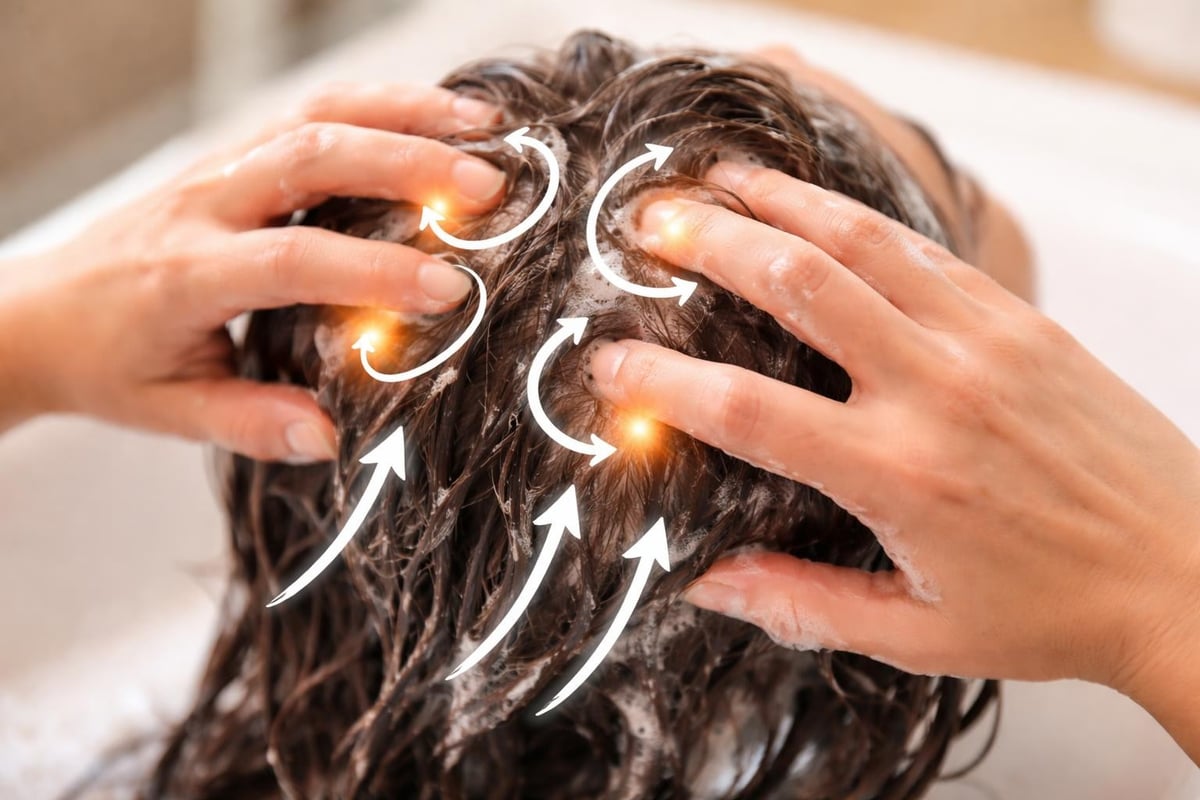
Research examining grooming practices and hair health demonstrates that technique matters as much as product selection.
Conditioning: The Misunderstood Step
Problem: You condition your hair, yet it still tangles, breaks, and feels rough to the touch.
Agitation: Perhaps you're skipping conditioner entirely because it weighs your hair down or makes it look greasy. You're stuck between accepting damage or dealing with lifeless, flat hair.
Solution: Conditioning works through a process called adsorption, where cationic (positively charged) compounds in conditioner bind to anionic (negatively charged) damaged areas on your hair shaft.
Strategic Application
- Never apply conditioner to your scalp unless using a specialised scalp treatment
- Focus on mid-lengths to ends where mechanical damage accumulates
- Leave for 3-5 minutes to allow humectants like glycerin to attract moisture into the cortex
- Rinse with cool water to seal cuticles and lock in hydration
Natural conditioners containing behentrimonium methosulfate (derived from rapeseed oil) detangle without the heavy buildup of dimethicone-based products. This conditioning agent carries a positive charge that neutralises the negative charge on damaged hair, smoothing the surface.
Check out expert grooming tips for additional techniques that complement your routine.
Styling Products: Chemistry Meets Aesthetics
Problem: Your hair looks perfect in the mirror at 7 AM and disastrous by noon, with products either vanishing or creating a stiff, unnatural helmet.
Agitation: You're cycling through styling products, each promising flexible hold, natural finish, and all-day performance, yet none deliver. The frustration of reapplying mid-day or accepting defeat becomes your new normal.
Understanding Hold Mechanisms
Styling products achieve hold through three primary mechanisms:
Film Formation: Polymers create a flexible coating around hair strands, maintaining shape whilst allowing movement. Natural alternatives like flax seed gel contain polysaccharides that form this protective film without synthetic acrylates.
Hygroscopic Action: Ingredients that attract and retain moisture (like vegetable glycerin or aloe vera) keep hair pliable throughout the day. This prevents the brittleness that causes styled hair to lose shape.
Texture Modification: Natural waxes (like beeswax or carnauba wax) roughen the hair surface slightly, creating friction between strands that maintains lift and separation.
Our Strong Hair Styling Clay combines kaolin clay (which absorbs excess sebum whilst adding texture) with shea butter (providing hold through its high stearic acid content) for a matte finish that responds to restyling throughout your day.
Advanced Techniques for Optimal Results
Grooming for hair extends beyond basic washing and styling into targeted treatments that address specific concerns.
Scalp Treatments for Growth Stimulation
Problem: Thinning hair, slow growth, or dormant follicles that refuse to respond to standard care routines.
Agitation: You've accepted thinning as inevitable, watching your confidence diminish alongside your hair density. Generic solutions promise miracles but deliver disappointment.
Solution: Follicle stimulation requires increasing blood flow to deliver oxygen and nutrients whilst removing metabolic waste products.
Apply a treatment containing:
- Rosemary oil: Contains carnosic acid, which heals nerve and tissue damage whilst improving cellular metabolism in follicles
- Peppermint oil: Menthol causes vasodilation (blood vessel expansion), increasing nutrient delivery by up to 40%
- Castor oil: Ricinoleic acid triggers prostaglandin E2 receptors, lengthening the anagen (growth) phase of the hair cycle
Leave overnight for maximum absorption. The lipophilic nature of these compounds allows them to penetrate whilst you sleep, working when cellular repair processes peak.
Explore our 90-Day Beard Challenge principles, which apply equally to scalp hair, using natural ingredients to transform dormant follicles into active growth.
The Role of Diet in Hair Quality
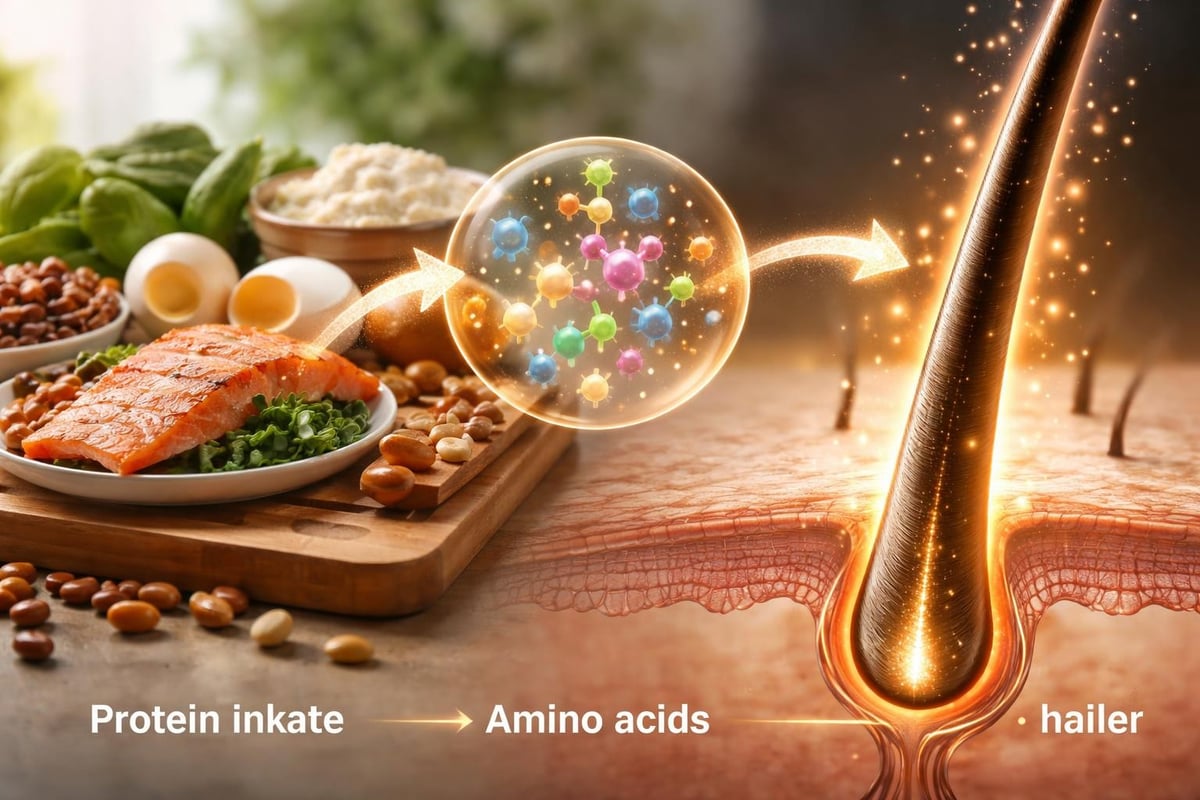
Your hair reflects internal health. Each strand requires:
- Protein: 18 amino acids form keratin chains
- Iron: Carries oxygen to follicles
- Zinc: Regulates oil glands and supports immune function
- Biotin: Activates enzymes involved in keratin production
- Omega-3 fatty acids: Reduce inflammation and nourish cell membranes
| Nutrient | Daily Target | Role in Hair Health | Food Sources |
|---|---|---|---|
| Protein | 1.6g per kg bodyweight | Keratin building blocks | Eggs, fish, legumes |
| Iron | 8-18mg | Oxygen transport | Red meat, spinach, lentils |
| Zinc | 11mg | Oil regulation, growth | Oysters, pumpkin seeds, beef |
| Biotin | 30mcg | Enzyme activation | Almonds, sweet potato, eggs |
| Omega-3 | 1.6g | Anti-inflammatory | Salmon, walnuts, flax seeds |
Deficiencies manifest as brittle hair, excessive shedding, or slowed growth before you notice other symptoms. Studies on grooming behaviours and health suggest that holistic approaches yield superior results compared to topical treatments alone.
Seasonal Adjustments to Your Routine
Your grooming for hair strategy must adapt to environmental challenges throughout the year.
Winter Protection (December-February)
Cold air holds less moisture, creating a humidity gradient that pulls water from your hair shaft. Indoor heating compounds this by maintaining low relative humidity (often below 30%).
Adjust your routine:
- Increase conditioning frequency to combat moisture loss
- Add a humectant-rich leave-in treatment containing glycerin or hyaluronic acid
- Reduce washing frequency as lower temperatures slow sebum production
- Apply protective oil to hair before wearing hats (friction causes breakage)
Summer Defence (June-August)
UV radiation degrades keratin through photo-oxidation, breaking disulphide bonds that give hair its strength. Chlorine and salt water compound damage by altering your hair's pH.
Protection strategies:
- Apply a leave-in product containing UV-absorbing compounds (like red raspberry seed oil)
- Rinse hair immediately after swimming to prevent mineral buildup
- Increase antioxidant intake (vitamins C and E) to combat free radical damage
- Consider a weekly deep conditioning treatment to repair cumulative damage
Browse additional grooming guidance tailored to seasonal challenges and specific hair concerns.
Common Mistakes Destroying Your Hair
Even committed grooming for hair enthusiasts make critical errors that undermine their efforts.
Mistake 1: Aggressive Towel Drying
Rubbing wet hair creates friction between swollen cuticles, causing lifting and breakage. Your hair is weakest when saturated because water disrupts hydrogen bonds in keratin.
Correct technique: Squeeze excess water gently, then wrap hair in a microfibre towel (smoother surface reduces friction) for 5-10 minutes. Pat, never rub.
Mistake 2: Heat Styling Without Protection
Blow dryers, straighteners, and curling tools expose hair to temperatures exceeding 180°C. At these temperatures, water inside the hair shaft boils, creating bubbles that permanently damage the cortex.
Thermal protection: Apply a heat-protectant containing silicones or proteins before styling. These create a barrier that distributes heat whilst preventing direct contact. Keep tools moving and maintain 15cm distance from your scalp.
Mistake 3: Ignoring Your Brush
Brushes accumulate sebum, dead skin cells, and product residue, becoming bacteria breeding grounds that you transfer back to clean hair.
Maintenance schedule:
- Remove loose hair after each use
- Deep clean weekly with gentle soap and warm water
- Replace brushes every 6-12 months as bristles weaken
- Choose natural boar bristles that distribute sebum without scratching your scalp
For comprehensive styling solutions, explore our men's hair styling products collection featuring formulations that work with your hair's natural texture rather than against it.
Building Your Personalised Routine
Generic advice fails because your hair type, lifestyle, and goals demand customisation. Assessment informs your approach to grooming for hair effectively.
Hair Type Classification
Understanding your hair's porosity (how readily it absorbs moisture) determines product selection:
Low Porosity: Cuticles lie flat, resisting moisture absorption. Requires lightweight oils (like argan or jojoba) and heat during deep conditioning to open cuticles.
Medium Porosity: Balanced cuticles absorb and retain moisture well. Most versatile hair type responds to various products and techniques.
High Porosity: Raised cuticles absorb moisture quickly but lose it just as fast. Benefits from heavier butters and proteins to fill gaps in the cuticle layer.
Test method: Place a clean strand in water. Floaters indicate low porosity, sinkers suggest high porosity, and mid-level suspension confirms medium porosity.
Lifestyle Considerations
Your routine must accommodate your schedule and environment:
- Active lifestyle: Prioritise scalp cleansing post-workout whilst avoiding over-washing
- Office environment: Controlled humidity suits most hair types; focus on styling longevity
- Outdoor work: Increase protective measures against UV, pollution, and temperature extremes
- Travel frequently: Develop a streamlined routine using multi-purpose products
The RUSH haircare tips guide offers forty additional strategies for men seeking to optimise their grooming approach.
The Investment Mindset
Quality grooming for hair requires viewing products as investments in your appearance and confidence rather than expenses to minimise.
Cost Per Use Analysis
A premium natural product lasting three months costs less per application than weekly salon visits whilst delivering superior results through cumulative benefits.
| Product Type | Initial Cost | Uses Per Container | Cost Per Use | Monthly Investment |
|---|---|---|---|---|
| Quality Shampoo | £18 | 60 | £0.30 | £3.60 |
| Natural Conditioner | £20 | 50 | £0.40 | £4.80 |
| Styling Product | £16 | 80 | £0.20 | £2.40 |
| Treatment Oil | £22 | 90 | £0.24 | £2.88 |
| Total | £76 | - | - | £13.68 |
For budget-conscious grooming without compromising quality, review these cost-effective strategies alongside our natural formulations.
Shop our complete selection at our Amazon store where customer reviews validate the transformative power of science-backed natural ingredients.
Tracking Progress and Adjusting
Effective grooming for hair demands monitoring results and refining your approach based on observable changes.
Quantifiable Metrics
- Shedding rate: Count hairs in your brush weekly (50-100 daily is normal)
- Growth rate: Measure monthly (average 1.25cm indicates healthy follicles)
- Texture changes: Document smoothness, shine, and manageability improvements
- Scalp condition: Monitor flaking, redness, or sensitivity reduction
Photograph your hair monthly in consistent lighting to track subtle improvements you might otherwise miss. Progress photos reveal changes that daily observation overlooks.
When to Pivot
Reassess your routine if after 6-8 weeks you notice:
- Increased breakage or shedding
- Persistent scalp irritation
- No improvement in target concerns
- New issues emerging
Your hair's needs evolve with age, seasons, and life changes. Rigidity defeats purpose; adaptation ensures continued results.
Understanding consumer behaviour in grooming choices reveals that successful routines balance consistency with flexibility, allowing refinement as you learn your hair's unique responses.
Professional Interventions Worth Considering
Whilst daily grooming for hair forms your foundation, strategic professional treatments amplify results.
When to Seek Expert Help
- Sudden increase in hair loss (more than 100 strands daily)
- Scalp conditions (persistent redness, scaling, or lesions)
- Styling challenges despite quality products and proper technique
- Major hair transformations (colour, significant length changes)
Professional input complements home care by diagnosing underlying issues and providing treatments unavailable for home use. Consider quarterly consultations as preventative maintenance rather than reactive crisis management.
Mastering grooming for hair transforms not just your appearance but your daily confidence and self-perception. The science-backed approaches detailed here, from understanding follicle biology to selecting ingredients with proven mechanisms, empower you to take control of your hair health using natural solutions that deliver measurable results. Whether you're addressing thinning, damage, or simply seeking to optimise what you already have, Onesociety provides the 100% natural, scientifically formulated products that align with the principles outlined throughout this guide, backed by our commitment to transformative results and customer satisfaction.