

White flakes scattered across your shirt collar signal a problem you can't ignore. Beard dandruff ruins your groomed appearance and triggers constant itching that disrupts your focus. This condition stems from specific biological triggers in your facial hair follicles and skin, yet many men apply random products without understanding what drives the issue. The solution requires targeting the root causes through scientifically validated methods that eliminate beard dandruff permanently.
Understanding What Causes Beard Dandruff
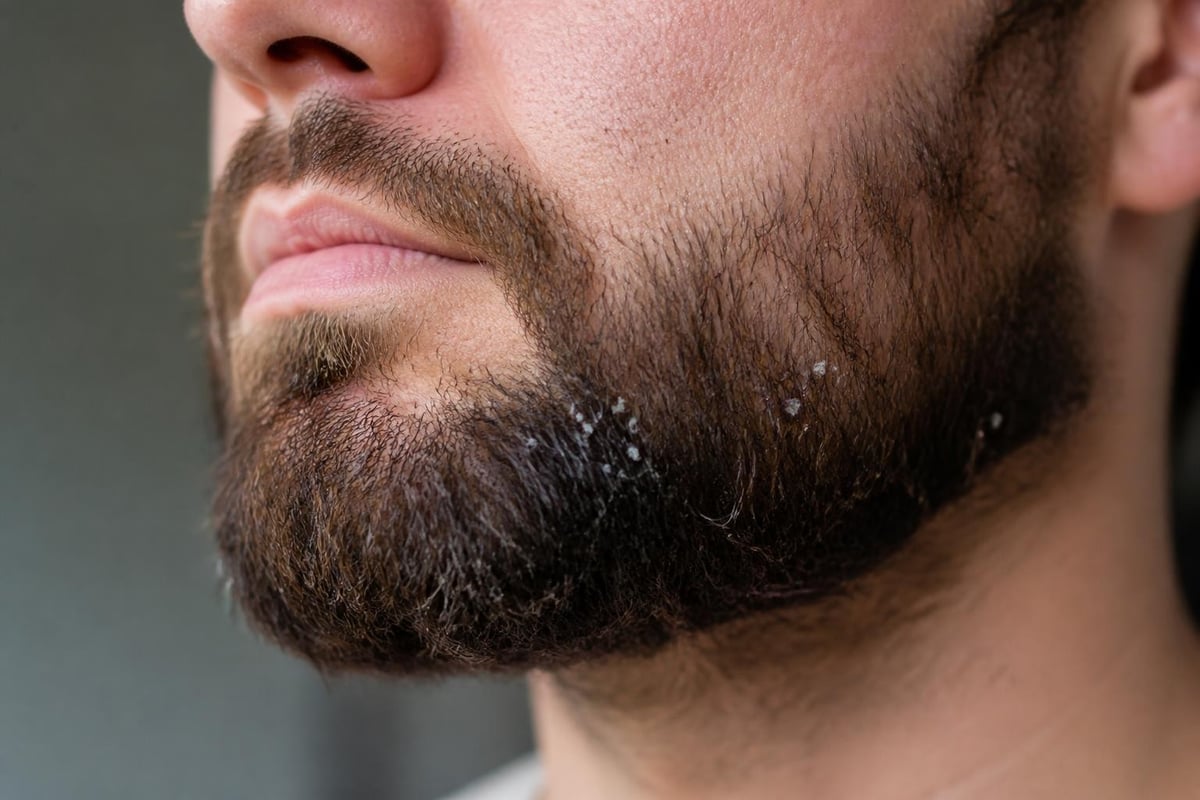
Your facial skin operates differently from your scalp, creating unique conditions for dandruff formation. The sebaceous glands beneath your beard produce sebum, an oily substance that protects skin and hair. When these glands overproduce sebum, they create an environment where Malassezia globosa fungus thrives. This naturally occurring yeast feeds on the fatty acids in sebum, breaking them down into oleic acid that irritates your skin.
The irritation accelerates your skin cell turnover rate. Instead of the normal 28-day cycle, your skin cells regenerate every 14 to 21 days. These excess cells clump together with sebum, forming the visible white or yellow flakes you recognize as dandruff.
The Seborrheic Dermatitis Factor
Seborrheic dermatitis represents the most common cause behind persistent beard flakes. This inflammatory skin condition creates red, scaly patches that produce excessive flaking. The condition intensifies during winter months when cold air and indoor heating strip moisture from your skin, compromising its protective barrier.
Your beard hair itself compounds the problem. The coarse texture traps dead skin cells and sebum close to your face, preventing natural shedding. This creates a cycle where trapped debris feeds more fungal growth, which triggers more inflammation and flaking.
Why Your Current Approach Fails
Many men wash their beards with regular hair shampoo, unknowingly worsening their dandruff problem. Standard shampoos contain surfactants designed for scalp pH (around 5.5), not facial skin pH (4.5 to 5.5). This alkaline disruption destroys your skin's acid mantle, the protective layer that regulates moisture and fights harmful bacteria.
Consider these common mistakes:
- Overwashing: Stripping natural oils triggers rebound sebum production
- Hot water exposure: Opens cuticles and depletes moisture from both hair and skin
- Skipping moisturization: Leaves skin vulnerable to inflammation and cellular damage
- Using drying alcohols: Denatured alcohol in products creates severe dehydration
Your skin compensates for excessive dryness by producing more sebum. This overcompensation feeds the Malassezia fungus, creating more flakes. The cycle continues because you address symptoms without targeting the biological mechanisms driving the condition.
The Product Build-Up Problem
Poor beard hygiene extends beyond infrequent washing. Styling products containing silicones, waxes, and synthetic polymers accumulate on your facial hair and skin. These ingredients form an occlusive barrier that traps sebum, sweat, and dead cells against your face.
The trapped debris creates an anaerobic environment where bacteria and fungi multiply rapidly. Your immune system responds with inflammation, which accelerates skin cell production and intensifies flaking. Regular water rinsing cannot remove these build-ups because they resist water solubility.
Science-Backed Methods to Eliminate Beard Dandruff
Effective treatment requires a multi-layered approach that addresses each biological factor contributing to flaking. You must regulate sebum production, control fungal populations, reduce inflammation, and restore your skin's protective barrier simultaneously.
Targeted Cleansing Protocol
Start with a pH-balanced beard wash containing specific active ingredients that disrupt the dandruff cycle:
| Ingredient | Biological Function | Frequency |
|---|---|---|
| Tea Tree Oil (2-5%) | Terpinen-4-ol compounds suppress Malassezia growth | 3-4 times weekly |
| Salicylic Acid (0.5-2%) | Beta-hydroxy acid dissolves keratin plugs and exfoliates | 2-3 times weekly |
| Zinc Pyrithione (1-2%) | Antifungal and antibacterial properties reduce microbe populations | Daily during flare-ups |
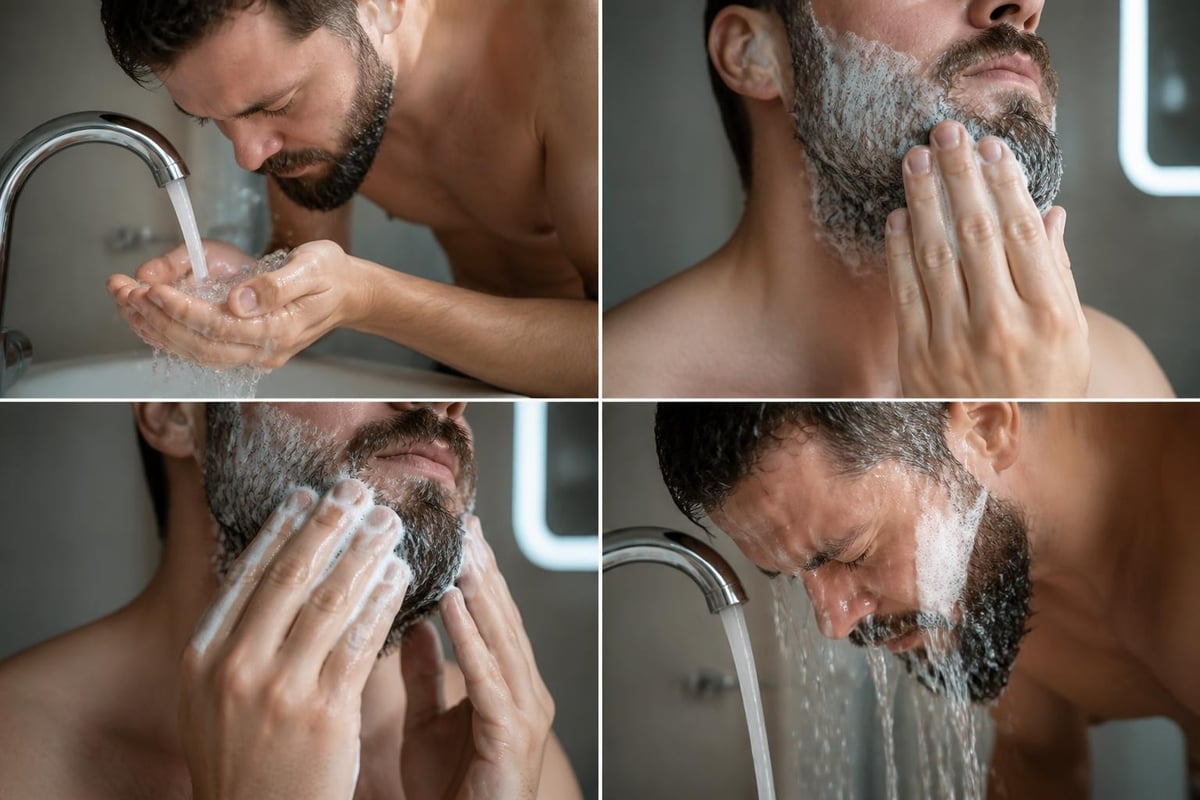
The cleansing process requires technique precision. Wet your beard with lukewarm water (not hot) to open cuticles without causing damage. Apply a coin-sized amount of pH-balanced beard wash to your palms, emulsify with water, then massage into your beard using circular motions. Focus on the skin beneath rather than just the hair strands.
Work the cleanser through for 60 to 90 seconds. This duration allows active ingredients to penetrate the hair shaft and skin layers where fungi reside. Rinse thoroughly with cool water to seal cuticles and prevent moisture loss.
Deep Hydration and Barrier Repair
After cleansing, your skin enters a critical 3-minute window where it absorbs ingredients most efficiently. Apply a beard conditioner containing humectants and emollients that work through distinct mechanisms:
Humectants (glycerin, hyaluronic acid, aloe vera) draw water molecules from the atmosphere into your skin's outer layers. These ingredients bind to water through hydrogen bonding, creating a moisture reservoir that keeps skin cells hydrated for 8 to 12 hours.
Emollients (jojoba oil, argan oil, shea butter) fill the microscopic gaps between skin cells, smoothing the surface and preventing transepidermal water loss. Jojoba oil specifically mimics your skin's natural sebum composition, signaling sebaceous glands to reduce overproduction.
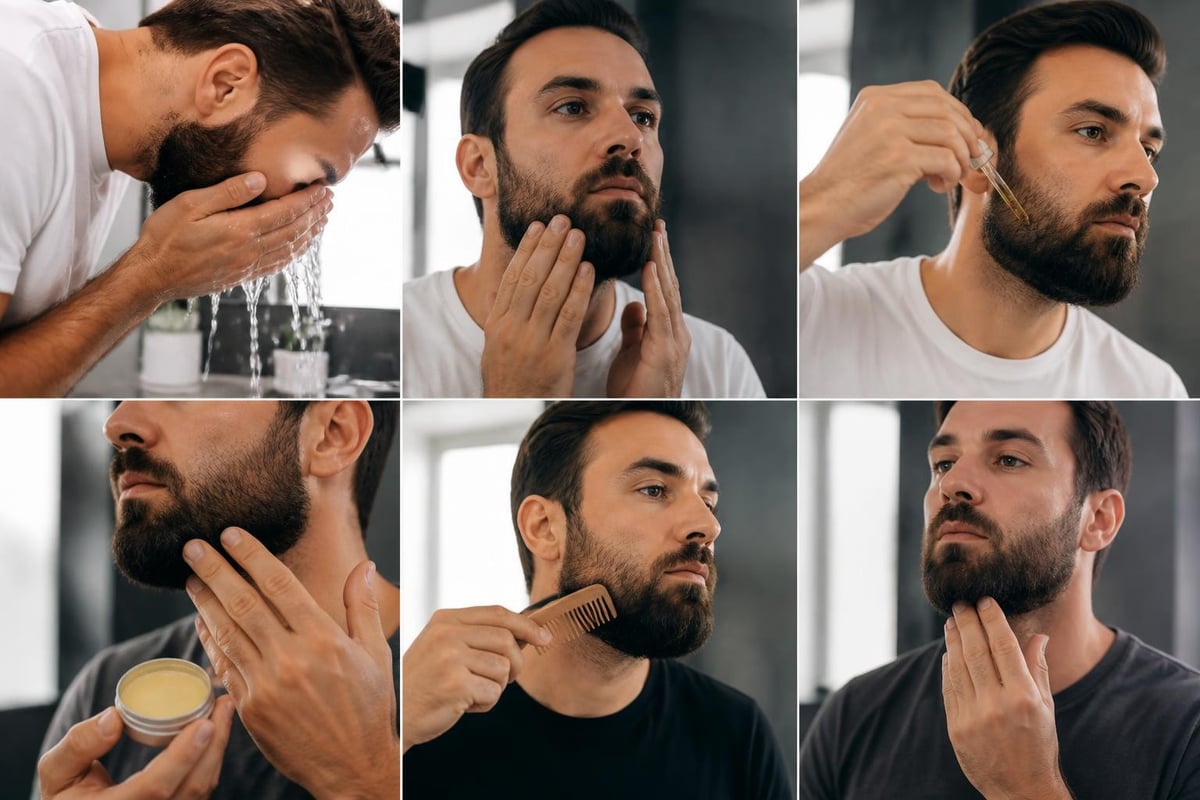
For optimal results with natural beard products, distribute conditioner evenly through damp facial hair. Leave it on for 2 to 3 minutes while active ingredients penetrate the cuticle layer, then rinse with cool water.
Nourishment Through Botanical Oils
Once your beard is towel-dried (not rubbed), apply a beard oil formulated with anti-inflammatory and antimicrobial botanicals. The application timing matters because slightly damp hair has raised cuticles that absorb oil compounds more effectively than completely dry hair.
Key ingredients to eliminate beard dandruff through topical application:
- Cedarwood Oil: Sesquiterpenes in cedarwood reduce inflammation by inhibiting NF-κB pathways that trigger immune responses
- Peppermint Oil: Menthol increases blood circulation to hair follicles, delivering oxygen and nutrients that strengthen skin barriers
- Vitamin E (Tocopherol): Neutralizes free radicals that damage cell membranes, preventing lipid peroxidation in sebum
- Hemp Seed Oil: Omega-3 and omega-6 fatty acids in a 3:1 ratio reduce inflammatory markers and regulate sebum composition
Apply 4 to 6 drops of beard oil to your palms, rub together to warm the oil, then work through your beard from roots to tips. Massage any remaining oil into the skin beneath your facial hair using upward motions that stimulate follicular blood flow.
Advanced Treatment Strategies
When basic cleansing and moisturization don't eliminate beard dandruff within two weeks, escalate your approach with targeted interventions.
Exfoliation for Cellular Turnover Regulation
Physical and chemical exfoliation methods remove accumulated dead cells before they form visible flakes. However, facial skin under your beard requires gentler treatment than your scalp.
Physical exfoliation using a soft-bristled brush works mechanically to dislodge trapped cells. Brush your beard twice daily before washing, using downward strokes that follow your hair growth pattern. This technique prevents ingrown hairs while removing surface debris.
Chemical exfoliation employs alpha-hydroxy acids (AHAs) or beta-hydroxy acids (BHAs) that dissolve the bonds between dead skin cells. WebMD recommends starting with lower concentrations (5% lactic acid or 1% salicylic acid) to assess your skin's tolerance.
Apply chemical exfoliants to clean, dry skin beneath your beard. Leave them on for 5 to 10 minutes, then rinse thoroughly. Limit chemical exfoliation to twice weekly to prevent over-stripping your skin's protective layer.
The Protective Seal Method
After applying oil, lock in moisture with a beard balm containing ingredients that form a semi-occlusive barrier. This barrier prevents environmental irritants from reaching your skin while maintaining necessary breathability.
Beeswax creates a flexible, water-resistant coating that shields your beard from harsh weather conditions. The wax's long-chain fatty acids integrate with your hair's cuticle layer, smoothing roughness and preventing moisture escape. Shea butter's triterpenes (lupeol, α-amyrin) reduce inflammation through COX-2 enzyme inhibition, which decreases prostaglandin production responsible for swelling and redness.
Warm a pea-sized amount of beard balm between your palms until it melts. Distribute evenly through your beard, focusing on the outer layers that face environmental exposure. The balm solidifies as it cools, maintaining your beard's shape while protecting the skin beneath.
Lifestyle Modifications That Support Beard Health
Your daily habits influence sebum composition and skin cell turnover rates as significantly as topical products.
Dietary Interventions for Sebum Quality
The fatty acids in your sebum reflect your dietary fat intake. Consuming omega-3 rich foods (salmon, mackerel, walnuts, flaxseed) alters sebum from pro-inflammatory to anti-inflammatory profiles. These polyunsaturated fats compete with omega-6 fats for incorporation into cell membranes, reducing arachidonic acid levels that fuel inflammatory cascades.
Zinc supplementation (11mg daily) regulates androgen metabolism, the hormones that control sebaceous gland activity. Studies show zinc reduces sebum production by up to 30% within 12 weeks. Food sources include oysters, beef, pumpkin seeds, and lentils.
B-vitamin complex (particularly B6, B7, and B12) supports healthy skin cell differentiation. These vitamins act as coenzymes in keratinocyte maturation, ensuring skin cells develop properly before reaching the surface layer.
Environmental Control Measures
Winter heating systems reduce indoor humidity below 30%, far beneath the ideal 40 to 60% range for skin health. This dry air accelerates transepidermal water loss, triggering compensatory sebum overproduction.
Solutions to implement:
- Run a humidifier in your bedroom during sleep (8 hours of exposure)
- Lower shower water temperature to lukewarm (32-35°C)
- Protect your beard with a scarf during cold weather exposure
- Avoid touching or scratching your beard throughout the day
Stress hormones (cortisol, adrenaline) stimulate sebaceous glands and suppress immune function. This combination creates optimal conditions for Malassezia overgrowth. Men's Health highlights stress management through regular exercise, which reduces cortisol levels by up to 25% and improves blood circulation to facial tissues.
The 90-Day Transformation Protocol
Eliminate beard dandruff permanently requires consistent application of scientifically validated methods over an extended period. Your skin needs 28 days to complete one full turnover cycle, meaning you must maintain your routine through at least three complete cycles to retrain sebaceous glands and normalize fungal populations.
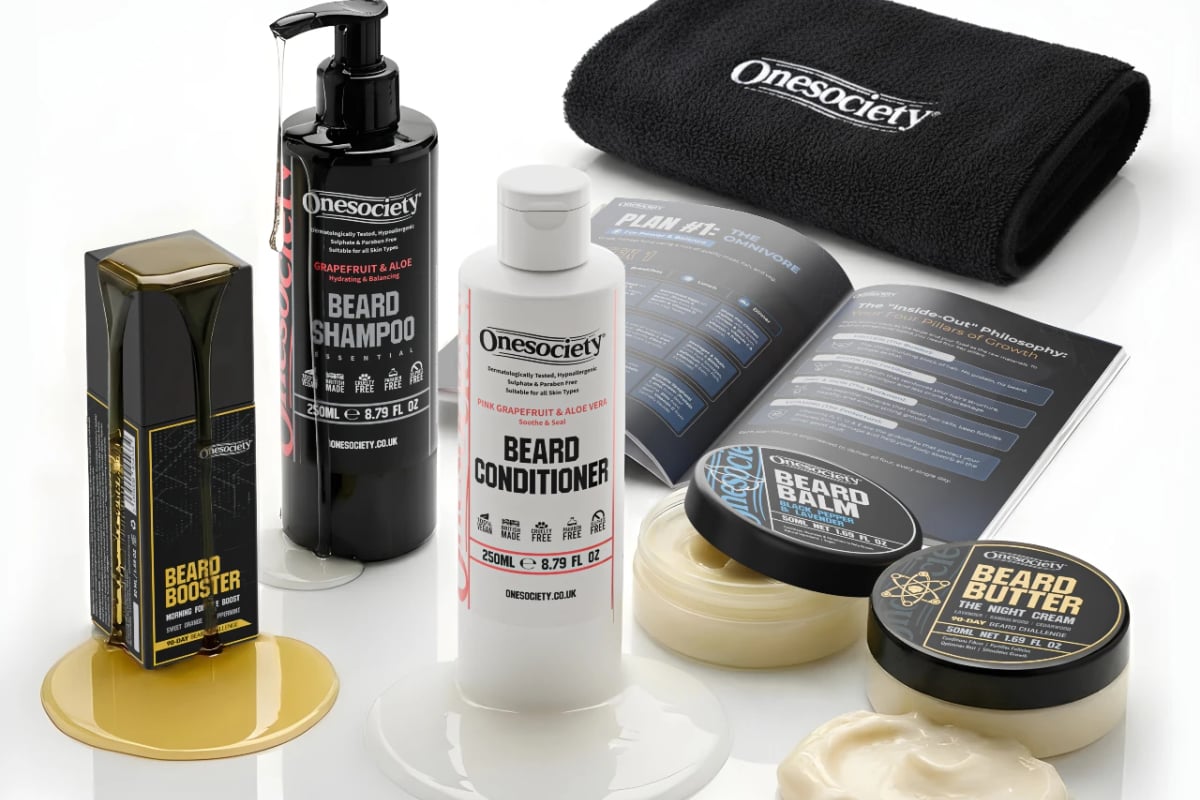
The 90-Day Beard Challenge provides a comprehensive system engineered to address every biological factor contributing to beard dandruff. This complete kit combines follicle-igniting formulas with protective barriers and deep hydration treatments, creating synergistic effects that individual products cannot achieve.
The protocol works through specific mechanisms:
Days 1-30: Beard Booster stimulates blood flow to follicles through vasodilating compounds, delivering nutrients that strengthen skin barriers. The increased circulation removes metabolic waste products that accumulate beneath facial hair.
Days 31-60: Beard Butter provides nightly recovery with deep-penetrating emollients that repair damaged lipid barriers. These ingredients work during sleep when cellular repair processes peak.
Days 61-90: Hydro-Lock Balm creates a protective shield against environmental stressors while maintaining breathability. This final phase consolidates improvements and prevents regression.
Monitoring Progress and Adjusting Your Approach
Track specific markers to measure whether your methods effectively eliminate beard dandruff:
| Week | Expected Improvement | Adjustment If Absent |
|---|---|---|
| 1-2 | Reduced itching, less visible flaking | Increase cleansing frequency to daily |
| 3-4 | Improved skin texture beneath beard | Add chemical exfoliation twice weekly |
| 5-8 | Minimal to no flaking, normalized sebum | Maintain current protocol |
| 9-12 | Complete resolution, healthy skin barrier | Reduce to maintenance schedule |
If you notice increased redness, burning, or worsening flakes, you may be over-treating your skin. Scale back to every-other-day cleansing and eliminate chemical exfoliants temporarily. Introduce one product at a time, waiting 5 to 7 days between additions to identify any sensitivity triggers.
When Professional Intervention Becomes Necessary
Persistent dandruff despite 8 weeks of consistent treatment may indicate underlying dermatological conditions requiring medical diagnosis. Severe seborrheic dermatitis sometimes requires prescription-strength antifungal treatments (ketoconazole 2%, ciclopirox 1%) that suppress Malassezia more aggressively than over-the-counter options.
Consult a dermatologist if you experience:
- Intense burning or pain beneath your beard
- Oozing, crusting, or bleeding from affected areas
- Spreading redness beyond your beard zone
- Hair loss or thinning patches within your beard
- No improvement after 12 weeks of treatment
These symptoms suggest conditions like psoriasis, eczema, or contact dermatitis that require targeted medical therapies beyond standard beard care protocols.
Prevention Through Maintenance
Once you eliminate beard dandruff, maintaining results requires ongoing attention to the biological factors that triggered initial symptoms. Your sebaceous glands retain their programmed output levels, meaning environmental changes or product lapses can restart the flaking cycle.
Establish a sustainable maintenance routine:
Daily: Apply beard oil after morning cleansing to regulate sebum and protect skin barriers
3-4 times weekly: Wash with pH-balanced cleanser to remove build-up without stripping oils
Weekly: Deep condition for 5 minutes to replenish moisture reserves and strengthen cuticles
Monthly: Assess your routine's effectiveness and adjust based on seasonal changes or stress levels
Rotate your beard care products seasonally. Winter requires heavier emollients (shea butter, cocoa butter) to combat heating-induced dryness. Summer benefits from lighter oils (grapeseed, argan) that won't feel greasy in humid conditions.
Understanding proper beard moisturization throughout seasonal transitions prevents the dry-oily cycle that perpetuates dandruff formation. Your skin's needs shift with environmental humidity, temperature, and UV exposure levels.
Product Selection Criteria for Long-Term Success
Not all beard products deliver the biological interventions necessary to eliminate beard dandruff. Evaluate formulations based on specific ingredient profiles and concentrations.
Avoid these damaging ingredients:
- Sulfates (sodium lauryl sulfate, sodium laureth sulfate): Strip natural oils and disrupt pH balance
- Denatured alcohols (alcohol denat, isopropyl alcohol): Cause severe dehydration and barrier damage
- Synthetic fragrances: Trigger inflammation through phthalate exposure and unknown chemical compounds
- Mineral oil derivatives: Create occlusive barriers that trap bacteria and prevent skin respiration
Prioritize formulations containing:
- Cold-pressed botanical oils (jojoba, argan, hemp seed): Preserve heat-sensitive nutrients and antioxidants
- Natural antimicrobials (tea tree, eucalyptus, cedarwood): Control fungal populations without resistance development
- Plant-based humectants (aloe vera, vegetable glycerin): Draw moisture without synthetic chemical exposure
- Vitamin enrichment (E, B-complex, A): Support cellular repair and barrier maintenance
Reading ingredient labels requires understanding concentration placement. Ingredients appear in descending order by weight percentage, meaning the first five ingredients comprise 80-90% of the formula. Active compounds like tea tree oil should appear within the first seven ingredients to ensure therapeutic concentrations.
Quality beard grooming products from Onesociety prioritize 100% natural ingredients backed by scientific research, ensuring each formula delivers active compounds at concentrations proven effective in clinical studies. This evidence-based approach eliminates guesswork and provides predictable results for men committed to beard health.
Eliminating beard dandruff permanently requires understanding the biological mechanisms behind flaking, then targeting each factor through scientifically validated methods. Your success depends on consistent application of pH-balanced cleansers, strategic hydration with botanical oils, and protective barriers that shield your skin from environmental damage. Onesociety provides the natural, research-backed formulations your beard needs to thrive, combining premium ingredients with proven delivery systems that transform your facial hair from flaky and irritated to healthy and commanding.