

You've stared at the mirror for months, willing those patchy areas to fill in. You've tried every oil, balm, and questionable online "hack" you could find. Yet your beard remains frustratingly uneven, with stubborn gaps that refuse to cooperate. The question gnawing at you is simple: can a vitamin actually change this? Specifically, can biotin for beard growth deliver real results, or is it just another overhyped supplement riding the beard grooming wave? The answer lies in understanding what biotin actually does inside your follicles-and what it can't do.
What Biotin Actually Does in Your Body
Biotin functions as a cofactor for carboxylase enzymes that regulate fatty acid synthesis, amino acid metabolism, and gluconeogenesis. This B-vitamin (also called vitamin B7) directly participates in the production of keratin-the structural protein that forms approximately 95% of your hair shaft, including facial hair.
When you consume biotin, your body uses it to activate specific enzymes that convert nutrients into cellular energy. This energy powers the rapid cell division that occurs in your hair follicles. The matrix cells in your follicles divide every 24-72 hours, making them among the fastest-growing cells in your body. Without adequate biotin, this division process slows down.
The Keratin Connection
Your beard consists of keratin filaments bundled together in a specific structure. Biotin influences the production of these filaments through its role in protein synthesis. The vitamin helps your body metabolise the amino acids that form keratin chains-particularly cysteine, which creates the disulphide bonds that give hair its strength.
Research published in dermatology journals demonstrates that biotin deficiency correlates with hair thinning and loss. However, this doesn't automatically mean supplementation will accelerate growth if you're not deficient. The scientific evidence distinguishes between correcting a deficiency and enhancing normal function.
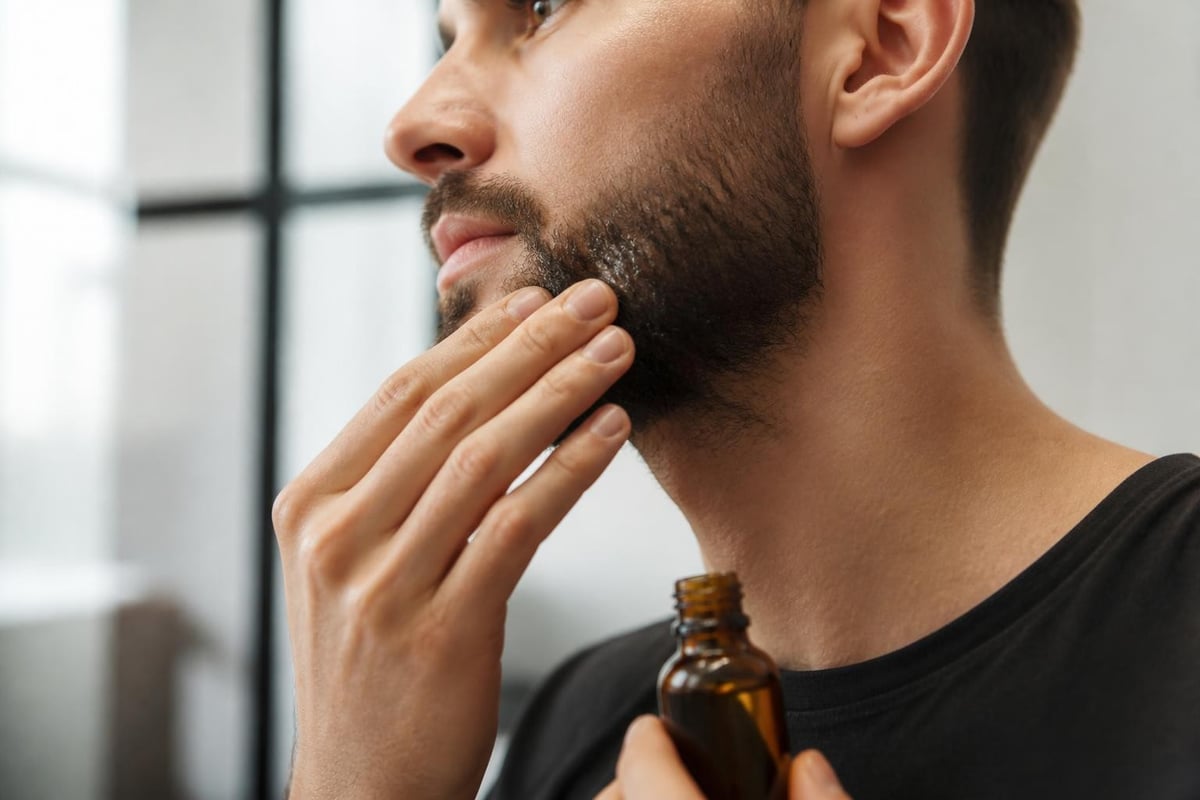
The Truth About Biotin Deficiency and Beard Growth
True biotin deficiency is rare in developed countries. Your intestinal bacteria actually produce biotin, and you obtain additional amounts from your diet. However, certain conditions create vulnerability.
Risk factors for biotin deficiency include:
- Chronic alcohol consumption that damages gut bacteria
- Long-term antibiotic use that disrupts biotin-producing intestinal flora
- Genetic disorders affecting biotin metabolism (biotinidase deficiency)
- Pregnancy and breastfeeding, which increase biotin requirements
- Consumption of raw egg whites containing avidin, which binds biotin
When deficiency occurs, symptoms manifest progressively. Hair thinning typically appears alongside brittle nails, skin rashes, and neurological symptoms like depression or lethargy. If your beard growth has slowed and you experience these concurrent symptoms, biotin deficiency might be the underlying cause.
Supplementation vs. Dietary Sources
The recommended daily intake for biotin sits at 30 micrograms for adult men. Most people obtain this easily through food. Yet biotin supplements typically contain 5,000-10,000 micrograms-far exceeding physiological needs.
| Food Source | Biotin Content (per serving) |
|---|---|
| Beef liver (85g) | 31 mcg |
| Egg (whole, cooked) | 10 mcg |
| Salmon (85g) | 5 mcg |
| Sweet potato (125g) | 2.4 mcg |
| Almonds (30g) | 1.5 mcg |
| Spinach (125g) | 0.5 mcg |
Your body absorbs biotin from whole foods more efficiently than synthetic supplements. The bioavailability-the percentage your body actually uses-varies based on the form and delivery method.
Does Biotin for Beard Growth Work If You're Not Deficient?
This question cuts to the heart of the supplement industry's claims. The scientific consensus reveals a nuanced answer.
Studies examining biotin supplementation in people with normal biotin levels show minimal to no effect on hair growth rates. Your follicles can only utilise the biotin they need for optimal function. Once you meet this threshold, additional biotin doesn't accelerate the process-it's simply excreted in your urine.
Think of it like watering a plant. A dehydrated plant responds dramatically to water. A properly hydrated plant doesn't grow faster when you over-water it. The same principle applies to biotin and your beard follicles.
What the Research Actually Shows
A 2017 systematic review examined 18 cases of biotin supplementation for hair and nail disorders. The researchers found that supplementation only produced improvements in cases where underlying biotin deficiency existed. The study concluded that evidence supporting biotin use in healthy individuals remains limited.
However, anecdotal reports persist. Many men claim noticeable beard improvement after starting biotin. This raises important questions about placebo effects, concurrent lifestyle changes, and individual variation in biotin metabolism.
The Science of Beard Growth You Can't Supplement Away
Your beard growth depends on multiple factors that biotin cannot influence. Understanding these limitations prevents wasted money on unnecessary supplements.
Genetically determined factors include:
- Androgen receptor sensitivity: Your follicles' response to testosterone and dihydrotestosterone (DHT) determines growth potential
- Follicle density: The number of follicles in your beard area was established during foetal development
- Growth phase duration: How long your follicles remain in anagen (active growth) versus telogen (resting) is genetically programmed
- Ethnic background: Asian, European, and African ancestry correlates with different beard growth patterns
Biotin cannot alter your androgen receptors, create new follicles, or modify your genetic programming. If your father and grandfather had patchy beards, biotin won't override this inheritance pattern.
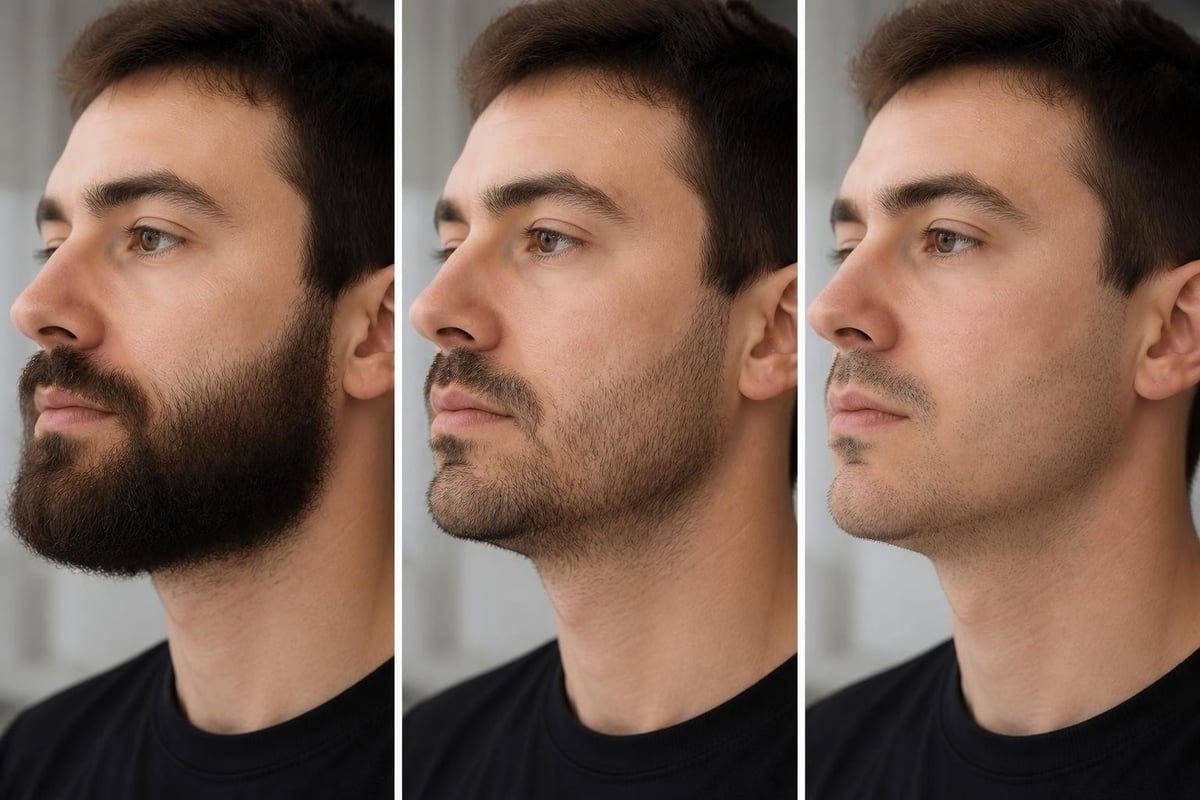
The Role of DHT and Testosterone
Facial hair growth requires adequate testosterone conversion to DHT via the enzyme 5-alpha reductase. Your beard follicles contain androgen receptors that bind to DHT, triggering the growth response. This hormonal signalling pathway operates independently of biotin status.
Men with low testosterone or androgen insensitivity syndrome struggle with beard growth regardless of biotin levels. Conversely, men with optimal hormonal profiles but biotin deficiency will see improvement from supplementation-but only to their genetically predetermined potential.
How to Actually Support Healthy Beard Growth
Rather than focusing solely on biotin for beard growth, adopt a comprehensive approach that addresses all follicle requirements.
Nutritional Foundations
Your follicles require multiple nutrients working synergistically:
- Protein: 0.8-1.0g per kilogram of body weight daily provides amino acids for keratin synthesis
- Zinc: Supports 5-alpha reductase enzyme activity, converting testosterone to DHT
- Vitamin D: Influences follicle cycling and may prolong the growth phase
- Iron: Necessary for haemoglobin production, which delivers oxygen to follicles
- Omega-3 fatty acids: Reduce inflammation that can impair follicle function
A diet rich in whole foods typically provides these nutrients without supplementation. Processed foods, excessive sugar, and chronic calorie restriction all impair beard growth through multiple mechanisms.
External Beard Care Strategies
What you apply to your beard matters as much as what you consume. Proper beard care products create an optimal environment for growth while protecting existing hair from damage.
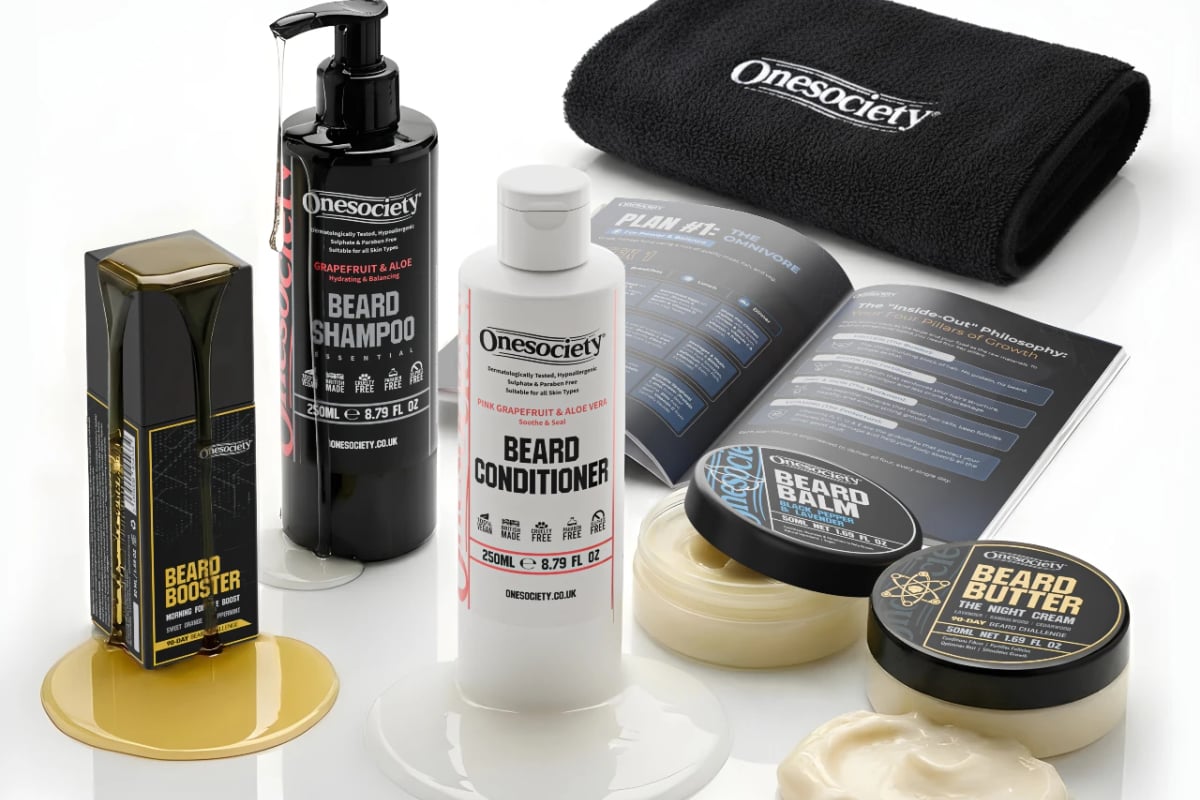
Regular cleansing with a pH-balanced beard shampoo removes sebum buildup and dead skin cells that can clog follicles. Over-washing strips natural oils, so 2-3 times weekly suffices for most men. Conditioning afterwards maintains moisture balance and reduces breakage.
The foundation of effective beard care combines internal nutrition with external grooming. When you address both dimensions simultaneously, you create the optimal conditions for your genetic potential to manifest fully.
Biotin Dosage and Safety Considerations
If you choose to supplement biotin for beard growth despite normal dietary intake, understanding proper dosing prevents potential issues.
Most supplements contain 5,000-10,000 mcg (5-10 mg) per capsule. The European Food Safety Authority hasn't established an upper tolerable limit because biotin exhibits low toxicity. Your kidneys efficiently excrete excess amounts.
Potential Side Effects and Interactions
Biotin is water-soluble, making toxicity rare. However, mega-doses can cause problems:
- Laboratory test interference: High biotin levels distort thyroid function tests, troponin assays (used to diagnose heart attacks), and vitamin D measurements
- Acne breakouts: Some users report increased breakouts, possibly due to altered sebum production
- Digestive upset: Nausea or cramping can occur, particularly on an empty stomach
Studies have documented cases where biotin supplementation led to misdiagnosis of thyroid disorders and falsely low troponin results in emergency departments. If you supplement biotin, inform your doctor before any blood tests.
Medication Interactions
Biotin can interact with specific medications:
| Medication Type | Interaction Mechanism |
|---|---|
| Anti-seizure drugs (carbamazepine, phenytoin) | Accelerate biotin breakdown, potentially causing deficiency |
| Isotretinoin (Accutane) | May reduce biotin absorption |
| Antibiotics (long-term use) | Disrupt biotin-producing gut bacteria |
Always consult your healthcare provider before starting supplementation, particularly if you take prescription medications or have underlying health conditions.
Building a Complete Beard Growth Strategy
Biotin represents just one piece of a larger puzzle. The most effective approach combines multiple evidence-based interventions.
Your comprehensive beard growth plan should include:
- Adequate sleep: Growth hormone release peaks during deep sleep, supporting follicle function
- Stress management: Chronic cortisol elevation disrupts the hair growth cycle
- Regular exercise: Improves blood circulation to follicles and optimises hormone levels
- Avoiding harmful habits: Smoking constricts blood vessels, reducing nutrient delivery to follicles
Physical stimulation through brushing or massaging your beard area increases local blood flow. This delivers more nutrients and oxygen to your follicles while removing metabolic waste products. Spend 5-10 minutes daily using a boar bristle brush in circular motions.
Patience and Realistic Expectations
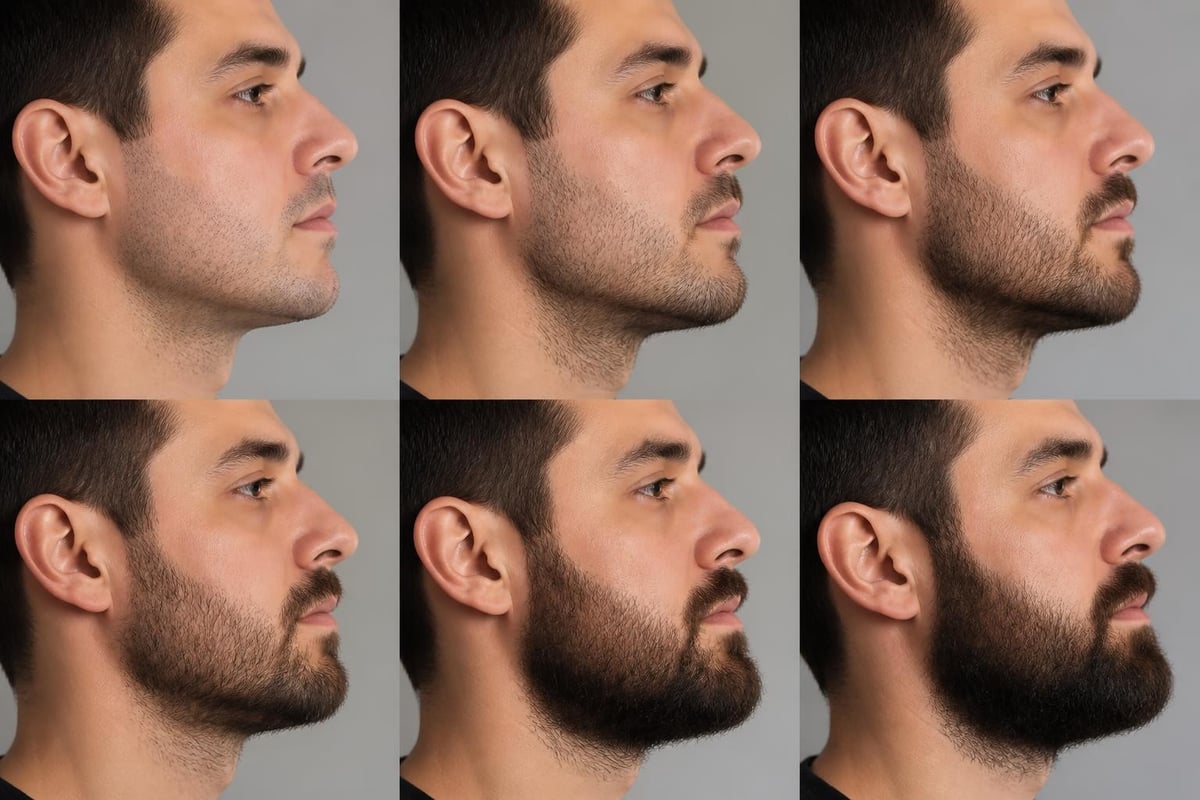
Beard hair grows approximately 0.4-0.5 millimetres daily, or roughly 1.25 centimetres monthly. This rate varies between individuals and across different facial areas. Your cheeks typically grow slower than your chin and moustache area.
A complete beard growth cycle takes 2-6 months to show noticeable changes. Assessing biotin for beard growth effectiveness requires at least this timeframe. Photographing your beard monthly from consistent angles provides objective progress tracking versus relying on mirror assessment, which is prone to confirmation bias.
When to Consider Professional Consultation
Certain situations warrant medical evaluation rather than self-supplementation with biotin.
Seek professional advice if you experience:
- Sudden, rapid beard thinning or patchy loss
- Beard growth cessation accompanied by fatigue, weight changes, or mood alterations
- Skin changes in the beard area (scaling, redness, inflammation)
- Concurrent hair loss on your scalp, eyebrows, or body hair
These symptoms might indicate underlying conditions like hypothyroidism, alopecia areata, hormonal imbalances, or autoimmune disorders. A dermatologist or endocrinologist can perform the appropriate diagnostic tests and recommend targeted treatments.
Medical Treatments That Actually Work
For men with documented low testosterone or DHT levels, hormone replacement therapy produces dramatic beard improvement. Minoxidil (originally developed for blood pressure) stimulates follicles through mechanisms involving adenosine and vascular endothelial growth factor.
These medical interventions demonstrate measurable efficacy in clinical trials, unlike biotin supplementation in non-deficient individuals. However, they carry greater risks and require medical supervision.
The Bottom Line on Biotin and Your Beard
Biotin supports beard growth by facilitating the protein synthesis necessary for keratin production. If you're deficient, supplementation will improve your beard quality and growth rate. If you already consume adequate biotin through diet, additional supplementation offers minimal benefit.
Your beard's ultimate potential is written in your genes. Biotin for beard growth works within these genetic boundaries-it cannot rewrite them. The vitamin optimises your follicles' performance but cannot exceed their inherent capacity.
Rather than viewing biotin as a miracle solution, consider it one component of holistic beard health. Combine adequate nutrition with proper external care, sufficient sleep, stress management, and patience. This comprehensive approach delivers far superior results than any single supplement.
Making an Informed Decision
Before purchasing biotin supplements, honestly assess your diet and symptoms. Do you consume biotin-rich foods regularly? Do you have signs of deficiency beyond slow beard growth? Have you given your beard adequate time to develop (at least 3-6 months)?
If you eat a varied diet including eggs, nuts, fish, and vegetables, you likely obtain sufficient biotin. Understanding the broader science of beard nutrition helps you make evidence-based decisions rather than following supplement industry marketing.
The men who see the most dramatic beard transformations combine internal optimisation with strategic external care. Quality beard oils deliver nutrients directly to follicles while conditioning existing hair. Balms protect against environmental damage and mechanical stress that causes breakage.
Natural Alternatives to Biotin Supplementation
If you prefer food-based approaches over supplements, specific dietary patterns support optimal beard growth.
The Mediterranean diet provides abundant biotin alongside other hair-supportive nutrients. This eating pattern emphasises fatty fish rich in omega-3s, nuts and seeds containing biotin and vitamin E, and vegetables supplying vitamins A and C.
Daily biotin-rich meal ideas:
- Breakfast: Scrambled eggs with spinach and mushrooms, served with wholegrain toast
- Lunch: Salmon salad with mixed greens, avocado, and sunflower seeds
- Dinner: Grass-fed beef with roasted sweet potato and steamed broccoli
- Snacks: Raw almonds, hard-boiled eggs, or Greek yoghurt
This approach provides biotin in its natural food matrix, accompanied by cofactors that enhance absorption and utilisation. Your body recognises and processes food-based nutrients more efficiently than isolated synthetic vitamins.
Gut Health and Biotin Production
Your intestinal microbiome produces biotin through bacterial fermentation of dietary fibre. Supporting these beneficial bacteria enhances your endogenous biotin production.
Probiotic foods like kefir, sauerkraut, and kimchi introduce beneficial bacterial strains. Prebiotic fibres from garlic, onions, leeks, and asparagus feed existing bacteria. This symbiotic relationship between your diet and gut flora influences biotin availability without supplementation.
Men who prioritise gut health through fermented foods and fibre intake often report improvements in beard quality, skin health, and overall vitality. These benefits extend beyond biotin production to include improved nutrient absorption and reduced inflammation.
Tracking Your Beard Growth Progress
Objective measurement prevents the disappointment that comes from unrealistic expectations fuelled by supplement marketing.
Establish baseline metrics before starting any intervention:
- Photograph your beard from front, left, right, and underneath angles in consistent lighting
- Measure length at five points: chin, left cheek, right cheek, moustache, neck
- Rate density on a 1-10 scale for different facial zones
- Document any patchy areas or growth concerns
Repeat these measurements monthly. This data-driven approach reveals actual progress versus perceived changes. Many men discover their beard improved less than they believed, or sometimes more than they noticed day-to-day.
Understanding Growth Rate Variability
Your beard doesn't grow uniformly. The chin typically outpaces the cheeks, creating temporary imbalances that resolve over 3-6 months. The moustache area often grows fastest due to higher androgen receptor density.
Terminal beard development continues into your 30s for many men. What appears as "poor growth" at 22 might simply reflect incomplete maturation. Patience often proves more valuable than supplementation.
Biotin for beard growth works when deficiency exists, but offers limited benefit for men with adequate intake. The most effective strategy combines proper nutrition with quality external care and realistic timeframes. Onesociety provides scientifically-formulated beard products using natural ingredients that complement your internal optimisation efforts. Whether you're addressing patchy growth or seeking to maximise your genetic potential, the right combination of nutrition, care, and patience delivers the beard you're working towards.