

Your beard deserves better than guesswork. Every patchy spot, every wiry hair, every flake of dry skin signals a specific biological need. Yet most men reach for products based on marketing claims rather than understanding what their facial hair actually requires at the cellular level. The best beard care products don't just smell appealing or feel luxurious-they contain scientifically validated ingredients that address the unique structure of facial hair, which differs significantly from scalp hair in diameter, growth cycle, and sebum requirements. This guide dissects what actually works, why it works, and how to build a routine that transforms your beard from frustrating to legendary.
The Problem: Why Most Beards Never Reach Their Potential
Your beard grows slowly, looks patchy, or feels like steel wool. These aren't random occurrences.
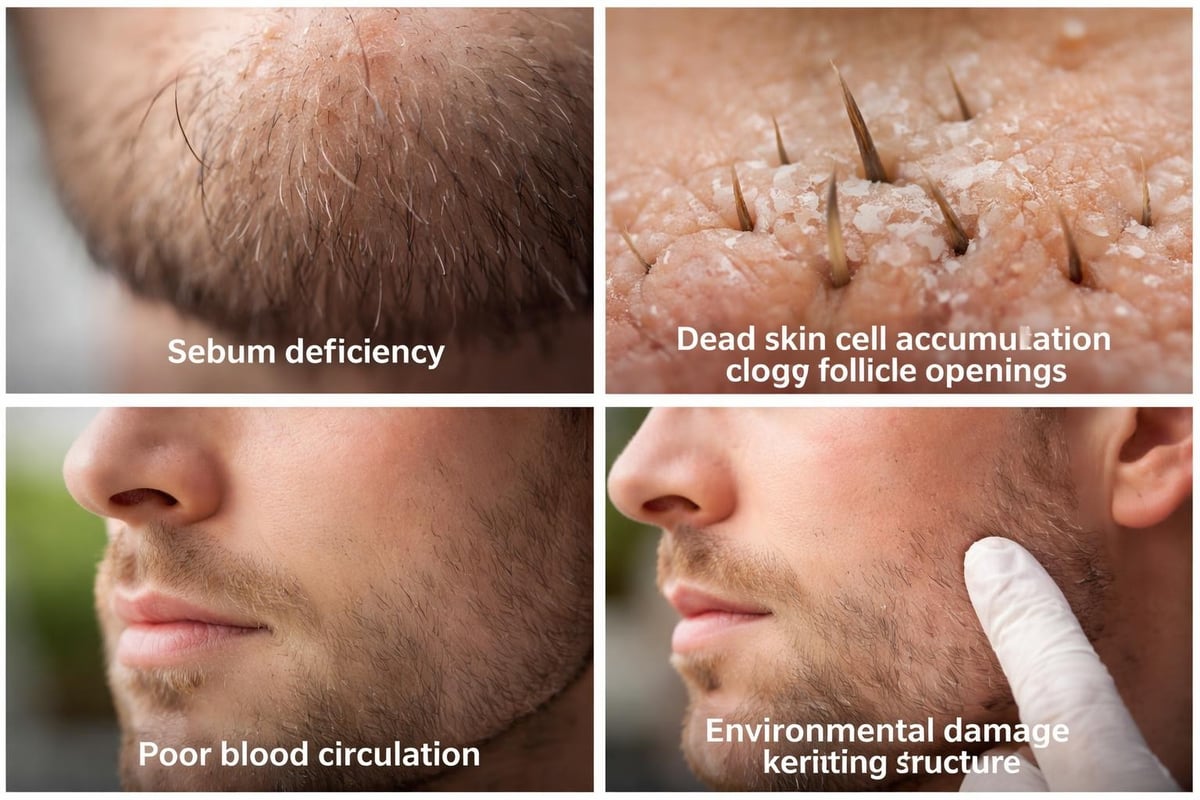
Facial hair follicles receive 30% less natural sebum distribution than scalp follicles due to gravitational pull and follicle angle. This creates inherent dryness that escalates into brittleness, split ends, and a coarse texture that defies management. Meanwhile, the skin beneath your beard sheds dead cells at the same rate as the rest of your face, but these cells become trapped in your beard structure, leading to inflammation, folliculitis, and the relentless itch that makes men abandon their growth journey prematurely.
The Hidden Barriers to Growth
Dead skin accumulation blocks follicle openings, restricting hair shaft emergence and creating ingrown hairs. Poor blood circulation to facial follicles limits nutrient delivery, directly impacting growth rate and hair diameter. Environmental pollutants oxidise sebum, transforming your beard's natural protective coating into a pore-clogging residue that triggers acne mechanica.
The compounding effects:
- Dehydrated hair shafts lose elasticity, leading to breakage during combing
- Bacterial overgrowth in unwashed beards creates odour and inflammation
- UV radiation degrades keratin protein structure, weakening each strand
- Hard water mineral deposits coat hair, preventing moisture absorption
These problems don't resolve themselves. Without intervention using the best beard care products formulated with bioactive ingredients, your beard remains stuck in a cycle of damage and stunted potential.
The Science: What Actually Works in Beard Care Products
Understanding ingredient mechanisms separates effective products from expensive placebos.
Carrier Oils: The Hydration Foundation
Jojoba oil mimics human sebum's molecular structure (97% similarity), allowing it to penetrate the hair shaft without leaving surface residue. Its wax esters repair damaged cuticle layers by filling micro-gaps in the hair's outer coating. Argan oil delivers vitamin E (tocopherol) directly to follicle cells, where it neutralises free radicals that damage DNA and impair hair production. The oleic acid in sweet almond oil increases hair shaft permeability, enabling deeper moisture penetration than lighter oils.
Why these oils outperform synthetic alternatives:
| Natural Oil | Primary Fatty Acid | Biological Function | Penetration Depth |
|---|---|---|---|
| Jojoba | Eicosenoic acid | Cuticle repair | Full shaft |
| Argan | Linoleic acid | Antioxidant delivery | Mid-shaft |
| Sweet Almond | Oleic acid | Permeability enhancement | Outer cuticle |
| Castor | Ricinoleic acid | Anti-inflammatory | Surface |
Professional beard grooming advice emphasises patience, but the right oils accelerate results by optimising the biological environment for growth.
Butters: The Structural Reinforcement
Shea butter's triterpene alcohols reduce inflammatory cytokines (specifically IL-6 and TNF-alpha) that damage follicle stem cells. Its fatty acid profile-stearic acid (40%) and oleic acid (48%)-creates a semi-occlusive barrier that prevents transepidermal water loss without blocking pores. Cocoa butter's polyphenols improve microcirculation to follicles, increasing oxygen and nutrient delivery by up to 18% in dermal studies.
The scientific approach to grooming validates these mechanisms through controlled research rather than anecdotal claims.
Active Botanicals: The Growth Stimulants
Caffeine blocks 5-alpha-reductase, the enzyme that converts testosterone to DHT (dihydrotestosterone), which miniaturises hair follicles. Studies show topical caffeine extends the anagen (growth) phase of hair cycles by 25-30%. Biotin (vitamin B7) serves as a coenzyme for carboxylase enzymes that synthesise fatty acids essential for hair shaft construction. Deficiency leads directly to brittle, slow-growing hair.
Ingredient synergies that multiply effectiveness:
- Caffeine + Biotin: Growth phase extension plus structural protein enhancement
- Vitamin E + Rosehip Oil: Antioxidant protection plus essential fatty acid delivery
- Castor Oil + Peppermint Oil: Anti-inflammatory base plus circulation stimulation
- Shea Butter + Beeswax: Moisture retention plus styling hold
These combinations explain why the best beard care products use multi-ingredient formulations rather than single-component solutions.
Product Categories: Building Your Essential Arsenal
Each product type addresses specific biological requirements your beard presents.
Beard Oils: Daily Hydration Delivery
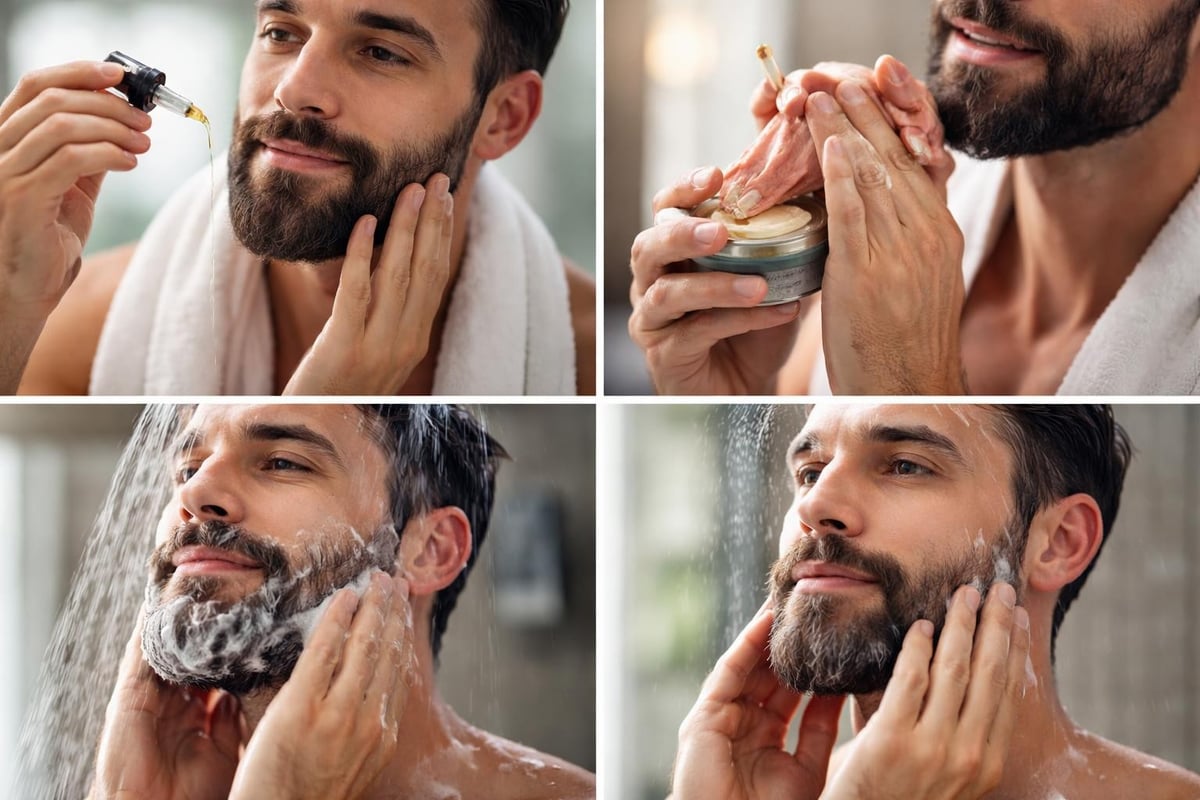
Oils replace the sebum deficit inherent to facial hair. Apply to damp (not wet) beards when hair cuticles remain slightly open, maximising absorption. The optimal application involves 4-6 drops for short beards, 8-10 for medium length, distributed through fingertips to ensure even coating from root to tip.
Selection criteria based on beard characteristics:
- Coarse, wiry texture: Choose oils high in oleic acid (sweet almond, olive) that soften hair protein structure
- Thin, fine hair: Select lighter oils (grapeseed, jojoba) that don't weigh down strands
- Dry, flaky skin: Prioritise anti-inflammatory oils (hemp seed, rosehip) that calm irritation
- Slow growth: Seek stimulating oils containing caffeine, rosemary, or peppermint extracts
The formulation quality matters more than brand reputation. Professional trimming techniques enhance oil effectiveness by removing damaged ends that resist moisture absorption.
Beard Balms: The Protective Barrier
Balms combine butter's occlusive properties with wax's hold capabilities. Beeswax creates a breathable film that locks moisture inside the hair shaft whilst providing light styling control. The ideal balm melts at body temperature (37°C), ensuring it spreads evenly without clumping.
Application technique for maximum benefit:
- Warm pea-sized amount between palms until fully liquefied
- Apply to beard starting at roots, working outwards to distribute evenly
- Use boar bristle brush to ensure penetration to skin beneath
- Style whilst still slightly warm for natural hold without stiffness
Morning application protects against environmental damage throughout the day. Evening application allows overnight repair whilst you sleep.
Beard Shampoos: The pH-Balanced Reset
Standard hair shampoos (pH 5.5-7) strip facial hair of essential oils, whilst facial cleansers lack sufficient detergency to remove product build-up. Beard-specific shampoos maintain pH 4.5-5.5, matching your skin's acid mantle whilst effectively cleansing.
Sulphate-free formulations preserve natural oils. Cleansing 2-3 times weekly prevents both under-washing (bacterial overgrowth) and over-washing (excessive drying). The surfactants in quality formulations-decyl glucoside, coco-glucoside-derive from plant sources and rinse cleanly without residue.
Beard Conditioners: Protein Reinforcement
Hydrolysed keratin proteins in conditioners fill gaps in damaged hair cuticles, smoothing the surface and reducing friction between strands. Panthenol (pro-vitamin B5) penetrates the cortex, binding water molecules for long-lasting hydration. Leave-in conditioners provide continuous protection, whilst rinse-out versions deliver concentrated treatment.
The molecular weight of conditioning proteins determines penetration depth. Hydrolysed wheat protein (smaller molecules) penetrates deeply, whilst hydrolysed silk protein (larger molecules) coats the surface for immediate smoothness.
Building Your Routine: The Sequential Application Protocol
Product layering order impacts absorption and effectiveness. Expert grooming guidance emphasises consistency over product quantity.
Morning Routine (5 Minutes)
Step 1: Wash face with lukewarm water to remove overnight oil build-up
Step 2: Pat beard 80% dry-slight dampness opens cuticles for oil absorption
Step 3: Apply beard oil, focusing on skin beneath to prevent flaking
Step 4: Follow with balm for environmental protection and light styling
Step 5: Brush with boar bristles to distribute products and train growth direction
Evening Routine (10 Minutes)
Step 1: If shampooing (2-3x weekly), use beard-specific formula with lukewarm water
Step 2: Apply conditioner, leaving for 2-3 minutes before rinsing
Step 3: Towel dry gently-rubbing creates friction damage
Step 4: Apply beard butter (richer than oil) for overnight repair
Step 5: Brush to detangle and distribute product whilst hair remains pliable
This dual-approach addresses daytime protection and night-time repair, the two phases your beard requires for optimal health.
The Transformation Timeline: What to Expect
Realistic expectations prevent premature abandonment of effective routines.
Weeks 1-2: Immediate softness and reduced itch as hydration reaches skin beneath. No visible growth changes yet-hair grows 0.4mm daily regardless of products.
Weeks 3-6: Decreased breakage becomes apparent. Existing hair retains length rather than snapping at tips. Shine increases as cuticle damage repairs.
Weeks 7-12: New growth emerges healthier-thicker diameter, darker pigmentation, reduced patchiness. This reflects the improved follicle environment created by consistent product use.
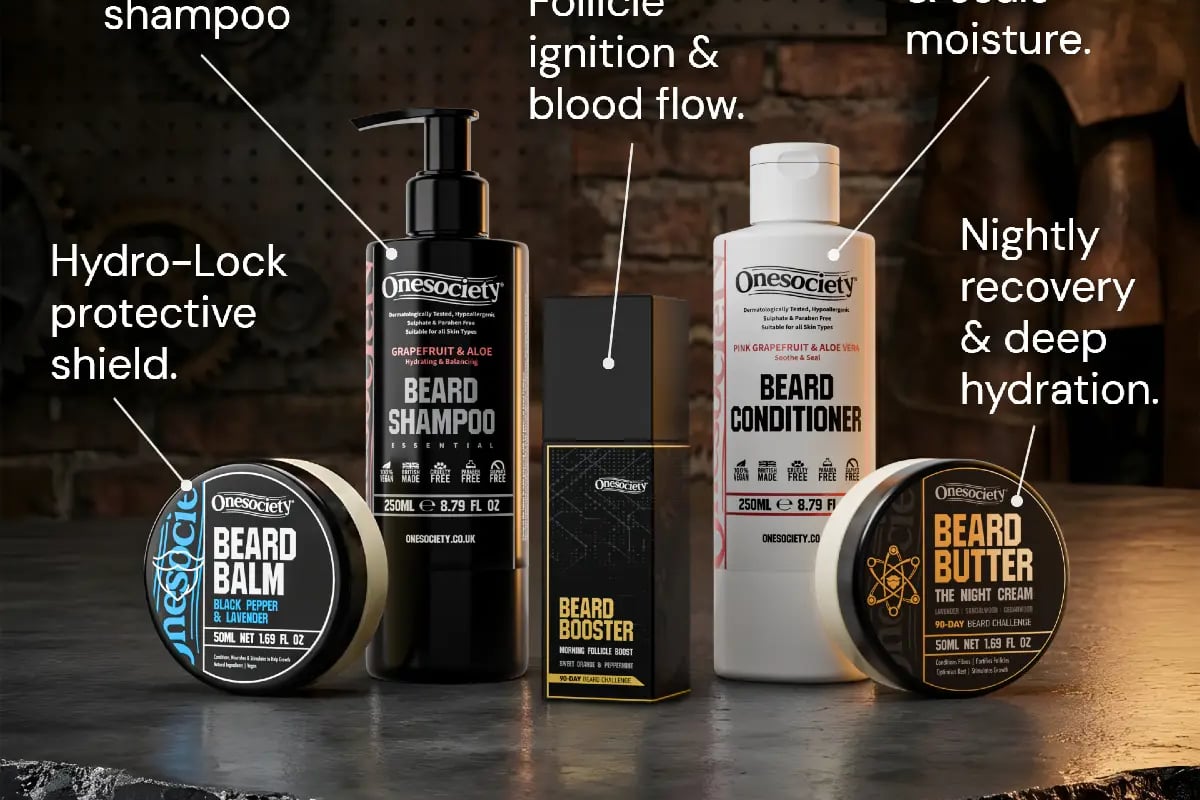
When you commit to this science-backed approach, you're not just maintaining your beard-you're optimising the biological systems that produce it. The 90-Day Beard Challenge packages these essential formulations into a complete transformation kit, removing the guesswork from product selection whilst providing follicle-igniting actives, recovery butters, protective balms, and pH-balanced cleansers engineered specifically for facial hair biology.
Ingredient Red Flags: What to Avoid
Not all "natural" products deliver safe, effective results.
Comedogenic Oils That Block Pores
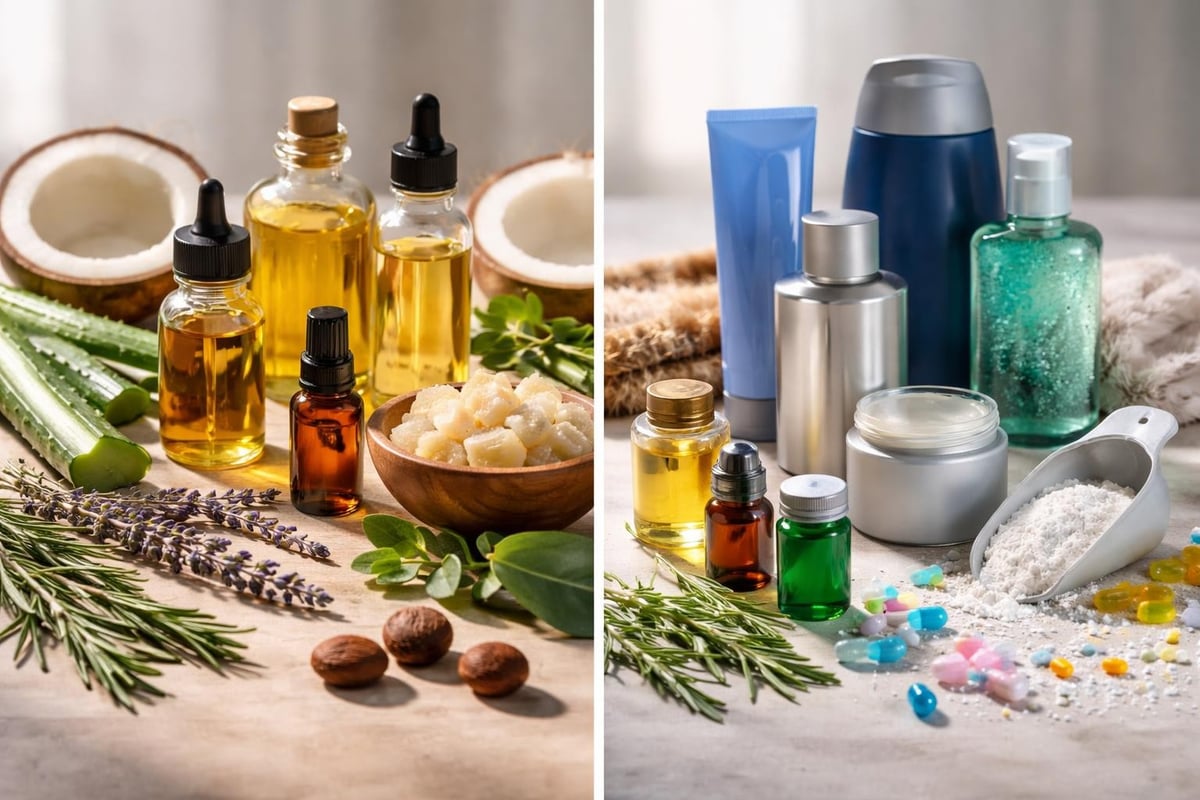
Coconut oil (comedogenic rating: 4/5) clogs pores in 80% of users, triggering acne beneath beards. Wheat germ oil oxidises rapidly, creating inflammatory compounds. Flaxseed oil's high omega-3 content sounds beneficial but turns rancid within weeks of bottle opening.
Safe alternatives with similar benefits:
- Instead of coconut oil → Use fractionated coconut oil (comedogenic rating: 1/5)
- Instead of wheat germ oil → Choose vitamin E oil directly
- Instead of flaxseed oil → Select hemp seed oil (stable omega profile)
Synthetic Additives With Hormonal Effects
Parabens (methylparaben, propylparaben) disrupt endocrine function, potentially affecting testosterone levels that govern beard growth. Phthalates in synthetic fragrances accumulate in fatty tissue, creating long-term health concerns. Silicones (dimethicone, cyclomethicone) create temporary smoothness but prevent moisture penetration, leading to progressive dehydration.
Essential Oil Overuse
Whilst natural, essential oils require proper dilution. Undiluted tea tree oil causes contact dermatitis in sensitive individuals. Excessive peppermint oil triggers paradoxical hair follicle miniaturisation despite its circulation benefits. Limit essential oils to 2-3% of total formulation.
Advanced Strategies: Maximising Product Effectiveness
Simple modifications amplify results without additional cost.
Heat-Enhanced Absorption
Warm oils penetrate 40% deeper than room-temperature applications. Place oil bottles in warm water (not boiling) for 2-3 minutes before use. The increased molecular movement allows faster cuticle penetration.
Microneedling for Follicle Activation
Dermarolling (0.5mm needles) creates micro-channels that boost product absorption whilst triggering collagen production around follicles. Weekly sessions improve the penetration of active ingredients like caffeine and biotin by 300%. Research on grooming tools extends beyond trimmers to include these advanced stimulation devices.
Diet Synergies
Topical products work synergistically with nutritional support. Protein intake (1.6g per kg bodyweight) provides the amino acids required for keratin synthesis. Zinc supplementation (15mg daily) supports the 5-alpha-reductase regulation that caffeine provides topically. Biotin supplementation (2500mcg daily) complements topical biotin application.
Seasonal Adjustments
Winter air strips moisture, requiring heavier balms and more frequent oil application. Summer humidity reduces external moisture loss, allowing lighter products. UV exposure in summer demands antioxidant-rich formulations with vitamin E and green tea extract.
Troubleshooting Common Issues
Specific problems require targeted solutions beyond general maintenance.
Persistent Beard Dandruff (Seborrheic Dermatitis)
The biological cause: Malassezia yeast overgrowth on skin beneath beard, feeding on sebum and producing oleic acid that triggers inflammation and rapid skin cell turnover.
The solution protocol:
- Shampoo with zinc pyrithione or ketoconazole 3x weekly to suppress yeast
- Apply tea tree oil (diluted to 2%) daily for antifungal action
- Increase omega-3 intake to reduce inflammatory response
- Avoid heavy butters that feed Malassezia until cleared
Ingrown Hairs and Folliculitis
The biological cause: Curly hair shafts curl back into skin, piercing the follicle wall and triggering immune response. Bacteria enter the wounded follicle, causing pustule formation.
The solution protocol:
- Exfoliate 2x weekly with gentle salicylic acid to prevent dead skin accumulation
- Apply witch hazel (15% tannin content) to reduce inflammation
- Use single-blade razors if trimming neck lines-multi-blade razors create sharper cut angles that pierce skin more easily
- Never pick or squeeze-this spreads bacteria to adjacent follicles
Split Ends and Breakage
The biological cause: Mechanical stress (combing, heat, friction) plus chemical damage (hard water minerals) compromise cuticle integrity, allowing cortex exposure and splitting.
The solution protocol:
- Trim every 6-8 weeks to remove damaged ends-they cannot self-repair
- Apply leave-in conditioner before heat styling to create protective barrier
- Use wide-toothed combs on damp hair to minimise tension
- Sleep on silk pillowcases to reduce friction-based breakage
Premium Versus Budget: Where to Invest
Not all expensive products justify their price tags, but certain quality markers correlate with effectiveness.
Worth the Investment
Cold-pressed, organic carrier oils: Hexane extraction (used in cheap oils) leaves solvent residues and destroys heat-sensitive vitamins. Cold-pressing preserves bioactive compounds that deliver therapeutic benefits.
Pharmaceutical-grade essential oils: Chemotype specification ensures consistent active compound percentages. "Therapeutic grade" lacks regulation, but GC/MS testing verification provides quality assurance.
Recyclable, UV-protective packaging: Dark glass bottles preserve oil stability. Plastic containers leach phthalates into products. Pump dispensers prevent oxidation exposure versus open-mouth jars.
Skip the Premium
Designer fragrances: Synthetic musks and rare wood scents add cost without biological benefit. Simple essential oil blends perform identically.
Exotic ingredient claims: Caviar extract, gold particles, and rare orchid oils lack published research supporting superiority over standard botanicals.
Influencer collaborations: Celebrity endorsements inflate prices without improving formulations. Judge products by ingredient lists, not spokesperson fame.
The Testing Phase: Finding Your Optimal Stack
Individual biochemistry affects product performance. Systematic testing identifies your ideal combination.
The Two-Week Rule
Test one new product for 14 days before adding another. This isolation identifies which formulations your skin tolerates and which trigger reactions. Keep notes on:
- Application time and amount used
- Skin response (redness, itching, comfort)
- Hair texture changes (softness, manageability, shine)
- Growth observations (reduced breakage, new hairs emerging)
Patch Testing Protocol
Apply new products to inner forearm skin 24 hours before beard use. Facial skin shows sensitivity more readily than arm skin, but arm testing prevents widespread reaction if you're allergic to an ingredient.
The Elimination Strategy
If irritation occurs, remove all products for 72 hours, then reintroduce one at a time. This identifies the specific trigger rather than abandoning your entire routine. Common culprits include synthetic fragrances, undiluted essential oils, and highly comedogenic carrier oils.
Professional Consultation Value
Dermatologists specialising in trichology assess follicle health through scalp microscopy, identifying miniaturisation, inflammation, or circulation issues that products alone cannot resolve. Top-rated UK barber shops often partner with trichologists to provide comprehensive beard health assessments alongside styling services.
Long-Term Maintenance: Sustaining Results
Initial transformation requires intensive care, but maintenance demands consistent fundamentals.
The Minimalist Approach
Once you've established healthy baseline beard condition (soft texture, no dandruff, minimal breakage), you can reduce product complexity:
Daily essentials: Oil in morning, butter at night Weekly additions: Shampoo 2x, deep conditioning treatment 1x Monthly interventions: Professional trim, follicle health assessment
This simplified routine maintains results without overwhelming your schedule or budget.
Adjusting for Length
Longer beards require more product but less frequent application. The increased surface area demands additional hydration, but length provides natural weight that reduces styling needs. Beards exceeding 7cm benefit from leave-in conditioners that provide continuous protection.
Monitoring Progress Objectively
Monthly photographs in consistent lighting reveal changes invisible to daily observation. Measure growth at specific points (chin length, cheek fullness) to track progress beyond subjective assessment. Document product changes to correlate formulation adjustments with outcome improvements.
The best beard care products work through validated biological mechanisms, not marketing promises. When you understand how carrier oils penetrate hair shafts, how butters create protective barriers, and how active botanicals stimulate follicles, you transform grooming from guesswork into science. The ingredients matter, the application sequence matters, and consistency matters. Onesociety builds these principles into every formulation, using 100% natural ingredients backed by research to deliver measurable results. Your beard's potential exists right now-unlock it with products engineered for transformation, not just maintenance.