

Your upper lip hair deserves the same attention as your full beard. Yet thousands of men neglect their mustache, leaving it dry, brittle, and unkempt whilst focusing solely on chin and cheek growth. Mustache oil addresses this oversight by delivering targeted hydration and nourishment to facial hair that experiences unique challenges-from food particles to constant movement during speech. This specialized grooming product transforms coarse, unruly hair into soft, manageable whiskers whilst supporting the skin beneath.
The Problem: Why Your Mustache Suffers Without Proper Care
Your mustache faces environmental assault every single day. Unlike the protected beard area on your chin, upper lip hair collides with food, drink, and friction during eating and speaking.
This constant interaction strips away natural oils (sebum) that your skin produces. The sebaceous glands beneath your mustache cannot keep pace with this oil depletion, leaving hair shafts exposed and vulnerable.
Dehydration Creates Structural Damage
Without adequate moisture, the cuticle layer of each hair strand lifts and separates. This structural breakdown manifests as:
- Brittle strands that snap easily during combing
- Split ends that travel up the hair shaft
- Frizz that resists all styling attempts
- Rough texture that irritates skin during kissing or eating
The biological reality compounds these issues. Facial hair grows thicker and coarser than scalp hair due to higher androgen receptor density in follicles. This coarseness increases moisture requirements-requirements your skin alone cannot meet.
Skin Beneath Your Mustache Deteriorates
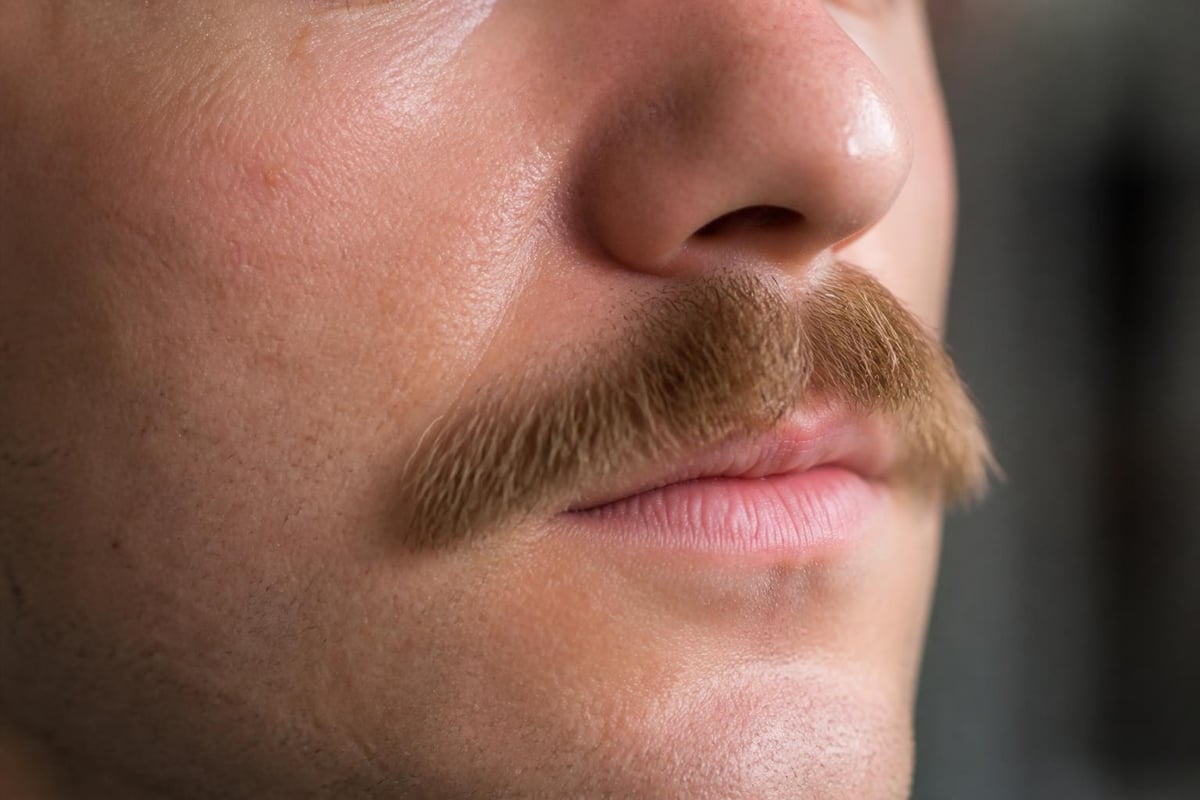
The epidermis under your upper lip experiences suffocation when mustache hair reaches medium length. Dead skin cells accumulate, triggering inflammation and itchiness that disrupts your entire day.
This trapped debris blocks follicle openings, restricting growth potential and creating an environment where bacteria thrive. The result? Folliculitis (inflamed hair follicles) that causes painful bumps and potential scarring.
Understanding Mustache Oil: Composition and Function
Mustache oil combines carrier oils and essential oils in precise ratios to replicate and enhance your skin's natural sebum production. This formulation targets both the hair shaft and the follicular environment.
Carrier Oils: The Biological Workhorses
Carrier oils form 95-98% of any quality mustache oil formula. These lipid-rich substances penetrate the hair cuticle through gaps in the overlapping keratin scales.
Jojoba Oil (Simmondsia chinensis) mirrors human sebum composition more closely than any other plant extract. Its molecular structure consists of wax esters identical to those your sebaceous glands produce, allowing seamless absorption without residue.
Argan Oil delivers vitamin E (tocopherol) and essential fatty acids that repair damaged cuticles. The oleic acid content (42-48%) softens hair by filling microscopic gaps in the keratin matrix.
Sweet Almond Oil provides linoleic acid, which reduces inflammation in follicles whilst creating a protective barrier against moisture loss. Research on olive oil by-products demonstrates how plant-derived fatty acids function as effective functional ingredients in grooming applications.
| Carrier Oil | Primary Fatty Acid | Absorption Rate | Key Benefit |
|---|---|---|---|
| Jojoba | Eicosenoic acid | Fast | Sebum replication |
| Argan | Oleic acid | Medium | Cuticle repair |
| Sweet Almond | Linoleic acid | Medium-fast | Anti-inflammatory |
| Grapeseed | Linoleic acid | Very fast | Lightweight moisture |
Essential Oils: Therapeutic Compounds
Essential oils contribute fragrance and specific biological effects through volatile aromatic compounds. These molecules interact with olfactory receptors whilst delivering targeted benefits to skin and hair.
Cedarwood Oil contains cedrol and alpha-cedrene, compounds that increase circulation to follicles. Enhanced blood flow delivers more nutrients and oxygen to the dermal papilla-the growth control center of each hair follicle.
Peppermint Oil stimulates thermoreceptors in skin, triggering vasodilation (blood vessel expansion). This effect mimics the proven growth benefits documented in studies on beard oil effectiveness.
The Solution: How Mustache Oil Transforms Facial Hair
Applying mustache oil initiates a cascade of biological processes that reverse damage whilst preventing future deterioration. Understanding these mechanisms helps you maximize results.
Immediate Physical Changes
Within minutes of application, oil molecules coat each hair strand in a hydrophobic (water-repelling) layer. This coating smooths lifted cuticle scales, immediately reducing friction between adjacent hairs.
The visual transformation appears dramatic:
- Frizz vanishes as hair strands align uniformly
- Shine increases from 40-60% as light reflects off smoothed surfaces
- Volume perception improves through enhanced hair separation
- Color depth intensifies as light penetration changes
These changes occur because mustache oil fills the microscopic valleys and ridges on each hair's surface. The filling action creates optical consistency that your eye perceives as health and vitality.
Follicular Environment Optimization
Beneath the surface, mustache oil penetrates skin pores to reach sebaceous glands and follicle roots. The fatty acids in quality formulations trigger specific cellular responses.
Keratinocyte Function Improvement: Skin cells in the follicular lining respond to oleic acid by increasing ceramide production. Ceramides form the waterproof mortar between skin cells, preventing transepidermal water loss (TEWL).
Inflammation Reduction: Linoleic acid activates peroxisome proliferator-activated receptors (PPARs), which regulate inflammatory gene expression. This molecular signaling reduces cytokine production, calming irritated skin.
For those exploring comprehensive beard care solutions, understanding these biological mechanisms proves essential.
Growth Phase Extension
The anagen phase (active growth period) of facial hair lasts 2-6 years, compared to 2-7 years for scalp hair. Mustache oil extends this phase by optimizing the follicular environment.
Blood flow enhancement from essential oils delivers increased nutrients to the dermal papilla. This structure controls cell division rates in the hair bulb-the manufacturing zone where keratin cells form and harden.
Improved nutrient delivery means:
- Faster keratin production rates
- Thicker individual hair diameter
- Reduced premature entry into catagen (transition phase)
- Extended time before telogen (resting phase) begins
The science behind beard oil benefits applies equally to mustache-specific applications, with identical follicular mechanisms at work.
Application Technique: Maximizing Absorption and Results
Correct application determines whether mustache oil delivers its full potential or simply sits on hair surfaces providing minimal benefit. The process requires precision.
Optimal Timing for Application
Apply mustache oil immediately after showering or face washing, when hair remains slightly damp. Water molecules in the hair shaft create temporary gaps in the cuticle structure, allowing deeper oil penetration.
The cuticle consists of 6-10 overlapping layers of dead keratin cells. When dry, these layers compress tightly. Moisture causes slight expansion-a window of opportunity lasting 10-15 minutes.
Morning Application: Provides all-day protection and styling hold
Evening Application: Enables overnight repair and deep conditioning
Post-Workout Application: Prevents sweat salt crystallization that damages cuticles
The Four-Step Application Protocol
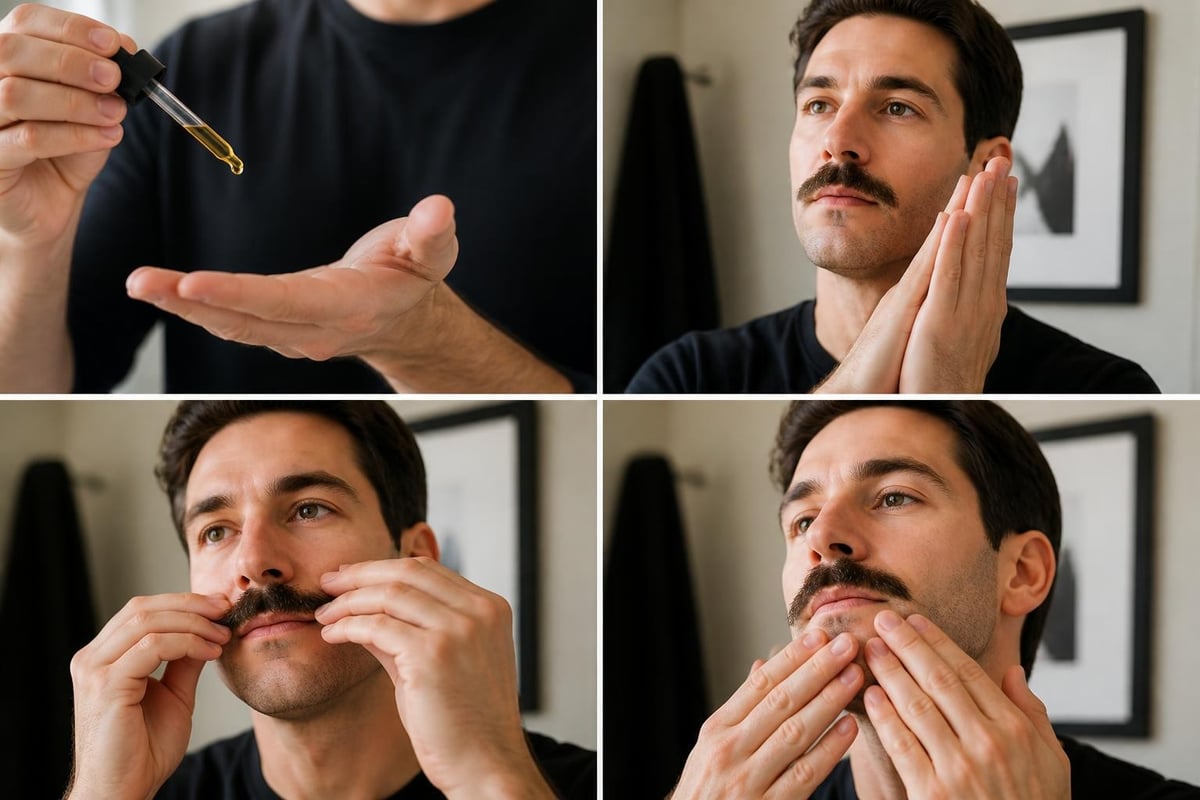
- Dispense 2-4 drops into your palm (volume depends on mustache length and thickness)
- Warm between palms for 10-15 seconds, activating volatile compounds through friction heat
- Work through hair using fingers to distribute from root to tip, ensuring complete coverage
- Massage underlying skin with small circular motions, stimulating follicles and enhancing absorption
The massage step proves critical. Mechanical stimulation triggers mechanoreceptors in the dermis, initiating local blood flow increases of 20-30%. This enhanced circulation delivers your applied oils deeper into follicular structures.
For detailed guidance on proper application methods, this comprehensive resource provides additional techniques that transfer directly to mustache care.
Common Application Errors to Avoid
Over-application creates greasy appearance and clogs pores. Excess oil attracts dirt particles and oxidizes under UV exposure, actually damaging hair through lipid peroxidation.
Under-application fails to coat all hair strands, leaving sections vulnerable to environmental damage and creating uneven texture.
Skipping skin contact wastes the follicle-supporting benefits. Your hair needs moisture, but your skin needs nourishment to produce healthy growth.
Applying to completely dry hair reduces absorption by 60-70%. The closed cuticle structure resists oil penetration, forcing product to sit on surfaces.
Ingredient Selection: Building an Effective Formula
Quality mustache oil depends entirely on ingredient selection and ratio precision. Understanding component functions empowers you to evaluate products or create DIY formulations.
Single-Origin Carrier Oils vs. Blends
Single-ingredient formulations (pure jojoba, pure argan) provide predictable results but limited benefits. Each carrier oil excels in specific functions whilst lacking others.
Blended formulations combine complementary strengths:
- Fast-absorbing oils (grapeseed, safflower) prevent greasy residue
- Medium-weight oils (sweet almond, apricot kernel) balance absorption with surface protection
- Heavy oils (castor, avocado) provide intensive repair for damaged hair
The ideal ratio depends on your mustache characteristics. Coarse, thick hair requires heavier oil percentages. Fine, thin hair needs lighter formulations to avoid weighing down strands.
The Castor Oil Controversy
Claims about castor oil promoting beard growth lack rigorous scientific validation. Whilst ricinoleic acid (castor oil's primary component) demonstrates anti-inflammatory properties, no peer-reviewed studies confirm follicle stimulation.
However, castor oil excels as a sealant ingredient. Its high molecular weight creates effective moisture barriers, preventing TEWL during sleep when environmental humidity drops.
Use castor oil strategically:
- Limit to 5-10% of total formulation
- Apply primarily before bed, not morning styling
- Combine with lighter oils to maintain workability
Essential Oil Safety and Efficacy
Essential oils require dilution to 1-3% of total volume. Undiluted application causes chemical burns and follicle damage through excessive monoterpene concentration.
Safe essential oils for facial application:
- Cedarwood (Juniperus virginiana)
- Peppermint (Mentha piperita) - 1% maximum
- Rosemary (Rosmarinus officinalis)
- Tea Tree (Melaleuca alternifolia) - antibacterial but potentially irritating
- Sandalwood (Santalum album)
Avoid these irritants:
- Cinnamon bark (high cinnamaldehyde causes burns)
- Clove (eugenol irritates mucous membranes)
- Oregano (carvacrol too aggressive for facial skin)
- Wintergreen (methyl salicylate causes sensitivity)
The olfactory experience matters psychologically. Scent molecules bind to receptors in your olfactory bulb, triggering emotional responses through limbic system activation. Choose fragrances that enhance your grooming ritual enjoyment, increasing consistency.
Natural vs. Synthetic Ingredients: The Quality Debate
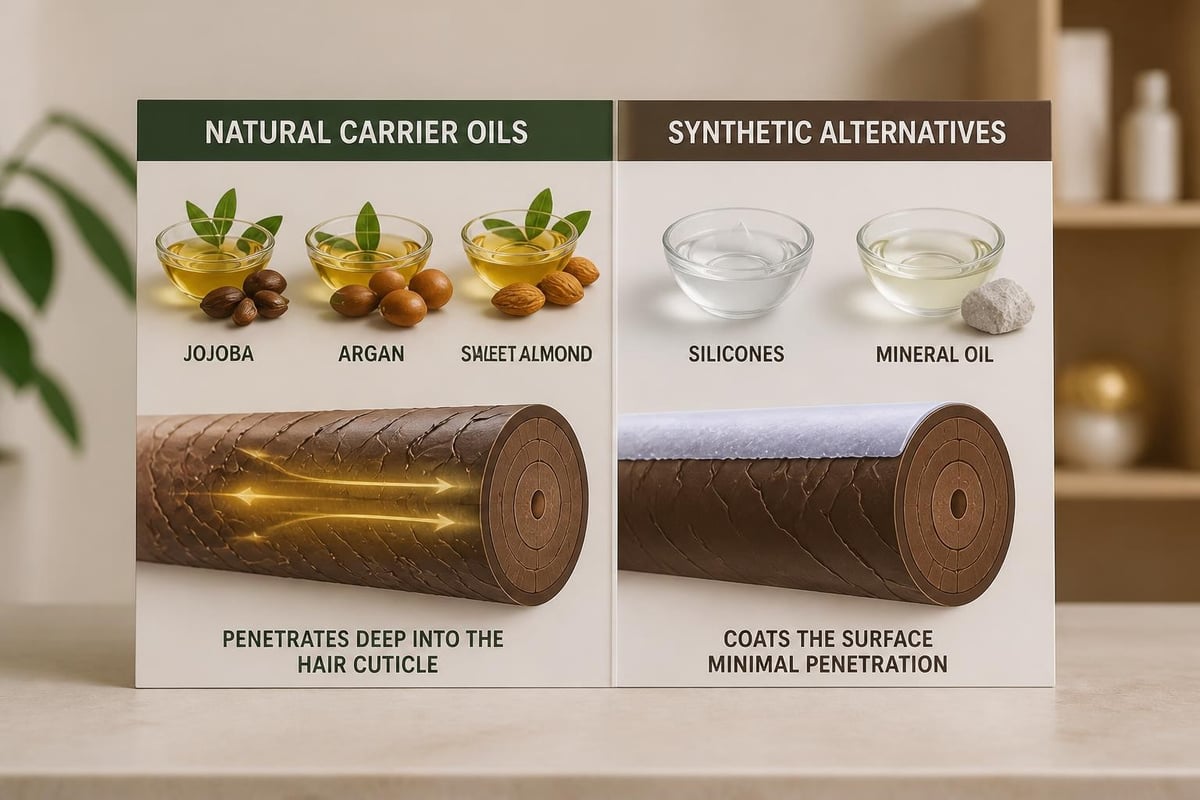
The grooming industry floods markets with products containing synthetic fragrances, silicones, and petroleum derivatives. These ingredients create immediate cosmetic effects whilst potentially undermining long-term hair health.
Silicone Coatings: Temporary Shine, Lasting Problems
Dimethicone and other silicones coat hair in impermeable films that reflect light beautifully. This instant gratification comes with consequences.
The occlusive barrier prevents moisture from entering hair shafts. Over weeks of use, the cortex (hair's inner structure) becomes increasingly dehydrated whilst appearing externally healthy. Eventually, brittleness emerges from within.
Silicones also accumulate on skin, blocking follicle openings and triggering acne mechanica-pimples caused by physical pore obstruction rather than bacterial infection.
Petroleum-Based Ingredients
Mineral oil and petrolatum create moisture-locking barriers effectively. However, these substances sit on surfaces without penetrating cuticles or delivering nutrients.
For those seeking the best beard oil for growth, plant-based formulations provide both immediate and cumulative benefits that petroleum derivatives cannot match.
The 100% Natural Advantage
Natural ingredients deliver bioactive compounds-vitamins, polyphenols, fatty acids-that interact with cellular processes. These molecules don't merely coat; they participate in biological functions.
Vitamin E (tocopherol) neutralizes free radicals that damage keratin bonds. Oxidative stress from UV exposure and pollution breaks disulfide bridges in hair, causing weakness. Tocopherol donates electrons to these unstable molecules, preventing structural degradation.
Phytosterols from plant oils reduce 5-alpha-reductase activity in follicles. This enzyme converts testosterone to dihydrotestosterone (DHT), the hormone responsible for follicle miniaturization in pattern baldness. Whilst facial hair responds positively to androgens, excessive DHT can cause premature follicle shutdown.
Understanding the benefits of coconut oil for beard care reveals how medium-chain fatty acids penetrate hair shafts more effectively than long-chain alternatives, delivering deep conditioning that synthetic ingredients cannot replicate.
Integration into Complete Grooming Routines
Mustache oil functions optimally within comprehensive facial hair care systems. Isolated use provides benefits, but strategic product layering maximizes results.
The Cleanse-Condition-Protect Sequence
Step 1: Cleansing removes sebum oxidation products, environmental pollutants, and styling product buildup. Use a nourishing beard wash formulated with gentle surfactants that clean without stripping essential moisture.
Step 2: Conditioning replenishes moisture lost during cleansing. Apply mustache oil whilst hair remains damp, maximizing penetration through temporarily opened cuticles.
Step 3: Protection seals in moisture and provides styling hold. Mustache wax or balm creates a protective barrier against environmental damage whilst enabling shape control.
This sequence mirrors hair science principles. Cleansing opens cuticles, conditioning fills them with nutrients, and protection seals them closed to prevent loss.
Nighttime Intensive Treatment
Evening routines enable deeper repair through extended contact time and reduced environmental interference.
- Cleanse thoroughly to remove daily accumulation
- Apply double your normal mustache oil quantity
- Gently comb through to distribute evenly
- Sleep on a silk or satin pillowcase (reduces friction that damages cuticles)
- Wake to noticeably softer, more manageable hair
The dermal repair processes accelerate during sleep when growth hormone levels peak. Providing optimal raw materials (fatty acids, vitamins) during this window enhances results.
Seasonal Adjustments
Environmental conditions demand formula modifications. Winter's low humidity requires heavier, more occlusive oils. Summer's heat necessitates lighter formulations that won't feel greasy.
Winter Formula: Increase percentages of avocado oil and castor oil for enhanced moisture retention
Summer Formula: Emphasize grapeseed and jojoba for fast absorption and minimal weight
Transitional Seasons: Use balanced blends with equal parts light and medium-weight carriers
For comprehensive men's grooming strategies, adapting products to environmental demands prevents seasonal damage cycles.
Advanced Techniques: Maximizing Growth Potential
Beyond basic moisturization, strategic mustache oil use can optimize follicular performance and accelerate growth rates.
Micro-Needling Enhancement
Derma-rolling the upper lip area with 0.25-0.5mm needles creates temporary micro-channels in skin. These channels enhance oil absorption whilst triggering wound-healing responses that stimulate follicle activity.
The controlled injury initiates collagen production and increases blood vessel formation around follicles. Enhanced vascularization delivers more nutrients and oxygen to dermal papilla cells.
Protocol:
- Sanitize derma-roller with 70% isopropyl alcohol
- Roll horizontally, vertically, and diagonally across upper lip (5 passes each direction)
- Apply mustache oil immediately whilst channels remain open
- Perform every 7-10 days (more frequent use causes scarring)
Heat Activation for Deep Conditioning
Thermal energy opens hair cuticles wider than moisture alone. Apply mustache oil, then use a warm, damp towel as a compress for 10-15 minutes.
Heat increases molecular kinetic energy, enabling oils to penetrate deeper cortex layers. This technique proves especially effective for repairing damage from heat styling or chemical treatments.
Combination with Growth Serums
Mustache oil creates an optimal foundation for applying growth-promoting serums containing minoxidil or peptide complexes. The oil's fatty acids enhance serum absorption whilst preventing alcohol-based formulations from over-drying skin.
Apply serum first to clean skin, wait 5-10 minutes for absorption, then seal with mustache oil. This layering maximizes active ingredient delivery whilst maintaining moisture balance.
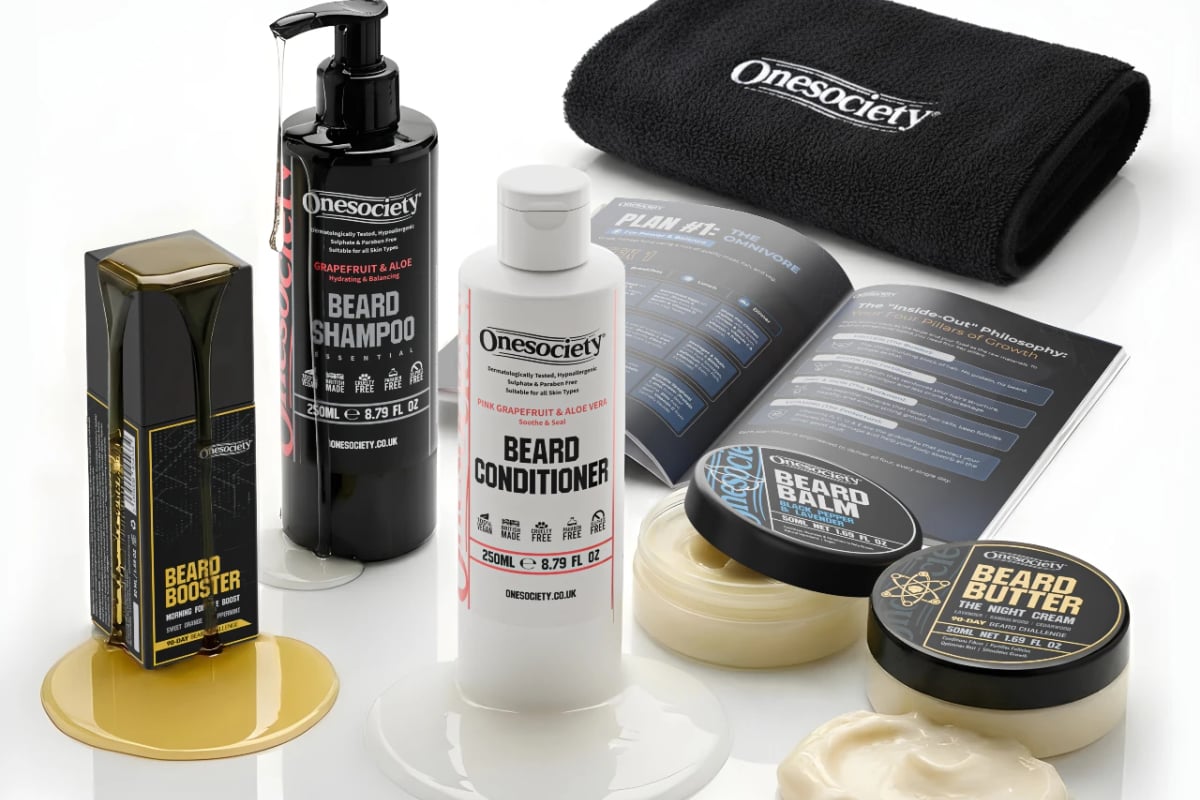
Those committed to transformation should explore structured programs. The 90-Day Beard Challenge provides a systematic approach to facial hair development, combining multiple product formulations designed to work synergistically. This complete kit addresses growth stimulation, deep hydration, and protective styling-delivering measurable results through scientifically-formulated products rather than guesswork.
Troubleshooting Common Mustache Oil Issues
Even quality products can produce unsatisfactory results when misapplied or mismatched to individual needs. Identifying and correcting these issues restores effectiveness.
Persistent Greasiness
Cause: Over-application or formulation too heavy for your hair type
Solution: Reduce dosage by 50%, or switch to lighter carrier oil blend (increase grapeseed/jojoba percentages)
Greasy appearance indicates oil sitting on hair surfaces rather than absorbing. This creates dirt attraction and oxidative damage rather than protection.
Breakouts and Folliculitis
Cause: Comedogenic ingredients clogging pores or bacterial contamination
Solution: Check for high oleic acid percentages (above 60%), switch to non-comedogenic oils like jojoba and argan
If breakouts persist, examine application technique. Ensure you're not massaging oil into skin with excessive pressure, which forces product deep into pores. Use gentle, circular motions instead.
Inadequate Softening
Cause: Insufficient penetration due to application timing or closed cuticles
Solution: Apply exclusively to damp hair after showering, increase contact time before combing
Consider adding a pre-oil treatment. Apply plain coconut oil 30 minutes before showering, allowing it to penetrate deeply. Shampoo out, then apply your regular mustache oil to damp hair. This coconut oil pre-treatment approach enhances subsequent product absorption.
Fragrance Sensitivity
Cause: Essential oil concentration too high or specific allergen present
Solution: Reduce essential oils to 0.5-1% total volume, or eliminate entirely for unscented formulation
Some men experience contact dermatitis from common essential oils. Patch testing prevents full-face reactions. Apply small amounts to inner forearm skin, wait 24-48 hours for reaction signs.
Product Selection: Evaluating Quality and Value
Marketplace saturation makes choosing effective mustache oil challenging. Applying specific evaluation criteria separates effective formulations from marketing hype.
Ingredient List Analysis
Quality products list ingredients in descending concentration order. The first 3-5 ingredients constitute 80-90% of the formula.
Red flags:
- Mineral oil or petrolatum in top 3 positions
- Silicones (ingredients ending in -cone or -siloxane)
- Synthetic fragrances listed simply as "fragrance" or "parfum"
- Parabens (methylparaben, propylparaben) as preservatives
Positive indicators:
- Organic cold-pressed carrier oils
- Specific essential oil names rather than generic "fragrance"
- Vitamin E (tocopherol) as natural preservative
- Transparent sourcing information
Price-to-Value Assessment
Premium pricing doesn't guarantee quality. Evaluate cost per milliliter against ingredient quality.
A 30ml bottle at £15 ($0.50/ml) with organic argan and jojoba provides better value than a 50ml bottle at £12 ($0.24/ml) containing primarily mineral oil with added silicones.
Consider concentration requirements. Higher-quality oils require smaller dosages (2-3 drops vs. 6-8 drops), extending bottle life significantly.
Brand Transparency and Testing
Reputable manufacturers provide:
- Complete ingredient sourcing information
- Third-party testing certificates (purity, contaminant screening)
- Clear usage instructions and dosage guidance
- Responsive customer service for formulation questions
Companies using 100% natural ingredients backed by scientific research demonstrate commitment to efficacy over profit margins. This approach ensures you're applying biologically active compounds rather than cosmetic fillers.
Mustache oil transforms neglected upper lip hair through scientifically-proven mechanisms-delivering moisture, nutrients, and protective compounds that optimize both appearance and follicular health. When applied correctly using quality natural ingredients, these formulations provide measurable improvements in softness, manageability, and growth potential. Onesociety specializes in creating beard and mustache grooming solutions formulated with 100% natural ingredients, combining traditional botanical knowledge with modern hair science to deliver products that work with your body's biology rather than against it.