

Your beard refuses to fill in. Patchy zones persist despite months of patience, and the hair you do grow feels coarse, unruly, and impossible to style. This frustration sends thousands of men searching for solutions, and many discover hair and beard serum as a potential answer. But what separates effective formulas from overpriced bottles of wishful thinking? The difference lies in understanding the biological mechanisms that drive facial hair growth and choosing products engineered to target those pathways with clinically studied ingredients.
The Biological Problem: Why Your Beard Underperforms
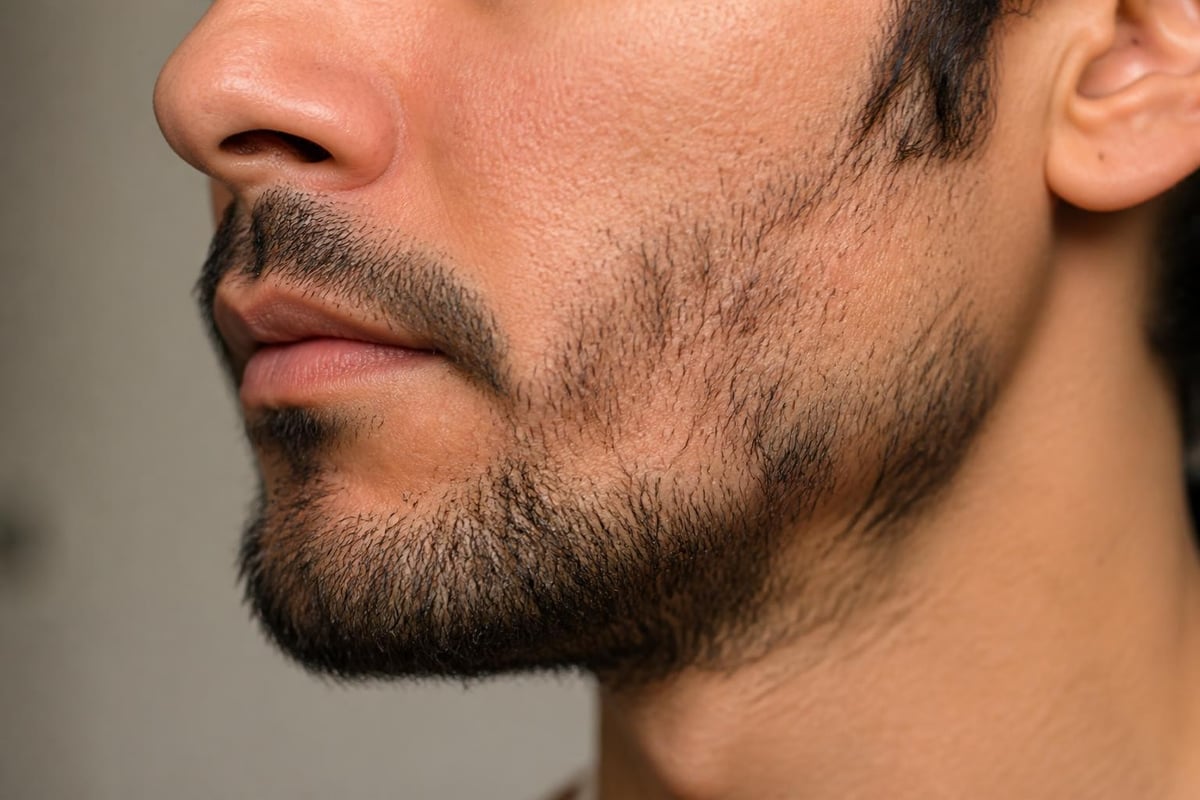
Facial hair growth depends on three interconnected systems: follicle health, androgen receptor sensitivity, and adequate blood flow to dermal papilla cells. When any component falters, your beard suffers visible consequences.
Follicle miniaturization represents the primary culprit behind patchy beards. Dihydrotestosterone (DHT) paradoxically stimulates facial hair whilst shrinking scalp follicles, but insufficient receptor sensitivity means some beard zones never activate fully. Simultaneously, poor microcirculation starves follicles of oxygen and nutrients essential for the anagen (growth) phase.
The Hidden Costs of Neglect
Ignoring these biological realities compounds the problem. Dead skin cells accumulate, blocking follicles. Sebaceous glands overproduce sebum or dry out completely, creating inflammation that further miniaturizes hair shafts. The scalp microbiome research demonstrates how disrupted skin flora correlates with androgenetic alopecia, a principle equally relevant to beard zones.
The psychological toll escalates as well. Patchy beards erode confidence, particularly in professional settings where grooming signals competence. You waste money on ineffective products whilst the window for optimal growth intervention narrows.
Hair and Beard Serum: The Formulation Science
A properly engineered hair and beard serum targets the biological deficits outlined above through specific active compounds and delivery mechanisms. Understanding ingredient function separates evidence-based products from marketing gimmicks.
Active Ingredients That Drive Measurable Results
| Ingredient | Biological Mechanism | Clinical Evidence |
|---|---|---|
| Minoxidil 3-5% | Widens blood vessels, extends anagen phase, increases follicle size | Randomized controlled trial showed significant beard density improvement |
| Castor Oil (Ricinoleic Acid) | Prostaglandin E2 agonist, stimulates growth phase, reduces inflammation | Peer-reviewed dermatology studies confirm follicle stimulation |
| Biotin (Vitamin B7) | Keratin synthesis cofactor, strengthens hair shaft structure | Deficiency linked to hair thinning; supplementation reverses effects |
| Caffeine | Blocks DHT at follicle level, extends anagen phase duration | In vitro studies demonstrate hair shaft elongation |
| Argan Oil (Tocopherols) | Antioxidant protection, improves sebum quality, reduces oxidative stress | Fatty acid profile supports skin barrier function |
The American Academy of Dermatology acknowledges topical therapies as first-line interventions for hair loss, validating the serum approach when formulated correctly.
Carrier systems matter equally. A hair and beard serum requires penetration enhancers like dimethicone, which the Cosmetic Ingredient Review panel evaluated extensively for safety and skin compatibility. These silicones form breathable films that lock moisture whilst allowing active compounds to reach follicle depths.
What Differentiates Premium Formulations
Budget serums rely on diluted essential oils in carrier bases, offering fragrance but minimal biological activity. Premium formulations incorporate:
- Standardized extract concentrations (e.g., 10% castor oil, not "contains castor oil")
- pH-balanced bases (4.5-5.5) that match skin's natural acidity
- Preservative systems that prevent microbial growth without disrupting the skin microbiome
- Compliance with EU cosmetics legislation regarding safety assessments and restricted substances
For those exploring natural approaches to beard growth, ingredient sourcing proves critical. Organic certification ensures compounds retain bioactive properties often destroyed through industrial processing.
Application Protocols for Maximum Absorption
Owning an effective hair and beard serum means nothing without proper application technique. Follicle penetration requires strategic timing and preparation.
The Optimal Daily Routine
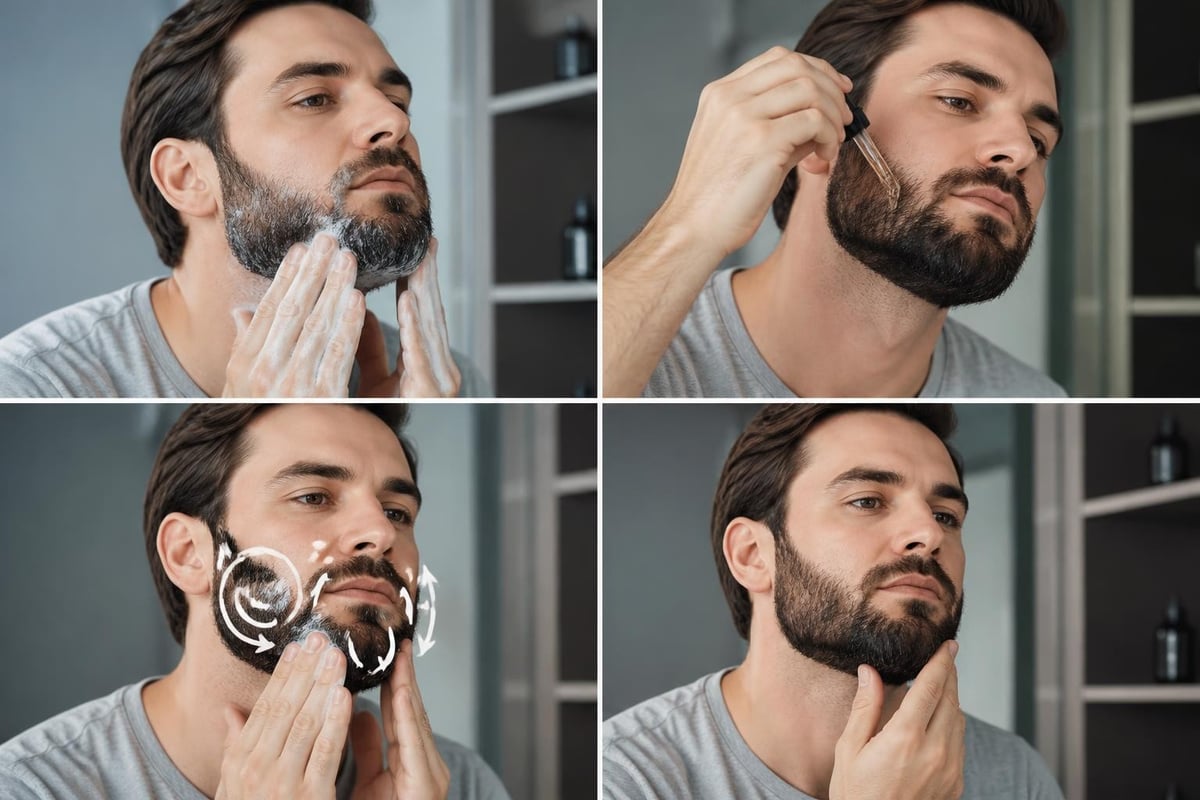
- Cleanse thoroughly – Use a pH-balanced beard wash to remove sebum, dead cells, and product buildup that block absorption pathways
- Exfoliate weekly – Gentle physical or chemical exfoliation clears follicle openings without causing inflammation
- Apply to damp skin – Slightly moist skin increases permeability; pat dry after washing but don't achieve complete dryness
- Warm the serum – Rub 4-6 drops between palms to reduce viscosity and enhance spreadability
- Massage for 60-90 seconds – Circular motions stimulate blood flow whilst driving serum into dermal layers
- Allow 5-minute absorption – Don't immediately apply balms or oils that create occlusive barriers
Timing optimization matters. Evening application capitalizes on the body's natural repair cycle, when cell division peaks and growth hormone secretion increases. Morning application benefits from increased blood flow post-sleep.
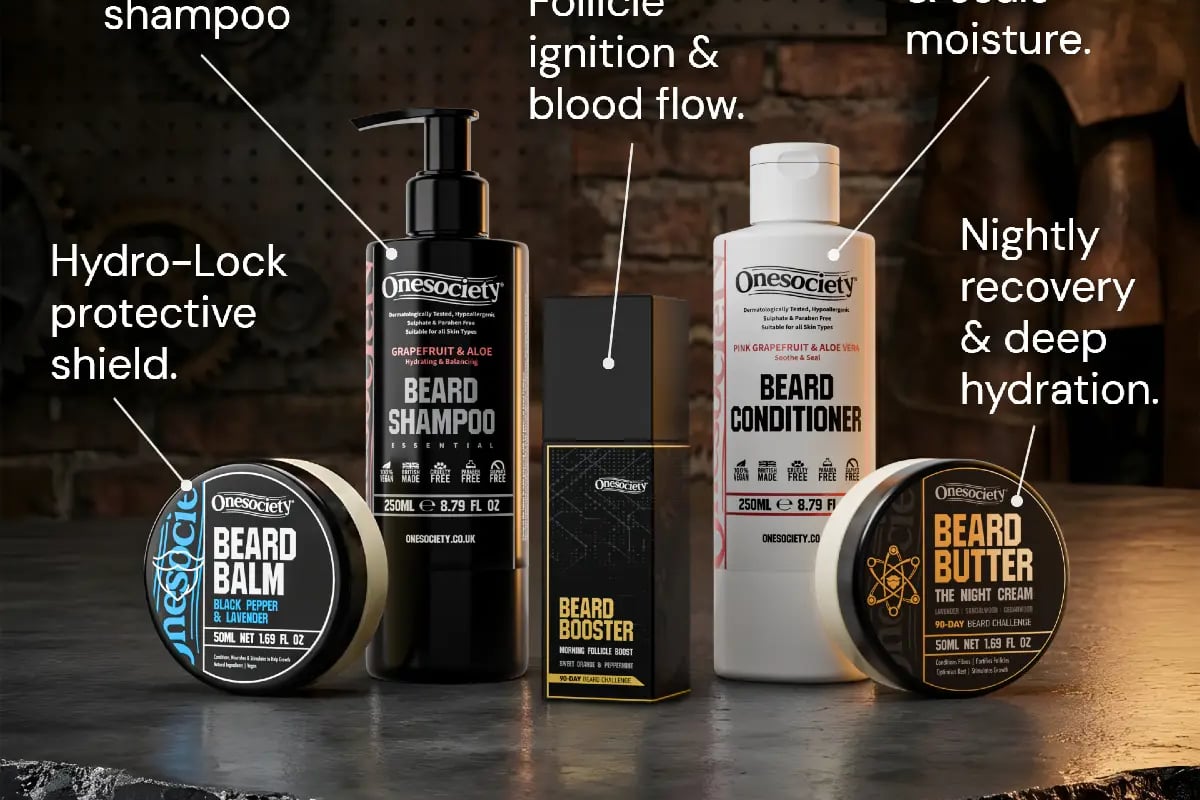
The comprehensive 90-Day Beard Challenge incorporates this protocol through its multi-product system, combining the Beard Booster serum with complementary formulas that prepare skin and lock in results. This engineered sequence addresses every biological barrier to growth, from follicle ignition through blood flow optimization to nightly recovery.
Common Application Mistakes That Sabotage Results
- Over-application – Exceeding recommended dosage doesn't accelerate results; excess serum sits on skin surface, wasting product
- Inconsistent timing – Skipping days disrupts the concentration gradient needed for sustained follicle stimulation
- Layering incompatible products – Applying occlusive beard oils immediately after serum prevents penetration
- Ignoring patch zones – Focusing only on existing beard neglects the areas needing most intervention
Measuring Progress: Realistic Timelines and Expectations
The hair growth cycle dictates when you'll observe results from any hair and beard serum. Understanding these biological timelines prevents premature product abandonment.
The Three-Phase Growth Cycle
Facial hair progresses through distinct phases:
- Anagen (Growth): 2-6 years duration, determines maximum length potential
- Catagen (Transition): 2-3 weeks, follicle shrinks and detaches from blood supply
- Telogen (Resting): 2-4 months, hair sheds naturally before follicle reactivates
A hair and beard serum influences the anagen-to-telogen ratio, pushing more follicles into active growth whilst extending the growth phase duration. This process requires 60-90 days minimum before visible density changes emerge.
What to Expect Week by Week
| Timeline | Observable Changes | Biological Explanation |
|---|---|---|
| Week 1-2 | Softer texture, reduced itching | Hydration and anti-inflammatory effects |
| Week 3-4 | Decreased shedding | Follicles stabilize, fewer hairs enter telogen |
| Week 6-8 | Vellus hairs darken | Miniaturized follicles enlarge, increase melanin |
| Week 10-12 | Visible density improvement | New follicles complete first anagen cycle |
| Week 16-20 | Patch filling, length gains | Sustained anagen extension produces measurable growth |
Recent clinical data on minoxidil for beard enhancement in 2024 confirmed these timelines, with statistically significant increases in hair count appearing after 12 weeks of consistent application.
Photography documentation proves essential. Weekly photos under identical lighting conditions capture gradual changes the mirror misses. Measure terminal hair count in a defined 1cm² patch zone monthly using magnification.
Combining Serum with Holistic Beard Optimization
No hair and beard serum operates in isolation. Maximizing follicle potential requires addressing systemic factors that influence growth capacity.
Nutritional Foundations
Keratin synthesis demands specific micronutrients:
- Protein (1.6-2.2g/kg bodyweight) – Amino acids form hair shaft structure
- Iron (18mg daily) – Oxygen transport to follicles; deficiency causes telogen effluvium
- Zinc (11mg daily) – Cofactor for 5α-reductase, converts testosterone to DHT
- Vitamin D (2000-4000 IU) – Regulates hair follicle cycling, deficiency shortens anagen
- Omega-3 fatty acids – Reduce inflammation, support sebaceous gland function
Blood tests identify deficiencies that topical products cannot overcome. Address internal gaps before expecting external products to compensate.
Lifestyle Factors That Amplify or Undermine Serum Efficacy
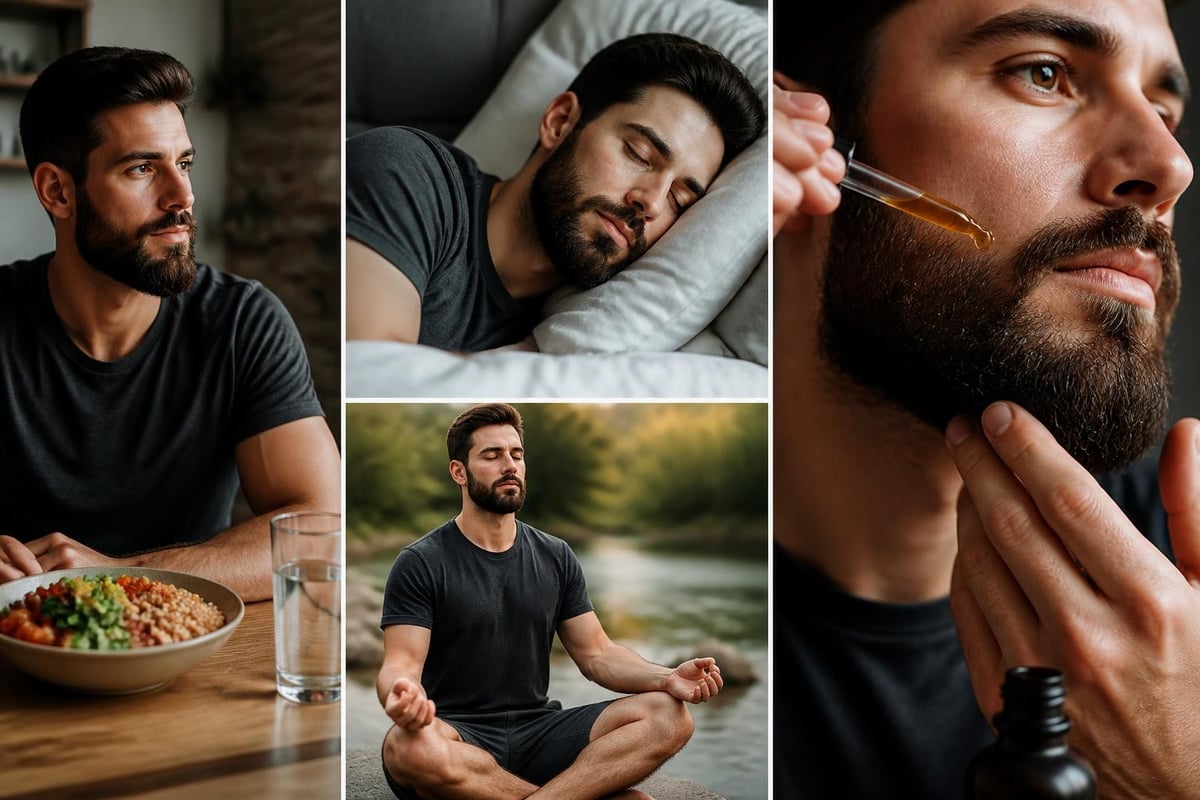
Sleep quality directly impacts growth hormone release. Seven to nine hours of uninterrupted sleep maximizes the repair cycle when hair and beard serum actives exert peak effects. Chronic sleep deprivation elevates cortisol, which triggers premature entry into catagen phase.
Stress management reduces telogen effluvium risk. Sustained cortisol elevation can push up to 70% of follicles into resting phase simultaneously. Meditation, exercise, and adaptogenic herbs counteract this pathway.
Hydration status affects dermal blood flow. Dehydration reduces microcirculation to facial skin, starving follicles even when topical vasodilators are present. Aim for 3-4 litres daily depending on activity level.
The synergy between quality beard oils and targeted serums exemplifies this holistic approach. Oils provide barrier protection and conditioning after serum absorption, whilst serums deliver growth-stimulating actives oils cannot replicate.
Troubleshooting: When Results Plateau or Disappoint
Despite proper application and realistic expectations, some men experience suboptimal responses to hair and beard serum. Identifying the bottleneck requires systematic evaluation.
Biological Non-Responders vs. Technique Errors
Approximately 20-30% of users show minimal response to vasodilator-based serums due to genetic variations in enzyme expression. If sulfotransferase activity remains low, minoxidil cannot convert to its active form (minoxidil sulfate) that actually stimulates follicles.
Testing alternatives:
- Formulations with direct-acting compounds (caffeine, saw palmetto, castor oil) that bypass enzymatic conversion
- Higher concentrations (5% vs. 3% minoxidil) to overwhelm limited enzyme capacity
- Combination therapy adding derma-rolling to create micro-channels for enhanced penetration
Before abandoning a hair and beard serum, audit your technique:
- Are you applying to fully dry skin, which reduces absorption by 40-60%?
- Does your beard wash contain sulfates that strip natural oils, creating barrier dysfunction?
- Are you consuming adequate protein for keratin synthesis?
- Have you maintained consistency for the full 12-week minimum assessment period?
Managing Side Effects Whilst Maintaining Progress
Skin irritation affects 5-15% of users, typically from alcohol-based carriers or sensitivity to botanical extracts. Solutions include:
- Switching to propylene glycol-free formulations
- Reducing application frequency to once daily
- Adding a hypoallergenic moisturizer 10 minutes post-application
- Performing patch tests with individual ingredients to identify specific triggers
Increased shedding during weeks 2-4 alarms many users but actually indicates the serum works. This "synchronization shed" occurs as follicles rapidly cycle from telogen into anagen, pushing out old hairs to make room for thicker replacements. Persist through this phase rather than discontinuing.
For those incorporating top-tier beard care products into their routine, balancing active treatment with gentle maintenance prevents over-treatment irritation whilst sustaining growth momentum.
Advanced Considerations: Serum Selection for Specific Beard Types
Not all facial hair responds identically to standardized formulations. Ethnic background, age, and existing beard density influence optimal hair and beard serum selection.
Coarse, Curly Beard Types
Men with tightly coiled facial hair face unique challenges:
- Ingrown hairs from curved follicle structures
- Extreme dryness due to sebum distribution difficulties along spiral shafts
- Fragile strands prone to breakage despite appearing thick
Optimal serums for this profile emphasize:
- Heavier carrier oils (jojoba, sweet almond) that penetrate curl patterns
- Anti-inflammatory botanicals (chamomile, calendula) to reduce pseudofolliculitis barbae
- Glycerin or hyaluronic acid for superior moisture retention
Specialized guidance on beard care for Black men addresses these distinct requirements through ingredient selection and application modifications.
Fine, Sparse Beard Types
Men with limited facial hair density or slow growth require formulations that prioritize:
- Follicle stimulation over conditioning (higher active concentrations)
- Lightweight textures that won't weigh down emerging vellus hairs
- Non-comedogenic bases since sparse beards leave more skin exposed to potential congestion
Mature Beards (40+ Years)
Aging reduces follicle density and hair shaft diameter naturally. Serums for mature beards should incorporate:
- Antioxidants (vitamin E, green tea extract) to combat oxidative stress
- Peptides that signal growth factor production in aging dermal papilla cells
- Collagen-supporting ingredients (vitamin C, copper peptides) to maintain follicle structure
Regulatory Landscape and Safety Considerations
The hair and beard serum market operates under varying regulatory frameworks depending on location. Understanding these distinctions protects consumers from ineffective or dangerous products.
EU regulations under cosmetic legislation guidelines require rigorous safety assessments before market entry. Products must prove:
- Safety for human health when applied under normal/foreseeable conditions
- Accurate ingredient labelling in descending concentration order
- Substantiation for all efficacy claims made in marketing
US regulations differ substantially, with the FDA exercising limited pre-market approval authority over cosmetics. This creates wider quality variance in the American market.
Red Flags Indicating Substandard Products
- Proprietary blends that hide individual ingredient concentrations
- "Miracle growth" claims without clinical data citations
- Absence of batch numbers or expiration dates
- Ingredient lists dominated by water and thickeners
- Prices drastically below market average for claimed active concentrations
Legitimate hair and beard serum manufacturers provide:
- Third-party testing certificates (heavy metals, microbial contamination)
- Stability data showing active ingredient degradation rates
- Clear usage instructions with contraindications
- Responsive customer service addressing formulation questions
The Integration Strategy: Building Your Complete Regimen
A hair and beard serum functions as one component within a complete grooming system. Strategic product layering maximizes each formula's contribution without redundancy or interference.
Morning Routine Architecture
- Cleanse with sulfate-free beard wash (removes overnight sebum without stripping)
- Apply hair and beard serum to damp skin (targets follicle stimulation)
- Wait 5-7 minutes for absorption
- Apply lightweight beard oil (seals moisture, adds shine, provides styling control)
- Brush or comb to distribute products and train growth direction
Evening Routine Architecture
- Deep cleanse (2-3 minutes massage time to dislodge accumulated debris)
- Optional: derma-roll on non-consecutive days (0.5mm depth creates micro-channels)
- Apply hair and beard serum (enhanced penetration through micro-channels)
- Wait 10 minutes for complete absorption
- Apply beard butter or balm (intensive overnight conditioning)
Product compatibility matters critically. Occlusive ingredients like beeswax or petroleum derivatives block serum penetration if applied first. Always sequence from thinnest to thickest consistency.
The science-backed beard product selection process examines ingredient interactions to build complementary regimens rather than conflicting formulas that waste money and undermine results.
Seasonal Adjustments
Environmental conditions influence how your hair and beard serum performs:
Winter requirements:
- Increase serum frequency to combat heating-induced dryness
- Add humectant-rich products (glycerin, aloe) to retain moisture
- Reduce exfoliation frequency as cold air already stresses skin barrier
Summer requirements:
- Lighter serum textures prevent excessive oiliness in heat
- Add antioxidant-rich formulas to counter UV-induced oxidative damage
- Increase washing frequency but maintain serum consistency
Understanding the biological mechanisms behind facial hair growth transforms how you approach beard development. When you select a hair and beard serum based on active ingredient concentrations, proper delivery systems, and clinical evidence rather than marketing hype, you invest in genuine follicle-level change. Onesociety builds every formula on this scientific foundation, combining 100% natural ingredients with peer-reviewed research to deliver measurable results. Explore their complete range to find the evidence-based solutions your beard deserves.