

Your beard hangs limp by midday. Flyaway hairs stick out at odd angles. You've tried smoothing them down, but they spring back within minutes. This isn't just about appearance-it's about control. Without proper hold, your carefully groomed facial hair transforms into a chaotic mess that undermines your professional image and personal confidence. The solution lies in understanding what makes good beard wax work at a molecular level.
The Problem: Why Your Beard Won't Stay Put
Facial hair differs fundamentally from scalp hair. Beard hairs contain a higher concentration of keratin protein and grow from follicles positioned at varying angles. This creates texture that resists traditional styling methods.
When you attempt to shape your beard without adequate hold, you're fighting against:
- Keratin structure: The protein chains in facial hair form rigid bonds that maintain shape memory
- Natural oils: Sebum production decreases styling product adhesion
- Environmental factors: Humidity, wind and temperature fluctuations disrupt positioning
Your beard requires more than water-based products. It demands a formulation that binds to keratin whilst maintaining follicle health. Most men waste months trying balms that lack sufficient hold or gels that dry out facial hair. Understanding the difference between beard balm and wax clarifies why wax delivers superior control for medium to long beards.
The Cost of Inadequate Hold
Poor beard control creates cascading problems. Your facial hair collects food particles, appears unkempt during video calls and requires constant adjustment throughout the day. This constant touching transfers bacteria to your face, potentially triggering folliculitis-inflammation of hair follicles that causes redness and irritation.

What Makes Good Beard Wax Different
Good beard wax combines three essential components: structural waxes, nourishing butters and carrier oils. Each ingredient serves a specific biological function.
The Science Behind Hold
Beeswax forms the structural backbone. Its fatty acid esters create a semi-solid matrix that coats individual hairs without completely hardening. The melting point of beeswax (62-64°C) sits well above body temperature, ensuring hold lasts throughout the day whilst remaining pliable enough for restyling.
Shea butter provides nourishment through stearic and oleic acids. These fatty acids penetrate the hair cuticle, reducing protein loss and preventing brittleness. Scientific research demonstrates that shea butter's triterpene content reduces inflammatory cytokines, protecting follicles from oxidation stress.
Carrier oils (jojoba, argan, sweet almond) deliver vitamins and minerals directly to the hair shaft. Jojoba oil mirrors sebum's molecular structure, allowing deep penetration without leaving residue. Its vitamin E content neutralises free radicals that damage keratin bonds.
| Ingredient | Primary Function | Scientific Mechanism |
|---|---|---|
| Beeswax | Structural hold | Fatty acid esters form semi-solid matrix |
| Shea Butter | Nourishment | Stearic acid penetrates cuticle |
| Jojoba Oil | Hydration | Mimics sebum for deep absorption |
| Vitamin E | Protection | Neutralises oxidative damage |
The benefits of beard wax extend beyond styling-when formulated correctly, wax actively improves hair health whilst maintaining shape.
Agitation: The Hidden Damage of Poor-Quality Wax
Not all beard waxes deliver equal results. Many commercial formulations contain petroleum derivatives, synthetic fragrances and chemical preservatives that damage facial hair over time.
Petroleum-Based Products Destroy Keratin
Mineral oil and petroleum jelly coat hair shafts with an impermeable barrier. This prevents moisture absorption, leading to progressive dehydration. Your beard becomes brittle, prone to splitting and develops a straw-like texture.
Synthetic fragrances trigger contact dermatitis in approximately 12% of users. These chemical compounds penetrate the dermis, activating immune responses that manifest as redness, itching and flaking skin beneath your beard.
Chemical preservatives like parabens disrupt endocrine function. Whilst applied topically, these compounds absorb through facial skin and accumulate in tissue. The long-term effects remain under investigation, but preliminary studies link paraben exposure to hormonal imbalances.
The Styling Paradox
Poor-quality wax creates a frustrating cycle: insufficient hold forces you to apply more product, which weighs down your beard and clogs follicles. This triggers:
- Reduced sebum flow
- Follicle inflammation
- Slower growth rates
- Increased breakage
Your beard appears thinner and more damaged with each application. You're paying for a product that actively undermines your grooming goals.
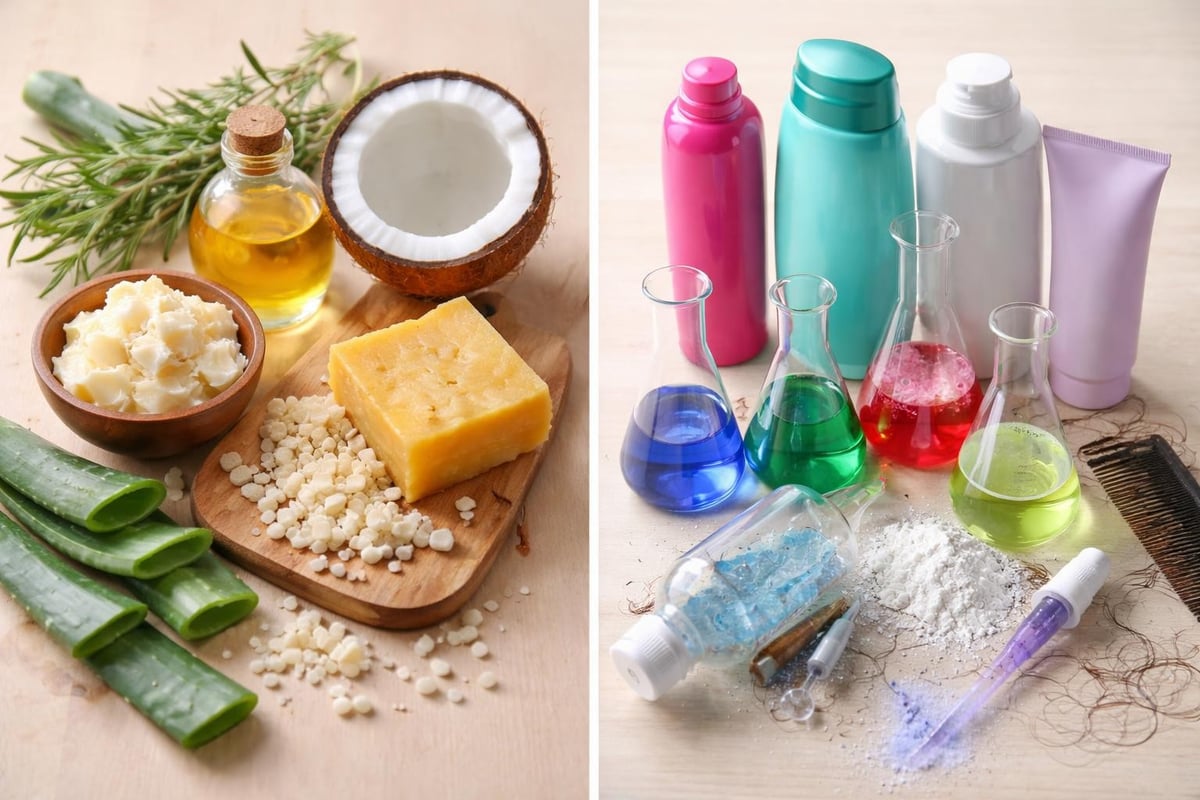
Solution: Identifying Genuinely Good Beard Wax
Good beard wax starts with ingredient transparency. The formulation should list every component, with natural ingredients occupying the first five positions.
Essential Quality Markers
100% natural ingredient base: Beeswax, plant butters and cold-pressed oils form the foundation. These ingredients contain no synthetic modifications.
Specific oil concentrations: Premium wax balances hold with nourishment. Expect beeswax content between 35-45%, butters at 25-35% and carrier oils comprising the remainder. This ratio delivers firm hold without stiffness.
Added vitamins: Look for vitamin E (tocopherol) listed separately from carrier oils. Supplemental vitamin E provides antioxidant protection beyond what natural oils contain.
Absence of additives: Good beard wax contains no synthetic fragrances, parabens, sulphates or mineral oil. If you can't pronounce an ingredient or it includes numbers in its name, eliminate that product.
At Onesociety, the commitment to 100% natural ingredients means every formulation undergoes scientific validation. The beard collection demonstrates how natural compounds deliver superior results without synthetic shortcuts.
Texture and Consistency Indicators
Quality reveals itself in physical properties. Good beard wax should:
- Warm quickly between fingertips (indicating proper beeswax concentration)
- Spread evenly without clumping or graininess
- Absorb within 30-60 seconds of application
- Leave no greasy residue on fingers post-application
The distinction between wax and balm matters significantly for your beard length and styling requirements. Wax provides stronger hold essential for shaping and definition.
Application Technique: Maximising Hold and Health
Proper application determines whether good beard wax delivers results or sits as dead weight in your facial hair.
The Step-by-Step Method
Step 1: Start with clean, damp facial hair
Wash your beard with a pH-balanced cleanser that removes sebum and environmental debris without stripping natural oils. Pat dry until approximately 70% moisture remains. Damp hair opens cuticles, allowing wax penetration.
Step 2: Warm product thoroughly
Scoop a thumbnail-sized amount (adjust for beard length). Rub between palms for 15-20 seconds until completely liquefied. Inadequate warming creates uneven distribution.
Step 3: Apply from root to tip
Start at your neck, working upward against growth direction. This lifts hair away from skin and ensures complete coverage. Finish by smoothing downward in the direction of growth.
Step 4: Shape with precision
Use a beard comb or brush to distribute product evenly whilst styling. The wax sets within 90 seconds, so work quickly but deliberately.
Step 5: Set with cool air
A brief blast of cool air from a hairdryer locks the style by accelerating wax solidification. Hold the dryer 15cm away and use low speed to prevent heat damage.
Common Application Mistakes
| Mistake | Consequence | Correction |
|---|---|---|
| Applying to dry hair | Poor distribution, patchy hold | Always dampen first |
| Using too much product | Greasy appearance, clogged follicles | Start small, add incrementally |
| Insufficient warming | Clumping, uneven texture | Rub until fully liquid |
| Applying once set | Product buildup, flaking | Complete application within 90 seconds |
The comprehensive approach to beard grooming recognises that wax works synergistically with other products rather than in isolation.
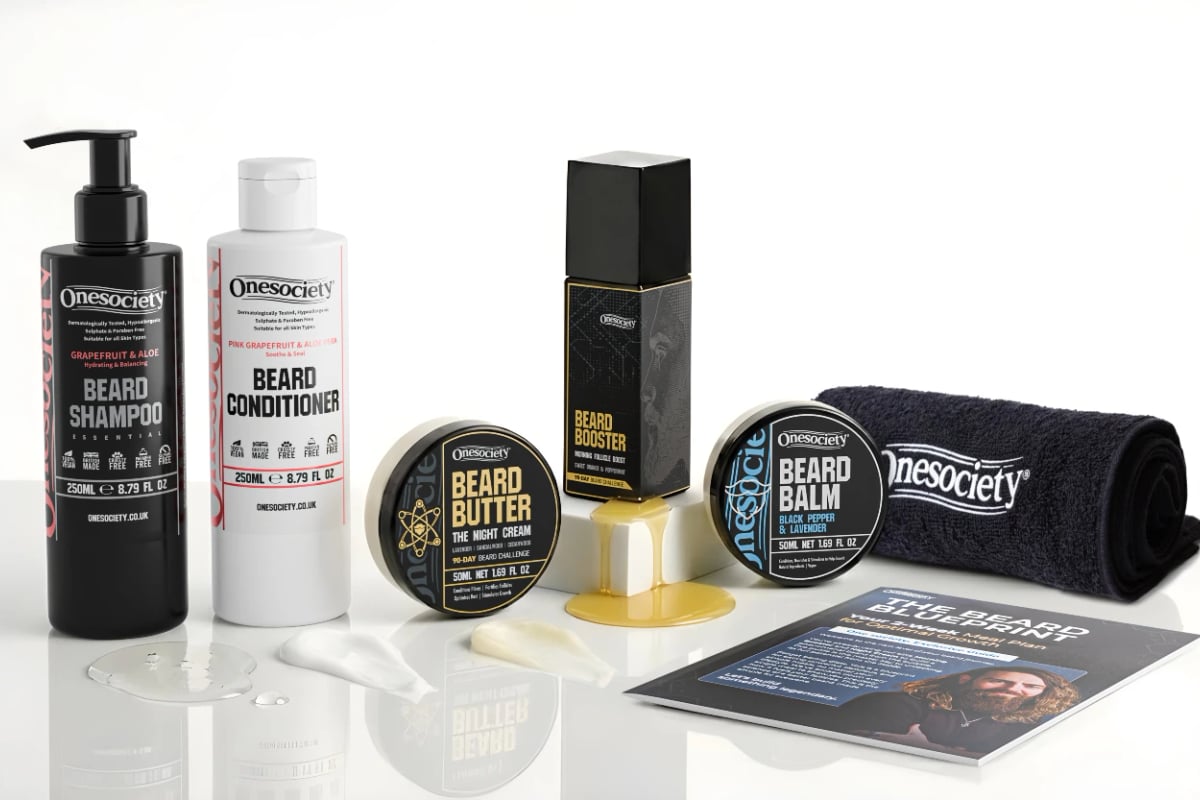
For those seeking transformative results beyond daily styling, comprehensive nutrition and hydration protocols deliver exponential improvements. The 90-Day Beard Challenge combines multiple formulations-from follicle-stimulating boosters to hydro-lock protective barriers-engineered to work together for maximum growth and health.
Wax Versus Other Styling Products
Understanding where good beard wax fits within your grooming arsenal prevents product confusion and wasted spending.
When Wax Outperforms Alternatives
Versus Beard Balm: Balm contains higher oil ratios (60-70%) and less wax, providing light hold with maximum nourishment. Choose balm for daily conditioning and minimal styling. Select wax when you need your beard to maintain specific shapes for extended periods.
Versus Beard Oil: Oil delivers pure nourishment with zero hold. It penetrates deeply but provides no styling capability. Comparing beard oil, balm and wax clarifies that oil works as a foundation layer, balm for light styling and wax for maximum control.
Versus Moustache Wax: Traditional moustache wax contains higher beeswax concentrations (60-80%) for extreme hold on shorter hair. This formula proves too stiff for full beards, creating an unnatural, crunchy texture.
The Layering Strategy
Professional beard groomers stack products strategically:
- Morning base: Apply beard oil to clean, damp facial hair for deep nourishment
- Mid-layer conditioning: Add a small amount of balm for light hold and additional moisture
- Finishing control: Use good beard wax for final shaping and all-day hold
This approach delivers comprehensive care whilst maintaining natural movement and texture.
Beard Length and Wax Selection
Your beard's length dictates wax requirements. Good beard wax adapts to different stages of growth through concentration adjustment.
Short Beards (0-3cm)
Short facial hair requires minimal product. A softer wax formulation with lower beeswax content (30-35%) prevents stiffness whilst taming stray hairs. Focus application on moustache definition and cheek line maintenance.
Medium Beards (3-8cm)
Medium-length beards benefit from standard wax formulations (35-45% beeswax). This length requires shape definition and flyaway control without appearing weighted down. Apply evenly throughout, concentrating on areas that naturally grow in unwanted directions.
Long Beards (8cm+)
Extended facial hair demands maximum hold. Choose wax with higher beeswax concentrations (45-50%) that can support weight whilst maintaining shape. Long beards also benefit from increased butter content to prevent the dryness that longer hair experiences.
Natural Ingredients That Elevate Performance
Beyond the essential trio of beeswax, butters and oils, certain natural additives enhance good beard wax functionality.
Performance-Boosting Additions
Lanolin extracted from sheep's wool provides exceptional moisture retention. Its molecular structure mimics human sebum even more closely than jojoba, creating a protective barrier that locks in hydration for 8-12 hours.
Cocoa butter contributes palmitic and stearic acids that smooth the hair cuticle. This reduces friction between hairs, preventing tangling in longer beards whilst adding subtle chocolate aroma.
Tea tree oil delivers antimicrobial properties through terpinen-4-ol compounds. This prevents bacterial growth that causes beard itch and odour, particularly important for men with dense facial hair.
Cedarwood essential oil stimulates sebaceous glands through sesquiterpenes, promoting natural oil production. Enhanced sebum flow improves overall beard health whilst adding woody fragrance notes.
The beard wax collection demonstrates how thoughtfully selected natural ingredients work synergistically to deliver results beyond simple styling.
Troubleshooting Common Wax Challenges
Even with good beard wax, application challenges arise. Understanding the biological reasons behind these issues enables quick solutions.
White Flaking and Residue
Flaking indicates either product buildup or application to excessively dry hair. The wax cannot properly bind to dehydrated keratin, causing surface accumulation that appears as white flakes.
Solution: Ensure your beard contains adequate moisture before application. If flaking persists, reduce product quantity by 30% and verify you're warming wax completely between palms.
Greasy Appearance
Excess oil in your formulation or overuse creates shine that appears greasy rather than healthy. This particularly affects men with naturally oily skin who produce higher sebum levels.
Solution: Blot your beard gently with paper tissue 5 minutes post-application. This removes surface oils whilst leaving the wax structure intact. Consider switching to a formulation with lower oil content.
Insufficient Hold Duration
Wax that loses effectiveness within 2-3 hours lacks adequate beeswax concentration or contains inferior quality ingredients that break down prematurely.
Solution: Verify your product's beeswax content exceeds 35%. If the formulation meets this threshold but still underperforms, environmental factors (high humidity, heat) may require reapplication or a switch to higher-concentration wax.
Difficult Removal
Wax that resists washing indicates petroleum-based ingredients or excessive beeswax concentration. Proper formulations should rinse clean with warm water and mild cleanser.
Solution: Use a dedicated beard wash formulated to break down wax molecules without harsh detergents. Pre-treat with warm water to soften wax, then apply cleanser and massage thoroughly before rinsing.
Environmental and Ethical Considerations
Good beard wax extends beyond personal benefits to environmental responsibility. The sourcing and production methods matter significantly.
Sustainable Ingredient Sourcing
Ethical beeswax: Choose products from suppliers who maintain healthy hive populations without exploitative practices. Sustainable beekeeping supports pollinator populations essential for global food security.
Fair-trade butters: Shea and cocoa butter production should compensate farmers fairly whilst maintaining land without deforestation. Certification ensures your purchase supports ethical supply chains.
Recyclable packaging: Glass containers and metal tins provide indefinite recyclability versus plastic that contributes to environmental pollution.
The commitment to natural formulations backed by science ensures products deliver results without environmental compromise.
Integrating Wax into Complete Beard Care
Good beard wax functions as one component within comprehensive facial hair maintenance. Optimal results require systematic care addressing all aspects of beard health.
The Complete Daily Routine
Morning protocol:
- Cleanse with pH-balanced wash (every 2-3 days)
- Apply beard oil to damp hair
- Add beard butter for overnight recovery benefits
- Finish with wax for styling and hold
Evening protocol:
- Brush thoroughly to distribute natural oils
- Apply nourishing balm to replenish moisture lost during the day
- Use a boar bristle brush to stimulate follicles and promote growth
Weekly intensive care:
- Deep condition with a beard conditioner that seals the cuticle
- Exfoliate skin beneath beard to prevent ingrown hairs
- Trim split ends to maintain healthy appearance
Product Synergy
Good beard wax works optimally when your facial hair receives comprehensive nutrition. Deficiencies in vitamins A, E and biotin manifest as brittle, slow-growing beards that resist styling regardless of product quality.
Consider supplementing your external care with:
- Biotin supplementation: 2.5-5mg daily supports keratin production
- Omega-3 fatty acids: Reduce inflammation around follicles
- Vitamin E: Protects against oxidative damage from environmental stressors
Price Versus Value in Beard Wax
Cost analysis reveals that good beard wax delivers superior long-term value despite higher initial pricing.
The True Cost Calculation
A 60ml tin of premium natural wax costs approximately £15-25 and lasts 3-4 months with daily use. This breaks down to £0.15-0.20 per application.
Budget alternatives at £5-8 per tin require double the product quantity for equivalent hold and need replacement monthly, costing £0.20-0.25 per application whilst delivering inferior results and potential long-term damage.
Additional hidden costs of cheap wax:
- Increased beard trimming frequency due to split ends (£10-15 monthly barber visits)
- Supplemental products to counteract dryness (£8-12 monthly)
- Potential dermatologist visits for follicle inflammation (£45+ per consultation)
Quality represents investment rather than expense. The comprehensive bundles at Onesociety demonstrate how coordinated product systems deliver exponential value beyond individual items.
Advanced Styling Techniques with Good Beard Wax
Mastery extends beyond basic application to precision shaping that accentuates facial structure.
Architectural Shaping Methods
Cheek line definition: Apply concentrated wax along the upper boundary of your beard, creating sharp contrast against skin. This technique visually squares the jawline and adds masculine definition.
Volume creation: Work wax upward from the base of your neck before smoothing downward. This lifts hair away from skin, creating fullness that makes thinner beards appear more substantial.
Moustache isolation: Use minimal wax on moustache hair, shaping with fingertips rather than combs. This maintains natural movement whilst preventing the handlebar effect unless deliberately desired.
Length emphasis: For long beards, apply wax primarily to the outer third of hair length. This preserves natural movement at roots whilst controlling ends that tend toward chaos.
Competition-Level Precision
Professional beard competitors utilise advanced techniques:
- Sectional application: Divide beard into zones, applying different wax concentrations to each area based on desired effect
- Blow-drying integration: Apply wax, then use cool air whilst brushing to set waves and curves
- Layered texturing: Alternate between wax and balm layers to create dimensional styling
These methods require practice but elevate good beard wax from functional to artistic.
The Future of Natural Beard Care
Innovation in natural formulations continues advancing what good beard wax achieves.
Emerging Ingredient Science
Peptide integration: Short-chain amino acids that penetrate follicles to stimulate growth factors show promise in early testing. These compounds may soon enhance wax formulations beyond styling into active growth promotion.
Adaptogenic botanicals: Plants like ashwagandha and rhodiola contain compounds that reduce stress hormones linked to hair loss. Incorporating these into topical products could protect against stress-induced beard thinning.
Microencapsulation technology: Natural ingredients enclosed in biodegradable microspheres release gradually throughout the day, extending wax effectiveness from 8 hours to 12-14 hours without reapplication.
The intersection of traditional ingredients and modern science drives continuous improvement in beard care efficacy.
Good beard wax transforms facial hair maintenance from constant battle to controlled precision when you understand the science behind formulations and application techniques. The difference between mediocre and exceptional results lies in ingredient quality, proper technique and comprehensive care that addresses beard health holistically. At Onesociety, the commitment to 100% natural ingredients backed by scientific research ensures every product delivers measurable improvements without synthetic shortcuts. Whether you're beginning your beard journey or refining years of growth, the right formulations and expert guidance make legendary facial hair achievable for every man.