
Your beard deserves better than generic shower gel. The skin beneath your facial hair operates differently from your scalp, producing sebum at a distinct rate and requiring specific pH levels to maintain barrier function. Using the wrong cleanser strips these natural oils, triggering inflammation and the relentless itch that plagues poorly maintained beards. Finding the best beard wash means understanding the biochemistry of facial hair and selecting formulas that work with your skin's natural processes, not against them.
Why Regular Shampoo Destroys Your Beard
Facial hair follicles sit differently in your skin compared to scalp follicles. They're surrounded by a higher concentration of sebaceous glands, which produce the oils that keep your beard soft and your skin hydrated.
Standard hair shampoos contain sulfates designed for scalp pH (typically 4.5-5.5), but facial skin operates at a slightly different pH range. When you use regular shampoo on your beard, these aggressive surfactants:
- Strip away protective sebum faster than your glands can replace it
- Disrupt the acid mantle that defends against bacterial overgrowth
- Create microscopic damage to the hair cuticle, leading to split ends
- Trigger compensatory oil production, making your beard feel greasy hours later
Research shows that beard-specific cleansers maintain optimal pH balance whilst removing dirt and dead skin cells. This targeted approach prevents the inflammation cascade that causes beardruff and persistent irritation.
The Sebum Stripping Cycle
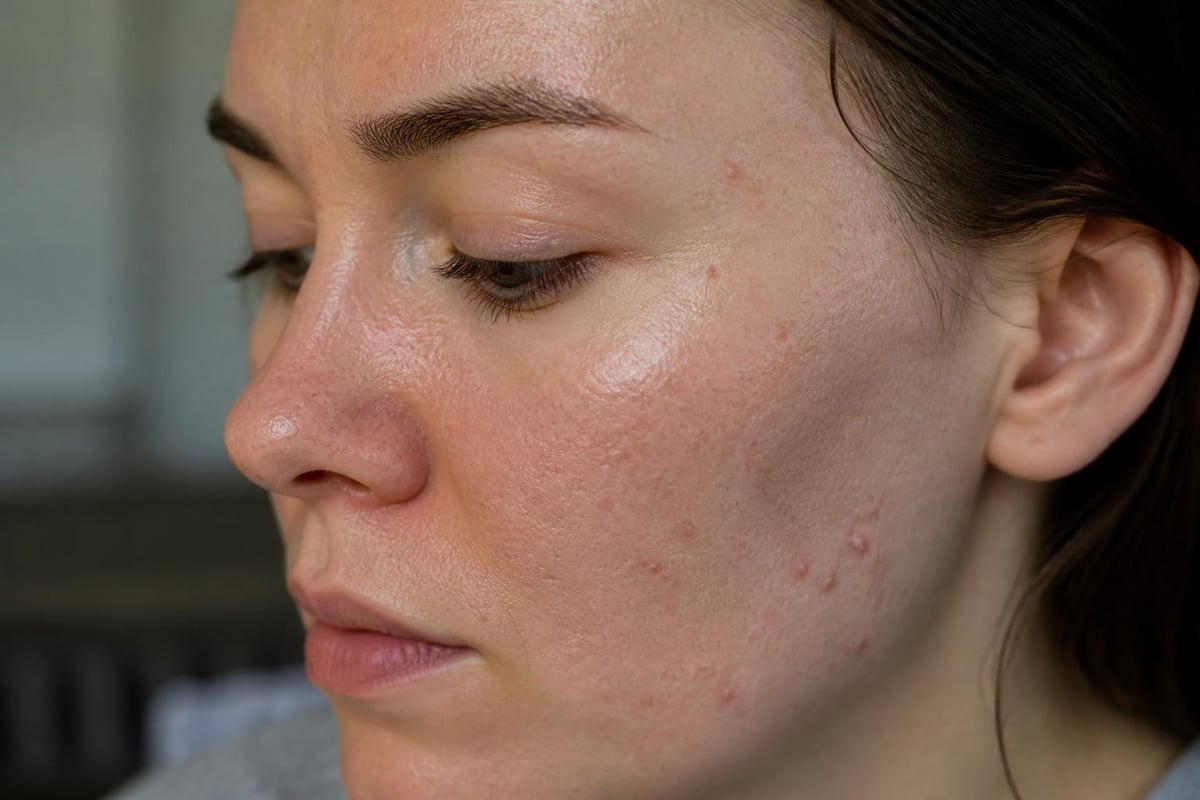
Your sebaceous glands respond to aggressive cleansing by overproducing oil. This creates a frustrating cycle where your beard feels simultaneously dry and greasy. The hair shaft becomes brittle whilst the skin underneath turns slick, trapping bacteria and dead cells that fuel inflammation.
Breaking this cycle requires a cleanser formulated with mild surfactants that preserve sebum whilst removing environmental pollutants.
Key Ingredients in the Best Beard Wash
The effectiveness of any beard cleanser depends on its active ingredients and their concentration. Understanding what each component does helps you select products that address your specific concerns.
| Ingredient | Function | Mechanism |
|---|---|---|
| Coconut-derived surfactants | Gentle cleansing | Removes dirt without disrupting lipid barrier |
| Argan oil | Moisture retention | Oleic acid penetrates hair shaft, reducing protein loss |
| Jojoba oil | Sebum regulation | Molecular structure mimics natural sebum, balancing production |
| Tea tree oil | Antimicrobial action | Terpinen-4-ol inhibits bacterial and fungal growth |
| Aloe vera | Anti-inflammatory | Polysaccharides reduce redness and irritation |
| Vitamin E | Antioxidant protection | Neutralizes free radicals from UV exposure |
Surfactant Science
The best beard wash uses mild, amino acid-based surfactants instead of harsh sulfates. These compounds clean effectively because they form micelles that trap oil and dirt, but their molecular structure prevents them from penetrating too deeply into the lipid barrier.
Decyl glucoside and coco-glucoside stand out as particularly effective options. Derived from coconut and corn, these surfactants maintain cleaning power whilst preserving the skin's natural moisture factor.
When you apply these gentler formulas, you'll notice less immediate foam. This doesn't indicate poor performance. The foaming action of sulfates comes from their aggressive disruption of water-oil interfaces, the exact property that damages your beard.
How Often Should You Use Beard Wash
Washing frequency depends on your lifestyle, environment, and natural oil production. Most men benefit from washing their beards 2-3 times weekly, but this varies.
Daily washing makes sense if you:
- Work in environments with heavy dust or pollutants
- Exercise intensely each day, producing significant sweat
- Live in humid climates where bacterial growth accelerates
- Use heavy styling products that require thorough removal
Reduce to 2-3 times weekly if you:
- Have naturally dry skin or produce minimal sebum
- Work in climate-controlled indoor environments
- Experience irritation or flaking with frequent washing
- Notice your beard feels stripped or brittle after cleansing
The science here is straightforward. Beard wash removes accumulated debris and dead cells that can clog follicles and trigger inflammation. However, over-washing depletes the protective oils faster than your glands replenish them, creating the dryness-overproduction cycle mentioned earlier.
Reading Your Beard's Signals
Your facial hair communicates its needs through specific symptoms. Pay attention to:
- Persistent itch: Indicates either under-washing (bacterial buildup) or over-washing (depleted sebum)
- White flakes: Suggests dry skin from excessive cleansing or fungal overgrowth from insufficient cleaning
- Greasy feel within hours: Points to compensatory sebum production from stripped oils
- Rough texture: Shows cuticle damage from harsh surfactants or inadequate conditioning
Adjust your washing frequency based on these indicators rather than following arbitrary schedules.
Application Technique That Maximizes Results
Even the best beard wash fails when applied incorrectly. Proper technique ensures the active ingredients reach your skin whilst distributing evenly through your facial hair.
Follow this sequence:
-
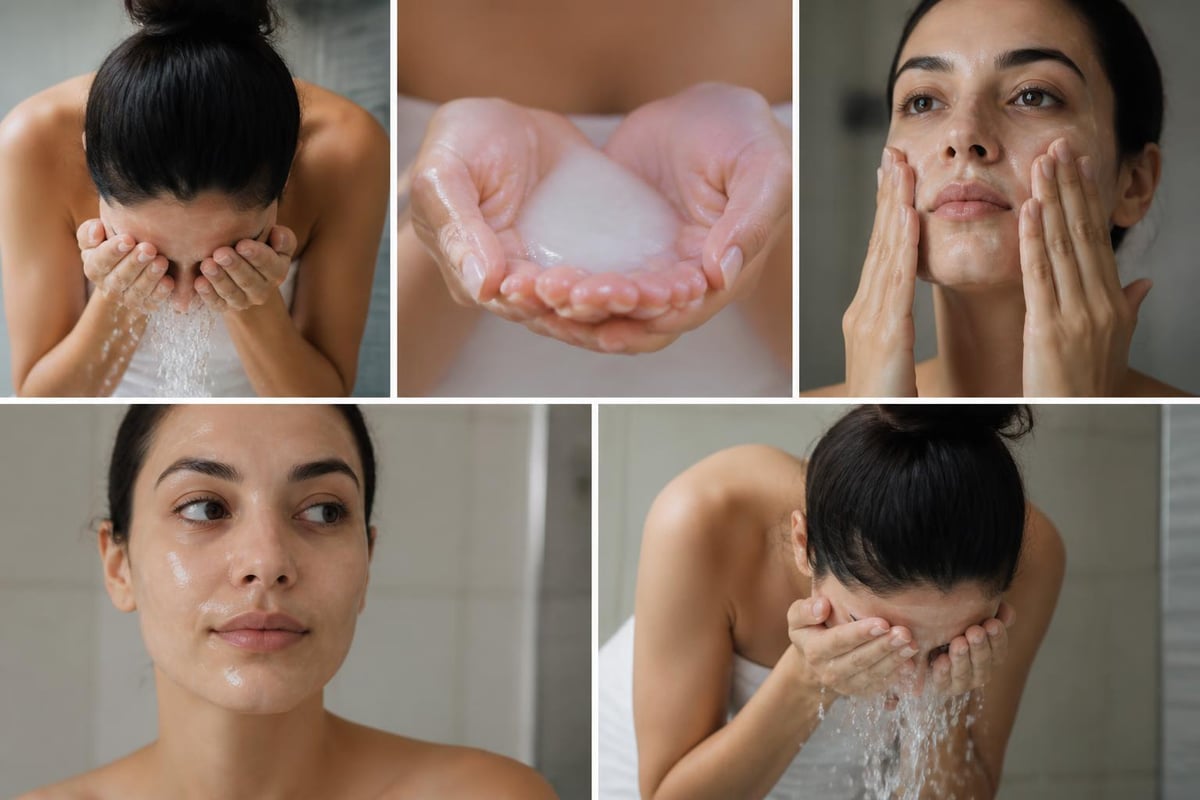
Rinse your beard thoroughly with warm (not hot) water for 30 seconds. This opens the cuticles and softens accumulated oils.
-
Dispense a coin-sized amount of beard wash into your palm. Start small; you can always add more.
-
Emulsify the product between your hands, creating an even distribution before application.
-
Work the wash into your beard using circular motions, focusing on the skin underneath. Your fingertips should reach your face through the hair.
-
Massage for 60-90 seconds. This contact time allows surfactants to bind with oils and antimicrobial ingredients to work.
-
Rinse completely with cool water. Incomplete rinsing leaves residue that attracts dirt and dulls your beard.
The circular massage motion serves a dual purpose. It distributes the cleanser evenly whilst stimulating blood flow to the follicles. This increased circulation delivers more oxygen and nutrients to the hair roots, supporting healthy growth.
Top Picks: Best Beard Wash Options for 2026
The market offers dozens of beard washes, but quality varies dramatically. Industry experts at GQ evaluate products based on ingredient quality, pH balance, and real-world performance.
For Dry, Flaky Beards
Look for formulas enriched with hyaluronic acid and glycerin. These humectants attract moisture from the environment and bind it to your skin and hair. Shea butter adds emollient properties, creating a protective film that prevents water loss without feeling heavy.
The nourishing coconut beard wash combines these hydrating ingredients with gentle cleansing agents. Coconut-derived surfactants remove buildup whilst lauric acid provides antimicrobial protection. The fatty acid profile mimics natural sebum, preventing the stripped feeling that exacerbates dryness.
For Oily or Acne-Prone Skin
Tea tree oil and salicylic acid address excess sebum and blocked follicles. Tea tree's terpinen-4-ol disrupts bacterial cell membranes, reducing the P. acnes population that triggers inflammation. Salicylic acid exfoliates inside the follicle, preventing the keratinous plugs that lead to ingrown hairs and beard acne.
Balance these active ingredients with soothing agents like chamomile extract. Anti-inflammatory compounds called bisabolol and apigenin calm redness whilst the cleansing agents work.
For Sensitive Skin
Fragrance-free formulas with colloidal oatmeal and allantoin reduce irritation risk. Colloidal oatmeal contains avenanthramides, unique compounds that inhibit the release of inflammatory cytokines. Allantoin promotes cell turnover, helping damaged skin heal faster.
Avoid essential oils if you have confirmed sensitivities. Whilst natural, these concentrated plant extracts contain allergens that trigger reactions in susceptible individuals.
For Maximum Growth Support
Biotin, caffeine, and saw palmetto extracts target the follicle directly. Biotin (vitamin B7) acts as a coenzyme in fatty acid synthesis, strengthening the hair shaft from within. Caffeine stimulates follicle cells by blocking adenosine receptors, extending the growth phase. Saw palmetto inhibits 5-alpha reductase, the enzyme that converts testosterone to DHT, which shrinks follicles.
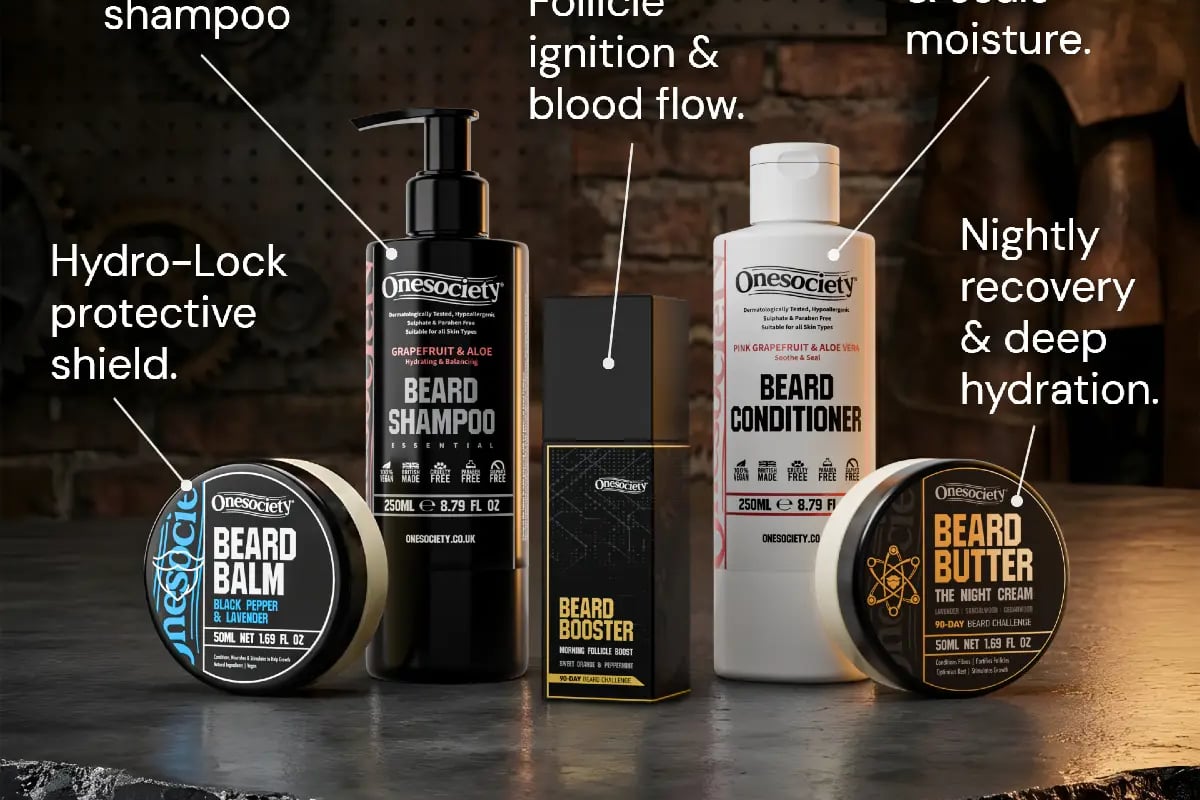
When combined in a comprehensive system, these ingredients create optimal conditions for beard development. The 90-Day Beard Challenge packages growth-supporting beard shampoo with complementary products like follicle-stimulating boosters and hydrating balms. This coordinated approach addresses multiple growth factors simultaneously, delivering results that isolated products cannot match.
What Professional Testing Reveals
Independent evaluations provide objective data about product performance. Panel testing by Gents measures five key criteria: cleansing effectiveness, post-wash softness, scent quality, ease of application, and value for money.
The testing protocol involves standardized conditions:
- Same water temperature and hardness
- Identical application time and technique
- Controlled environmental humidity
- Blind evaluation to prevent brand bias
- Multiple testers with varying beard types
Results consistently show that natural oil-based formulas outperform synthetic alternatives in softness and long-term beard health. However, purely oil-based cleansers sometimes struggle with heavy styling product removal, requiring a second wash.
pH Testing Results
Laboratory analysis reveals significant pH variation across popular products. The best beard wash maintains a pH between 4.5 and 6.0, matching the natural range of facial skin.
| Product Category | Average pH | Skin Compatibility |
|---|---|---|
| Standard hair shampoo | 3.5-4.0 | Too acidic, strips oils |
| Bar soap | 9.0-10.0 | Highly alkaline, disrupts barrier |
| Quality beard wash | 4.5-6.0 | Optimal for facial skin |
| Natural/DIY recipes | 6.5-8.0 | Often too alkaline |
Products outside this optimal range cause measurable increases in transepidermal water loss, indicating barrier damage that leads to dryness and sensitivity.
Common Mistakes That Undermine Results
Even with the best beard wash, poor technique sabotages your results. Understanding common grooming pitfalls helps you avoid them.
Using Too Much Product
Excess cleanser doesn't improve results. Once you've created sufficient lather to coat your beard, additional product simply wastes money. The concentration of active ingredients matters more than volume.
Start with a small amount and add incrementally if needed. You'll find that quality formulas require less product than cheap alternatives because their surfactants work more efficiently.
Skipping the Scalp-Skin Focus
Your beard grows from skin, not thin air. Failing to massage the wash into your facial skin means missing half the purpose. Dead cells, excess sebum, and environmental pollutants accumulate on the skin surface, creating the conditions for inflammation and follicle blockage.
Direct skin contact allows antimicrobial and anti-inflammatory ingredients to work where they're needed most. The mechanical action of massage also loosens debris and stimulates circulation.
Inconsistent Routine
Sporadic washing confuses your sebaceous glands. They regulate oil production based on regular patterns. When you wash daily one week and skip entirely the next, your glands cannot establish homeostasis. This leads to unpredictable oiliness and increased sensitivity.
Establish a consistent schedule based on your lifestyle needs. Your skin will adapt, producing the optimal amount of sebum for that washing frequency.
Pairing Beard Wash With Complementary Products
The best beard wash works synergistically with other grooming products. A complete beard care routine addresses multiple aspects of hair and skin health.
Post-wash conditioning:
After cleansing, your beard cuticles remain open and receptive to hydration. This is the optimal time to apply a conditioning treatment. Look for formulas containing:
- Proteins that fill gaps in damaged cuticles
- Ceramides that strengthen the intercellular matrix
- Silicones that smooth the surface and add shine
Leave the conditioner on for 2-3 minutes before rinsing. This contact time allows larger molecules to penetrate the hair shaft.
Daily maintenance:
Between washes, beard oil or butter maintains moisture and protects against environmental damage. These products don't replace washing but extend the time between washes by preventing rapid oil depletion.
Apply to damp (not wet) beard after showering. The residual moisture helps distribute the product evenly whilst the slightly open cuticles absorb it more effectively.
Weekly intensive treatments:
Once weekly, use a deep conditioning mask or hot oil treatment. Heat opens cuticles further, allowing penetration of larger nourishing molecules. Ingredients like avocado oil and kokum butter provide intensive repair for damaged or chemically treated beards.
Addressing Specific Beard Concerns
Different beard issues require targeted solutions. The best beard wash for one concern may not address another effectively.
Beardruff and Flaking
White flakes signal either seborrheic dermatitis (fungal overgrowth) or simple dryness. Distinguish between them:
Seborrheic dermatitis flakes:
- Yellowish and oily
- Accompanied by redness and irritation
- Worsen in humid conditions
- Respond to antifungal ingredients
Dry skin flakes:
- White and powdery
- No associated redness
- Worsen in low humidity
- Respond to hydrating ingredients
Choose your cleanser accordingly. Zinc pyrithione and ketoconazole combat fungal growth, whilst hyaluronic acid and ceramides address dryness.
Ingrown Hairs and Bumps
Beard hairs curl back into the skin when the follicle opening becomes blocked or the hair shaft curls tightly. This triggers an inflammatory response that creates painful bumps.
Prevention requires:
- Regular exfoliation to keep follicle openings clear
- Salicylic acid to dissolve keratin plugs
- Proper shaving technique if you trim
- Softening treatments that reduce hair curl
Look for beard washes containing gentle chemical exfoliants like lactic acid. These dissolve the bonds between dead cells without the mechanical irritation of physical scrubs.
Colour Fading in Dyed Beards
If you dye your beard, standard cleansers accelerate colour loss. Dye molecules sit between cuticle layers, and aggressive surfactants lift these layers, releasing the colour.
Colour-safe formulas use milder surfactants and include ingredients that close cuticles after washing. Acidic rinses (pH 3.5-4.0) smooth cuticles, locking in colour whilst adding shine.
Reduce washing frequency to 1-2 times weekly and use dry shampoo between washes to absorb oil without colour loss.
The Science of Natural vs. Synthetic Ingredients
The natural versus synthetic debate in grooming products often generates more heat than light. Both categories include effective and ineffective options.
Natural ingredient advantages:
Natural oils and extracts contain complex mixtures of compounds that work synergistically. Argan oil, for instance, contains over 200 different molecules, including tocopherols, polyphenols, and fatty acids. These compounds interact, creating benefits that isolated synthetic versions cannot replicate.
Plant-based surfactants like decyl glucoside and coco-betaine clean effectively whilst biodegrading rapidly. This environmental consideration matters to consumers who consider their ecological footprint.
Synthetic ingredient advantages:
Synthetic compounds offer consistency. Natural ingredients vary based on growing conditions, harvest timing, and processing methods. A synthetic panthenol molecule performs identically in every batch.
Some beneficial compounds don't exist in concentrated forms in nature. Creating them synthetically provides access to effective ingredients that would otherwise remain unavailable.
The balanced approach:
The best beard wash combines both categories strategically. Use natural oils for their complex nourishing profiles and gentle surfactants from renewable sources. Incorporate synthetic vitamins and preservatives where they provide superior stability or performance.
Avoid the fallacy that "chemical-free" products exist. Everything is made of chemicals, including water. Focus instead on ingredient safety, efficacy, and sustainability.
Understanding Your Water's Impact
Water quality significantly affects washing results. Hard water contains dissolved minerals (primarily calcium and magnesium) that interfere with surfactant function.
These minerals bind to cleanser molecules, reducing their ability to remove oils and dirt. You'll notice:
- Reduced lather
- Residue that leaves your beard feeling waxy
- Increased product consumption
- Dullness and reduced softness
Solutions for hard water:
- Install a shower filter that removes mineral ions before they reach your beard
- Use chelating shampoos containing EDTA or citric acid that bind minerals
- Rinse with distilled or filtered water as a final step
- Add a tablespoon of apple cider vinegar to your rinse water to dissolve mineral deposits
Soft water requires less product and rinses cleaner, but can leave beards feeling slippery or limp. Adjust your product amount accordingly.
Building Your Complete Washing Protocol
Integrating the best beard wash into a comprehensive routine maximizes results. Here's a science-backed protocol:
Morning or evening washing:
Evening washing removes accumulated pollutants, sweat, and styling products. This allows your skin to regenerate overnight without barrier interference. Morning washing removes overnight oil buildup and prepares your beard for styling.
Choose based on your schedule and beard type. Oily beards benefit from morning washing; dry beards prefer evening washing to avoid daytime tightness.
Temperature management:
- Pre-rinse: Warm water (35-40°C) to open cuticles and soften oils
- Washing: Lukewarm water to maintain comfortable application
- Final rinse: Cool water (20-25°C) to close cuticles and stimulate circulation
Avoid hot water, which strips oils excessively and can trigger increased sebum production.
Drying technique:
Pat, don't rub. Rubbing creates friction that damages raised cuticles. Use a microfiber towel that absorbs water without mechanical stress.
Allow partial air drying before applying styling products. Completely wet beards dilute product effectiveness; completely dry beards resist absorption.
Choosing the best beard wash requires understanding your facial hair's unique biology and selecting formulas that support rather than fight your skin's natural processes. The right cleanser removes buildup whilst preserving protective oils, maintains optimal pH balance, and delivers active ingredients that address your specific concerns. Onesociety combines this scientific approach with 100% natural ingredients, offering beard washes and complete grooming systems designed for measurable results. Whether you're tackling persistent dryness, accelerating growth, or simply maintaining a healthy beard, their research-backed formulations provide the foundation for success.