

You've stared at your reflection one too many times, willing that patchy stubble to transform into a full, commanding beard. You're not alone. Thousands of men face the frustration of sparse facial hair, watching their mates sport impressive beards whilst their own growth stalls. The question isn't whether you can change this-it's how you unlock your follicles' full potential. The journey to enhance facial hair growth requires understanding the science beneath your skin, not just hoping for miraculous results.
The Biology Behind Facial Hair Growth
Your facial follicles don't operate on wishes. They respond to specific biological signals, primarily androgens like testosterone and dihydrotestosterone (DHT). Research into hair growth mechanisms reveals that dermal papilla cells at the base of each follicle contain androgen receptors that, when activated, trigger the anagen (growth) phase of the hair cycle.
Understanding Your Follicle Activation System
DHT binds to these receptors with five times the affinity of testosterone, stimulating protein synthesis and cellular division within the follicle. This process explains why some areas of your face grow thick hair whilst others remain stubbornly bare-your genetic blueprint determines receptor density and sensitivity.
Three critical factors control follicle performance:
- Androgen receptor quantity and sensitivity (genetically determined)
- Blood flow delivering nutrients and hormones to follicles
- Follicle health and the absence of inflammation or blockage
Without adequate blood circulation, even follicles with abundant receptors receive insufficient fuel. The scalp contains approximately 100,000 follicles; your face holds fewer, making each one's performance crucial to overall beard density.
Nutritional Foundations That Enhance Facial Hair Growth
Your follicles cannot manufacture hair from thin air. They require specific micronutrients and macronutrients to synthesise keratin-the structural protein forming each strand. Cleveland Clinic research on hair-supporting vitamins identifies several compounds that directly impact growth rates.
| Nutrient | Biological Function | Daily Target |
|---|---|---|
| Biotin (B7) | Keratin infrastructure synthesis | 30-100 mcg |
| Vitamin D | Follicle cycling regulation | 1000-2000 IU |
| Zinc | Protein synthesis and hormone conversion | 11 mg |
| Iron | Oxygen transport to follicles | 8 mg |
| Omega-3 Fatty Acids | Anti-inflammatory, membrane health | 250-500 mg EPA+DHA |
Protein: The Building Block Reality
Keratin consists of 18 amino acids, with cysteine creating the disulphide bonds that give hair its strength. Consuming 1.6-2.0 grams of protein per kilogram of body weight ensures your body doesn't ration amino acids away from follicles during growth phases.
High-bioavailability protein sources include:
- Grass-fed beef (provides iron, zinc, and B vitamins simultaneously)
- Wild-caught salmon (delivers protein plus omega-3s)
- Organic eggs (contains all essential amino acids)
- Greek yoghurt (offers protein and probiotic gut support)
Your digestive system must actually absorb these nutrients-a fact many overlook. Chronic inflammation in the gut reduces nutrient uptake by up to 40%, starving follicles regardless of dietary intake.
Topical Interventions That Deliver Results
Whilst internal nutrition creates the foundation, topical applications directly stimulate follicles through different mechanisms. Clinical trials examining minoxidil for beard enhancement demonstrate measurable increases in hair count and thickness when applied consistently.
How Minoxidil Activates Dormant Follicles
Minoxidil opens potassium channels in follicle cells, causing hyperpolarisation that triggers growth signals. It also increases vascular endothelial growth factor (VEGF), expanding the capillary network around each follicle. A randomised study documented in the ClinicalTrials.gov database showed 3% minoxidil lotion applied twice daily increased beard density by an average of 17% over 16 weeks.
The mechanism doesn't alter your androgen levels-it works independently, making it effective even for men with lower testosterone. However, shedding occurs in weeks 2-4 as follicles reset their growth cycle, a phase that discourages many users prematurely.
Natural Oils: The Science of Penetration
Not all oils penetrate the follicle sheath. Molecular weight determines absorption-jojoba oil (298 daltons) closely mimics sebum and penetrates deeply, whilst heavier oils like castor (932 daltons) coat the surface without follicular entry.
Scientifically validated beard oils contain:
- Jojoba oil: Sebum regulation prevents follicle blockage
- Argan oil: Vitamin E reduces oxidative stress in dividing cells
- Castor oil: Ricinoleic acid (anti-inflammatory) supports the follicle microenvironment
- Peppermint oil: Increases dermal thickness and follicle count in animal studies
For those committed to transforming their facial hair, understanding proper beard care fundamentals provides essential context for product selection and application technique.
Lifestyle Factors That Suppress Growth
You sabotage your follicles daily without realising it. Chronic stress elevates cortisol, which directly antagonises androgen receptors and shortens the anagen phase. Sleep deprivation reduces growth hormone secretion-the hormone that peaks during deep sleep and supports tissue repair, including follicle regeneration.
The Cortisol-Testosterone Relationship
When cortisol remains elevated for weeks, your body down-regulates testosterone production to conserve resources for survival functions. Studies show men sleeping fewer than 5 hours nightly experience testosterone reductions of 10-15% within one week.
- Prioritise 7-9 hours of sleep: Growth hormone pulses occur during REM cycles
- Implement stress-reduction practices: Meditation lowers cortisol by 20-30% in controlled trials
- Limit alcohol consumption: Ethanol inhibits testosterone synthesis in Leydig cells
- Avoid endocrine disruptors: BPA and phthalates block androgen receptors

Strategic Grooming to Enhance Facial Hair Growth
Your grooming routine either supports or undermines follicle health. Harsh sulphate-based cleansers strip the skin's acid mantle (pH 4.5-5.5), creating an environment where bacteria proliferate and inflammation blocks follicles. Dermatologist-backed beard health guidance emphasises maintaining the skin barrier beneath your beard.
The pH Balance Imperative
Follicle openings close when surrounding skin pH shifts alkaline. Standard bar soaps measure 9-10 pH-far too alkaline for facial skin. This pH shift also reduces the activity of skin enzymes that convert testosterone to DHT locally.
Effective grooming protocol:
- Cleanse with pH-balanced beard shampoo (5.0-5.5 pH) 3-4 times weekly
- Apply beard oil within 2 minutes of washing (locks in moisture)
- Brush with boar bristle to distribute sebum and stimulate blood flow
- Trim split ends to prevent breakage that creates patchy appearance
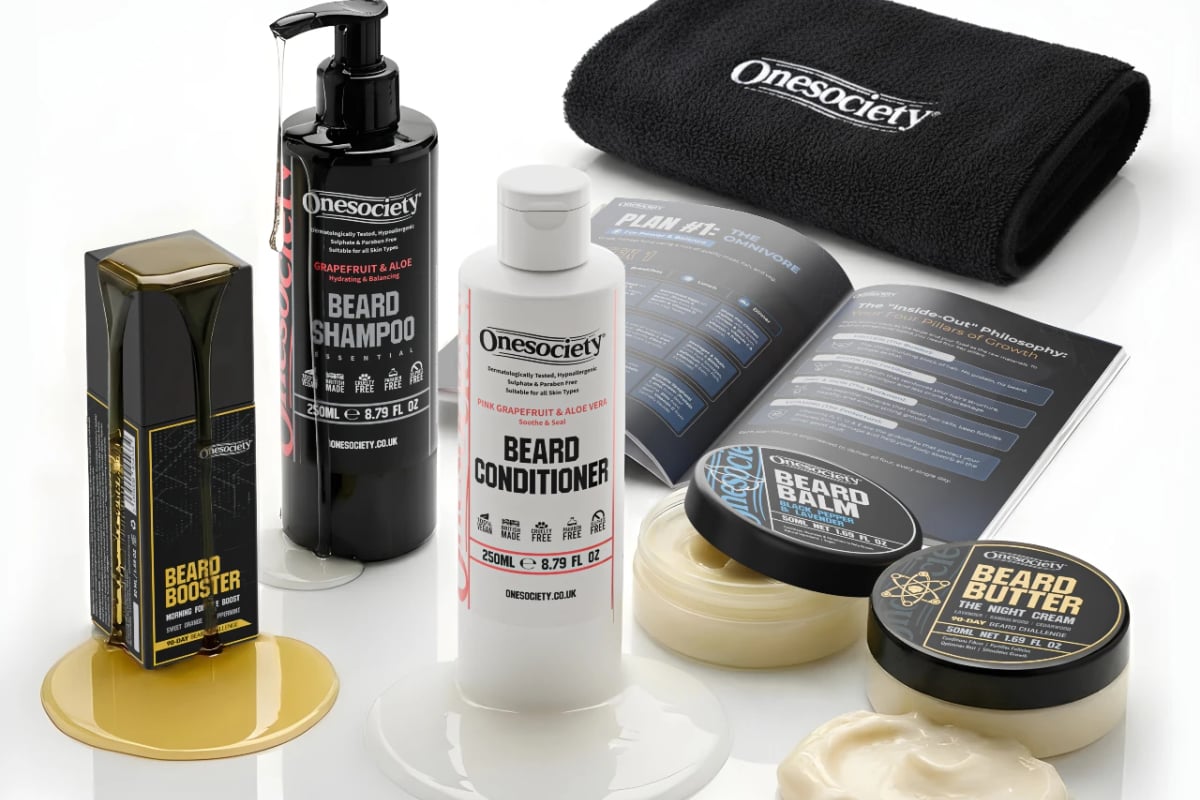
The 90-Day Beard Challenge from Onesociety delivers a complete system engineered specifically to enhance facial hair growth through multiple mechanisms. The kit includes a Beard Booster formulated with vasodilators that increase follicular blood flow, paired with a pH-balanced shampoo that maintains the optimal environment for growth without stripping essential oils. This comprehensive approach addresses follicle activation, hydration, and protection simultaneously.
Advanced Methods: Clinical and Procedural Options
When natural methods plateau, clinical interventions offer additional pathways. Systematic reviews of platelet-rich plasma (PRP) for hair disorders document its efficacy in androgenetic alopecia, though facial hair applications remain less studied.
How PRP Stimulates Follicle Regeneration
PRP concentrates growth factors from your own blood-specifically platelet-derived growth factor (PDGF), vascular endothelial growth factor (VEGF), and transforming growth factor-beta (TGF-β). Injected around follicles, these proteins:
Activate stem cells in the follicle bulge region Extend the anagen phase by 20-30% in responsive follicles Reduce inflammation that triggers premature entry into catagen (rest phase)
Protocols typically require 3-4 sessions spaced 4-6 weeks apart, followed by maintenance treatments every 6-12 months. Response rates vary-men with miniaturised follicles (still present but producing fine vellus hair) respond better than those with completely dormant follicles.
| Method | Mechanism | Evidence Level | Typical Timeline |
|---|---|---|---|
| Minoxidil 3-5% | Potassium channel opening, VEGF increase | Strong (RCTs) | 3-6 months |
| PRP Injections | Growth factor delivery to follicles | Moderate (reviews) | 4-8 months |
| Microneedling | Collagen induction, product penetration | Emerging | 6-12 months |
| Hormone Optimisation | Testosterone/DHT normalisation | Individual basis | 3-6 months |
Microneedling: Mechanical Stimulation
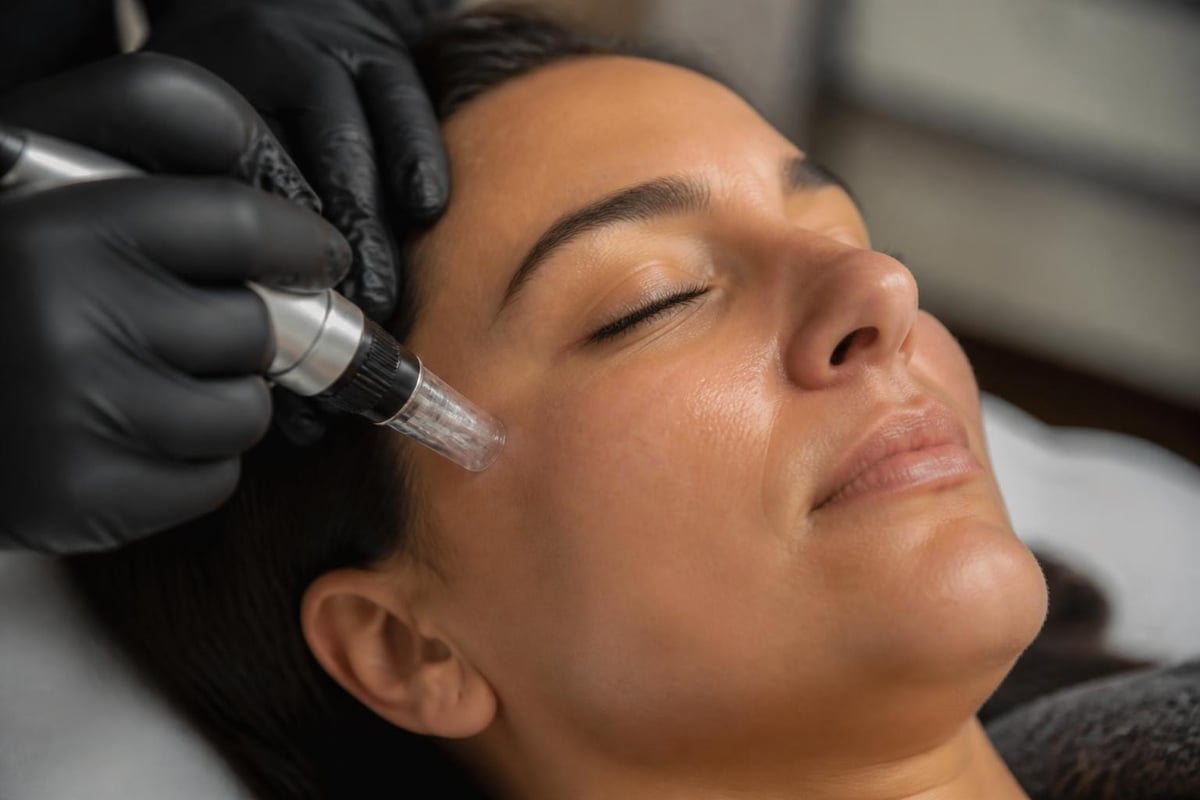
Rolling 0.5-1.0mm needles across beard areas creates controlled micro-injuries that trigger wound-healing cascades. This releases growth factors locally and creates channels for topical product penetration-studies show minoxidil absorption increases 4-fold after microneedling.
Timing and Patience: The Growth Cycle Reality
Facial hair follicles cycle through anagen (2-6 years), catagen (2-3 weeks), and telogen (2-4 months) phases independently. You cannot force a follicle to bypass these stages-interventions to enhance facial hair growth work by extending anagen duration and converting resting follicles to active growth.
Why 90 Days Represents the Minimum
A follicle in telogen requires 2-4 months to re-enter anagen after receiving growth signals. Even with perfect intervention, you won't see new terminal hairs until this lag period completes. Medical reviews on beard growth timing confirm this biological timeline, explaining why instant results indicate deception, not efficacy.
Realistic progression timeline:
- Weeks 1-4: Internal changes (increased blood flow, nutrient delivery) occur before visible results
- Weeks 5-8: Vellus hairs thicken; some new follicles enter anagen
- Weeks 9-16: Noticeable density increases; patchy areas begin filling
- Months 5-6: Terminal hair conversion becomes apparent; beard takes shape
Consistency determines success. Missing applications or reverting to poor nutrition resets progress, as follicles respond to sustained signals, not sporadic interventions.
Genetic Limitations and Realistic Expectations
Your genetic code determines maximum follicle count and distribution patterns. No intervention creates follicles where your DNA placed none. However, most men possess far more follicles than appear active-estimates suggest 20-40% remain dormant or produce only fine vellus hair.
Assessing Your Growth Potential
Examine your father's and grandfather's beard patterns by age 30-35. Facial hair development continues into the early 30s, meaning your 25-year-old beard doesn't represent your final potential. Men with sparse beards at 22 often achieve respectable density by 32 without intervention.
Indicators of high response potential:
- Presence of vellus hair in "bald" patches (dormant follicles exist)
- Strong beard growth in limited areas (adequate androgen signalling)
- Body hair on chest, arms, legs (confirms androgen receptor function)
- Family history of late-blooming beard development
Conversely, completely smooth facial areas with zero vellus hair indicate true follicle absence. No amount of stimulation generates follicles from nothing-you can only optimise what genetic programming provided.
Avoiding Counterproductive Practices
The beard-growth industry profits from desperation, marketing products with zero biological plausibility. Separating evidence from marketing requires understanding what follicles actually need versus what sounds appealing.
Common Myths That Waste Time and Money
Shaving accelerates growth: Cutting hair above the skin surface cannot influence follicle behaviour below. This myth persists because shaving coincides with natural pubescent beard development.
Testosterone supplements for normal-range men: Unless blood tests confirm clinical hypogonadism (below 300 ng/dL), exogenous testosterone shuts down natural production via negative feedback. You gain nothing whilst risking fertility and cardiovascular complications.
Beard growth pills without active ingredients: Proprietary blends hiding actual dosages usually contain insufficient quantities of biotin, collagen, or other nutrients. You're better served eating nutrient-dense whole foods.
For comprehensive guidance on selecting effective products, exploring what different beard care formulations actually accomplish helps distinguish beneficial ingredients from marketing hype.
Combining Strategies for Synergistic Results
No single intervention maximises your genetic potential. Follicles respond to multiple simultaneous signals-nutrition provides raw materials, topicals deliver growth signals, lifestyle optimises hormonal environment, and grooming maintains follicle health.
Integrated 90-day protocol to enhance facial hair growth:
- Morning: Apply minoxidil 5% or natural growth serum; consume protein-rich breakfast with biotin-rich eggs
- Midday: Take vitamin D3 (2000 IU), zinc (15 mg), omega-3 supplement with lunch
- Evening: Cleanse with pH-balanced shampoo; apply beard oil; microneedle twice weekly
- Nightly: Sleep 7-9 hours in cool, dark room; practice stress reduction before bed
This comprehensive approach addresses follicle stimulation, nutrient delivery, inflammation reduction, and hormonal optimisation concurrently. Men following integrated protocols report 30-50% greater improvement compared to single-intervention approaches.
| Strategy Component | Primary Mechanism | Supporting Components |
|---|---|---|
| Topical Stimulation | Direct follicle activation | Increases effectiveness when combined with microneedling |
| Nutrition Optimisation | Keratin synthesis support | Enhanced by gut health and absorption |
| Hormone Balance | Androgen receptor activation | Supported by sleep, stress management |
| Grooming Protocol | Follicle environment health | Maximises penetration of topical products |
Monitoring Progress and Adjusting Approach
Subjective assessment fails-your daily mirror view cannot detect gradual changes. Implementing objective measurement prevents discouragement during the lag phase before visible results emerge.
Documentation Methods That Reveal Truth
Photograph your beard in identical lighting, angle, and facial expression every 14 days. Use the same camera, distance, and time of day to eliminate variables. Print photos or view on a consistent screen-phone displays vary in colour rendering and brightness.
Quantitative tracking options:
- Count hairs in a 1cm² area marked on your cheek with washable pen
- Measure beard length at three points (chin, cheek, neck) with digital callipers
- Weigh trimmed clippings after grooming sessions (increased mass indicates thickening)
- Rate density on 1-10 scale in six facial zones, average for overall score
Progress follows a sigmoid curve-slow initial gains, rapid middle-phase improvement, then plateau as you approach genetic maximum. This pattern explains why month three often delivers dramatic visible changes after disappointing early weeks.
Achieving the beard you envision requires understanding the biology driving follicle behaviour, then systematically addressing each factor limiting your current growth. The science behind facial hair development isn't mysterious-it's well-documented physiology that responds predictably to specific interventions. Onesociety formulates products grounded in this research, using natural ingredients that support the biological mechanisms we've explored. Whether you're starting from patchy stubble or seeking to maximise an existing beard, combining evidence-based nutrition, proven topicals, and consistent grooming creates the environment your follicles need to deliver their full potential.