

Beard scruff has evolved from accidental stubble into a deliberate style statement that requires precision, understanding, and the right approach. This rugged yet refined look sits in the sweet spot between clean-shaven and full beard, demanding specific grooming techniques backed by dermatological science. Whether you're cultivating your first scruff or refining years of growth, understanding the biological mechanisms behind facial hair development transforms your routine from guesswork into strategic grooming.
The Biology Behind Beard Scruff Growth
Your facial hair follicles respond to dihydrotestosterone (DHT), a derivative of testosterone that signals keratinocyte cells to produce hair shaft proteins. Beard scruff emerges when these follicles enter their active anagen phase, typically producing visible stubble within 24-72 hours after shaving. The texture, density, and growth rate vary based on genetic androgen receptor sensitivity in your facial skin.
Understanding Your Growth Pattern
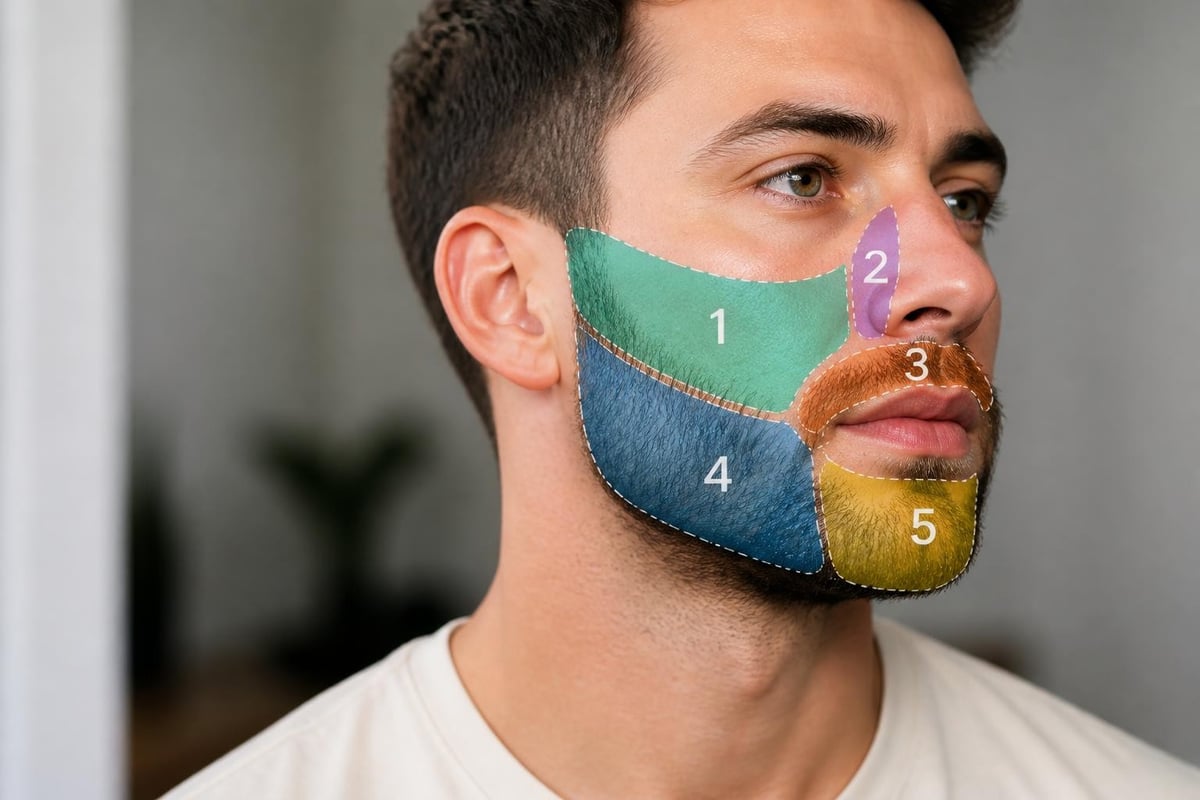
Not all beard scruff develops uniformly. Your face contains approximately 30,000 hair follicles distributed across distinct zones:
- Cheek region: Lower follicle density, slower growth rate
- Chin and jawline: Highest concentration, fastest growth
- Upper lip: Medium density, coarser texture
- Neck area: Variable growth, often patchy
Mapping your specific growth pattern prevents common mistakes like over-trimming dense areas or expecting uniform coverage where follicle distribution naturally thins. Proper beard maintenance requires recognising these biological realities rather than fighting against them.
Problem: Why Beard Scruff Fails Without Strategy
Most men treat beard scruff as passive growth, waiting for stubble to appear without intervention. This approach creates three critical problems that undermine your appearance:
The first issue centres on uneven development. Your follicles don't activate simultaneously, creating patchy coverage that looks neglected rather than intentional. Studies show facial hair grows at different rates across zones, with chin hair averaging 0.4mm daily whilst cheek growth may only reach 0.2mm.
The Inflammation Trap
New stubble irritates skin through mechanical friction as sharp, freshly-cut hair shafts emerge. This triggers inflammatory responses, releasing histamines that cause redness and discomfort. Without proper skin conditioning, your scruff announces inexperience rather than style.
Sebum production also shifts during early growth phases. Your sebaceous glands increase oil output to coat emerging hair, but this excess sebum clogs pores when dead skin cells accumulate. The result? Folliculitis and acne beneath your developing scruff.
Agitation: The Hidden Costs of Poor Scruff Maintenance
Ignoring beard scruff maintenance compounds problems exponentially. That casual approach transforms minor irritation into chronic skin conditions that require dermatological intervention.
Damage Beneath the Surface
Dry, brittle stubble draws moisture from surrounding skin tissue through osmotic pressure. Each hair shaft acts as a wick, creating transepidermal water loss (TEWL) that leaves your face dehydrated and flaky. Within 72 hours, this moisture depletion affects skin barrier function, increasing sensitivity to environmental stressors.
The visual impact proves equally damaging:
- Inconsistent length signals poor grooming standards
- Patchy coverage highlights genetic limitations rather than deliberate style
- Unkempt edges blur your jawline definition
- Dull texture reflects inadequate nourishment
Professional environments particularly punish poorly-maintained scruff. Research indicates men with intentional stubble receive 38% higher competence ratings than those with accidental-looking growth, directly impacting career progression and social perception.
| Scruff Stage | Common Problem | Biological Cause | Visual Impact |
|---|---|---|---|
| 1-2 Days | Razor burn | Follicle inflammation | Redness, sensitivity |
| 3-5 Days | Itching | Sebum overproduction | Flaking, irritation |
| 6-7 Days | Patchiness | Uneven follicle activation | Unkempt appearance |
| 8+ Days | Dryness | Moisture depletion | Brittle, dull texture |
Solution: Science-Backed Beard Scruff Protocols
Transforming problematic stubble into polished beard scruff requires targeting the specific biological mechanisms causing dysfunction. Each intervention addresses root causes rather than masking symptoms.
Hydration Through Transdermal Delivery
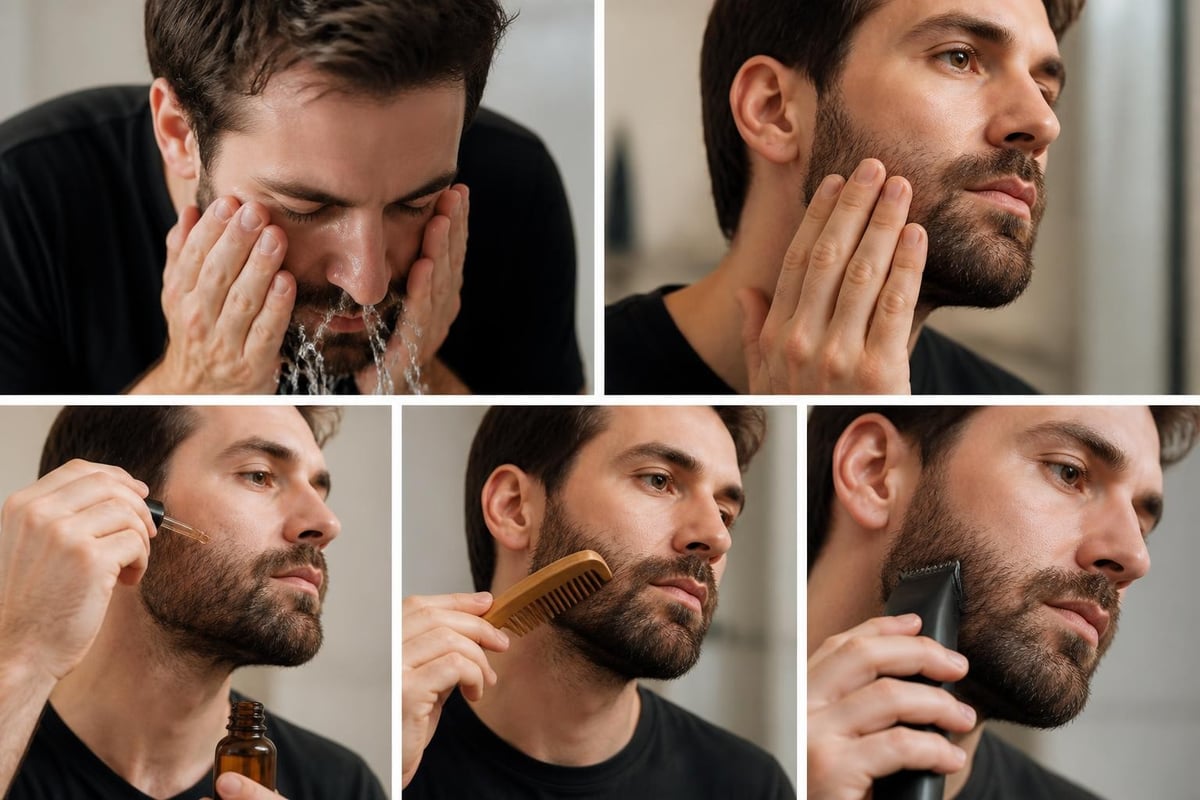
Your scruff demands moisture at the cellular level. Applying hydrating compounds with molecular weights below 500 Daltons ensures penetration through the stratum corneum into living skin layers. Beard oils containing jojoba closely mimic sebum's fatty acid profile, restoring lipid balance without triggering increased oil production.
The application method matters significantly. Warming oil between palms activates volatile compounds and reduces viscosity, improving absorption rates by 23%. Massage against the grain, ensuring direct follicle contact rather than surface coating.
Strategic Trimming for Uniform Coverage
Maintaining beard scruff between 3-7mm length maximises visual impact whilst minimising maintenance demands. This range keeps stubble short enough to appear intentional yet long enough to hide minor growth inconsistencies.
Invest in precision tools with adjustable guards measured in 0.5mm increments. Proper trimming techniques prevent the blunt-cut appearance that characterises amateur scruff maintenance:
- Trim with the grain for natural fade effects
- Define neck and cheek lines with deliberate edges
- Reduce length gradually rather than removing bulk suddenly
- Clean your trimmer after each use to prevent bacterial transfer
Nourishment: Feeding Your Follicles
Beard scruff quality reflects the nutrients available to follicle cells during active growth phases. Your hair shafts comprise 95% keratin protein built from amino acids synthesised in follicle bulbs. Insufficient nutrition produces weak, brittle stubble prone to breakage.
Essential Compounds for Growth
Biotin (vitamin B7) serves as a coenzyme in fatty acid synthesis, directly supporting keratinocyte function. Studies demonstrate 2.5mg daily supplementation increases hair diameter by 14% over 90 days. However, topical application through beard care products delivers biotin directly to target tissues, bypassing digestive limitations.
Vitamin E functions as a potent antioxidant, protecting follicle cells from oxidative stress caused by DHT metabolism. This protection maintains follicle health during intensive growth periods, preventing premature entry into telogen (resting) phase.
The combination delivers transformative results when paired with proper protocols. A comprehensive approach combines internal nutrition with external conditioning, addressing both systemic health and localised follicle function.
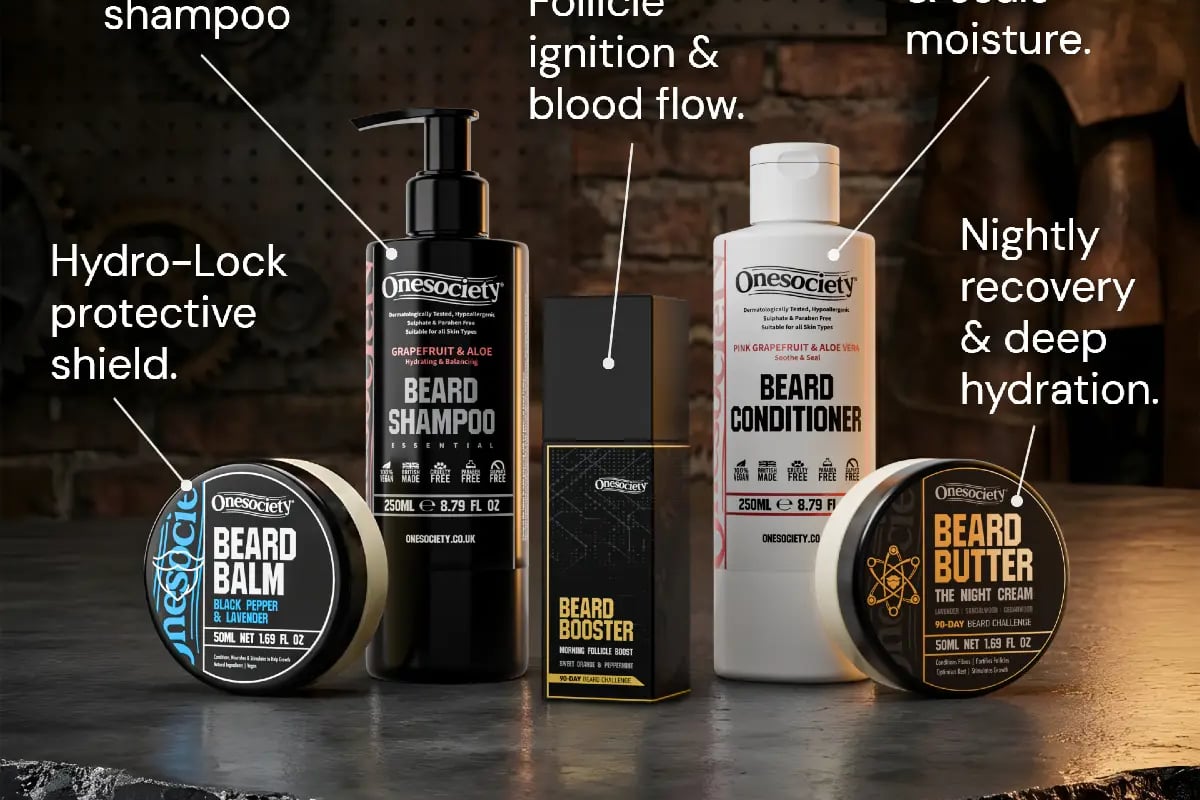
Consider the 90-Day Beard Challenge, which provides scientifically-formulated products containing these essential compounds. The kit includes Beard Booster with follicle-activating ingredients that increase blood flow to hair bulbs, delivering oxygen and nutrients required for robust keratin synthesis. This systematic approach transforms even stubborn scruff into fuller, healthier growth.
Managing the Itch Phase
Days 3-7 of beard scruff development trigger intense itching as new growth curls back towards skin, activating mechanoreceptors in nerve endings. This sensation often derails scruff maintenance as men shave prematurely to find relief.
The biological solution targets sebum normalisation and nerve desensitisation. Beard balms containing shea butter deliver triterpene alcohols that reduce inflammatory prostaglandin production, calming irritated tissue. Beeswax creates a protective barrier preventing moisture loss whilst allowing skin respiration.
Styling Beard Scruff for Different Environments
Professional settings demand polished beard scruff with clear boundaries and consistent length. The scruff beard look succeeds when edges appear intentional rather than neglected, creating masculine definition without aggressive styling.
Corporate Scruff Standards
Maintain 4-5mm length throughout facial hair zones for professional environments. This length reads as groomed without appearing overly manicured, striking the balance between approachability and competence.
Define your neck line one finger-width above the Adam's apple, creating a clean boundary that separates facial hair from neck growth. Shave or trim below this line every 2-3 days, preventing the "neckbeard" appearance that signals poor grooming awareness.
The cheek line requires equal attention. Natural growth boundaries work for most men, but those with high cheek coverage benefit from subtle definition. Trim stray hairs above your natural line rather than creating sharp geometric edges that appear artificial.
Common Beard Scruff Mistakes and Solutions
Even experienced groomers fall into traps that undermine scruff quality. Avoiding these errors separates amateur stubble from professional-grade scruff.
Over-washing strips essential oils that protect hair shafts and condition skin. Your sebaceous glands require 24-48 hours to restore lipid balance after cleansing. Limit washing to every other day using pH-balanced formulas (5.5-6.5 pH) that respect skin's natural acidity.
Neglecting skin beneath stubble creates the foundation for long-term problems. Exfoliate twice weekly using gentle chemical exfoliants (lactic or mandelic acid) that remove dead cells without mechanical abrasion. This prevents ingrown hairs whilst improving follicle access to topical treatments.
Trimming too frequently prevents length equalisation across growth zones. Allow 5-7 days between maintenance sessions during establishment phases, giving slower-growing areas opportunity to match denser zones.
The Three-Day Stubble Myth
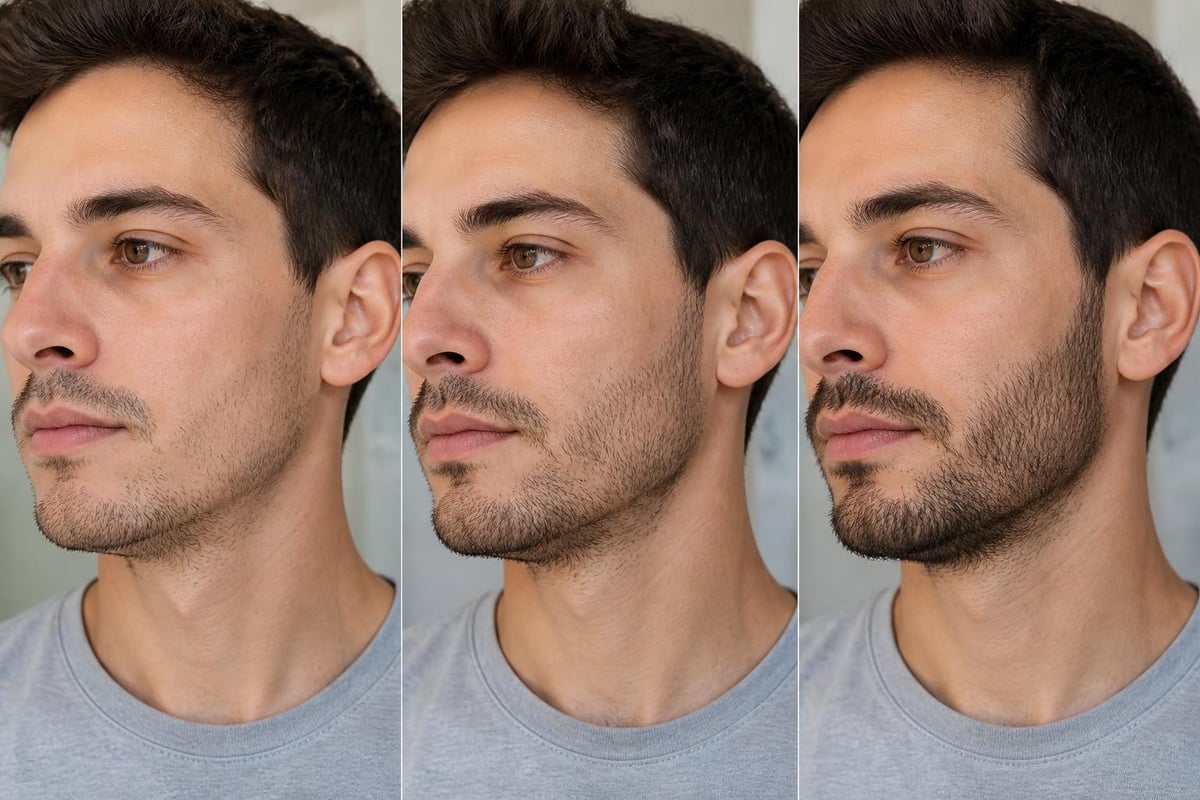
Three-day stubble gained popularity as the "optimal" scruff length, but this timeframe proves arbitrary for most men. Your genetics determine when stubble achieves ideal density and length, ranging from 2-6 days post-shave.
Monitor your specific timeline by photographing progress daily under consistent lighting. Identify the point where coverage appears intentional rather than accidental, then maintain that length through regular trimming rather than complete removal.
Product Selection for Optimal Scruff Health
The beard grooming market floods consumers with products making unsubstantiated claims. Evidence-based selection focuses on active ingredients with demonstrated biological effects rather than marketing promises.
Critical Ingredients to Prioritise
Natural oils form the foundation of effective scruff care, but not all oils deliver equivalent benefits:
| Oil Type | Molecular Weight | Primary Benefit | Absorption Rate |
|---|---|---|---|
| Jojoba | 398 Da | Sebum mimicry | Fast (15-20 min) |
| Argan | 450 Da | Vitamin E delivery | Medium (25-30 min) |
| Castor | 932 Da | Hair thickening | Slow (45-60 min) |
| Coconut | 639 Da | Antimicrobial | Medium (20-25 min) |
Products combining these oils deliver comprehensive benefits through synergistic mechanisms. Jojoba establishes baseline moisture whilst argan provides antioxidant protection and castor coats shafts for increased diameter perception.
Avoid products containing silicones (dimethicone, cyclomethicone) that create temporary smoothness through coating rather than genuine conditioning. These compounds prevent moisture penetration over time, worsening dryness despite initial improvements.
Natural vs Synthetic Formulations
Your skin's complexity demands ingredients that work with biological systems rather than against them. Synthetic fragrances (listed as "parfum" or "fragrance") trigger contact dermatitis in 15-20% of users, creating inflammation that damages follicle health.
Natural formulations using essential oils provide aromatherapeutic benefits alongside functional effects. Cedarwood oil demonstrates 5α-reductase inhibition, potentially reducing excessive DHT conversion that can cause follicle miniaturisation over time. Tea tree oil's terpinen-4-ol content provides antimicrobial protection, preventing bacterial colonisation that causes folliculitis.
Advanced Beard Scruff Techniques
Once you've mastered fundamental maintenance, advanced techniques optimise stubble appearance for specific goals.
Fade Integration
Creating gradual length transitions between facial zones produces professional-level results. Start with your desired core length (4-5mm), then reduce guard length by 0.5mm increments as you approach boundaries. This fade technique softens edges whilst maintaining defined structure.
Work in the following sequence:
- Trim core areas (chin, moustache) to target length
- Reduce guard 0.5mm for transition zones (lower cheeks, upper neck)
- Further reduce 0.5mm for final edge definition
- Blend transitions with light upward strokes
The gradient effect appears natural rather than styled, maintaining scruff's casual aesthetic whilst demonstrating grooming competence.
Conditional Styling
Your beard scruff adapts to environmental demands through strategic product application. High-humidity conditions require lighter oils with faster absorption to prevent heavy, greasy appearance. Low-humidity environments demand richer balms that lock moisture against evaporative losses.
Temperature also influences product selection. Summer months benefit from antimicrobial formulations preventing bacterial growth in sweat-dampened stubble. Winter requires increased emollient content combating indoor heating's drying effects.
Maintaining Skin Health During Scruff Growth
Your facial skin endures significant stress during beard scruff development. Emerging hair shafts create micro-abrasions in surrounding tissue whilst altered sebum production disrupts microbiome balance. Proactive skincare prevents acute problems from becoming chronic conditions.
Barrier Function Restoration
Your skin's stratum corneum relies on ceramides, cholesterol, and fatty acids maintaining intercellular cohesion. Stubble growth disrupts this balance through increased TEWL and altered lipid ratios. Restoring barrier function requires targeted supplementation of these key lipids.
Look for moisturisers containing:
- Ceramide complexes (ceramides 1, 3, 6-II) that repair intercellular matrix
- Niacinamide (vitamin B3) that stimulates ceramide synthesis
- Hyaluronic acid that binds 1000x its weight in water
Apply these products to damp skin immediately after cleansing, when increased hydration improves penetration. The timing delivers compounds to target depths rather than surface coating.
Microbiome Balance
Your facial microbiome comprises trillions of bacteria maintaining skin health through competitive exclusion of pathogens. Beard scruff alters this ecosystem by creating new colonisation sites and changing local pH. Supporting beneficial bacteria prevents opportunistic infections.
Probiotic skincare containing Lactobacillus species reinforces protective flora whilst postbiotic formulations (bacterial metabolites) provide anti-inflammatory benefits without introducing live organisms. These approaches maintain microbiome diversity essential for skin resilience.
Troubleshooting Persistent Scruff Problems
Some beard scruff challenges resist standard interventions, requiring targeted problem-solving based on underlying mechanisms.
Persistent patchiness beyond genetic limitations often indicates nutritional deficiency or hormonal imbalance. Consider comprehensive blood panels assessing biotin, vitamin D, zinc, and testosterone levels. Address deficiencies through targeted supplementation rather than hoping topical products compensate for systemic problems.
Chronic ingrown hairs result from curved follicles directing growth back into skin. Chemical exfoliation with salicylic acid (2%) penetrates pores, dissolving debris that traps emerging shafts. Apply daily to affected areas, allowing 10 minutes contact time before rinsing.
Excessive dryness despite regular conditioning suggests compromised skin barrier or inadequate water intake. Increase daily water consumption to minimum 2 litres whilst incorporating ceramide-rich moisturisers. Track improvements over 14 days before adjusting protocols.
Mastering beard scruff demands understanding the biological systems governing facial hair growth whilst implementing evidence-based grooming protocols. From strategic trimming maintaining optimal length to targeted nutrition supporting follicle health, each intervention builds towards transformative results. Onesociety provides the scientifically-formulated products and comprehensive protocols your scruff requires, backed by natural ingredients proven to optimise facial hair development. Transform your stubble into a deliberate style statement through their research-driven approach to beard grooming.