

You've committed to growing a fuller, healthier beard. You've scrolled through countless transformation photos, watched the tutorials, and invested time waiting for results. Yet your beard remains patchy, inconsistent, or frustratingly slow to develop. The problem isn't your genetics alone-it's that your facial hair follicles lack the specific nutrients they need to function optimally. This is where beard growth oil for men becomes a scientifically justified tool rather than another grooming gimmick.
Why Your Beard Struggles to Reach Its Potential
Your facial hair follicles operate differently from scalp hair. Beard follicles are androgen-dependent, meaning they require specific hormonal signals (primarily dihydrotestosterone) to trigger growth cycles. However, hormonal activation alone doesn't guarantee a robust beard.
The Biological Barriers to Beard Development
Facial skin produces sebum, your body's natural moisturiser, but it's often insufficient for longer facial hair. As your beard grows beyond stubble length, sebum cannot coat the entire hair shaft. This creates several cascading problems:
- Moisture depletion: Hair shafts become dry, brittle, and prone to breakage
- Follicle inflammation: Dead skin cells accumulate, blocking follicle openings and restricting growth
- Compromised blood flow: Poor circulation limits nutrient delivery to the follicle bulb
- Structural weakness: Keratin chains within hair shafts lack cohesion without adequate fatty acid reinforcement
The average beard grows 0.27mm daily under optimal conditions. However, environmental stressors, nutritional gaps, and inadequate external support slow this rate considerably. Your beard isn't "weak"-it's operating in a deficit state.
The Inflammation-Growth Connection
Chronic inflammation around follicles directly impairs the anagen phase, the active growth period of your hair cycle. When skin becomes inflamed due to bacteria, irritation, or dryness, your body prioritises healing over hair production. Pro-inflammatory cytokines signal follicles to enter the telogen (resting) phase prematurely.
This explains why beards often appear patchy. Individual follicles cycle asynchronously, and inflamed areas remain stuck in non-growth phases whilst healthier regions continue developing.
What Beard Growth Oil for Men Actually Does
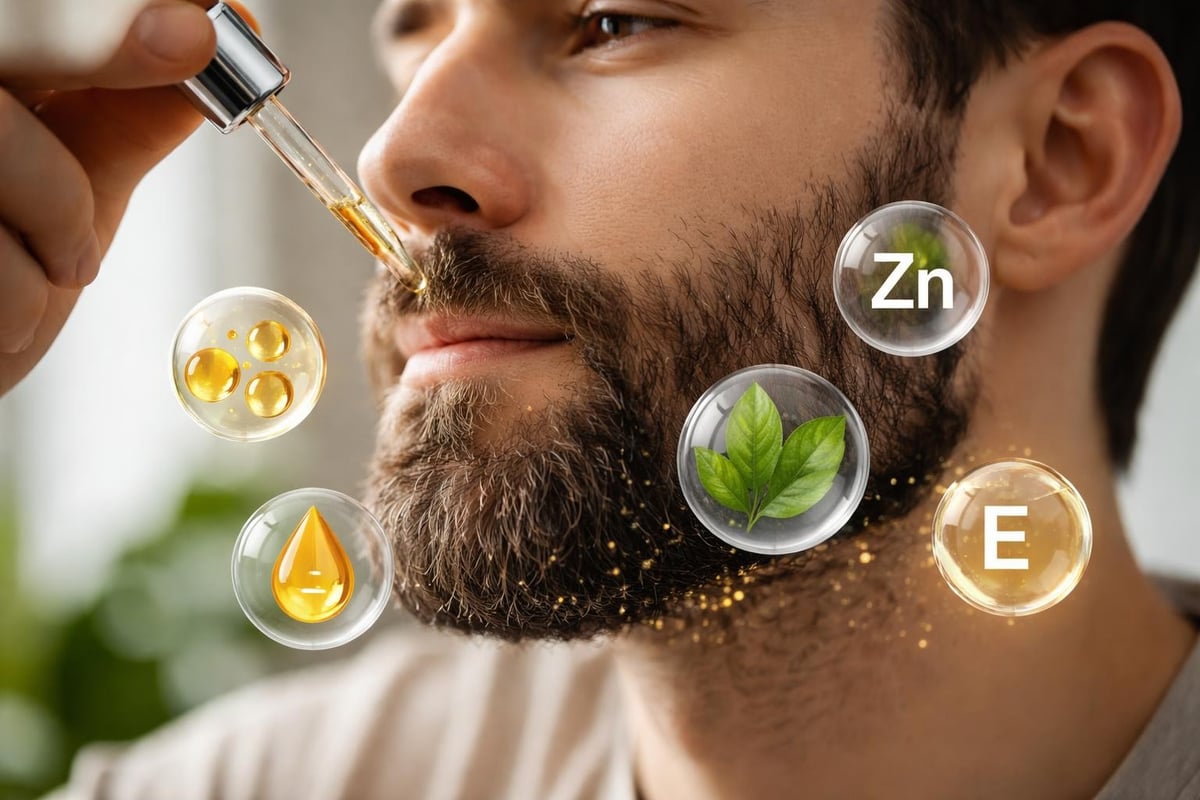
Beard oil serves as both a delivery system for active ingredients and a protective barrier that mimics and supplements natural sebum. The term "growth oil" refers to formulations specifically engineered with ingredients that address follicle health rather than merely conditioning existing hair.
The Carrier Oil Foundation
Effective beard growth oil for men uses carrier oils that penetrate the skin barrier rather than sitting on the surface. These oils provide the structural foundation:
| Carrier Oil | Primary Fatty Acid | Biological Function | Penetration Rate |
|---|---|---|---|
| Jojoba Oil | Eicosenoic acid (20:1) | Mimics sebum; regulates oil production | High (molecular weight <500 Da) |
| Argan Oil | Oleic acid (omega-9) | Strengthens keratin bonds; reduces inflammation | Medium |
| Sweet Almond Oil | Linoleic acid (omega-6) | Stimulates ceramide production; barrier repair | Medium-High |
| Castor Oil | Ricinoleic acid | Increases prostaglandin E2; enhances blood flow | Low (high viscosity) |
Jojoba oil's molecular structure closely resembles human sebum, allowing it to signal sebaceous glands to moderate production. This prevents the overproduction-then-depletion cycle that leaves beards alternating between greasy and parched.
Active Ingredient Mechanisms
The "growth" component comes from botanicals with documented effects on follicle activity:
Rosemary Oil contains rosmarinic acid and carnosol, which inhibit 5-alpha-reductase activity. Whilst this enzyme converts testosterone to DHT (essential for beard growth), excessive conversion can paradoxically lead to follicle miniaturisation. Research on rosemary oil demonstrates it optimises DHT levels rather than eliminating them, supporting sustained growth without hormonal disruption.
Peppermint Oil triggers TRPM8 cold receptors, increasing blood flow to the application area. Enhanced microcirculation delivers more oxygen and nutrients to follicle bulbs. Studies show peppermint oil increases dermal thickness and follicle count in test subjects, though human-specific beard research remains limited.
Vitamin E (tocopherol) functions as a lipid-soluble antioxidant, protecting polyunsaturated fatty acids within cell membranes from oxidative degradation. This preserves the structural integrity of follicle cells and keratinocytes, extending the anagen phase.
Selecting Beard Growth Oil for Men That Delivers Results
The market floods consumers with products making identical claims. Distinguishing effective formulations from marketing requires understanding ingredient concentration, carrier oil ratios, and botanical synergy.
Decoding Ingredient Lists
Ingredient lists appear in descending order by volume. If your beard oil lists "fragrance" before active botanicals, you've purchased a scented conditioner rather than a growth-targeted formula. Look for these markers:
- Carrier oils in the first three ingredients: Jojoba, argan, or sweet almond should dominate
- Essential oils between 2-5% concentration: Higher concentrations risk irritation; lower concentrations lack efficacy
- Absence of mineral oil or petroleum derivatives: These create occlusive barriers that trap bacteria
- Natural vitamin E (d-alpha-tocopherol): Synthetic forms (dl-alpha) show reduced bioavailability
Argan oil's role in beard development stems from its vitamin E content and fatty acid profile. However, argan alone lacks the follicle-stimulating properties of essential oil additives.
The Natural Ingredient Imperative
Synthetic fragrances and preservatives (parabens, phthalates) disrupt endocrine function. Since beard growth depends on hormonal signalling, introducing endocrine disruptors undermines the oil's primary purpose. Natural formulations using essential oils for preservation and scent maintain hormonal equilibrium whilst delivering therapeutic benefits.
Onesociety prioritises 100% natural ingredients backed by scientific research, ensuring every component serves a biological function rather than simply enhancing shelf appeal. This approach eliminates the hormonal interference common in mass-market grooming products.
Application Protocol for Maximum Absorption
Owning beard growth oil for men means nothing without proper application technique. Oils require specific conditions to penetrate the stratum corneum and reach follicle roots.
The Thermal Activation Method
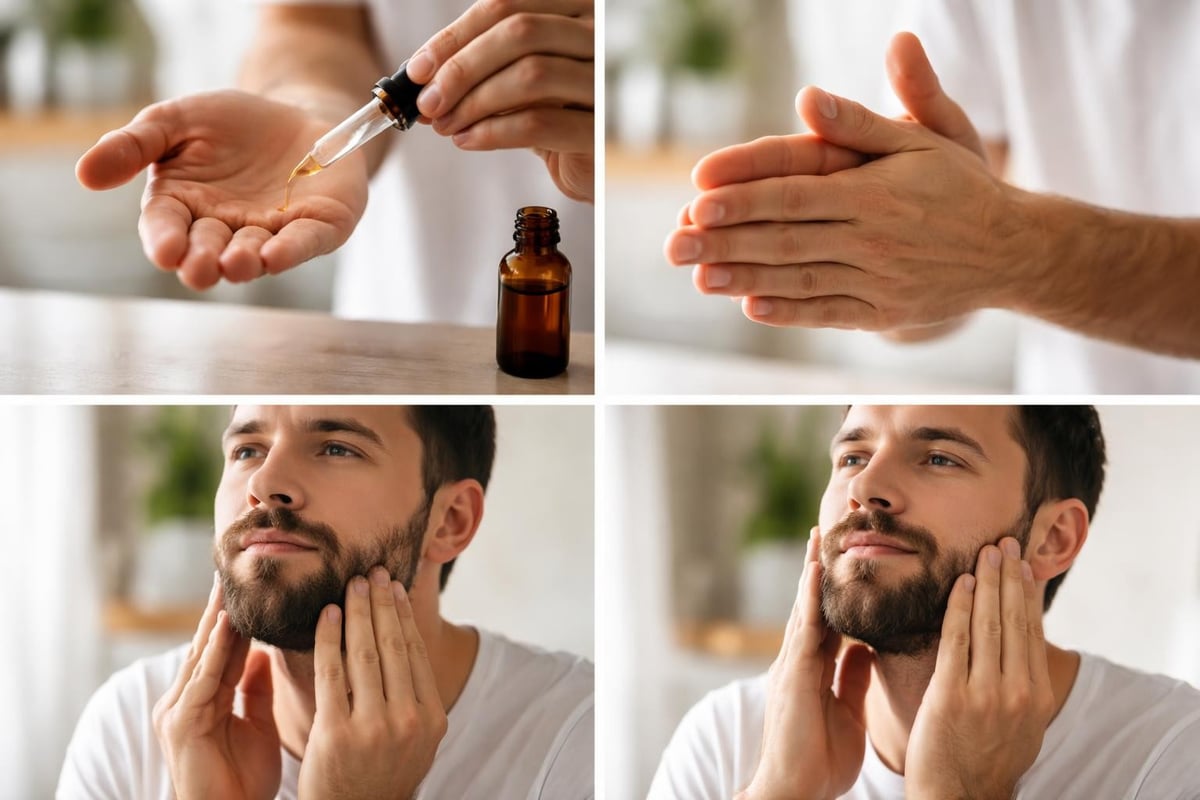
Carrier oils become more fluid when warmed, reducing viscosity and enhancing penetration. Follow this sequence:
- Dispense 3-6 drops into your palm (adjust based on beard length and density)
- Rub palms together vigorously for 15-20 seconds to generate friction heat
- Apply to damp beard immediately post-shower when pores remain dilated
- Work from skin outward using fingertips to massage oil into the follicle zone
- Comb or brush through to distribute evenly along hair shafts
The damp beard application is critical. Water temporarily swells the hair cuticle, allowing oils to penetrate the cortex where keratin bonds form. Applying oil to a completely dry beard merely coats the surface.
Frequency and Timing Considerations
Daily application maintains consistent nutrient availability to follicles. However, timing matters:
- Morning application: Protects against environmental stressors (UV, pollution, wind)
- Evening application: Supports overnight cellular repair during peak growth hormone production
- Twice-daily protocol: Optimal for accelerated results, particularly in early growth phases
Your skin's natural oil production peaks around midday. Evening application supplements this cycle rather than competing with it, ensuring follicles receive constant nourishment.
Common Application Errors
These mistakes sabotage otherwise effective products:
- Excessive quantity: More oil doesn't equal more growth; it clogs pores and causes acne
- Neglecting skin contact: Hair shaft conditioning without follicle nourishment yields cosmetic results only
- Inconsistent use: Follicle response requires sustained signalling; sporadic application produces sporadic results
- Ignoring beard washing: Oil buildup attracts dirt and bacteria, negating anti-inflammatory benefits
The Science Behind Specific Carrier Oils
Understanding individual carrier oils allows you to select formulations matching your specific beard challenges.
Castor Oil's Ricinoleic Advantage
Castor oil's potential for beard enhancement centres on ricinoleic acid, which comprises 90% of its fatty acid content. This unique omega-9 fatty acid binds to prostaglandin receptors, triggering vasodilation and increasing follicle blood supply. Enhanced circulation delivers more nutrients whilst removing metabolic waste that impairs growth.
However, castor oil's high viscosity (approximately 1,000 centipoises at 20°C) limits skin penetration. Effective formulations combine castor with lighter carriers (jojoba, sweet almond) to balance penetration with prostaglandin activity.
Olive Oil's Polyphenol Content
Olive oil's benefits for beard growth extend beyond simple moisturisation. Extra virgin olive oil contains oleocanthal, a polyphenol with anti-inflammatory properties comparable to ibuprofen. By reducing follicular inflammation, oleocanthal removes a primary growth inhibitor.
Olive oil also provides squalene, a lipid that reinforces the skin barrier and prevents transepidermal water loss. Hydrated skin maintains optimal follicle function, whilst dehydrated skin prioritises moisture retention over hair production.
Hemp Seed Oil's Omega Balance
Hemp seed oil offers an ideal omega-6 to omega-3 ratio (3:1), matching the ratio that supports optimal cellular function. These polyunsaturated fatty acids integrate into cell membranes, improving fluidity and receptor sensitivity. Enhanced receptor function means follicles respond more effectively to growth signals from circulating androgens.
The gamma-linolenic acid (GLA) in hemp seed oil serves as a precursor to anti-inflammatory prostaglandins, creating a follicle environment conducive to sustained growth.
Realistic Expectations and Timeline
Beard growth oil for men accelerates natural processes but cannot override genetic limitations or create follicles where none exist. Setting evidence-based expectations prevents disappointment and premature abandonment of effective protocols.
The Growth Cycle Reality
Human hair follicles cycle through three phases:
- Anagen (growth): Lasts 2-6 years for beard hair; determines maximum length
- Catagen (transition): 2-3 week period where growth stops and follicle shrinks
- Telogen (rest): 2-3 month period before hair sheds and cycle restarts
Beard growth oil for men extends the anagen phase and shortens the telogen phase. However, you won't see results overnight. Follicles currently in telogen must complete their rest period before entering a new, optimised anagen phase.
Measurable Progress Markers
Track these indicators rather than obsessing over daily mirror checks:
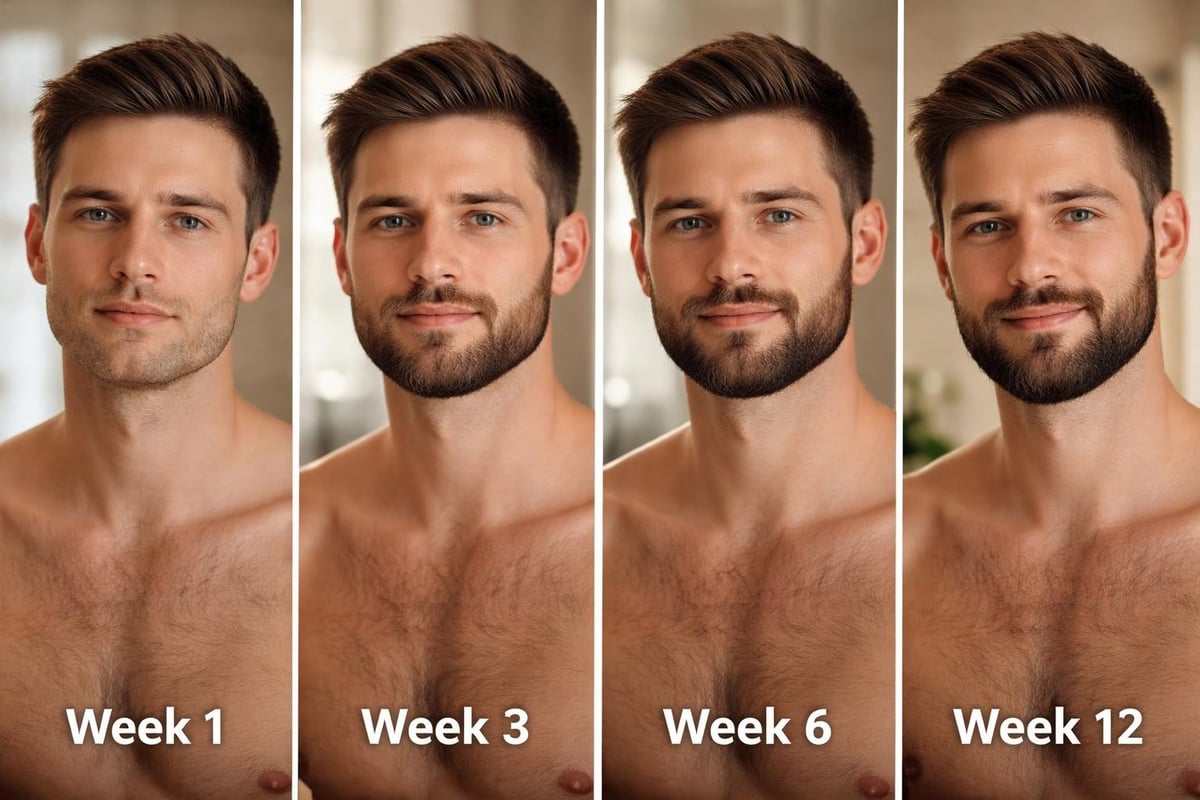
Weeks 1-2: Reduced itching and flaking as inflammation decreases Weeks 3-4: Softer texture and increased shine from improved hydration Weeks 6-8: Fewer breakages and split ends as hair shaft integrity improves Weeks 10-12: Visible density increase in previously sparse areas as telogen follicles enter anagen
Photographic documentation (same lighting, same angle, same distance) provides objective assessment beyond subjective perception.
Combining Beard Growth Oil with Comprehensive Care
Topical oils deliver optimal results when integrated into a complete beard care system. Isolated product use addresses only one variable in the complex equation of facial hair development.
The Cleansing Foundation
Exploring comprehensive beard care reveals that cleansing establishes the baseline for all subsequent treatments. Standard shampoos contain sulphates (sodium lauryl sulphate) that strip natural oils excessively, forcing sebaceous glands into overproduction.
Beard-specific cleansers use gentle surfactants (decyl glucoside, coco-betaine) that remove dirt and excess oil without disrupting the skin's pH balance. Maintaining a slightly acidic pH (4.5-5.5) prevents bacterial overgrowth whilst preserving beneficial microbiome diversity.
Weekly cleansing suffices for most beard types. Daily washing removes the protective oil layer faster than your skin can replace it, creating the dry-oily cycle that frustrates grooming efforts.
Strategic Exfoliation
Dead skin cells accumulate beneath beards more rapidly than on exposed facial skin. This cellular debris clogs follicle openings, creating physical barriers to new hair emergence. Weekly exfoliation using a soft-bristle brush or gentle scrub removes this buildup without damaging follicles.
Exfoliate before applying beard growth oil for men. Clean follicle openings allow deeper oil penetration and enhanced active ingredient delivery to the follicle bulb where growth occurs.
Nutritional Synergy
Topical treatments work in concert with internal nutrition. Follicles synthesise keratin using amino acids (cysteine, methionine) obtained through diet. Without adequate protein intake, follicles cannot produce structurally sound hair regardless of external support.
Key nutrients for beard development include:
- Biotin (B7): Cofactor in fatty acid synthesis and amino acid metabolism
- Zinc: Regulates androgen receptors and protein synthesis
- Vitamin D: Stimulates follicle cycling and prevents premature telogen transition
- Iron: Oxygen transport to follicle tissues via haemoglobin
The 90-Day Transformation Framework
Sustained results require systematic commitment rather than sporadic effort. A structured programme removes guesswork and maintains consistency through the critical early growth phases.
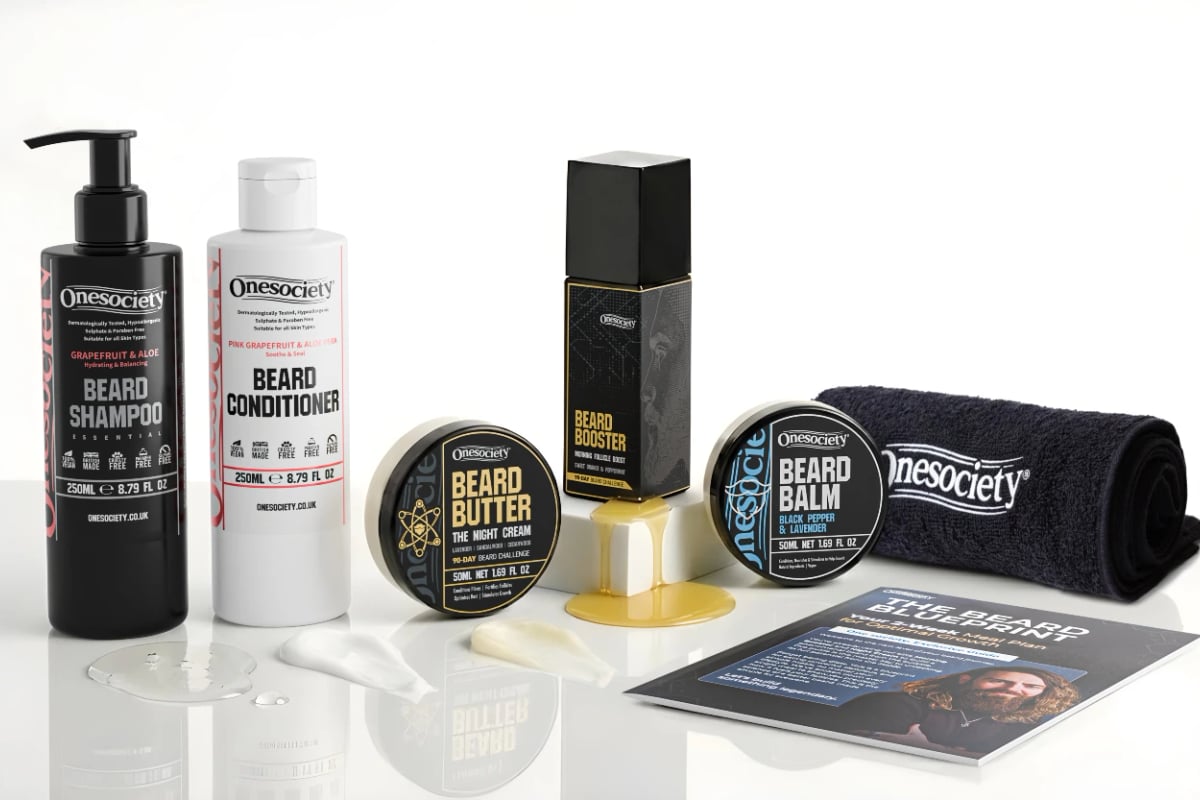
For those ready to commit to genuine transformation, the 90-Day Beard Challenge provides a complete system engineered for follicle optimisation. This comprehensive kit includes follicle-igniting formulas, nightly recovery treatments, and protective barriers that work synergistically across the entire growth cycle. The structured approach eliminates decision fatigue whilst ensuring your beard receives precisely what it needs at each development stage.
Why 90 Days Matters Biologically
The 90-day framework aligns with follicle biology. Follicles transitioning from telogen to anagen require approximately 12 weeks to produce visible length. Committing to a 90-day protocol ensures you maintain optimal conditions throughout this critical transition period.
Most users abandon beard growth efforts within 4-6 weeks, precisely when follicles begin responding to improved conditions. The visible lag between intervention and results creates false impressions of ineffectiveness.
Monitoring and Adjustment
Weekly assessments allow protocol refinement:
Texture changes: Softer hair indicates improved hydration; brittleness suggests inadequate oil quantity Skin response: Mild tingling from essential oils is normal; persistent irritation requires dilution Growth patterns: Asymmetric growth may indicate uneven application; adjust technique accordingly
Document observations in a dedicated journal. Patterns emerge over weeks that aren't apparent day-to-day.
Troubleshooting Common Challenges
Even with quality beard growth oil for men and proper technique, obstacles arise. Understanding these challenges prevents discouragement.
The Patchy Beard Dilemma
Patchy growth stems from follicle distribution rather than oil efficacy. You cannot create follicles where none exist, but you can optimise existing follicles. Focus oil application on sparse areas whilst maintaining coverage across the entire beard zone.
Increased blood flow from ingredients like peppermint oil may activate dormant vellus follicles (fine, light hairs) and trigger their conversion to terminal follicles (thick, pigmented hairs). This process requires months, not weeks.
Acne Breakouts During Treatment
Comedogenic oils (coconut, wheat germ) clog pores in acne-prone individuals. Switch to non-comedogenic formulations featuring jojoba, argan, or grapeseed oil. Additionally, reduce application quantity-three drops suffice for most beard lengths.
Ensure thorough cleansing before application. Applying oil over dirty skin traps bacteria and sebum, creating the perfect environment for acne development.
Sensitivity and Irritation
Essential oil concentrations above 5% cause irritation in sensitive skin. Dilute concentrated formulations with additional carrier oil or reduce frequency to every other day whilst skin adapts.
Perform patch tests before full application. Apply a small amount to your inner wrist, wait 24 hours, and check for redness or itching. This simple test prevents widespread facial irritation.
The Ingredient Transparency Imperative
The grooming industry thrives on proprietary blends and mysterious formulations. This opacity serves manufacturers, not consumers. Effective beard growth oil for men requires complete ingredient transparency.
What "Natural" Actually Means
Regulatory definitions of "natural" remain vague and inconsistently enforced. Companies exploit this ambiguity, labelling products "natural" whilst including synthetic preservatives, fragrances, and fillers.
True natural formulations derive all ingredients from botanical, mineral, or animal sources without chemical modification. Essential oils provide both preservation and scent, eliminating synthetic additive requirements. Vitamin E extracted from wheat germ or sunflower seeds serves as a natural antioxidant preservative.
The Research-Backed Difference
Marketing claims require scientific substantiation. Companies referencing peer-reviewed research demonstrate confidence in their formulations. Vague promises ("promotes growth," "enhances thickness") without supporting evidence signal products designed to extract money rather than deliver results.
Understanding whether beard growth oil actually works requires examining the evidence behind specific ingredients rather than accepting blanket claims. Formulations combining carrier oils with documented follicle benefits and essential oils with proven anti-inflammatory or circulation-enhancing properties offer the strongest scientific foundation.
Onesociety's commitment to scientifically-backed natural ingredients ensures every component serves a verifiable biological function, creating transparency that builds trust and delivers measurable outcomes.
Beyond Oil: Complementary Grooming Tools
Beard growth oil for men forms the foundation, but additional tools enhance results and improve daily beard management.
The Boar Bristle Brush Advantage
Natural boar bristle brushes distribute oil evenly whilst providing gentle exfoliation. The bristles' structure mimics human hair, allowing them to grip and coat each strand without pulling or breaking hair.
Brushing stimulates blood flow through mechanical pressure and friction. This complements the vasodilating effects of ingredients like peppermint oil, creating synergistic circulation enhancement.
Beard Balm for Styling and Protection
Whilst oils penetrate and nourish, balms create a protective outer layer. Beeswax-based balms shield facial hair from environmental damage (UV radiation, pollution, harsh weather) whilst providing light hold for styling.
Apply oil first for nourishment, then balm for protection and shaping. This layered approach addresses both internal hair health and external protection.
Precision Trimming Tools
Selecting the right beard trimmer maintains shape whilst supporting healthy growth. Regular trimming removes split ends that travel up the hair shaft, causing progressive damage. Trimming doesn't accelerate growth, but prevents the breakage that makes growth appear slower.
Quality trimmers with adjustable guards allow precise length management without accidentally removing more than intended. Sharp blades cut cleanly rather than pulling hair, reducing mechanical stress on follicles.
The Investment Return Analysis
Quality beard growth oil for men represents an investment in your appearance and confidence. Analysing the return on this investment provides perspective beyond simple product costs.
Cost Per Application Breakdown
A 30ml bottle delivering approximately 60 applications (3 drops per use) costs between £15-£30 for premium formulations. This translates to £0.25-£0.50 per application, or £7.50-£15 monthly for daily use.
Compare this to:
- Barbershop beard trims: £10-£20 per session, monthly requirement
- Professional beard treatments: £30-£50 per session
- Pharmacy beard supplements: £20-£40 monthly
The oil's cost-effectiveness becomes apparent when viewed as a preventive measure reducing professional intervention requirements.
The Confidence Multiplier
Beyond monetary calculations, beard confidence affects professional presence, social interactions, and self-perception. A well-maintained beard projects intentionality and self-care, qualities that translate across life domains.
Psychological studies demonstrate appearance satisfaction correlates with improved performance in interviews, presentations, and social settings. The confidence derived from addressing beard concerns creates value impossible to quantify financially.
Addressing the Scepticism
The question of whether beard oil stimulates new hair growth generates legitimate scepticism. Distinguishing realistic expectations from marketing hyperbole empowers informed decisions.
What Oil Cannot Do
Beard growth oil for men cannot:
- Create follicles in areas with no follicular structures
- Override genetic predispositions to slow beard development
- Produce overnight transformations or dramatic changes within days
- Replace medical treatments for genuine hormonal deficiencies
Accepting these limitations prevents disappointment and maintains realistic timelines.
What Oil Demonstrably Achieves
Scientific evidence supports these oil benefits:
- Reduces follicular inflammation that impairs growth cycles
- Strengthens existing hair shafts, reducing breakage that mimics slow growth
- Improves follicle blood supply, enhancing nutrient delivery
- Optimises the scalp environment for follicles to express genetic potential
- Extends the anagen phase, allowing hair to achieve greater length before shedding
These evidence-based benefits create visible improvements in beard density, texture, and overall appearance within scientifically reasonable timeframes.
For those seeking additional insights, this video exploring beard growth oil facts provides visual demonstrations and expert perspectives on realistic expectations and proper usage techniques.
Beard growth oil for men functions as a scientifically-justified tool that optimises follicle conditions, extends growth phases, and strengthens hair structure when formulated with research-backed natural ingredients and applied consistently. Success requires understanding the biological mechanisms at work, maintaining realistic timelines aligned with follicle biology, and integrating oils into comprehensive grooming protocols. Onesociety delivers formulations built on scientific evidence and natural ingredient transparency, providing the foundation for genuine beard transformation through sustained commitment to follicle health.