

Your beard represents more than facial hair. It signals discipline, patience, and commitment to self-care. Yet most men struggle with patchy growth, persistent itchiness, unruly texture, or that frustrating phase where everything feels scratchy and uncomfortable. The difference between a scruffy mess and a commanding beard lies in understanding the biological processes beneath your skin and implementing targeted beard grooming tips that work with your follicles, not against them.
Understanding Your Beard's Biology Before You Groom
Before applying products randomly, you need to understand what's happening at the follicle level. Each beard hair grows from a follicle embedded in your dermis, surrounded by sebaceous glands that produce natural oils called sebum. This sebum travels up the hair shaft, providing moisture and protection. The problem? Beard hair is thicker and coarser than scalp hair, requiring significantly more sebum to maintain healthy texture.
The Growth Cycle Challenge:
- Anagen (growth phase): 2-6 years of active growth
- Catagen (transition): 2-3 weeks of follicle shrinking
- Telogen (resting): 2-3 months before shedding
Your facial skin produces limited sebum, which explains why beards often feel dry, brittle, and wiry without intervention. Dermatologists from Yale Medicine confirm that inadequate moisture distribution causes most common beard problems, including inflammation, bacterial overgrowth, and folliculitis.
The Patchy Beard Problem
Uneven growth stems from dihydrotestosterone (DHT) sensitivity variance across your face. Some follicles respond aggressively to DHT signals, whilst others remain dormant. You cannot change genetics, but you can optimize conditions for every follicle to reach its maximum potential.
Blood flow delivers oxygen and nutrients to follicles. Restricted circulation means restricted growth. Ingredients that stimulate microcirculation, like caffeine and niacinamide, create an environment where dormant follicles can activate.
Daily Washing: The Foundation of Beard Grooming Tips
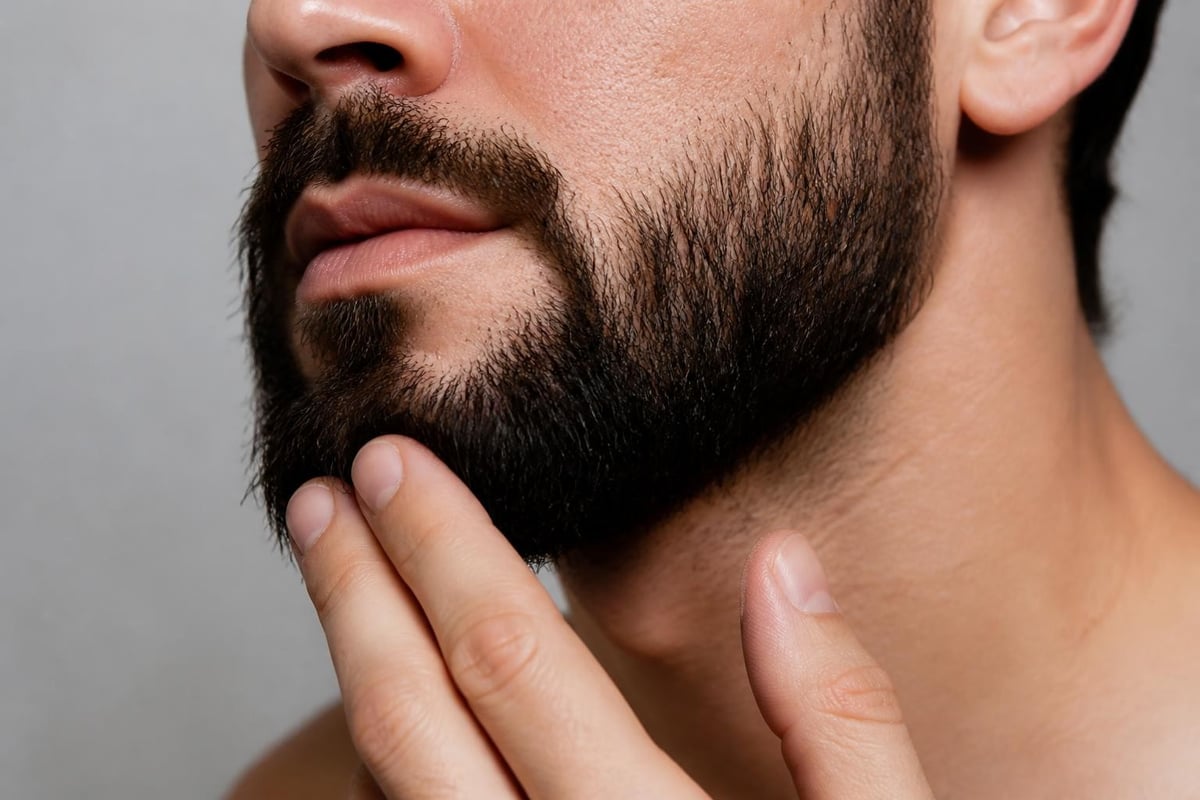
Your beard traps dirt, food particles, dead skin cells, and environmental pollutants daily. Without proper cleansing, this debris clogs follicles, triggers inflammation, and creates a breeding ground for bacteria. Yet over-washing strips essential sebum, leaving your beard dry and brittle.
The Washing Schedule:
| Beard Length | Frequency | Reason |
|---|---|---|
| Stubble (1-2 weeks) | Daily | Minimal oil production, high skin contact |
| Short (1-2 months) | Every other day | Balanced oil distribution |
| Medium (3-6 months) | 2-3 times weekly | Established sebum coating |
| Long (6+ months) | 1-2 times weekly | Risk of over-drying increases |
The American Academy of Dermatology emphasizes pH-balanced formulations specifically designed for facial hair. Regular shampoo contains harsh sulphates that strip natural oils aggressively. Specialised beard wash maintains the 4.5-5.5 pH range that protects your skin barrier whilst removing buildup.
When you wash your beard properly, you create the clean foundation necessary for subsequent treatments to penetrate effectively. Use lukewarm water, never hot. High temperatures damage the cuticle layer, causing frizz and split ends.
The Right Washing Technique
Work the cleanser into your skin beneath the beard using circular motions. The follicles live in your skin, not on the hair shaft. Massage for 60-90 seconds to stimulate blood flow whilst removing debris. Rinse thoroughly, as residue causes irritation and flaking that resembles dandruff.
Conditioning: Lock in Moisture at the Molecular Level
After cleansing removes oils, you must replace them strategically. Beard conditioner contains smaller molecules than balms or oils, allowing penetration into the hair shaft's cortex. This internal hydration strengthens the structural proteins (keratin) that determine texture and resilience.
Leave conditioner on for 2-3 minutes minimum. This dwell time allows hydrolyzed proteins and ceramides to bond with damaged sections of the cuticle, filling gaps and smoothing the surface. According to comprehensive grooming research from Wimpole Clinic, this step reduces breakage by 43% and improves manageability significantly.
Key Conditioning Ingredients:
- Argan oil: Vitamin E repairs oxidative damage
- Shea butter: Fatty acids reduce inflammation, lock moisture
- Jojoba oil: Mimics natural sebum composition
- Biotin: Supports keratin synthesis
Rinse with cool water to close cuticles and seal in the treatment. Your beard should feel noticeably softer but not greasy or heavy.
Oil Application: Feeding Your Follicles
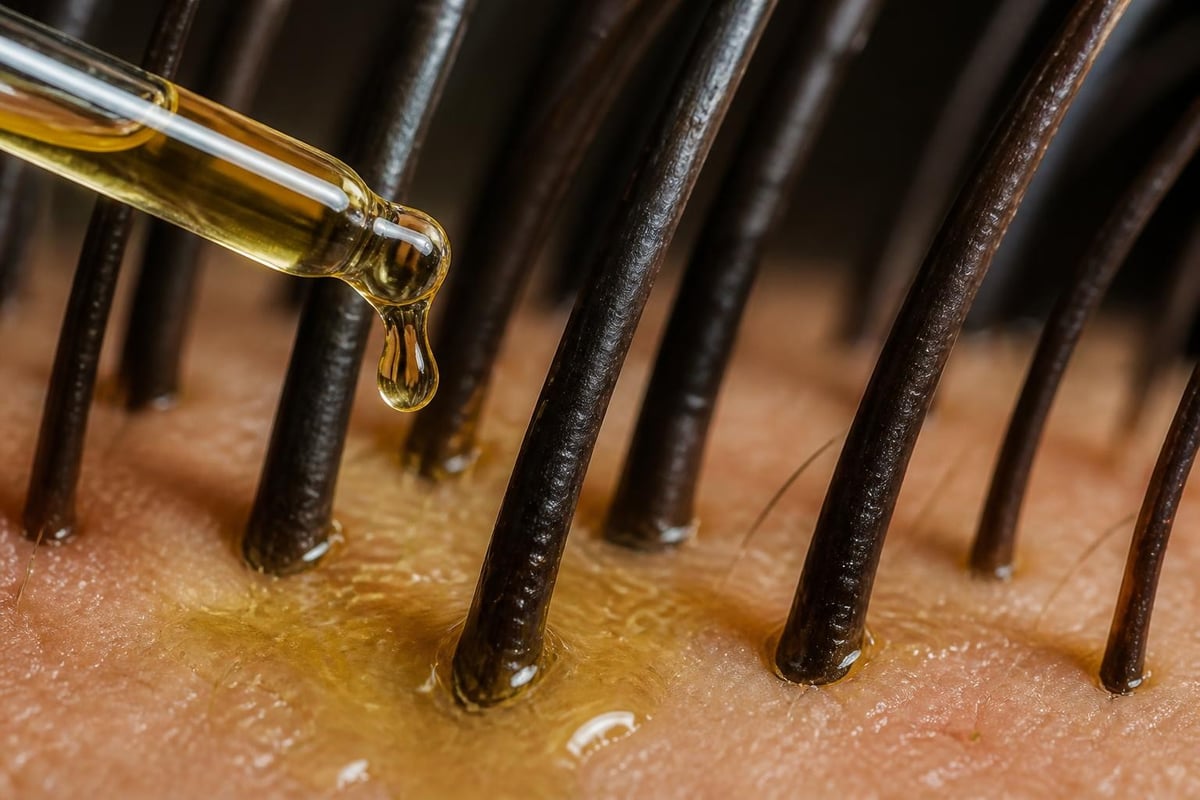
Beard oil serves dual purposes: it moisturises the hair shaft and nourishes the skin beneath. The carrier oils (jojoba, argan, sweet almond) provide immediate softness, whilst the active ingredients penetrate to the follicle level.
Apply oil to a damp beard, never completely dry. Water opens cuticles, allowing oil molecules to penetrate deeper. Use 3-4 drops for short beards, 6-8 for medium length, and 10-12 for long beards. The key is even distribution from root to tip.
Application Method:
- Pour oil into your palms
- Rub hands together to warm the oil
- Work fingers through your beard from skin outward
- Use a boar bristle brush to distribute evenly
- Shape and style as the oil sets
Natural ingredients matter significantly. Understanding facial hair growth products reveals that synthetic additives often cause allergic reactions or clog pores. Look for formulations with recognizable plant-based ingredients backed by dermatological testing.
Balm for Hold and Protection
Whilst oil provides nutrition, balm delivers structure and environmental protection. The beeswax or plant-based wax creates a semi-permeable barrier that locks moisture inside whilst shielding against wind, pollution, and UV damage.
Balm works best on slightly damp beards after oil application. Scrape a thumbnail amount, warm between palms until it liquifies, then work through your beard with emphasis on the outer layers. This creates the styled shape that holds throughout the day.
Balm vs Oil: When to Use Each
| Product | Primary Function | Best Timing | Beard Length |
|---|---|---|---|
| Oil | Deep hydration, follicle nutrition | Morning, post-wash | All lengths |
| Balm | Styling, protection, moisture seal | After oil, before exposure | Medium to long |
| Butter | Overnight repair, intensive treatment | Evening, before sleep | All lengths |
The combination approach delivers superior results. Oil penetrates and nourishes, balm seals and protects. Many effective beard grooming tips centre on this layering strategy because it addresses multiple needs simultaneously.
Trimming: Strategic Shape Without Sacrificing Growth
Trimming seems counterintuitive when growing a beard, but strategic cuts remove split ends that travel up the shaft and cause breakage. Think of it as preventative maintenance, not reduction.
Invest in professional-grade trimming scissors and a quality adjustable clipper. Cheap tools crush hair shafts instead of cutting cleanly, causing damage that leads to fraying. Cleveland Clinic dermatologists recommend trimming every 2-3 weeks during growth phases to maintain healthy ends.
Trimming Strategy:
- Define your neckline two fingers above your Adam's apple
- Maintain clean cheek lines for polished appearance
- Trim mustache away from your lip line
- Address flyaways and uneven patches conservatively
Never trim when your beard is wet. Hair stretches when saturated, leading to over-cutting once it dries and contracts. Work with your natural growth patterns, not against them.
The 90-Day Transformation Approach
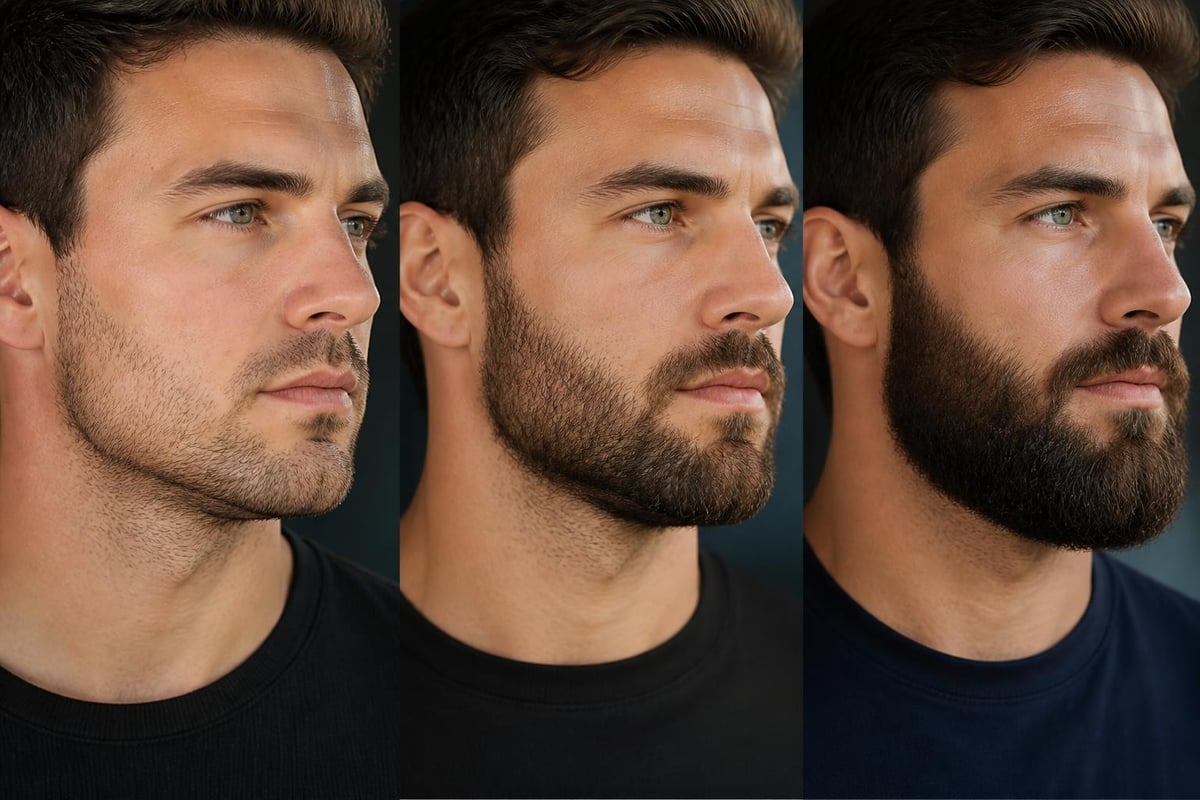
Consistent application of proper beard grooming tips yields compounding results. The first month addresses existing damage and establishes routine. The second month shows visible improvements in texture, fullness, and manageability. The third month delivers the transformation that becomes your new baseline.
This timeline matches the natural hair growth cycle. Remember that follicles need time to transition phases, respond to improved conditions, and produce healthier hair. The 90-Day Beard Challenge packages every essential formula into a structured system that removes guesswork whilst maximizing follicle potential through scientifically-formulated ingredients working synergistically.
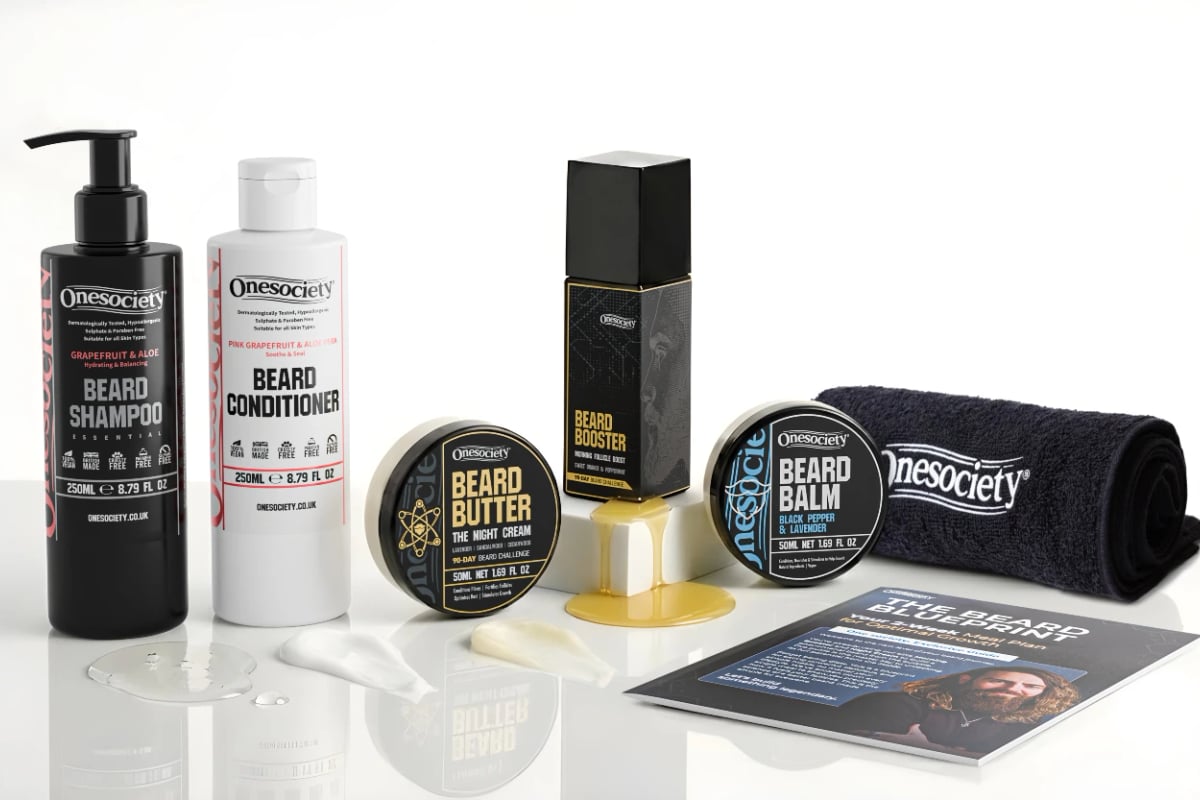
The kit includes follicle-activating boosters with caffeine to stimulate blood flow, pH-balanced cleansers that respect your skin barrier, deep-conditioning butters for overnight repair, and protective balms that shield against environmental damage. Each product addresses specific biological needs identified through dermatological research, creating comprehensive support for your beard journey.
Brushing and Combing: Training Your Beard
Daily brushing serves multiple functions beyond detangling. A quality boar bristle brush distributes natural oils from roots to tips, exfoliates the skin beneath (preventing ingrown hairs), and trains hairs to grow in your desired direction.
Brush vs Comb:
- Boar bristle brush: Oil distribution, exfoliation, styling (use daily)
- Wide-tooth comb: Detangling, precision shaping (use as needed)
- Fine-tooth comb: Mustache grooming, detailed work (use sparingly)
Brush in the direction of growth to train follicles. Start from the neck, working upward and outward, then brush downward to set the shape. This stimulates blood flow whilst creating the foundation for your style. Men's Health barbers confirm that proper brushing reduces ingrown hairs by 34% whilst improving overall texture.
Never brush a dry beard aggressively. Apply oil first to reduce friction and prevent breakage. The goal is gentle, consistent training, not forceful manipulation.
Nutrition: Building Blocks for Beard Growth
External products only work if your body produces healthy hair from within. Your follicles need specific nutrients to synthesize keratin, maintain growth cycles, and respond to topical treatments.
Essential Nutrients:
- Biotin (B7): Supports keratin infrastructure
- Vitamin E: Protects against oxidative stress
- Vitamin D: Activates follicle cycling
- Zinc: Regulates oil production, prevents inflammation
- Protein: Provides amino acids for hair synthesis
- Omega-3 fatty acids: Reduce inflammation, support cell membranes
Deficiencies in these areas manifest as slow growth, patchy coverage, and brittle texture. Healthline's beard maintenance guide emphasizes that topical treatments cannot compensate for nutritional gaps. Address both internal and external factors for optimal results.
Hydration matters equally. Dehydrated follicles produce weak, thin hair. Aim for 2-3 litres of water daily, more if you exercise intensely or live in dry climates.
Managing Common Beard Problems
Itchiness and Beardruff
That maddening itch during early growth stems from sharp hair tips irritating your skin as they emerge. Once hairs soften and your skin adapts, this subsides. Accelerate the process by maintaining moisture through regular oil application and gentle exfoliation.
Beardruff (beard dandruff) results from either dry skin or seborrheic dermatitis triggered by yeast overgrowth. Distinguish between them: dry skin produces small, white flakes, whilst seborrheic dermatitis creates larger, yellowish, oily scales. The solution differs based on the cause.
For dry skin, increase moisturising frequency and consider a humidifier in dry environments. For seborrheic dermatitis, use antifungal ingredients like tea tree oil or zinc pyrithione. CVS Health's comprehensive guide provides detailed protocols for both conditions.
Ingrown Hairs and Folliculitis
Ingrown hairs occur when hair curls back into the skin instead of emerging straight. This triggers inflammation, redness, and sometimes infection. Prevention requires regular exfoliation to remove dead skin cells that block follicle openings.
Use a gentle scrub or chemical exfoliant (salicylic acid or glycolic acid) 2-3 times weekly. Avoid over-exfoliating, which damages your skin barrier and worsens inflammation. Brush daily to train hairs outward and prevent curling.
Folliculitis, infection of the follicle itself, requires more aggressive treatment. If you notice pus-filled bumps, persistent redness, or pain, consult a dermatologist. Bacterial folliculitis needs antibiotic intervention, whilst fungal types require antifungal agents.
Lifestyle Factors That Impact Beard Quality
Sleep and Stress
During deep sleep, your body releases growth hormone that supports cellular repair and regeneration, including follicle activity. Chronic sleep deprivation disrupts this process, slowing growth and reducing hair quality. Aim for 7-9 hours nightly in a cool, dark environment.
Cortisol, your stress hormone, triggers inflammation and diverts resources away from non-essential functions like hair growth. Chronic stress pushes follicles into telogen (resting) phase prematurely, causing shedding and patchy appearance. Managing stress through exercise, meditation, or therapy directly improves beard health.
Exercise and Circulation
Physical activity increases blood flow systemically, delivering more oxygen and nutrients to follicles. Resistance training specifically boosts testosterone and DHT, the hormones that drive facial hair growth. Aim for 150 minutes of moderate exercise weekly, including both cardio and strength training.
Post-workout, cleanse your beard thoroughly. Sweat mixed with bacteria creates an inflammatory environment that clogs follicles and causes breakouts beneath your beard.
Seasonal Adjustments to Your Routine
Your beard faces different challenges across seasons, requiring routine modifications. Winter's cold, dry air strips moisture aggressively, whilst indoor heating compounds the problem. Increase oil application frequency and consider thicker balms for enhanced protection. A bedroom humidifier prevents overnight dehydration.
Summer brings heat, humidity, and increased sweating. Lighter oil formulations prevent greasiness, whilst more frequent washing removes accumulated debris. UV exposure damages hair proteins, so apply balms with natural UV protection (shea butter, raspberry seed oil) before extended outdoor time.
Hard Water Challenges
If you live in a hard water area, mineral deposits (calcium and magnesium) coat your beard, creating dullness, stiffness, and reduced product absorption. Install a shower filter or rinse with distilled water after washing. Chelating shampoos designed to remove mineral buildup can be used monthly, though they're harsh and require thorough conditioning afterward.
Advanced Beard Grooming Tips for Specific Styles
Different beard styles demand tailored approaches. A corporate-friendly short beard needs precise edge work and daily maintenance to project professionalism. Allow slightly longer growth on your chin to create definition, whilst keeping cheeks and neck clean.
Style-Specific Requirements:
| Style | Key Focus | Maintenance Frequency | Critical Products |
|---|---|---|---|
| Short boxed | Sharp edges, uniform length | Every 2-3 days | Precision trimmer, balm |
| Medium full | Volume, shape control | Weekly trim | Oil, balm, brush |
| Long natural | Health, split end prevention | Bi-weekly trim | Intensive conditioner, oil |
| Goatee | Defined borders, contrast | Every 2 days | Precision scissors, wax |
Your face shape influences which style flatters you. Oval faces suit virtually any style. Round faces benefit from length that adds vertical dimension. Square faces look best with fuller beards that soften angles. Experiment within your growth capacity, but work with your natural patterns rather than forcing incompatible styles.
Building Your Beard Grooming Arsenal
Quality tools and products make adherence easier and results better. Start with essentials, then expand based on your specific needs and beard goals.
Essential Kit:
- pH-balanced beard wash
- Deep-conditioning treatment
- Premium beard oil (natural ingredients)
- Styling balm
- Boar bristle brush
- Wide-tooth comb
- Precision scissors
- Adjustable trimmer
Advanced Additions:
- Beard butter for overnight treatment
- Growth-stimulating serum with active ingredients
- Heated brush for styling longer beards
- Derma roller for circulation enhancement (0.5mm)
Avoid the trap of collecting products without understanding their function. Each item should address a specific need or solve a particular problem. Exploring what makes a good beard reveals that consistency with fundamentals outperforms sporadic use of numerous products.
The Science of Patience
Perhaps the most critical of all beard grooming tips: trust the process. Follicles cannot be rushed beyond their genetic programming. You can optimize conditions, remove obstacles, and support maximum potential, but you cannot force accelerated timelines.
The "awkward phase" between 4-12 weeks tests commitment. Your beard looks uneven, feels uncomfortable, and tempts you to shave. This phase is temporary. Every legendary beard passes through it. Maintain your routine, resist comparison to others, and focus on month-over-month improvement rather than daily changes.
Document your journey with weekly photos in consistent lighting and angles. This objective record reveals progress that feels invisible day-to-day. Celebrate milestones, whether they're surviving the awkward phase, achieving your target length, or simply maintaining consistency for 30 days straight.
Professional Interventions When Needed
Some situations warrant professional help beyond standard beard grooming tips. Persistent bald patches despite months of proper care might indicate alopecia areata, an autoimmune condition. Chronic inflammation, painful folliculitis, or unusual hair loss patterns require dermatological evaluation.
Professional beard trims from experienced barbers provide perspective you cannot achieve yourself. They see your beard from all angles, understand facial structure, and execute precision work difficult to replicate at home. Schedule professional trims quarterly, even if you maintain daily grooming independently.
Barbers also offer valuable coaching on technique, product selection, and realistic goal-setting based on your individual growth patterns. Understanding comprehensive grooming from specialists bridges the gap between online advice and personalised guidance.
Implementing science-backed beard grooming tips transforms facial hair from a frustrating challenge into a legitimate asset that enhances your appearance and confidence. The biological processes governing follicle health, growth cycles, and hair quality respond predictably to consistent, informed care. When you combine proper cleansing, strategic conditioning, targeted nutrition, and patience, results follow inevitably. Onesociety formulates every product around these scientific principles, using 100% natural ingredients that work with your biology rather than against it. Whether you're starting your beard journey or refining years of growth, the right approach backed by quality formulations makes all the difference.