

Walk into any traditional barbershop and you'll notice something: the masters of their craft don't reach for random bottles. They select specific oils with precision, understanding exactly how each ingredient interacts with hair follicles, sebaceous glands, and the skin beneath. Barber hair oil represents generations of professional knowledge distilled into formulas designed to solve real grooming challenges. Whether you're cultivating a full beard or maintaining facial hair, understanding what separates professional-grade oils from generic alternatives transforms your entire grooming routine.
What Makes Barber Hair Oil Different From Standard Products
Professional barber hair oil formulations contain higher concentrations of active compounds than consumer products you'll find in supermarkets. The distinction isn't marketing hype-it's biochemistry.
Traditional barbers understood that certain plant extracts penetrate the hair shaft whilst others coat the exterior cuticle layer. Modern research confirms these observations, showing that molecular weight determines whether an oil can actually enter the hair cortex or simply sits on the surface.
Key differences include:
- Carrier oil ratios: Professional formulas balance penetrating oils (jojoba, argan) with protective oils (sweet almond, grapeseed)
- Active ingredient concentration: Higher percentages of essential oils like tea tree, cedarwood, or eucalyptus
- pH optimization: Formulated to match hair's natural pH of 4.5-5.5, preventing cuticle damage
- Absence of fillers: No mineral oil, silicones, or synthetic fragrances that create short-term shine but long-term problems
The molecular structure of barber-grade oils allows them to reduce protein loss during grooming. When you brush, comb, or style facial hair, mechanical stress breaks disulfide bonds within keratin proteins. Quality barber hair oil creates a protective barrier that absorbs impact whilst maintaining flexibility.
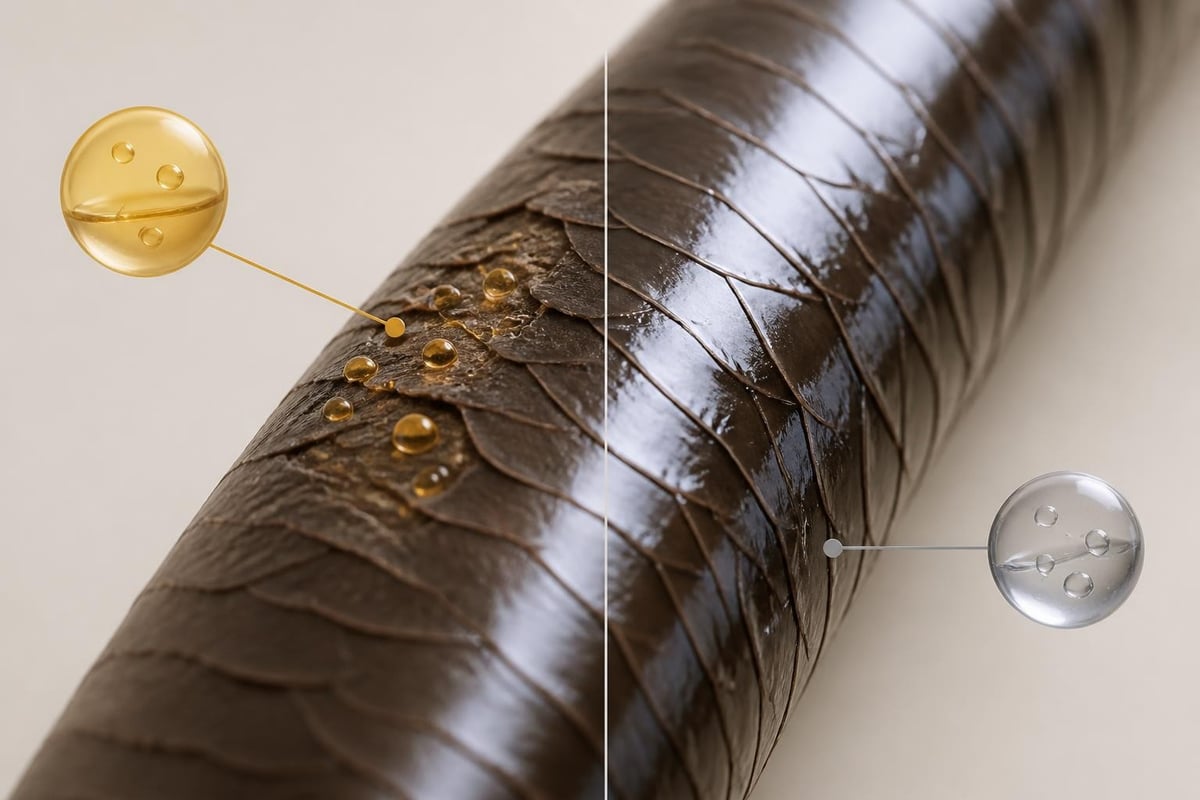
The Science Behind Active Ingredients
Every component in professional barber hair oil serves a specific biological function. Understanding these mechanisms helps you evaluate products critically rather than accepting manufacturer claims at face value.
Jojoba oil isn't technically an oil-it's a liquid wax ester with a structure remarkably similar to human sebum. This molecular mimicry explains why it regulates oil production rather than adding more grease. The sebaceous glands detect the wax esters and reduce their own output, preventing that heavy, oily feeling whilst maintaining necessary moisture.
Argan oil contains high concentrations of vitamin E (tocopherols) and fatty acids that target inflammation at the follicle level. When you apply argan-based barber hair oil, the tocopherols scavenge free radicals produced by UV exposure and environmental pollutants. This antioxidant activity reduces follicular inflammation that can weaken hair anchoring and slow growth cycles.
Sweet almond oil provides oleic acid (omega-9) and linoleic acid (omega-6) in ratios that strengthen the lipid barrier of both hair and skin. These fatty acids integrate into cell membranes, improving moisture retention and reducing trans-epidermal water loss. For beard hair, which tends to be coarser and drier than scalp hair, this hydration mechanism proves essential.
| Ingredient | Primary Function | Molecular Action | Best For |
|---|---|---|---|
| Jojoba Oil | Sebum regulation | Wax ester mimicry | Oily skin types |
| Argan Oil | Antioxidant protection | Free radical scavenging | Environmental damage |
| Sweet Almond Oil | Hydration barrier | Lipid membrane integration | Dry, coarse hair |
| Castor Oil | Growth stimulation | Ricinoleic acid blood flow | Thinning areas |
How Professional Barbers Apply Hair Oil
Technique matters as much as product selection. Professional barbers don't simply pour oil and rub-they follow systematic application methods that maximize absorption whilst avoiding waste.
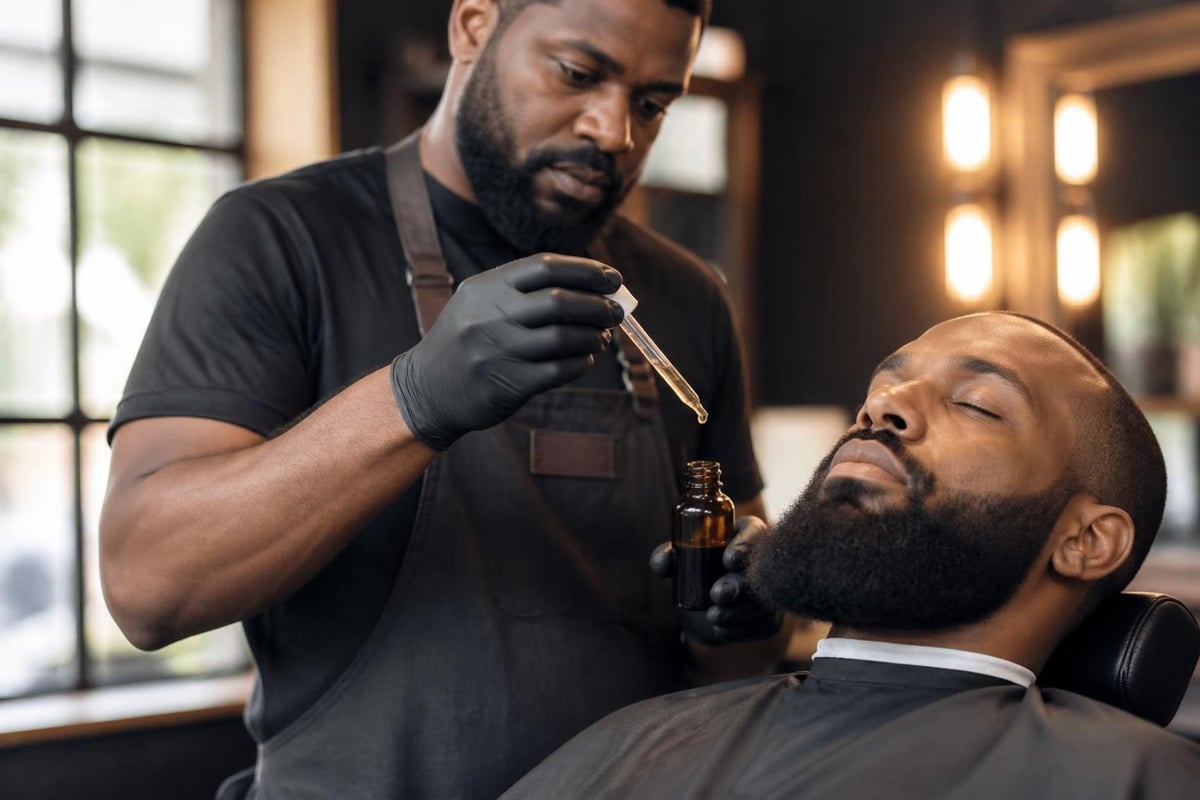
The warm-hand method activates volatile compounds in essential oils. Dispensing 3-5 drops into your palm, then rubbing hands together for 10-15 seconds raises the oil temperature to approximately 35°C. This warmth opens the cuticle scales slightly, allowing better penetration when you work the barber hair oil through your beard.
Application sequence:
- Start beneath the beard, working oil into the skin where follicles anchor
- Move to mid-lengths using downward strokes that follow the cuticle direction
- Finish with ends, which suffer most environmental damage
- Use remaining oil on palms for flyaways and shaping
This approach addresses the scalp-first principle, ensuring the follicular environment receives nourishment before the hair shaft. Many users make the critical error of focusing entirely on visible hair whilst neglecting the growth factory beneath.
Morning Versus Evening Application
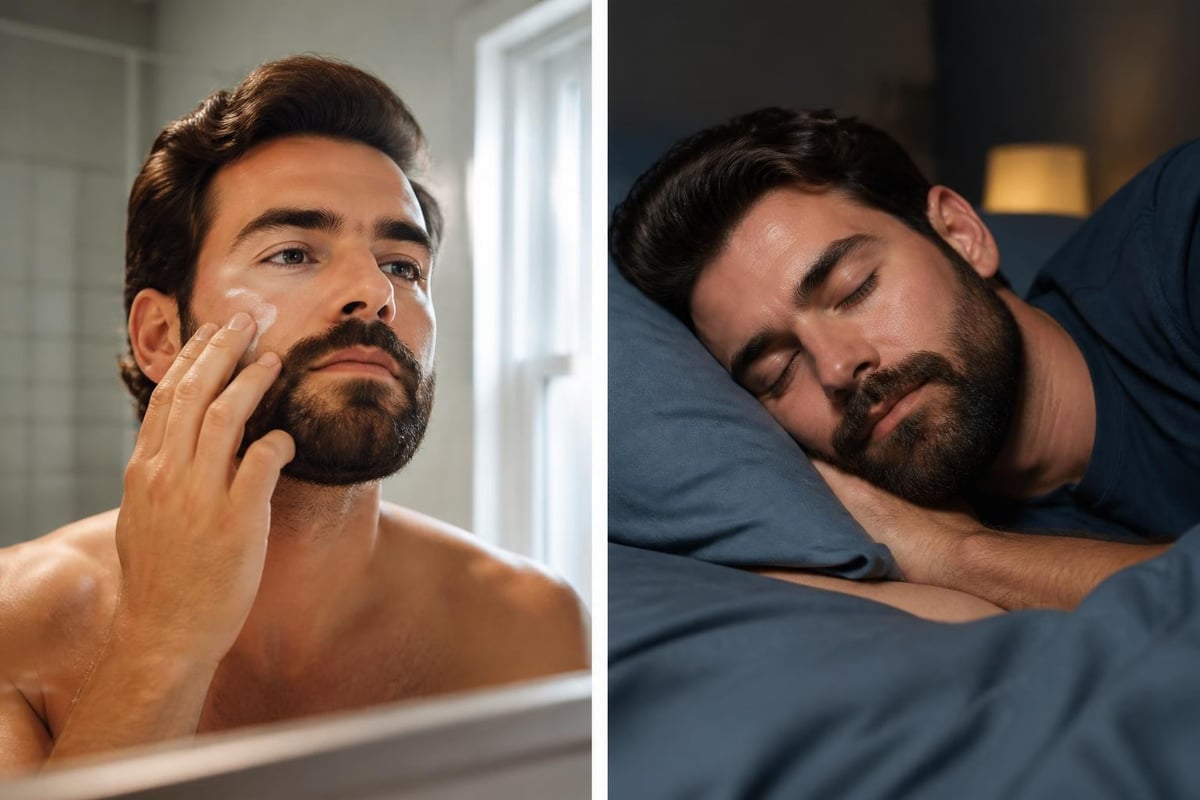
Timing your barber hair oil application influences results significantly. The skin's circadian rhythm affects absorption rates, inflammatory responses, and sebum production throughout the day.
Morning application prepares hair for environmental assault. UV radiation generates reactive oxygen species that damage keratin proteins and melanin pigments. Applying protective oils creates a physical barrier whilst antioxidant compounds neutralize free radicals before they cause harm.
Evening application supports repair processes that peak during sleep. Growth hormone secretion increases after 10 PM, triggering cellular repair in follicles. Delivering fatty acids and nutrients during this window supports the body's natural restoration cycle.
For optimal results, consider split applications: lighter, fast-absorbing barber hair oil formulations in the morning for protection, richer butter-based products at night for intensive repair.
Choosing Barber Hair Oil For Your Specific Needs
Not all facial hair presents identical challenges. Genetic factors, ethnicity, climate, and personal habits create unique requirements that demand tailored solutions.
Coarse, curly beard hair-common among men of African, Middle Eastern, and Mediterranean descent-requires different lubrication than straight, fine facial hair. The natural curve of curly hair shafts prevents sebum from traveling down the length efficiently, creating dry ends despite an oily root zone. Specialized formulations for different hair types address this structural challenge with higher concentrations of penetrating oils.
Selection criteria by hair type:
- Fine, straight beard: Light oils (grapeseed, jojoba) that won't weigh down hair or create greasiness
- Medium texture: Balanced blends combining argan, sweet almond, and a small percentage of castor oil
- Coarse, curly beard: Rich formulations with shea butter, coconut fractions, and vitamin E
- Sensitive skin beneath: Hypoallergenic bases avoiding common irritants like fragrance compounds or nut oils
Climate influences product selection as well. Humid environments require less occlusive formulas to prevent pore blockage, whilst arid climates benefit from heavier, moisture-sealing barber hair oil compositions.
Ingredient Red Flags
Commercial products often contain substances that create immediate cosmetic effects whilst causing long-term problems. Recognizing these additives protects your investment in beard health.
Mineral oil (petrolatum, paraffinum liquidum) coats hair without providing nutrition. This petroleum derivative sits on the surface, blocking moisture exchange and potentially trapping pollutants against the skin. Whilst it creates instant shine, it contributes nothing to follicle health or hair strength.
Synthetic fragrances trigger allergic contact dermatitis in approximately 2-4% of the population. The term "fragrance" or "parfum" on ingredient lists can represent any of 3,000+ chemicals, many untested for long-term safety. Professional barber hair oil uses essential oils for scent, which also deliver therapeutic compounds.
Silicones (dimethicone, cyclomethicone) create an artificial smoothness that masks underlying damage. These polymers accumulate over time, requiring harsh sulfate shampoos to remove-shampoos that then strip natural oils, creating a destructive cycle.
Quality beard grooming products list ingredients in descending concentration order. The first five components should be recognizable plant oils and extracts, not chemical compounds requiring a chemistry degree to pronounce.
The Growth Connection: Does Barber Hair Oil Actually Work
The question every bearded individual asks: will this oil help my beard grow faster, thicker, or fuller? The answer requires separating direct growth stimulation from growth optimization.
No topical product forces hair follicles to multiply. You're born with a fixed number of follicles determined by genetics. However, barber hair oil can optimize the performance of existing follicles, improving the quality and retention of hair they produce.
Mechanisms that support growth:
- Improved blood circulation: Massaging oil into the skin increases localized blood flow, delivering more oxygen and nutrients to follicle cells
- Reduced inflammation: Chronic inflammation shortens the anagen (growth) phase of the hair cycle; anti-inflammatory oils extend this phase
- Moisture retention: Dehydrated hair becomes brittle and breaks before reaching potential length; proper hydration allows length retention
- Protection from damage: Reducing mechanical and environmental damage means more hairs complete their full growth cycle
Castor oil deserves special mention for its ricinoleic acid content. This omega-9 fatty acid comprises 90% of castor oil's composition and demonstrates prostaglandin E2-like effects. PGE2 receptors in hair follicles respond by extending the growth phase and potentially awakening dormant follicles in the telogen (rest) phase.
That said, evidence-based medical guidance emphasizes realistic expectations. Barber hair oil optimizes what your genetics provide-it doesn't override your biological blueprint.
The 90-Day Transformation Timeline
Visible improvements from quality barber hair oil follow a predictable timeline based on the hair growth cycle. Understanding this progression prevents premature discouragement.
Weeks 1-3: Surface improvements appear first. Shine increases, flyaways reduce, and texture softens as oils coat the existing hair shaft and rehydrate damaged cuticles.
Weeks 4-6: Skin health improves. Reduced itching, fewer ingrown hairs, and less beardruff (beard dandruff) indicate that the follicular environment is optimizing.
Weeks 7-12: Growth quality changes become apparent. New hairs emerge thicker and healthier, retention improves (less breakage), and density increases in areas with previously weak coverage.
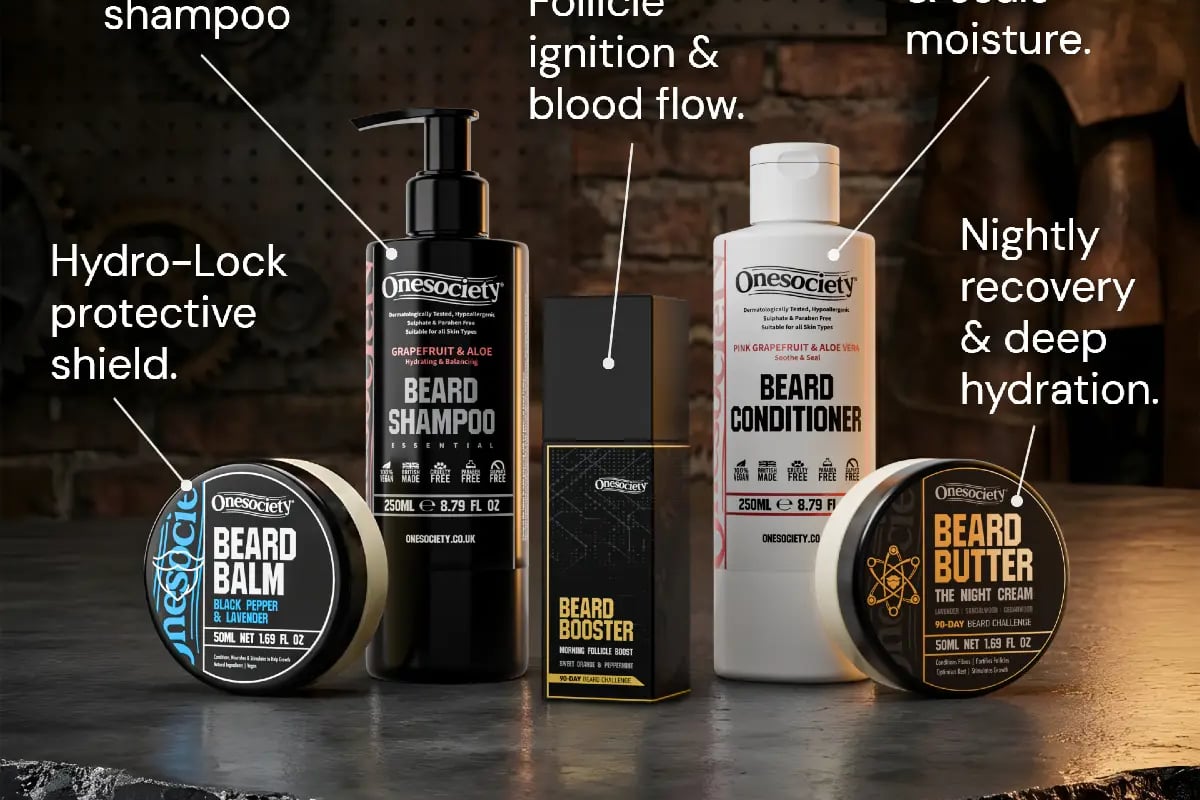
This timeline aligns perfectly with comprehensive programs like the 90-Day Beard Challenge, which combine multiple formulations targeting different aspects of beard health. The challenge includes specialized products from follicle-stimulating boosters to protective balms, creating a complete ecosystem for transformation rather than relying on a single product to address all needs.
Common Application Mistakes That Sabotage Results
Even premium barber hair oil fails when applied incorrectly. These frequent errors undermine product effectiveness and waste money.
Over-application ranks as the most common mistake. More oil doesn't equal better results-it equals clogged pores and greasy appearance. Most beards require only 3-6 drops depending on length and density. Excess oil sits on the surface without absorbing, attracting dust and creating a dirty feeling that forces premature washing.
Applying to wet hair dilutes the product significantly. Water and oil don't mix; applying barber hair oil to a dripping beard means the water prevents oil from contacting hair and skin. Pat your beard until barely damp (not soaking wet, not bone dry) before application.
Skipping the skin beneath your beard wastes half the product's potential. The follicles anchoring each hair sit in the skin, requiring nourishment that topical application provides. Work oil into the skin first, then distribute through the hair.
Inconsistent application prevents momentum from building. Hair responds to sustained care, not sporadic attention. Using barber hair oil three times one week then abandoning it for ten days produces minimal results compared to daily application.
| Mistake | Why It Fails | Correction |
|---|---|---|
| Too much product | Excess sits on surface, clogs pores | Use 3-6 drops maximum |
| Wet beard application | Water blocks oil absorption | Towel-dry to damp first |
| Ignoring skin | Follicles get no nourishment | Massage into skin before hair |
| Sporadic use | No cumulative benefit builds | Daily application minimum |
The Washing Frequency Balance
How often you wash your beard dramatically affects barber hair oil performance. This balance requires individual calibration based on your sebum production, environment, and activity level.
Overwashing strips the natural sebum that works synergistically with applied oils. Using harsh shampoos daily removes both dirt and the protective lipid layer your skin produces. This triggers rebound oil production-your glands detect the stripped state and overproduce sebum, creating the greasy problem you tried to prevent.
Underwashing allows product buildup, dead skin cells, and environmental pollutants to accumulate. This creates the ideal environment for Malassezia yeast overgrowth, the primary cause of beardruff. The yeast feeds on sebum and oil buildup, producing inflammatory byproducts that cause itching and flaking.
Most beards thrive with washing 2-3 times weekly using a gentle, pH-balanced cleanser. On non-washing days, rinse with water only and apply barber hair oil to clean, slightly damp hair.
Integration With Complete Grooming Systems
Professional barbers rarely use single products in isolation. They layer formulations strategically, each serving a distinct function within an integrated system.
The typical professional sequence follows this logic:
- Cleanse: Remove buildup without stripping (specialized beard shampoo, not body soap)
- Condition: Replenish moisture and improve manageability (beard conditioner with proteins)
- Oil: Seal hydration, nourish follicles (barber hair oil as leave-in treatment)
- Balm or butter: Style and provide additional protection (heavier products for hold and weather resistance)
This layering approach addresses different hair needs simultaneously. Water-based conditioners hydrate the internal structure, oils seal that moisture inside, and balms protect the exterior from environmental damage whilst providing styling hold.
Understanding traditional formulations like amla, henna, and shea butter reveals centuries of empirical testing. These ingredients persist in modern barber hair oil formulations because they deliver consistent results across diverse hair types and conditions.
Seasonal Adjustments
Your beard's needs shift with weather patterns. Professional groomers modify their barber hair oil selection and application frequency based on environmental conditions.
Winter demands richer formulations with higher concentrations of protective oils. Cold air holds less moisture, indoor heating further dehydrates both air and hair, and wind creates mechanical damage through constant movement. Increase application frequency and transition to formulas containing shea butter, cocoa butter, or avocado oil.
Summer requires lighter products that won't melt or feel heavy in heat. High humidity means your beard already has moisture access-the goal becomes protection from UV damage and sweat-related issues. Switch to fast-absorbing barber hair oil formulations with SPF-supporting ingredients like raspberry seed oil or carrot seed oil.
Spring and autumn offer transition periods where you can experiment with different formulations, identifying what your beard responds to best when environmental stress is minimal.
Evaluating Product Claims and Marketing
The beard care market exploded over the past decade, bringing both innovation and exploitation. Learning to evaluate barber hair oil claims critically protects you from inferior products wrapped in compelling marketing.
"Accelerates growth by 300%": Physiologically impossible. Hair follicles have genetically determined growth rates averaging 0.27mm daily. No topical product triples this rate. What quality oils do is optimize the growth you're capable of and improve retention so hair reaches its potential length.
"Proprietary blend": Often code for "we're hiding our formula because it's mostly cheap filler oils." Quality manufacturers list specific ingredients with concentrations. Transparency indicates confidence in formulation.
"Instant results": Immediate shine and softness? Absolutely-that's surface coating. Actual improvements to hair structure, follicle health, and growth quality require weeks to months. Beware products promising transformation overnight.
"All-natural" or "organic": These terms carry less meaning than you'd assume. Arsenic is natural; it's still poisonous. What matters is whether ingredients have demonstrated safety and efficacy through research. Look for specific studies or clinical backing, not vague natural claims.
The best beard oils combine transparency about ingredients with realistic claims about benefits. They explain the mechanism behind each component rather than relying on buzzwords and exaggerated promises.
Professional Techniques for Stubborn Problem Areas
Certain beard challenges require targeted approaches beyond general application. Professional barbers develop specialized techniques for common problem zones.
Patchy areas: Focus barber hair oil application on the skin in these zones, not the surrounding hair. Massage for 60-90 seconds to increase blood flow specifically where you need improved follicle performance. Layer with a growth-supporting formula containing castor oil and rosemary essential oil, which demonstrates hair-count-increasing properties in studies.
Ingrown hairs: Occur when curved hair re-enters the skin after being cut or naturally shed. Barber hair oil containing tea tree oil (2-3% concentration) provides antimicrobial protection whilst salicylic acid gently exfoliates, preventing the skin from trapping emerging hairs.
Beardruff: Despite its informal name, this condition requires serious attention. Recent guidance suggests applying oil to hair lengths rather than directly on the scalp when dealing with seborrheic dermatitis. The same principle applies to beards-focus oil on the hair whilst using a targeted anti-fungal treatment on the skin beneath.
Wiry, unruly texture: Coarse facial hair resists taming because the cuticle layers lie rough and raised. Barber hair oil rich in emollient compounds (shea, coconut fractions, argan) smooths these layers through fatty acid integration. Apply whilst hair is damp and use a boar bristle brush to distribute oil thoroughly whilst training hair direction.
The Chemistry of Carrier Oils Versus Essential Oils
Professional barber hair oil formulations balance two categories: carrier oils that form the base and essential oils that provide therapeutic effects. Understanding this distinction helps you decode ingredient lists effectively.
Carrier oils constitute 95-99% of professional formulas. These are fatty oils pressed from seeds, nuts, or fruits. They provide the lubrication, absorption vehicle, and primary nutritional compounds (vitamins, fatty acids, antioxidants). Common carriers include jojoba, argan, sweet almond, grapeseed, and hemp seed oil.
Essential oils are concentrated volatile compounds extracted through distillation or expression. They provide scent, yes, but also deliver specific biological activities: antimicrobial (tea tree, eucalyptus), circulation-boosting (rosemary, peppermint), or anti-inflammatory (lavender, chamomile) effects. Because they're potent, essential oils never exceed 1-5% of total formula.
This ratio matters for safety and efficacy. Applying undiluted essential oils directly to skin causes irritation, sensitization, and potential toxicity. The carrier oil dilutes essential oils to safe concentrations whilst helping them penetrate effectively.
When selecting barber hair oil, verify that essential oils appear near the end of the ingredient list (indicating appropriate dilution) and that at least three quality carrier oils lead the formula.
Building Your Personal Routine
Creating an effective barber hair oil routine requires honest assessment of your starting point, realistic goal-setting, and consistent execution.
Assess your baseline: Photograph your beard from multiple angles in consistent lighting. Document specific concerns: patchy zones, dryness level, current length, styling challenges. These reference points let you track progress accurately rather than relying on memory.
Set specific targets: "Better beard" means nothing measurable. "Eliminate beardruff within four weeks" or "reduce patchiness in the right cheek zone by 30% in 90 days" creates accountability.
Choose complementary products: Your barber hair oil should integrate with your existing routine, not fight against it. If you use styling products with petroleum, they'll block oil absorption. If you wash with harsh sulfate shampoos, you'll strip oil immediately after application.
Track and adjust: Note what you use, when you apply it, and any changes you observe. After 30 days, evaluate: Is this working? Do I need to adjust frequency, amount, or product selection? Grooming requires iteration-what works for someone else's beard might need modification for yours.
Maintain consistency: Results compound with sustained effort. Using exceptional barber hair oil sporadically produces minimal results compared to using good oil consistently. Commit to 90 days of daily application before making definitive judgments about a product's effectiveness.
The transformation happens gradually, then suddenly. Week to week, changes seem minor. Month to month, the cumulative effect becomes undeniable. Trust the process, trust the science, and trust that your dedication produces results.
Barber hair oil represents more than cosmetic enhancement-it's strategic follicle optimization grounded in biochemistry and professional knowledge spanning generations. By selecting formulations with proven active ingredients, applying them with proper technique, and maintaining consistency over months rather than days, you unlock your beard's full genetic potential. Onesociety specializes in precisely this approach: 100% natural formulations backed by scientific research, designed to deliver measurable results through active compounds that work with your biology rather than against it. Explore their range and discover what professional-grade grooming can accomplish for your beard.