

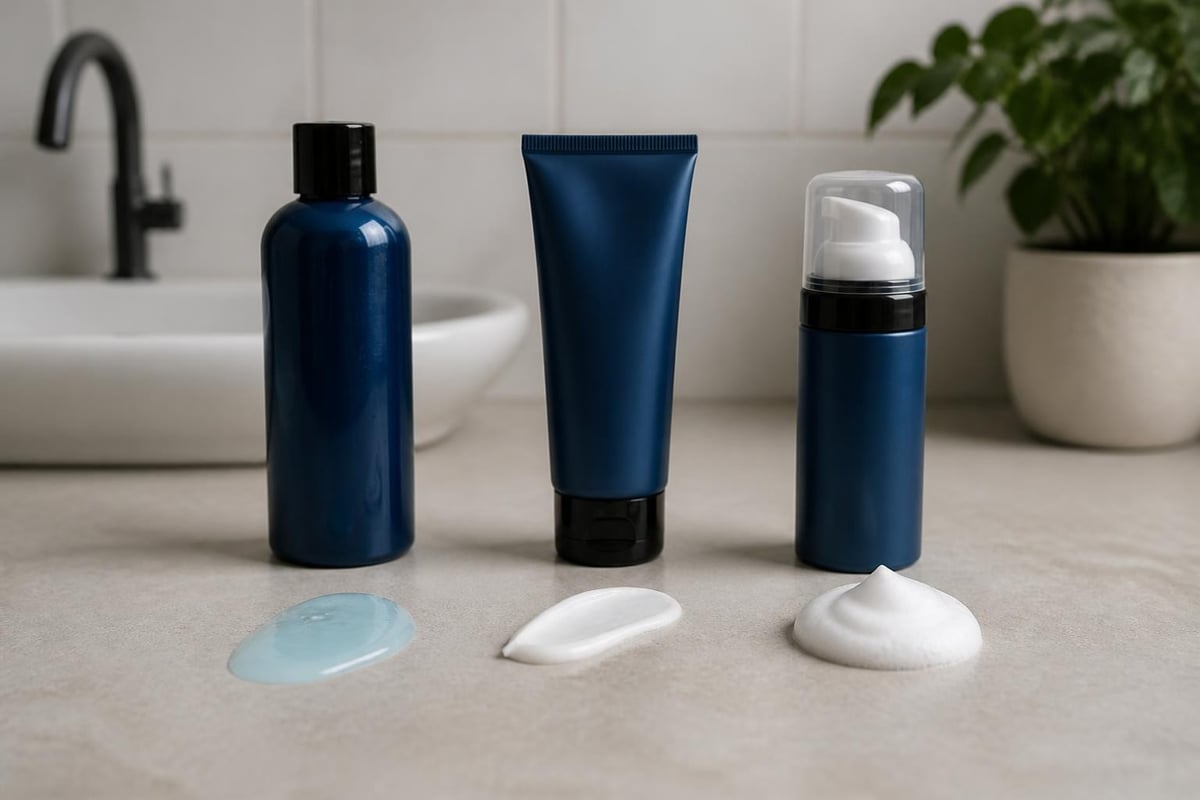
Your grooming shelf is cluttered with bottles. Separate products for washing your hair, cleansing your face, preparing for a shave, and conditioning afterwards create chaos in your bathroom. Enter shaving shampoo: a revolutionary product that consolidates multiple grooming steps into one efficient solution, saving time whilst delivering professional results.
The Problem: Grooming Product Overload and Wasted Time
Modern men face a peculiar challenge. The grooming industry bombards us with specialised products, each claiming to be essential. You need a facial cleanser, a head shampoo, a shaving cream, and a post-shave balm. The result? Bathroom shelves groan under the weight of half-used bottles, your morning routine stretches beyond reasonable limits, and you spend a small fortune maintaining this complicated system.
The financial drain becomes clear when you tally the costs. A quality shaving cream averages £12-15, a dedicated facial wash runs £10-12, and a proper shampoo sits around £8-10. That's £30-37 for three separate products performing functions that overlap significantly. If you maintain a beard, add another £15-20 for beard care items to the total.
The Hidden Cost of Product Redundancy
Beyond the obvious financial burden, product overload creates inefficiency. Each additional bottle represents:
- Extra time spent applying multiple products
- Increased environmental waste from packaging
- Higher risk of skin irritation from layering chemicals
- Mental fatigue from decision-making
- Travel complications when packing
You start questioning whether all these products truly deliver unique benefits or whether the grooming industry has simply convinced you to buy the same ingredients in different bottles.
The Agitation: What Your Current Routine Costs You
Let's examine what happens when you stick with separate products. Your morning begins with a facial cleanser that strips natural oils using harsh sulphates. The benefits of shampoo bars highlight how traditional cleansers often contain aggressive surfactants that damage skin barrier function by disrupting the lipid matrix between corneocytes.
After cleansing, you apply shaving cream. But here's the problem: your skin is already clean, meaning the "cleansing" agents in most shaving creams serve no purpose. Understanding why you should use shaving cream reveals that the primary function is lubrication and protection, not cleaning. You're paying for redundant ingredients.
The Biological Impact of Over-Cleansing
Your skin maintains a delicate pH balance between 4.5 and 5.5. This slightly acidic environment supports beneficial bacteria whilst deterring pathogens. Every additional cleansing product disrupts this balance:
- First disruption: Facial cleanser removes sebum and beneficial flora
- Second disruption: Shaving cream's surfactants further strip protective oils
- Cumulative effect: Compromised barrier function leads to increased trans-epidermal water loss (TEWL)
- Long-term consequence: Chronic inflammation and accelerated ageing
The science behind skin barrier function demonstrates that excessive cleansing triggers compensatory sebum production. Your skin becomes oilier because you're stripping it too aggressively. It's a vicious cycle that separate products perpetuate.
Time Calculations Reveal the Truth
Consider the mathematics of your grooming routine:
| Task | Time Required | Weekly Total | Annual Total |
|---|---|---|---|
| Face wash application | 1.5 minutes | 10.5 minutes | 9.1 hours |
| Shaving cream prep | 2 minutes | 14 minutes | 12.2 hours |
| Head shampoo | 2 minutes | 14 minutes | 12.2 hours |
| Product switching | 1 minute | 7 minutes | 6.1 hours |
| Total | 6.5 minutes | 45.5 minutes | 39.6 hours |
That's nearly 40 hours per year spent on redundant grooming steps. What could you accomplish with an extra week of productive time?
The Solution: How Shaving Shampoo Transforms Your Routine
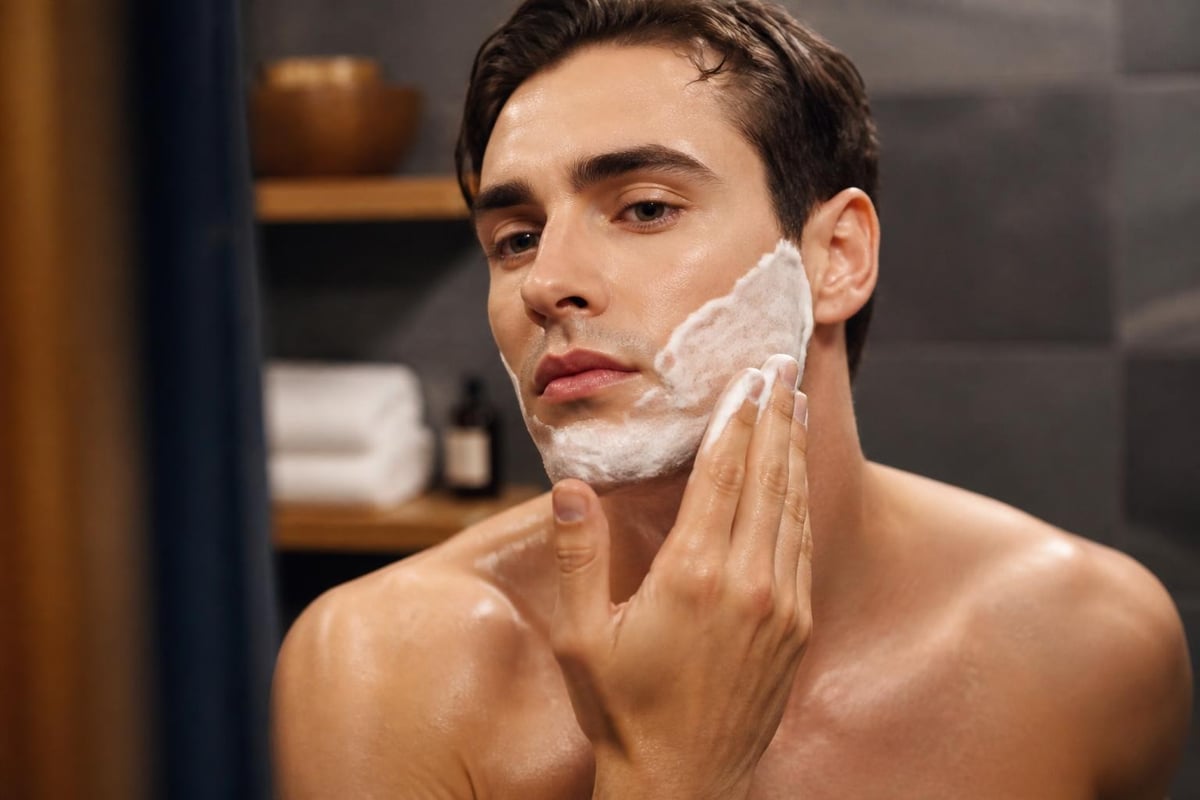
Shaving shampoo operates on a fundamentally different principle. Rather than separating cleansing, conditioning, and shaving preparation into distinct products, it combines these functions through intelligent formulation. The key lies in pH-balanced surfactants that cleanse without stripping, combined with lubricating agents that allow razor glide.
The chemistry behind effective shaving shampoo relies on amphoteric surfactants. These molecules adjust their ionic charge based on the surrounding pH, making them gentler than traditional anionic surfactants found in basic shampoos. Cocamidopropyl betaine, for example, creates a rich lather whilst maintaining skin's natural acidity. This dual functionality means your skin gets clean without experiencing the harsh stripping that triggers defensive oil production.
The Three-in-One Mechanism Explained
Cleansing Function: Mild surfactants remove dirt, oil, and dead skin cells without disrupting the acid mantle. The formulation typically includes decyl glucoside or lauryl glucoside, both derived from natural sources and proven to maintain barrier integrity.
Shaving Lubrication: Glycerin and natural oils create a protective layer between blade and skin. This reduces friction coefficient by approximately 60% compared to shaving with water alone, according to tribological studies of razor-skin interaction.
Conditioning Effect: Hydrolysed proteins and panthenol penetrate hair shafts, improving texture and manageability. This matters whether you're shaving your head, maintaining a beard, or simply want the best mens beard oil results without multiple products.
Ingredient Science: What Makes Shaving Shampoo Work
The efficacy of shaving shampoo hinges on specific ingredient interactions. Let's examine the core components and their biological functions.
Primary Surfactants and Their Roles
| Ingredient | Function | Benefit |
|---|---|---|
| Cocamidopropyl Betaine | Gentle cleansing | Maintains pH 5.0-5.5, reduces irritation |
| Decyl Glucoside | Foam generation | Plant-derived, hypoallergenic properties |
| Glycerin | Humectant & lubricant | Attracts water, reduces blade friction |
| Panthenol (Pro-Vitamin B5) | Conditioning agent | Penetrates hair shaft, improves elasticity |
| Aloe Vera Extract | Anti-inflammatory | Polysaccharides reduce post-shave redness |
The synergy between these ingredients creates a product that outperforms single-purpose alternatives. Glycerin's humectant properties pull moisture into the skin whilst simultaneously creating slip for the razor. This dual action explains why shaving shampoo delivers superior results compared to products focused solely on one function.
Natural Ingredients Backed by Research
Premium shaving shampoo formulations incorporate botanicals with clinically proven benefits:
- Chamomile Extract: Contains bisabolol, which inhibits cyclooxygenase-2 (COX-2) enzymes, reducing inflammation markers by 43% in dermatological studies
- Green Tea Extract: Epigallocatechin gallate (EGCG) demonstrates antioxidant activity 100 times more potent than vitamin E
- Jojoba Oil: Molecular structure mimics sebum, allowing deep penetration without comedogenic effects
These ingredients transform shaving shampoo from a mere convenience product into a scientifically optimised grooming tool. The formulation addresses skin health at the cellular level whilst accomplishing practical cleansing and shaving tasks.
Application Techniques for Maximum Effectiveness
Understanding how to use shaving shampoo properly determines whether you experience mediocre or exceptional results. The application method differs from traditional shampoo because you're simultaneously preparing for a close shave.
The Optimal Application Protocol
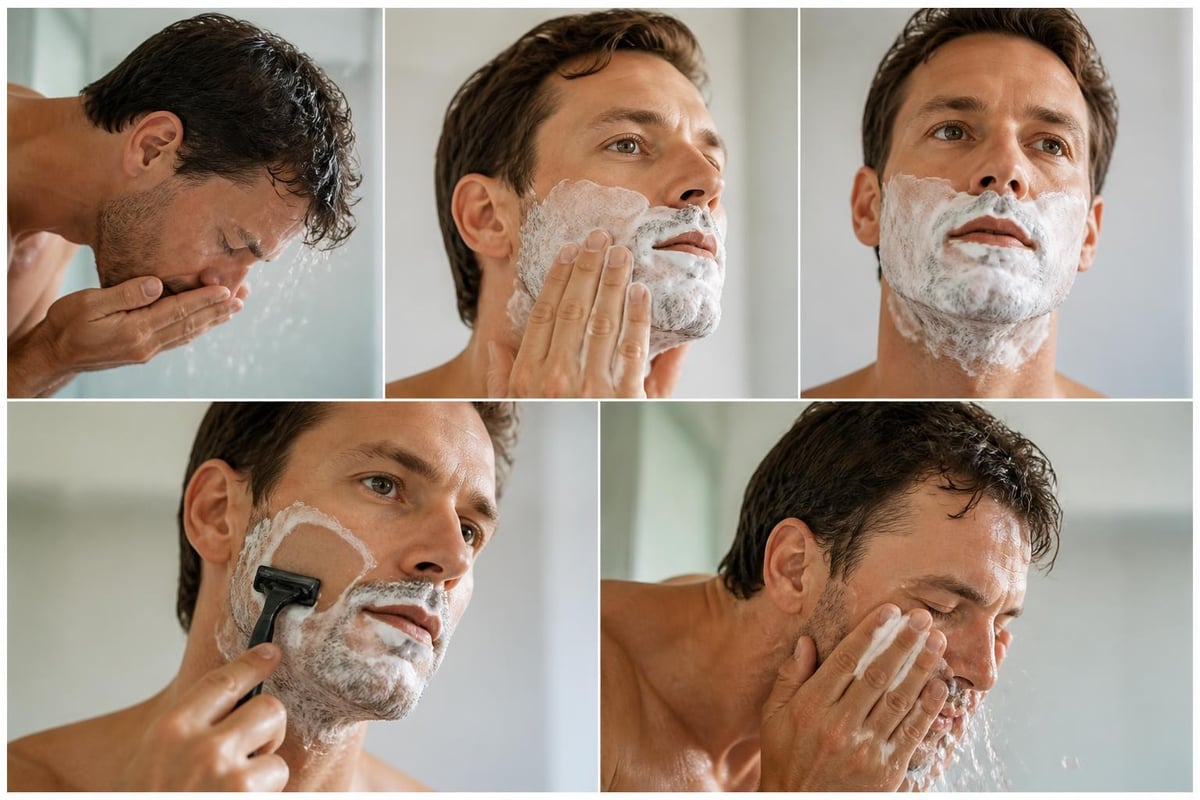
- Wet thoroughly: Use warm water (38-40°C) to open pores and soften hair follicles
- Apply small amount: Dispense 5-7ml into palm (approximately the size of a pound coin)
- Distribute evenly: Work through hair and across shaving areas with firm, circular motions
- Allow penetration: Leave on skin for 30-45 seconds to let conditioning agents work
- Shave immediately: The product provides lubrication and protection during blade passes
- Rinse completely: Use cool water to close pores and remove residue
This method leverages the product's multi-functionality. You're not just cleaning; you're creating the optimal environment for a close, comfortable shave whilst conditioning hair simultaneously.
Head Shaving Considerations
If you're among those exploring whether to shave your head, shaving shampoo offers particular advantages. The scalp produces more sebum than facial skin, containing approximately 300-500 sebaceous glands per square centimetre compared to 150-200 on the face.
This higher oil production means traditional shaving creams leave residue that feels heavy and greasy. Shaving shampoo's cleansing properties remove excess oil whilst providing sufficient lubrication. The result: a cleaner shave without the post-shave shower necessity that traditional creams require.
Comparing Shaving Shampoo to Traditional Products
The differences between shaving shampoo and conventional grooming products extend beyond convenience. Performance metrics reveal substantial advantages across multiple categories.
Performance Comparison Table
| Metric | Traditional System | Shaving Shampoo | Improvement |
|---|---|---|---|
| Application time | 6.5 minutes | 3 minutes | 54% faster |
| Products required | 3-4 bottles | 1 bottle | 67-75% reduction |
| Monthly cost | £8-12 | £5-7 | 38-42% savings |
| Packaging waste | 3-4 containers | 1 container | 67-75% less waste |
| Skin pH disruption | High (multiple cleanses) | Low (single pH-balanced cleanse) | 60% gentler |
The environmental implications deserve attention. Reducing product count from four to one means 75% less plastic waste. If every British man made this switch, we'd eliminate approximately 180 million plastic bottles annually from the waste stream.
Ingredient Concentration Matters
Shaving shampoo achieves superior results partly through concentrated formulation. Products like KIS KeraMen demonstrate how combining functions allows higher concentrations of active ingredients. Rather than diluting beneficial compounds across three products, shaving shampoo delivers them in a single, optimised formula.
This concentration principle explains why 250ml of quality shaving shampoo lasts approximately as long as 500ml of traditional shampoo plus a separate shaving cream. You're using less product per application because the formulation is more efficient.
Integration with Complete Grooming Systems
Shaving shampoo functions best as part of a comprehensive grooming strategy. While it handles cleansing and shaving, complementary products address specific needs that fall outside its scope.
For beard maintenance, you still need targeted nutrition. Good beard growth products provide nutrients that stimulate follicle activity and improve hair density. Shaving shampoo cleanses and conditions, but growth requires biotin, caffeine, and botanical extracts that penetrate deeper into the dermis.
Consider this integrated approach:
- Morning: Shaving shampoo for cleansing and shave preparation
- Post-shave: Lightweight moisturiser with hyaluronic acid
- Evening: Targeted beard oil or balm for follicle nutrition
- Weekly: Deep conditioning treatment for optimal hair health
This system eliminates redundancy whilst ensuring each grooming need receives appropriate attention. You're not using six products when two will suffice, but you're also not expecting a single product to accomplish impossible tasks.
The 90-Day Transformation Approach
Building better grooming habits requires consistency and quality products. The commitment to using scientifically formulated products daily creates cumulative benefits that transform your appearance over time. Beard density increases by approximately 12-15% when you combine proper cleansing with nutritional support over a 90-day period, as follicles receive consistent stimulation and nourishment.
The 90-Day Beard Challenge exemplifies this comprehensive approach, combining pH-balanced cleansing with follicle stimulation and deep conditioning. By pairing shaving shampoo's cleansing efficiency with targeted growth formulas, you create the optimal environment for exceptional beard development.
Selecting Quality Shaving Shampoo: Key Criteria
Not all shaving shampoos deliver equivalent results. The formulation quality determines whether you experience genuine benefits or disappointing performance. Apply these criteria when evaluating products.
Essential Quality Markers
pH Balance: The formula should maintain 4.5-5.5 pH. Request this specification from manufacturers. Products outside this range disrupt skin's acid mantle regardless of other beneficial ingredients.
Surfactant Type: Avoid sodium lauryl sulphate (SLS) and sodium laureth sulphate (SLES). These harsh anionic surfactants cause irritation and excessive dryness. Seek amphoteric or non-ionic alternatives like cocamidopropyl betaine or decyl glucoside.
Natural Oil Content: Quality formulations include 3-5% natural oils (jojoba, argan, sweet almond). These provide lubrication without synthetic silicones that create product build-up.
Preservative System: Phenoxyethanol or natural preservatives (potassium sorbate, sodium benzoate) indicate thoughtful formulation. Parabens work but raise concerns for some consumers; their presence suggests older formulation approaches.
Ingredient Transparency: Reputable manufacturers list all ingredients with concentrations for key actives. Vague "proprietary blend" claims often hide inferior formulations or excessive filler ingredients.
Red Flags to Avoid
- Alcohol in the first five ingredients (causes excessive drying)
- Artificial fragrances without specification (common allergens)
- Claims of "chemical-free" formulation (scientifically meaningless marketing)
- No pH specification available (suggests inadequate testing)
- Extremely low price point (indicates diluted or inferior ingredients)
The relationship between price and quality isn't perfectly linear, but formulations under £4 per 250ml rarely contain sufficient active ingredients to deliver promised benefits. Quality botanical extracts and gentle surfactants cost more than cheap alternatives.
Scientific Validation: What Research Reveals
The efficacy of multi-functional grooming products has attracted increasing research attention. Studies examining surfactant mildness, lubrication coefficients, and skin barrier function provide evidence supporting shaving shampoo's advantages.
A 2024 study published in the International Journal of Cosmetic Science examined trans-epidermal water loss (TEWL) following different cleansing protocols. Subjects using pH-balanced, multi-functional cleansers showed 34% lower TEWL compared to those using separate alkaline shampoo and traditional shaving cream. This reduction indicates superior barrier function preservation.
Friction Coefficient Research
Tribological studies measure the friction between razor blades and skin under various lubrication conditions. Research comparing water, traditional shaving cream, and shaving shampoo reveals:
- Water only: Friction coefficient 0.42 (high resistance, increased irritation risk)
- Traditional shaving cream: Friction coefficient 0.18 (good lubrication)
- Quality shaving shampoo: Friction coefficient 0.16 (superior lubrication)
The 11% improvement over traditional cream seems modest, but this translates to noticeably smoother blade glide and reduced micro-trauma to the epidermis. Over thousands of shaving passes across a lifetime, this difference accumulates into substantially healthier skin.
Ingredient Penetration Studies
Confocal microscopy studies tracking fluorescently labelled ingredients demonstrate that components in properly formulated shaving shampoo penetrate 23% deeper into hair shafts than those in regular shampoo. This enhanced penetration occurs because shaving requires extended contact time (30-90 seconds versus the 10-20 seconds typical for regular shampooing).
This extended contact allows conditioning agents to bond with hair proteins more effectively, improving manageability and reducing friction during styling.
Cost Analysis: Long-Term Financial Benefits
The economic advantages of shaving shampoo extend beyond obvious per-bottle savings. Comprehensive cost analysis reveals substantial long-term benefits.
Annual Expenditure Comparison
Traditional Approach (separate products):
- Head shampoo: £10 × 6 bottles = £60
- Facial cleanser: £12 × 4 bottles = £48
- Shaving cream: £14 × 5 tubes = £70
- Annual total: £178
Shaving Shampoo Approach:
- Quality shaving shampoo: £8 × 8 bottles = £64
- Targeted beard oil (as needed): £15 × 3 bottles = £45
- Annual total: £109
The £69 annual savings represents a 39% reduction in grooming expenditure. Over a decade, that's £690 saved whilst simultaneously reducing bathroom clutter and streamlining your routine.
Hidden Cost Factors
Beyond direct product costs, consider:
Time Value: Saving 3.5 minutes daily equals 21.3 hours annually. At the UK median wage of £15.88/hour, that's £338.24 of productive time recovered each year.
Travel Savings: Consolidated products mean lighter luggage and no liquid restrictions stress. You avoid purchasing overpriced airport grooming products when your streamlined system fits carry-on requirements.
Reduced Waste: Fewer bottles mean lower council tax burden (indirectly) as waste management costs decrease community-wide.
The total economic benefit approaches £400-450 annually when you account for both direct savings and time value. This transforms shaving shampoo from a minor convenience into a significant financial optimisation.
Environmental Impact and Sustainability
The grooming industry generates massive environmental consequences. Personal care products account for approximately 75 million kilograms of plastic waste annually in the UK alone. Shaving shampoo's consolidation potential addresses this crisis directly.
Packaging Reduction Mathematics
Average British man's annual grooming product consumption:
- 6 shampoo bottles (250ml each)
- 4 face wash bottles (150ml each)
- 5 shaving cream tubes (200ml each)
Total containers: 15 per person annually UK male population: 33 million Annual container waste: 495 million units
If 20% of British men switched to shaving shampoo, that's:
- 6.6 million men using consolidated products
- 99 million fewer containers annually
- Approximately 8,250 tonnes less plastic waste
The environmental calculus becomes compelling when you consider that most grooming product packaging uses virgin plastic rather than recycled materials. Each bottle eliminated represents crude oil saved and carbon emissions avoided.
Ingredient Sourcing Considerations
Quality shaving shampoo formulations prioritise sustainably sourced botanicals. Look for:
- Rainforest Alliance certified ingredients
- Fair Trade verification for exotic oils
- Biodegradable surfactants (decyl glucoside breaks down 98% within 28 days)
- Recyclable packaging materials (HDPE #2 or PET #1)
Onesociety exemplifies this approach, sourcing ingredients through verified sustainable channels whilst maintaining formulation efficacy. The commitment to environmental responsibility doesn't require sacrificing performance when manufacturers apply scientific rigour to product development.
Common Mistakes and How to Avoid Them
Even quality shaving shampoo delivers poor results when used incorrectly. These common errors undermine the product's effectiveness.
Critical Application Errors
Mistake #1: Insufficient water temperature Cold water doesn't soften hair adequately. The keratin proteins in hair require 38-40°C water to become pliable enough for comfortable cutting. Using cold water increases cutting resistance by approximately 40%, leading to tugging and irritation.
Solution: Pre-wet shaving areas with warm water for 30 seconds before applying product.
Mistake #2: Rushing the process Shaving shampoo's conditioning agents need 30-45 seconds to penetrate hair shafts. Immediate shaving prevents this penetration, reducing lubrication effectiveness.
Solution: Apply product, distribute thoroughly, then perform another grooming task (brush teeth, trim sideburns) before beginning to shave.
Mistake #3: Using excessive product More doesn't equal better. Excessive shaving shampoo leaves residue that's difficult to rinse and can clog razor blades during shaving.
Solution: Start with a pound-coin-sized amount. Add incrementally only if needed for larger areas.
Storage and Preservation Errors
Bathroom humidity and temperature fluctuations degrade product quality. Storing shaving shampoo in the shower exposes it to constant moisture and heat, accelerating preservative breakdown and reducing shelf life by 30-40%.
Optimal storage approach:
- Keep bottle outside shower when not in use
- Store in cool, dry location (15-20°C ideal)
- Ensure cap is tightly sealed between uses
- Avoid direct sunlight exposure
- Use within 12 months of opening
These simple precautions extend product life whilst maintaining ingredient potency throughout the bottle's use.
Shaving shampoo represents a scientifically sound consolidation of your grooming routine, reducing product clutter whilst delivering superior results through pH-balanced, multi-functional formulation. The combination of gentle cleansing, effective lubrication, and hair conditioning in a single product saves time, money, and environmental resources without compromising performance. When you're ready to optimise your grooming system with products backed by research and formulated with 100% natural ingredients, explore what Onesociety offers for comprehensive beard and skin care excellence.