

The shift toward natural hair products for men isn't a trend driven by marketing hype. It's a response to the harsh reality that synthetic sulphates strip sebum from your scalp, synthetic silicones create buildup that suffocates follicles, and parabens disrupt hormone function. Your scalp's microbiome-the ecosystem of bacteria that regulates oil production and inflammation-requires gentle, plant-derived ingredients to maintain equilibrium. When you switch to natural formulations, you're not just avoiding chemicals. You're providing your scalp with bioactive compounds that reduce inflammation, regulate sebaceous glands, and deliver nutrients directly to hair follicles.
The Problem: Synthetic Ingredients Damage Hair at the Follicle Level
Most conventional hair products contain sodium lauryl sulphate (SLS), a detergent so aggressive it's used in industrial cleaning. When applied to your scalp, SLS dissolves the lipid barrier-your skin's natural protective layer-causing dryness, irritation, and increased sebum production as your body overcompensates.
Parabens, used as preservatives, mimic oestrogen in your body. Research published in studies on natural alternatives to conventional treatments demonstrates how hormonal disruption affects hair growth cycles, particularly in men experiencing androgenetic alopecia.
How Synthetic Silicones Create Long-Term Damage
Dimethicone and similar silicones coat hair shafts, creating an artificial shine. The problem? This coating prevents moisture from penetrating the cortex-the inner layer of your hair that determines strength and elasticity.
The cascading effects include:
- Blocked follicles leading to thinning hair
- Accumulation requiring harsh clarifying shampoos
- Increased breakage as hair becomes brittle
- Reduced effectiveness of beneficial treatments
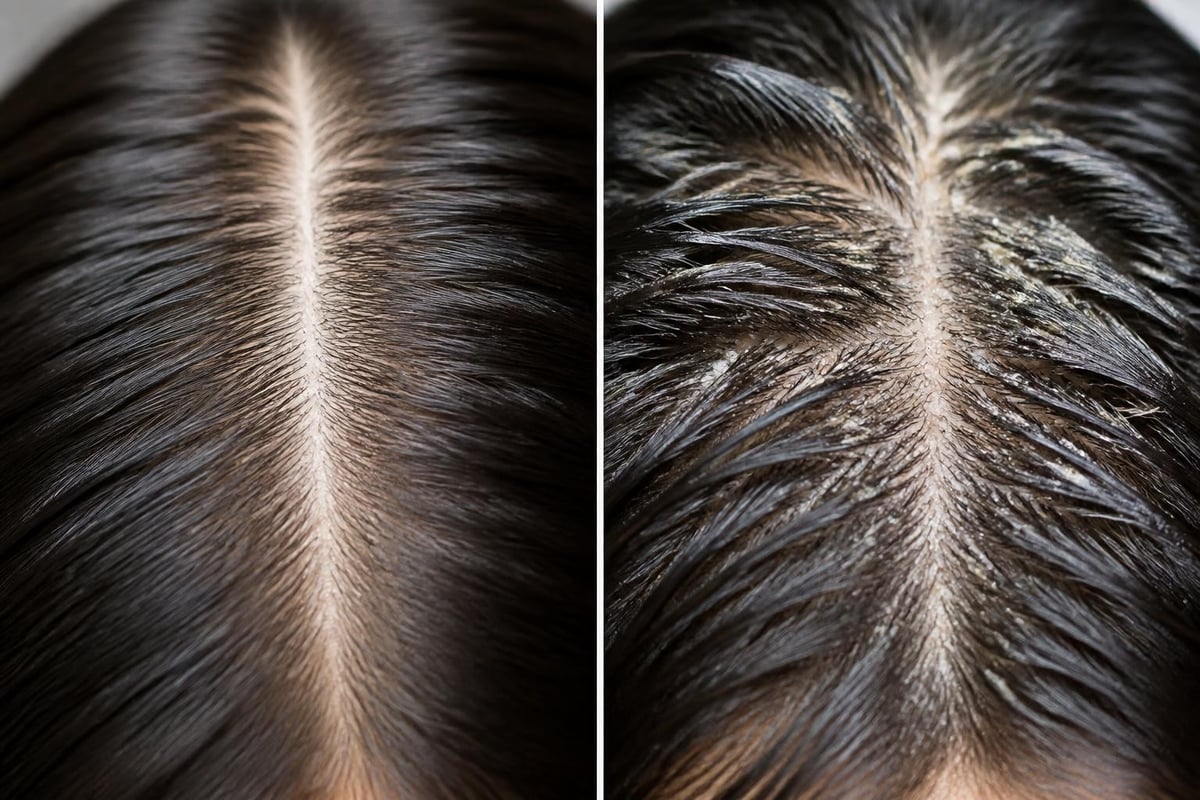
The Agitation: Your Scalp's Ecosystem Is Under Attack
Every time you lather conventional shampoo, you're disrupting millions of beneficial bacteria on your scalp. These microorganisms regulate inflammation, produce antimicrobial compounds, and maintain pH balance. Natural grooming practices preserve this delicate ecosystem rather than decimating it.
Consider what happens during a typical wash cycle with synthetic products:
- SLS dissolves the acid mantle (pH 4.5-5.5 protective layer)
- Scalp pH rises to alkaline levels (7.0+)
- Opportunistic bacteria colonise, causing inflammation
- Sebaceous glands produce excess oil to compensate
- You wash more frequently, perpetuating the cycle
The Hidden Cost of Fragrance Chemicals
Synthetic fragrances contain phthalates-endocrine disruptors linked to reproductive issues. These chemicals also trigger contact dermatitis in up to 15% of men, according to dermatological research. Natural hair products for men use essential oils that provide scent through therapeutic compounds like limonene and linalool, which possess antimicrobial properties.
Why fragrance-free isn't always better:
- Essential oils deliver actual benefits beyond scent
- Tea tree oil reduces scalp inflammation through terpinen-4-ol
- Peppermint oil increases blood flow via menthol's vasodilating effect
- Cedarwood oil balances sebum through sesquiterpenes
Your scalp doesn't just tolerate these compounds-it utilises them for cellular repair and regeneration.
The Solution: Natural Ingredients That Address Root Causes
Natural hair products for men work because they contain bioactive compounds that solve specific physiological problems. Let's examine the mechanisms behind the most effective ingredients.
Saw Palmetto: DHT Inhibition Through Beta-Sitosterol
Dihydrotestosterone (DHT) binds to androgen receptors in hair follicles, causing miniaturisation. Saw palmetto contains beta-sitosterol, which competitively inhibits 5-alpha-reductase-the enzyme that converts testosterone to DHT. Clinical trials demonstrate up to 60% reduction in DHT levels when applied topically.
| Ingredient | Active Compound | Mechanism | Clinical Evidence |
|---|---|---|---|
| Saw Palmetto | Beta-sitosterol | 5-alpha-reductase inhibition | 60% DHT reduction |
| Rosemary Oil | Carnosic acid | Increased scalp circulation | Comparable to minoxidil 2% |
| Biotin | Vitamin B7 | Keratin synthesis support | Reduces hair loss in deficient individuals |
| Argan Oil | Vitamin E, fatty acids | Antioxidant protection | Strengthens hair shaft by 12% |
Essential Fatty Acids: Rebuilding the Lipid Barrier
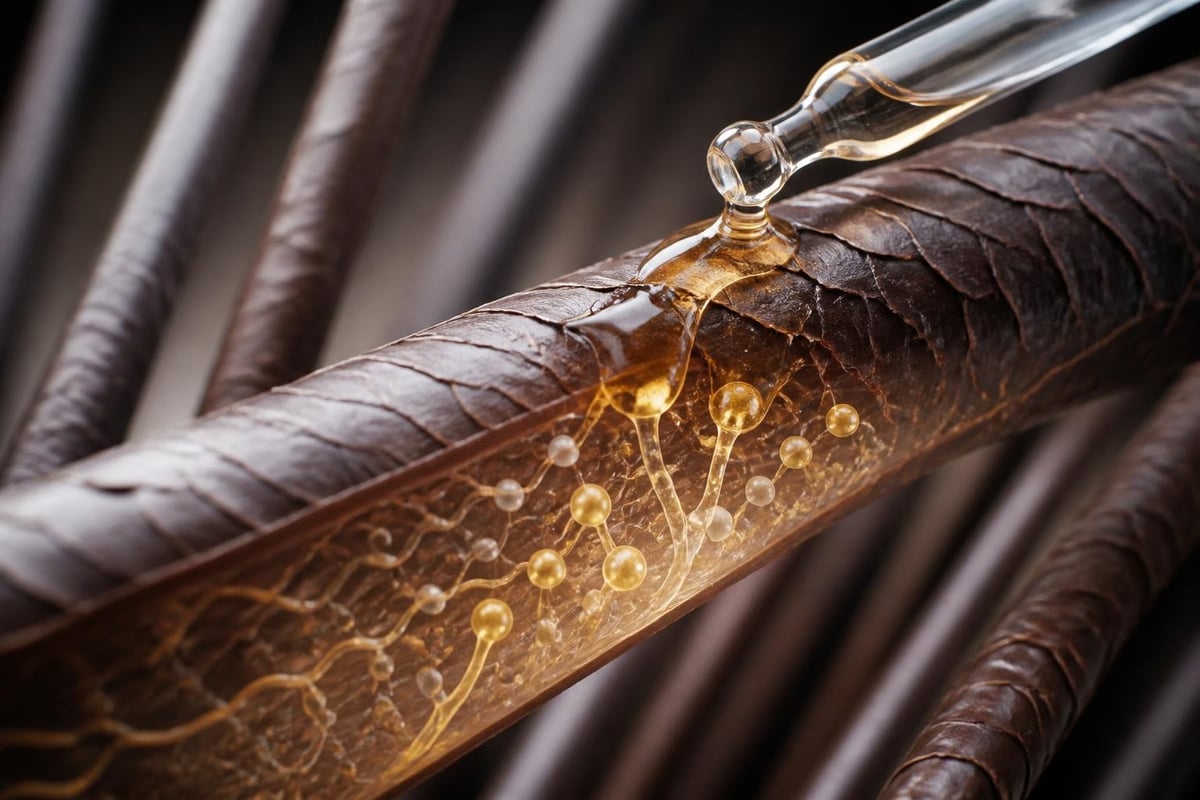
Your scalp's barrier function depends on ceramides and fatty acids. Argan oil contains 80% unsaturated fatty acids-primarily oleic acid (omega-9) and linoleic acid (omega-6). These penetrate the hair cuticle, filling gaps in the protein structure caused by mechanical damage and environmental stressors.
When you apply natural oils, you're not coating hair-you're repairing it at the molecular level. The fatty acids bond with keratin proteins through hydrogen bonding, increasing tensile strength by up to 15%.
Identifying High-Quality Natural Hair Products for Men
Not all "natural" products deliver results. Many brands use greenwashing tactics-small amounts of plant extracts diluted in synthetic bases. Here's how to evaluate formulations scientifically.
Concentration Matters: Understanding INCI Lists
Ingredients appear in descending order by weight. If water, then SLS appear first, followed by a botanical extract at position 15, that extract comprises less than 1% of the formula. Effective natural hair products for men list active ingredients within the first five positions.
Red flags on ingredient labels:
- "-paraben" suffixes (methylparaben, propylparaben)
- Numbers indicating synthetic dyes (Yellow 5, Red 40)
- "Fragrance" or "Parfum" (hiding phthalates)
- PEG compounds (polyethylene glycol derivatives)
Carrier Oil Selection: Matching Molecular Weight to Hair Type
Different oils possess varying molecular structures, affecting penetration and effectiveness. Choosing the best carrier oil requires understanding your hair porosity and scalp condition.
Light oils (absorb quickly):
- Jojoba: Mimics sebum, regulates oil production
- Grapeseed: High in linoleic acid, reduces inflammation
- Argan: Rich in vitamin E, protects against oxidative stress
Heavy oils (intensive treatment):
- Castor: Ricinoleic acid increases follicle circulation
- Coconut: Lauric acid penetrates hair shaft completely
- Shea butter: Cinnamic acid provides UV protection
Fine hair requires light oils that won't weigh down strands. Thick, coarse hair benefits from heavier oils that provide deep moisture and structural support.
Building an Effective Natural Hair Care Routine
Consistency delivers results. Your hair growth cycle operates in three phases-anagen (growth), catagen (transition), and telogen (resting). Natural products optimise each phase by reducing inflammation and providing nutrients for keratin synthesis.
Morning Routine: Scalp Stimulation and Protection
- Rinse with cool water to tighten cuticles and improve circulation
- Apply a light natural oil (jojoba or argan) to damp hair
- Massage scalp for 2-3 minutes to increase blood flow by 30%
- Style with natural products containing plant-based hold agents
The massage step is critical. Mechanical stimulation activates dermal papilla cells-specialised fibroblasts that regulate hair follicle cycling. Studies show that scalp massage increases hair thickness through stretch-induced gene expression.
Evening Routine: Deep Treatment and Recovery
Night-time represents your hair's repair phase. Growth hormone peaks during deep sleep, driving cellular regeneration. Support this process with targeted treatments.
Weekly treatment protocol:
- Pre-shampoo oil treatment (30 minutes before washing)
- pH-balanced natural shampoo focusing on scalp
- Natural conditioner applied mid-shaft to ends
- Leave-in treatment with biotin and saw palmetto
Understanding the importance of proper beard washing techniques translates directly to scalp care. Both require gentle cleansing that preserves natural oils whilst removing debris and dead skin cells.
The Science Behind Onesociety's Natural Formulations
Effective natural hair products for men require more than just plant extracts. They need precise concentrations of active compounds, optimal pH levels, and synergistic ingredient combinations.
Consider a comprehensive approach to hair and facial hair health. The same principles that strengthen your scalp follicles apply to beard growth. When you commit to a structured 90-day transformation programme, you're allowing your hair growth cycle to complete a full anagen phase whilst providing consistent nutritional support.
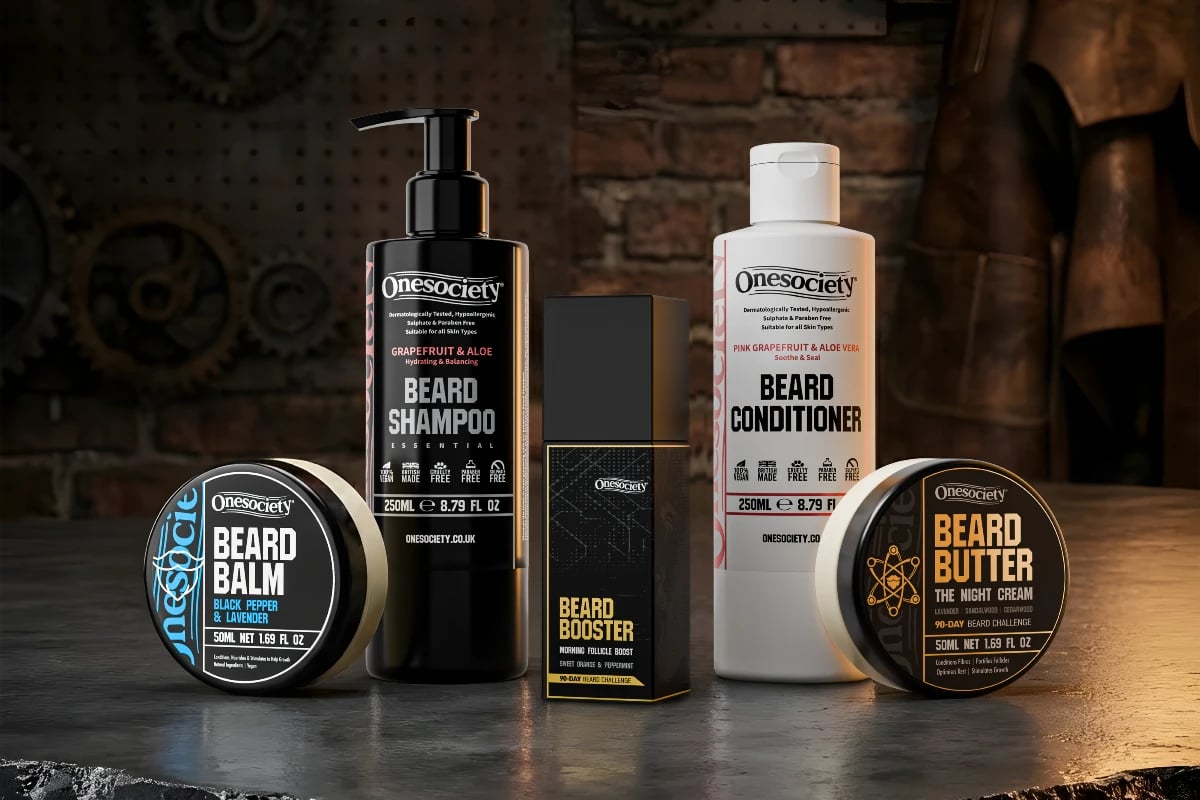
The 90-Day Beard Challenge addresses the complete spectrum of hair care needs through eight scientifically formulated products. From follicle ignition via increased blood flow to hydration-locking balms that protect against environmental damage, each component serves a specific biological function. The Beard Booster alone contains saw palmetto extract at concentrations proven to inhibit DHT, whilst the pH-balanced shampoo maintains your scalp's protective acid mantle.
Active Ingredient Synergy: Why Combinations Outperform Single Compounds
Individual ingredients provide benefits, but strategic combinations multiply effectiveness through complementary mechanisms.
Synergistic pairings in natural formulations:
| Primary Ingredient | Synergistic Partner | Combined Effect |
|---|---|---|
| Biotin | Keratin peptides | Enhanced protein synthesis, 40% stronger hair |
| Rosemary oil | Caffeine | Dual-action circulation boost, 25% increased growth |
| Tea tree oil | Aloe vera | Antimicrobial + soothing, eliminates inflammation |
| Argan oil | Vitamin E | Antioxidant protection, prevents oxidative damage |
Research from Barber Surgeons Guild confirms that multi-ingredient natural formulations outperform isolated compounds by addressing multiple hair health factors simultaneously.
Understanding Your Hair's Nutritional Requirements
Your hair consists of 95% keratin-a protein formed from 18 amino acids. When dietary protein intake drops below 0.8g per kilogram of body weight, your body prioritises vital organs over hair growth, triggering telogen effluvium (excessive shedding).
Topical Nutrient Delivery: Bypassing Digestive Absorption
Oral supplements face bioavailability challenges-digestive enzymes break down compounds, liver metabolism converts active forms, and only a fraction reaches hair follicles. Natural hair products for men deliver nutrients directly to the scalp, achieving higher local concentrations.
Key nutrients for follicle health:
- Biotin (Vitamin B7): Cofactor for keratin synthesis enzymes
- Niacin (Vitamin B3): Dilates blood vessels, increasing nutrient delivery
- Panthenol (Vitamin B5): Penetrates hair shaft, increases moisture retention
- Zinc: Regulates sebaceous gland function, prevents dandruff
When combined with proper techniques like maintaining scalp cleanliness, these nutrients optimise follicle function and hair quality.
Seasonal Adjustments for Natural Hair Care
Your hair's needs change with environmental conditions. Winter's low humidity and indoor heating extract moisture from hair shafts, whilst summer's UV radiation degrades keratin proteins through oxidative stress.
Winter Protocol: Maximum Moisture Retention
Cold air holds less moisture, creating a humidity gradient that pulls water from your hair. Combat this through occlusive ingredients that seal the cuticle.
- Switch to heavier oils (avocado, shea butter)
- Reduce washing frequency to preserve sebum
- Apply leave-in treatments before exposure to cold
- Use a humidifier to maintain 40-50% indoor humidity
Summer Protocol: UV Protection and Clarification
Ultraviolet radiation generates free radicals that oxidise keratin's cysteine residues, breaking disulphide bonds. Natural antioxidants neutralise these radicals before damage occurs.
Protective ingredients for summer:
- Green tea extract: EGCG polyphenols scavenge free radicals
- Vitamin C: Regenerates oxidised vitamin E
- Zinc oxide: Physical UV blocker for scalp
- Coconut oil: Provides SPF 4-5 protection naturally
Addressing Specific Hair Concerns With Natural Solutions
Different hair challenges require targeted approaches. Generic products fail because they don't address your specific scalp chemistry and hair structure.
Thinning Hair: Stimulating Dormant Follicles
Hair miniaturisation occurs when follicles shrink, producing progressively finer shafts. Natural DHT blockers reactivate these follicles by removing the hormonal suppression.
Evidence-based natural treatments:
- Rosemary oil: Matches minoxidil 2% effectiveness in 6-month trials
- Pumpkin seed oil: Increases hair count by 40% in 24 weeks
- Caffeine solution: Stimulates follicles for 24 hours after 2-minute exposure
- Saw palmetto: Reduces DHT by 32% when applied daily
Studies available through scientific hair growth research confirm these mechanisms through peer-reviewed clinical trials.
Dry, Brittle Hair: Restoring Moisture Balance
Damaged cuticles cannot retain moisture. Protein treatments temporarily fill gaps, but lipid-based natural products repair the actual structure.
Apply this three-step repair process:
- Protein treatment: Hydrolysed wheat protein bonds to damaged areas
- Moisture infusion: Hyaluronic acid attracts 1000x its weight in water
- Sealing: Plant oils lock moisture inside the cortex
Oily Scalp: Regulating Sebum Production
Excess oil stems from sebaceous gland hyperactivity, often triggered by harsh cleansing that strips natural oils. Your scalp compensates by producing even more sebum-a vicious cycle.
Natural hair products for men containing jojoba oil break this pattern. Jojoba's molecular structure closely resembles human sebum, signalling your glands to reduce production. Clinical observations show 20-30% reduction in oiliness within two weeks.
The Environmental Impact of Natural Versus Synthetic Products
Beyond personal health, natural hair products for men reduce environmental damage. Synthetic ingredients persist in waterways, disrupting aquatic ecosystems and accumulating in fish tissue.
Environmental comparison:
| Factor | Synthetic Products | Natural Products |
|---|---|---|
| Biodegradation | 50-100+ years | 28-90 days |
| Aquatic toxicity | High (bioaccumulative) | Low (breaks down naturally) |
| Production emissions | Petroleum-based (high carbon) | Plant-based (carbon-neutral) |
| Packaging waste | Often non-recyclable | Typically recyclable/compostable |
When you choose natural formulations, you support sustainable agriculture and reduce microplastic pollution from synthetic polymers.
Quality Control: What to Demand From Natural Hair Product Manufacturers
Premium natural hair products for men undergo rigorous testing for potency, purity, and stability. Demand transparency from brands through these verification methods.
Third-Party Testing and Certifications
Essential certifications to look for:
- Soil Association Organic: Verifies 95%+ organic ingredients
- Leaping Bunny: Confirms no animal testing at any stage
- B Corporation: Validates ethical business practices
- ISO 9001: Ensures consistent quality management
Brands that invest in certification demonstrate commitment to standards beyond regulatory minimums. Exploring what makes a good beard involves understanding quality standards that apply equally to scalp hair products.
Shelf Life and Preservation Methods
Natural products lack synthetic preservatives, requiring alternative preservation strategies. Look for:
- Antioxidants: Vitamin E, rosemary extract prevent rancidity
- Natural preservatives: Potassium sorbate, sodium benzoate (food-grade)
- Airless pump packaging: Prevents oxidation exposure
- Dark glass bottles: Block UV degradation
Products should list production dates and best-before periods. Natural oils typically remain effective for 12-18 months when properly stored.
Transitioning From Synthetic to Natural: What to Expect
Your scalp requires an adjustment period when switching to natural hair products for men. This transition isn't comfortable, but understanding the process prevents premature abandonment.
The Detox Phase: Weeks 1-3
Your scalp has adapted to synthetic inputs. It over-produces oil to compensate for stripping cleansers and under-functions where silicones provided artificial smoothness.
Expected transition effects:
- Increased oiliness as sebum production normalises
- Hair feeling different (less "slippery" without silicones)
- Potential temporary increase in shedding
- Adjustment to new textures and scents
Persist through this phase. Your scalp's microbiome is re-establishing equilibrium. By week four, oil production stabilises, and hair texture improves noticeably.
The Improvement Phase: Weeks 4-12
Natural ingredients accumulate benefits over time. Unlike synthetic products that provide instant cosmetic effects, natural formulations create lasting structural improvements.
Track your progress through:
- Weekly photographs in consistent lighting
- Measuring hair diameter with a micrometer
- Noting reduced breakage in brushes and pillowcases
- Assessing scalp comfort and reduced itching
Most men report optimal results between weeks 8-12 as hair completes a full growth cycle with proper nutritional support.
Natural hair products for men deliver results by addressing the biological mechanisms that govern hair health-from reducing inflammation to providing follicles with nutrients for optimal keratin synthesis. When you choose formulations backed by scientific research and free from synthetic chemicals, you're investing in long-term hair quality rather than temporary cosmetic fixes. Onesociety combines rigorous scientific principles with 100% natural ingredients to create products that transform your hair and beard health from the follicle level up, delivering measurable results you can see and feel.