

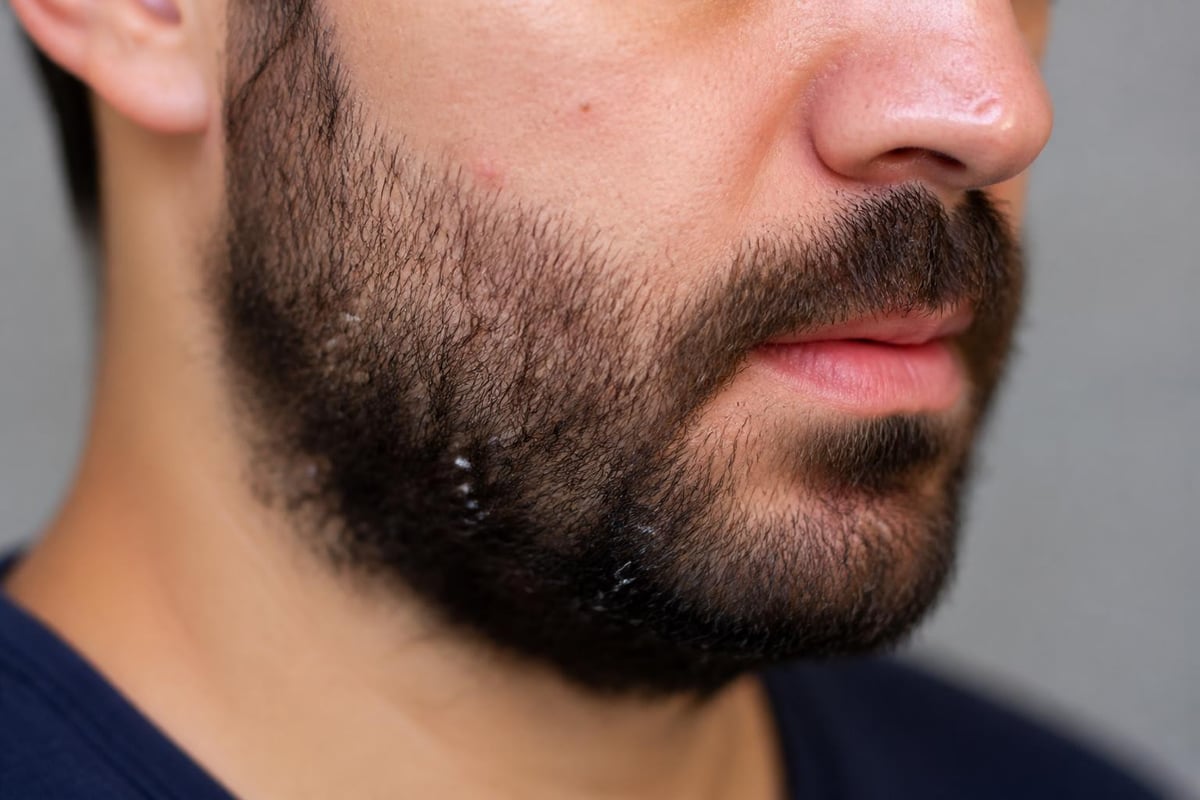
You've noticed them. Those telltale white specks scattered across your dark shirt, the constant itch that makes you scratch your jawline during meetings, the uncomfortable realisation that your beard harbours a secret: flakes. If you're battling flakes under beard areas, you're facing one of the most common-yet frustrating-grooming challenges that affects roughly half of all bearded men at some point. The condition doesn't just impact your appearance; it signals underlying skin health issues that demand attention. Whether you call it beard dandruff, seborrheic dermatitis, or simply "those annoying flakes," the science behind this condition reveals exactly why it happens and, more importantly, how to eliminate it for good.
The Biological Reality Behind Flakes Under Beard
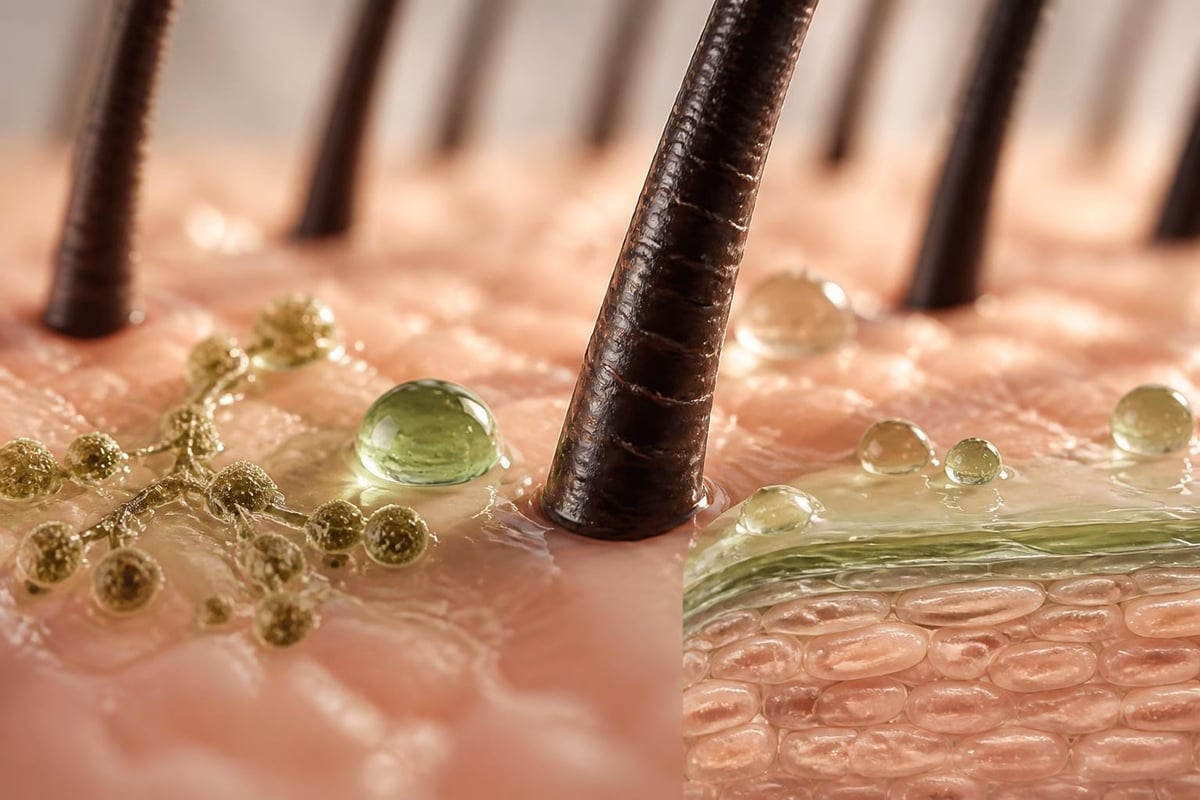
Understanding why flakes under beard occur starts with examining the unique ecosystem living on your skin. Your facial hair creates a warm, moist environment that dramatically differs from your scalp. This microclimate encourages the overgrowth of Malassezia, a naturally occurring yeast that feeds on sebum-the oily substance your sebaceous glands produce.
When Malassezia populations explode, they trigger an inflammatory response. Your skin accelerates its cell turnover, shedding dead cells faster than normal. According to research published in PubMed Central, this yeast metabolises lipids in sebum, producing oleic acid that penetrates the skin barrier and causes irritation in susceptible individuals.
Three Primary Triggers You Need to Know
The science identifies specific conditions that transform mild beard flaking into a chronic problem:
- Sebum overproduction: Testosterone and dihydrotestosterone (DHT) stimulate sebaceous glands, particularly in beard zones. Higher oil output feeds more yeast.
- Compromised skin barrier: Cold weather, harsh cleansers, and dehydration damage the stratum corneum, allowing irritants to penetrate whilst moisture escapes.
- Immune dysregulation: Individual inflammatory responses vary; some men's immune systems react aggressively to Malassezia metabolites, intensifying flaking.
The American Academy of Dermatology explains that seborrheic dermatitis-the clinical term for persistent flaking-thrives in areas rich in sebaceous glands: your beard, eyebrows, and scalp.
Why Traditional Solutions Fail (And What Actually Works)
Most men attack flakes under beard with the wrong tools. Regular shampoo strips natural oils, triggering rebound sebum production. Generic moisturisers sit on top of hair without penetrating to skin level. Over-washing creates a destructive cycle: dryness, irritation, more flakes.
The evidence-based approach requires targeting the root cause: yeast overgrowth and inflammation.
Active Ingredients That Target Flaking Mechanisms
| Active Ingredient | Biological Action | Evidence Level | Application Frequency |
|---|---|---|---|
| Ketoconazole 1-2% | Disrupts fungal cell membrane synthesis | High (multiple RCTs) | 2-3× weekly |
| Zinc pyrithione | Antifungal + cytostatic on skin cells | Moderate-High | Daily to 3× weekly |
| Salicylic acid | Keratolytic (dissolves scale bonds) | Moderate | 2-3× weekly |
| Tea tree oil | Terpinen-4-ol disrupts yeast metabolism | Moderate | Daily (diluted) |
The Canadian Dermatology Association confirms these ingredients reduce flaking by 50-90% when used consistently over 4-8 weeks.
Natural alternatives offer comparable results without synthetic antifungals. Jojoba oil chemically mimics sebum, tricking glands into reducing output. Argan oil delivers vitamin E and essential fatty acids that repair barrier function. Shea butter's triterpenes provide anti-inflammatory effects comparable to mild corticosteroids, according to dermatological studies.
The Washing Protocol That Restores Balance
Here's where most men sabotage their progress. The NHS guidance on dandruff recommends washing affected areas regularly but not excessively-typically 3-4 times weekly for beards.
Your step-by-step cleansing routine:
- Pre-wash oil treatment (2× weekly): Massage jojoba or argan oil into skin beneath beard. Leave 15-20 minutes. Oils dissolve sebum plugs and deliver fatty acids to skin.
- Targeted wash (3-4× weekly): Use pH-balanced, antifungal beard shampoo. Work into skin, not just hair. Leave 3-5 minutes for active ingredients to penetrate. Rinse thoroughly.
- Conditioning barrier repair (after each wash): Apply conditioner containing ceramides or natural butters. Focus on skin contact. Rinse after 2 minutes.
- Hydration lock (daily): Whilst beard is damp, apply balm or butter containing occlusive agents. This seals moisture against your skin.
Temperature matters. Hot water strips protective lipids. Luke-warm water opens pores without causing barrier damage.
The Natural Ingredient Arsenal: What Science Validates
If you prefer natural approaches to managing flakes under beard, specific botanical ingredients demonstrate measurable efficacy. The key lies in understanding their mechanisms.
Proven Natural Antifungals
Tea tree oil contains terpinen-4-ol, which research shows inhibits Malassezia growth at concentrations of 5% when properly diluted. Never apply pure tea tree oil-its antimicrobial strength causes contact dermatitis. Proper formulations blend tea tree with carrier oils at therapeutic concentrations.
Coconut oil's lauric acid and capric acid exhibit antifungal properties. A study comparing beard oil formulations found that coconut-based oils reduced scalp and beard flaking by 38% over four weeks.
Neem oil disrupts fungal reproduction through azadirachtin compounds. Whilst its odour challenges formulation, when combined with essential oils, neem delivers potent antifungal action.
Barrier-Restoring Compounds
Your skin barrier-the stratum corneum-functions as a brick-and-mortar structure. Skin cells are bricks; lipids are mortar. Flakes under beard signal mortar degradation.
Ceramides form 50% of the lipid matrix. Topical ceramide application (particularly ceramides 1, 3, and 6-II) restores barrier integrity within 7-14 days. Plant-derived ceramides from wheat germ and rice bran match synthetic versions in clinical trials.
Fatty acid profiles matter. Optimal ratios of oleic, linoleic, and palmitic acids reduce trans-epidermal water loss by 23-31%, according to cosmetic science research. Argan oil naturally provides this ratio.
Squalane-the stable form of squalene-penetrates deeply without oxidising. Human sebum contains squalene; supplementing it through topical products normalises sebum composition and reduces yeast substrate.
Lifestyle Factors That Amplify or Reduce Flaking
Your daily habits either feed the problem or starve it. The National Eczema Association emphasises that seborrheic dermatitis (the condition causing flakes under beard) responds dramatically to environmental and dietary modifications.
Environmental Controls
Central heating in British winters creates indoor humidity below 30%. Your skin requires 40-60% relative humidity to maintain barrier function. Low humidity increases transepidermal water loss by 300%, triggering compensatory sebum production-exactly what Malassezia thrives on.
Solutions that work:
- Run a humidifier in bedrooms (target 45-50% humidity)
- Reduce shower temperature to below 38°C
- Pat beard dry rather than rubbing (rubbing disrupts skin surface)
- Avoid touching your beard repeatedly (transfers bacteria, disrupts oils)
Dietary Influences on Sebum Chemistry
Emerging research links diet composition to sebum quality. High glycaemic-index foods spike insulin, which upregulates sebaceous gland activity. Refined carbohydrates, sugary drinks, and processed foods increase sebum production by 20-40% within hours of consumption.
Conversely, omega-3 fatty acids (from fatty fish, walnuts, flaxseed) alter sebum lipid profiles toward anti-inflammatory compositions. Zinc supplementation (15-30mg daily) reduces sebum secretion and supports immune function against Malassezia.
Vitamin D deficiency correlates with seborrheic dermatitis severity. Britain's limited sunlight from October through March means 40% of men have insufficient vitamin D. Supplementation (1000-2000 IU daily) or fortified foods improve outcomes in controlled studies.
The Complete Treatment Protocol: From Crisis to Clear
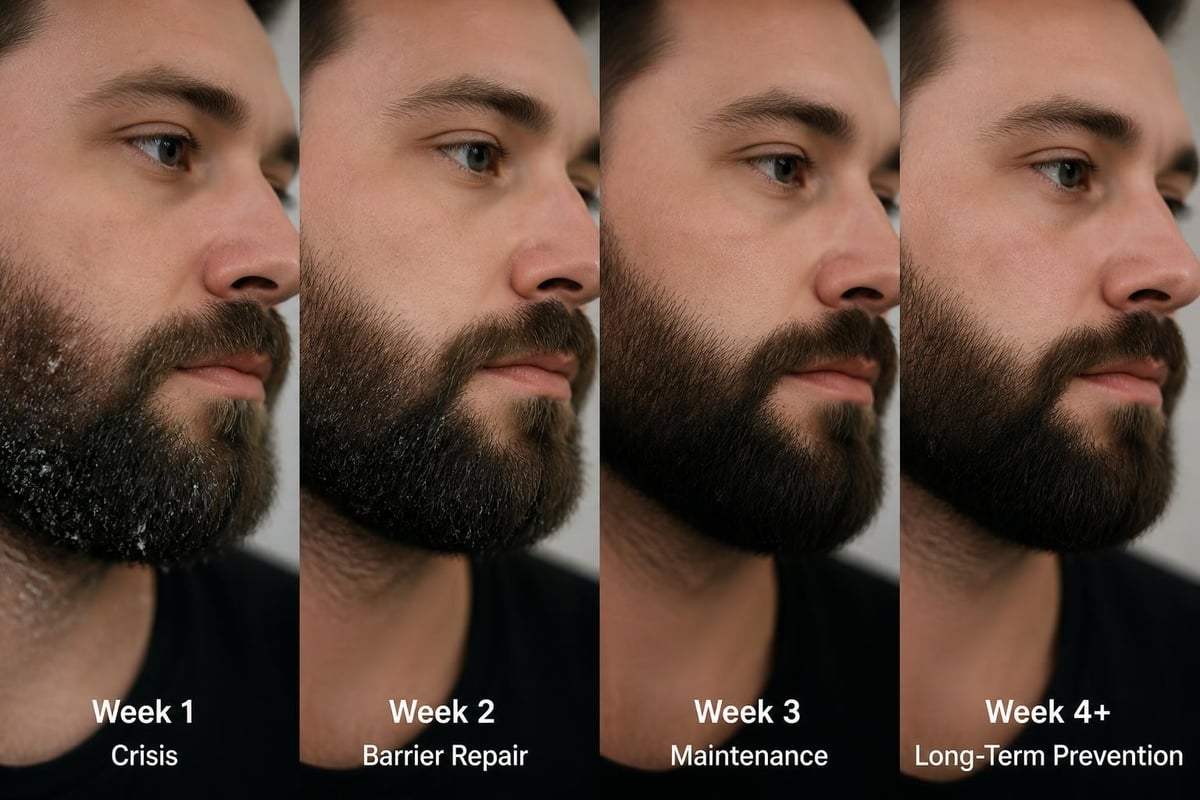
When you're battling active flakes under beard, this evidence-based protocol delivers results within 14-21 days.
Week 1-2: Crisis Management
Your immediate goal: reduce yeast population and calm inflammation.
Daily routine:
- Morning: Rinse beard with lukewarm water. Apply lightweight oil (jojoba or argan) to damp skin beneath beard.
- Midday: If itching occurs, apply small amount of balm to affected areas.
- Evening: Wash with antifungal shampoo containing ketoconazole or tea tree oil. Leave on skin 5 minutes. Rinse. Apply richer balm or butter whilst damp.
Supplement protocol:
- Omega-3: 1000mg EPA/DHA combined
- Zinc: 15-25mg (with food to prevent nausea)
- Vitamin D: 1000-2000 IU
- Probiotic: Strains containing Lactobacillus species support skin microbiome
Week 3-4: Barrier Reconstruction
Once active flaking reduces by 50-70%, shift focus to long-term barrier health.
Reduce antifungal washing to 3× weekly. Increase moisturising frequency. The American Academy of Dermatology's treatment guidance recommends maintaining antifungal treatment for 4-8 weeks even after visible improvement, preventing relapse.
Introduce weekly exfoliation using salicylic acid or gentle physical exfoliant. This removes accumulated dead cells without triggering inflammation. Apply exfoliant to damp skin, massage gently for 60 seconds, rinse thoroughly.
Long-Term Maintenance: Preventing Recurrence
Seborrheic dermatitis is chronic but manageable. Most men experience flare-ups during stress, illness, or seasonal transitions.
Your maintenance framework:
| Maintenance Activity | Frequency | Purpose |
|---|---|---|
| Antifungal wash | 1-2× weekly | Suppress yeast population |
| Moisturising balm/butter | Daily | Maintain barrier integrity |
| Targeted oil treatment | 2× weekly | Deliver therapeutic fatty acids |
| Gentle exfoliation | 1× weekly | Prevent cell accumulation |
| Diet optimization | Ongoing | Reduce inflammatory triggers |
When flakes under beard return, immediately restart the crisis protocol for 7-10 days before resuming maintenance.
Advanced Solutions for Persistent Cases
Roughly 15-20% of men experience flaking that resists over-the-counter treatments. This signals either severe seborrheic dermatitis, concurrent skin conditions, or treatment-resistant Malassezia strains.
The comprehensive review published in PubMed Central outlines when prescription intervention becomes necessary. Red flags include:
- Flaking persists after 8 weeks of consistent treatment
- Inflammation spreads beyond beard to scalp, eyebrows, or ears
- Skin develops thick, yellowish scales
- Oozing, crusting, or secondary infection appears
Prescription Options Your GP Might Recommend
Topical corticosteroids (hydrocortisone 1-2.5%) reduce inflammation rapidly but can't be used long-term on facial skin due to atrophy risk. Dermatologists prescribe them for 7-14 day courses during severe flare-ups.
Prescription-strength antifungals (ketoconazole 2%, ciclopirox 1%) deliver higher concentrations than over-the-counter products. These require monitoring for side effects but clear resistant cases within 4-6 weeks.
Calcineurin inhibitors (tacrolimus, pimecrolimus) offer steroid-free anti-inflammatory treatment suitable for long-term facial use. They modulate immune response without skin thinning.
The Onesociety Approach: Natural Science Meets Real Results
Addressing flakes under beard effectively requires products formulated around the biological mechanisms we've discussed. The challenge lies in finding formulations that deliver therapeutic concentrations of active natural ingredients whilst maintaining skin barrier health.
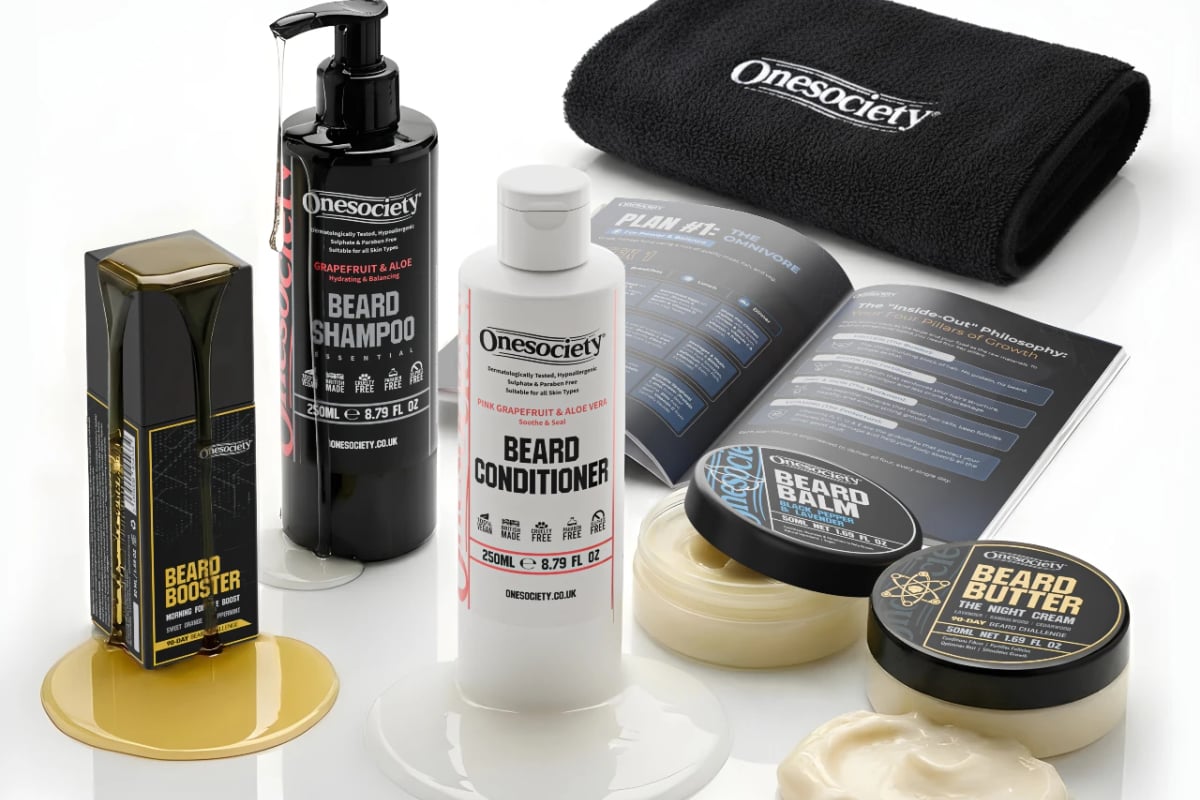
Onesociety's approach combines antifungal botanicals with barrier-restoring compounds. Their formulations address both Malassezia overgrowth and the inflammation it triggers. The 90-Day Beard Challenge packages a complete treatment system: Beard Booster stimulates follicles and improves blood flow, delivering nutrients to skin. Beard Butter provides overnight barrier repair with shea butter's anti-inflammatory triterpenes. The Hydro-Lock Balm seals moisture against skin throughout the day, preventing the dehydration that triggers compensatory sebum production.
Ingredient Synergies That Multiply Effectiveness
Single ingredients work. Synergistic combinations work exponentially better. Tea tree oil combined with jojoba oil delivers antifungal action whilst preventing the dryness that tea tree alone causes. Ceramides paired with squalane restore barrier structure faster than either compound alone.
The beard care items approach emphasises pH balance-maintaining skin's natural 4.5-5.5 pH prevents overgrowth of pathogenic organisms whilst supporting beneficial microflora.
Common Mistakes That Perpetuate the Problem
Even armed with knowledge, men sabotage their progress through these frequent errors:
Over-washing creates a vicious cycle. Daily shampooing strips protective sebum. Your glands respond by producing more oil within 6-8 hours. More oil feeds more yeast. More yeast creates more flakes. The solution: wash 3-4× weekly maximum, spot-treat with oil between washes.
Using body products on your beard. Regular soap's alkaline pH (9-10) disrupts your skin's acid mantle. This pH shift favours Malassezia growth. Body moisturisers contain occlusive silicones that trap sweat and sebum against skin-perfect fungal breeding grounds. Dedicated beard hair formulations respect facial skin's unique requirements.
Inconsistent treatment. Antifungal and anti-inflammatory ingredients require 4-8 weeks of consistent use to achieve sustainable results. Stopping treatment when flakes disappear invites immediate relapse. The Malassezia population rebounds within 7-10 days without suppression.
Ignoring the skin beneath. Your beard hair isn't flaking-your skin is. Products must reach the skin surface to work. When applying oils, balms, or treatments, part your beard in sections and massage product directly onto skin. Work outward to coat hair.
The Temperature Trap
Hot showers feel therapeutic but cause disaster for flakes under beard. Water above 40°C denatures skin proteins and dissolves lipid barriers. The temporary relief from heat gives way to increased dryness, inflammation, and flaking within hours.
Cold water closes pores too tightly, trapping sebum and dead cells. The optimal temperature: lukewarm (32-38°C). This opens pores gently, allows effective cleansing, and rinses without barrier damage.
Product Selection: Reading Beyond Marketing Claims
The grooming industry floods the market with "anti-dandruff" and "flake-fighting" beard products. Most fail because they lack therapeutic concentrations of active ingredients or combine incompatible compounds.
Essential selection criteria:
- Active concentration disclosure: Effective products list exact percentages of key ingredients. "Contains tea tree oil" means nothing-therapeutic dosing starts at 2-5%.
- pH specification: Look for pH 4.5-5.5 for cleansers and treatments. This matches your skin's natural acid mantle.
- Preservation without irritation: Natural preservatives (rosemary extract, vitamin E) prevent microbial growth without the sensitisation risk of parabens or formaldehyde-releasers.
- Transparent sourcing: Quality matters. Cold-pressed oils retain therapeutic compounds. Refined oils lose bioactive molecules during processing.
Check Amazon's Onesociety store for verified formulations that meet these criteria. Customer reviews on Amazon provide real-world efficacy data beyond manufacturer claims.
The Stress-Flaking Connection Nobody Discusses
Psychological stress triggers physiological changes that worsen flakes under beard. Cortisol-your primary stress hormone-stimulates sebaceous glands whilst suppressing immune function. This creates optimal conditions for Malassezia overgrowth.
Research demonstrates that men report 40-60% worse seborrheic dermatitis symptoms during high-stress periods. The mechanism: cortisol increases lipid production in sebum whilst simultaneously impairing skin barrier repair.
Stress-reduction strategies with proven impact:
- Sleep optimization: 7-9 hours nightly reduces cortisol by 20-30%. Poor sleep amplifies inflammatory responses.
- Exercise: 30 minutes moderate activity 5× weekly improves skin microcirculation and reduces stress hormones.
- Mindfulness practices: Daily meditation or breathing exercises lower cortisol within 3-4 weeks of consistent practice.
Your beard health reflects your overall physiological state. Address systemic stressors alongside topical treatments for comprehensive results.
Seasonal Strategies: Winter vs Summer Flaking
Flakes under beard follow seasonal patterns. Understanding these cycles allows proactive prevention.
Winter Challenges (October-March)
Britain's winter assaults beard health from multiple angles. Indoor heating drops humidity below 30%. Cold outdoor air lacks moisture. The temperature differential between indoors and outdoors stresses skin barriers.
Your winter protocol adjustments:
- Increase moisturising frequency to twice daily
- Add humectants (glycerin, hyaluronic acid) that pull moisture into skin
- Use richer, more occlusive balms containing shea butter or beeswax
- Consider using a beard towel for gentle, microfibre drying that prevents mechanical irritation
Summer Considerations (May-September)
Heat and humidity create different challenges. Increased sweating provides moisture for Malassezia growth. Sun exposure can help (UV light has antifungal properties) but also risks barrier damage without protection.
Summer modifications:
- Switch to lighter oils (jojoba, argan) instead of heavy butters
- Wash more frequently if sweating heavily (4-5× weekly)
- Apply oil-based sun protection to exposed beard areas
- Rinse beard with plain water after exercise to remove sweat salts
Eliminating flakes under beard demands understanding the biological mechanisms at work and applying evidence-based solutions consistently. From targeting Malassezia overgrowth with natural antifungals to rebuilding your skin barrier with therapeutic fatty acids and ceramides, every step builds toward lasting relief. Onesociety formulates products around these scientific principles, combining 100% natural ingredients with research-backed concentrations that deliver measurable results. Whether you're battling your first flare-up or managing chronic seborrheic dermatitis, the right approach transforms your beard from a source of frustration into the distinguished asset you intended.