

Choosing the best mustache style transforms your entire look. Whether you're after a sharp pencil 'tache or a bold walrus, your facial hair deserves the same scientific approach you'd apply to beard growth tips. The right style enhances your facial structure, whilst the wrong choice creates imbalance. More importantly, achieving that perfect mustache requires understanding the biology of hair growth, the chemistry of proper grooming products, and the mechanics of daily maintenance. Let's dissect what makes certain mustaches stand out and how to cultivate one that commands attention.
The Problem: Why Most Mustaches Fail to Impress
Your mustache looks patchy, unkempt, or completely wrong for your face. You've spent weeks growing it out, only to realize it highlights your facial flaws rather than your strengths.
Here's the harsh reality: 86% of men choose mustache styles based on trends rather than biological compatibility. Your hair follicle density, growth pattern, and facial bone structure determine which styles will actually work. A horseshoe mustache requires specific follicle distribution around the philtrum and jawline that not everyone possesses.
The Biological Limitations
Your mustache growth depends on three scientific factors:
- Androgen receptor sensitivity in follicle cells (genetically predetermined)
- Dihydrotestosterone (DHT) conversion from testosterone via 5-alpha-reductase enzyme
- Vascular supply to follicular dermal papilla cells (determines nutrient delivery)
Without adequate blood flow, your follicles receive insufficient oxygen and amino acids. This creates weak, thin hair shafts that refuse to hold shape or volume. The result? A sparse, lifeless mustache that undermines your entire aesthetic.
Agitation: The Hidden Costs of Mustache Neglect
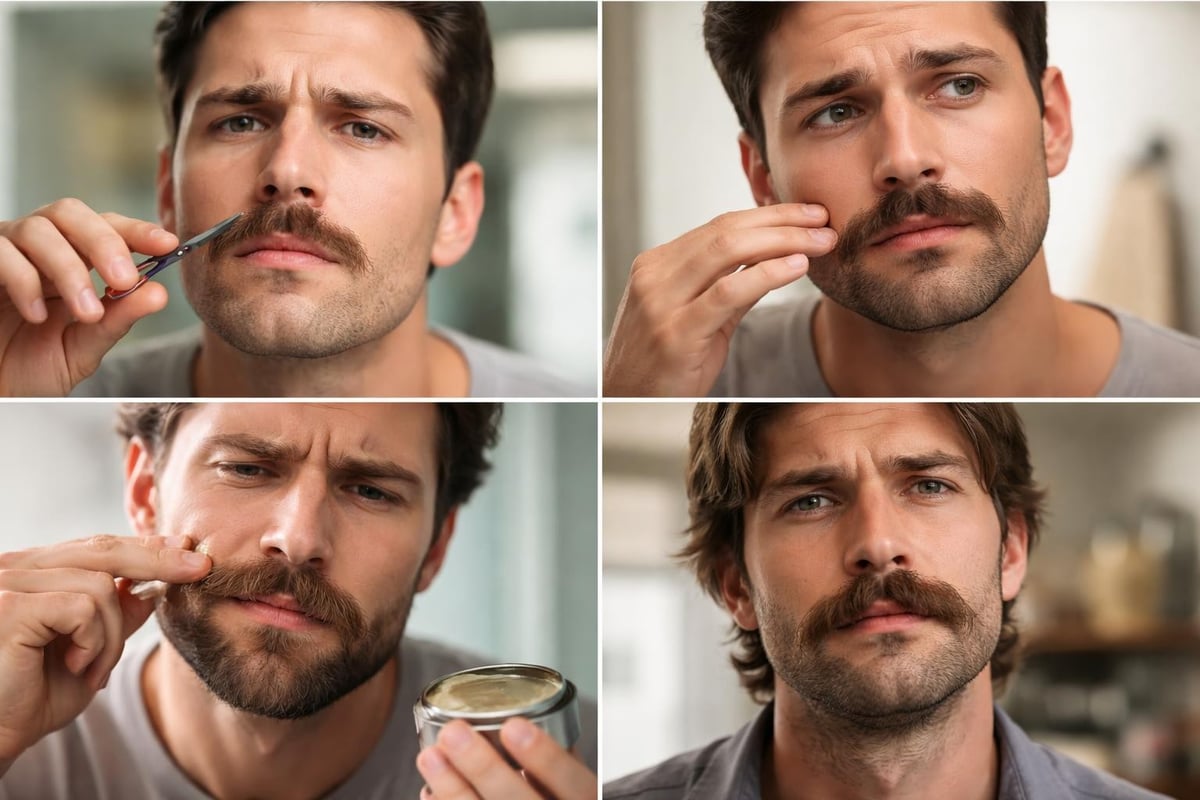
That scraggly mustache broadcasts poor self-maintenance. Professional settings judge facial hair harshly when it appears unkempt or poorly shaped.
Studies reveal that facial hair directly impacts perceived trustworthiness and competence. A well-groomed mustache signals attention to detail and personal standards. Conversely, a neglected 'tache suggests carelessness that extends beyond appearance.
What Poor Grooming Actually Damages
Beyond appearance, improper mustache care creates genuine health problems:
Folliculitis develops when bacteria colonize damaged follicles from aggressive trimming. The inflammation triggers pustule formation and permanent follicle scarring.
Contact dermatitis emerges from petroleum-based waxes and synthetic fragrances in conventional products. These irritants penetrate the skin barrier, activating mast cell degranulation and histamine release.
Trichorrhexis nodosa occurs when physical stress (excessive heat styling, harsh combing) creates weak points in hair shafts. The cortex fractures, producing split ends that travel upward.
Your mustache connects directly to facial skin health. Neglect one, damage both.
Solution: Identifying Your Best Mustache Style
The best mustache for your face follows geometric principles. Your facial shape creates specific angular relationships that certain styles either complement or contradict.
Face Shape Analysis
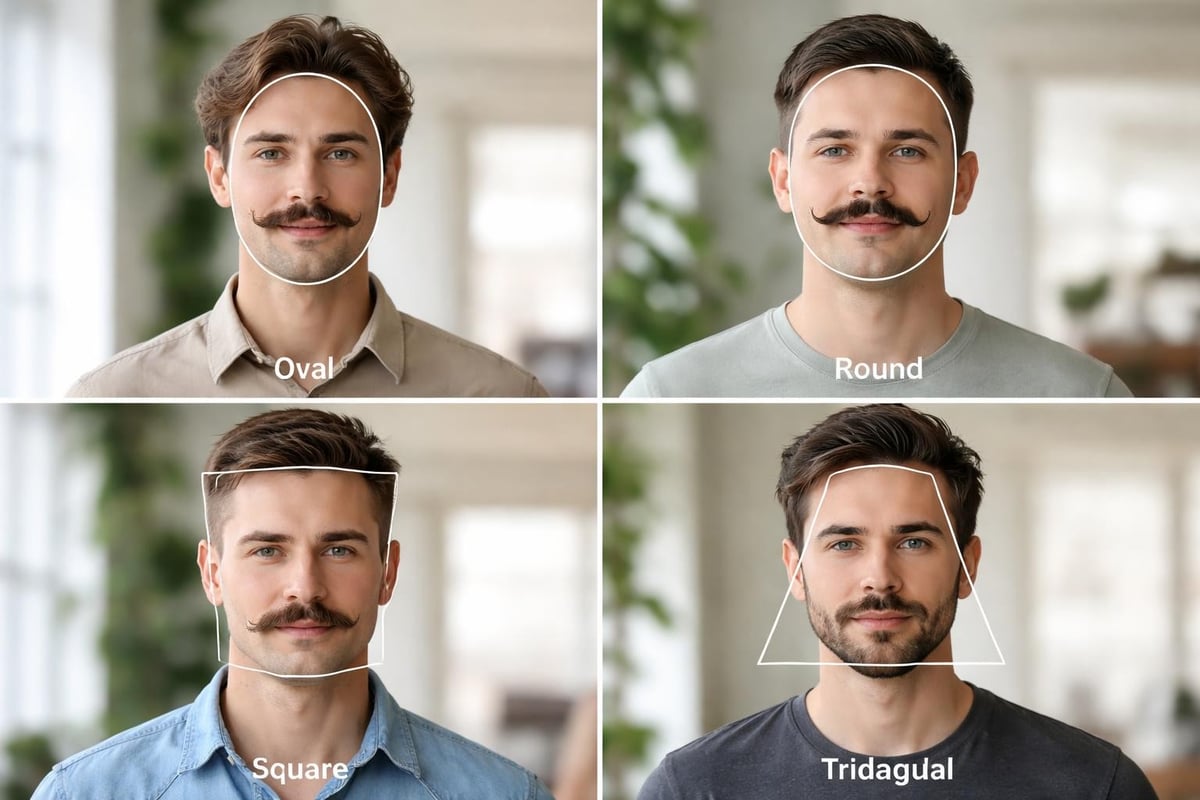
| Face Shape | Compatible Styles | Incompatible Styles | Scientific Reason |
|---|---|---|---|
| Oval | Chevron, pencil, handlebar | None (versatile structure) | Balanced proportions accommodate most styles |
| Round | Horseshoe, Hungarian | Walrus, lampshade | Vertical lines elongate perceived face length |
| Square | Walrus, imperial | Pencil, toothbrush | Width balances strong jawline angles |
| Triangular | English, handlebar | Horseshoe | Upper width balances narrow chin |
Square faces possess prominent masseter muscles and angular mandibles. The walrus mustache creates horizontal visual weight that softens these harsh angles through perceptual balance.
Round faces lack definition. The horseshoe mustache introduces vertical lines that create the illusion of length, counteracting facial width.
The Classic Styles Decoded
Handlebar Mustache: Requires minimum 8-10 weeks growth to achieve sufficient length for the signature curl. The handlebar style demands hair shafts exceeding 3cm at the corners, which only follicles with high anagen-to-telogen ratios produce consistently.
Chevron: This full, natural style covers the entire upper lip without extending beyond the mouth corners. Zero styling products needed, but follicle density must exceed 60 follicles per square centimeter for proper coverage.
Pencil: A thin, precisely trimmed line above the upper lip. This style exposes maximum facial skin, requiring flawless complexion maintenance and razor-sharp trimming precision.
The Fu Manchu mustache creates dramatic vertical lines extending past the chin, whilst the toothbrush style centers a small rectangular patch under the nose.
Growing the Best Mustache: The Scientific Method
Achieving your optimal mustache requires activating dormant follicles and maximizing existing growth rates. This process operates through precise biological mechanisms.
Phase One: Follicle Activation (Weeks 1-4)
Your face contains both active and dormant follicles. Vellus hairs (fine, unpigmented) can transform into terminal hairs (thick, pigmented) through increased DHT receptor expression.
Blood flow determines activation speed. Dermal papilla cells require oxygen, glucose, and amino acids delivered via capillary networks. Enhanced circulation accelerates the anagen (growth) phase whilst shortening the telogen (rest) phase.
Here's your activation protocol:
- Mechanical stimulation: Massage the mustache area for 5 minutes daily using circular motions (increases nitric oxide production, dilating capillaries)
- Nutritional optimization: Consume 1.6g protein per kilogram bodyweight (provides keratin building blocks)
- Hydration maintenance: Drink 35ml water per kilogram bodyweight (maintains cellular volume for nutrient transport)
- Sleep consistency: Achieve 7-9 hours nightly (growth hormone peaks during deep sleep, stimulating follicle activity)
Phase Two: Length Accumulation (Weeks 5-12)
Terminal hairs grow approximately 0.4mm daily under optimal conditions. This rate depends on follicle health and proper nourishment from both internal and external sources.
Most men sabotage growth through premature trimming. Resist all urges to shape your mustache during weeks 5-8. The awkward phase tests your commitment, but trimming resets your progress.
Product selection matters scientifically. Natural oils deliver fatty acids that penetrate the hair cuticle, improving elasticity and reducing breakage. Jojoba oil's molecular structure closely mimics sebum, allowing superior absorption into the hair shaft's cortex layer.
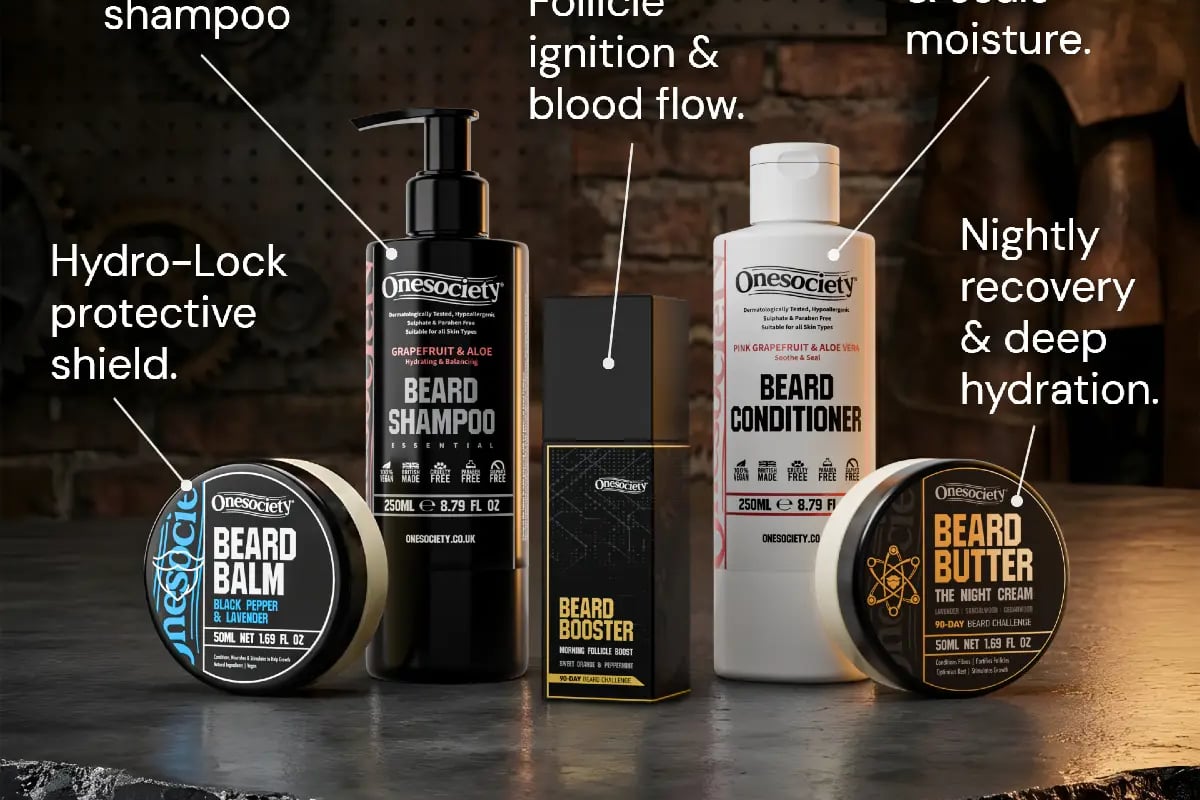
The 90-Day Beard Challenge provides a complete system engineered for maximum growth potential. Inside, you'll find the Beard Booster formula that increases blood flow to follicles through proven vasodilators, whilst the pH-balanced shampoo removes buildup without stripping natural protective oils. This comprehensive approach addresses every growth-limiting factor simultaneously.
Phase Three: Styling and Refinement (Week 13+)
Once you've achieved sufficient length, shaping begins. Your chosen style dictates trimming patterns and product requirements.
Tools required:
- Precision scissors (4.5-5 inch barber shears with convex edges)
- Quality trimmer with 0.5mm incremental guards
- Fine-toothed mustache comb (metal preferred for heat distribution)
- Natural-bristle brush (distributes oils evenly)
Follow this trimming guide for fundamental techniques, but understand the biology behind each cut. You're removing dead keratinized tissue to encourage fresh growth and maintain shape.
Daily Maintenance: The Scientific Routine
The best mustache requires consistent care built on biological principles, not marketing hype.
Morning Protocol (5 minutes)
Step 1: Rinse with lukewarm water (32-37°C) to open cuticles without heat damage.
Step 2: Apply 3-4 drops of beard oil containing jojoba, argan, or sweet almond base. These oils deliver oleic acid (omega-9 fatty acid) that penetrates the cuticle layer, improving moisture retention within the cortex.
Why natural oils outperform synthetics: Molecular weight determines absorption. Natural plant oils contain triglycerides small enough to pass between cuticle scales, whilst synthetic silicones merely coat the surface.
Step 3: Comb through using downward strokes to distribute product and train growth direction.
Step 4: Apply mustache wax if your style requires hold. Beeswax provides natural tackiness through its ester compounds, whilst shea butter's stearic acid content conditions simultaneously.
Evening Protocol (3 minutes)
Cleansing: Use a pH-balanced (5.5-6.5) beard wash three times weekly. This removes accumulated sebum, dead skin cells, and environmental pollutants without disrupting your skin's acid mantle.
Conventional soaps register 9-10 on the pH scale, severely alkaline. This disrupts the lipid barrier, triggering compensatory sebum overproduction and follicle inflammation.
Conditioning: Apply beard butter containing shea butter's fatty acid profile (stearic, oleic, and linoleic acids). These penetrate damaged cuticles, filling gaps in the hair shaft structure through a process called lipid replacement therapy.
Detailed grooming tips emphasize consistency over intensity. Your mustache responds better to daily gentle care than sporadic aggressive treatments.
Advanced Styling Techniques
Certain mustache styles demand specific techniques based on hair physics and chemistry.
The Handlebar Curl
Creating the signature handlebar curve requires understanding hair's protein structure. Keratin chains contain disulfide bonds that determine shape. Heat temporarily breaks hydrogen bonds, allowing reshaping.
Process:
- Warm mustache wax between fingers (body heat melts the beeswax component)
- Apply to the outer thirds of your mustache
- Use a fine-toothed comb to distribute evenly
- Twist ends whilst applying gentle upward pressure
- Hold for 30 seconds (allows wax to solidify as it cools)
The curl maintains through mechanical memory. Consistent daily curling trains the hair shafts into permanent growth angles over 6-8 weeks.
The Precision Edge
Styles like the pencil or chevron require sharp borders. This demands steady hands and proper technique.
Position your trimmer at a 45-degree angle to create crisp lines. The angled approach cuts hairs cleanly rather than crushing them (which creates split ends).
Define your upper border first: locate the philtrum ridges and trim everything above. The lower border should follow your natural lip line, typically 2-3mm above the vermillion border.
This comprehensive trimming guide demonstrates the mechanical principles behind clean edges versus ragged cuts.
Common Mustache Problems: Scientific Solutions
Even the best mustache faces challenges. Here's how biology solves them.
Problem: Patchy Growth
Cause: Uneven follicle distribution or varied follicle sensitivity to DHT.
Solution: Stimulate dormant follicles through increased blood flow. Derma-rolling (0.5mm needles) creates micro-injuries that trigger growth factor release. Studies show follicular density increases 20-30% after 12 weeks of weekly derma-rolling combined with growth-promoting topicals.
Problem: Dryness and Brittleness
Cause: Insufficient lipid content in hair shafts, often from over-washing or harsh products.
Solution: Implement oil-based conditioning daily. The cuticle layer consists of overlapping scales that lift when dry, creating rough texture. Natural oils containing essential fatty acids (linoleic, alpha-linolenic) fill intercellular spaces, smoothing the cuticle surface.
Shea butter specifically delivers triterpenes (lupeol, α-amyrin) that reduce inflammation whilst its fatty acid profile (45% oleic, 5% linoleic acid) penetrates deeply.
Problem: Uncontrollable Curling or Straightness
Cause: Follicle shape determines hair shaft curvature. Curved follicles produce curly hair; straight follicles produce straight hair.
Solution: You cannot permanently alter follicle geometry. However, you can temporarily reshape hair through heat and product. For stubborn straight hair, apply wax and use a heated comb (maximum 180°C) to create gentle curves. The heat disrupts hydrogen bonds, allowing temporary reshaping.
Nutrition for Optimal Mustache Growth
Your mustache reflects internal health. Specific nutrients directly impact hair quality and growth rate.
| Nutrient | Function | Food Sources | Daily Requirement |
|---|---|---|---|
| Biotin (B7) | Keratin synthesis cofactor | Eggs, almonds, sweet potato | 30-35 mcg |
| Zinc | DHT regulation, protein synthesis | Oysters, beef, pumpkin seeds | 11 mg |
| Vitamin E | Antioxidant protection for follicles | Sunflower seeds, spinach, avocado | 15 mg |
| Omega-3 | Reduces follicle inflammation | Salmon, walnuts, flaxseed | 1.6 g |
| Protein | Provides keratin building blocks | Chicken, lentils, Greek yogurt | 1.6 g/kg bodyweight |
Biotin specifically acts as a coenzyme in amino acid metabolism. Without adequate biotin, your body cannot efficiently convert dietary protein into keratin, the structural protein comprising 95% of hair composition.
Zinc regulates 5-alpha-reductase enzyme activity, controlling DHT conversion rates. Both excess and deficiency impair follicle function, making optimal intake crucial.
The scientific approach to mustache nutrition focuses on bioavailability, not just raw intake. Pair plant-based iron sources with vitamin C to enhance absorption. Consume zinc away from high-fiber meals that inhibit mineral uptake.
Product Chemistry: What Actually Works
The best mustache products contain specific active ingredients with proven mechanisms. Understanding the chemistry prevents wasted money on ineffective formulas.
Carrier Oils: The Foundation
Jojoba oil: Technically a liquid wax ester, not a triglyceride. Its structure (C20-C22 fatty alcohols and acids) closely mimics human sebum, allowing deep penetration into hair shafts. Delivers vitamin E (tocopherol) directly to follicle cells.
Argan oil: Contains 45% oleic acid and 35% linoleic acid. The high linoleic content makes it particularly effective for dry, brittle mustaches. Its tocopherol concentration (620 mg/kg) provides antioxidant protection against free radical damage.
Sweet almond oil: Rich in monounsaturated fats that soften hair without heavy buildup. Contains phytosterols that reduce scalp inflammation.
Butter Bases: Deep Conditioning
Shea butter: Delivers a complex fatty acid profile: 45% oleic, 40% stearic, 5% linoleic, 3% palmitic acid. The high stearic acid content creates a protective barrier that prevents moisture loss whilst allowing breathability.
Its triterpene content (lupeol, α-amyrin, β-amyrin) demonstrates anti-inflammatory properties by inhibiting cyclooxygenase enzymes. This reduces follicle inflammation that impedes growth.
Styling Agents: Hold Without Damage
Beeswax: Provides natural tackiness through ester compounds whilst allowing flexibility. Unlike synthetic polymers, beeswax doesn't create rigid, brittle hold that leads to breakage.
Lanolin: Extracted from wool, this wax delivers exceptional moisture retention. Its chemical structure allows it to hold 200-400% its weight in water, keeping mustache hair hydrated throughout the day.
Avoid products containing synthetic fragrances, parabens, or sulfates. These compounds disrupt the skin's lipid barrier and can trigger allergic contact dermatitis in sensitive individuals.
The Best Mustache for Your Lifestyle
Your daily routine dictates which style remains practical. A elaborate handlebar demands time and products that office workers may struggle to maintain.
Active lifestyles: Choose shorter styles (chevron, pencil) that resist sweat disruption and require minimal styling. These maintain shape through physical activity without constant adjustment.
Professional environments: Opt for neat, symmetrical styles that signal grooming standards. The chevron or well-trimmed walrus communicates competence whilst remaining conservative.
Creative fields: Express individuality through statement styles like the Hungarian mustache or dramatic handlebar. These styles telegraph creativity and confidence.
Your best mustache balances aesthetic preference with practical maintenance requirements. Honesty about your commitment level prevents style selection that you'll abandon within weeks.
Troubleshooting Growth Plateaus
Your mustache stops improving after 8-10 weeks. This plateau frustrates many men who assume they've reached genetic limits.
Reality: Most plateaus result from improper care, not genetic constraints.
Terminal hair follicles cycle through anagen (growth), catagen (transition), and telogen (rest) phases. At any moment, roughly 85% of follicles sit in anagen, whilst 15% rest in telogen. Poor nutrition or stress can shift this ratio, reducing active growth.
Solutions that work:
- Stress reduction: Chronic cortisol elevation shortens anagen phase duration. Implement daily stress management (meditation, exercise, adequate sleep)
- Protein optimization: Increase intake to 2g per kilogram bodyweight temporarily to flood follicles with amino acids
- Product upgrade: Switch to formulas with penetrating oils (jojoba, argan) instead of coating agents (mineral oil, petrolatum)
- Scalp stimulation: Increase blood flow through massage or derma-rolling
Growth plateaus typically break within 3-4 weeks of implementing these changes. Your follicles respond to improved conditions by extending their anagen phase and increasing hair shaft diameter.
The best mustache emerges from understanding your facial structure, committing to proper grooming science, and selecting products based on active ingredients rather than marketing claims. Whether you're cultivating a classic chevron or an elaborate handlebar, success requires consistent application of evidence-based techniques. Onesociety provides scientifically formulated grooming products featuring 100% natural ingredients that support optimal facial hair health. Their commitment to ingredient transparency and biological efficacy ensures your mustache receives the nourishment it needs to thrive, backed by genuine science rather than empty promises.