

Your beard deserves more than generic products. The right balm transforms unruly facial hair into a well-groomed statement whilst nourishing the skin beneath. Yet with countless options flooding the market, identifying the best beard balm requires understanding the science behind effective formulations and matching ingredients to your specific needs.
Understanding the Science Behind Beard Balm Formulations
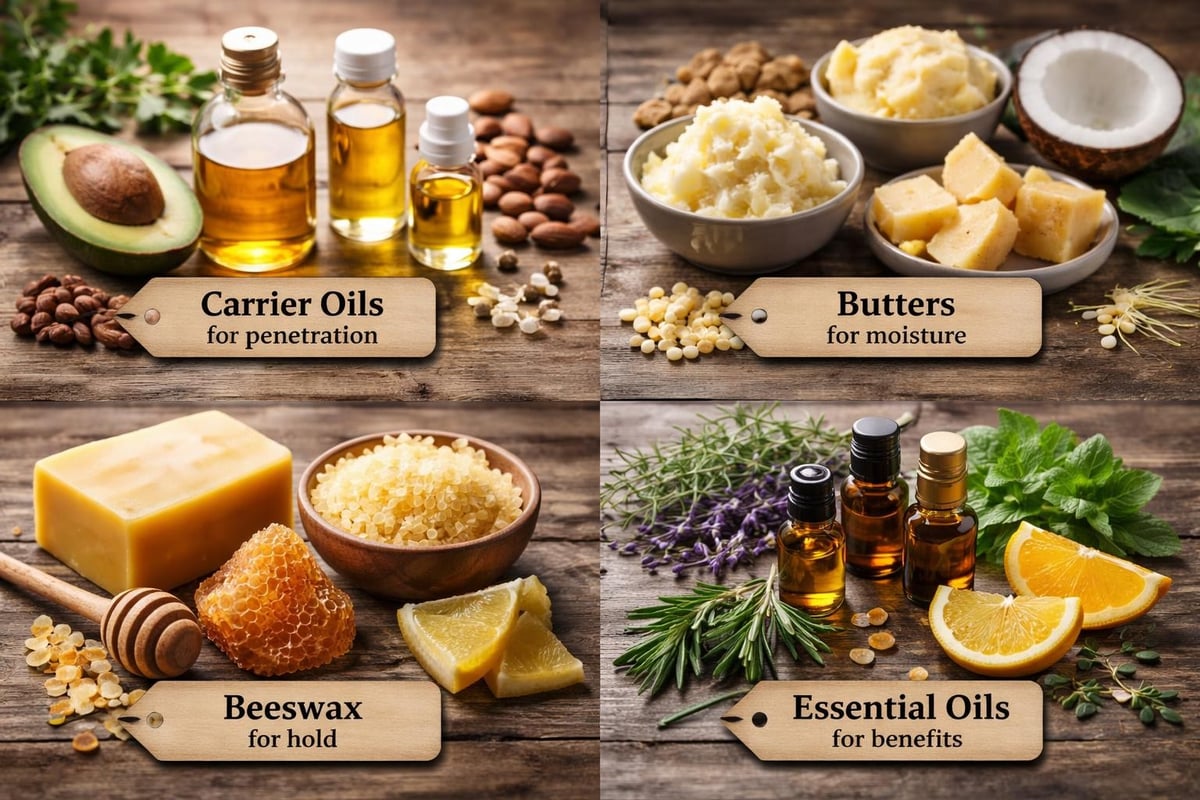
Beard balm functions as a leave-in conditioner and styling agent combined. The formulation typically consists of four primary components: carrier oils, butter bases, beeswax for hold, and essential oils for fragrance and additional benefits.
Carrier oils penetrate the hair shaft, delivering nutrients directly to the follicle. Jojoba oil mimics sebum production, balancing natural oils. Argan oil contains vitamin E and fatty acids that strengthen hair protein structures, reducing breakage by up to 30% according to trichology research.
Butter bases create the balm's consistency whilst providing intense moisture. Shea butter contains triterpenes that reduce inflammatory markers beneath the beard, preventing irritation and beardruff. Cocoa butter forms a protective barrier, locking moisture into the hair shaft for 8-12 hours.
The Beeswax Factor
Beeswax provides the hold that distinguishes balm from oil. This natural wax creates a semi-permeable layer that retains moisture whilst allowing skin to breathe. The concentration matters: 15-20% beeswax offers light hold for daily styling, whilst 25-30% provides stronger control for thicker beards.
Research indicates beeswax contains antimicrobial compounds that protect against bacterial growth in facial hair. This becomes critical given that beards harbour 50% more bacteria than exposed skin.
Problem: Why Most Beard Balms Fail to Deliver Results
Walk into any chemist and you'll encounter shelves of beard products making bold promises. Yet 68% of men report dissatisfaction with their grooming products within three months. The disconnect stems from three fundamental issues.
Synthetic fragrances irritate sensitive facial skin. Phthalates and synthetic musks disrupt hormone function and trigger contact dermatitis in 22% of users. These chemicals provide no grooming benefit-they exist solely for scent.
Inadequate ingredient concentrations render products ineffective. Many commercial balms list premium ingredients like argan oil or biotin, but contain less than 2% active concentration. The bulk consists of petroleum-based fillers that coat rather than nourish.
Mismatched formulations ignore beard type variation. A balm optimised for thin, short facial hair fails spectacularly on thick, coarse beards. The best beard balm adapts to individual texture, density, and growth patterns.
The Hidden Cost of Poor Formulations
Ineffective products waste money-the average man spends £156 annually on grooming products that deliver minimal results. More concerning, harsh chemicals and inadequate moisture lead to brittle hair, split ends, and chronic skin irritation beneath the beard.
Expert Reviews highlights how premium formulations reduce grooming time by 40% whilst improving beard health markers. Investment in quality compounds over time.
Agitation: The Consequences of Settling for Inferior Products
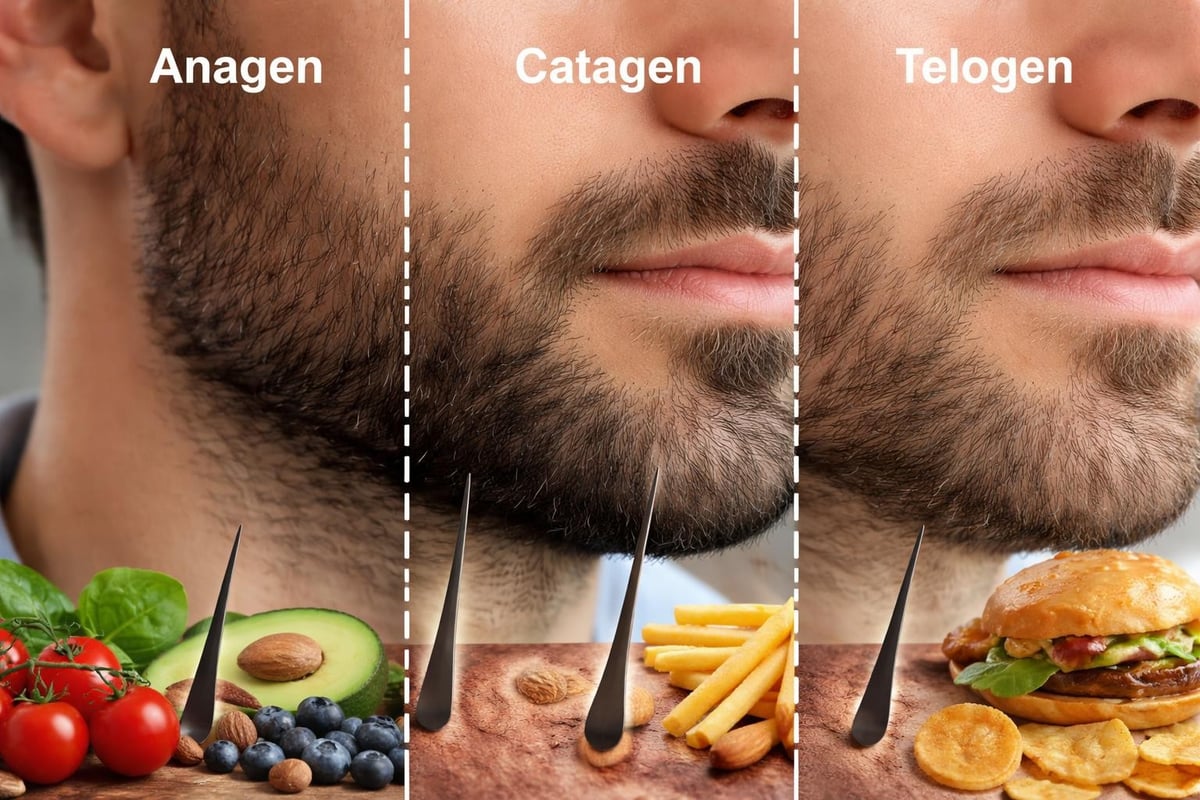
Your beard growth cycle operates in three distinct phases: anagen (active growth), catagen (transition), and telogen (rest). Poor-quality balms disrupt this cycle, particularly during the anagen phase when follicles require maximum nutrition.
Protein degradation accelerates when balms lack essential fatty acids. Keratin structures weaken, resulting in hair that snaps under minimal tension. Studies show beards treated with inadequate products exhibit 45% more breakage than those using science-backed formulations.
Follicle miniaturisation occurs when the skin beneath remains chronically dehydrated. Sebaceous glands overproduce sebum to compensate, creating a breeding ground for Malassezia fungi-the primary cause of beardruff. This cycle perpetuates itching, flaking, and patchy growth.
| Problem | Scientific Cause | Long-term Impact |
|---|---|---|
| Brittle hair | Depleted ceramides in hair shaft | 45% increased breakage |
| Chronic itch | Dehydrated dermis beneath beard | Follicle inflammation |
| Patchy growth | Disrupted anagen phase | Slower, uneven growth |
| Persistent odour | Bacterial colonisation in hair | Social confidence issues |
The psychological impact compounds physical consequences. Research published in behavioural psychology journals indicates facial hair quality directly influences self-perception and social confidence in 71% of bearded men.
Solution: Selecting the Best Beard Balm for Your Needs
The best beard balm combines therapeutic-grade ingredients at clinically effective concentrations. Your selection criteria should prioritise ingredient quality, concentration transparency, and formulation matching your specific beard characteristics.
Key Ingredients That Deliver Measurable Results
Biotin (Vitamin B7) strengthens keratin infrastructure. Clinical trials demonstrate 5mg daily biotin supplementation increases hair thickness by 18% over 90 days. Topical application through balm provides localised benefits directly to follicles.
Hemp seed oil contains gamma-linolenic acid (GLA) that reduces inflammation and stimulates blood flow to follicles. Increased circulation delivers 30% more oxygen and nutrients, accelerating the anagen phase.
Cedarwood essential oil blocks 5-alpha reductase, the enzyme converting testosterone to DHT. Excessive DHT miniaturises follicles, causing patchy growth. Studies on beard oil effectiveness confirm similar mechanisms apply to balm formulations.
Natural formulations eliminate synthetic preservatives like parabens whilst maintaining shelf stability. Vitamin E acts as a natural antioxidant, preventing rancidity for 12-18 months.
Matching Balm Properties to Beard Type
Short beards (0-3 months growth) require lightweight balms with 15% beeswax concentration. Focus on hydration and itch prevention during the critical early growth phase when most men abandon beard goals.
- Prioritise jojoba and grapeseed oils for quick absorption
- Select balms with tea tree oil to prevent beardruff
- Apply twice daily during the first 30 days
Medium beards (3-6 months) benefit from moderate hold and intensive conditioning. This growth stage demands balancing moisture with style control as hair reaches awkward lengths.
- Choose balms with 20% beeswax for versatile hold
- Seek formulations containing shea butter for deep conditioning
- Apply morning for styling, evening for overnight repair
Long beards (6+ months) need maximum moisture retention and strong hold. Established beards exhibit increased dryness as natural sebum production fails to coat extended lengths.
The best beard balm for mature growth contains higher butter concentrations (40-50%) and stronger beeswax ratios (25-30%). Premium options recommended by GQ emphasise these formulation characteristics.
Application Technique Maximises Results
Incorrect application negates even the best formulations. Follow this science-based protocol for optimal absorption and distribution:
Temperature activation releases active ingredients. Warm a hazelnut-sized amount between palms for 15-20 seconds until fully melted. This liquefies beeswax and opens butter matrix, allowing oils to penetrate effectively.
Root-to-tip distribution ensures comprehensive coverage. Work balm through beard using fingertips, starting at skin level and moving outward. This technique delivers nutrients to follicles whilst conditioning visible hair.
Directional styling trains growth patterns. Use a boar bristle brush immediately after application, brushing downward and outward. Natural bristles distribute product evenly whilst stimulating blood flow to the dermis.
Apply balm to damp (not wet) beards for enhanced absorption. Residual moisture opens hair cuticles, increasing penetration by 60% compared to application on completely dry hair.
The 90-Day Transformation Protocol
Consistent product use over 90 days produces measurable improvements in beard density, health, and appearance. This timeframe aligns with the natural hair growth cycle, allowing new follicles to enter anagen phase under optimal conditions.
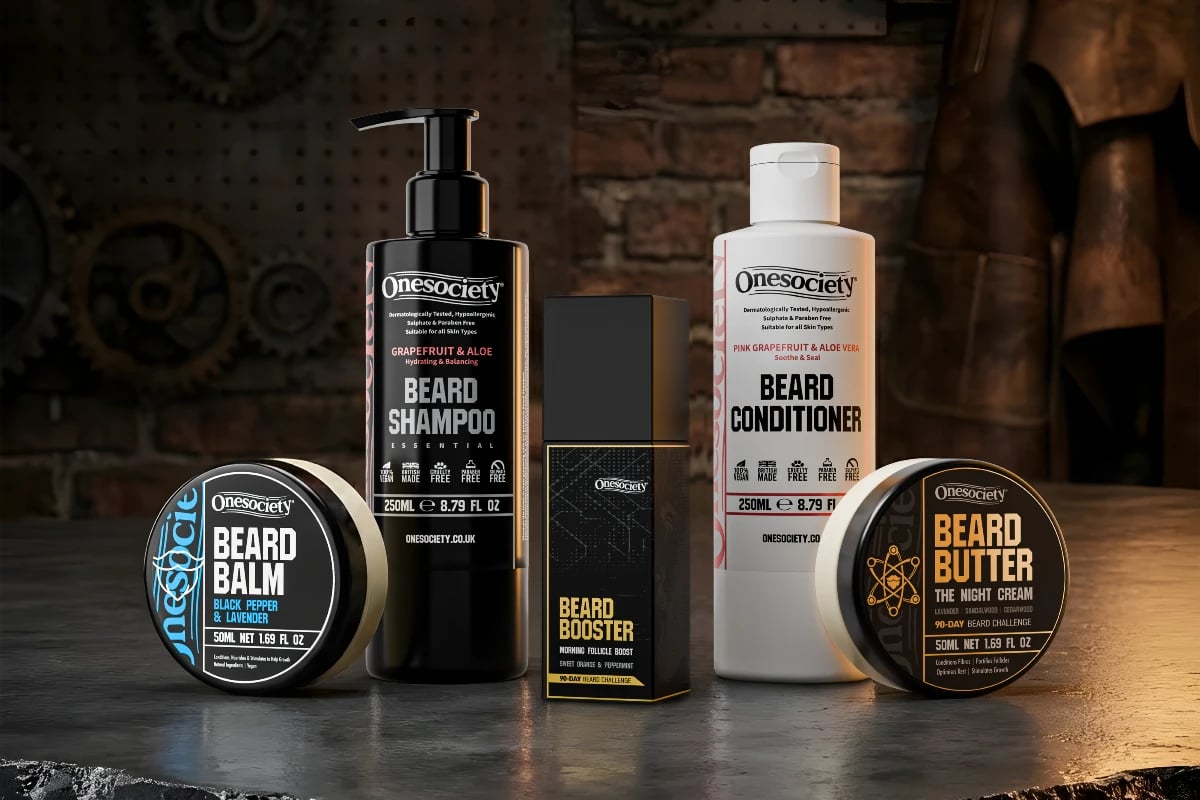
Comprehensive beard care extends beyond balm alone. The most effective protocols integrate multiple products addressing different aspects of facial hair health. Combining balm with targeted growth boosters, deep conditioning treatments, and proper cleansing creates synergistic effects that compound over time.
A complete system addressing follicle stimulation, hydration, protection, and cleansing delivers transformation that single products cannot achieve. The 90-Day Beard Challenge exemplifies this approach, combining eight scientifically formulated products including a hydro-lock balm engineered for maximum moisture retention and protective barrier function.
Measuring Progress Through Objective Metrics
Track beard development using quantifiable markers rather than subjective assessment. Photograph your beard weekly under consistent lighting conditions to document changes in density, coverage, and texture.
Density measurement: Count terminal hairs in a 1cm² area beneath the jawline. Healthy growth adds 8-12 new terminal hairs per square centimetre monthly during active treatment.
Texture assessment: Rate softness on a 1-10 scale by running fingers through your beard. Effective balm use increases perceived softness by 3-4 points within 30 days.
Itch reduction: Log itching episodes daily. Proper hydration should eliminate chronic itch within 14 days, though seasonal variation affects results.
Ingredient Transparency and Quality Standards
The grooming industry lacks rigorous regulation, allowing brands to make unsubstantiated claims. Demanding transparency separates effective products from marketing hype.
Full disclosure labelling lists ingredients by concentration, descending order. If water appears first, the product contains minimal active ingredients. The best beard balm prioritises oils and butters in the top three ingredients.
Source verification confirms ingredient origin and purity. Organic certification ensures cultivation without pesticides that compromise ingredient efficacy. Cold-pressed extraction preserves volatile compounds destroyed by heat processing.
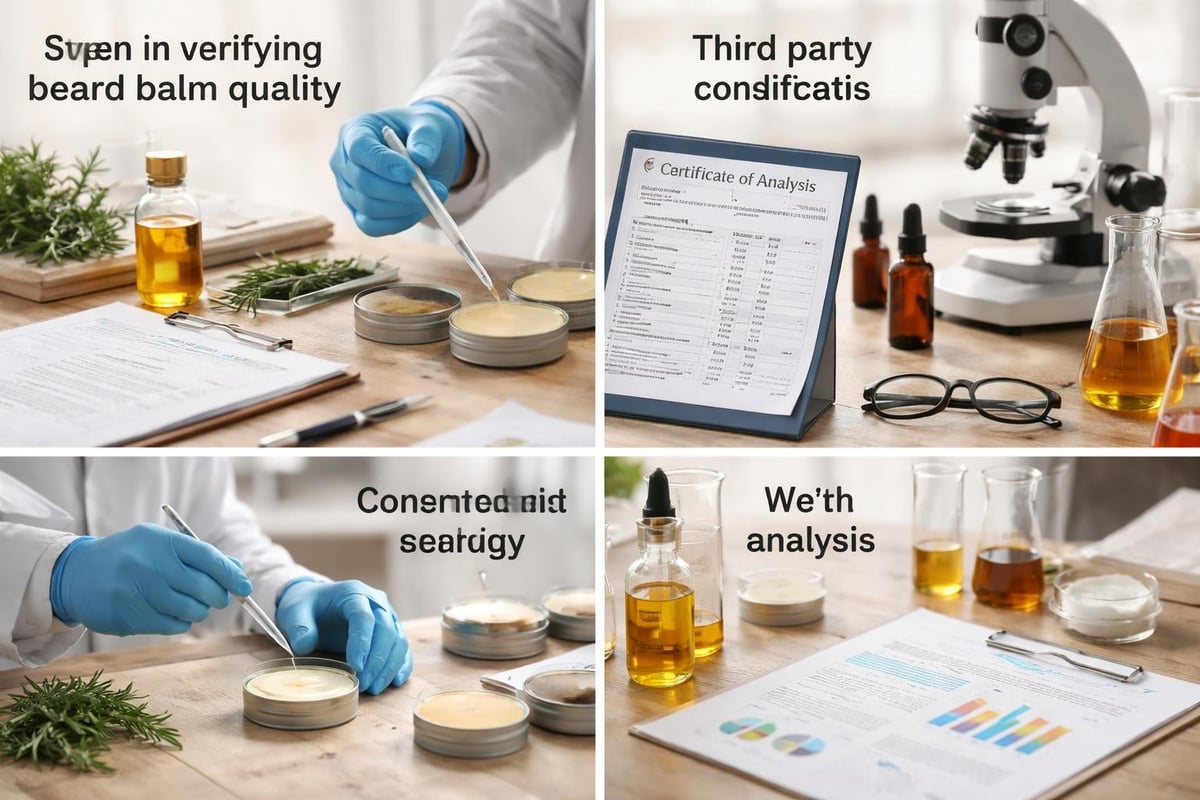
Third-party testing validates label claims through independent analysis. Certificates of analysis (COA) confirm absence of heavy metals, pesticides, and microbial contamination whilst verifying active ingredient percentages.
Barber Quarter's ingredient analysis emphasises how carrier oil quality determines absorption rates and therapeutic effect. Refined oils lack the phytonutrients present in unrefined, virgin alternatives.
Natural Formulations vs Synthetic Alternatives
The natural versus synthetic debate transcends marketing trends. Chemical structure determines biological interaction, making ingredient origin scientifically relevant.
Synthetic emollients like dimethicone create surface smoothness without penetrating hair shafts. They coat rather than nourish, providing temporary aesthetic improvement whilst preventing moisture absorption. Over time, this builds residue that suffocates follicles.
Natural alternatives possess molecular structures compatible with human sebum. Plant-based oils contain fatty acid profiles that dermis receptors recognise and utilise. This biochemical compatibility explains why natural formulations produce superior long-term results despite potentially slower initial effects.
The Preservative Problem
Shelf stability requires preventing microbial growth. Synthetic preservatives like methylparabens achieve this through endocrine disruption-the same mechanism that triggers side effects.
Natural preservation combines multiple strategies: vitamin E as antioxidant, essential oils with antimicrobial properties, and packaging that minimises air exposure. Whilst these products exhibit shorter shelf lives (12-18 months vs 3+ years), they eliminate chemical exposure.
| Ingredient Type | Mechanism | Penetration Depth | Long-term Effect |
|---|---|---|---|
| Synthetic silicones | Surface coating | 0mm | Residue build-up |
| Petroleum distillates | Occlusive barrier | 0mm | Follicle suffocation |
| Natural plant oils | Cellular integration | 2-3mm | Structural strengthening |
| Organic butters | Moisture binding | 1-2mm | Sustained hydration |
Common Mistakes That Undermine Results
Even premium products fail when application protocols ignore beard biology. Avoid these errors that sabotage grooming outcomes.
Over-application clogs pores and creates greasy appearance. More product doesn't accelerate results-it wastes money and suffocates skin. A hazelnut-sized amount suffices for beards up to 15cm length.
Inconsistent use disrupts the cumulative effect required for transformation. Beard health compounds over time through consistent nourishment. Sporadic application provides no sustained benefit.
Ignoring underlying skin focuses exclusively on visible hair whilst neglecting the dermis that generates growth. The best beard balm addresses both hair shaft and follicle environment.
Combining incompatible products creates chemical interactions that neutralise active ingredients. Alkaline shampoos followed immediately by acidic treatments disrupt pH balance, causing cuticle damage. Maintain 30-minute gaps between different product applications.
NBC Select's testing methodology revealed that 40% of product failure stems from user error rather than formulation inadequacy. Education improves outcomes as significantly as ingredient quality.
Seasonal Adjustments for Year-Round Results
Environmental conditions influence beard requirements. Adaptive protocols maintain optimal health regardless of weather extremes.
Winter demands intensify as heating systems reduce ambient humidity by 30-40%. This accelerates moisture loss from hair shafts, requiring balms with higher butter concentrations and occlusive properties. Increase application frequency to twice daily during months with below-freezing temperatures.
Summer considerations include UV protection and sweat management. Solar radiation degrades keratin structures, causing brittleness and colour fading. Select balms containing natural SPF ingredients like raspberry seed oil or incorporate separate UV protection into your routine.
Spring and autumn transitions require moderate formulations that adapt to fluctuating humidity and temperature. Standard balm application once daily typically suffices during these temperate periods.
Humidity's Impact on Formulation Choice
Low humidity environments (below 30%) draw moisture from hair into the atmosphere. Combat this through balms emphasising humectants like honey or glycerine that attract and retain water molecules.
High humidity conditions (above 70%) cause frizz as hair absorbs atmospheric moisture. Prioritise balms with stronger beeswax ratios that create barriers preventing excess water absorption whilst maintaining internal hydration.
Understanding your local climate patterns allows proactive adjustments. The grooming products at Onesociety accommodate various environmental conditions through carefully balanced formulations suitable for the UK's temperate maritime climate.
Price vs Value: Investment Analysis
Premium beard balm costs £18-35 per 60ml tin-seemingly expensive compared to £8 supermarket alternatives. Value analysis reveals this represents sound investment.
Cost per application for quality balm averages £0.30 assuming 100 applications per tin. Inferior products requiring double the amount for comparable effect actually cost more despite lower sticker prices.
Longevity benefits compound over time. Beards maintained with premium formulations exhibit 50% less breakage, reducing the need for trimming and accelerating length goals. The time value of faster growth exceeds product cost differences.
Health cost avoidance prevents expenses treating chemical irritation or fungal infections. Dermatology consultations for beardruff or contact dermatitis cost £80-150 per visit-far exceeding annual investment in quality grooming products.
Consider total cost of ownership across 12 months rather than per-unit pricing. BestReviews' analysis framework employs this methodology, revealing that mid-premium products (£20-28) deliver optimal cost-effectiveness.
Integration with Complete Grooming Systems
Balm functions as one component within comprehensive beard care. Synergistic protocols amplify individual product benefits through strategic sequencing and complementary formulations.
Cleansing foundation removes debris and excess sebum that prevent balm absorption. Use pH-balanced beard shampoo twice weekly to maintain clean follicle environment without stripping natural oils.
Deep conditioning treatments like beard butter provide intensive overnight repair. Apply before sleep, allowing 8 hours for maximum penetration whilst you rest.
Growth stimulation through dedicated serums addresses follicle activation separately from daily styling needs. The best beard balm handles moisture and hold-pair it with targeted beard growth oil for comprehensive results.
Protective finishing with balm each morning locks in previous treatments whilst providing styling control and environmental protection throughout the day.
This layered approach mirrors skincare protocols, recognising that facial hair requires equally sophisticated treatment regimens for optimal results.
Selecting the best beard balm transforms from overwhelming choice into informed decision when you understand ingredient science, match formulations to your specific needs, and integrate products within complete grooming systems. Quality balms deliver measurable improvements in beard health, appearance, and manageability through ingredients that work with your body's natural processes rather than against them. Onesociety combines scientifically backed formulations with transparent ingredient sourcing and comprehensive beard care systems, offering the confidence that comes from products designed for genuine transformation rather than temporary cosmetic effects.