
Your beard itches. The skin beneath feels tight, flaky, and uncomfortable. You've tried ignoring it, but every day the irritation worsens. You're not alone in this struggle. Thousands of men face the same challenge, unaware that the solution lies in understanding the biological relationship between beard oil and moisturiser. These two products serve distinct yet complementary functions in your grooming routine, working at a cellular level to transform your facial hair and underlying skin. Let's examine the science behind why your beard demands both, and how to use them effectively.
The Biological Problem: Why Your Beard Suffers
Your facial hair creates unique dermatological challenges that scalp hair never encounters. Each beard follicle emerges from sebaceous glands that produce natural oils called sebum. These glands work overtime to coat hair shafts, but here's the problem: they cannot keep pace with beard length or density.
When your beard extends beyond 1-2 centimetres, sebum distribution fails. The oil that reaches your chin never travels to the tip of your beard. This leaves the outer portions of your facial hair dry, brittle, and prone to splitting.
The Skin Beneath: A Hidden Crisis
The skin under your beard faces oxygen deprivation. Hair coverage blocks airflow, creating a humid microenvironment that disrupts your skin's moisture barrier. This barrier, composed of ceramides and fatty acids, regulates water loss through a process called transepidermal water loss (TEWL).
When TEWL accelerates, your skin compensates by triggering inflammation responses. This manifests as:
- Persistent itching (pruritus)
- White flakes (seborrhoeic dermatitis)
- Redness and irritation
- Acne breakouts beneath facial hair
- Uncomfortable tightness
Your natural sebum production cannot address these issues alone. This is where understanding male grooming fundamentals becomes essential.
Beard Oil: The Molecular Solution
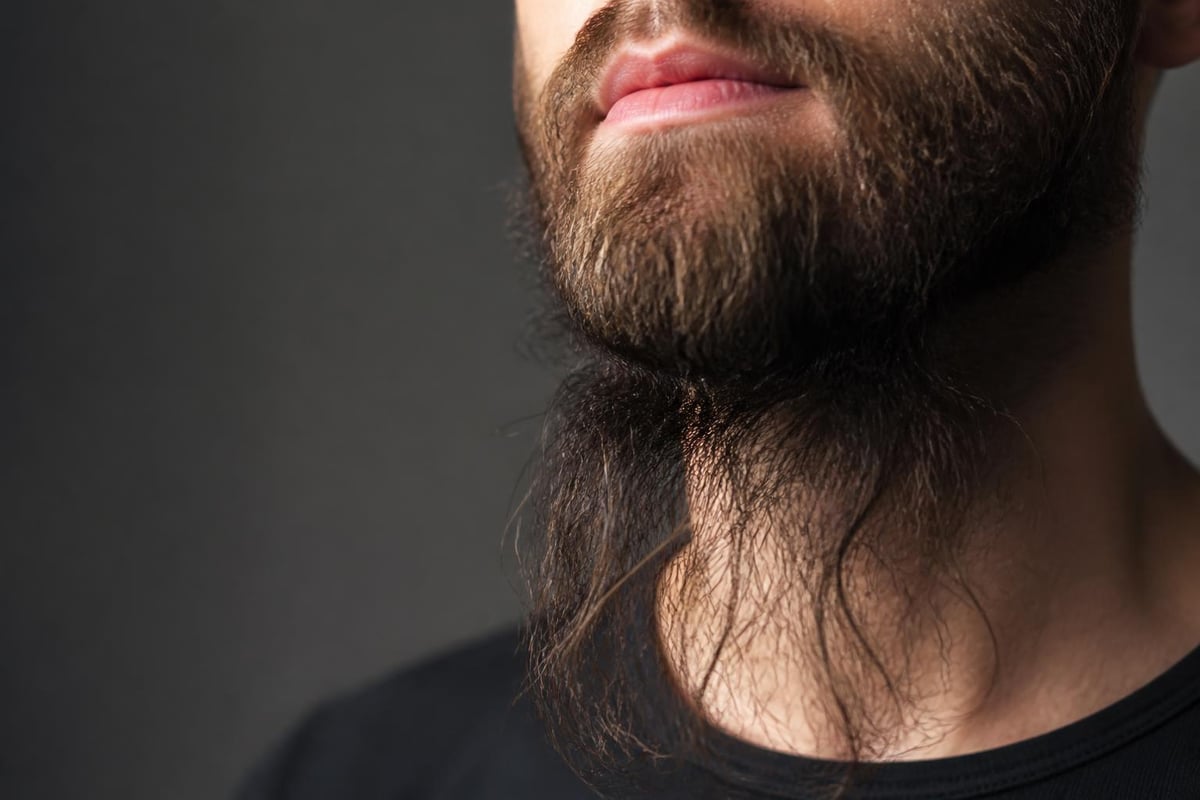
Beard oil and moisturiser work differently at a molecular level. Beard oil functions as a sebum replacement, delivering carrier oils and essential nutrients directly to hair shafts and follicles.
The carrier oils in quality formulations contain specific fatty acid profiles. Jojoba oil, for instance, contains omega-9 oleic acid at 5-15% concentration. This fatty acid mimics human sebum so precisely that your skin accepts it as natural lubrication.
Active Ingredient Mechanisms
Different carrier oils target specific beard problems:
| Carrier Oil | Primary Fatty Acid | Biological Function |
|---|---|---|
| Argan Oil | Linoleic Acid (omega-6) | Reduces inflammation, strengthens hair cortex |
| Sweet Almond Oil | Oleic Acid (omega-9) | Penetrates hair shaft, improves elasticity |
| Coconut Oil | Lauric Acid | Antimicrobial action, protein loss prevention |
| Grapeseed Oil | Linoleic Acid | Lightweight hydration, sebum regulation |
These carrier oils don't just coat your beard. They penetrate the hair cuticle, reaching the cortex where keratin proteins reside. Research on coconut oil demonstrates its ability to reduce protein loss by up to 39% compared to untreated hair.
Essential oils add therapeutic benefits. Tea tree oil contains terpinen-4-ol, a compound with documented antimicrobial properties. This prevents folliculitis (infected hair follicles) and reduces bacterial populations that cause odour.
Application Precision Matters
The effectiveness of beard oil and moisturiser depends on proper application technique. Correct beard oil application requires understanding absorption rates and optimal timing.
Apply beard oil when your facial hair is slightly damp, never soaking wet. Water molecules in damp hair create pathways for oil penetration. Completely dry hair has closed cuticles that resist absorption. Soaking wet hair dilutes the oil, reducing concentration and effectiveness.
Step-by-step application protocol:
- Wash your beard with pH-balanced cleanser (pH 4.5-5.5)
- Pat dry with a towel until 70% dry
- Dispense 3-6 drops into your palm (adjust for beard length)
- Rub palms together to activate oils through friction heat
- Work through beard from root to tip using fingertips
- Massage into skin beneath using circular motions for 60 seconds
- Use a boar bristle brush to distribute evenly
The massage step activates blood flow to follicles. Increased circulation delivers oxygen and nutrients essential for keratin synthesis.
Moisturiser: The Epidermal Barrier Repair
Whilst beard oil addresses hair health, moisturiser targets the skin's stratum corneum. This outermost layer consists of dead skin cells (corneocytes) held together by lipid bilayers. When this structure degrades, your skin cannot retain water.
Quality facial moisturisers contain three functional categories:
Humectants draw water from the environment and deeper skin layers. Glycerin and hyaluronic acid can hold up to 1000 times their weight in water molecules.
Emollients fill gaps between skin cells, creating a smooth surface. Shea butter's fatty acid profile (stearic acid 40%, oleic acid 48%) mimics skin lipids precisely.
Occlusives form a protective seal over the skin surface, preventing water evaporation. Natural waxes and plant oils serve this function without clogging pores (non-comedogenic).
The Beard-Skin Hydration Paradox
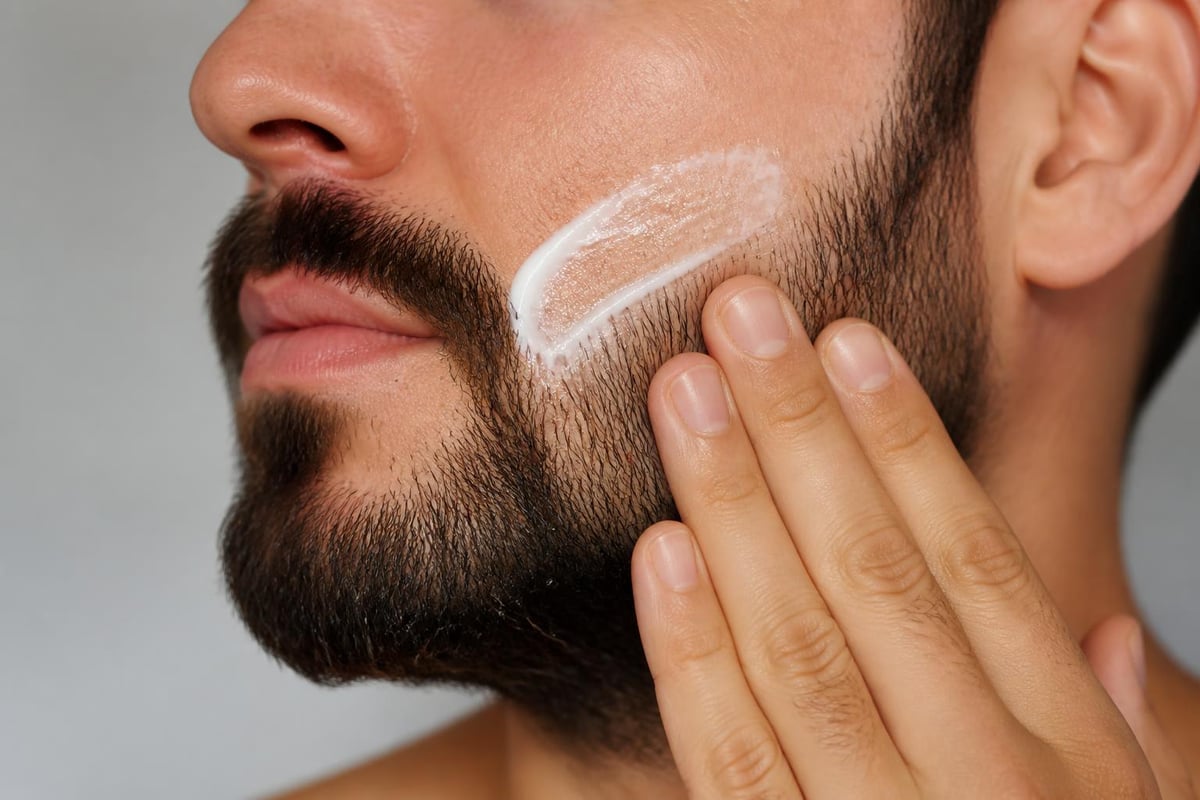
Here's the challenge: beard hair wicks moisture away from your skin. Every hair shaft acts as a conduit, pulling water from the epidermis through capillary action. This accelerates TEWL rates by 30-40% compared to bare skin.
Moisturiser counteracts this by:
- Replenishing the lipid barrier damaged by daily washing
- Providing immediate hydration through water-binding agents
- Creating a protective layer that slows moisture loss
- Delivering anti-inflammatory compounds (like niacinamide) that calm irritation
Apply moisturiser first, directly to clean skin. Wait 5-10 minutes for absorption, then apply beard oil. This layering sequence ensures both skin and hair receive targeted treatment.
The Synergistic Relationship
Beard oil and moisturiser don't compete. They complement each other through different absorption pathways and target tissues. Think of moisturiser as foundation repair and beard oil as structural reinforcement.
When used together, they create optimal conditions for beard growth. Studies on beard oil effectiveness confirm that consistent use over 90 days produces measurable improvements in hair density, shaft diameter, and growth rate.
Ingredient Synergy Science
Natural ingredients work together at a molecular level:
- Vitamin E (tocopherol) in beard oil protects the lipid barrier that moisturiser creates
- Argan oil's omega fatty acids enhance skin penetration of moisturiser actives
- Jojoba oil's sebum-mimicking properties extend moisturiser effectiveness
- Essential oils in beard formulations provide antimicrobial support for skin health
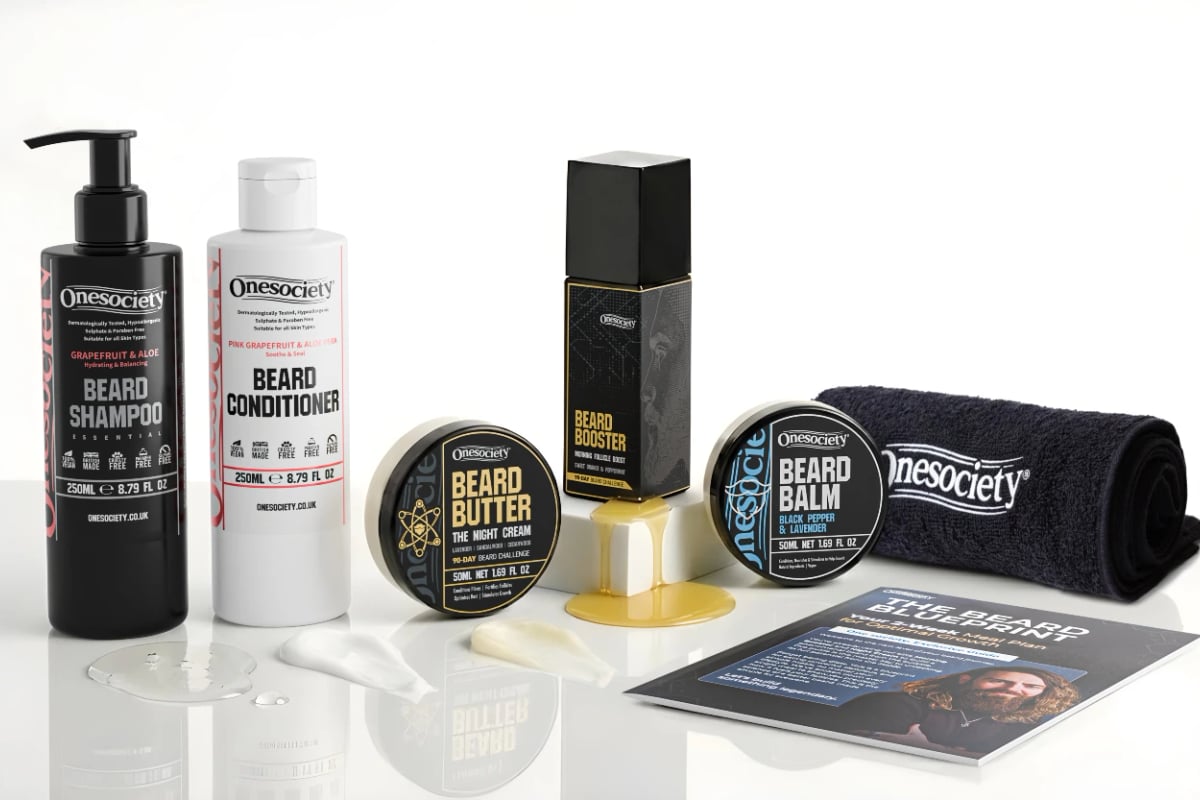
The 90-Day Beard Challenge leverages this synergy through precisely formulated products that work in sequence. The kit includes eight complementary formulas, each designed to address specific aspects of beard and skin health. From the Beard Booster that stimulates blood flow to follicles, to the Hydro-Lock Balm that seals in moisture, every product builds on the previous application's benefits. This systematic approach eliminates guesswork and delivers consistent results backed by a full refund guarantee.
Frequency and Timing: The Circadian Factor
Your skin and hair don't function identically throughout the day. Sebum production peaks between 1pm-4pm. TEWL increases during sleep. Understanding these biological rhythms optimises your beard oil and moisturiser routine.
Morning application (7am-9am):
- Cleanse to remove overnight sebum buildup
- Apply moisturiser to damp skin
- Wait 10 minutes for absorption
- Apply lightweight beard oil (3-4 drops maximum)
- Style as needed
Evening application (9pm-11pm):
- Deep cleanse to remove pollutants and product buildup
- Apply richer moisturiser with repair actives (retinol, peptides)
- Use heavier beard oil with growth-promoting ingredients
- Massage thoroughly to stimulate night-time follicle repair
Twice-daily application isn't excessive. It aligns with your skin's natural regeneration cycle. Night-time is when cellular repair peaks. Providing nutrients during this window maximises absorption and efficacy.
Climate and Environmental Adjustments
Your environment demands formula adjustments:
| Climate | Moisturiser Type | Beard Oil Weight |
|---|---|---|
| Cold, Dry (Winter) | Thick, occlusive creams | Heavy oils (castor, avocado) |
| Hot, Humid (Summer) | Lightweight gels or serums | Light oils (jojoba, grapeseed) |
| Indoor Heating | Hydration-focused lotions | Medium-weight blends |
| High Pollution | Antioxidant-rich formulas | Protective oils with vitamin E |
Temperature affects oil viscosity and absorption rates. Cold weather thickens oils, requiring more massage for penetration. Heat thins oils, necessitating less product to avoid greasiness.

Common Application Mistakes
Even quality beard oil and moisturiser fail when applied incorrectly. These errors undermine product effectiveness:
Using too much product: Beard oil is concentrated. Six drops suffices for a 10cm beard. Excess oil doesn't absorb. It sits on the surface, attracting dust and looking greasy.
Skipping skin contact: Applying oil only to visible hair misses the point. The skin beneath requires direct contact with active ingredients. Always massage down to the epidermis.
Inconsistent application: Sporadic use prevents cumulative benefits. Fatty acids and vitamins need time to integrate into hair and skin structures. Beard oil benefits become apparent after 4-6 weeks of daily use, not overnight.
Wrong product sequence: Moisturiser goes on skin first. Beard oil comes second. Reversing this order blocks moisturiser absorption, wasting the product.
Neglecting the brush: Your fingers can't distribute oil evenly through dense facial hair. A boar bristle brush spreads product, exfoliates skin, and trains hair growth direction.
Ingredient Quality: What to Demand
Not all beard oil and moisturiser products deliver on promises. Inferior formulations use synthetic fragrances, mineral oil derivatives, and preservatives that irritate skin rather than heal it.
Demand these quality markers:
- 100% natural carrier oils: No petroleum byproducts or silicones
- Cold-pressed extraction: Heat damages fatty acid structures
- Organic certification: Reduces pesticide and chemical exposure
- Therapeutic-grade essential oils: Properly diluted (typically 2-3%)
- Glass packaging: Prevents plastic leaching into oils
- Recent production date: Oils oxidise over time, reducing effectiveness
Understanding natural ingredients helps you distinguish quality products from marketing hype. Companies committed to transparency publish full ingredient lists with concentration percentages and sourcing information.
The Synthetic Trap
Synthetic fragrances may smell appealing, but they trigger contact dermatitis in sensitive skin. These compounds don't offer therapeutic value. They exist purely for scent, often masking poor-quality base oils.
Mineral oil, a petroleum derivative, creates an occlusive barrier that blocks pores. Unlike natural occlusives (beeswax, shea butter), it prevents skin breathing and can trap bacteria beneath the beard.
Parabens and sulphates in moisturisers strip natural oils, creating a dependency cycle. Your skin becomes reliant on external hydration because its natural moisture production shuts down.
Measuring Results: What to Expect
Beard oil and moisturiser produce quantifiable changes when used correctly. Set realistic expectations based on biological timelines:
Week 1-2: Immediate itch reduction and improved texture. Skin feels comfortable. Beard becomes softer to touch.
Week 3-4: Visible reduction in flaking and beardruff. Hair develops natural shine. Skin irritation subsides.
Week 5-8: Noticeable growth in previously patchy areas. Existing hair becomes thicker with reduced breakage. Skin tone evens out.
Week 9-12: Full transformation becomes apparent. Beard density increases. Hair grows uniformly. Skin beneath remains healthy and hydrated. Lesser-known benefits like improved confidence and reduced styling time emerge.
Track progress through weekly photographs taken in consistent lighting. Measure beard length at specific points (chin, cheeks, neck) using a ruler. Document any skin changes or comfort improvements.
When Results Plateau
Growth plateaus are normal. Hair follicles cycle through three phases: anagen (growth), catagen (transition), and telogen (rest). At any time, 85-90% of follicles are in anagen, whilst 10-15% rest in telogen.
When your beard seems stuck, examine:
- Nutrition: Are you consuming adequate protein (minimum 1.6g per kg body weight)?
- Hydration: Are you drinking 2-3 litres of water daily?
- Sleep: Are you getting 7-9 hours for cellular repair?
- Stress: Are cortisol levels sabotaging testosterone production?
External products support growth, but internal health drives it. Beard oil and moisturiser optimise conditions for follicles to function, but they cannot override poor lifestyle factors.
Advanced Techniques for Experienced Users
Once you've mastered basic application, advanced techniques amplify results:
Hot towel pre-treatment: Wrap your beard in a hot, damp towel for 5 minutes before applying products. Heat opens pores and hair cuticles, enhancing absorption by up to 40%.
Derma rolling integration: Using a 0.5mm derma roller on beard skin creates microchannels that improve ingredient penetration. Combine with vitamin-rich moisturisers for enhanced follicle stimulation.
Targeted spot treatment: Apply concentrated beard oil to patchy areas twice daily. The increased fatty acid delivery can reactivate dormant follicles.
Overnight oil masks: Once weekly, apply generous beard oil before bed. Cover your pillow with a towel. The extended contact time allows deep conditioning.
Layering multiple oils: Mix 70% carrier oil with 30% specialty oil (like castor for thickness or rosehip for repair) to create custom blends addressing specific concerns.
For those committed to transformation, exploring top beard growth products reveals advanced formulations that combine multiple active ingredients for accelerated results.
The Investment Perspective
Quality beard oil and moisturiser represent an investment in long-term beard health, not an expense. Calculate the actual cost:
A 30ml bottle of premium beard oil lasts 6-8 weeks with daily use. At £20-30, that's £0.36-0.71 per day. A quality facial moisturiser at £15-25 lasts 8-10 weeks, costing £0.21-0.44 daily.
Combined daily investment: £0.57-1.15
Compare this to:
- Barber visits to address split ends and uneven growth: £25-40 monthly
- Replacement clothing from beard-related staining: £50-100 annually
- Skin treatments for dermatitis or acne: £30-60 per treatment
Prevention costs less than correction. Consistent use of beard oil and moisturiser eliminates most common beard problems before they require professional intervention.
Return on Investment
Beyond financial metrics, consider the non-monetary returns:
- Confidence in professional and social settings
- Elimination of physical discomfort (itch, irritation)
- Reduced grooming time through improved manageability
- Enhanced facial aesthetics and perceived attractiveness
- Protection against premature ageing and environmental damage
These benefits compound over months and years. A well-maintained beard becomes progressively easier to manage, whilst neglected facial hair becomes increasingly problematic.
Mastering beard oil and moisturiser transforms both your facial hair and underlying skin through targeted, science-backed ingredients that address specific biological needs. The key lies in understanding how these products work differently yet synergistically, then applying them consistently with proper technique. If you're ready to experience genuine transformation backed by natural ingredients and scientific research, Onesociety offers comprehensive beard grooming solutions designed for measurable results. Their commitment to 100% natural formulations, combined with transparent ingredient sourcing and a full satisfaction guarantee, ensures you're investing in products that deliver on their promises.