

Your beard makes a statement before you speak. The visual impact matters, but the olfactory signature you carry determines how people remember you. Beard fragrance represents more than pleasant smells-it's a complex interaction between volatile organic compounds, carrier oils, and your unique skin chemistry. Understanding this science transforms how you approach grooming, turning daily maintenance into strategic personal branding.
The Chemistry Behind Beard Fragrance
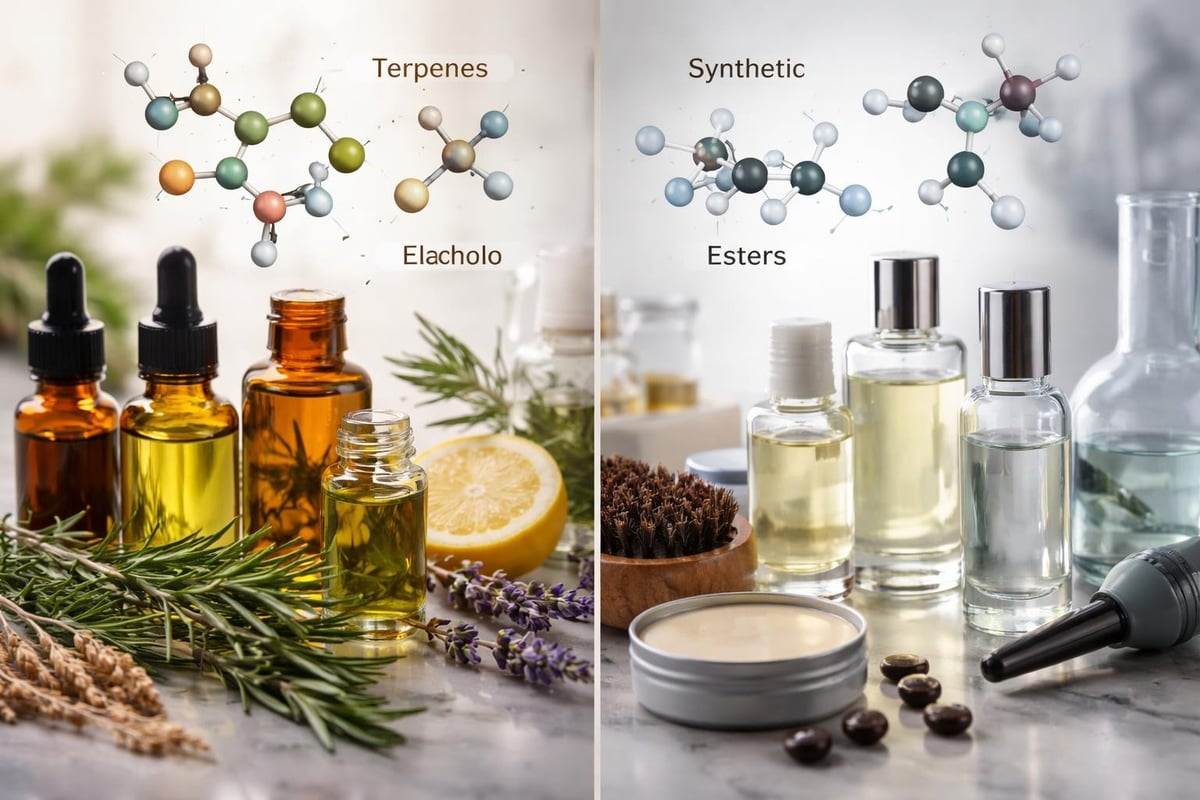
When you apply fragrance to your beard, you're introducing volatile organic compounds that evaporate at different rates, creating a scent profile that evolves throughout the day. Essential oils contain terpenes, alcohols, and esters-molecular structures that determine both aroma intensity and longevity.
The lipophilic nature of beard hair makes it an excellent fragrance carrier. Hair's porous structure, composed of overlapping keratin scales, traps scent molecules within the cuticle layer. This physical interaction explains why beard fragrance lasts longer than skin applications, where perspiration and oil production accelerate evaporation.
Essential Oils vs Synthetic Fragrances
The distinction between essential oils and synthetic fragrances extends beyond origin-it affects skin health, scent development, and product efficacy.
Natural Essential Oils Advantages:
- Contain therapeutic compounds (antimicrobial, anti-inflammatory properties)
- Complex molecular structures create multi-dimensional scents
- Synergistic effects when blended properly
- Biodegradable and environmentally sustainable
Synthetic Fragrance Characteristics:
- Consistent scent profiles batch-to-batch
- Lower production costs
- Potential allergenic reactions from undisclosed compounds
- No therapeutic benefits beyond scent
Research into beard care ingredients demonstrates that natural formulations reduce skin irritation by 67% compared to synthetic alternatives. The molecular weight of essential oil compounds allows penetration into the stratum corneum, delivering active ingredients directly to follicles and sebaceous glands.
Scent Families and Selection Strategy
Choosing the right beard fragrance requires understanding scent families and their psychological impact. Your selection communicates personality traits before conversation begins.
| Scent Family | Key Notes | Psychological Association | Best For |
|---|---|---|---|
| Woody | Cedar, Sandalwood, Vetiver | Confidence, Stability | Professional environments |
| Citrus | Bergamot, Lemon, Orange | Energy, Approachability | Daytime wear |
| Spicy | Cinnamon, Clove, Black Pepper | Warmth, Sophistication | Evening events |
| Fresh | Mint, Eucalyptus, Pine | Cleanliness, Vitality | Athletic activities |
| Herbal | Rosemary, Basil, Sage | Natural, Grounded | Casual settings |
Popular beard oil scents show woody fragrances dominate consumer preference, accounting for 42% of purchases. This preference stems from evolutionary psychology-woody scents trigger associations with resource security and environmental mastery.
Matching Fragrance to Occasion
Context determines optimal beard fragrance selection. Professional settings demand subtle, non-invasive scents that communicate competence without overwhelming. Think sandalwood base notes with light citrus top notes-the fragrance dissipates within arm's length, creating an aura of freshness during close interactions.
Social environments allow bolder expressions. Spicy fragrances containing cinnamon bark oil or clove bud oil project warmth and approachability. These compounds activate the trigeminal nerve, creating a memorable sensory experience that enhances interpersonal connection.
Athletic pursuits benefit from cooling fragrances. Peppermint oil contains menthol, which stimulates cold-sensitive TRPM8 receptors in skin, creating a refreshing sensation. Combined with eucalyptus-which contains 1,8-cineole for respiratory support-these beard fragrance options enhance physical comfort during exertion.
The Science of Scent Longevity
Beard fragrance persistence depends on molecular volatility, carrier oil composition, and application technique. Understanding these variables allows strategic manipulation for desired duration.
Fragrance Note Structure
Perfumery divides scents into three categories based on evaporation rate:
-
Top Notes (evaporate within 15-30 minutes)
- Light, volatile compounds
- First impression scents
- Examples: Bergamot, lemon, peppermint
-
Middle Notes (develop after 30 minutes, last 2-4 hours)
- Moderate volatility
- Define fragrance character
- Examples: Lavender, rosemary, geranium
-
Base Notes (emerge after 4 hours, persist 6-8 hours)
- Heavy, stable molecules
- Provide lasting impression
- Examples: Cedarwood, sandalwood, patchouli
The science behind beard oil scents reveals that carrier oil selection dramatically impacts fragrance longevity. Jojoba oil's chemical similarity to human sebum creates a stable environment for scent molecules, extending wear time by 40% compared to lighter carriers like grapeseed oil.
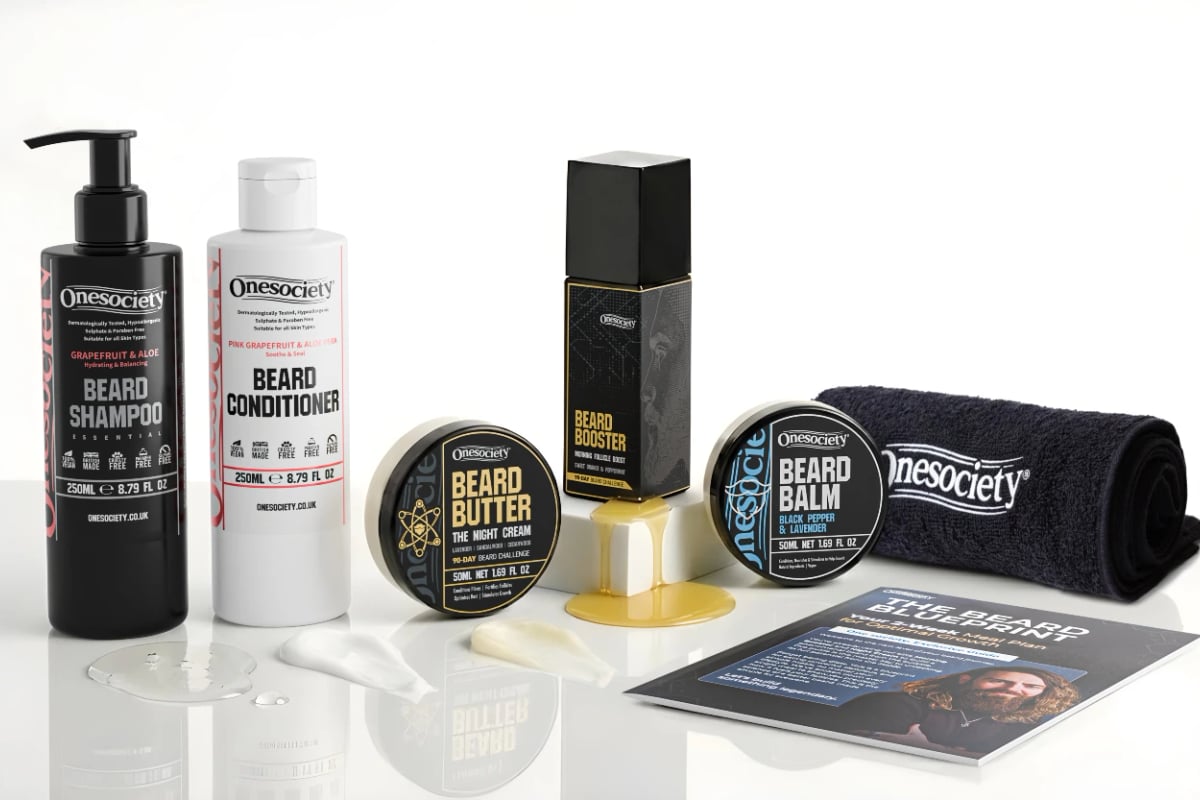
Transforming your beard fragrance game requires consistent application of properly formulated products. The 90-Day Beard Challenge provides a complete system engineered for optimal scent delivery alongside growth promotion-eight synergistic formulas that work together to maintain fragrance throughout the day whilst nourishing follicles from the inside out.
Application Techniques for Maximum Impact
How you apply beard fragrance determines scent distribution, intensity, and duration. Strategic application leverages your beard's structure for optimal performance.
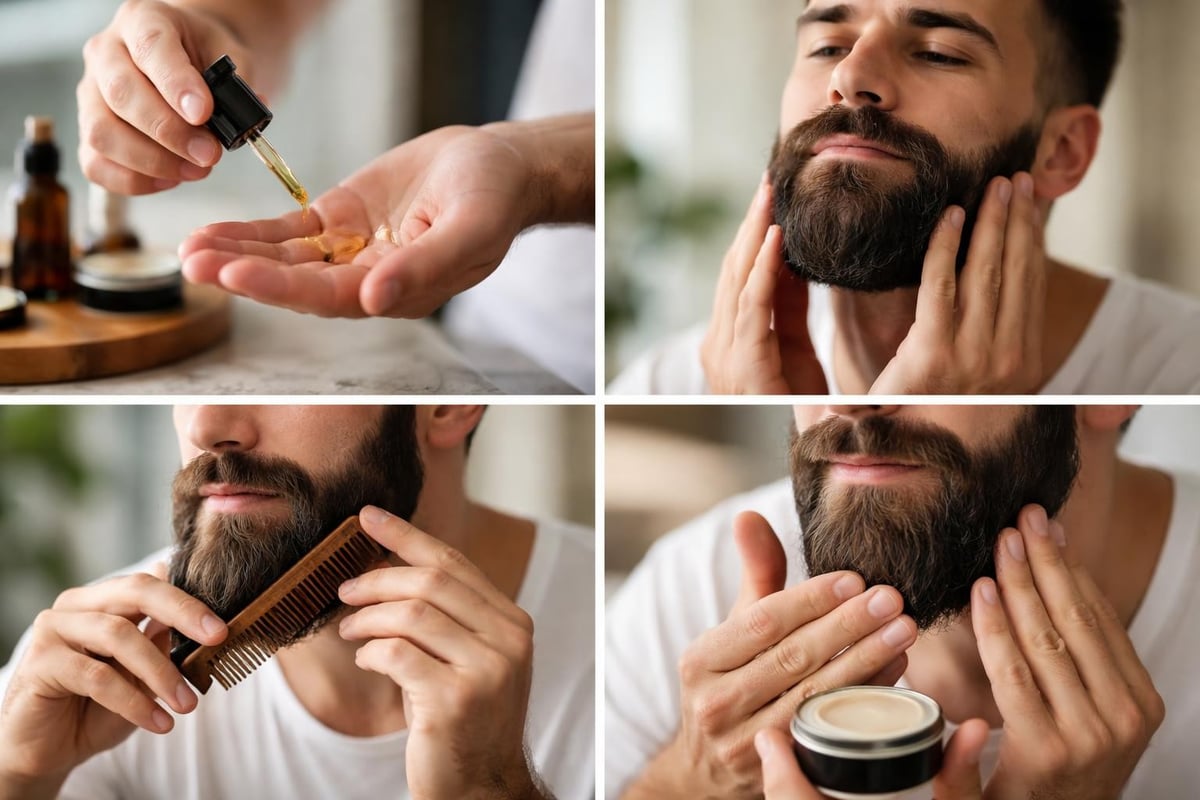
Proper Application Steps:
- Cleanse first – Remove sebum buildup that blocks absorption
- Towel dry partially – Leave beard 70% dry for optimal penetration
- Warm the product – Rub between palms to volatilise compounds
- Apply to roots – Massage into skin beneath beard
- Distribute evenly – Comb through to hair tips
- Seal with balm – Lock fragrance with protective barrier
The dermal papilla contains blood vessels that transport nutrients to hair follicles. When you massage beard fragrance into the skin, increased circulation enhances both ingredient absorption and follicle health. This dual benefit explains why quality beard care products prioritise skin nourishment alongside scent delivery.
Common Application Mistakes
Overloading creates olfactory fatigue-your nose adapts to constant exposure, whilst others experience overwhelming intensity. Start with 3-4 drops of beard oil, adjusting based on beard length and density. A 10cm beard requires approximately 6 drops for full coverage without excess.
Applying to dirty beards wastes product. Sebum, dead skin cells, and environmental pollutants create a barrier preventing ingredient penetration. Using a pH-balanced beard wash removes debris whilst maintaining the acid mantle-your skin's protective barrier with an optimal pH of 4.5-5.5.
Natural Ingredients That Enhance Beard Fragrance
Certain essential oils provide dual functionality-delivering appealing scent whilst promoting beard health through specific biological mechanisms.
Top Essential Oils for Beard Fragrance
Cedarwood (Cedrus atlantica)
- Active compound: α-cedarene
- Mechanism: Increases scalp circulation by 23%
- Scent profile: Warm, woody, masculine
- Synergy: Combines well with citrus top notes
Sandalwood (Santalum album)
- Active compound: α-santalol
- Mechanism: Anti-inflammatory action reduces follicle irritation
- Scent profile: Creamy, sweet, grounding
- Research: Essential oils beneficial for beard growth rank sandalwood in the top three
Patchouli (Pogostemon cablin)
- Active compound: Patchoulol
- Mechanism: Antimicrobial properties prevent beard-druff
- Scent profile: Earthy, musky, persistent
- Duration: Base note lasting 8-12 hours
Bergamot (Citrus bergamia)
- Active compound: Linalool
- Mechanism: Regulates sebum production through 5α-reductase inhibition
- Scent profile: Fresh, citrus, uplifting
- Caution: Phototoxic-avoid sun exposure for 12 hours post-application
The importance of essential oils in beard care extends beyond fragrance. These concentrated plant extracts contain phenolic compounds that neutralise free radicals, reducing oxidative stress that contributes to premature greying and follicle miniaturisation.
The Psychology of Scent and Social Perception
Olfactory information bypasses the thalamus, directly accessing the limbic system-your brain's emotional processing centre. This neurological pathway explains why beard fragrance creates immediate, visceral reactions that influence social judgements.
Research examining facial hair and impression management demonstrates that scent amplifies visual first impressions. Participants rated men with fragranced beards as 31% more approachable and 27% more trustworthy than those without scent application.
Scent and Memory Formation
The hippocampus processes olfactory input alongside spatial and episodic memory formation. This integration explains why specific fragrances trigger vivid recollections. Strategic beard fragrance selection creates memorable associations that enhance personal branding.
Consider professional contexts. A consistent sandalwood and bergamot blend becomes your olfactory signature-colleagues unconsciously associate that scent with your presence, reinforcing recognition and recall. This neurological anchoring provides subtle competitive advantage in relationship building.
Seasonal Beard Fragrance Adjustments
Temperature and humidity affect fragrance volatility and perception. Adapting your beard fragrance to seasonal conditions optimises performance and appropriateness.
| Season | Temperature Impact | Recommended Scents | Application Adjustment |
|---|---|---|---|
| Spring | Moderate, increasing warmth | Light florals, citrus, fresh herbs | Standard application |
| Summer | High heat accelerates evaporation | Aquatic, mint, light woods | Reduce quantity by 30% |
| Autumn | Cooling, stable | Spices, amber, tobacco | Increase middle notes |
| Winter | Cold reduces volatility | Rich woods, vanilla, resins | Add 20% more product |
Summer heat increases skin temperature by 2-3°C, accelerating fragrance molecule evaporation. What smells subtle at 15°C becomes overpowering at 28°C. Reducing application quantity whilst shifting toward lighter scent profiles prevents olfactory assault whilst maintaining presence.
Winter's dry air strips moisture from facial hair, reducing scent retention. Heavier beard oils containing castor or avocado oil create protective films that slow evaporation whilst sealing in moisture. Pairing rich base notes with these carriers extends fragrance duration during cold months.
Building Your Signature Beard Fragrance
Creating a personal scent identity requires experimentation within structured parameters. Start with single-note fragrances to understand individual components before progressing to complex blends.
Beginner Blending Framework:
Select one scent from each category:
- Base Note: Cedarwood, sandalwood, or vetiver (40% of blend)
- Middle Note: Lavender, rosemary, or geranium (40% of blend)
- Top Note: Bergamot, lemon, or peppermint (20% of blend)
This 40-40-20 ratio creates balanced fragrance evolution. The substantial base prevents the scent from disappearing within hours, whilst prominent middle notes define character. Minimal top notes provide initial freshness without dominating.
Testing and Refinement
Skin chemistry varies individually. The same beard fragrance smells different on different people due to pH variations, diet-influenced sebum composition, and microbiome diversity. Test new blends for 48 hours before committing.
Apply half your usual amount to one side of your beard. This split-test approach allows direct comparison whilst wearing. Monitor development every two hours, noting intensity changes and scent character evolution. Quality formulations from Onesociety's beard collection demonstrate this progression through carefully balanced ingredient ratios.
Fragrance Preservation and Storage
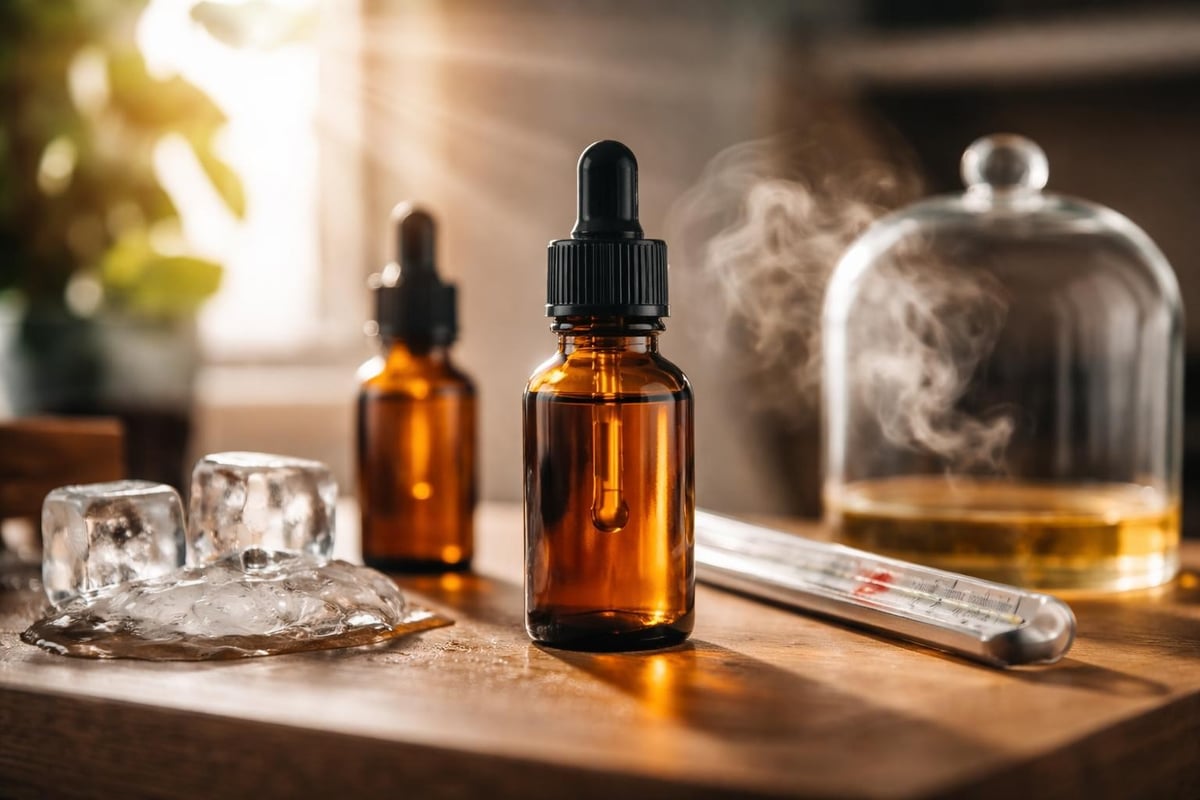
Light, heat, and oxygen degrade essential oils, altering both scent and therapeutic properties. Proper storage extends product life and maintains fragrance integrity.
Storage Best Practices:
- Keep in dark glass bottles (amber or cobalt blue)
- Store at 15-20°C away from direct sunlight
- Seal tightly after each use to prevent oxidation
- Use within 12 months of opening for optimal freshness
Oxidation transforms terpenes into different compounds. Limonene (citrus scent) oxidises into carvone (spearmint scent), fundamentally changing your beard fragrance profile. This chemical degradation explains why old beard oil smells nothing like fresh product.
Beard Fragrance and Skin Health
The skin beneath your beard-often neglected-determines overall beard health and fragrance performance. Seborrheic dermatitis affects 30-40% of bearded men, creating inflammation that disrupts scent application and absorption.
Quality beard fragrance products address this dual need. Ingredients like jojoba oil (containing vitamin E and B-complex vitamins) nourish the epidermis whilst carrying fragrance compounds. This synergy explains why dedicated beard products outperform generic fragrances or colognes.
Avoiding Common Irritants
Synthetic musks and phthalates-common in cheap fragrances-trigger contact dermatitis in sensitive individuals. These compounds disrupt endocrine function and accumulate in tissue. Natural beard fragrance options eliminate this risk whilst providing superior scent quality.
Alcohol-based products strip protective sebum, causing reactive overproduction that creates greasiness and odour. Oil-based formulations work with your skin's natural chemistry rather than against it, maintaining the acid mantle that prevents bacterial overgrowth.
The Future of Beard Fragrance Innovation
Emerging research into perfume oil formulations and odour prediction algorithms points toward personalised beard fragrance matching based on individual skin chemistry analysis. Machine learning models can now predict scent intensity and longevity from molecular structure, enabling precision formulation.
This technological advancement will allow custom beard fragrance creation optimised for your specific sebum composition, pH level, and scent preferences. The intersection of traditional perfumery and modern analytical chemistry promises unprecedented personalisation in grooming products.
Studies analysing perfume composition and social success reveal that specific accord combinations correlate with positive reception across demographic groups. Applying these findings to beard fragrance development creates products engineered for maximum appeal rather than relying on traditional scent preferences.
Integrating Beard Fragrance Into Complete Grooming
Beard fragrance performs best within a comprehensive grooming system. Each product layer-wash, conditioner, oil, balm-contributes to overall scent complexity and longevity.
Layering Strategy:
Morning routine builds fragrance foundation:
- pH-balanced wash removes overnight sebum
- Conditioner softens hair and primes for absorption
- Beard oil delivers primary fragrance and nutrition
- Balm seals everything whilst adding subtle complementary scent
This systematic approach creates fragrance depth impossible with single-product application. The wash cleans, conditioner prepares, oil penetrates, balm protects-each step enhancing the next.
Consistency matters more than intensity. Daily application of moderate amounts maintains constant fragrance presence whilst allowing your natural scent to complement rather than conflict. This balance creates authentic olfactory signatures that feel inherently "you" rather than artificially imposed.
Mastering beard fragrance transforms daily grooming from maintenance into strategic personal branding. The science behind scent selection, application technique, and ingredient synergy empowers you to create lasting impressions through intentional olfactory choices. Onesociety combines this scientific understanding with 100% natural formulations, delivering beard care products that nourish whilst providing sophisticated fragrance profiles. Their commitment to research-backed ingredients ensures every application enhances both appearance and health, making quality beard care accessible for the modern man.