

You wake up, run your fingers through your facial hair, and it feels like straw. That prickly, brittle texture isn't just uncomfortable. It's your beard sending distress signals. Beard dryness affects thousands of men across the UK, turning what should be a source of pride into a daily frustration. The flaking, the itching, the wiry texture-these aren't mere cosmetic issues. They're symptoms of compromised hair structure and depleted natural oils that your facial hair desperately needs to thrive.
The Scientific Reality Behind Beard Dryness
Your beard hair differs fundamentally from the hair on your scalp. Facial follicles produce thicker, coarser strands with a unique growth pattern that demands specific care. The sebaceous glands attached to each follicle secrete sebum, an oil composed of triglycerides, wax esters, and squalene that naturally waterproofs and protects each strand.
When these glands fail to produce adequate sebum-or when external factors strip away this protective layer-beard dryness develops rapidly.
The Sebum Production Problem
Most men don't realize their facial hair requires significantly more sebum than scalp hair to maintain moisture balance. A 15cm beard contains approximately 30,000 individual hairs, each demanding its share of protective oils. Your sebaceous glands, however, produce a fixed quantity based on hormonal signals and genetic programming.
Key factors disrupting sebum production:
- Hormonal fluctuations: Testosterone levels directly influence sebum output
- Age-related decline: Production decreases by approximately 23% per decade after age 30
- Environmental stress: Cold weather constricts glands, reducing oil flow
- Nutritional deficiencies: Inadequate omega-3 fatty acids impair lipid synthesis
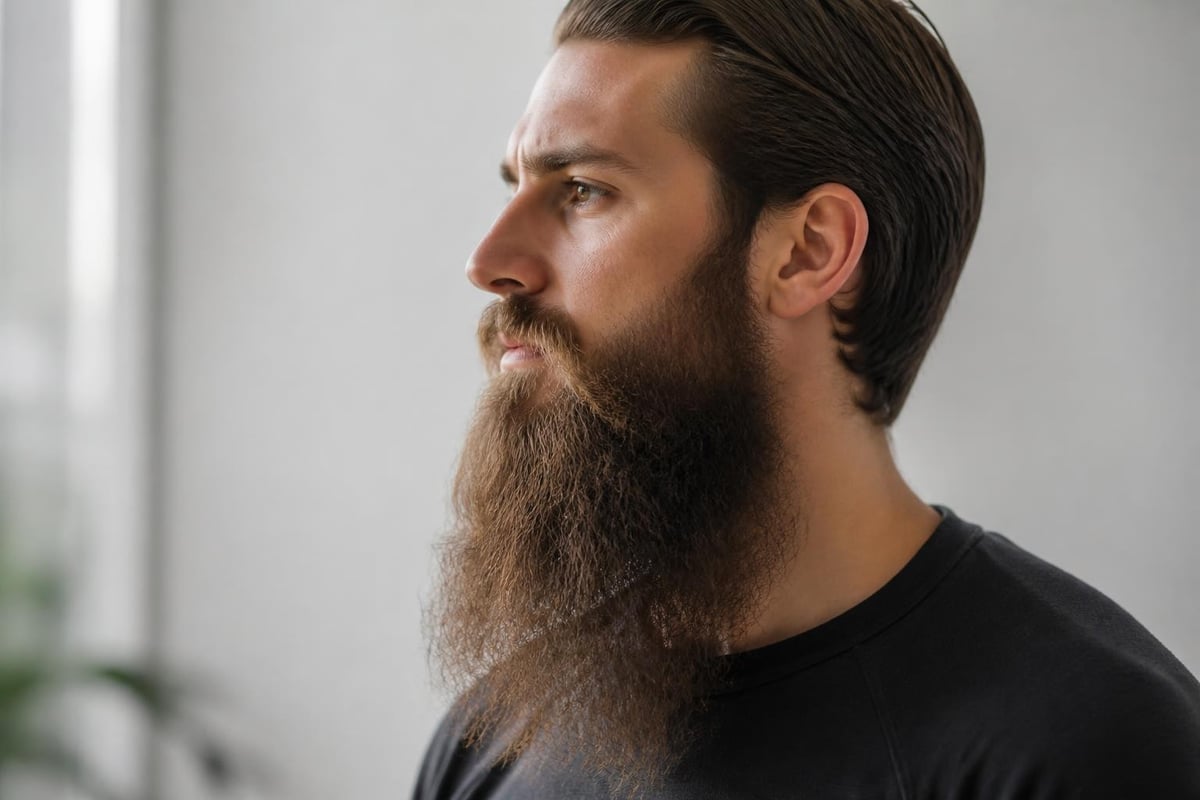
The mathematics are straightforward. If your glands produce enough oil for a 5cm beard but you've cultivated 15cm of growth, the bottom two-thirds remain chronically under-nourished. This explains why beard dryness frequently intensifies as beards grow longer.
Environmental Aggressors That Destroy Moisture
External conditions assault your beard daily, creating a hostile environment that accelerates moisture loss. Understanding these aggressors helps you counteract their damaging effects.
Weather-Related Moisture Theft
British weather presents unique challenges for beard maintenance. Winter brings particularly harsh conditions that rapidly dehydrate facial hair.
| Environmental Factor | Mechanism of Damage | Moisture Loss Rate |
|---|---|---|
| Cold wind | Lifts hair cuticles, exposing cortex | 15-20% daily |
| Indoor heating | Reduces ambient humidity below 30% | 10-15% daily |
| UV radiation | Breaks down keratin protein bonds | 5-10% daily |
| Saltwater exposure | Osmotic dehydration of hair shaft | 25-30% per swim |
Cold air cannot hold moisture as effectively as warm air. When you step outside in January, the relative humidity plummets. Your beard, previously equilibrated to indoor conditions, suddenly loses water molecules to the surrounding atmosphere through a process called transepidermal water loss.
The connection between dry skin and itchy beards compounds this problem. Your facial skin beneath the beard also loses moisture, triggering inflammation that disrupts the follicular environment where beard hair originates.
Chemical Warfare From Daily Habits
Your grooming routine might actively contribute to beard dryness rather than preventing it. Conventional products contain harsh detergents that strip protective oils with ruthless efficiency.
Sodium lauryl sulphate (SLS), found in most commercial shampoos, functions as a surfactant that dissolves the lipid layer coating each hair strand. While this creates satisfying foam, it removes both dirt AND your beard's natural protective barrier. Studies indicate SLS reduces hair shaft lipid content by up to 40% per wash.
Drying habits to eliminate immediately:
- Using scalp shampoo on facial hair (wrong pH balance)
- Washing beard daily with hot water (thermal damage to cuticles)
- Blow-drying on high heat (evaporates internal moisture)
- Applying alcohol-based styling products (desiccates hair shaft)
- Towel-rubbing vigorously (physical cuticle damage)
Hard water presents another hidden threat. Calcium and magnesium ions bind to hair proteins, creating mineral deposits that repel moisture. If you live in an area with hard water-common throughout the South East and Midlands-your beard battles constant mineral accumulation that contributes directly to dryness.
The Cascading Health Consequences
Beard dryness triggers a destructive cycle that progressively worsens without intervention. The initial problem amplifies through multiple pathways, each reinforcing the others.
Structural Degradation
Hair strands comprise three layers: the outer cuticle, the cortical layer containing keratin proteins, and sometimes a central medulla. When moisture content drops below 10% (healthy hair maintains 12-18%), the cuticle scales lift and separate.
This exposure allows the cortical proteins to break down. Disulphide bonds that provide tensile strength fracture. The result? Split ends, breakage, and that distinctive straw-like texture associated with severe beard dryness.
Your beard literally falls apart at the molecular level.
Follicular Inflammation
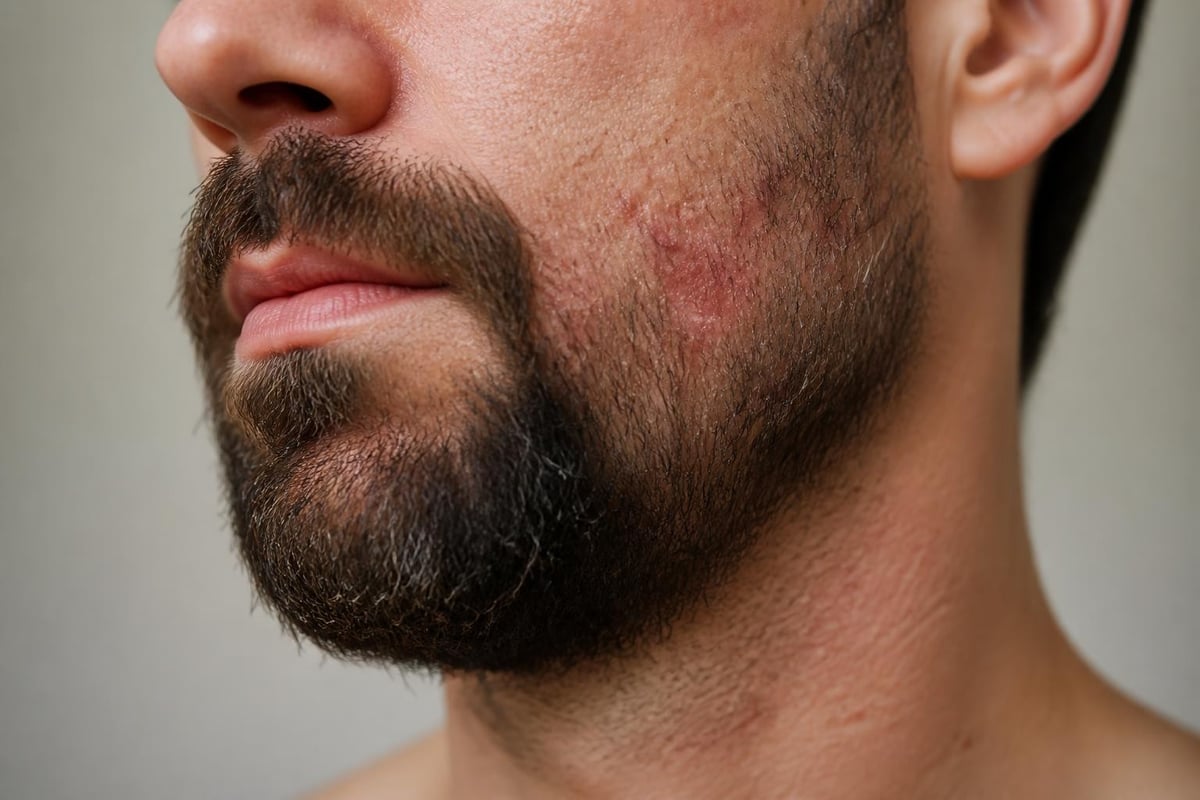
The skin beneath your beard responds to chronic dryness by increasing inflammatory cytokine production. This immune response, intended to protect damaged tissue, actually worsens the situation by:
- Constricting blood vessels that supply nutrients to follicles
- Triggering excessive keratin production (flaking)
- Disrupting the natural hair growth cycle
- Creating the perfect environment for fungal overgrowth
Beard dandruff develops when the yeast Malassezia globosa proliferates on dry, inflamed skin. This organism feeds on sebum breakdown products, ironically thriving in conditions of oil imbalance rather than absence.
Natural Solutions That Target Root Causes
Reversing beard dryness requires addressing the underlying physiological deficits, not merely masking symptoms. Scientific research identifies specific natural compounds that restore moisture balance through proven biological mechanisms.
Lipid Replacement Therapy
Your beard needs external lipids that chemically mimic natural sebum. These compounds must penetrate the hair shaft, not simply coat the surface.
Scientifically validated moisturising ingredients:
- Jojoba oil: Structurally identical to human sebum; contains long-chain fatty acids that fill gaps in damaged cuticles
- Argan oil: Rich in vitamin E (tocopherol) which prevents oxidative damage to keratin proteins
- Shea butter: Contains triterpene alcohols that reduce inflammation and ceramides that repair the hair's lipid barrier
- Sweet almond oil: High oleic acid content (65-70%) provides deep penetration and moisture retention
Quality beard oils deliver these active ingredients in carefully balanced ratios. The carrier oils penetrate while essential oils provide antimicrobial protection against fungal overgrowth.
The Hydration-Retention Strategy
Simply adding moisture proves insufficient if your beard cannot retain it. This requires a two-phase approach: humectants that attract water molecules, followed by emollients that seal them inside the hair shaft.
| Product Type | Active Mechanism | Application Timing |
|---|---|---|
| Beard wash | Gentle cleansing preserves natural oils | Evening, 3x weekly |
| Leave-in conditioner | Humectants draw moisture into cortex | Post-wash, damp hair |
| Beard butter | Emollients create occlusive moisture barrier | Night-time, dry hair |
| Beard balm | Beeswax seals hydration, provides hold | Morning styling |
The science supports this layered approach. Glycerin-based humectants can increase hair moisture content by 25-30%, but only if followed by an occlusive agent that prevents evaporation.
Repairing the Follicular Environment
Surface treatments alone cannot resolve beard dryness if the underlying skin remains compromised. Follicle health determines the quality of hair your body produces.
Ingredients that restore skin barrier function include:
- Niacinamide: Increases ceramide production in the stratum corneum by 34%
- Hyaluronic acid: Holds 1000x its weight in water, maintaining dermal hydration
- Panthenol (vitamin B5): Penetrates follicles and converts to pantothenic acid, essential for cellular metabolism
Addressing the root causes of dry, inflamed skin creates the optimal environment for healthy beard growth. Your follicles cannot produce quality hair from damaged, dehydrated tissue.
The 90-Day Transformation Protocol
Reversing chronic beard dryness requires consistent application of scientifically formulated products over sufficient time for complete hair replacement. Your beard grows approximately 1.25cm monthly, meaning a full cycle takes three months.
A comprehensive system delivers superior results compared to isolated products. The synergistic effect of complementary formulations-each targeting specific aspects of beard health-accelerates recovery while preventing relapse.
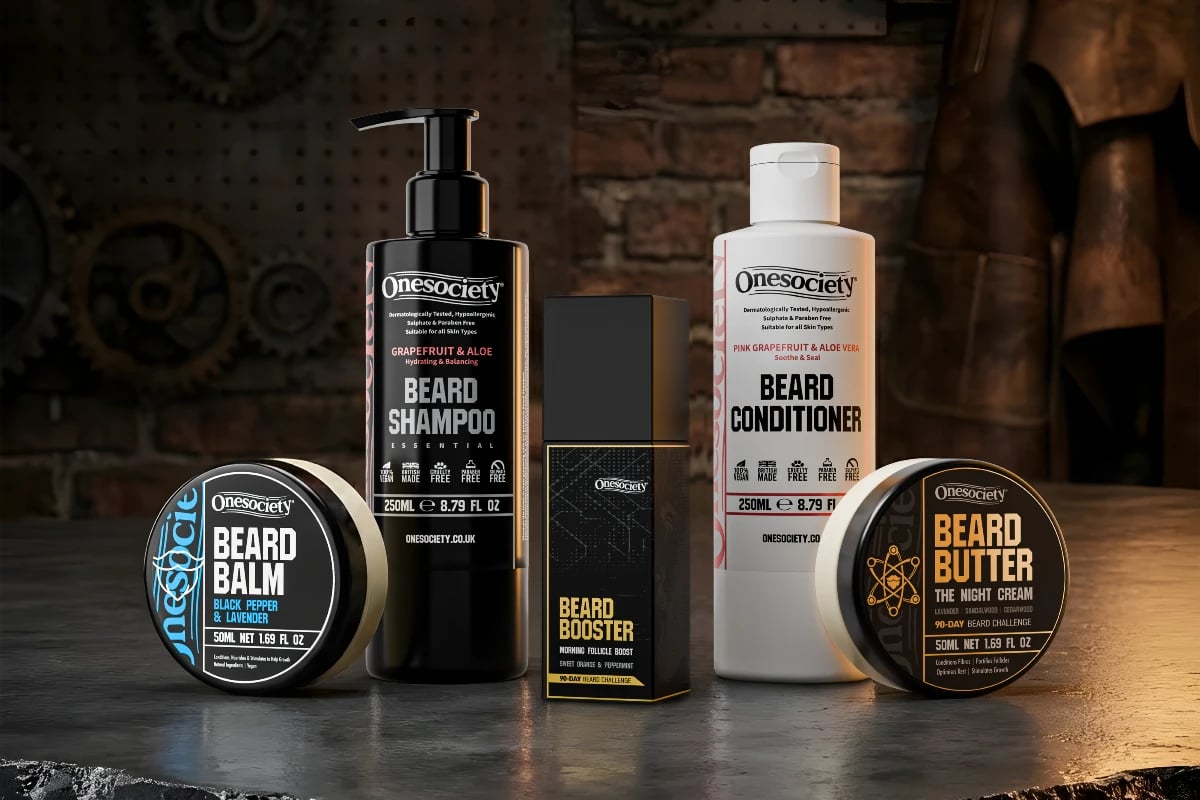
The 90-Day Beard Challenge provides eight distinct formulations engineered to address every factor contributing to beard dryness. From follicle-stimulating Beard Booster that enhances blood flow and nutrient delivery, to the Hydro-Lock Balm that creates an impermeable moisture barrier, each product serves a specific biological function. This systematic approach transforms not just surface texture but underlying hair structure and follicular health.
Progressive Treatment Phases
Weeks 1-4: Crisis Intervention Focus on immediate moisture restoration and damage control. Apply intensive conditioning treatments nightly. The hair shaft's moisture content should increase from depleted levels (below 10%) to healthy baseline (12-15%).
Weeks 5-8: Structural Repair As new hair emerges from restored follicles, maintain consistent hydration while introducing protein treatments. Keratin peptides can penetrate damaged cuticles and reconstruct broken disulphide bonds, restoring tensile strength.
Weeks 9-12: Maintenance and Prevention Establish sustainable routines that prevent relapse. By this phase, the majority of your beard consists of healthy hair grown in an optimised environment, dramatically reducing susceptibility to future dryness.
Measuring Tangible Progress
Track objective metrics rather than relying on subjective assessment:
- Hydration level: Professional hair analysers measure moisture percentage
- Elasticity test: Healthy hair stretches 30% before breaking; dry hair snaps at 10%
- Shine index: Light reflection increases as cuticle smoothness improves
- Flake count: Reduced shedding of skin cells indicates resolved inflammation
Lifestyle Modifications That Support Moisture Balance
External products deliver optimal results when combined with systemic support. Your beard reflects your overall health status, drawing resources from your body's nutrient pool.
Nutritional Foundations
Hair consists primarily of keratin proteins built from amino acids. Inadequate protein intake directly compromises hair quality and moisture retention capacity. Aim for 1.6-2.0g protein per kilogram bodyweight daily.
Essential nutrients for beard hydration:
- Omega-3 fatty acids: Incorporate into cell membranes, improving moisture retention (salmon, mackerel, walnuts)
- Biotin: Cofactor for fatty acid synthesis; deficiency causes brittle hair (eggs, almonds, sweet potatoes)
- Vitamin A: Stimulates sebaceous gland activity (carrots, spinach, liver)
- Zinc: Required for protein synthesis and cell division (oysters, beef, pumpkin seeds)
- Vitamin E: Antioxidant that protects sebum from oxidation (sunflower seeds, avocado)
Hydration status matters enormously. Chronic dehydration reduces blood volume, limiting nutrient delivery to peripheral tissues like hair follicles. Consume minimum 35ml water per kilogram bodyweight daily.
Environmental Protection Strategies
Minimise exposure to moisture-depleting conditions when possible. During winter months, use a humidifier to maintain indoor relative humidity above 40%. This prevents excessive moisture loss from both beard and skin.
Wind protection proves equally important. A simple scarf wrapped around your lower face during outdoor activities reduces direct exposure that lifts cuticle scales and accelerates moisture evaporation.
Limit beard washing frequency to three sessions weekly maximum. Over-washing, even with gentle formulations, removes necessary oils faster than your glands can replace them. Between washes, rinse with water only to remove surface debris.
Advanced Interventions for Persistent Cases
Some men experience beard dryness despite implementing standard treatments. These cases often involve underlying conditions requiring targeted approaches.
Diagnosing Seborrhoeic Dermatitis
This chronic inflammatory condition affects 3-5% of the population, causing excessive flaking, redness, and intense dryness. Unlike simple dryness, seborrhoeic dermatitis results from immune dysfunction and Malassezia yeast overgrowth.
Treatment approaches include antifungal ingredients like ketoconazole or tea tree oil, combined with anti-inflammatory compounds such as colloidal oatmeal or liquorice root extract.
Addressing Hormonal Imbalances
Dihydrotestosterone (DHT), the androgen responsible for beard growth, also regulates sebaceous gland activity. Paradoxically, excessive DHT can sometimes reduce sebum production while simultaneously stimulating hair growth-creating the perfect storm for beard dryness in longer beards.
If standard treatments fail and you exhibit other signs of hormonal imbalance (fatigue, mood changes, reduced muscle mass), consult an endocrinologist for comprehensive hormone panel testing.
The Split End Epidemic
Once hair splits, no product can permanently repair the damage. The keratin bonds have physically separated and require removal. Regular trimming every 6-8 weeks eliminates split ends before they travel up the hair shaft, preventing the progressive damage that exacerbates dryness perception.
Professional beard trimmers create clean cuts that seal the hair shaft. Scissors used at improper angles create micro-fractures that invite future splitting.
The Truth About Product Selection
The grooming industry floods the market with beard products making extraordinary claims. Separating legitimate formulations from marketing hype requires understanding ingredient science.
Red Flag Ingredients That Worsen Dryness
Avoid products containing:
- Denatured alcohol: Evaporates rapidly, removing moisture from hair
- Synthetic fragrances: Often contain phthalates that disrupt hormonal signalling
- Parabens: Preservatives linked to sebaceous gland dysfunction
- Silicones (dimethicone): Create temporary smoothness but prevent moisture penetration
- Mineral oil: Petroleum derivative that coats without nourishing
Green Light Components
Prioritise formulations featuring:
- Cold-pressed carrier oils: Retain maximum nutrient content
- Essential oils at therapeutic concentrations: Provide antimicrobial protection (1-3% dilution)
- Natural butters: Shea, cocoa, mango supply plant ceramides
- Beeswax: Creates breathable moisture barrier without occlusion
- Vitamin additives: Tocopherol, panthenol support cellular function
The concentration matters as much as the ingredient list. A product containing jojoba oil as the eighth ingredient provides minimal benefit compared to formulations where it represents the primary component.
Natural ingredients backed by scientific research deliver consistent results without adverse effects. Your beard deserves formulations where every component serves a documented biological function rather than marketing purposes.
Building Your Personalised Routine
Cookie-cutter approaches fail because every beard presents unique challenges. Climate, water hardness, beard length, skin type, and lifestyle factors all influence optimal treatment strategies.
The Minimal Effective Routine
For mild beard dryness in temperate climates:
- Wash: pH-balanced beard wash 3x weekly
- Condition: Leave-in treatment post-wash
- Oil: Daily application of 4-6 drops to damp beard
- Protect: Balm application before outdoor exposure
This covers cleansing, moisture restoration, nutrient delivery, and environmental protection-the four pillars of beard health.
The Intensive Recovery Protocol
For severe beard dryness, environmental extremes, or beards exceeding 10cm:
Morning sequence:
- Rinse with lukewarm water
- Apply 2-3 drops lightweight oil (jojoba, argan)
- Seal with balm containing beeswax
- Brush with boar bristle brush to distribute products
Evening sequence:
- Wash (on designated days) with gentle formulation
- Apply intensive conditioner, leave 3-5 minutes
- Rinse thoroughly with cool water
- Towel blot (never rub)
- Apply 6-8 drops heavier oil blend (castor, avocado, jojoba)
- Finish with rich butter containing shea and mango
- Optional: Overnight beard wrap to prevent friction damage
This dual approach provides constant moisture availability while allowing deeper penetration during overnight recovery periods.
Adaptation Protocols
Monitor your beard's response and adjust accordingly. Excessive oiliness indicates product overload-reduce quantities or frequency. Persistent dryness despite consistent application suggests inadequate formulation concentration or missing nutritional cofactors.
Environmental factors fluctuate seasonally. Your summer routine may prove insufficient during winter months when heating systems reduce indoor humidity to desert-like levels below 20%.
Beard dryness stems from specific physiological deficits that respond predictably to scientifically targeted interventions. By understanding the biological mechanisms-sebum production, moisture retention, cuticle integrity, and follicular health-you can implement evidence-based solutions that restore your beard's vitality. Whether addressing environmental damage, correcting product misuse, or optimising nutritional status, consistent application of natural ingredients delivers measurable transformation. Onesociety provides comprehensive beard care solutions formulated with 100% natural ingredients validated by scientific research, offering everything from daily maintenance products to intensive transformation programmes designed to eliminate beard dryness permanently.