

Your beard feels coarse. The skin underneath itches constantly. Every morning, you face the mirror and notice the same patchy areas, the same brittle texture that refuses to soften no matter what you try. You've experimented with various products, yet your facial hair remains unmanageable, dry, and far from the full, healthy beard you envision. The frustration compounds when you realise that conventional beard oils often contain synthetic additives that provide temporary shine but fail to address the root causes of poor beard health. Enter argan oil beard oil-a scientifically validated solution that transforms facial hair from the follicle level outward.
The Problem: Why Your Beard Suffers Without Proper Nourishment
Most men underestimate the specific nutritional requirements of facial hair. Unlike scalp hair, beard hair grows in a region where sebaceous glands produce less natural oil, creating an environment prone to dryness and brittleness.
The primary causes of poor beard condition include:
- Insufficient sebum production beneath coarse facial hair
- Environmental exposure stripping natural moisture
- Repetitive grooming trauma damaging the cuticle layer
- Inflammatory skin conditions like folliculitis disrupting growth cycles
Your beard hair shaft consists of overlapping cuticle cells that, when healthy, lie flat and reflect light. When these cuticles lift due to dehydration, your beard appears dull, feels rough, and becomes prone to split ends. The problem intensifies during winter months when central heating and cold winds accelerate moisture loss.
The Hidden Damage Beneath the Surface
Beneath each beard hair lies a follicle requiring specific fatty acids and vitamins to produce strong, healthy hair. When follicles lack essential nutrients, the anagen (growth) phase shortens, resulting in patchy coverage and slower growth rates. Inflammation around the follicle creates an acidic environment that further hampers development.
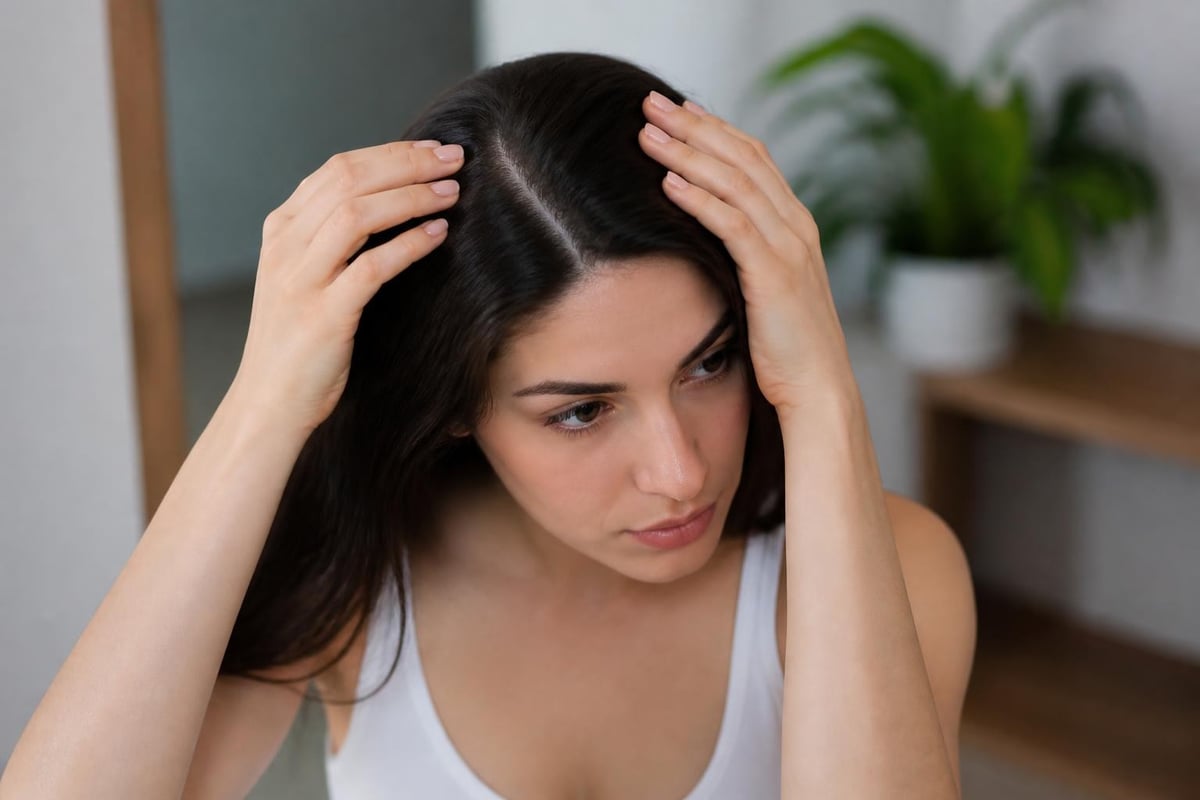
The dermal papilla cells at the base of each follicle depend on blood flow to deliver nutrients. Poor circulation combined with nutrient deficiency creates a compounding problem that no amount of surface-level conditioning can resolve. This explains why some beard oils provide temporary cosmetic improvement but fail to deliver lasting transformation.
The Agitation: What Happens When You Ignore These Warning Signs
Leaving your beard undernourished triggers a cascade of deteriorating conditions. The cuticle damage worsens, creating fracture points along the hair shaft. These weak points eventually split, causing the dreaded "beard fork" that makes styling impossible.
The skin beneath your beard suffers equally. Without proper hydration, the epidermis produces excess sebum in a misguided attempt to compensate, leading to clogged pores and acne mechanica. The combination of dry hair and oily skin creates an environment where bacteria thrive, increasing inflammation and slowing growth.
Progressive damage manifests as:
- Increased breakage during combing or brushing
- Persistent flaking and beardruff
- Ingrown hairs causing painful bumps
- Uneven texture with wiry, unmanageable sections
- Stunted growth in previously full areas
Your grooming routine becomes a battle rather than a ritual. Products pile up as you search for solutions, yet nothing addresses the fundamental nutritional deficit. The psychological impact compounds the physical-you avoid social situations, feel self-conscious in professional settings, and question whether achieving your beard goals is even possible.
The Solution: How Argan Oil Beard Oil Delivers Transformation
Argan oil beard oil provides the precise molecular structure required to penetrate both hair shaft and follicle. This Moroccan-sourced oil contains a unique fatty acid profile: approximately 45% oleic acid (omega-9) and 35% linoleic acid (omega-6), with the remainder comprising palmitic and stearic acids.
The Science Behind Argan Oil's Efficacy
Oleic acid's molecular size allows it to penetrate the hair cuticle, reaching the cortex where it binds to keratin proteins. This binding action reinforces the hair structure from within, increasing elasticity by up to 40% according to research on argan oil's chemical composition. The increased elasticity translates directly to reduced breakage during grooming.
Linoleic acid serves a different function-it regulates sebum production by balancing the skin's natural oil synthesis. When applied topically, linoleic acid signals sebaceous glands to normalise output, addressing both dryness and excess oiliness simultaneously. This dual action makes argan oil beard oil suitable for all skin types, from severely dry to combination.
The vitamin E content (tocopherols) provides antioxidant protection at the cellular level. Free radicals from UV exposure, pollution, and metabolic processes damage follicle cells, accelerating the shift from anagen to catagen (regression) phase. Vitamin E neutralises these free radicals, extending the growth phase and allowing beard hair to reach its maximum genetic length potential.
| Component | Molecular Function | Beard Benefit |
|---|---|---|
| Oleic Acid (45%) | Penetrates cortex, binds keratin | Increases elasticity, reduces breakage |
| Linoleic Acid (35%) | Regulates sebum production | Balances moisture, prevents acne |
| Vitamin E | Neutralises free radicals | Extends growth phase, protects follicles |
| Polyphenols | Anti-inflammatory compounds | Reduces folliculitis, calms irritation |
Application Protocol for Maximum Absorption
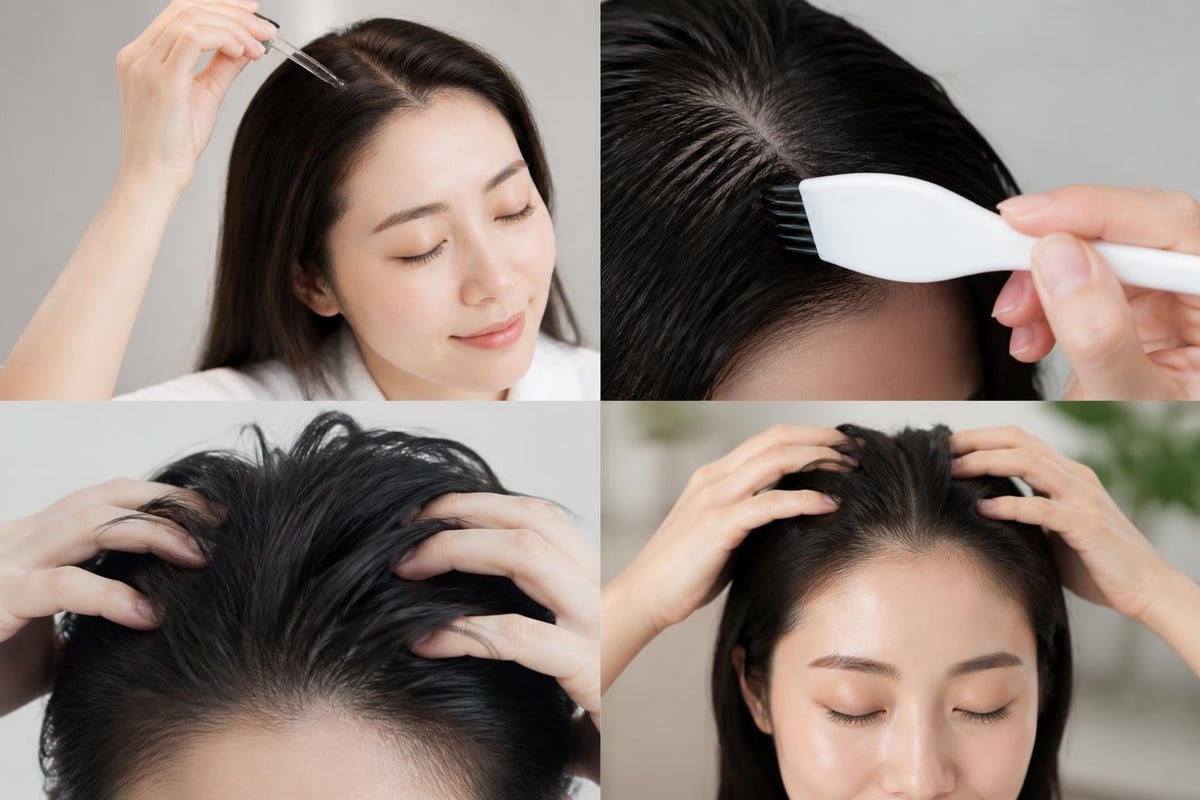
Timing and technique determine how effectively argan oil beard oil delivers these benefits. Apply to damp facial hair immediately after showering, when cuticles remain slightly open and receptive to nutrient absorption.
Optimal application sequence:
- Dispense 3-5 drops into palm (adjust based on beard length)
- Rub palms together to distribute evenly and warm the oil
- Work fingers through beard from roots to tips, ensuring follicle contact
- Use a boar bristle brush to distribute oil along each hair shaft
- Apply any remaining oil to the skin beneath, massaging in circular motions
The massage action stimulates blood flow to follicles, enhancing nutrient delivery from both the oil and your circulatory system. This combination of topical and internal nutrition creates the foundation for accelerated growth.
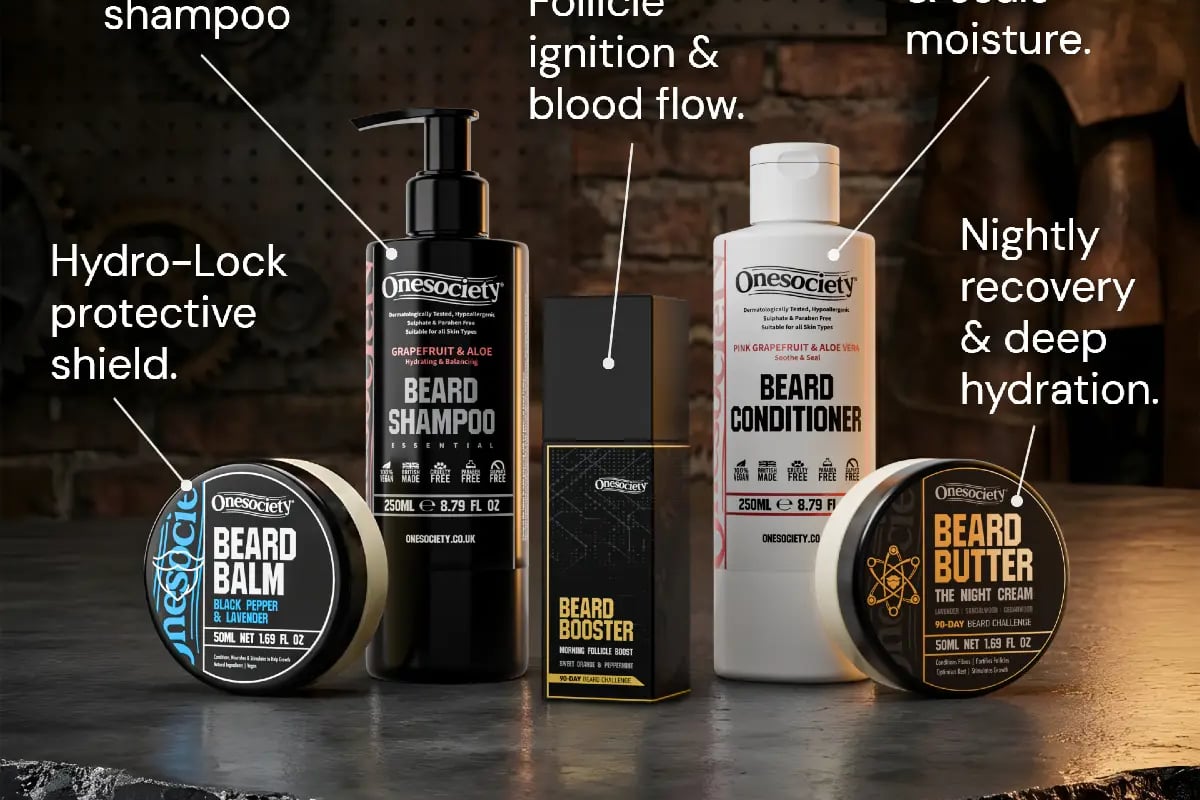
For those seeking comprehensive beard transformation, combining argan oil beard oil with a complete grooming system yields superior results. The 90-Day Beard Challenge integrates follicle-igniting formulas with hydrating compounds and protective balms, creating a synergistic effect that addresses every aspect of beard health simultaneously.
Comparing Argan Oil to Alternative Carrier Oils
Understanding how argan oil beard oil compares to alternatives clarifies why it delivers superior results for specific beard concerns. Each carrier oil possesses a distinct fatty acid profile that determines its penetration depth, comedogenic rating, and functional benefits.
Jojoba oil, often cited as the closest match to human sebum, contains wax esters rather than triglycerides. This structural difference makes jojoba excellent for surface conditioning but limits its ability to penetrate the cortex. For men with extremely oily skin, jojoba may be preferable due to its non-comedogenic nature and regulatory effect on sebum.
Sweet almond oil provides high oleic acid content (60-70%) but lacks the polyphenol antioxidants found in argan oil. This makes almond oil effective for immediate softening but less protective against oxidative stress. Studies on argan oil for hair demonstrate its superiority in preventing UV damage and split end formation.
| Oil Type | Oleic Acid | Linoleic Acid | Vitamin E | Best For |
|---|---|---|---|---|
| Argan | 45% | 35% | High | All-round nutrition, growth |
| Jojoba | 10% | 0% | Low | Oily skin, sebum regulation |
| Sweet Almond | 65% | 25% | Medium | Immediate softening |
| Grapeseed | 20% | 70% | Medium | Acne-prone skin |
Grapeseed oil's high linoleic acid content (70%) makes it exceptional for acne-prone skin but potentially too lightweight for coarse, dry beards. The low viscosity means faster absorption but shorter-lasting hydration compared to argan oil beard oil.
Synthetic Additives: The Hidden Saboteurs
Commercial beard oils frequently contain silicones (dimethicone, cyclomethicone) that create an artificial smoothness by coating the hair shaft. This coating prevents moisture penetration, slowly starving the hair of essential nutrients whilst providing temporary cosmetic improvement.
Mineral oil derivatives pose similar problems. These petroleum-based compounds sit on the surface, creating a barrier that traps dirt and dead skin cells whilst blocking the beneficial compounds your beard requires. The initial shine deceives users into believing their beard is healthy when, in fact, the underlying structure continues deteriorating.
Choosing a pure argan oil beard oil formulation ensures every molecule contributes to genuine beard health rather than masking deficiencies with synthetic shine. Natural ingredients work with your biology rather than against it, delivering cumulative improvements that compound over weeks and months.
Addressing Specific Beard Concerns with Argan Oil
Different beard challenges require targeted application strategies. Understanding how to leverage argan oil beard oil's properties for specific issues maximises results and accelerates transformation.
Patchy Growth and Follicle Stimulation
Patchy beards often result from dormant follicles or follicles stuck in prolonged telogen (resting) phase. Argan oil's polyphenols reduce inflammation around these follicles, creating conditions conducive to reactivation.
Focus application on patchy areas, using firmer massage pressure to stimulate blood flow. The increased circulation delivers oxygen and nutrients to dormant follicles whilst the anti-inflammatory compounds reduce any subclinical inflammation preventing normal cycling. Consistent application over 8-12 weeks typically shows measurable improvement in coverage density.
Combining argan oil beard oil with dermarolling (0.5mm needle length) enhances penetration and triggers collagen production around follicles. The micro-injuries from dermarolling activate healing responses that can shift dormant follicles into anagen phase. Always apply the oil immediately after dermarolling to maximise absorption through the temporarily opened channels.
Beardruff and Seborrhoeic Dermatitis
Flaking beneath your beard signals either extreme dryness or, paradoxically, a fungal overgrowth fed by excess sebum. Argan oil beard oil addresses both scenarios through its balancing properties.
The linoleic acid normalises sebum production whilst the oleic acid delivers deep hydration to parched skin. This dual action eliminates the feast-or-famine cycle that perpetuates flaking. Additionally, the natural antimicrobial compounds in cold-pressed argan oil inhibit Malassezia yeast growth, the primary culprit in seborrhoeic dermatitis.
Treatment protocol for persistent beardruff:
- Apply argan oil beard oil twice daily for two weeks
- Use a pH-balanced beard shampoo every 2-3 days to reset scalp acidity
- Exfoliate weekly with a soft brush to remove dead skin cells
- Avoid hot water, which strips protective oils and worsens dryness
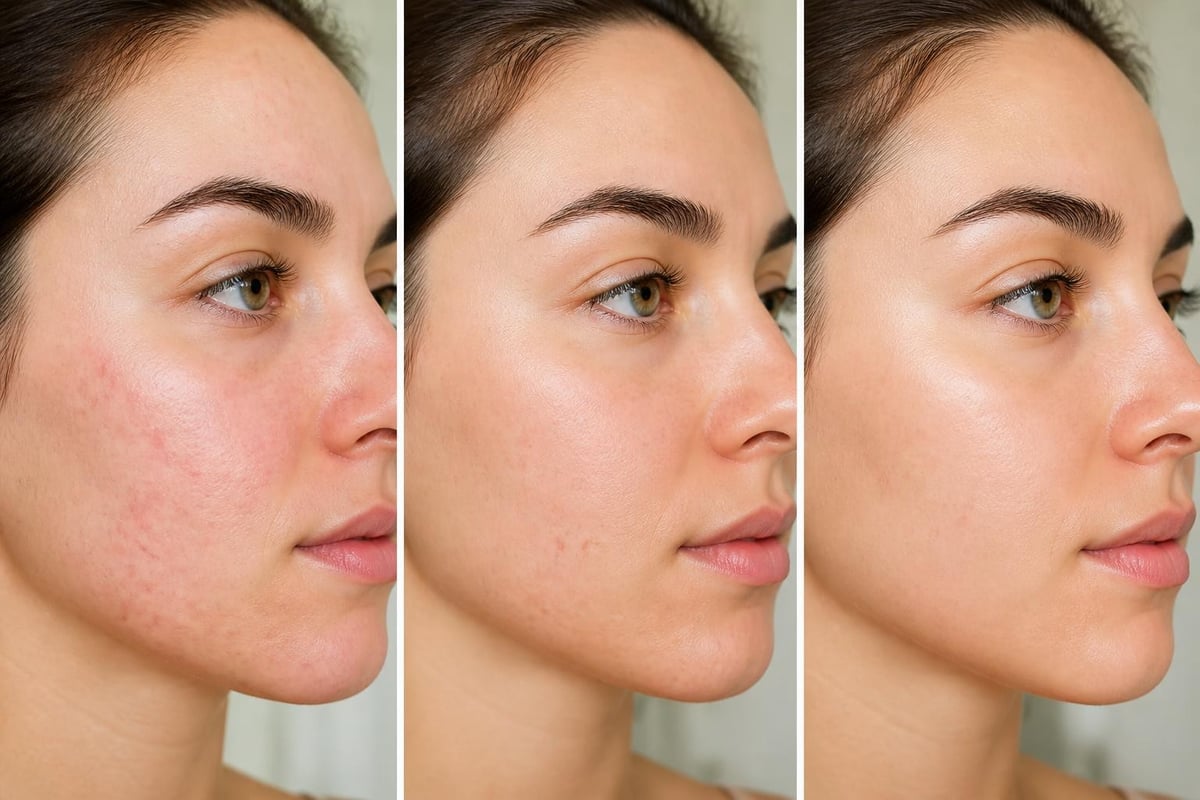
Most men notice significant reduction in flaking within 7-10 days, with complete resolution by week three when following this protocol consistently.
Coarse Texture and Styling Difficulties
Coarse beard hair resists styling due to its elliptical cross-section and tendency toward high cuticle friction. Argan oil beard oil softens coarse hair by filling gaps in the cuticle layer, smoothing the surface and reducing inter-hair friction.
For maximum softening effect, apply oil to damp hair and allow 15-20 minutes for absorption before styling. The water content temporarily opens cuticles, allowing deeper penetration of oleic acid. Follow with a boar bristle brush to distribute oil evenly and train hairs in your desired direction.
Men with extremely coarse beards benefit from layering argan oil beard oil beneath a balm for all-day hold and conditioning. The oil provides nutrition and softening whilst the balm's beeswax content offers structure and control. This combination maintains flexibility whilst delivering strong hold-the ideal balance for professional settings.
Quality Indicators: Identifying Pure Argan Oil Beard Oil
The argan oil market contains numerous adulterated products that deliver minimal benefits. Recognising quality markers ensures you invest in formulations that provide genuine transformation rather than expensive disappointment.
Essential quality indicators:
- Cold-pressed extraction: Heat processing destroys vitamin E and polyphenols. Verify cold-pressed methodology on the label.
- Cosmetic grade, not culinary: Culinary argan oil undergoes roasting that alters the fatty acid profile. Cosmetic grade uses raw kernels.
- ECOCERT or USDA Organic certification: These verify sustainable harvesting and absence of pesticides.
- Dark glass bottle: UV exposure degrades tocopherols rapidly. Amber or cobalt glass protects oil integrity.
- Harvest date: Argan oil maintains potency for 18-24 months. Check for recent harvest dates.
Colour provides clues about processing quality. Pure cosmetic argan oil appears golden yellow, not clear or deep brown. Clear oil suggests dilution with cheaper carriers, whilst dark brown indicates over-roasting or rancidity.
The scent should be subtly nutty-not overpowering or unpleasant. Strong odours indicate oxidation or contamination. Fresh argan oil beard oil has a mild, neutral scent that dissipates quickly after application.
Price Reality: Why Quality Commands Premium Investment
Genuine argan oil requires extensive labour. Berber women hand-crack kernels from the fruit of Argania spinosa trees, which grow exclusively in southwestern Morocco. Each litre requires kernels from approximately 30 kilograms of fruit-a labour-intensive process justifying higher prices.
Expect to pay £15-25 per 30ml bottle for pure, certified argan oil beard oil. Products priced significantly below this range likely contain diluted formulations or synthetic additives. When considering cost-per-application, quality argan oil remains economical-3-5 drops daily means a 30ml bottle lasts 2-3 months, equating to roughly £0.20-0.40 per application.
The investment in quality pays dividends through cumulative improvements. Inferior products require constant repurchasing as they fail to deliver lasting results, whilst premium argan oil beard oil produces measurable transformation that reduces overall grooming expenditure by eliminating the need for problem-solving products.
Integration with Comprehensive Beard Care Systems
Argan oil beard oil functions most powerfully within a complete grooming regimen that addresses cleansing, conditioning, protection, and nutrition. Isolated product use delivers partial benefits, but systematic care creates synergistic effects that multiply results.
The foundation begins with proper cleansing. Traditional soaps contain harsh surfactants that strip beard hair of natural oils, creating the dryness that argan oil must then correct. A pH-balanced beard wash removes dirt and excess sebum whilst preserving the acid mantle that protects against bacterial overgrowth.
Following cleansing, a conditioner seals the cuticle and provides immediate detangling benefits. This prepares hair for oil absorption by smoothing the surface and removing mechanical obstacles to penetration. Proper beard care encompasses this multi-step approach rather than relying on single products.
Daily care sequence for optimal results:
- Morning: Apply argan oil beard oil to damp beard post-shower
- Midday: Light balm touch-up for styling maintenance (if needed)
- Evening: Brush thoroughly to distribute natural oils and remove debris
- Weekly: Deep conditioning treatment and exfoliation session
This rhythm ensures your beard receives continuous nutrition whilst avoiding product buildup that can clog follicles. The evening brushing proves particularly crucial-it stimulates blood flow before sleep when cellular repair and growth hormone release peak.
Performance Tracking: Measuring Your Transformation
Quantifying beard improvement maintains motivation during the 8-12 week period required for visible transformation. Without tracking, subtle daily changes go unnoticed, leading to premature product abandonment.
Photograph your beard weekly under consistent lighting conditions. Use the same angle, distance, and time of day to ensure accurate comparisons. By week four, you should observe increased shine and reduced frizz. By week eight, expect measurable coverage improvements in previously patchy areas and noticeably reduced breakage.
Maintain a simple journal noting:
- Application frequency and quantity used
- Any skin reactions or changes
- Styling ease and hold duration
- Compliments received (social validation metric)
This data reveals patterns connecting your actions to results, allowing protocol refinement based on your unique response rather than generic recommendations.
Common Application Mistakes That Limit Results
Even premium argan oil beard oil underperforms when application technique undermines its benefits. These frequent errors prevent optimal absorption and reduce the transformative effects you should experience.
The most damaging mistakes include:
- Applying to completely dry hair: Closed cuticles resist penetration. Always apply to damp hair for maximum absorption.
- Using excessive quantity: More oil doesn't equal better results. Excess oil sits on the surface, attracting dust and creating greasiness without additional benefit. Start with 3 drops and increase only if needed.
- Skipping the skin beneath: Follicles require direct contact with nutrients. Ensure you massage oil into the skin, not just coating surface hairs.
- Inconsistent application: Sporadic use prevents cumulative benefits. Daily application creates the steady nutrient supply required for transformation.
- Combining with silicone-heavy products: Silicones block argan oil absorption. If using styling products, ensure they're silicone-free.
The brush selection matters more than most men realise. Synthetic bristles generate static and fail to distribute oil evenly. Boar bristle brushes contain keratin similar to your beard hair, creating natural grip that draws oil from roots to tips whilst polishing cuticles flat.
Seasonal Adjustments for Year-Round Performance
Your beard's needs fluctuate with environmental conditions. Summer humidity reduces moisture loss, potentially allowing reduced oil application frequency. Conversely, winter heating and cold winds accelerate dehydration, requiring increased application or quantity.
During summer months, consider applying argan oil beard oil only at night to avoid daytime shine in humid conditions. The overnight application allows 8+ hours of absorption whilst you sleep, delivering benefits without cosmetic concerns.
Winter demands more aggressive hydration. Increase to twice-daily application and consider layering a butter or balm over the oil to lock in moisture against harsh winds. The occlusive properties of these heavier products prevent the rapid moisture loss that undermines argan oil's hydrating effects.
Travel presents unique challenges-aeroplane cabins maintain 10-20% humidity, equivalent to desert conditions. Pack argan oil beard oil in carry-on luggage and apply generously before and after flights to combat the extreme dehydration these environments cause.
Scientific Evidence Supporting Argan Oil for Beard Health
While marketing claims abound, peer-reviewed research validates argan oil's specific benefits for hair and skin health. Understanding this scientific foundation distinguishes genuine solutions from trend-based products lacking efficacy evidence.
A comprehensive study examining argan oil's chemical composition and quality control confirms its unique fatty acid profile and high tocopherol content. The research demonstrates that cold-pressed, cosmetic-grade argan oil maintains consistent beneficial properties when properly stored and processed.
Research on hair structure reveals that oils high in oleic acid (like argan) penetrate the hair shaft more effectively than those dominated by saturated fats. This penetration allows internal reinforcement rather than surface coating, explaining why argan oil delivers lasting improvements versus temporary cosmetic effects.
The anti-inflammatory properties derive from argan oil's polyphenol content, including ferulic acid and vanillic acid. These compounds inhibit cyclooxygenase enzymes that drive inflammatory cascades around follicles. By reducing this inflammation, argan oil creates an environment where follicles can function optimally rather than defending against chronic irritation.
| Study Focus | Key Finding | Beard Application |
|---|---|---|
| Fatty Acid Penetration | Oleic acid reaches cortex within 30 minutes | Strengthens hair structure from within |
| Antioxidant Activity | Vitamin E prevents 70% of UV damage | Protects against environmental stress |
| Anti-inflammatory Effect | Polyphenols reduce inflammation markers by 40% | Improves follicle health, extends growth phase |
| Moisture Retention | Increases water-holding capacity by 35% | Eliminates dryness, improves elasticity |
These findings aren't abstract academic exercises-they translate directly to the improvements you experience when using quality argan oil beard oil consistently. The science explains why the results occur rather than relying on anecdotal testimonials alone.
Building Your Personalised Argan Oil Routine
Individual beard characteristics demand customised approaches rather than one-size-fits-all protocols. Your ethnicity, age, hormonal status, and environmental factors all influence optimal argan oil beard oil application strategies.
Men of African or Mediterranean descent typically have coarser, more elliptical hair shafts requiring increased oil quantity and longer absorption periods. Consider applying oil 30 minutes before leaving the house, allowing extended penetration time. These hair types also benefit from heat application-wrap your beard in a warm towel for 10 minutes post-application to enhance cuticle opening and absorption.
Scandinavian and Northern European genetics often produce finer, straighter beard hair that absorbs oil rapidly but requires less quantity. Start with 2-3 drops and increase only if dryness persists. The lighter approach prevents over-oiling whilst still delivering essential nutrients.
Age-based adjustments:
- Ages 20-30: Focus on growth stimulation and habit formation. Standard application twice daily.
- Ages 30-45: Emphasise protection and maintenance. Consider antioxidant-rich formulations.
- Ages 45+: Prioritise moisture retention and grey hair management. Increase application frequency during seasonal extremes.
Grey beard hair develops a more porous structure that absorbs moisture differently. These hairs benefit from slightly increased oil application and may require leave-in conditioners alongside argan oil for optimal softness.
Those following proper beard care protocols understand that customisation separates mediocre results from genuine transformation. Observe your beard's response over 2-3 weeks and adjust quantity, frequency, and application timing based on what you observe rather than rigid adherence to generic instructions.
Argan oil beard oil solves the nutritional deficits that prevent most men from achieving their beard potential. The science-backed fatty acid profile, vitamin E content, and anti-inflammatory compounds address root causes rather than masking symptoms with temporary cosmetic improvements. When you commit to consistent application and quality sourcing, transformation becomes inevitable rather than hopeful. Onesociety formulates beard care products using 100% natural ingredients backed by this same scientific rigour, offering complete systems designed for men who demand genuine results. Explore their research-driven approach and discover what happens when nature and science align for your beard's transformation.