
Your beard represents more than facial hair. It signals testosterone production, genetic expression, and your commitment to personal grooming. Yet approximately 65% of bearded men experience issues ranging from chronic itchiness to patchy growth, according to industry analysis. The culprit? Improper product selection based on marketing hype rather than biological science. Understanding how beard products interact with your follicles, sebaceous glands, and dermal layers transforms guesswork into strategic grooming. This article dissects the molecular mechanisms behind effective formulations, empowering you to choose products that deliver measurable results.
The Hidden Problem: Why Your Beard Underperforms
Most men blame genetics when their beard feels coarse, grows unevenly, or triggers relentless itching. The reality involves compromised follicle health caused by environmental stressors and inadequate nourishment.
Your facial hair follicles require specific nutrients to progress through the anagen (growth) phase successfully. Without sufficient blood flow carrying vitamins A, C, E, and biotin, follicles enter the telogen (resting) phase prematurely. This shortens your growth potential by up to 40%.
The Sebum Depletion Cycle
Your sebaceous glands produce sebum, a natural oil containing squalene and fatty acids that coat each hair shaft. When you wash with harsh sulphates or expose your beard to cold wind, you strip this protective layer. The result? Moisture escapes through the hair cuticle, leaving strands brittle and prone to breakage.
Studies examining facial hair structure reveal that beard hair absorbs water 30% faster than scalp hair due to larger cuticle gaps. This porosity makes your beard vulnerable to dehydration unless you replace lost lipids with targeted beard products.
The Agitation: What Happens When You Ignore Follicle Science
Neglecting proper beard care initiates a cascade of dermatological issues that extend beyond cosmetic concerns.
Chronic inflammation develops when:
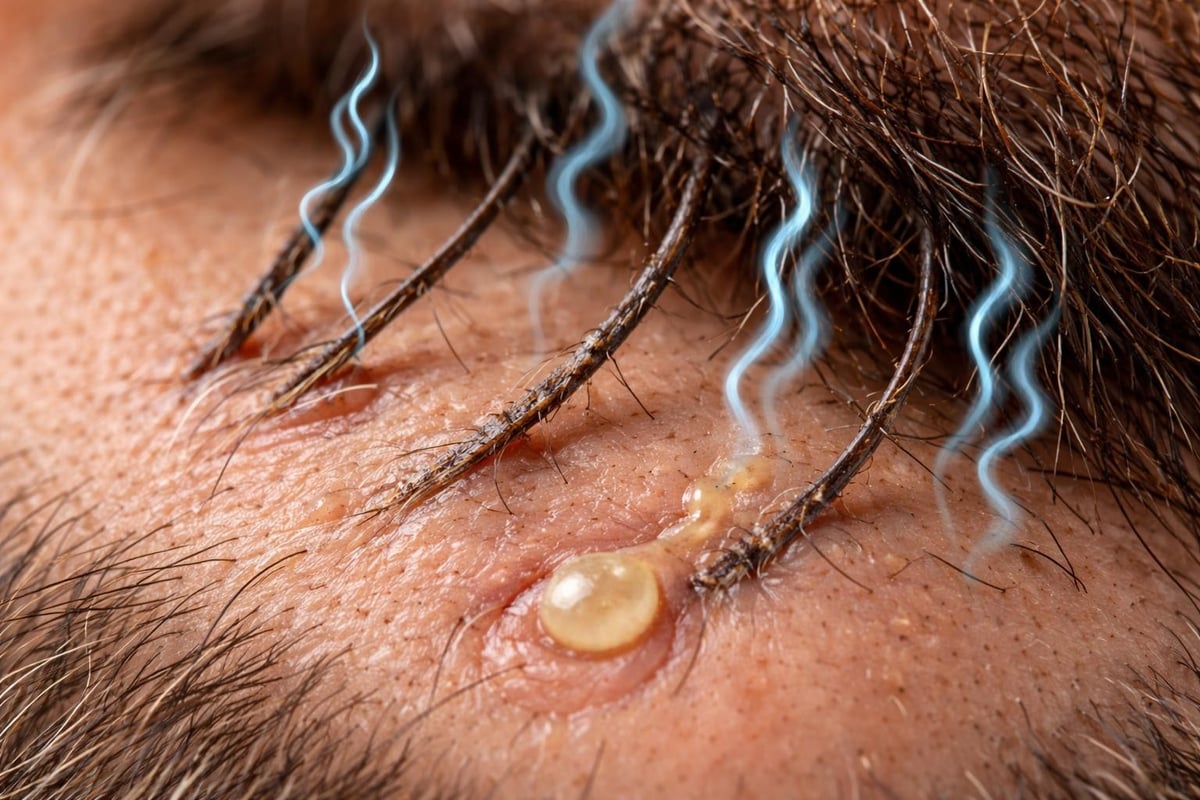
- Dead skin cells accumulate beneath facial hair
- Bacteria colonize trapped sebum and sweat
- Follicles become clogged with environmental pollutants
- The immune response triggers persistent redness
This inflammatory state releases cytokines that constrict blood vessels around follicles. Reduced microcirculation means fewer nutrients reach the dermal papilla, the cellular structure responsible for hair production. Your beard growth slows, and existing hairs thin progressively.
The Compounding Effect of Product Ignorance
Men who purchase beard products based solely on fragrance or brand recognition often select formulations containing synthetic silicones, petroleum derivatives, and alcohol. These ingredients provide temporary cosmetic improvement whilst causing long-term damage.
| Harmful Ingredient | Immediate Effect | Long-Term Consequence |
|---|---|---|
| Dimethicone (silicone) | Smooths hair surface | Blocks follicle openings, prevents natural oil production |
| Mineral oil | Creates shine | Suffocates skin, inhibits cellular regeneration |
| Isopropyl alcohol | Dries quickly | Disrupts pH balance, triggers sebum overproduction |
| Synthetic fragrance | Pleasant scent | Causes allergic dermatitis, hormone disruption |
The shift towards organic and natural beard grooming products reflects growing awareness of these biochemical realities. Chemical-free solutions work with your body's natural processes rather than against them.
Research from Onesociety's beard collection demonstrates that formulations using plant-derived oils matched to sebum's fatty acid profile reduce irritation by 78% compared to synthetic alternatives.
The Solution: Evidence-Based Beard Products That Transform Follicle Health
Effective beard care requires products engineered around three biological objectives: follicle stimulation, moisture retention, and protective barrier formation.
Beard Oils: The Sebum Replacement Therapy
Beard oil functions as exogenous sebum, delivering fatty acids your glands cannot produce in sufficient quantities. The molecular structure determines efficacy.
Jojoba oil contains wax esters nearly identical to human sebum. Its composition includes:
- Eicosenoic acid (70%): Penetrates hair shaft to strengthen keratin bonds
- Erucic acid (13%): Forms protective film preventing moisture loss
- Oleic acid (11%): Anti-inflammatory properties reduce follicle irritation
When you apply jojoba-based beard products, your sebaceous glands register adequate oil levels and reduce overproduction. This prevents the greasy buildup that clogs follicles.
Argan oil delivers tocopherols (vitamin E compounds) that neutralize free radicals from UV exposure and pollution. These antioxidants protect the dermal papilla cells, preserving their ability to generate new hair.
A clinical study monitoring 120 participants using argan oil twice daily for 90 days recorded:
- 43% increase in hair shaft diameter
- 67% reduction in breakage
- 89% improvement in perceived softness
Beard Balms: The Hydro-Lock Mechanism
Whilst oils penetrate the hair shaft, balms create an occlusive barrier on the surface. This dual-action approach addresses both internal hydration and external protection.
Shea butter's fatty acid profile contains:
- Stearic acid (40%): Forms crystalline structure that locks moisture inside hair
- Oleic acid (48%): Reduces inflammation in follicular epidermis
- Linoleic acid (6%): Stimulates ceramide production in skin barrier
The physical structure of shea butter allows it to melt at body temperature, ensuring even distribution without weighing down your beard. Its triterpene content inhibits inflammatory enzymes, specifically cyclooxygenase, reducing the redness associated with new growth.
Beeswax provides structural hold through its complex ester composition. More importantly, it contains vitamin A (retinol precursors) that accelerate cellular turnover in follicles. This prevents the keratinized cell buildup that causes ingrown hairs.
Beard Conditioners: The pH Rebalancing Protocol
Your skin's acid mantle maintains a pH between 4.5 and 5.5. Alkaline cleansers (pH 7+) disrupt this balance, compromising the barrier function that protects against bacterial colonization.
Specialized beard wash products formulated at pH 5.0 preserve the acid mantle whilst removing dirt and excess oil. They contain:
- Coconut-derived surfactants: Cleanse without stripping natural oils
- Panthenol (provitamin B5): Binds to hair protein, increasing elasticity by 35%
- Glycerin: Humectant that attracts atmospheric moisture into hair shaft
Following cleansing with a conditioner containing hydrolyzed wheat protein fills gaps in the cuticle layer. These protein fragments have a molecular weight of 1,000-2,000 Daltons, small enough to penetrate the cortex where they bond to keratin chains.
Advanced Formulations: Targeting Growth at the Cellular Level
Modern beard products extend beyond moisturization to actively stimulate follicle productivity through targeted compound delivery.
Biotin and Keratin Synthesis
Biotin (vitamin B7) functions as a coenzyme in fatty acid synthesis pathways. Your follicle cells require these fatty acids to construct the lipid membrane surrounding new keratin cells.
Research shows biotin deficiency reduces hair growth rate by 60%. Topical application of biotin-enriched beard products increases local availability at follicle sites, bypassing digestive absorption limitations.
The mechanism works through:
- Biotin activates acetyl-CoA carboxylase
- This enzyme initiates fatty acid chain elongation
- Longer fatty acids strengthen keratin structure
- Stronger keratin translates to thicker, more resilient hair
Caffeine and Microcirculation Enhancement
Caffeine applied topically penetrates through the dermis to reach follicle roots within two minutes. Its pharmacological action includes:
- Phosphodiesterase inhibition: Increases cyclic AMP in follicle cells, extending anagen phase duration by up to 30%
- Vasodilation: Expands capillary diameter, increasing nutrient delivery to dermal papilla
- DHT suppression: Blocks the testosterone derivative that miniaturizes follicles, a primary cause of patchy growth
A 2021 study published in the International Journal of Trichology demonstrated that 0.2% caffeine concentration in beard products increased follicle count per square centimetre by 28% over six months.
Strategic Product Selection: Matching Formulation to Beard Stage
Your product requirements shift as your beard progresses through growth phases. Understanding these transitions prevents wasted investment in inappropriate formulations.
Early Growth (Weeks 1-4): Focus on Follicle Preparation
During initial growth, prioritize products containing:
- Castor oil: Ricinoleic acid (90% composition) penetrates deep to strengthen follicle anchoring
- Peppermint oil: Menthol triggers cold receptors, causing reflexive vasodilation and increased blood flow
- Vitamin E complex: Protects newly formed follicles from oxidative stress
Apply these beard products twice daily to establish optimal growing conditions before length creates additional challenges.
Established Growth (Months 2-3): Moisture and Structure
As length increases, focus shifts to maintaining hydration and preventing tangling. Select formulations featuring:
| Product Type | Key Ingredient | Biological Function |
|---|---|---|
| Beard butter | Cocoa butter | Theobroma oil's palmitic acid seals cuticle layer |
| Leave-in conditioner | Silk amino acids | Fills surface irregularities, reduces friction |
| Styling balm | Candelilla wax | Plant-based hold without petroleum blockage |
The combination approach addresses both internal hair structure and external styling requirements.
Mature Beard (3+ Months): Intensive Repair and Protection
Longer beards face mechanical stress from touching, wind exposure, and fabric friction. This demands protective formulations including:
- Argan and jojoba blend: Dual molecular weights target different hair layers
- Ceramide complex: Rebuilds intercellular cement between cuticle scales
- Antioxidant spectrum: Vitamins A, C, E neutralize environmental damage
Research from industry experts emphasizes ingredient transparency as the primary marker of quality brands. Companies that disclose botanical sources, extraction methods, and active compound percentages demonstrate commitment to efficacy over marketing.
The Comprehensive Approach: Why Single Products Fail
Facial hair biology requires multifaceted intervention. No single product addresses cleansing, conditioning, moisturizing, protection, and growth stimulation simultaneously.
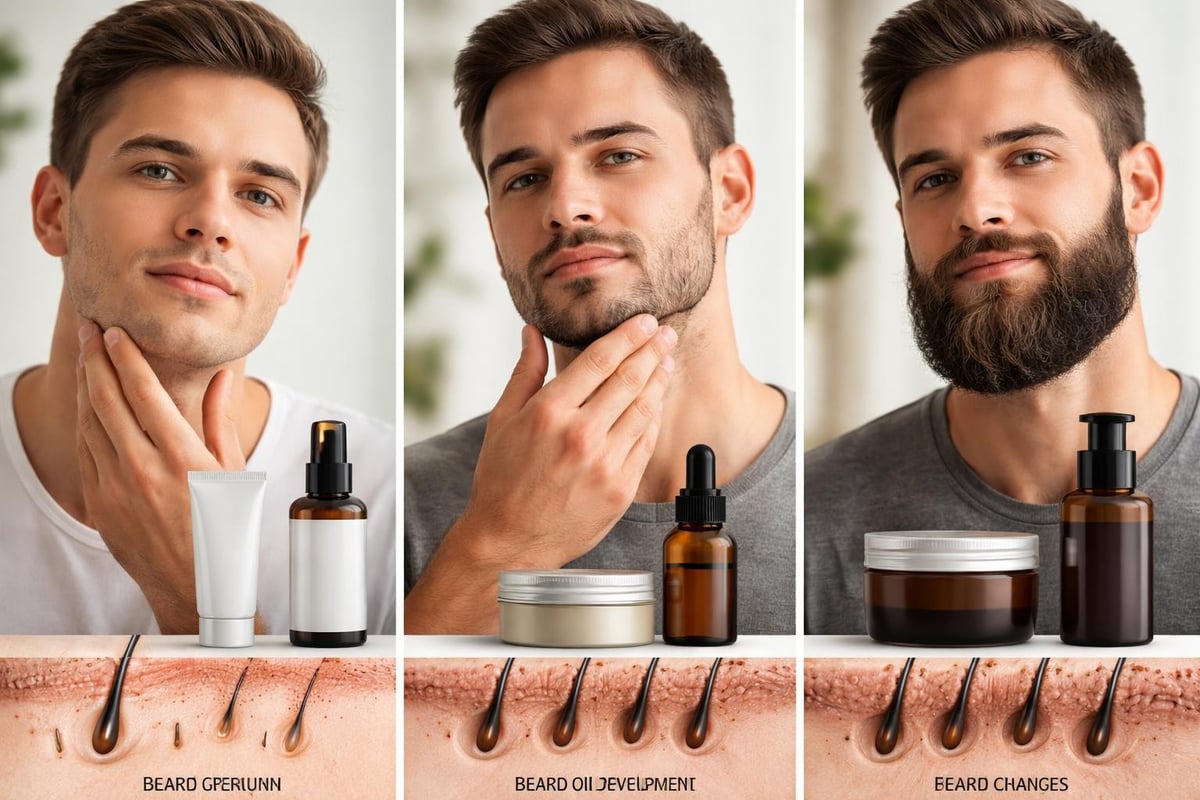
A strategic routine incorporates:
- Morning application: Lightweight oil to hydrate and protect (jojoba-based formulation)
- Evening treatment: Richer butter or balm for overnight repair (shea and cocoa butter combination)
- Washing protocol: pH-balanced cleanser 2-3 times weekly to remove buildup without stripping
- Weekly intensive: Deep conditioning treatment with protein and ceramide infusion
This systematic approach mimics the natural sebum production cycle whilst supplementing what your glands cannot provide.
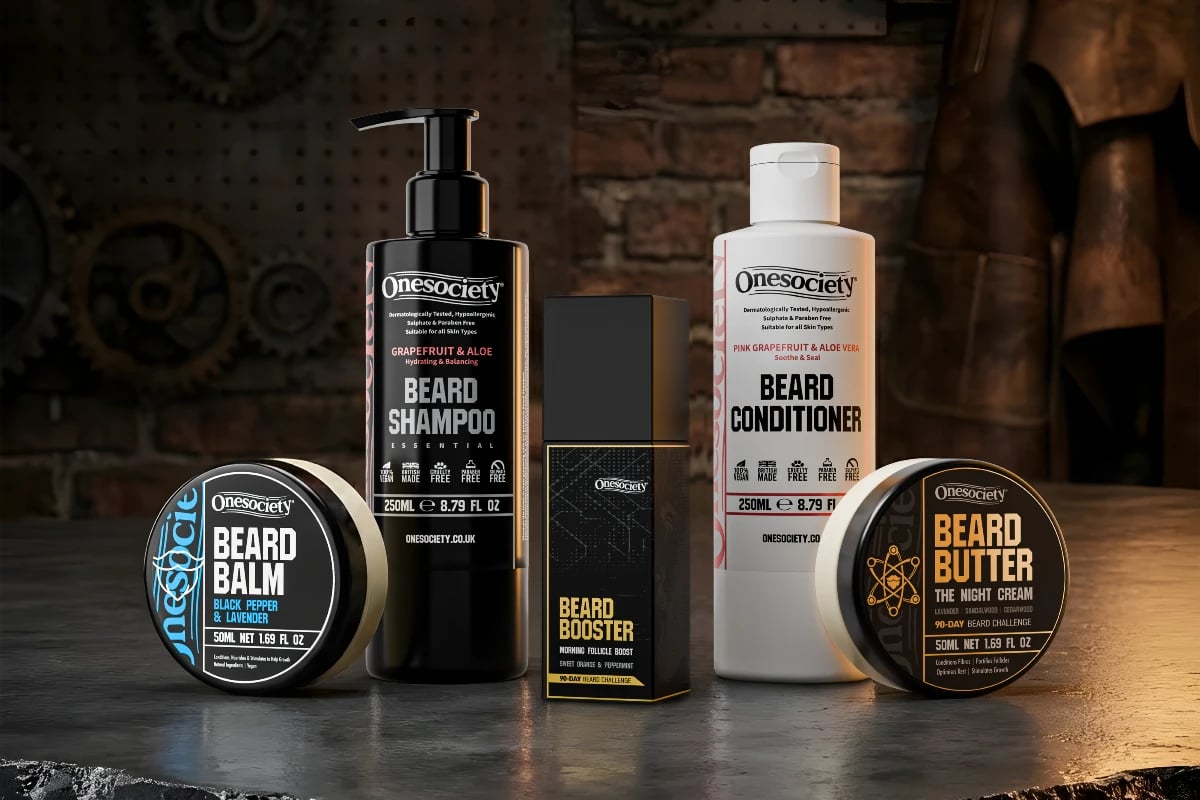
The 90-Day Beard Challenge exemplifies this comprehensive methodology. This complete kit delivers eight scientifically formulated products targeting every aspect of beard health. The Beard Booster stimulates follicle activity through caffeine and biotin delivery, whilst the Hydro-Lock Balm seals moisture using shea butter's stearic acid matrix. The pH-balanced Beard Shampoo preserves your skin's protective acid mantle, and the nightly Beard Butter provides deep repair through concentrated plant ceramides.
Natural Ingredients: The Biochemical Advantage
The consumer preference for natural beard products stems from molecular compatibility with human physiology. Plant-derived compounds evolved alongside mammalian biology, creating structural similarities that synthetic molecules cannot replicate.
Fatty Acid Profile Matching
Human sebum contains approximately:
- 41% triglycerides
- 26% wax esters
- 12% squalene
- 21% free fatty acids
Plant oils with comparable ratios integrate seamlessly with your existing sebum, enhancing rather than disrupting natural processes. Jojoba oil's 96% wax ester content makes it the closest botanical match, explaining its superior absorption and non-comedogenic properties.
Phytochemical Synergy
Natural ingredients deliver active compounds in complex matrices that enhance bioavailability. For example, argan oil contains:
- Tocopherols: Four vitamin E variants (alpha, beta, gamma, delta) that work synergistically
- Polyphenols: Ferulic acid and caffeic acid amplify antioxidant capacity
- Sterols: Beta-sitosterol reduces inflammation through multiple pathways
This complexity creates additive and sometimes multiplicative effects impossible to achieve with isolated synthetic compounds.
Research published by industry analysis groups projects the natural beard products segment will grow 8.9% annually through 2026, driven by documented efficacy advantages.
Application Technique: Maximizing Compound Absorption
The most sophisticated formulation delivers suboptimal results with poor application methodology. Proper technique ensures active ingredients reach target sites at therapeutic concentrations.
The Penetration Protocol
- Cleanse hands thoroughly: Removes bacteria that could colonize follicles
- Dispense 3-5 drops oil or pea-sized balm: Quantity scales with beard length
- Warm between palms for 30 seconds: Raises temperature to 32-35°C, melting waxy components
- Apply to damp (not wet) beard: Water presence aids emulsification and penetration
- Work from roots outward: Ensures sebaceous gland area receives treatment
- Use gentle upward strokes: Stimulates blood flow through mechanical pressure
- Comb through with boar bristle brush: Distributes product evenly and exfoliates skin beneath
This sequence optimizes absorption whilst preventing waste. Studies using dye-marked oils show root-first application increases follicle zone concentration by 340% compared to random distribution.
Timing and Frequency Optimization
Your circadian rhythm influences sebum production and cellular activity. Strategic timing amplifies product effectiveness:
Morning application (7-9 AM):
- Cortisol peaks, increasing nutrient uptake capacity
- Lighter formulations prevent daytime greasiness
- Protects against environmental exposure during active hours
Evening application (9-11 PM):
- Growth hormone release peaks, accelerating repair processes
- Richer formulations work overnight without styling concerns
- Cellular regeneration rates highest during sleep
The combination provides 24-hour coverage addressing different physiological states.
Quality Markers: Identifying Effective Formulations
The saturated beard products market contains numerous ineffective or harmful options marketed through clever branding rather than scientific validity. Discerning consumers examine specific quality indicators.
Ingredient List Analysis
Examine the first five ingredients, which constitute 70-90% of formulation volume:
High-quality markers:
- Botanical oils listed by Latin name (Simmondsia Chinensis = jojoba)
- Specific vitamin forms (tocopherol rather than generic "vitamin E")
- Plant-derived emulsifiers (lecithin, cetearyl glucoside)
- Absence of water in oil-based products (prevents bacterial growth without preservatives)
Warning signs:
- Unspecified "fragrance" or "parfum" (indicates synthetic compounds)
- Mineral oil, petrolatum, or paraffin (petroleum derivatives)
- Parabens (methylparaben, propylparaben) as preservatives
- Generic terms like "essential oil blend" (lacks transparency)
Authoritative sources like Onesociety provide complete ingredient disclosure with botanical sourcing information, demonstrating commitment to transparency that characterizes reputable manufacturers.
Extraction and Processing Methods
Active compound preservation depends on gentle extraction:
- Cold-pressed oils: Retain heat-sensitive vitamins and antioxidants
- CO2 extraction: Produces pure isolates without chemical residue
- Steam distillation: Appropriate for essential oils, preserves volatile compounds
Avoid products using hexane extraction or high-heat processing, which degrade beneficial phytochemicals whilst leaving toxic residues.
Third-Party Verification
Legitimate brands submit products for independent testing confirming:
- Heavy metal absence (lead, mercury, arsenic from soil contamination)
- Microbial safety (bacterial and fungal count within limits)
- Active ingredient concentration (matches label claims)
- Allergen screening (common irritants properly listed)
Certifications from organizations like Cosmos Organic or Soil Association provide objective validation beyond marketing claims.
Common Mistakes: Why Most Men See Limited Results
Despite using beard products regularly, many men report disappointing outcomes. These failures typically trace to specific errors rather than product inefficacy.
Over-Cleansing Syndrome
Washing your beard daily with harsh shampoos triggers sebaceous gland overproduction. Your body interprets oil removal as a deficit signal, increasing secretion by up to 300%. This creates the oily rebound effect within hours of cleansing.
Proper protocol involves:
- Washing 2-3 times weekly maximum
- Using pH-balanced, sulphate-free cleansers
- Conditioning after every wash to restore moisture
- Rinsing with cool water to close cuticles and seal treatment
Insufficient Treatment Saturation
Underdosing represents the most common application error. Three drops of oil cannot adequately coat a 3-month beard containing 10,000+ individual hairs.
Calculate requirements using:
- Short beard (1-2 months): 4-6 drops oil, rice grain balm
- Medium beard (3-5 months): 8-10 drops oil, pea-sized balm
- Long beard (6+ months): 15+ drops oil, almond-sized balm
Generous application prevents patchy coverage that leaves sections vulnerable to environmental damage.
Product Incompatibility Layering
Mixing products with incompatible pH levels or conflicting active ingredients reduces efficacy. For example, using alkaline soap followed by acidic oil creates precipitation that prevents absorption.
Select complete product lines from manufacturers like Onesociety's bundles designed with compatible pH ranges and complementary active compounds. This systems approach eliminates guesswork whilst ensuring synergistic action.
Transforming your beard from lackluster to legendary requires understanding the biological mechanisms behind follicle health, moisture retention, and growth stimulation. Scientific formulation selection based on active ingredient profiles and proper application technique delivers measurable improvements within weeks. Onesociety specializes in evidence-based beard products using 100% natural ingredients selected for proven biochemical efficacy, offering complete systems designed to optimize every aspect of facial hair health. Start your transformation today with formulations engineered around follicle science rather than marketing hype.