
Dry, flaky skin beneath your beard creates constant irritation, relentless itching, and visible white flakes that ruin your grooming efforts. This problem intensifies during winter months and after hot showers when natural sebum production cannot keep pace with moisture loss. The solution lies in understanding how beard oil for dry skin delivers targeted hydration through scientifically-proven botanical compounds that restore your skin's protective barrier whilst nourishing coarse facial hair.
The Science Behind Dry Skin Under Your Beard
Your facial skin produces sebaceous secretions that normally maintain the epidermis at optimal hydration levels. When you grow a beard, this natural oil must travel further down each hair shaft, leaving the underlying skin starved of moisture.
Why Facial Hair Accelerates Skin Dehydration
Beard hair wicks moisture away from your skin surface through a process called capillary action. Each strand pulls water molecules outward, creating a micro-environment of constant evaporation directly against your face.
Key factors that worsen dry skin beneath facial hair:
- Cold air exposure strips lipid barriers from your epidermis
- Hot water dissolves protective sebum faster than your body replaces it
- Alkaline soaps disrupt the skin's natural pH balance of 4.7-5.5
- Indoor heating systems reduce ambient humidity below 30%
The dermis beneath your beard contains fewer functioning sebaceous glands compared to clean-shaven areas. Research published in dermatological studies shows bearded skin exhibits 23% lower moisture retention than exposed facial regions.
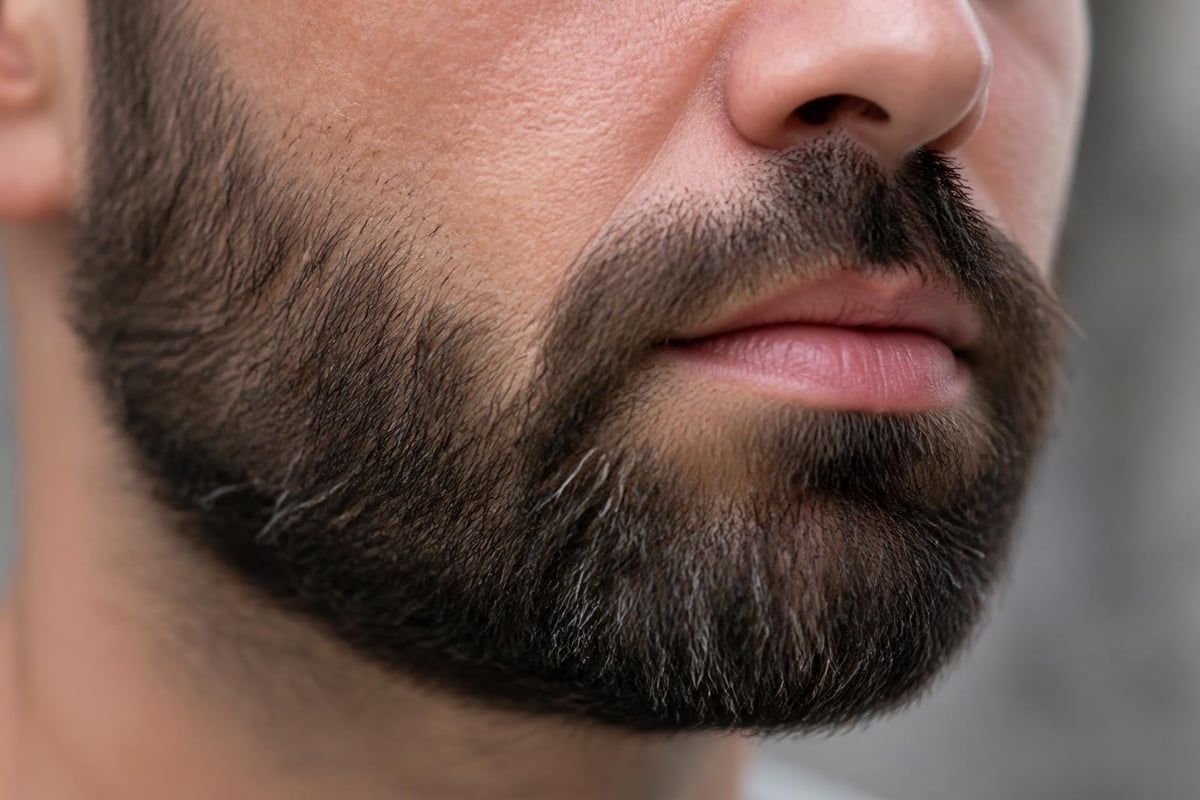
This creates a vicious cycle: dry skin flakes, you wash more frequently to remove debris, washing strips more natural oils, and dryness intensifies. Understanding how beard oil works requires grasping this fundamental moisture deficit.
Active Ingredients That Combat Facial Skin Dryness
Effective beard oil for dry skin contains specific botanical compounds with proven hydration mechanisms. These ingredients function at the molecular level to restore your skin's protective barrier.
Carrier Oils: The Foundation of Hydration
Jojoba oil mimics human sebum with remarkable precision. Its molecular structure contains wax esters identical to those your sebaceous glands produce naturally. When applied topically, jojoba oil signals your skin to reduce excess oil production whilst delivering consistent moisture.
| Carrier Oil | Primary Fatty Acid | Skin Benefit | Absorption Rate |
|---|---|---|---|
| Jojoba | Eicosenoic acid | Sebum regulation | Fast (15-20 min) |
| Argan | Linoleic acid | Inflammation reduction | Medium (25-30 min) |
| Sweet Almond | Oleic acid | Barrier repair | Medium (20-25 min) |
| Grapeseed | Linoleic acid | Pore penetration | Very fast (10-15 min) |
Argan oil delivers vitamin E and essential fatty acids that reduce inflammation at the cellular level. The linoleic acid content penetrates deeply to restore damaged lipid barriers in chronically dry skin.
Sweet almond oil contains high oleic acid concentrations that form an occlusive layer on your epidermis. This protective film prevents transepidermal water loss whilst allowing your skin to breathe naturally.
Essential Oils: Therapeutic Compounds for Skin Health
Beyond hydration, quality beard oil formulations incorporate essential oils that address the root causes of dry skin inflammation.
Cedarwood essential oil improves circulation to facial follicles through vasodilation. Increased blood flow delivers nutrients and oxygen to starved skin cells beneath dense beard growth.
Tea tree oil provides antimicrobial protection against the bacteria and fungi that thrive in dry, flaky environments. Its terpinen-4-ol compound reduces inflammatory cytokines that worsen skin irritation.
Peppermint oil contains menthol that stimulates cold receptors, temporarily overriding itch signals whilst improving local blood circulation by 15-20%.
How to Apply Beard Oil for Maximum Skin Hydration
Application technique determines whether beard oil for dry skin reaches the epidermis or merely coats surface hair. Proper methodology ensures active ingredients penetrate where they deliver therapeutic effects.
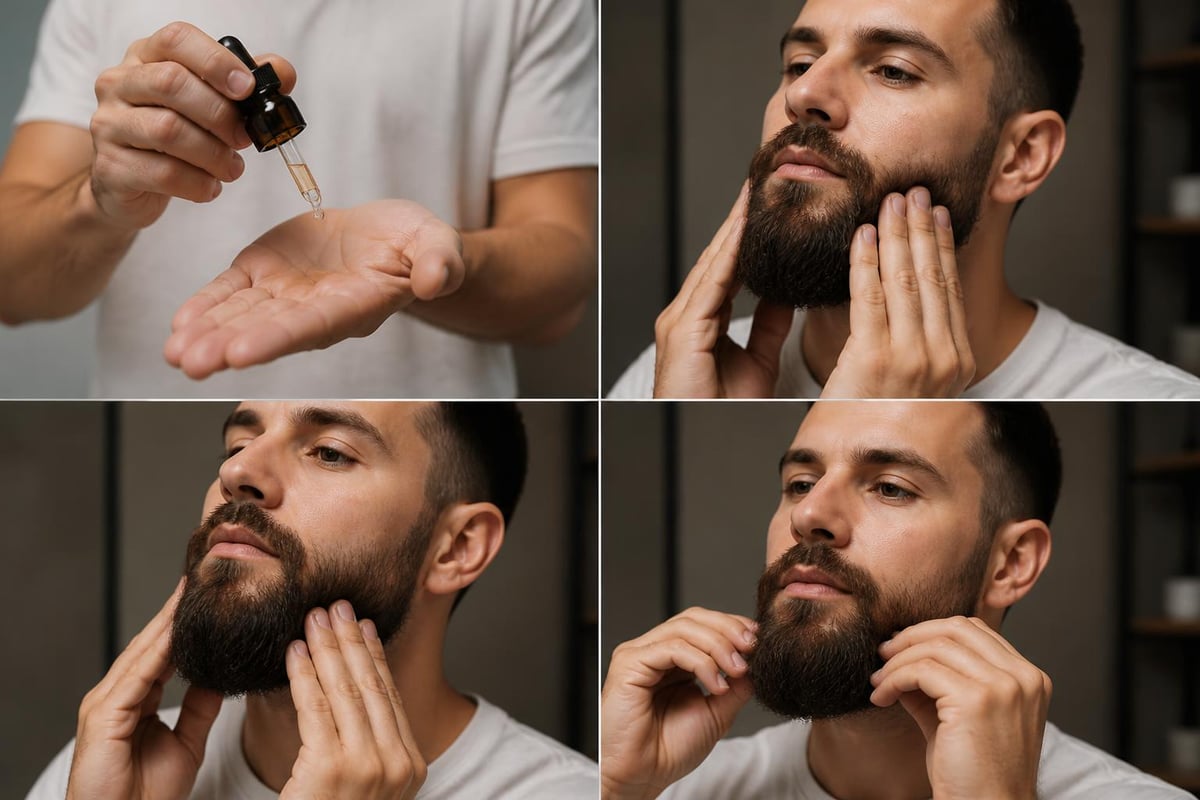
The Four-Step Application Protocol
- Cleanse with lukewarm water (not hot) to open pores without stripping sebum
- Pat beard 80% dry to leave residual moisture that enhances oil absorption
- Warm 4-6 drops between palms to activate volatile compounds through gentle friction
- Massage from skin outward using fingertips to ensure direct epidermal contact
Start at the roots beneath your chin, working the oil directly against your skin in circular motions. Proper application techniques emphasise this skin-first approach rather than simply coating visible hair.
Work systematically across your jawline, cheeks, and moustache area. Spend 30-45 seconds massaging each zone to stimulate circulation and drive oil deep into your epidermis.
Timing considerations for optimal absorption:
- Morning application: After showering when pores remain dilated
- Evening application: Before bed to allow overnight penetration
- Post-exercise: When increased blood flow enhances nutrient delivery
Frequency Based on Skin Condition Severity
Mild dryness requires once-daily application. Moderate to severe cases benefit from twice-daily treatment until symptoms resolve, then maintenance at once daily.
Monitor your skin's response over 7-10 days. Properly formulated beard oil for dry skin shows measurable improvement within this timeframe through reduced flaking and decreased itching intensity.
Identifying Quality Formulations for Compromised Skin
Not all beard oils address dry skin effectively. Understanding ingredient hierarchies helps you distinguish therapeutic products from cosmetic fragrances.
Red Flags in Beard Oil Ingredients
Mineral oil creates an impermeable barrier that prevents natural sebum flow. This petroleum derivative sits on skin surfaces without penetrating or providing genuine hydration.
Silicones (dimethicone, cyclomethicone) deliver temporary smoothness by coating hair shafts. They offer zero therapeutic benefit for dry skin and can actually trap debris against your epidermis.
Synthetic fragrances contain alcohol compounds that evaporate rapidly, pulling moisture from your skin through osmotic pressure. This worsens the dryness you're attempting to treat.
Science-Backed Ingredient Hierarchies
Premium formulations list carrier oils as the first 3-4 ingredients. These should constitute 95-98% of the total volume, with essential oils providing the remaining 2-5%.
Ingredient label reading protocol:
- Verify carrier oils appear first (jojoba, argan, sweet almond)
- Confirm essential oils follow in small percentages
- Reject products listing "fragrance" or "parfum" without specificity
- Avoid formulas containing mineral oil or silicones
The science behind effective beard oil centres on using botanical ingredients your skin recognises and metabolises naturally.
Natural vitamin E (tocopherol) acts as a preservative whilst delivering antioxidant protection. This compound neutralises free radicals that damage skin cells and accelerate ageing in dry, stressed tissue.
Addressing Beard Dandruff and Severe Flaking
Persistent white flakes signal advanced dry skin that requires intensive intervention. Beard dandruff develops when skin cell turnover accelerates beyond normal rates, shedding visible debris.
The Malassezia Connection
This naturally occurring yeast proliferates in dry, oil-starved environments. Malassezia feeds on skin lipids, producing oleic acid that triggers inflammatory responses in sensitive individuals.
Beard oil for dry skin combats this cycle by restoring balanced sebum levels that discourage excessive yeast colonisation. Consistent application normalises your skin's microbiome within 14-21 days.
Clinical indicators your dry skin has progressed to inflammatory stages:
- Yellow-tinged flakes instead of white scales
- Redness visible beneath beard hair
- Increased sensitivity to touch or temperature
- Persistent itching that disrupts sleep
Complementary Treatments for Severe Cases
Combine therapeutic beard oil with a pH-balanced beard wash that cleanses without aggravating dryness. Standard shampoos contain surfactants too harsh for compromised facial skin.
Exfoliate gently once weekly using a soft-bristled brush during cleansing. This mechanical action removes dead skin cells that block oil absorption and create breeding grounds for bacteria.
Consider incorporating beard care products that work synergistically: cleanser, oil, and balm create a complete therapeutic system addressing dry skin from multiple angles.
The 90-Day Transformation Approach
Chronic dry skin beneath facial hair requires sustained intervention, not quick fixes. Your epidermis renews completely every 28 days, meaning true healing demands at least three complete cellular cycles.
A comprehensive system addresses every aspect of beard health whilst targeting underlying skin conditions. The right formulation sequence-cleanser to reset pH, booster for follicle stimulation, butter for deep recovery, and balm for protection-creates layered benefits that compound over time.
The 90-Day Beard Challenge provides this systematic approach through precisely formulated products designed to work together. Each component targets specific aspects of skin health: the Beard Booster increases blood flow to deliver nutrients, whilst the Hydro-Lock Balm creates a protective barrier that prevents moisture loss throughout your day.
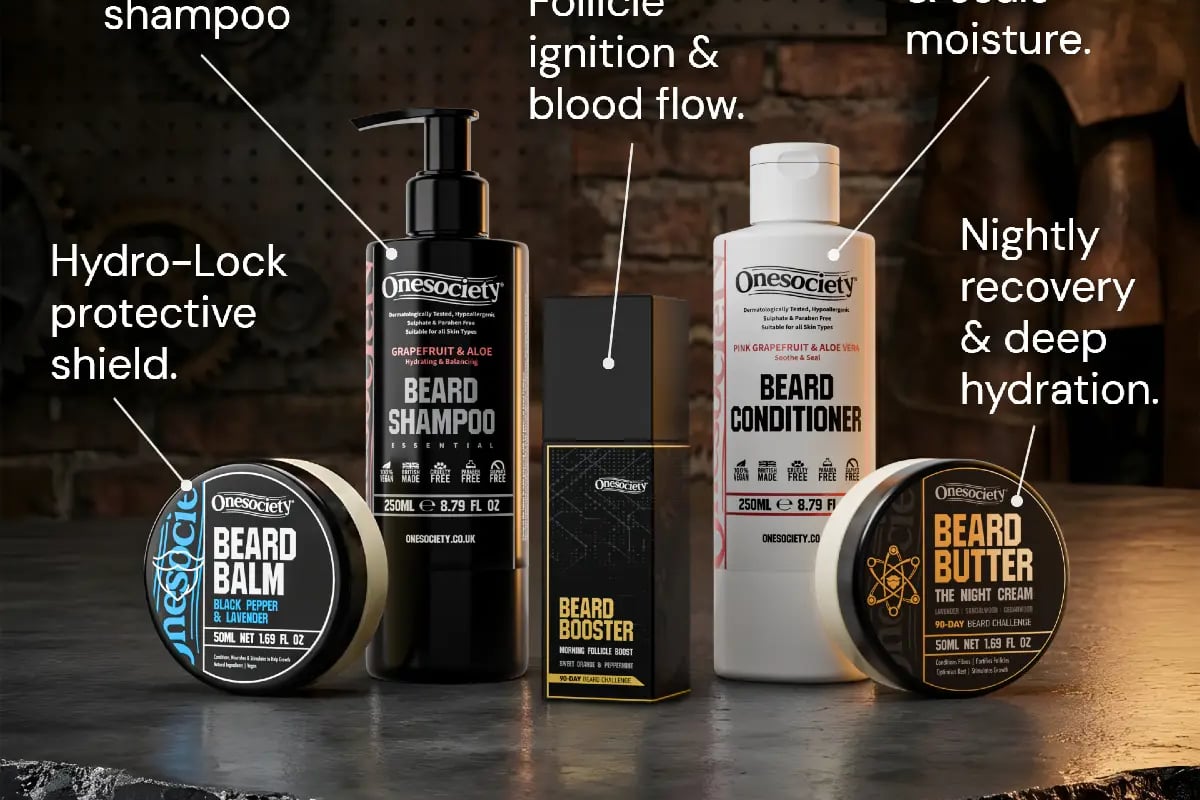
This comprehensive methodology transforms dry, irritated skin into a healthy foundation for superior beard growth. The commitment to natural ingredients ensures your skin receives botanical compounds it recognises and utilises efficiently.
Natural Ingredient Combinations for Enhanced Efficacy
Certain botanical compounds deliver synergistic effects when combined properly. Understanding these relationships helps you evaluate beard oil formulations for maximum dry skin relief.
Vitamin E and Carrier Oil Synergy
Tocopherol enhances the stability of polyunsaturated fatty acids found in many carrier oils. This antioxidant protection prevents oxidation that would otherwise reduce therapeutic potency.
When vitamin E combines with argan oil's natural polyphenols, the antioxidant capacity increases by 40-60% compared to either compound alone. This amplified protection accelerates healing in chronically dry, inflamed skin.
Essential Oil Ratios for Therapeutic Impact
Optimal blend percentages for dry skin treatment:
- 70% hydrating carriers (jojoba, argan, sweet almond)
- 20% penetrating carriers (grapeseed, hemp seed)
- 8% therapeutic essential oils (cedarwood, lavender, tea tree)
- 2% vitamin E as natural preservative
This ratio ensures sufficient carrier oil volume to deliver hydration whilst incorporating enough essential oils to provide antimicrobial and anti-inflammatory benefits.
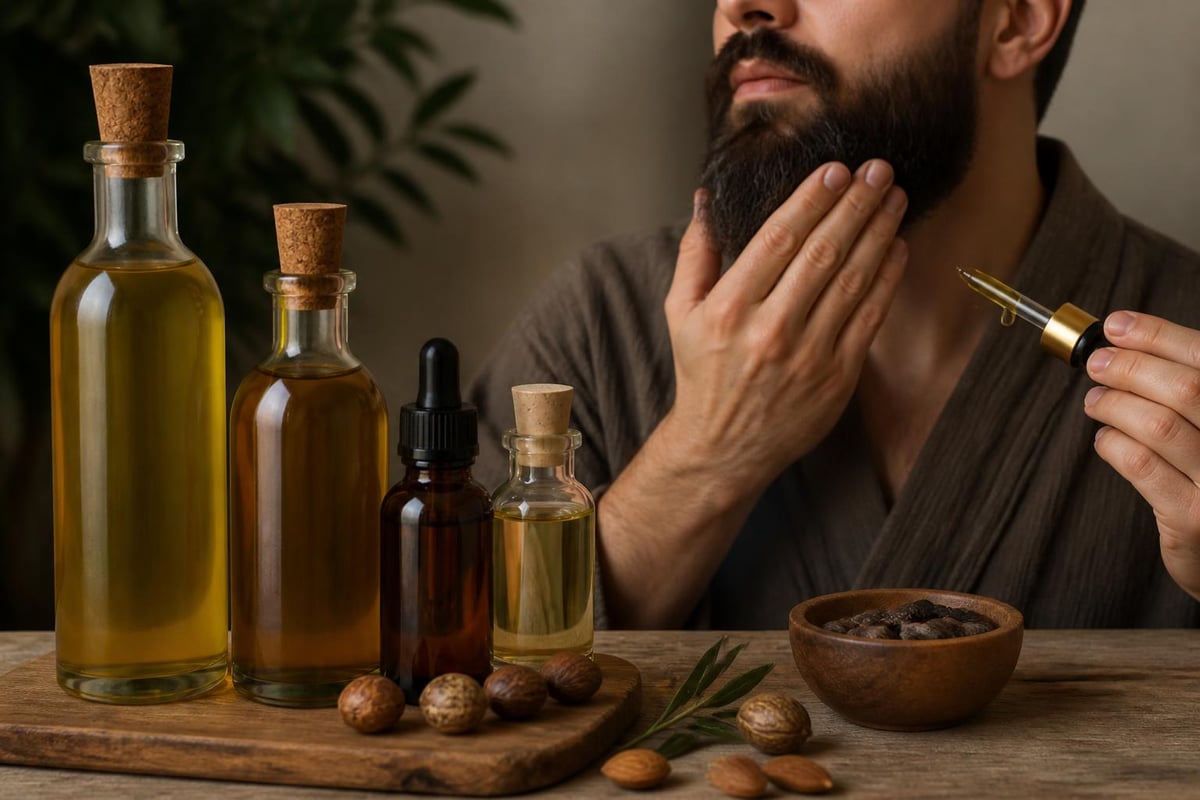
Lavender oil reduces cortisol production in stressed skin cells. Elevated cortisol levels impair barrier function and slow cellular repair, perpetuating the dry skin cycle.
Seasonal Adjustments for Year-Round Skin Health
Your skin's moisture requirements fluctuate with environmental conditions. Effective beard oil for dry skin adapts to these seasonal variations through strategic formulation adjustments.
Winter: Maximum Occlusion and Protection
Cold air contains minimal moisture, creating steep humidity gradients that pull water from your skin. Winter formulations should emphasise heavier carrier oils with high oleic acid content.
Increase application frequency during harsh weather. Your skin loses moisture 2-3 times faster in sub-zero temperatures combined with indoor heating.
Winter-specific application strategies:
- Apply oil immediately after showering to trap moisture
- Reapply mid-day if working outdoors in cold conditions
- Layer beard balm over oil for enhanced protection
- Use a humidifier to maintain indoor humidity above 40%
Summer: Lighter Formulas with Faster Absorption
Warm weather increases natural sebum production, requiring lighter oils that won't create excessive greasiness. Shift towards grapeseed or hemp seed carriers that absorb rapidly.
Maintain consistent application despite increased natural oil flow. Summer sun exposure generates free radicals that damage skin cells, requiring antioxidant protection from quality beard oil.
Common Mistakes That Worsen Dry Skin Conditions
Even when using beard oil for dry skin, application errors can undermine results or exacerbate problems.
Over-Washing: The Hidden Culprit
Excessive cleansing strips protective sebum faster than your body replaces it. Limit beard washing to 2-3 times weekly unless your work environment creates unusual dirt exposure.
When you do wash, use lukewarm water and products specifically formulated for facial hair. Standard body soaps contain harsh detergents that devastate your skin's moisture barrier.
Insufficient Oil Volume
Using too little product means active ingredients never reach your skin in therapeutic concentrations. Most bearded individuals require 4-6 drops for adequate coverage, increasing to 8-10 drops for longer beards.
Volume guidelines based on beard length:
| Beard Length | Oil Drops Needed | Coverage Area |
|---|---|---|
| Stubble (1-3mm) | 2-3 drops | Minimal absorption needed |
| Short (3-12mm) | 4-5 drops | Direct skin contact easy |
| Medium (12-25mm) | 6-8 drops | Hair density increases |
| Long (25mm+) | 8-12 drops | Maximum penetration required |
Don't assume more oil equals better results. Excessive application creates greasiness without improving skin hydration, as your epidermis can only absorb limited quantities within a given timeframe.
Monitoring Progress and Adjusting Your Routine
Track specific metrics to evaluate whether your beard oil regimen effectively addresses dry skin. Subjective assessments often miss gradual improvements that signify successful treatment.
Measurable Indicators of Skin Recovery
Reduction in visible flaking: Count flakes on a dark shirt after combing through your beard. Effective treatment reduces this number by 50% within 10-14 days.
Decreased itch frequency: Log how often you scratch each day. Quality beard oil for dry skin cuts scratching episodes by 60-80% within the first week.
Improved skin texture: Touch the skin beneath your beard weekly. Healthy recovery feels smoother and more supple, losing the tight, papery sensation characteristic of dehydration.
Take weekly photographs in consistent lighting to document visual changes. Your eyes adapt to gradual improvements, making photographic evidence valuable for tracking genuine progress.
When to Modify Your Approach
If symptoms persist after 21 days of consistent application, reassess your formulation choice. Your skin may require different carrier oil ratios or additional therapeutic essential oils.
Consider whether external factors undermine your efforts: medications that cause dryness, vitamin deficiencies affecting skin health, or environmental exposures creating excessive moisture loss.
Explore top beard growth products that complement oil therapy through enhanced follicle nutrition and blood flow stimulation.
Building a Complete Dry Skin Management System
Beard oil forms the cornerstone of dry skin treatment, but comprehensive care requires additional elements working in coordination.
The Three-Product Foundation
Cleanser: pH-balanced beard wash removes debris without stripping natural oils. Use 2-3 times weekly, focusing on scalp-like massaging that loosens dead skin cells.
Treatment oil: Daily application of beard oil for dry skin delivers active ingredients directly to compromised tissue. This represents your primary therapeutic intervention.
Protective balm: Applied after oil absorption, balm creates an occlusive barrier that locks moisture in whilst shielding against environmental stressors.
This layered approach addresses dry skin through multiple mechanisms: cleansing prevents debris accumulation, oil delivers therapeutic compounds, and balm protects gains throughout your day.
Lifestyle Factors That Support Skin Health
Hydration starts internally. Consume 2-3 litres of water daily to ensure your body maintains adequate moisture for skin cell function.
Nutritional components that enhance skin barrier integrity:
- Omega-3 fatty acids reduce inflammatory responses
- Vitamin A supports healthy cell turnover rates
- Zinc regulates sebaceous gland activity
- Biotin strengthens cellular structures
Adequate sleep allows growth hormone release that accelerates skin repair. During deep sleep phases, your body prioritises cellular regeneration in damaged tissues.
Manage stress through proven techniques like meditation or exercise. Chronic cortisol elevation impairs skin barrier function and slows healing in dry, compromised areas.
Understanding Individual Variation in Treatment Response
Your skin's unique characteristics determine how quickly beard oil for dry skin delivers results. Genetic factors, age, and previous damage all influence recovery timelines.
Skin Type Considerations
Naturally dry skin (xerosis) responds more slowly than temporarily dehydrated tissue. If you've experienced dry skin throughout your life, expect 4-6 weeks of consistent treatment before achieving stable improvement.
Sensitive skin may initially react to essential oils with mild redness. This typically resolves within 3-5 days as your tissue adapts to botanical compounds.
Oily skin with localised beard dryness represents sebum distribution problems rather than production deficiencies. Jojoba-heavy formulations regulate this imbalance most effectively.
Age-Related Healing Rates
Men over 40 experience slower cellular turnover, extending recovery periods by 30-50% compared to younger individuals. Patience and consistency matter more than product quantity.
Collagen production decreases approximately 1% annually after age 30. This structural protein supports skin elasticity and moisture retention, meaning older beards benefit from longer-term commitment to quality beard care routines.
Creating Homemade Formulations: Risks and Rewards
DIY beard oil recipes offer customisation potential but require understanding of ingredient interactions and preservation challenges.
Essential Knowledge for Safe Formulation
Carrier oils oxidise when exposed to light, heat, and oxygen. Rancid oils contain aldehydes and ketones that irritate skin rather than healing it.
Store homemade formulations in dark glass bottles, refrigerate between uses, and discard after 60 days maximum. Commercial products use nitrogen flushing and specialised packaging that extends shelf life beyond home capabilities.
Essential oils require precise dilution ratios to avoid sensitisation. Never exceed 3% total essential oil concentration in facial products, calculating based on total volume, not drops.
Safety protocols for home formulation:
- Calculate exact percentages using digital scales
- Patch test new blends on inner forearm for 24 hours
- Research contraindications for each essential oil
- Label bottles with creation dates and ingredients
- Monitor for scent changes indicating oxidation
Pre-formulated products from reputable manufacturers undergo stability testing and quality control that ensures consistent therapeutic effects. This reliability often outweighs customisation benefits for individuals seeking predictable dry skin relief.
Effective management of dry skin beneath your beard requires understanding the biological mechanisms driving moisture loss and selecting formulations with proven hydration compounds. Quality beard oil for dry skin transforms uncomfortable, flaky conditions into healthy, comfortable facial skin through consistent application of scientifically-backed botanical ingredients. Onesociety provides comprehensive beard care solutions built on 100% natural ingredients and rigorous research, delivering the therapeutic results your skin demands for lasting comfort and superior beard health.