
Patchy beards. Slow growth. Thin coverage. These frustrations affect millions of men seeking fuller facial hair. The science behind hair growth for facial hair reveals that success depends on optimising androgen sensitivity, improving follicle nutrition, and maintaining consistent care routines. Understanding the biological mechanisms that drive beard development empowers you to make targeted interventions that produce visible results.
The Biological Problem Behind Slow Facial Hair Development
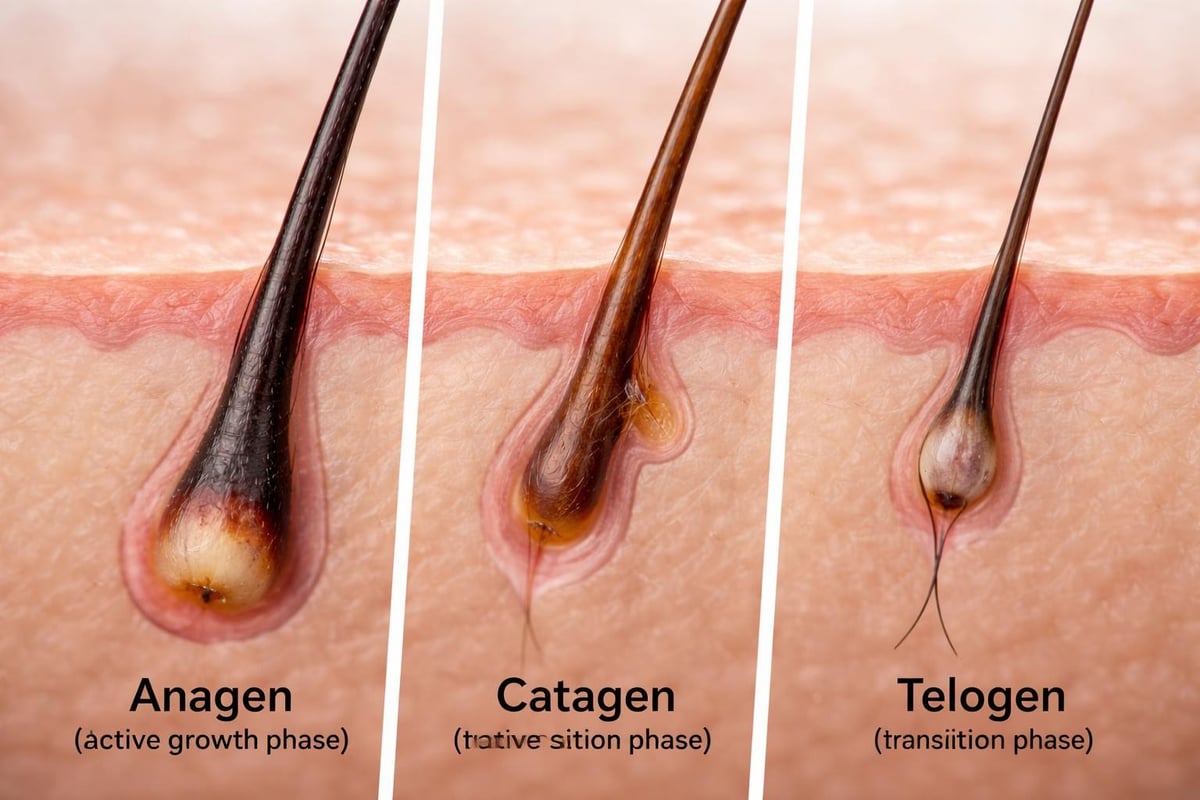
Your facial hair follicles exist in three distinct growth phases: anagen (active growth), catagen (transition), and telogen (rest). The problem starts when too many follicles remain dormant or transition prematurely into the resting phase.
Dihydrotestosterone (DHT), a potent androgen derived from testosterone, binds to receptors in facial hair follicles, triggering the conversion of vellus hair (fine, nearly invisible) into terminal hair (thick, pigmented). When androgen receptors lack sensitivity or DHT levels remain suboptimal, follicles cannot initiate robust growth cycles.
Genetic Limitations Create Coverage Gaps
Your DNA determines androgen receptor density across your face. Some men possess abundant receptors in the moustache area but sparse distribution on the cheeks. This genetic blueprint explains why facial hair growth patterns vary significantly between individuals.
Three genetic factors directly impact coverage:
- Androgen receptor gene (AR) variations affect DHT binding efficiency
- 5-alpha-reductase enzyme activity determines local DHT conversion rates
- Follicle density distribution creates natural growth zones and bare patches
Ethnicity influences baseline follicle counts. Mediterranean and Middle Eastern men typically exhibit higher follicle density compared to East Asian populations. This variation stems from millennia of evolutionary adaptation rather than lifestyle factors.
Why Standard Grooming Approaches Fail to Accelerate Growth
Most men approach hair growth for facial hair with surface-level tactics that ignore underlying biological requirements. Daily shampooing with harsh sulphates strips sebum, the natural lipid barrier that protects follicles and locks moisture into the hair shaft.
Inconsistent nutrition creates deficits in the specific vitamins and minerals required for keratin synthesis. Your body prioritises vital organs over cosmetic hair growth when resources become scarce. Beard follicles rank low in the biological hierarchy, receiving nutrients only after critical systems are satisfied.
Inflammation Disrupts the Growth Environment
Chronic low-grade inflammation around follicles constricts blood vessels, reducing oxygen and nutrient delivery. This inflammatory state occurs when dead skin cells accumulate, sebum oxidises, or chemical irritants contact the skin.
The consequence manifests as stunted growth rates and premature entry into the telogen phase. Research indicates that maintaining an anti-inflammatory environment supports sustained anagen duration.
| Inflammatory Trigger | Biological Impact | Growth Consequence |
|---|---|---|
| Oxidised sebum | Free radical damage to follicle cells | Reduced growth rate |
| Dead cell buildup | Follicle blockage and hypoxia | Ingrown hairs, patchy areas |
| Harsh chemical exposure | Immune response activation | Premature catagen transition |
Poor circulation compounds these problems. Sedentary lifestyles reduce peripheral blood flow, starving follicles of the oxygen and nutrients transported through capillaries. Without adequate microcirculation, even optimal nutrition cannot reach the follicle matrix where cell division occurs.
Evidence-Based Solutions for Optimising Facial Hair Development
Targeted interventions address the root biological mechanisms that control hair growth for facial hair. Scientific validation separates effective strategies from marketing claims.
Nutritional Optimisation for Keratin Synthesis
Keratin, the structural protein comprising 95% of hair composition, requires specific amino acids for synthesis. Cysteine and methionine, sulphur-containing amino acids, form the disulphide bonds that give hair its tensile strength.
Essential nutrients and their follicle functions:
- Biotin (Vitamin B7): Cofactor in fatty acid synthesis, required for sebum production that lubricates emerging hair shafts
- Zinc: Regulates 5-alpha-reductase activity, controlling local DHT conversion rates
- Vitamin D3: Initiates anagen phase by activating hair follicle stem cells
- Omega-3 fatty acids: Reduce inflammatory prostaglandins that suppress follicle activity
- Iron: Essential for haemoglobin production, enabling oxygen transport to rapidly dividing follicle cells
Dietary sources prove more bioavailable than isolated supplements. Oysters deliver exceptional zinc concentrations. Wild-caught salmon provides omega-3s in their most absorbable form. Organ meats supply biotin, iron, and complete amino acid profiles.

Topical Interventions That Penetrate the Follicle
External application of follicle-supportive compounds bypasses digestive absorption limitations. Molecular size determines penetration depth. Compounds under 500 Daltons cross the stratum corneum barrier, whilst larger molecules remain on the surface.
Jojoba oil's molecular structure closely resembles human sebum, allowing deep penetration into the follicle shaft. Its fatty acids reduce inflammation whilst preventing moisture loss through occlusion. Studies on beard enhancement strategies confirm that consistent moisturisation supports optimal growth conditions.
Natural formulations from Onesociety leverage scientifically validated ingredients. Their beard oils combine carrier oils rich in fatty acids with essential oils that stimulate circulation. The specific blend targets the biological mechanisms governing hair growth for facial hair.
When selecting grooming products, scrutinise ingredient lists for compounds with documented follicle benefits. Argan oil contains tocopherols (vitamin E variants) that protect follicle cells from oxidative stress. Castor oil's ricinoleic acid content increases prostaglandin E2 production, extending the anagen phase duration.
The 90-Day Transformation Protocol
Meaningful hair growth for facial hair requires sustained intervention. Follicles cycle through growth phases over 8-12 week periods. Visible results emerge only after multiple hairs complete full anagen cycles simultaneously.
The 90-Day Beard Challenge provides a structured system engineered around this biological timeline. Eight formulations work synergistically to address every growth requirement. The Beard Booster activates dormant follicles through circulation enhancement. Beard Butter delivers overnight recovery with deep hydration that prevents breakage. The Hydro-Lock Balm creates a protective barrier against environmental damage whilst sealing moisture into the hair shaft.
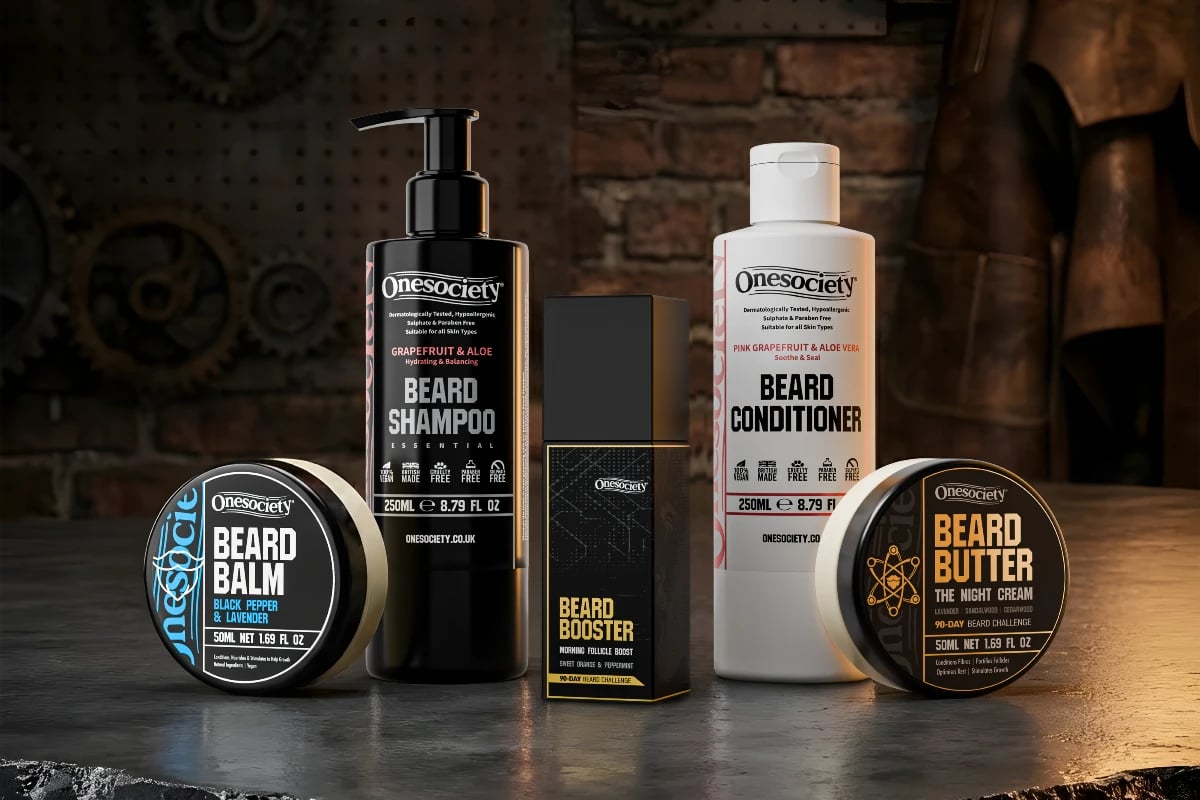
This comprehensive approach eliminates the guesswork. Each product serves a specific biological function in the growth cascade. The pH-balanced shampoo removes buildup without stripping protective sebum. The conditioner detangles and fortifies hair structure through protein bonding.
Lifestyle Modifications That Support Follicle Function
External products optimise conditions, but internal physiological states determine baseline growth capacity. Sleep deprivation elevates cortisol, a catabolic hormone that inhibits protein synthesis required for hair production.
Exercise-Induced Circulation Benefits
Resistance training triggers acute testosterone surges. Compound movements like squats and deadlifts activate large muscle groups, prompting greater hormonal responses than isolation exercises. Research suggests that regular strength training correlates with improved facial hair density.
Cardiovascular exercise enhances peripheral circulation. High-Intensity Interval Training (HIIT) particularly stimulates nitric oxide production, dilating blood vessels and improving nutrient delivery to follicles.
Weekly exercise targets for optimal hormonal environment:
- 3-4 resistance training sessions focusing on compound movements
- 2-3 HIIT sessions of 20-30 minutes duration
- Daily walking to maintain baseline circulation (minimum 7,000 steps)
Stress Management for Hormonal Balance
Chronic stress elevates cortisol continuously, disrupting the testosterone-to-cortisol ratio. This imbalance shifts the body into a survival state that deprioritises cosmetic functions like beard growth.
Meditation reduces baseline cortisol levels. Even 10 minutes daily produces measurable stress hormone reductions. Deep breathing exercises activate the parasympathetic nervous system, counteracting the chronic fight-or-flight activation that suppresses growth.
| Stress Reduction Method | Biological Mechanism | Growth Benefit |
|---|---|---|
| Meditation | Reduces cortisol 20-30% | Restores anabolic hormone balance |
| Quality sleep (7-9 hours) | Maximises testosterone production | Provides optimal DHT substrate |
| Social connection | Lowers inflammatory markers | Creates follicle-friendly environment |
Advanced Strategies for Stubborn Growth Challenges
When conventional approaches produce suboptimal results, targeted interventions address specific biological bottlenecks limiting hair growth for facial hair.
Microneedling for Collagen Induction
Dermarolling creates controlled microtrauma that triggers wound healing cascades. The body responds by increasing collagen production and growth factor release around affected follicles. Platelet-derived growth factor (PDGF) and vascular endothelial growth factor (VEGF) stimulate follicle stem cells and improve local blood supply.
Needle depth determines treatment intensity. 0.5mm depths suit beard areas, penetrating the epidermis without causing significant discomfort. Weekly sessions maintain elevated growth factor levels without overstimulating inflammation.
Combining microneedling with topical serums enhances absorption. The microchannels created allow compounds to bypass the stratum corneum barrier, delivering active ingredients directly to follicles. Apply beard oil immediately post-treatment whilst channels remain open.
Minoxidil Application for Follicle Activation
Originally developed for hypertension, minoxidil's hair growth effects emerged as an unexpected benefit. The compound functions as a potassium channel opener, improving blood flow to follicles whilst extending anagen phase duration.
Clinical evidence demonstrates that 5% minoxidil solution applied twice daily increases facial hair density. Results typically emerge after 3-4 months of consistent application. Discontinuation causes new hairs to shed, requiring ongoing use for maintenance.
Side effects include skin irritation and initial shedding as dormant follicles reset their growth cycles. Starting with lower concentrations (2%) minimises adverse reactions whilst providing partial benefits.
Grooming Techniques That Maximise Existing Growth
Proper maintenance prevents breakage and creates the appearance of fuller coverage whilst you optimise hair growth for facial hair biologically.
Strategic Trimming for Shape Enhancement
Regular trimming eliminates split ends that cause upward breakage propagation. Damaged ends fray, making individual hairs appear thinner and reducing overall density perception.
Expert barbers recommend trimming every 2-3 weeks during growth phases. This frequency removes damage without significantly reducing length. Focus on creating defined lines along the neckline and cheeks to enhance symmetry.
Trimming sequence for optimal results:
- Cleanse beard thoroughly to remove oils that deflect clipper blades
- Comb hair downward to identify uneven lengths and split ends
- Trim neck and cheek lines first to establish boundaries
- Reduce overall length minimally, focusing on damaged tips
- Apply conditioning balm to seal cut ends and prevent moisture loss
Brushing for Distribution and Stimulation
Boar bristle brushes distribute sebum from roots to tips, naturally conditioning the entire hair shaft. This mechanical distribution prevents sebum accumulation at the base whilst moisturising dry ends.
Brushing also provides gentle mechanical stimulation that increases local blood flow. The mild pulling action on hair shafts signals follicles to strengthen their grip, reducing shedding.
Brush twice daily using downward strokes that follow natural growth patterns. Morning sessions remove overnight tangles and position hairs for symmetrical appearance. Evening brushing distributes freshly applied oils throughout the beard.
Product Selection Criteria for Follicle Support
The grooming product market saturates consumers with options. Scientific ingredient evaluation separates effective formulations from marketing hype when selecting tools for hair growth for facial hair.
Carrier Oil Selection Based on Fatty Acid Profiles
Different oils provide distinct benefits based on their molecular composition. Saturated fats provide stability and moisture retention. Monounsaturated fats penetrate deeply. Polyunsaturated fats deliver essential fatty acids cells cannot synthesise.
Optimal carrier oils and their primary functions:
- Sweet Almond Oil: High oleic acid content (60-70%) enables deep penetration whilst vitamin E prevents oxidative damage
- Argan Oil: Balanced fatty acid profile with exceptional tocopherol concentrations protects follicle cells
- Jojoba Oil: Wax ester structure mimics sebum, regulating oil production whilst preventing moisture loss
- Castor Oil: Ricinoleic acid (85-90% composition) stimulates prostaglandin production, extending anagen phase
Avoid mineral oils derived from petroleum. These compounds coat hair without penetrating, creating a barrier that prevents moisture absorption whilst offering zero nutritional value to follicles.
The complete beard care range from Onesociety utilises these scientifically validated oils. Their formulations combine multiple carriers to deliver comprehensive fatty acid profiles that address all follicle requirements simultaneously.
Essential Oil Integration for Circulation Enhancement
Essential oils provide concentrated phytochemicals with documented biological activity. Peppermint oil's menthol content stimulates cold receptors, triggering increased blood flow as the body responds to perceived temperature changes.
Rosemary oil inhibits 5-alpha-reductase in scalp tissue. Whilst beard growth requires DHT (opposite of scalp hair), rosemary's antioxidant properties protect follicles from inflammation regardless of location.
Eucalyptus oil demonstrates antimicrobial properties that prevent folliculitis, the bacterial infection of hair follicles that causes painful inflammation and growth disruption. Tea tree oil provides similar benefits whilst reducing sebum oxidation.
Dilution proves critical. Essential oils applied neat cause irritation that triggers inflammatory responses counterproductive to growth. Maintain 2-3% concentration in carrier oil blends (approximately 12-18 drops per 30ml).
Monitoring Progress and Adjusting Interventions
Objective measurement prevents perception bias when tracking hair growth for facial hair improvements. Subjective assessment often underestimates progress due to daily exposure.
Photographic Documentation for Accurate Comparison
Weekly photographs under consistent lighting reveal changes invisible to daily observation. Use identical angles, distances, and times of day to eliminate variables. Morning natural light provides the most accurate colour representation and shadow detail.
Mark a fixed position for camera placement. Distance variations alter perceived density. Side profile, front view, and underneath angles capture complete coverage patterns.
Compare monthly rather than weekly. Growth rates average 0.4mm daily for facial hair. Weekly changes prove too subtle for reliable detection, leading to discouragement despite actual progress.
Adjusting Protocols Based on Response Patterns
Individual biology determines optimal intervention combinations. Some men respond robustly to nutritional optimisation alone. Others require topical stimulation or pharmaceutical support.
After 60 days, evaluate which areas show improvement versus persistent gaps. Genetic limitations might prevent cheek coverage despite optimal interventions. Strategic styling techniques can minimise these areas whilst highlighting responsive zones.
Increase intervention intensity progressively. Start with nutrition and quality grooming products. Add microneedling after 30 days if progress stalls. Consider minoxidil only after exhausting natural approaches, given its requirement for indefinite use.
Hair growth for facial hair responds to targeted biological interventions that address androgen sensitivity, follicle nutrition, and inflammation control. Consistency over months, not weeks, produces the transformative coverage you seek. Onesociety provides scientifically formulated products that support every phase of your beard development journey, combining natural ingredients with clinical research to deliver results you can measure.