
That persistent itch beneath your beard isn't just annoying-it's a signal your skin sends when the protective barrier breaks down. Dry skin under beard affects roughly 60% of men who grow facial hair, creating flaking, redness, and discomfort that no amount of scratching resolves. The condition stems from a complex interaction between sebum production, moisture retention, and the physical structure of beard hair itself. Understanding the biological mechanisms behind this issue transforms your approach from temporary relief to permanent solutions.
The Biology Behind Dry Skin Under Beard
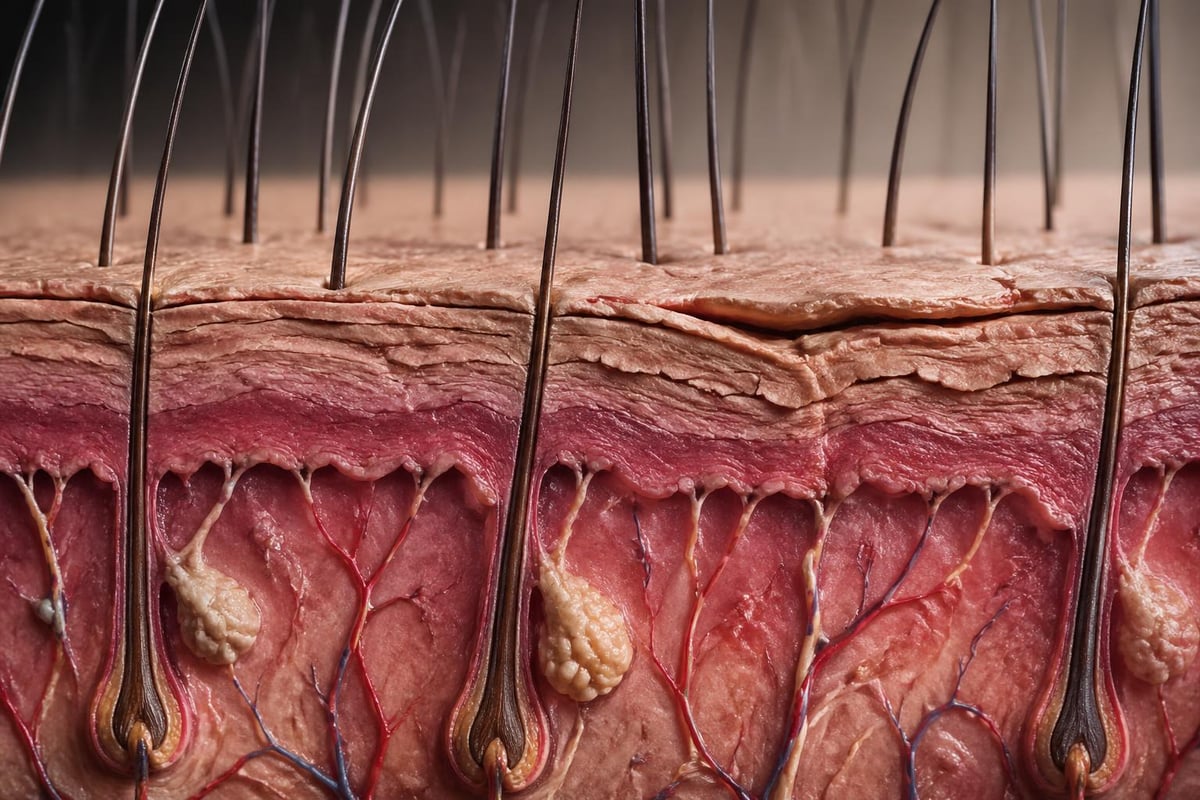
Your facial skin produces sebum through sebaceous glands attached to each hair follicle. When you grow a beard, these glands work harder to coat the increasing hair length, but they cannot scale production indefinitely. The result? Your skin receives less natural oil whilst your beard absorbs what little remains.
The stratum corneum-your skin's outermost layer-relies on a delicate balance of lipids and natural moisturising factors to prevent water loss. Beard hair disrupts this balance by wicking moisture away from the skin surface, creating a chronically dehydrated environment. This process accelerates during winter months when environmental humidity drops below 30%.
Key Biological Factors
- Sebum Redistribution: Facial hair pulls natural oils away from skin, leaving the epidermis exposed
- Transepidermal Water Loss: Beard coverage increases water evaporation by up to 25%
- Keratinocyte Turnover: Dehydrated skin cells shed prematurely, creating visible flakes
- pH Disruption: Harsh cleansers strip the skin's natural 4.5-5.5 pH, weakening barrier function
Healthline's research on beard dandruff confirms that dry skin under beard often progresses into seborrhoeic dermatitis when left untreated, as compromised skin barriers allow Malassezia yeast overgrowth.
Environmental Triggers That Worsen Skin Dehydration
External factors compound the biological challenge of maintaining skin hydration beneath facial hair. Hot showers-whilst comforting-strip lipids from your skin's protective barrier. Water temperatures above 38°C denature the proteins that hold moisture-retaining cells together.
Central heating systems reduce indoor humidity to desert-like levels, often dropping below 20% during winter. Your skin compensates by increasing keratinocyte production, but without adequate moisture, these cells never fully mature before shedding.
Common Environmental Culprits
- Hot Water Exposure: Temperatures above 38°C dissolve protective lipid layers
- Low Humidity Environments: Indoor heating systems create moisture-deficient air
- Wind and Cold: Outdoor conditions increase transepidermal water loss by 40%
- UV Radiation: Sun exposure degrades collagen and elastin, reducing moisture retention
- Pollution Particles: Airborne irritants penetrate compromised skin barriers
According to dermatologist-approved research, men who work outdoors experience dry skin under beard at rates 35% higher than those in climate-controlled environments.
Product Ingredients That Sabotage Skin Health
The average supermarket shampoo contains sodium lauryl sulphate-a detergent so effective it removes not just dirt but also the ceramides and cholesterol your skin needs to retain water. Bar soaps push skin pH towards alkaline levels (8-10), creating an environment where beneficial skin bacteria cannot thrive.
Alcohol-based aftershaves and toners deliver an immediate tightening sensation by causing rapid moisture evaporation. This triggers a rebound effect where sebaceous glands overproduce oil, then exhaust themselves, worsening the dry skin under beard cycle.
| Harmful Ingredient | Biological Impact | Why It Damages Skin |
|---|---|---|
| Sodium Lauryl Sulphate | Strips natural lipids | Dissolves protective skin barrier |
| Isopropyl Alcohol | Rapid dehydration | Evaporates moisture and beneficial oils |
| Synthetic Fragrances | Inflammatory response | Triggers histamine release and irritation |
| Parabens | Hormone disruption | Interferes with sebum production regulation |
Understanding which ingredients support skin health versus which compromise it transforms your grooming routine from damaging to restorative.
The Washing Technique That Prevents Moisture Loss
Water temperature dictates the fate of your skin's protective barrier. Lukewarm water-between 32-35°C-cleanses effectively whilst preserving the lipid matrix that prevents water loss. Your washing frequency matters equally: daily shampooing strips essential oils faster than sebaceous glands can replenish them.
The mechanical action of scrubbing creates micro-abrasions in already compromised skin. A gentle massage using fingertip pads-not nails-stimulates blood flow without damaging the stratum corneum. Research on proper washing techniques demonstrates that men who reduce washing frequency to every 2-3 days see 45% improvement in skin hydration levels.
Optimal Washing Protocol
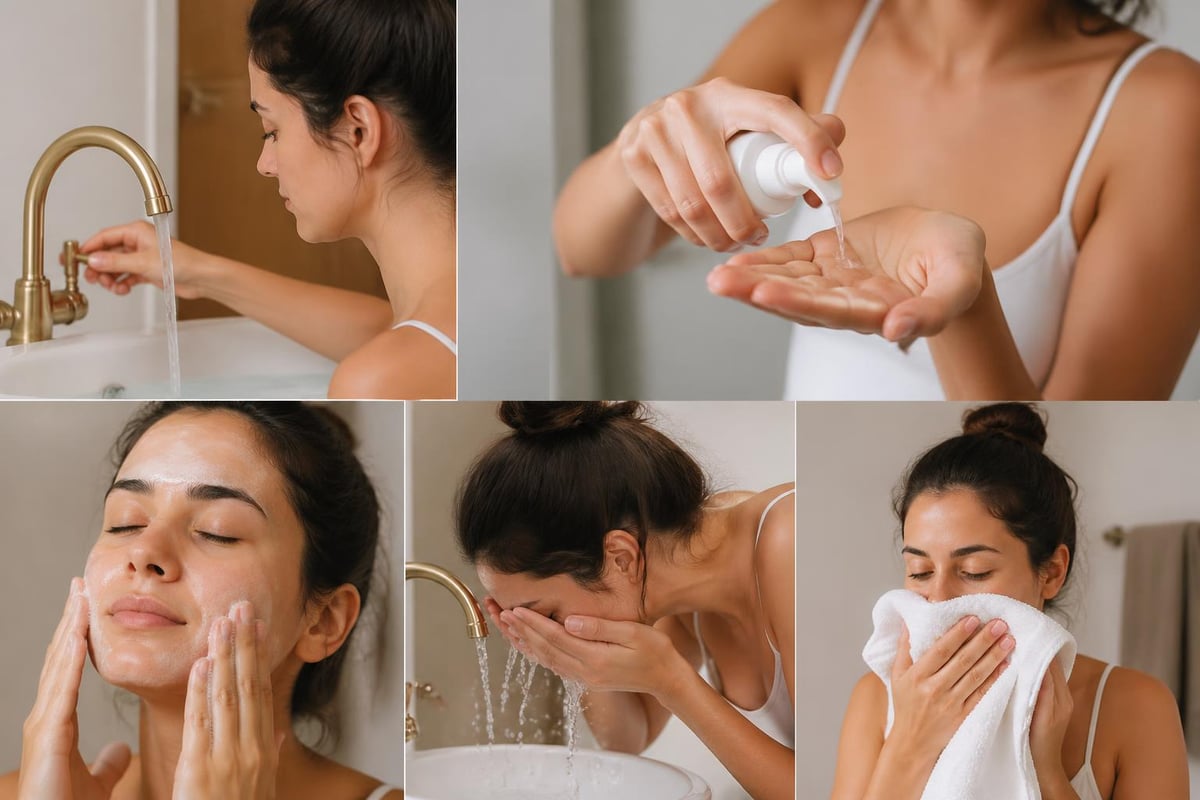
- Wet beard with lukewarm water for 30 seconds
- Apply pH-balanced cleanser to palms, not directly to beard
- Massage gently using circular motions with fingertips
- Rinse thoroughly for 60 seconds minimum
- Pat dry with clean towel-never rub aggressively
The specialised beard wash collection at Onesociety maintains the skin's natural pH whilst removing debris, preventing the harsh alkaline shift that conventional soaps create.
Hydration Science: How Oils and Butters Function Differently
Beard oils and butters serve distinct biological purposes. Oils-composed of fatty acid chains-penetrate the stratum corneum to deliver nutrients and prevent transepidermal water loss. Jojoba oil mimics human sebum chemically, allowing seamless integration with your skin's natural moisture barrier.
Butters create occlusive barriers that lock existing moisture beneath the skin surface. Shea butter's high concentration of stearic acid and oleic acid reduces inflammation whilst forming a protective shield against environmental moisture theft.
The application timing determines efficacy. Applying oil to damp skin-immediately post-wash-traps water molecules beneath the oil layer, increasing hydration by up to 60% compared to application on dry skin.
Active Ingredients and Their Mechanisms
- Argan Oil: Vitamin E reduces oxidative stress, protecting skin cell membranes
- Sweet Almond Oil: Oleic acid penetrates deeply, delivering moisture to basal skin layers
- Shea Butter: Fatty acid profile matches skin lipids, reinforcing barrier function
- Cocoa Butter: Polyphenols reduce inflammation and support collagen synthesis
When you incorporate products from the beard oil range, you're not just coating hair-you're delivering specific fatty acids that your sebaceous glands can no longer produce in sufficient quantities.
The 90-Day Approach to Skin Transformation
Skin cell turnover operates on a 28-day cycle for healthy individuals, but compromised skin barriers extend this to 40-50 days. A systematic 90-day protocol allows three complete regeneration cycles, establishing new baseline hydration levels.
The 90-Day Beard Challenge addresses dry skin under beard through a scientifically sequenced approach. The Beard Booster increases blood flow to follicles, delivering nutrients that support healthy keratinocyte production. Beard Butter provides nightly recovery with deep-penetrating oils that rebuild the lipid barrier whilst you sleep. The Hydro-Lock Balm creates a protective shield during daytime hours, preventing environmental moisture theft.
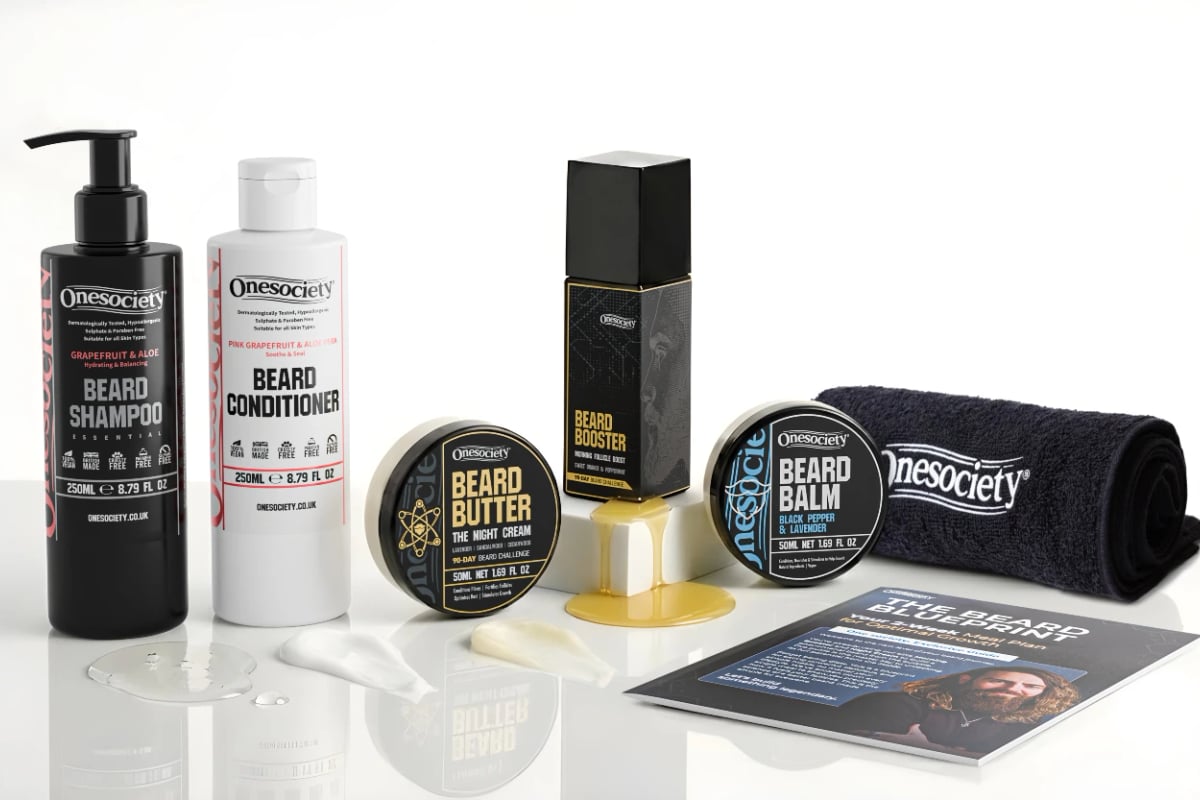
This complete system replaces guesswork with proven ingredients-from follicle-level nourishment to surface protection-engineered specifically for the unique challenges of maintaining skin health beneath facial hair.
Daily Maintenance Protocol for Long-Term Results
Consistency determines outcome when addressing dry skin under beard. Your morning routine sets the foundation: splash face with lukewarm water, apply 3-5 drops of beard oil to damp hair, and work through to skin using downward strokes. This technique ensures oil reaches the epidermis rather than coating only the hair shaft.
Evening routines focus on repair. Apply beard butter after cleansing, using slightly more product than morning application. The overnight period allows fatty acids to penetrate deeply without environmental interference. Your pillowcase fabric matters-cotton absorbs oils whilst silk preserves them against skin.
Weekly Enhancement Steps
- Monday: Exfoliate beneath beard using gentle, circular motions
- Wednesday: Deep condition with butter left on for 15 minutes before rinsing
- Friday: Apply balm generously before bed for weekend recovery
- Sunday: Assess progress and adjust product quantities based on skin response
The beard butter collection provides the concentrated moisture delivery that nightly repair demands, with formulations designed to penetrate whilst you sleep.
Dietary Factors That Influence Skin Hydration
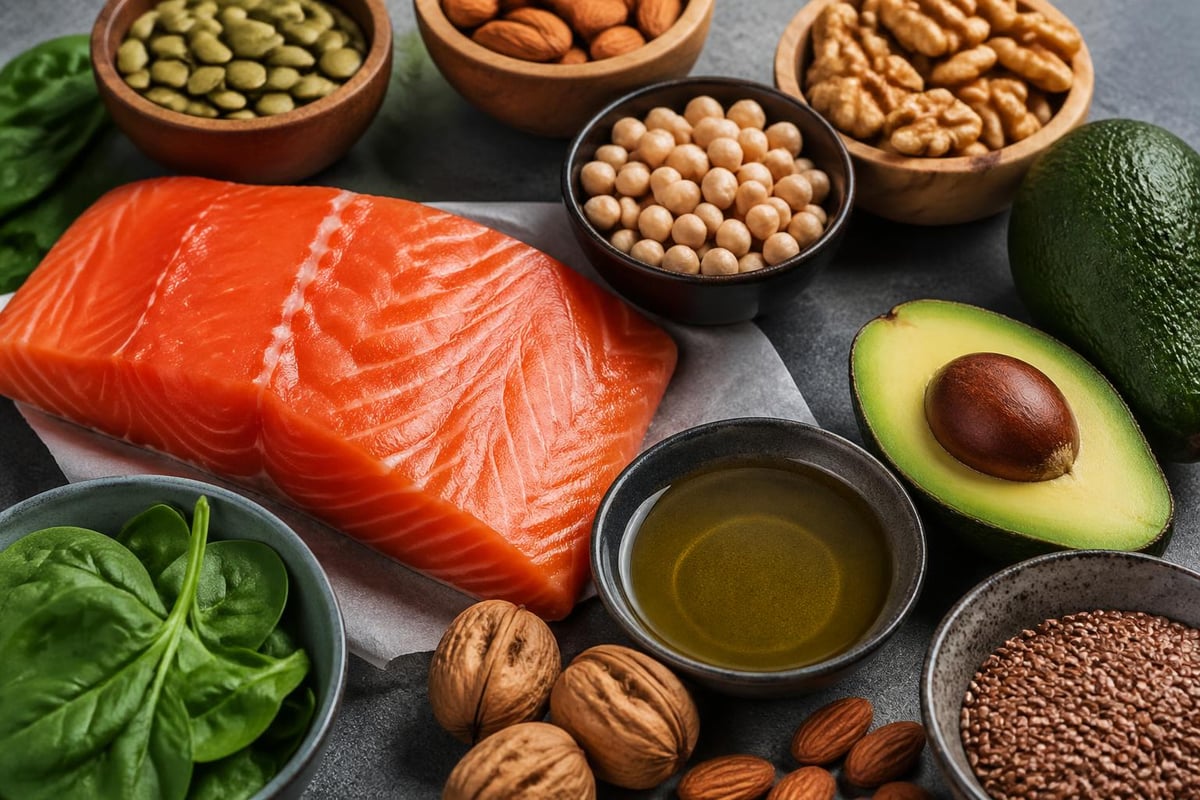
Your skin's moisture content reflects your internal hydration status. Water intake below 2 litres daily compromises the dermis before affecting the epidermis. Essential fatty acids-omega-3 and omega-6-form the building blocks of the lipid barrier that prevents moisture loss.
Vitamin A regulates keratinocyte production, ensuring skin cells mature properly before shedding. Zinc supports sebaceous gland function, helping maintain adequate oil production as your beard grows. These nutrients work synergistically; deficiency in one compromises the effectiveness of others.
| Nutrient | Daily Requirement | Skin Function | Food Sources |
|---|---|---|---|
| Omega-3 | 1.6g | Reduces inflammation, supports barrier | Salmon, walnuts, flaxseed |
| Vitamin A | 900mcg | Regulates cell turnover | Carrots, sweet potato, spinach |
| Zinc | 11mg | Sebum production control | Oysters, beef, pumpkin seeds |
| Vitamin E | 15mg | Antioxidant protection | Almonds, sunflower seeds, avocado |
Studies on skin hydration show men who increase water intake by just 500ml daily experience measurable improvements in skin elasticity within two weeks.
Seasonal Adjustments for Year-Round Comfort
Winter's low humidity demands heavier occlusives like balms and butters. Summer humidity allows lighter oil formulations without sacrificing protection. Spring and autumn transitions require monitoring-your skin needs change as environmental conditions shift.
Indoor environments prove more challenging than outdoor conditions. Office air conditioning removes moisture as effectively as winter heating. Carry a small vial of beard balm for midday application when you notice tightness or itching developing.
Season-Specific Strategies
Winter (December-February):
- Increase butter application frequency to twice daily
- Use humidifier in bedroom (target 40-50% humidity)
- Apply balm before outdoor exposure
Spring (March-May):
- Transition to oil-dominant products
- Maintain consistent washing schedule despite temperature fluctuations
- Monitor for seasonal allergies that worsen skin inflammation
Summer (June-August):
- Lighter oil formulations prevent pore congestion
- Increase washing frequency if sweating heavily
- Protect from UV damage with SPF products
Autumn (September-November):
- Gradually increase product richness as humidity drops
- Begin humidifier use before heating season starts
- Stock up on winter-weight products
The complete product range at Onesociety provides formulations suited to every seasonal demand, ensuring your skin receives appropriate support year-round.
Recognising When Professional Help Becomes Necessary
Persistent dry skin under beard despite proper care may indicate seborrhoeic dermatitis or eczema. Yellowish scales, severe redness, or bleeding cracks require medical evaluation. Dermatologists can prescribe antifungal treatments or corticosteroids when over-the-counter solutions prove insufficient.
Sudden onset of severe symptoms-especially if accompanied by hair loss-warrants immediate attention. These signs may indicate fungal infections or autoimmune conditions requiring targeted medical intervention beyond topical care.
Warning Signs Requiring Medical Assessment
- Thick, yellowish scales that resist removal
- Spreading redness beyond beard area
- Oozing or crusting lesions
- Intense itching that disrupts sleep
- Hair loss in patches
- Symptoms persisting beyond 4 weeks despite treatment
Research on chronic skin conditions emphasises early intervention-conditions become progressively harder to treat when inflammation persists unchecked.
Product Selection Based on Skin Type Analysis
Oily skin paradoxically suffers dry skin under beard when harsh products trigger rebound oil production. These skin types benefit from lightweight oils like argan or grapeseed that won't congest pores. Dry skin requires heavier butters and oils rich in oleic acid for deep penetration.
Sensitive skin demands fragrance-free formulations with minimal ingredient lists. Each additional component increases reaction risk. Combination skin-oily in the T-zone, dry elsewhere-needs targeted application: lighter products on cheeks, richer formulations beneath the beard.
Skin Type Matching Guide
Oily/Combination:
- Jojoba and argan oil base
- Lightweight, fast-absorbing formulas
- Twice-daily application in small quantities
Dry/Very Dry:
- Shea and cocoa butter dominant products
- Rich, slow-absorbing formulations
- Generous application, especially overnight
Sensitive:
- Single-ingredient or minimal-blend products
- Unscented, hypoallergenic formulations
- Patch test before full application
Normal:
- Balanced oil-butter combinations
- Moderate application frequency
- Seasonal adjustment flexibility
The curated beard kit collection simplifies selection by offering matched product sets designed for specific skin needs, eliminating trial-and-error purchasing.
Lifestyle Modifications That Support Skin Health
Sleep quality directly impacts skin regeneration. The body produces growth hormone primarily during deep sleep phases-this hormone drives cellular repair including skin barrier restoration. Seven to nine hours of quality sleep allows sufficient regeneration time.
Stress elevates cortisol, which suppresses immune function and disrupts skin barrier formation. Chronic stress literally prevents your skin from healing properly. Incorporating stress-reduction practices-whether exercise, meditation, or hobbies-creates the physiological environment for skin recovery.
Smoking constricts blood vessels, reducing nutrient delivery to skin cells by up to 40%. This oxygen and nutrient deprivation prevents proper keratinocyte maturation, worsening dry skin under beard regardless of product use.
Lifestyle Factors and Their Impact
- Sleep Duration: 7-9 hours allows complete cellular regeneration cycles
- Stress Management: Reduces cortisol-induced barrier disruption
- Smoking Cessation: Restores proper blood flow and nutrient delivery
- Exercise: Increases circulation, delivering nutrients to skin cells
- Alcohol Moderation: Prevents dehydration and vitamin B depletion
Scientific evidence on skin care consistently demonstrates that topical treatments work optimally when supported by healthy lifestyle choices-no product can overcome chronic sleep deprivation or poor nutrition.
Troubleshooting Common Product Application Mistakes
Applying too much product creates buildup that blocks pores and prevents skin breathing. Three to five drops of oil suffice for most beard lengths. Excess product sits on hair shafts rather than penetrating to skin, wasting both product and money.
Insufficient drying before application prevents oil absorption. Pat beard until damp-not dripping-then apply products. Wet hair dilutes formulations, reducing concentration of active ingredients reaching your skin.
Irregular application negates cumulative benefits. Skin adapts to consistent care routines; sporadic use prevents your sebaceous glands from adjusting their natural production levels to complement supplemental products.
Application Best Practices
- Quantity: Start with 3 drops, increase only if needed
- Distribution: Work oil into palms before applying to ensure even coverage
- Direction: Apply downward and inward to reach skin beneath hair
- Frequency: Twice daily at consistent times establishes routine
- Patience: Allow 2-3 minutes for absorption before dressing
Understanding that more product doesn't equal better results saves money whilst improving outcomes-proper application technique matters more than quantity.
Addressing dry skin under beard requires understanding the biological mechanisms that create moisture loss, then systematically rebuilding your skin's protective barrier through proper cleansing, targeted hydration, and consistent maintenance. When you combine science-backed products with informed techniques, transformation happens at the cellular level-not just superficial symptom relief. Onesociety formulates every product with 100% natural ingredients selected for their specific biological functions, providing the tools your skin needs to restore and maintain optimal health beneath your beard. Explore the complete range designed specifically for men who demand results backed by research, not marketing claims.