
Your beard feels like straw. The skin underneath itches relentlessly. You've washed it with regular shampoo, yet the dryness persists. The problem isn't your beard-it's the products you're using. Facial hair has a completely different biological structure than scalp hair, requiring specialized care that standard hair products cannot provide. Understanding why beard shampoo and conditioner exist as separate categories isn't just marketing; it's rooted in dermatological science and the unique physiology of facial hair growth.
Why Regular Shampoo Destroys Your Beard
Standard shampoos operate at pH levels between 5.5 and 7, designed for scalp hair that produces different sebum quantities than facial skin. Your face produces 900% more sebum per square centimetre than your scalp, creating an entirely different microbiome environment.
When you apply regular shampoo to your beard, the surfactants-typically sodium lauryl sulfate (SLS) or sodium laureth sulfate (SLES)-strip this protective sebum layer completely. These detergents break down lipid barriers through a process called micellization, where surfactant molecules surround oil droplets and wash them away.
The Biological Consequence of Over-Stripping
Your sebaceous glands respond to this aggressive stripping by overproducing sebum, triggering a cycle of excess oil and harsh cleansing. This disrupts the acid mantle (the skin's natural protective barrier at pH 4.5-5.5), allowing opportunistic bacteria and fungi to colonize.
The result? Beard dandruff, folliculitis, and inflammation that stunts growth at the follicle level.
What happens at the cellular level:
- Surfactants penetrate the hair cuticle, swelling the cortex
- Protein bonds weaken, reducing tensile strength
- Moisture retention drops by 40-60%
- Keratinocyte turnover accelerates, causing flaking
Regular conditioners compound the problem. They contain silicones (dimethicone, cyclomethicone) that coat facial hair with a water-resistant film. Unlike scalp hair that benefits from this smoothing effect, beard hair's coarser texture traps these silicones, creating buildup that blocks follicular oxygen exchange.
The Science Behind Specialized Beard Shampoo and Conditioner
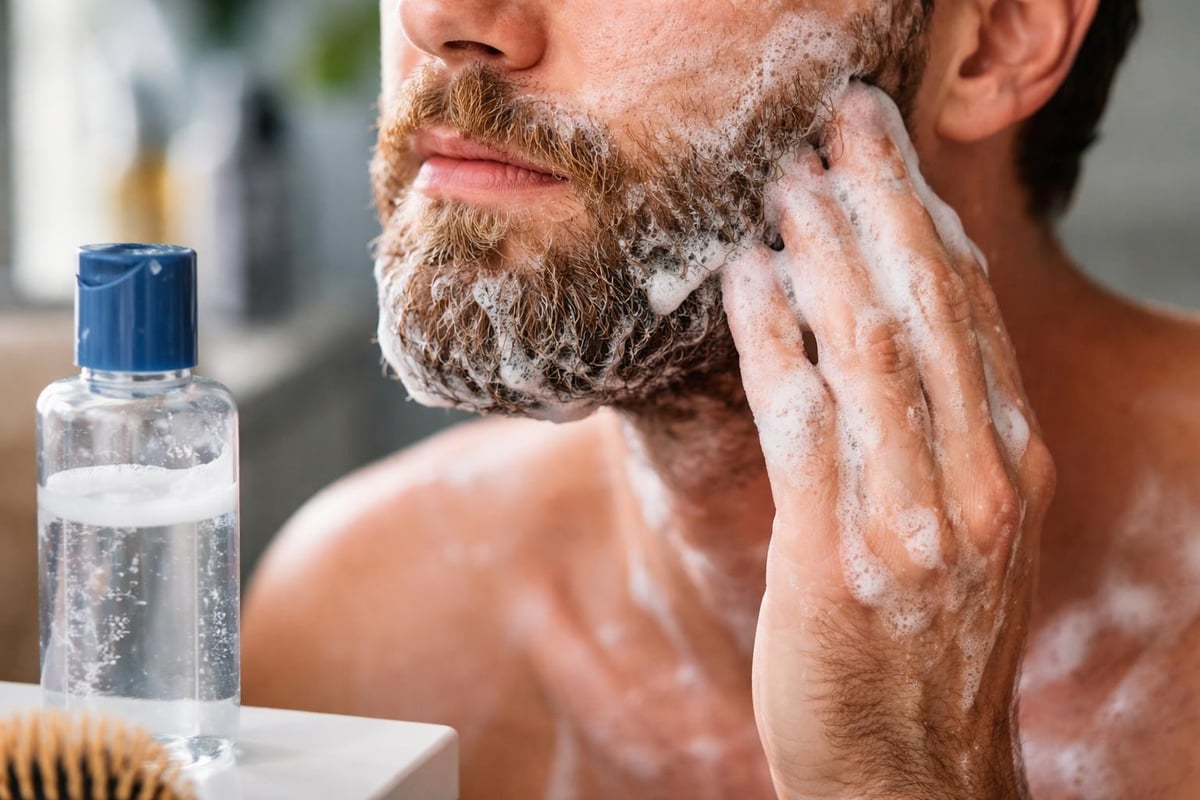
Proper beard shampoo and conditioner formulations address these biological realities through pH-matched cleansing and targeted conditioning agents. pH-balanced beard shampoo maintains the acid mantle whilst removing dirt and excess oil.
How Beard Shampoo Functions Differently
Quality beard shampoo uses gentler surfactant systems-typically decyl glucoside or coco-glucoside-derived from coconut oil and corn glucose. These non-ionic surfactants clean through a different mechanism than SLS:
- They form smaller micelles that lift dirt without penetrating the hair shaft
- They maintain the cuticle's closed position, preserving protein structure
- They don't trigger compensatory sebum overproduction
- They rinse cleanly without residue that clogs follicles
The fatty acid profile matters enormously. Lauric acid (found in coconut-derived cleansers) has a 12-carbon chain that penetrates the hair cortex, delivering moisture whilst cleansing. This dual action prevents the moisture-stripping effect of traditional shampoos.
| Component | Regular Shampoo | Beard Shampoo | Biological Effect |
|---|---|---|---|
| pH Level | 5.5-7.0 | 4.5-5.5 | Maintains acid mantle |
| Primary Surfactant | SLS/SLES | Decyl Glucoside | Gentler micelle formation |
| Moisture Retention | 30-40% | 65-75% | Preserves hair protein bonds |
| Sebum Strip Rate | 90-100% | 40-50% | Prevents compensatory overproduction |
Conditioner Chemistry for Facial Hair
Beard conditioner operates through cationic (positively charged) ingredients that bond to the negatively charged damaged sites on hair shafts. However, unlike scalp conditioners, effective beard conditioners avoid heavy silicones in favour of natural emollients.
Key conditioning mechanisms:
- Behentrimonium methosulfate: A fatty acid quaternary compound that smooths without buildup
- Cetyl alcohol: A fatty alcohol (not drying) that thickens and conditions simultaneously
- Panthenol (Pro-Vitamin B5): Penetrates the cortex, binding moisture at the molecular level
- Hydrolyzed wheat protein: Fills gaps in damaged cuticles, increasing diameter by 10-15%
Organic formulations that combine these ingredients with natural oils create a protective film that doesn't suffocate follicles. The molecular weight determines penetration depth-lighter oils like jojoba (similar to human sebum) absorb fully, whilst heavier oils like castor coat the surface.
Ingredient Analysis: What Actually Works
Not all beard shampoo and conditioner products deliver on their promises. The active ingredient concentration and delivery system determine efficacy far more than marketing claims.
Cleansing Agents That Support Growth
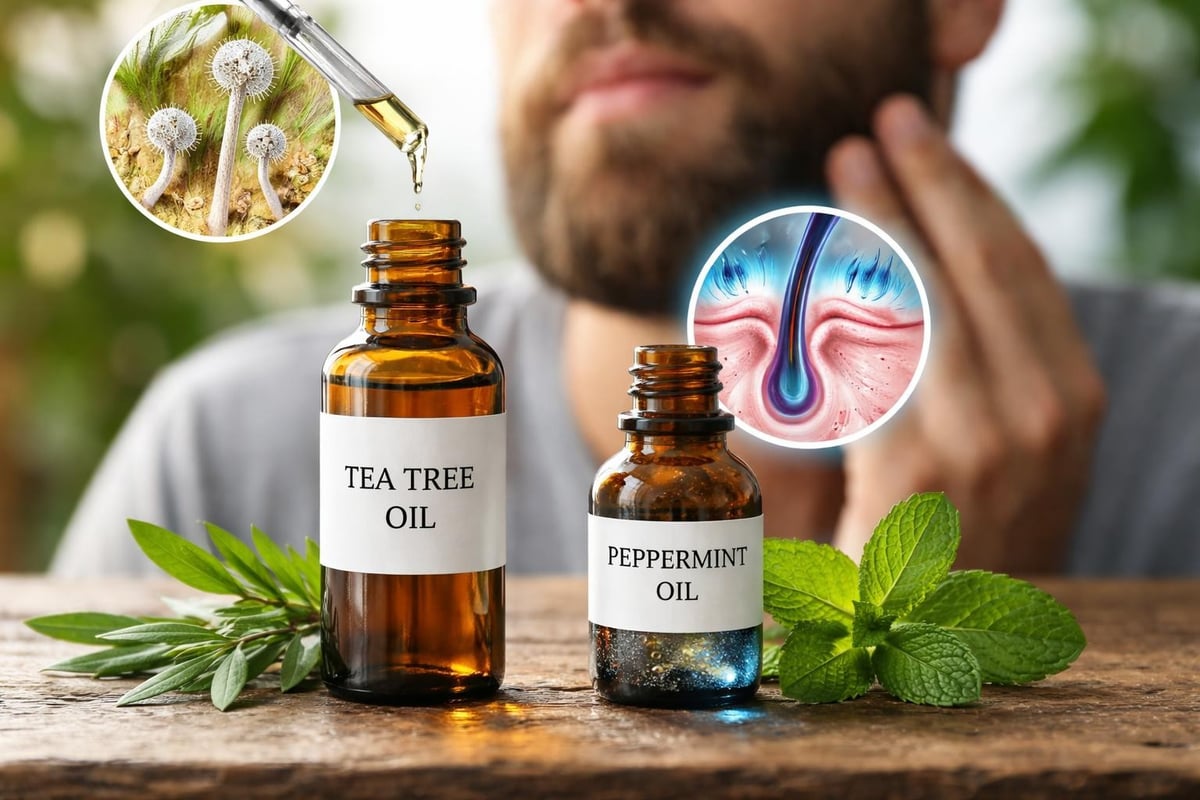
Tea tree oil appears in many formulations, but its value lies in specific antimicrobial properties. Terpinen-4-ol, the primary active constituent, inhibits Malassezia fungi (the cause of beard dandruff) at concentrations of just 1-2%. It achieves this by disrupting fungal cell membranes through lipophilic interaction.
Peppermint oil contains menthol, which triggers cold-receptor TRPM8 channels in skin. This creates a vasodilation effect-increased blood flow to follicles-delivering more nutrients and oxygen to the hair matrix cells that produce new growth.
Natural ingredient combinations work synergistically when properly formulated. Aloe vera polysaccharides form a protective gel network around each hair shaft, preventing moisture loss during the cleansing process. This hygroscopic (water-attracting) property means aloe continues drawing moisture from the environment even after rinsing.
Conditioning Compounds and Follicle Health
The conditioning phase determines whether your beard stays hydrated for hours or minutes. Penetrative conditioners work differently than coating conditioners:
Penetrative ingredients:
- Argan oil (tocopherols and fatty acids under 200 molecular weight)
- Coconut oil (medium-chain triglycerides that cross the cuticle)
- Avocado oil (lecithin and beta-sitosterol that reduce inflammation)
Coating ingredients:
- Shea butter (stearic acid forms protective barrier)
- Cocoa butter (polyphenols provide antioxidant protection)
- Beeswax (creates moisture seal without suffocation)
Products combining both approaches deliver immediate softness (coating) plus long-term strength (penetration). Vitamin E oil serves dual purposes: it penetrates to repair oxidative damage at the cellular level whilst coating strands to prevent environmental damage.
Application Methodology: Maximizing Biological Uptake
The way you apply beard shampoo and conditioner affects nutrient absorption and product efficacy by up to 70%. Temperature, contact time, and mechanical action all influence outcomes.
Optimal Washing Technique
Water temperature controls cuticle position. Hot water (above 38°C) opens cuticles, allowing deeper cleansing but also stripping more natural oils. Cold water (below 20°C) closes cuticles, sealing in conditioning agents but limiting cleansing effectiveness.
The solution? Temperature cycling.
- Pre-rinse with warm water (32-35°C) for 30 seconds to open cuticles and soften debris
- Apply beard shampoo to wet beard, working from skin outward
- Massage for 60-90 seconds using circular motions to stimulate follicular blood flow
- Rinse with lukewarm water (28-30°C) until water runs clear
- Apply conditioner from mid-length to ends, avoiding the skin
- Leave for 2-3 minutes to allow penetrative ingredients to work
- Rinse with cool water (20-22°C) to close cuticles and lock in moisture
Frequency and Follicle Recovery
Washing frequency impacts sebum production through a feedback mechanism involving sebocytes (sebum-producing cells). Daily washing signals continuous sebum depletion, triggering overproduction. The optimal frequency varies by beard length and activity level:
| Beard Length | Recommended Frequency | Scientific Rationale |
|---|---|---|
| Stubble (0-10mm) | Every 2-3 days | Minimal sebum accumulation, frequent washing over-stimulates |
| Short (10-25mm) | Every 2 days | Moderate sebum distribution, needs regular cleansing |
| Medium (25-50mm) | 3 times weekly | Longer strands distribute sebum, less frequent washing needed |
| Long (50mm+) | 2 times weekly | Sebum takes longer to travel length, minimal scalp contact |
Between washes, beard health depends on your complete grooming routine. Natural oils and balms maintain the moisture barrier without the stripping effect of daily washing.
Addressing Specific Beard Problems Through Chemistry
Different beard issues require different chemical solutions. Understanding the underlying pathology allows you to select products that target the root cause rather than masking symptoms.
Eliminating Beard Dandruff
Beard dandruff (seborrhoeic dermatitis) results from Malassezia fungi metabolizing sebum triglycerides into irritating free fatty acids. These acids inflame the epidermis, accelerating keratinocyte turnover and creating visible flakes.
Effective beard shampoo and conditioner for dandruff must address three factors:
- Antifungal action: Ketoconazole, tea tree oil, or zinc pyrithione inhibit fungal growth
- Anti-inflammatory properties: Salicylic acid or willow bark extract reduce epidermal inflammation
- pH optimization: Maintaining 4.5-5.0 pH creates an inhospitable environment for Malassezia
Formulations with tamanu oil deliver calophyllolide, a compound that reduces inflammation by 60% through COX-2 enzyme inhibition. This addresses the inflammatory cascade that causes flaking whilst antifungal agents eliminate the root cause.
Treating Dry, Brittle Hair
Brittle beard hair indicates damaged disulfide bonds within the keratin structure. These cysteine cross-links provide tensile strength; when broken, hair becomes fragile and prone to splitting.
Protein-rich conditioning treatments temporarily repair this damage through hydrolyzed protein molecules small enough (under 1000 Daltons) to penetrate the cortex. These proteins fill structural gaps, bonding to damaged keratin sites through ionic and hydrogen bonding.
Protein sources and their mechanisms:
- Hydrolyzed wheat protein (amino acid profile matches human keratin closely)
- Silk protein (serine content promotes moisture retention)
- Keratin protein (bioidentical replacement for damaged keratin)
However, protein treatments alone create stiffness. Balanced formulations combine proteins with humectants-glycerin, hyaluronic acid, or honey-that attract water molecules, maintaining flexibility whilst rebuilding structure.
Building Your Beard Care System
Effective beard maintenance requires more than just beard shampoo and conditioner. These products form part of an integrated system that supports follicular health from multiple angles.
The foundation starts with proper cleansing, but optimal growth requires supporting the biological processes that produce new hair. Blood flow, nutrient delivery, and hormonal signalling all influence growth rates and hair quality.
Quality beard care products work synergistically when combined strategically. A complete routine addresses cleansing, conditioning, moisturizing, and styling whilst supporting the underlying biological processes. This comprehensive approach transforms beard health by targeting multiple growth factors simultaneously-from improved blood circulation to optimized hormone receptor sensitivity.
The Complete Growth Protocol
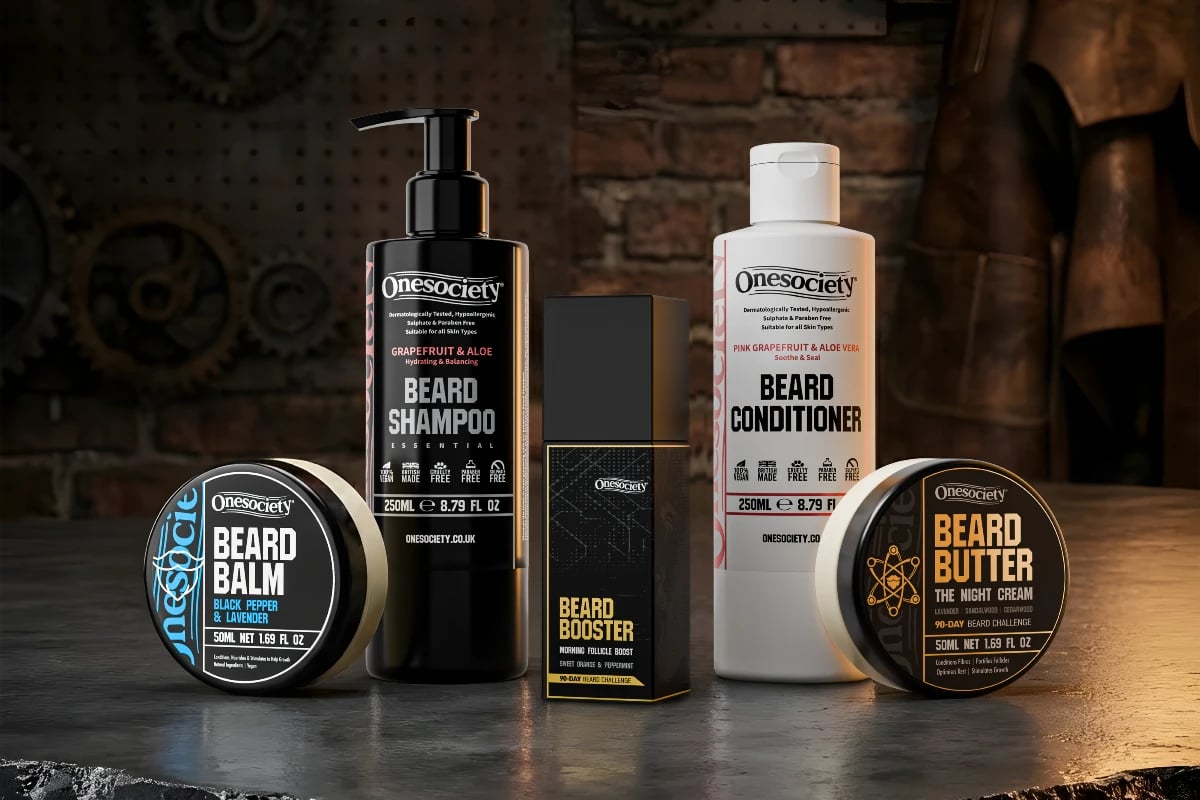
Supporting beard growth requires consistent application of scientifically-backed ingredients. The 90-Day Beard Challenge combines eight formulations engineered to address every stage of the hair growth cycle. From the Beard Booster's follicle-stimulating compounds to the pH-balanced shampoo that maintains optimal skin conditions, this integrated system delivers measurable results through sustained biological optimization.
Post-wash care determines how long conditioning benefits last. After using beard shampoo and conditioner, your hair cuticles remain slightly open for 10-15 minutes. This window represents peak absorption time for growth-supporting compounds.
Optimal post-wash sequence:
- Pat beard 80% dry (remaining moisture aids product distribution)
- Apply beard oil whilst hair remains damp for enhanced penetration
- Use beard balm or butter to seal in moisture and style
- Allow 5 minutes before touching to let products absorb fully
For those interested in accelerating beard growth, combining specialized cleansing with growth-stimulating serums creates a compound effect. The clean, pH-balanced follicular environment allows active ingredients to work without interference from product buildup or bacterial overgrowth.
Common Mistakes That Sabotage Results
Even high-quality beard shampoo and conditioner fails when application technique undermines the chemistry. These errors create damage that counteracts the benefits of proper formulation.
Over-Conditioning the Root Zone
Conditioner near the skin clogs follicular openings, reducing oxygen exchange and creating an environment for bacterial growth. The sebaceous gland opening sits adjacent to the hair follicle; coating this area with conditioning agents blocks sebum flow, forcing oils to accumulate beneath the skin surface.
This leads to folliculitis-inflamed, infected follicles that halt growth and create painful bumps. Always apply conditioner from mid-length downward, avoiding the first 5-10mm closest to skin.
Using Excessive Product Volume
More product doesn't equal better results. Beard shampoo and conditioner work through chemical reactions that reach saturation points. Using excessive amounts creates residue that dulls appearance and attracts dirt.
Optimal quantities by beard length:
- Stubble to short beard: 1-2ml shampoo, 1ml conditioner
- Medium beard: 3-4ml shampoo, 2-3ml conditioner
- Long beard: 5-6ml shampoo, 4-5ml conditioner
These volumes provide sufficient surfactant molecules to cleanse whilst avoiding wasteful excess. The key metric isn't volume but contact time-thorough massage matters more than product quantity.
Ignoring Water Quality
Hard water contains calcium and magnesium ions that bind to surfactants, reducing cleaning effectiveness by up to 40%. These mineral ions also deposit on hair shafts, creating a dull coating that blocks moisture absorption.
If you live in a hard water area (above 200mg/L calcium carbonate), chelating shampoos containing EDTA or citric acid bind these minerals, preventing deposition. Alternatively, a final rinse with distilled water removes mineral residue, restoring shine and improving conditioning product uptake.
Evaluating Product Quality: Reading Beyond Marketing
The beard care market contains hundreds of products claiming superior performance. Distinguishing effective formulations from marketing hype requires understanding ingredient lists and concentration indicators.
Ingredient Order and Concentration
Ingredients appear in descending order by weight. If water occupies the first position (as in most liquid products), the second through fifth ingredients constitute the primary active compounds. These determine product efficacy far more than trace ingredients listed at the end.
Red flags in ingredient lists:
- Sulfates (SLS, SLES) in the first five ingredients indicate harsh cleansing
- Parabens (methylparaben, propylparaben) show synthetic preservation over natural alternatives
- Synthetic fragrances without specific disclosure suggest potential allergens
- Silicones (anything ending in -cone or -xane) in the first seven ingredients indicate heavy coating
Quality indicators:
- Botanical extracts in the first five positions show meaningful concentrations
- Specific fatty acid listings (lauric, oleic, stearic) indicate natural oil bases
- Multiple conditioning agents suggest synergistic formulation
- Essential oils listed with Latin names demonstrate transparency
Quality beard care brands prioritize transparency, listing exact ingredient sources and concentrations. This openness reflects confidence in formulation science rather than reliance on marketing claims.
Texture and Performance Indicators
Visual and tactile cues reveal product quality before purchase. Beard shampoo should demonstrate moderate viscosity-thick enough to cling to hair but thin enough to distribute easily. Extremely thick formulas often contain unnecessary thickeners that add no cleaning or conditioning benefit.
Conditioner texture tells you about the oil-to-water ratio. Lightweight conditioners (lotion consistency) suit shorter beards, providing moisture without weight. Richer formulations (cream consistency) benefit longer beards that need enhanced coating protection.
The scent profile indicates ingredient quality. Natural essential oils create complex, evolving fragrances that change as volatile compounds evaporate. Synthetic fragrances smell identical from application through rinse, lacking the depth of botanical compounds.
Proper beard maintenance hinges on understanding the biological differences between facial and scalp hair, then selecting products formulated for these unique requirements. Specialized beard shampoo and conditioner preserve the acid mantle, support follicular health, and maintain the moisture balance that regular hair products destroy. Onesociety combines this scientific understanding with 100% natural ingredients, offering formulations that support healthy beard growth through targeted, research-backed compounds. Whether you're starting your growth journey or optimizing an established beard, choosing products designed specifically for facial hair transforms results from mediocre to exceptional.