
Those white flakes falling from your beard onto your dark shirt aren't just embarrassing. They signal an underlying skin condition that requires targeted treatment. Beard dandruff affects millions of men, creating an uncomfortable cycle of itching, flaking, and inflammation. The solution isn't your regular shampoo. You need a specialised beard dandruff shampoo formulated to address the unique environment of facial hair whilst protecting the delicate skin beneath.
Why Your Beard Develops Dandruff
Your facial skin operates differently from your scalp. The sebaceous glands beneath your beard produce sebum at varying rates, creating an environment where Malassezia yeast thrives. This naturally occurring fungus feeds on skin oils, breaking them down into oleic acid. When your skin reacts to this acid, inflammation triggers rapid skin cell turnover. Dead cells clump together with sebum, forming the visible flakes you recognise as dandruff.
The problem intensifies with beard growth. Longer facial hair traps dead skin cells, preventing their natural shedding. Simultaneously, the hair shafts themselves wick moisture away from the skin, creating dry, irritated patches. This combination creates the perfect storm for seborrheic dermatitis, the medical term for chronic beard dandruff.
The pH Balance Problem
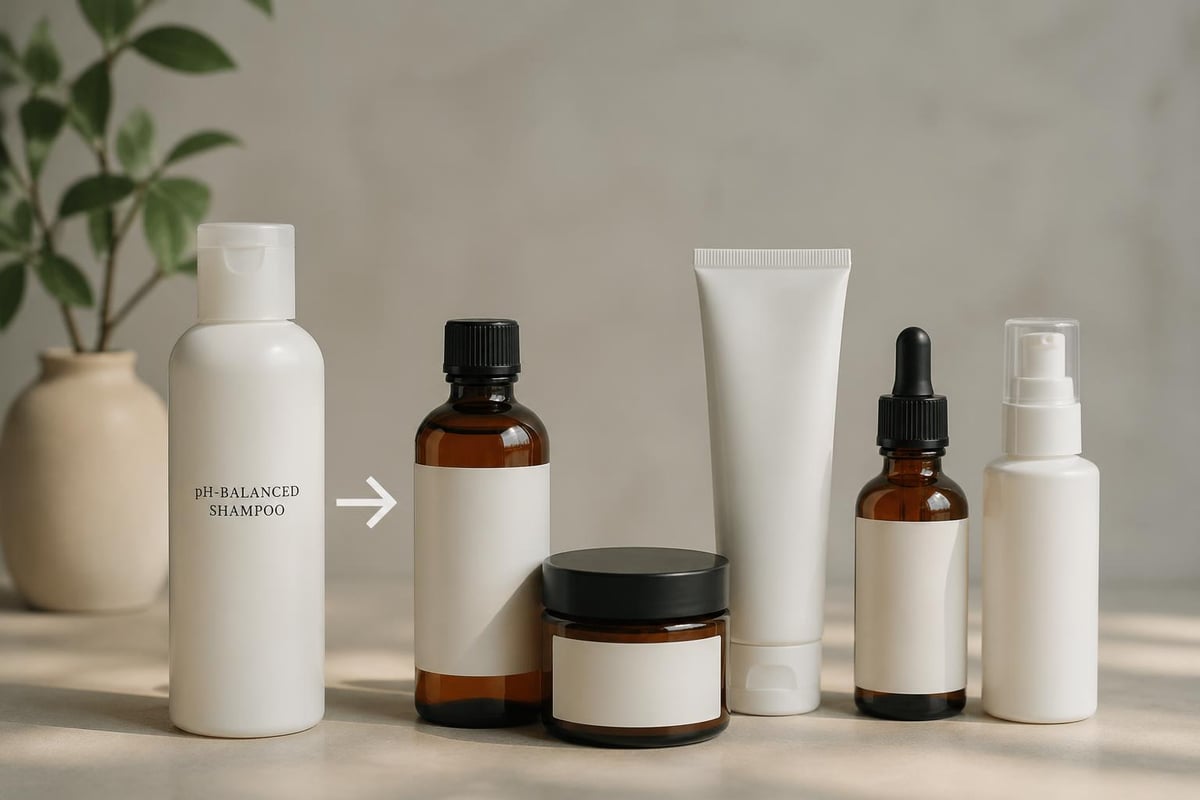
Standard body washes and scalp shampoos contain surfactants that strip away protective oils. Your facial skin maintains a slightly acidic pH of 4.7 to 5.75. Alkaline cleansers (pH 7.0 and above) disrupt this protective acid mantle, weakening your skin's barrier function. The result? Increased water loss, heightened sensitivity, and accelerated flaking.
Harsh detergents like sodium lauryl sulphate create immediate foam but leave skin vulnerable. They remove beneficial lipids that lock moisture into the stratum corneum. Without these protective fats, your skin overcompensates by producing excess sebum, feeding the Malassezia cycle and worsening dandruff symptoms.
Active Ingredients That Target Flaking
Effective beard dandruff shampoo relies on specific compounds proven to reduce yeast populations and calm inflammation. Understanding these ingredients helps you select products that deliver measurable results rather than temporary cosmetic fixes.
Zinc Pyrithione: The Antifungal Workhorse
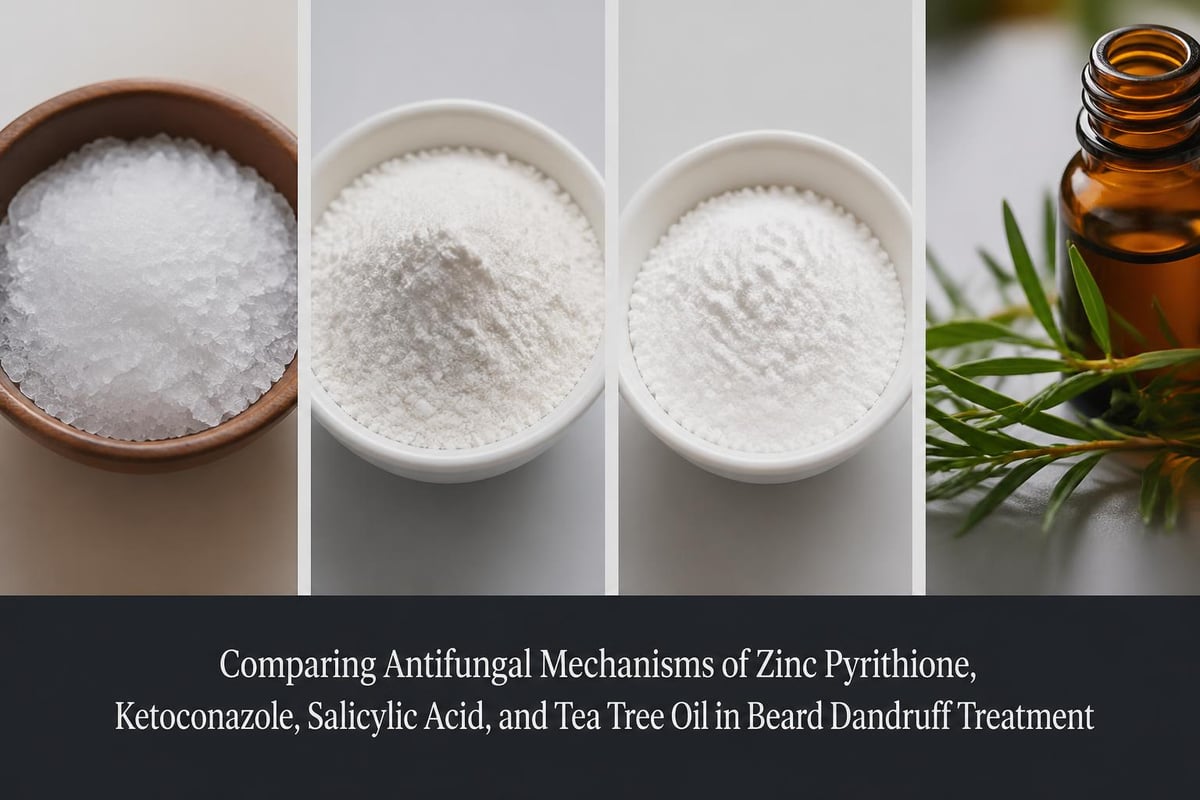
Zinc pyrithione operates through dual mechanisms. First, it disrupts fungal cell membranes, reducing Malassezia populations by up to 95% within two weeks. Second, zinc ions regulate keratinocyte proliferation, normalising the skin cell lifecycle. Clinical studies demonstrate that 1-2% concentrations significantly reduce flaking whilst maintaining skin integrity.
This compound also exhibits antibacterial properties, addressing secondary infections that can develop when scratching damages the skin barrier. The anti-inflammatory effects reduce cytokine production, breaking the itch-scratch cycle that perpetuates dandruff.
Salicylic Acid: The Exfoliation Expert
Salicylic acid penetrates sebum-filled pores because of its lipophilic structure. At concentrations between 0.5-3%, it dissolves the intercellular 'glue' binding dead skin cells together. This beta-hydroxy acid promotes desquamation without causing micro-tears in healthy tissue.
The keratolytic action clears existing flakes whilst preventing new accumulation. Salicylic acid also reduces inflammation by inhibiting prostaglandin synthesis. For beard dandruff, this ingredient addresses both symptoms (visible flakes) and contributing factors (clogged follicles).
Tea Tree Oil: Nature's Antifungal Solution
Terpinen-4-ol, the primary active compound in tea tree oil, demonstrates significant antifungal activity against Malassezia species. At 5% concentration, tea tree oil matches the efficacy of some pharmaceutical treatments whilst offering additional benefits. The compound modulates immune response, reducing the inflammatory cascade without suppressing natural defence mechanisms.
Research published in dermatological journals confirms tea tree oil's ability to reduce dandruff severity scores by 41% over four weeks. Unlike synthetic antifungals, tea tree oil maintains effectiveness with repeated use, showing no resistance development.
| Ingredient | Mechanism | Concentration | Onset of Results |
|---|---|---|---|
| Zinc Pyrithione | Antifungal + anti-inflammatory | 1-2% | 7-14 days |
| Salicylic Acid | Keratolytic exfoliation | 0.5-3% | 3-7 days |
| Tea Tree Oil | Antifungal + immunomodulation | 5% | 14-28 days |
| Ketoconazole | Broad-spectrum antifungal | 1-2% | 14-21 days |
Choosing the Right Beard Dandruff Shampoo
Product selection determines treatment success. The wrong formulation can aggravate symptoms, wasting time and money whilst your confidence suffers. Focus on these science-backed criteria when evaluating options.
Key Selection Factors:
- pH level between 4.5-5.5: Maintains skin's protective acid mantle
- Sulphate-free surfactants: Prevents over-stripping of beneficial oils
- Multiple active ingredients: Addresses different aspects of dandruff formation
- Natural emollients: Shea butter, jojoba oil, or argan oil for barrier repair
- No synthetic fragrances: Reduces irritation risk in sensitive skin
The formulation matters as much as individual ingredients. Effective dandruff treatments combine active antifungals with moisturising compounds that prevent the dryness caused by regular use. Look for products containing ceramides or niacinamide, which rebuild the skin barrier whilst active ingredients work on reducing yeast populations.
Understanding Product Claims
Marketing language often obscures actual efficacy. "Clinically tested" means nothing without published results. "Dermatologist recommended" lacks value unless specific dermatologists stake their reputation on the claim. Focus instead on ingredient lists and concentration percentages.
Natural doesn't automatically mean gentle or effective. Many plant extracts cause allergic reactions in sensitive individuals. Conversely, synthetic compounds developed through pharmaceutical research often deliver superior results with fewer side effects. The ideal beard dandruff shampoo balances both approaches, using natural ingredients where they excel and targeted compounds where precision matters.
Application Technique Maximises Results
Purchasing quality beard dandruff shampoo represents half the equation. Application technique determines whether active ingredients reach target sites or rinse away before working. Follow this evidence-based protocol for optimal outcomes.
The Pre-Wash Preparation
Start with dry brushing. Use a natural boar bristle brush to remove loose flakes and distribute oils evenly through your beard. This mechanical action lifts dead skin cells, allowing shampoo to penetrate rather than sitting atop debris. Brush downward and outward, following hair growth patterns.
Wet your beard thoroughly with warm water (not hot). Temperature matters because warm water opens follicles and softens sebum plugs without causing inflammation. Hot water strips protective oils and increases redness. Spend 30-60 seconds ensuring water saturates the full beard depth, reaching the skin beneath.
The Washing Process
Step-by-step application:
- Dispense a 10p-sized amount into your palm
- Emulsify with water until foam develops
- Massage into wet beard using circular motions
- Work product through to skin level, not just beard surface
- Allow 3-5 minutes contact time for active ingredients
- Rinse thoroughly with cool water to close follicles
- Pat dry with a clean towel using pressing motions
The contact time separates mediocre from excellent results. Zinc pyrithione and ketoconazole require several minutes to penetrate fungal cell walls. Rushing this step wastes the product's therapeutic potential. During the wait, massage your beard gently. This increases blood flow, delivering nutrients to follicles whilst the shampoo works on surface problems.
Frequency and Maintenance
Initial treatment requires daily washing for 7-14 days. This aggressive approach reduces yeast populations to manageable levels. Once symptoms improve, reduce frequency to 2-3 times weekly. Overuse of even gentle beard dandruff shampoo can disrupt skin microbiome balance.
On non-treatment days, rinse with water only or use a pH-balanced beard conditioner. Your complete beard care routine should include moisturising products that support skin barrier function between treatments.
Complementary Strategies for Flake Prevention
Beard dandruff shampoo addresses the primary problem, but surrounding habits determine long-term success. These evidence-based practices reduce recurrence risk whilst improving overall beard health.
Diet and Hydration Impact
Your skin reflects internal health. Omega-3 fatty acids reduce inflammatory markers throughout your body, including facial skin. Studies demonstrate that supplementation with 1000mg EPA/DHA daily decreases seborrheic dermatitis severity. Food sources include salmon, mackerel, walnuts, and flaxseeds.
B vitamins, particularly biotin and riboflavin, support healthy skin cell turnover. Deficiencies correlate with increased flaking and sebum production irregularities. Zinc supplementation (15-30mg daily) provides the same mineral that works topically in your beard dandruff shampoo, addressing the problem from both directions.
Water intake affects skin hydration at the cellular level. Consuming 2-3 litres daily maintains stratum corneum moisture content, reducing the dry, flaky patches that exacerbate dandruff. This simple intervention costs nothing but delivers measurable improvements.
Environmental Factors
Central heating and air conditioning reduce ambient humidity below 30%, accelerating transepidermal water loss. Use a humidifier in your bedroom to maintain 40-50% humidity. This prevents overnight dehydration that leaves morning beards dry and prone to flaking.
Temperature extremes stress facial skin. Winter wind and summer sun both trigger inflammatory responses. Apply a pH-balanced beard balm before outdoor exposure. Look for products containing natural protective ingredients that shield against environmental damage without clogging pores.
| Strategy | Mechanism | Implementation | Expected Impact |
|---|---|---|---|
| Omega-3 Supplementation | Reduces inflammatory cytokines | 1000mg EPA/DHA daily | 30% reduction in flaking |
| Humidity Control | Prevents transepidermal water loss | Maintain 40-50% humidity | 25% improvement in hydration |
| UV Protection | Reduces oxidative stress | Apply balm before sun exposure | Prevents barrier damage |
| Stress Management | Lowers cortisol-driven inflammation | Regular exercise, meditation | 20% symptom reduction |
Advanced Treatment Protocols
Persistent beard dandruff sometimes requires escalated intervention. When over-the-counter beard dandruff shampoo fails to deliver results within four weeks, these advanced strategies provide additional options.
Prescription-Strength Solutions
Ketoconazole 2% represents the pharmaceutical gold standard for seborrheic dermatitis. Available on prescription in the UK, this imidazole antifungal disrupts ergosterol synthesis in fungal cell membranes. Clinical trials show 85% improvement rates within four weeks. The NHS recommends this approach for moderate to severe cases resistant to standard treatments.
Topical corticosteroids reduce inflammation quickly but require careful use. Hydrocortisone 1% cream applied to affected skin (not beard hair) for 5-7 days breaks severe inflammatory cycles. Long-term use causes skin thinning, so reserve this option for acute flare-ups under medical supervision.
Combination Therapy Approach
The most effective treatment protocols layer multiple mechanisms. Start with a beard dandruff shampoo containing zinc pyrithione three times weekly. On alternate days, apply a leave-in treatment containing salicylic acid and tea tree oil. This maintains constant antifungal pressure whilst promoting healthy cell turnover.
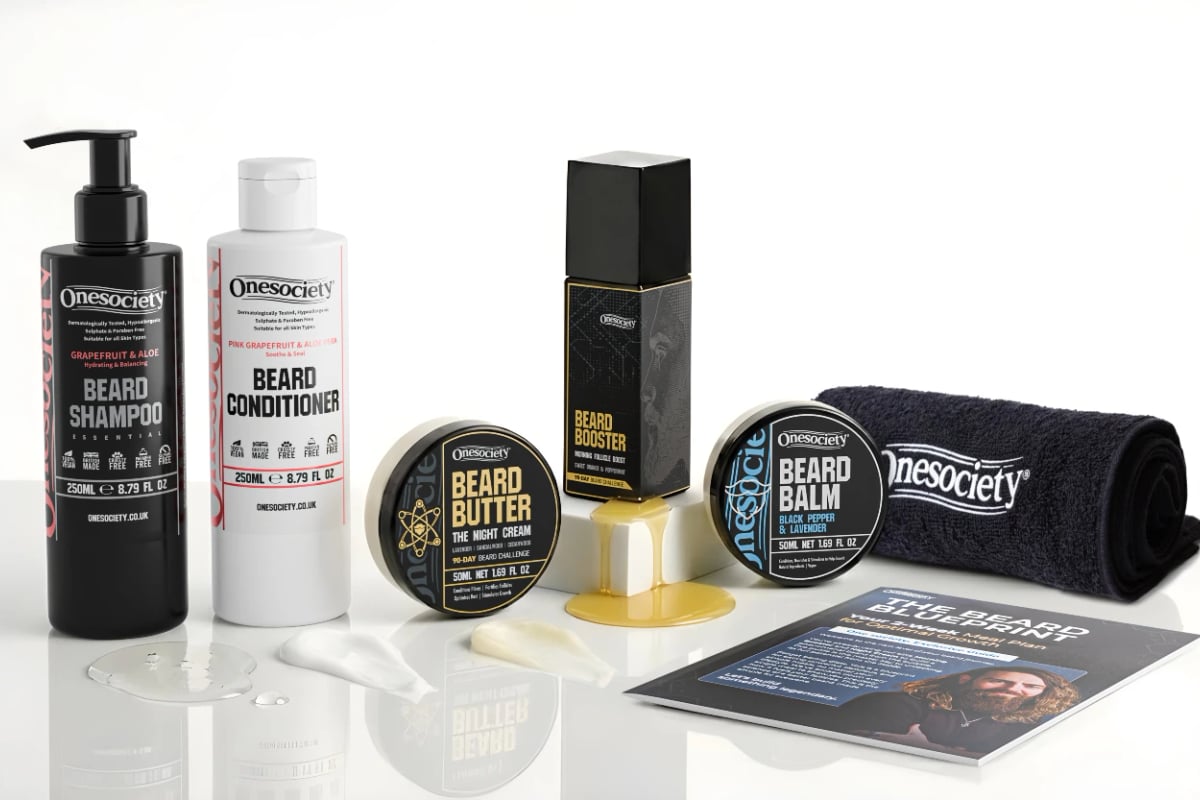
For individuals seeking comprehensive beard transformation beyond dandruff treatment, the 90-Day Beard Challenge provides a complete system. This kit includes a pH-balanced beard shampoo formulated to reset your skin's natural balance, combined with seven additional products addressing every aspect of beard health from follicle stimulation to protective sealing.
Addressing Underlying Conditions
Yale Medicine research identifies several medical conditions that manifest as treatment-resistant beard dandruff. Psoriasis, eczema, and contact dermatitis require different therapeutic approaches. If symptoms persist despite proper beard dandruff shampoo use, consult a dermatologist for accurate diagnosis.
Food sensitivities sometimes trigger inflammatory skin responses. Gluten, dairy, and sugar show the strongest correlations with seborrheic dermatitis flare-ups. Consider a 30-day elimination trial of suspected triggers whilst maintaining your topical treatment routine. Track symptoms daily to identify genuine connections versus coincidental improvements.
Preventing Future Outbreaks
Successfully treating current beard dandruff means nothing if symptoms return within weeks. These maintenance strategies keep your facial hair flake-free long-term without constant product dependence.
Prevention Fundamentals:
- Wash beard with targeted shampoo 2-3 times weekly
- Brush daily with natural bristles to distribute oils
- Moisturise skin beneath beard with non-comedogenic products
- Replace towels and pillowcases weekly to prevent reinfection
- Avoid touching or scratching beard throughout the day
Product rotation prevents tolerance development. Alternate between different active ingredients monthly. Use zinc pyrithione for four weeks, then switch to tea tree oil, then rotate to salicylic acid. This strategy maintains effectiveness whilst preventing fungal resistance.
Stress Management Connection
Cortisol elevation triggers sebum production increases and immune function suppression. Both factors promote Malassezia overgrowth. Research published by the American Academy of Dermatology confirms that stress reduction interventions decrease dandruff severity independent of topical treatments.
Implement evidence-based stress management: 20 minutes daily exercise increases endorphins whilst reducing cortisol. Meditation for 10 minutes before bed lowers inflammatory markers measurably within two weeks. Quality sleep (7-9 hours) allows skin repair processes to complete their cycles.
Tool Hygiene Matters
Your beard brush, comb, and trimmer harbour yeast and bacteria. Weekly sanitisation prevents reintroduction of the organisms your beard dandruff shampoo works to eliminate. Soak tools in 70% isopropyl alcohol for 10 minutes, then rinse and air dry completely.
Replace natural bristle brushes every three months. The porous structure eventually harbours microorganisms despite cleaning. Synthetic brushes last longer but lack the oil-distributing properties that support healthy beard ecosystems. Choose based on your individual needs and budget constraints.
The Long-Term Health Perspective
Beard dandruff represents more than cosmetic concern. Chronic inflammation ages skin prematurely through oxidative stress and collagen degradation. Addressing the condition now prevents long-term damage that becomes irreversible.
Proper beard care, including consistent use of appropriate beard dandruff shampoo, maintains follicle health. This ensures continued growth potential as you age. Neglected dandruff leads to follicular miniaturisation, where hair shafts become progressively finer until they stop growing entirely.
The investment in quality products pays dividends beyond appearance. Healthy skin functions optimally: regulating temperature, synthesising vitamin D, and protecting against pathogens. Your beard care routine contributes to overall dermal health, with benefits extending across your entire face.
Building Sustainable Habits
Success requires consistency over intensity. Daily five-minute beard care routines outperform sporadic 30-minute sessions. Set specific implementation intentions: "After breakfast, I will brush my beard and apply moisturiser." This psychological technique increases adherence by 300% compared to vague goals.
Track your progress objectively. Photograph your beard weekly under consistent lighting. The visual record reveals improvements your daily mirror checks might miss. Quantify flaking on a 1-10 scale. Monitor itch intensity and frequency. Data-driven approaches maintain motivation through temporary plateaus.
Understanding your complete grooming needs helps you build an integrated routine rather than treating beard dandruff in isolation. Your facial hair exists within a complex ecosystem that responds to holistic care better than targeted interventions alone.
Ingredients to Avoid
Knowing what to exclude from your beard care routine prevents setbacks that undermine your progress. These common ingredients trigger irritation, worsen inflammation, or provide no therapeutic benefit despite marketing claims.
Problematic Components:
- Sodium lauryl sulphate (SLS): Strips protective oils aggressively
- Synthetic fragrances: Contains up to 200 undisclosed compounds, many allergenic
- Denatured alcohol: Causes excessive dryness and barrier damage
- Parabens: Endocrine disruptors with questionable preservation benefits
- Silicones: Create temporary smoothness whilst preventing moisture penetration
Mineral oil and petroleum derivatives coat hair shafts without penetrating. They create an occlusive barrier that traps existing flakes and dead skin against your face. Whilst they prevent water loss, they also prevent water entry, leaving underlying skin dehydrated.
Artificial colours serve purely aesthetic purposes. FD&C dyes frequently cause contact dermatitis in sensitive individuals. Your beard dandruff shampoo gains nothing from appearing bright blue or green. Clear or naturally tinted formulations indicate manufacturers prioritise function over marketing gimmicks.
The "Natural" Deception
Marketing exploits consumer preference for natural ingredients through misleading labelling. A product can claim "natural" status whilst containing 95% synthetic compounds if that 5% derives from plants. Read ingredient lists rather than front-label claims.
Some natural ingredients cause problems. Lemon and lime extracts contain psoralens that increase UV sensitivity. Peppermint oil can irritate damaged skin despite feeling refreshing. Lavender oil disrupts hormone function in some individuals. Natural origin doesn't guarantee safety or efficacy.
Making Beard Dandruff Shampoo Work for You
Individual variation means some trial and refinement will occur before you find your optimal routine. Your skin pH, sebum production rate, Malassezia strain, and lifestyle factors all influence treatment response. These personalisation strategies accelerate the discovery process.
Start with pH-balanced formulations containing 1% zinc pyrithione. This provides the statistical best chance of improvement for most men. Use daily for two weeks whilst monitoring symptoms. If you see 50% reduction in flaking, continue for another two weeks before reducing frequency.
No improvement after 14 days suggests you need different active ingredients. Switch to a salicylic acid-based beard dandruff shampoo at 2% concentration. The exfoliation mechanism addresses different aspects of the problem. Maintain daily use for two weeks before evaluating.
Partial improvement indicates you're on the right track but need combination therapy. Keep your current shampoo but add a leave-in treatment containing tea tree oil. The dual approach attacks the problem from multiple angles simultaneously.
Patience Produces Results
Skin cycles operate on 28-day timeframes. Complete cellular turnover requires this period. Judging a beard dandruff shampoo after three days sets unrealistic expectations. Commit to four-week trials minimum before declaring products ineffective.
Document your starting point with clear photographs and written symptom descriptions. When frustration peaks at week two (a common psychological hurdle), reviewing your baseline reminds you that progress occurred even if perfection hasn't arrived.
The goal isn't complete flake elimination immediately. Target 50% reduction first, then 75%, then 90%. This progressive approach maintains motivation whilst acknowledging that severe cases require graduated treatment intensification.
Beard dandruff responds predictably to scientifically formulated treatments when you understand the underlying mechanisms driving flake formation. The right beard dandruff shampoo, applied consistently using proper technique, addresses both Malassezia overgrowth and inflammatory responses whilst supporting your skin's natural protective functions. Onesociety combines these evidence-based approaches with 100% natural ingredients, offering complete grooming solutions that transform beard health from the follicle outward. Explore their scientifically backed range to discover how targeted nutrition, pH-balanced cleansing, and protective conditioning work together for the confident, flake-free beard you deserve.